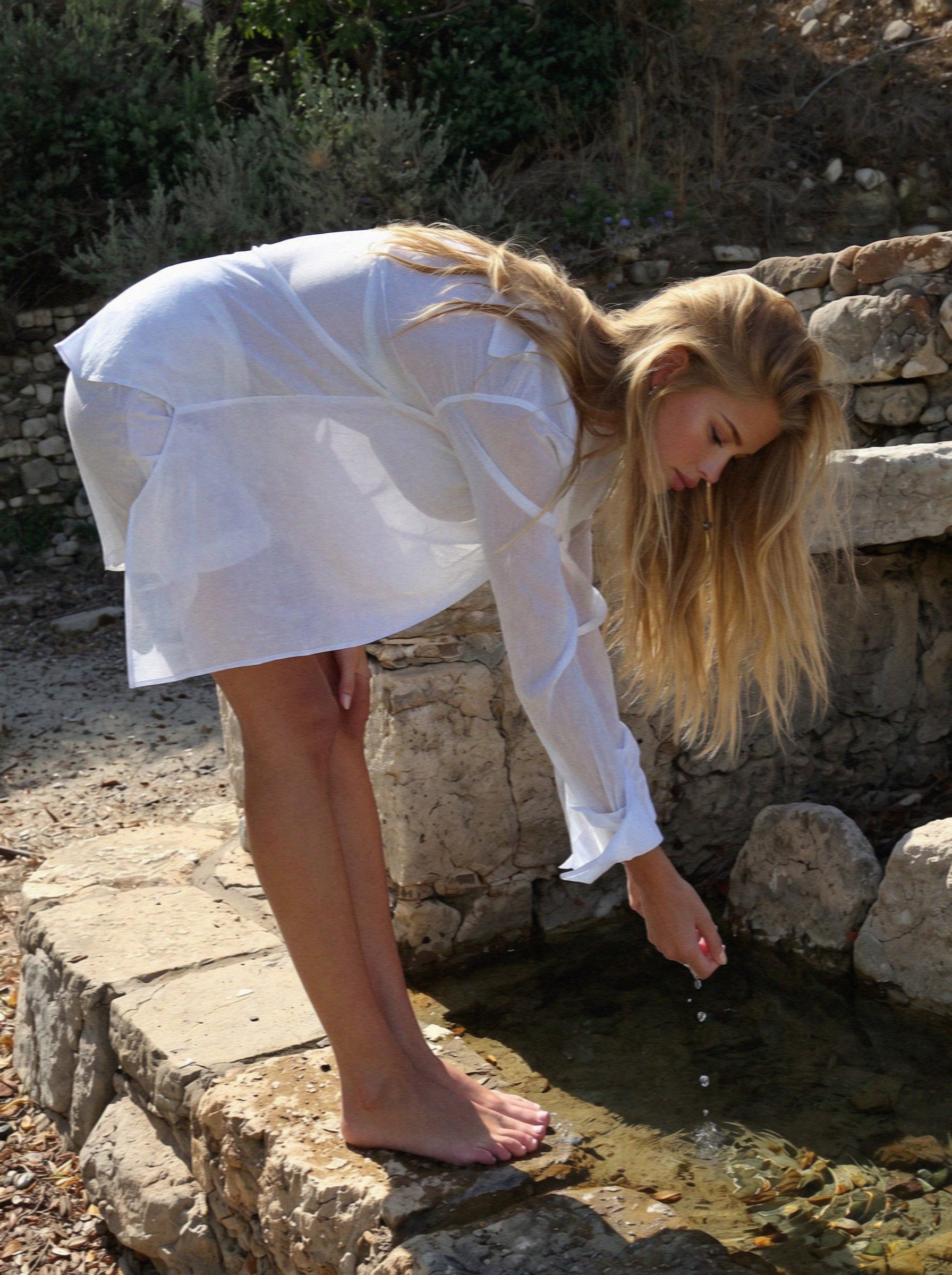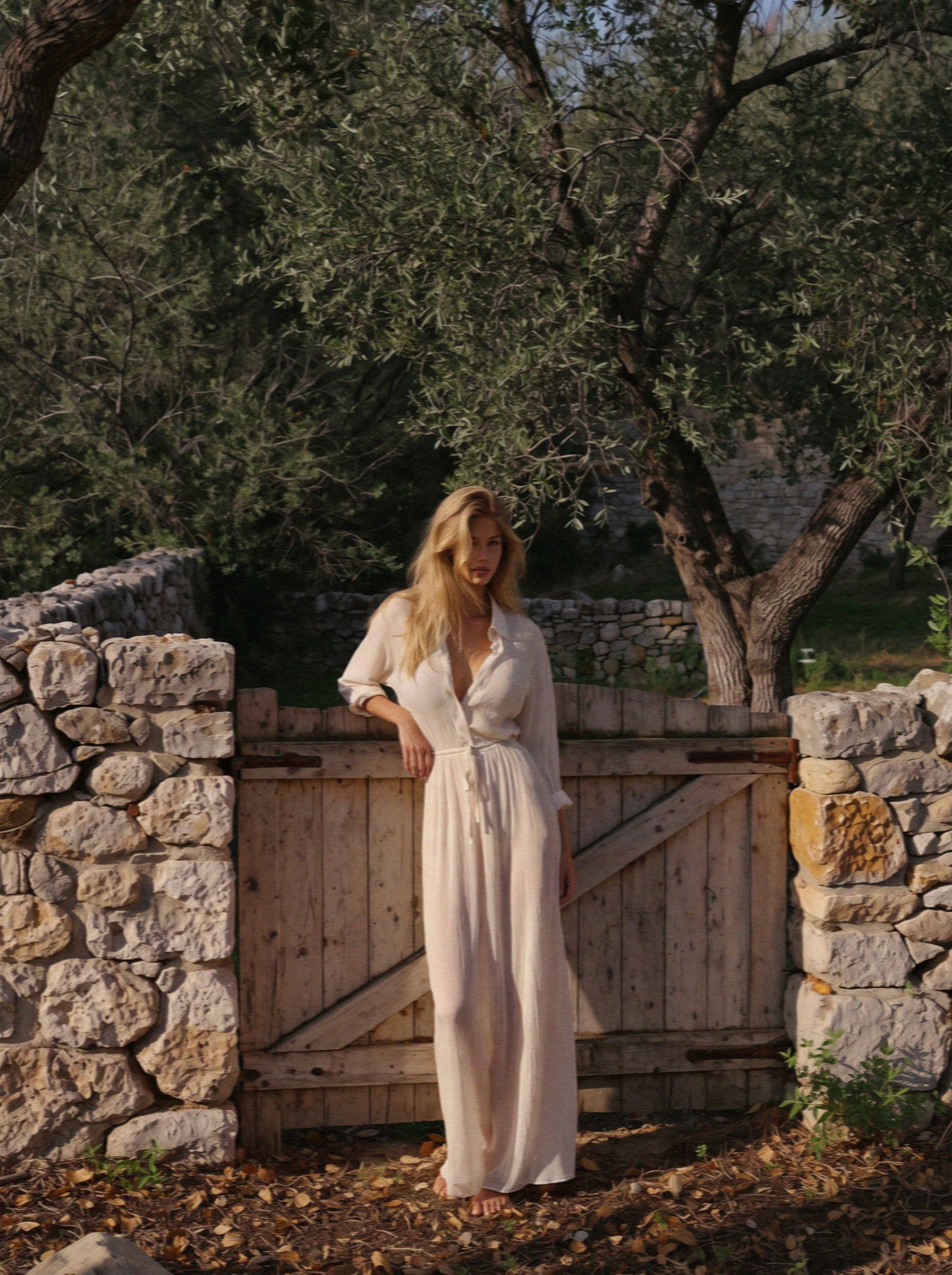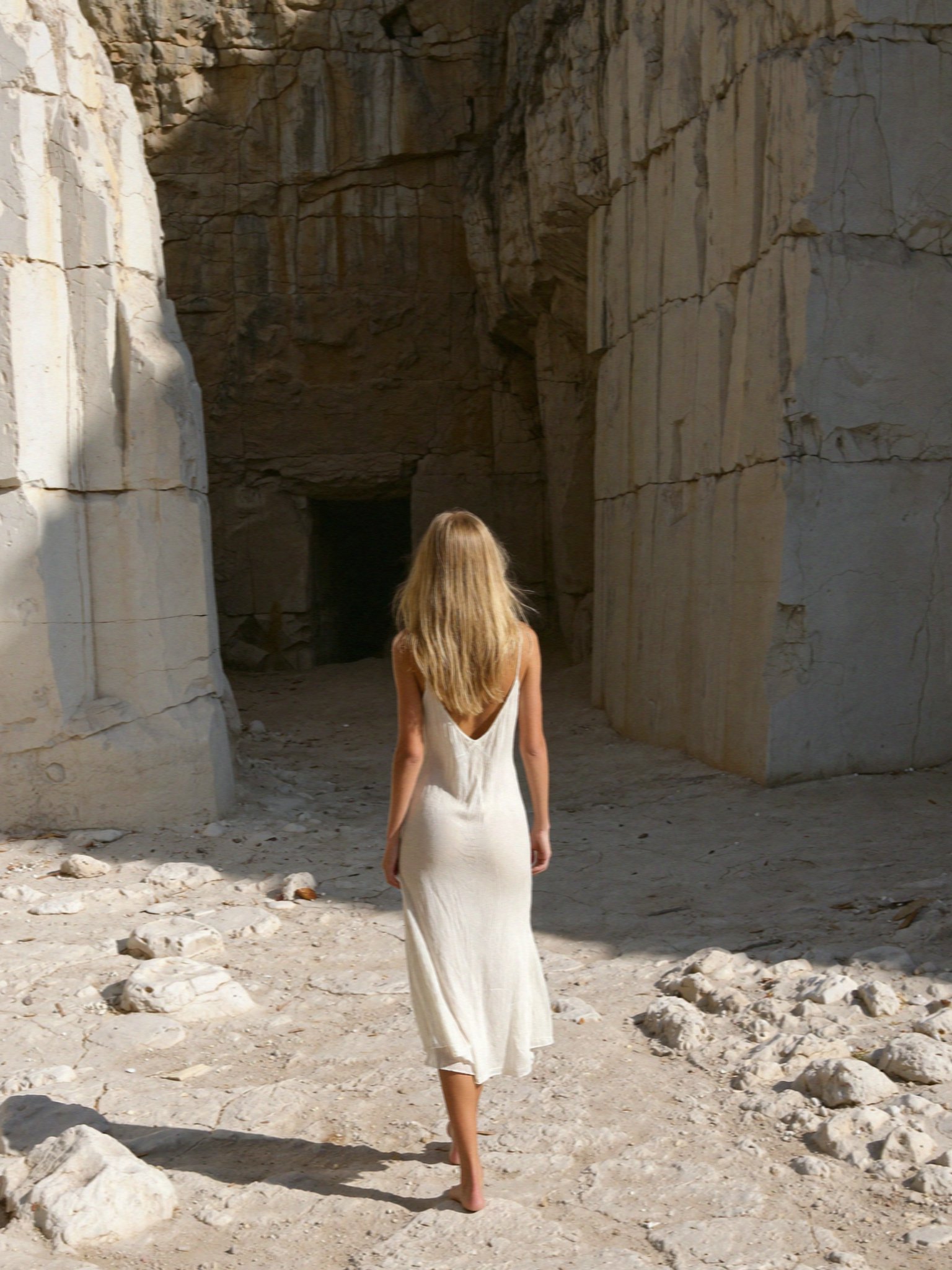
The bus to Filoti leaves early and climbs almost the entire way, and by the time it put me down the air had changed. Inland Naxos is not the island the ferry sells you. It is green in the folds, terraced anywhere somebody once managed to persuade a wall to stay up, and there are olive trees in the valley older than most of the buildings on the coast.
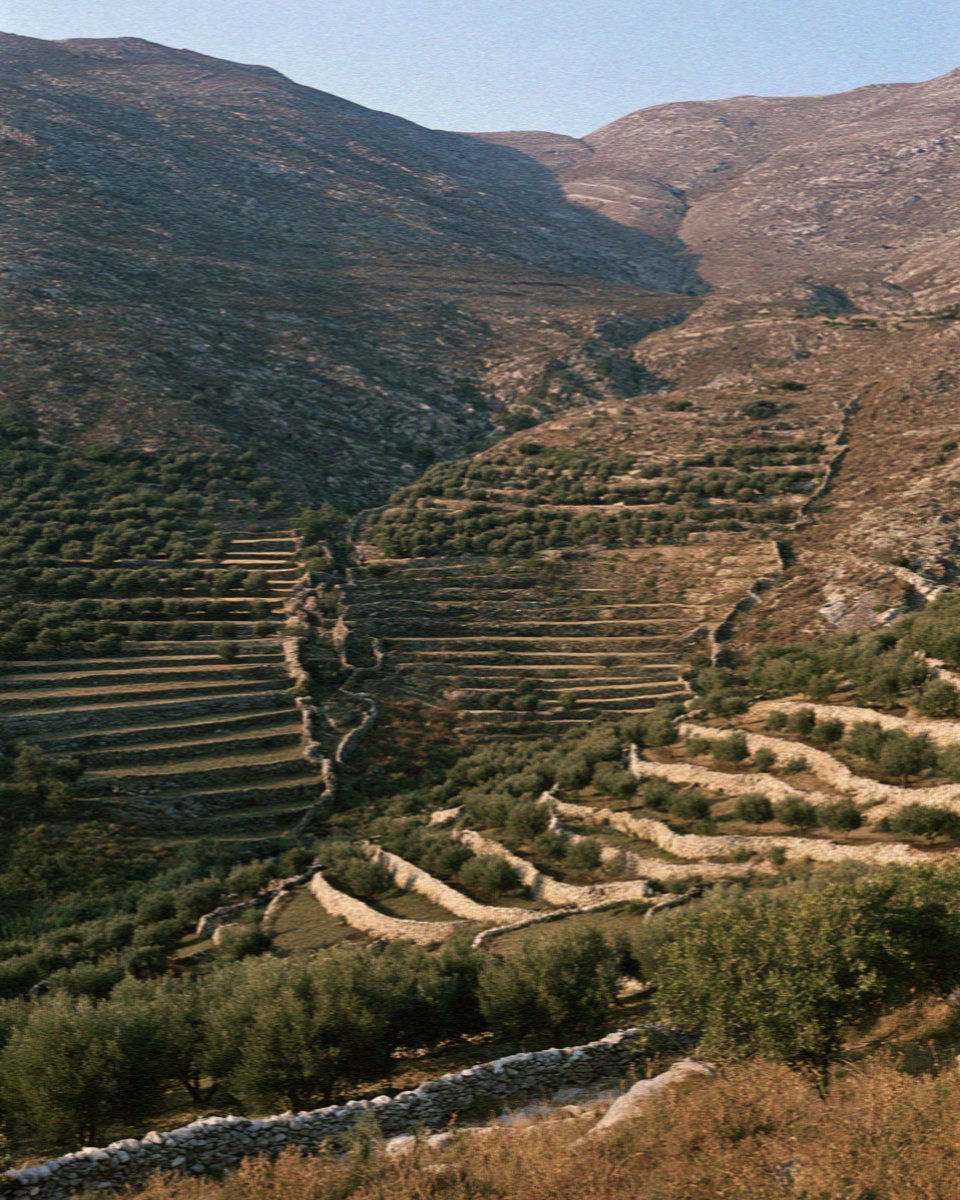
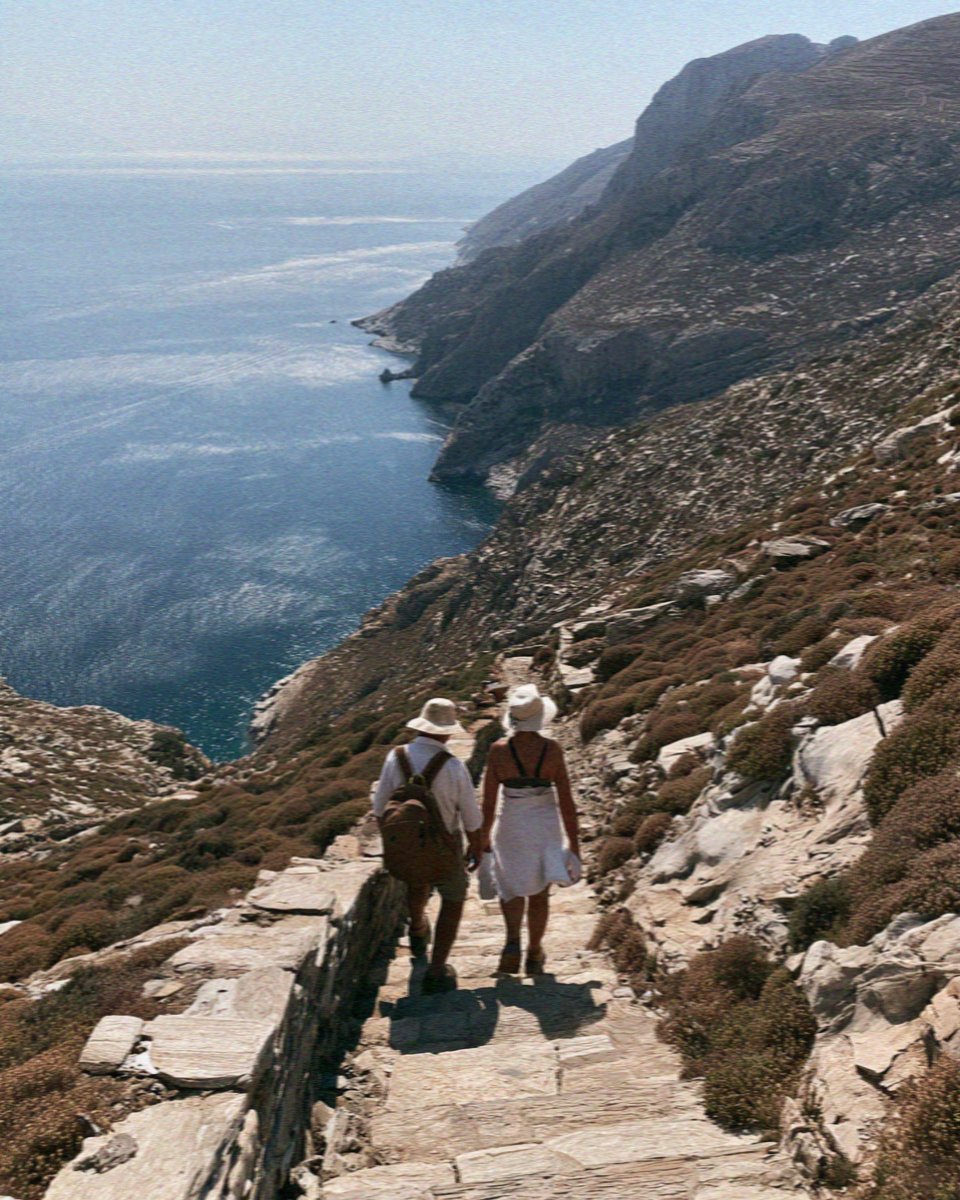
I was going up Mount Zas, which at a thousand and four metres is the highest point in the Cyclades.
That sounds more impressive than it is.
It is a hill with ambition.
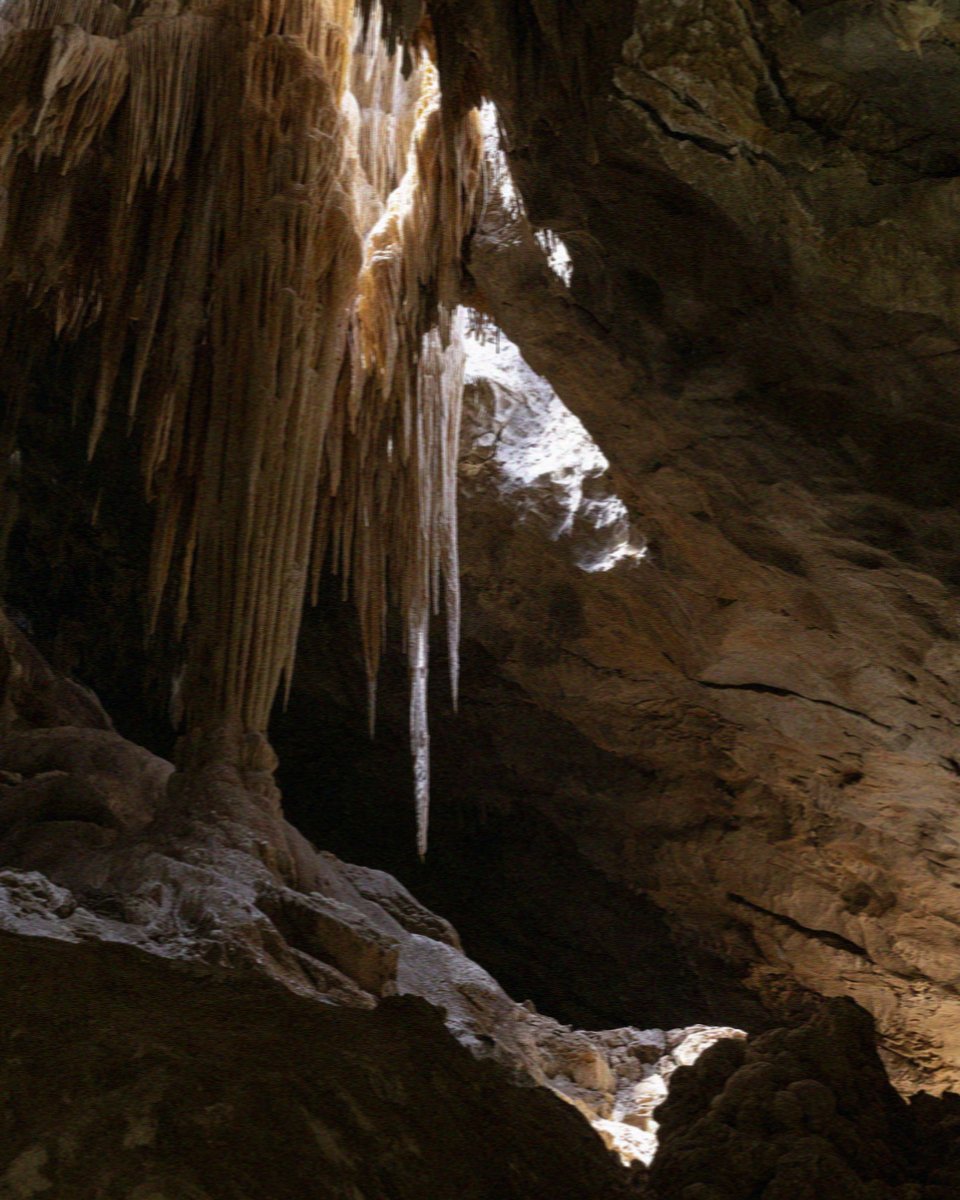
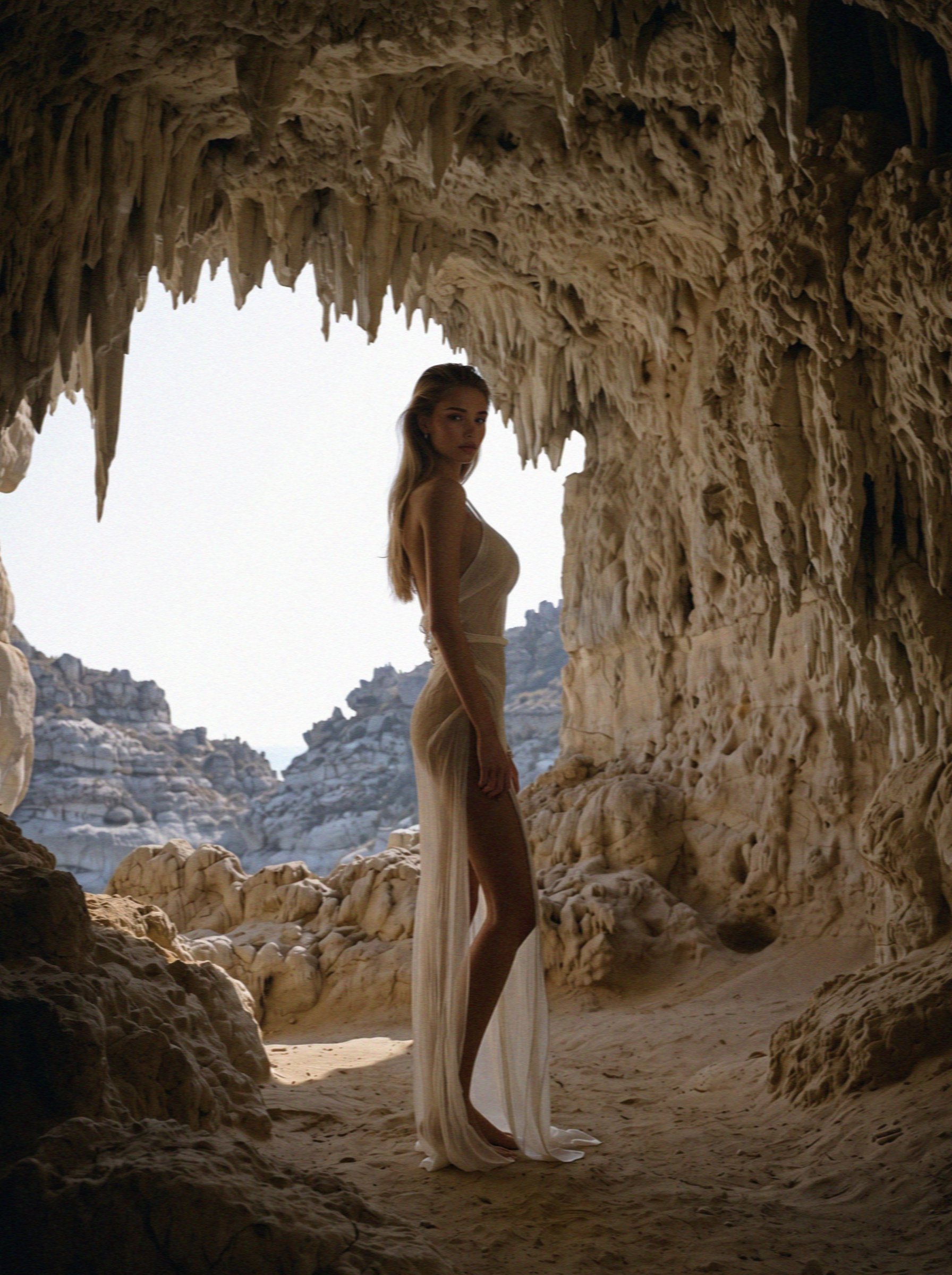
The path begins near a spring and climbs through stone and low scrub. About twenty minutes in there is a cave off to one side. You have to want it slightly.
Inside are stalactites and a darkness your eyes take a while to agree to, and this, according to people who were not there, is where Zeus was hidden as a child so his father could not eat him.
The Greeks never wasted a good cave.
After that it is mostly walking.
I am never sure whether to admit how much I like the part when there is nothing left to think about except where to put your foot.
At the top you can see Paros lying flat to the west, Ios, and Amorgos further out, and on a clearer day apparently Santorini. I got the first three and a haze where the fourth should have been.
I sat down anyway.
A man nearby was eating an orange with a penknife and had walked up from the other side. Between us we had perhaps forty words of useful shared vocabulary. We established that the view was good and the climb was long.
Nothing else seemed necessary.

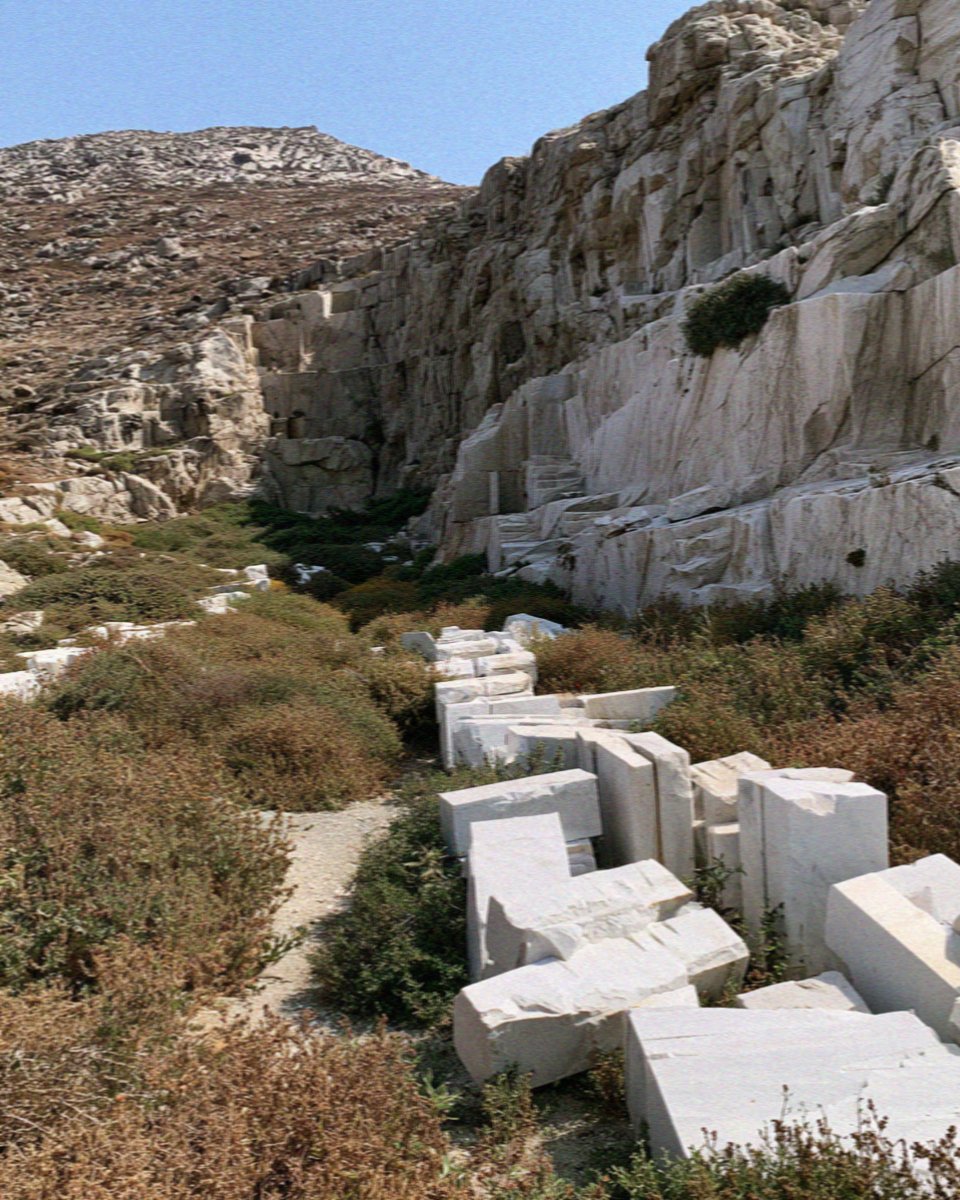
In the afternoon I went to find the quarries, which is what I had actually moved the ferry for.
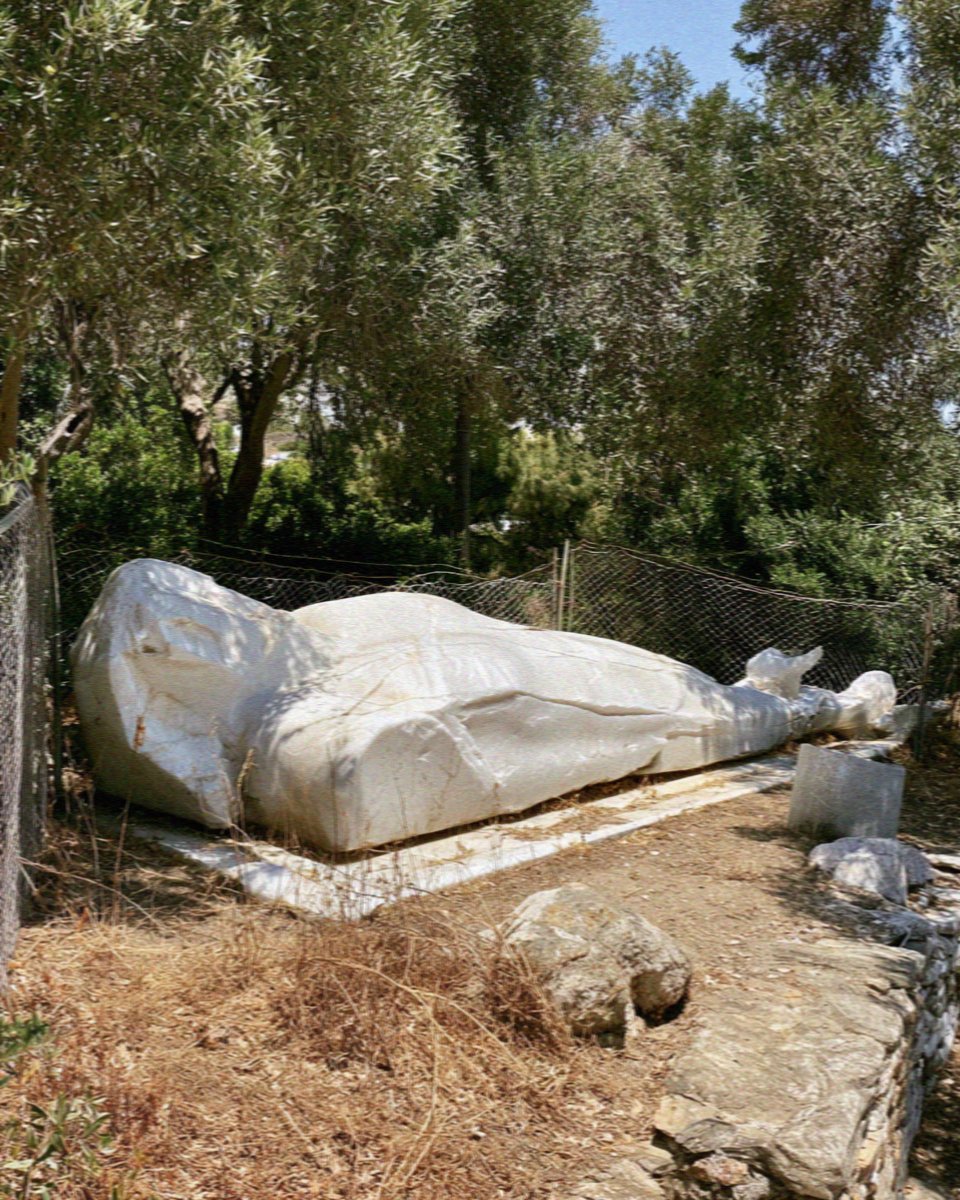
There is a kouros lying on his back in a garden at Flerio.
Not in a museum. Not behind a grand entrance with a gift shop.
A garden, with a fence and a gate and olive trees around him, a little sign, and somebody’s radio playing from a house further down.
He is four and a half metres long, cut more than two and a half thousand years ago, and he never reached wherever he was supposed to go because his feet broke.
That is almost the whole story.
Somebody quarried him, began bringing a giant out of the stone, tried to move him, and something gave at the ankles. After all that work, they left him there.
There is another unfinished giant further up in the quarry with much the same ending.
I expected it to feel sad.
It did not.
He has a face, roughly. His arms are still inside the block, and in places the man is still inside it too. Because nobody finished him, you can see the order of things: the heavy cuts first, then the shape beginning to arrive.
A finished statue tells you what somebody wanted.
An unfinished one tells you how they worked.
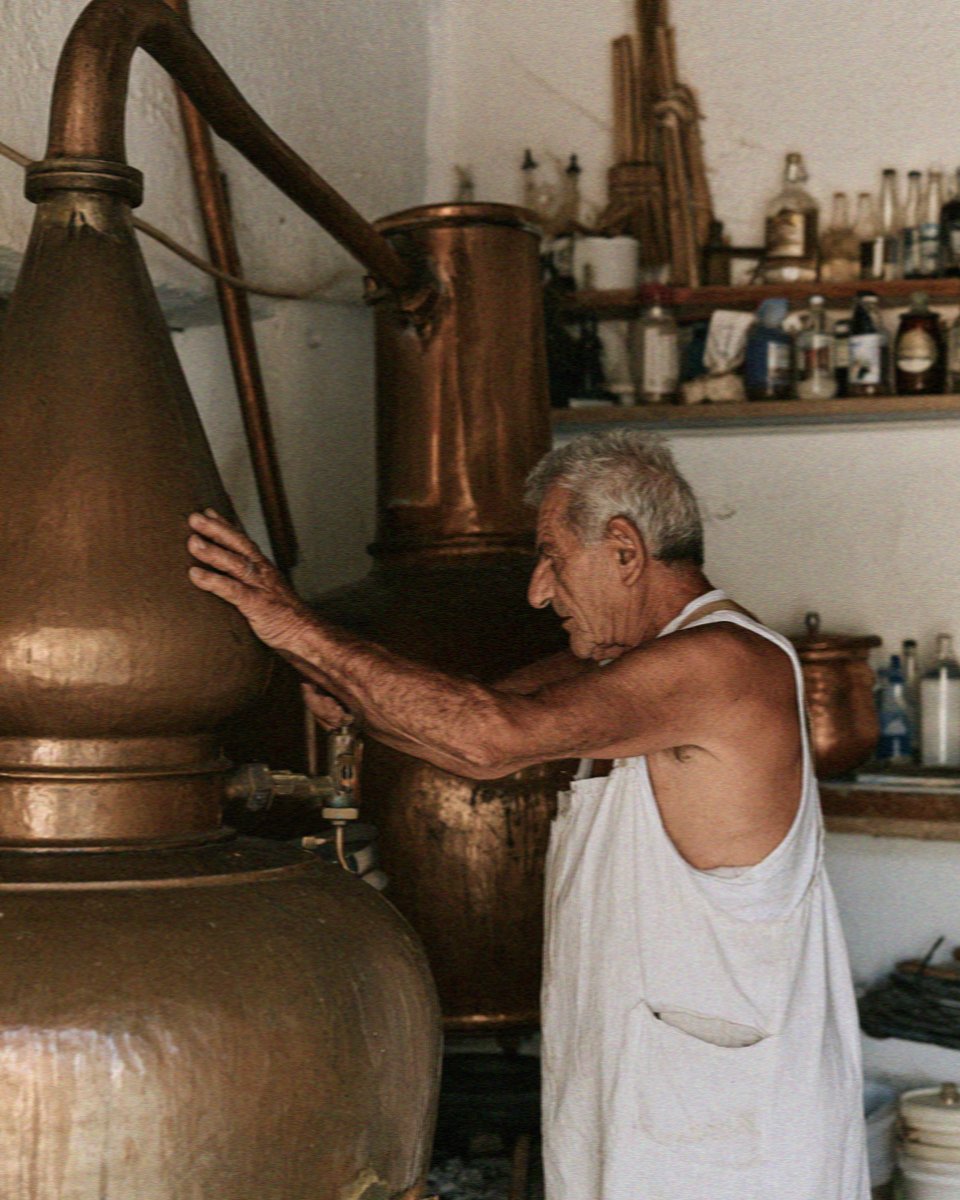
Then Halki, once the commercial centre of the island before life moved towards the coast, and still carrying the slightly stunned elegance of a place that used to be busier. Neoclassical fronts, shutters, a square, and a distillery that has been making kitron since 1896.
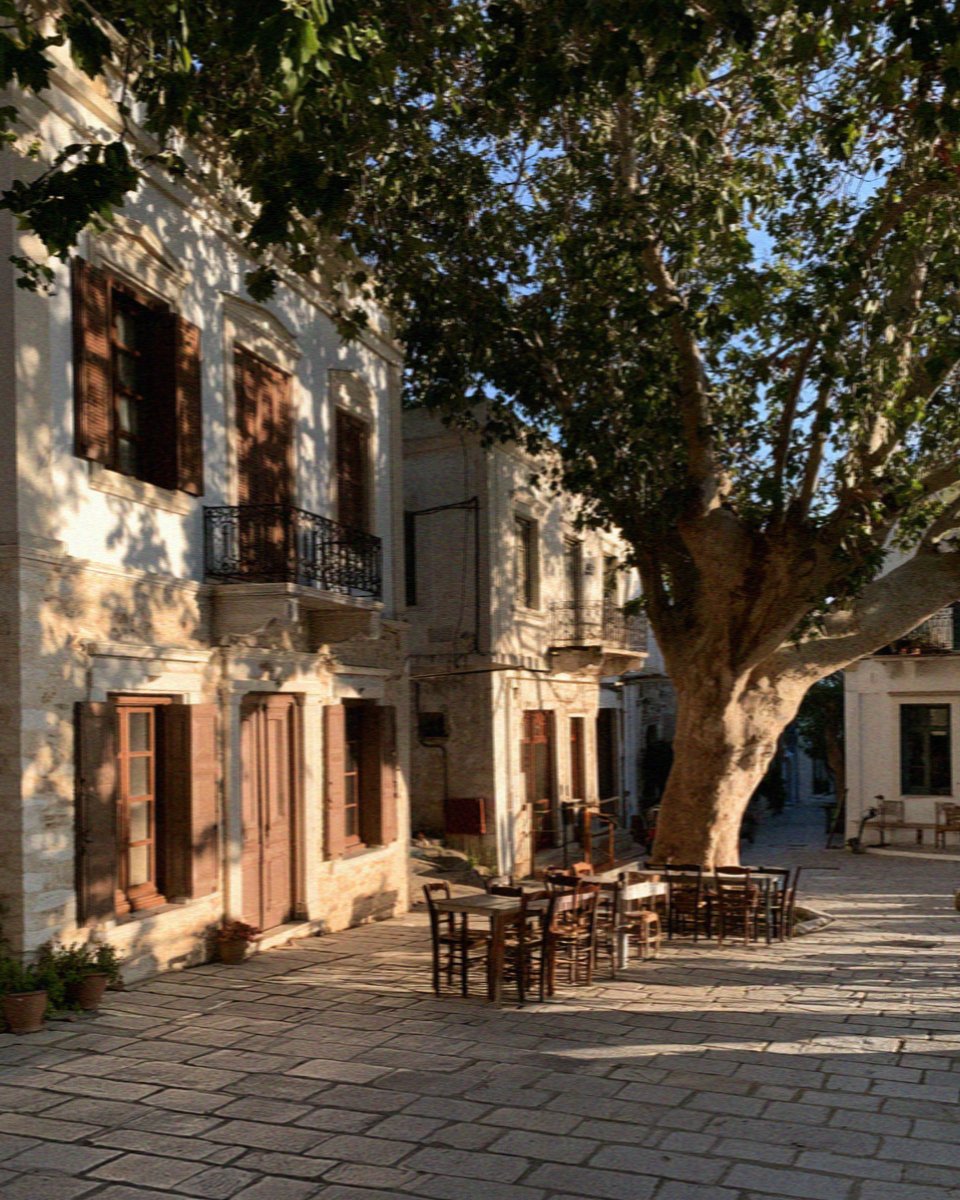
I was wrong about the kitron, or rather the woman at the harbour was slightly wrong and I repeated her faithfully.
It is made with citron fruit as well as the leaves. In the back room the copper stills are still there, and at the tasting the three versions stood in a row: green, clear and yellow, getting stronger as they went.
She had told me the green was the only one worth drinking.
The green is the sweet one.
I suspect what she actually meant was that the green is the one you can drink two of.
I had the yellow.
It is not a soft drink.

And then lunch, and the potatoes, and I am sorry to report that she was completely right about those.
I had assumed it was local pride of the ordinary sort. Apparently Naxos has been taking its potatoes seriously for rather a long time.
Then the plate arrived. Fried, salted, with almost nothing done to them at all.
I ate the entire thing and then a piece of somebody else’s.
I cannot tell you why they are better. Neither could she.
That was rather the point of the conversation.
I got back to Chora at the hour I had been waiting for, when the shops in the Kastro put their lights on and the vaulted lanes stop looking like a diagram and become streets again.
The marble underfoot goes from white to amber. People come out. A cat went past me at speed carrying something it absolutely should not have had.
And I thought about the doorway again, because it is impossible not to, lit up out there on its rock with nothing behind it.
I had asked whether it was a monument to ambition or to giving up.
Two days here and I think it is neither.
I think the kouros lying on his back in that garden is the better clue.
They did not give up. They put down what broke, built the rest of the island around it, and let people live beside it for two and a half thousand years without feeling any particular need to tidy it away.
That is not failure.
It is just a longer view than I am used to.
V.
More images from Naxos