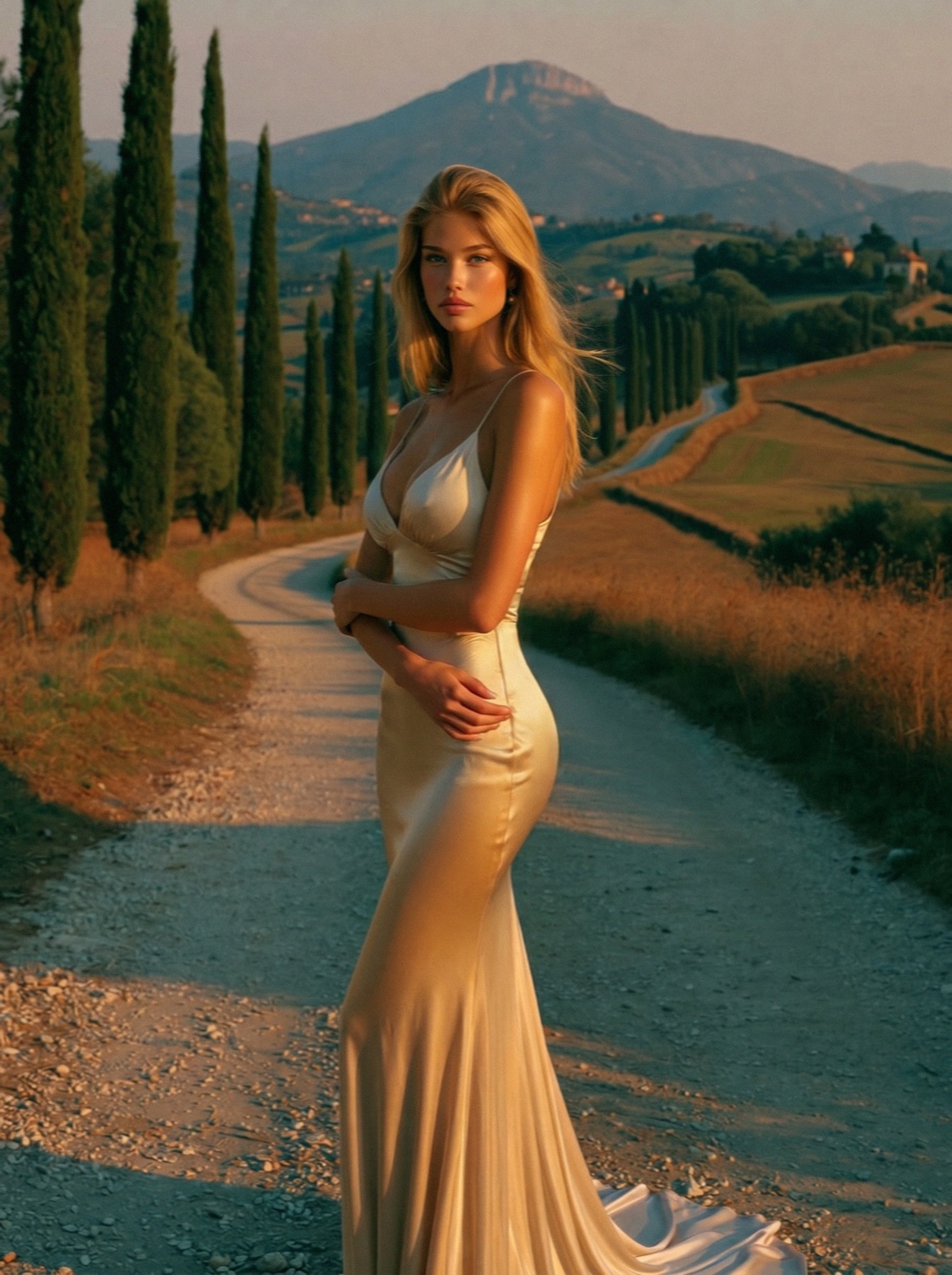
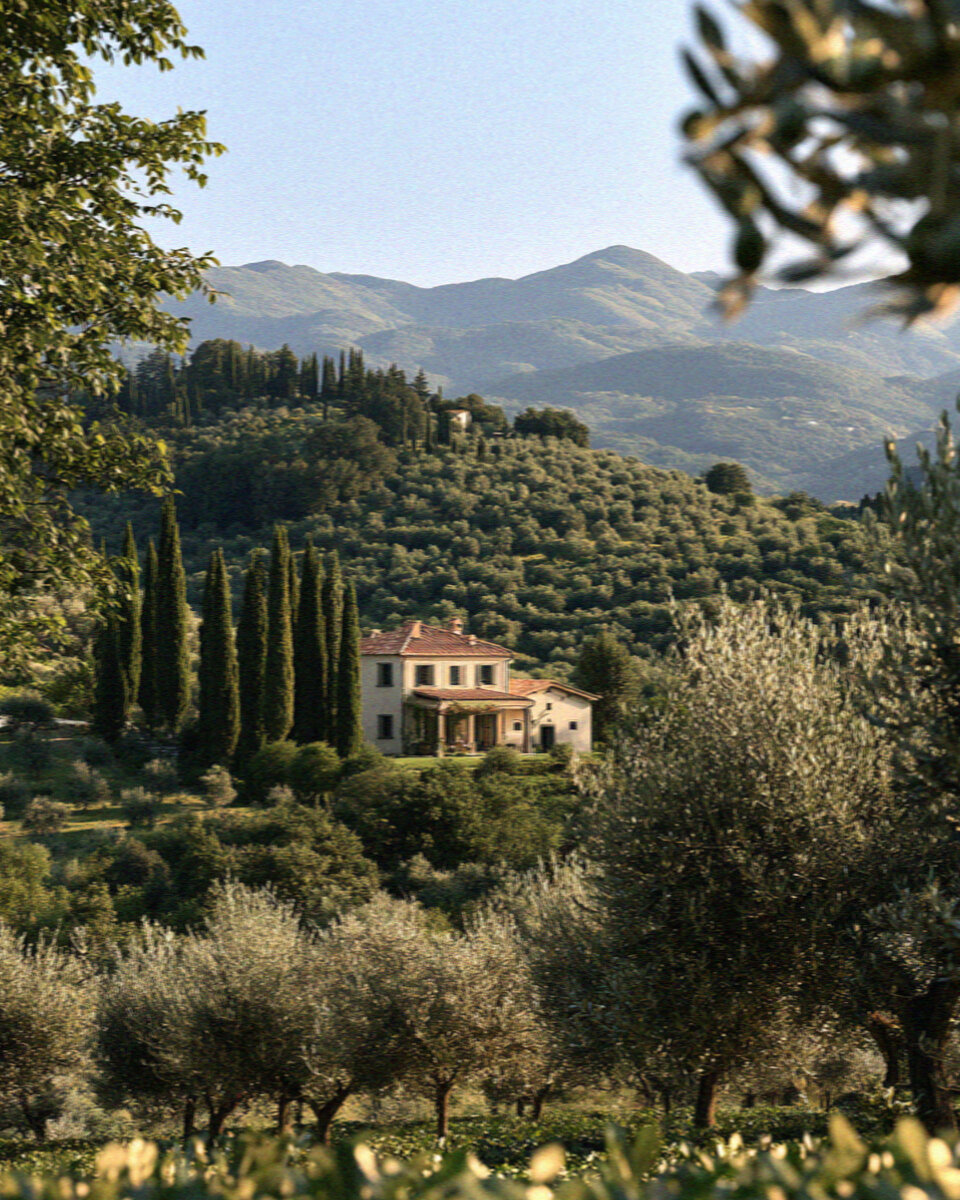
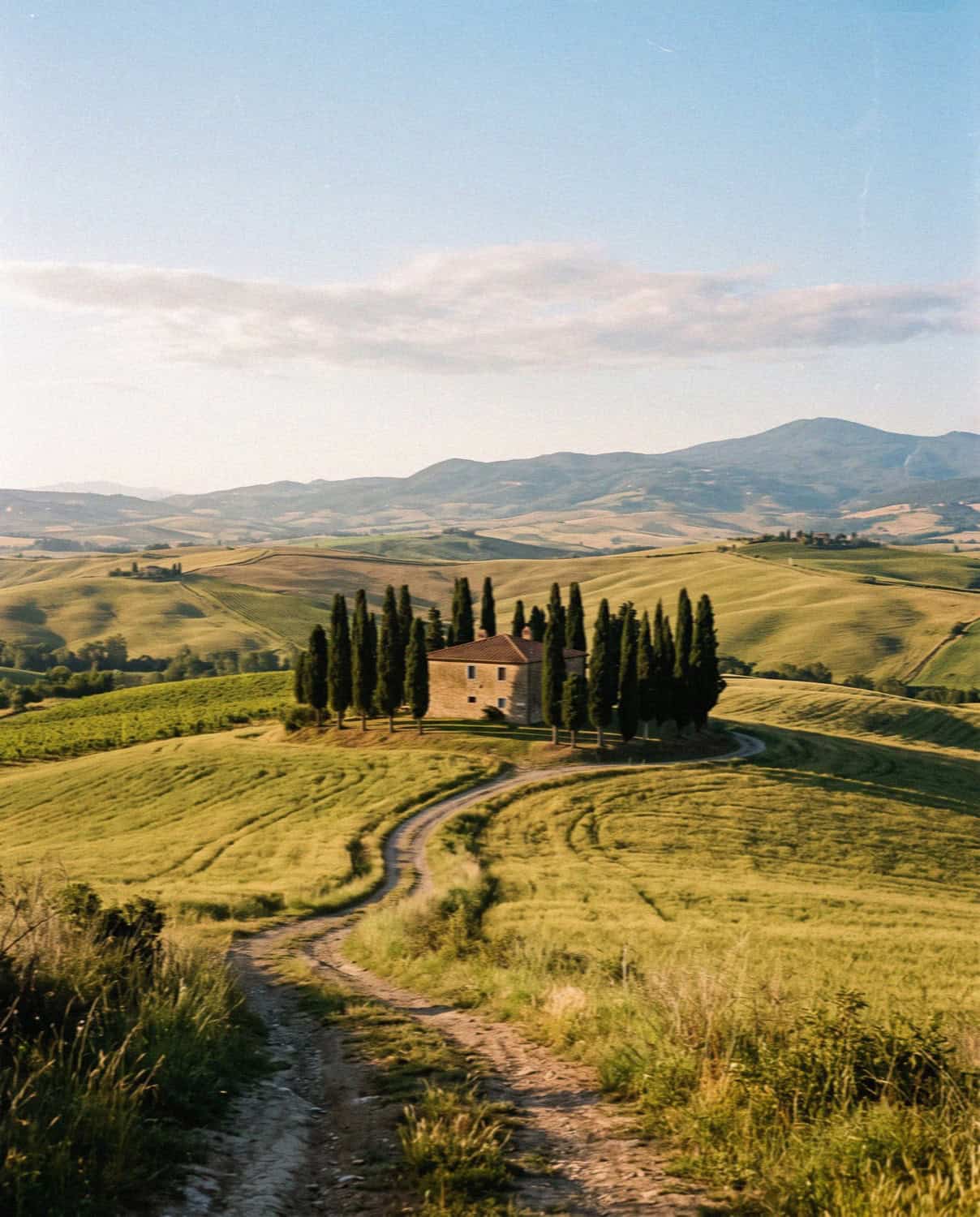
Tuscany is the Italy of the imagination made real: rolling hills striped with cypress, honey-stone towns on every ridge, vineyards and olive groves running to a blue horizon, and a light in the late afternoon that has drawn painters and poets here for centuries. It is a region you do not so much tour as settle into, letting the days unspool between a long lunch, a slow drive and a glass of something local as the hills turn gold. This is the land of Renaissance cities and medieval villages, of Chianti and Brunello, of the famous Val d’Orcia and the quieter corners most visitors never find. This complete guide covers everything you need to plan a Tuscan trip, from the towns and the wine to when to come, how to get around, where to stay and eat, and the hidden hot springs and photo spots that make the region unforgettable.
What to book before you come
Tuscany is a region you drive, and hiring a car is far and away the best money you will spend here. Book a car first. After that, the two things worth arranging are the wine, because you cannot taste and drive, and the one long day that takes in the towns too far apart to link yourself.
- A Chianti winery afternoon. The hills start twenty minutes outside Florence and almost nobody staying three days goes to see them.
- Pisa, Siena and San Gimignano with lunch. 4.6 from over eleven thousand people. Three towns that do not connect usefully by train, solved in one day.
- A winery in the hills above Lucca. The northern end of Tuscany, which almost every itinerary skips.
- The Lucca food walk. Rated 4.9, and a full meal rather than a tasting.
The hill towns themselves cost nothing to walk. Every road in the Val d Orcia is free and better than anything you could book.
Best Time to Visit Tuscany
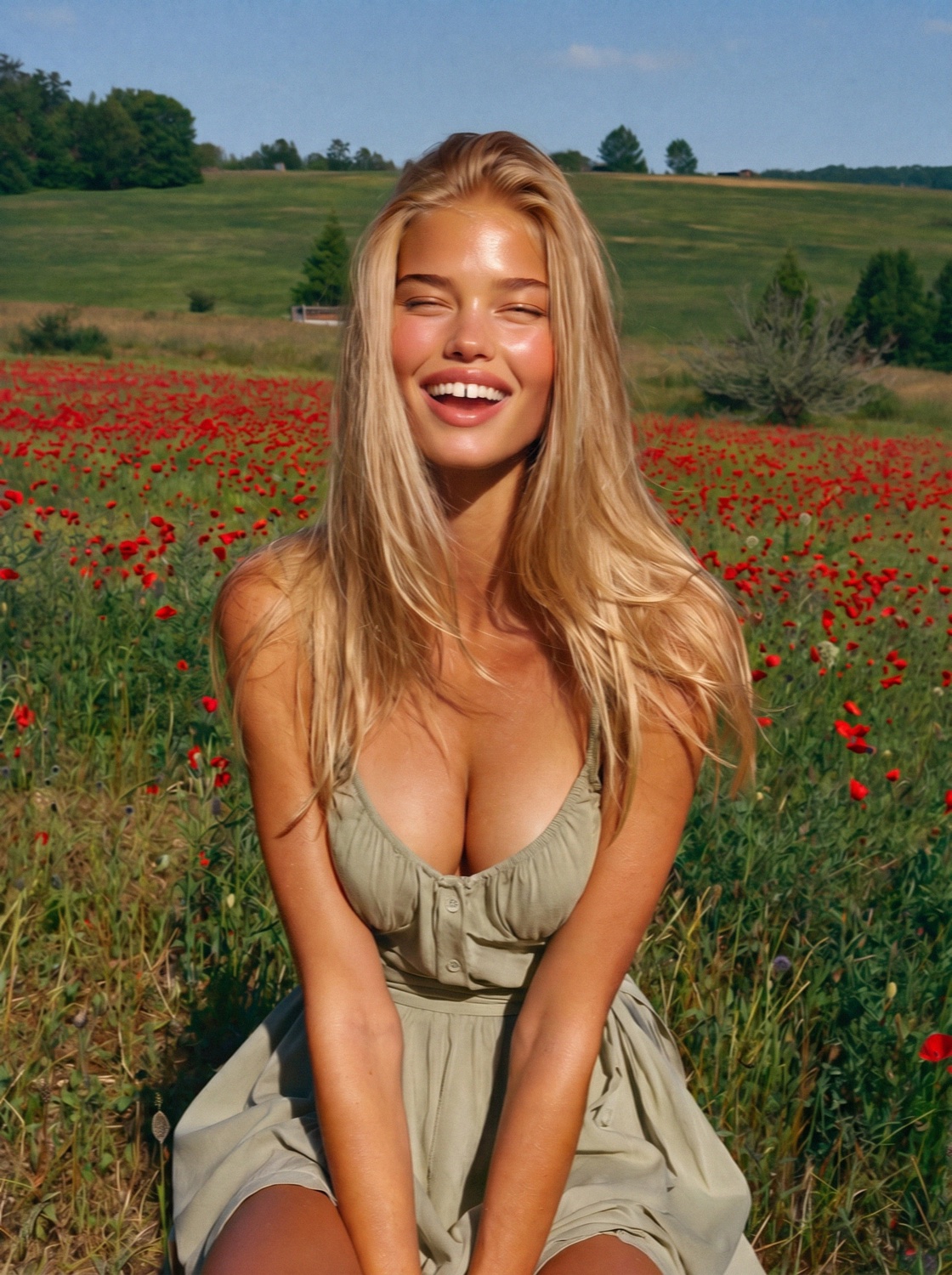
The sweet spots are late spring and early autumn. May and June bring green hills, wildflowers and poppies, long light and warm days before the deep summer heat. September and October are arguably even better: the vineyards turn gold, the grape and olive harvests are in full swing, and the high-summer crowds have thinned, which makes the wine estates and hill towns far more pleasant. July and August are hot and busy, though the countryside still empties beautifully in the early morning and evening, so if you come in high summer, start your days early and rest through the fierce afternoon. Winter has its own quiet, painterly beauty, especially the misty mornings of the Val d’Orcia, but many agriturismi and country restaurants close and the short days limit what you can see. For the classic Tuscany of golden light and rolling green, aim for May, June, September or early October.
Plan Your Visit to Tuscany
A few things I booked and loved. These help support the blog, at no cost to you.
- Where I stayed: search Tuscany hotels
- Wine tours and Tuscany tickets
- Stay connected: get a travel eSIM
This section contains affiliate links. If you book through them I may earn a small commission, at no extra cost to you.
Top Things to Do in Tuscany
Tuscany is a region for slow pleasures rather than a checklist, but a few experiences define it. Drive the back roads of the Val d’Orcia at dawn, when the cypress avenues rise out of the mist. Taste Brunello at a wine estate near Montalcino and Vino Nobile in the cellars beneath Montepulciano. Wander the shell-shaped Piazza del Campo in Siena and stand beneath the medieval towers of San Gimignano. Have a long lunch at an agriturismo, watch the sun set from the panoramic terrace of Pienza, and soak in a natural thermal spring at Bagno Vignoni or Bagni San Filippo. Above all, leave room in the day to simply drive with no destination and let the landscape do the rest, because the single best thing to do in Tuscany is very often nothing at all.
The Towns You Cannot Miss
Half the joy of Tuscany is that every ridge holds another perfect town, but a handful are essential.
Florence
Florence is the gateway and the grand opening act, the Renaissance city of the Duomo, the Uffizi and the Ponte Vecchio, and most Tuscan trips begin here. Give it at least a day or two at the start before you head into the hills; see our complete guide to Florence for the full picture.
Siena
Siena is the medieval heart of Tuscany and Florence’s ancient rival, a city of warm brick built around the sloping, shell-shaped Piazza del Campo, where the famous Palio horse race still runs twice each summer. Climb the soaring Torre del Mangia for the view, step inside the striped marble cathedral, and simply lose an afternoon in the steep lanes. Siena also makes a superb base, sitting within easy reach of Chianti and Brunello country.
San Gimignano
Known as the town of fine towers, San Gimignano bristles with medieval stone towers on its hill and is a UNESCO World Heritage Site, a little Manhattan of the Middle Ages. It is also the home of Vernaccia di San Gimignano, Tuscany’s most famous white wine and the first Italian wine ever to earn DOC status, so pause for a glass in the piazza. It is busy by day and magical once the day-trippers leave, which is a good reason to stay the night.
Pienza
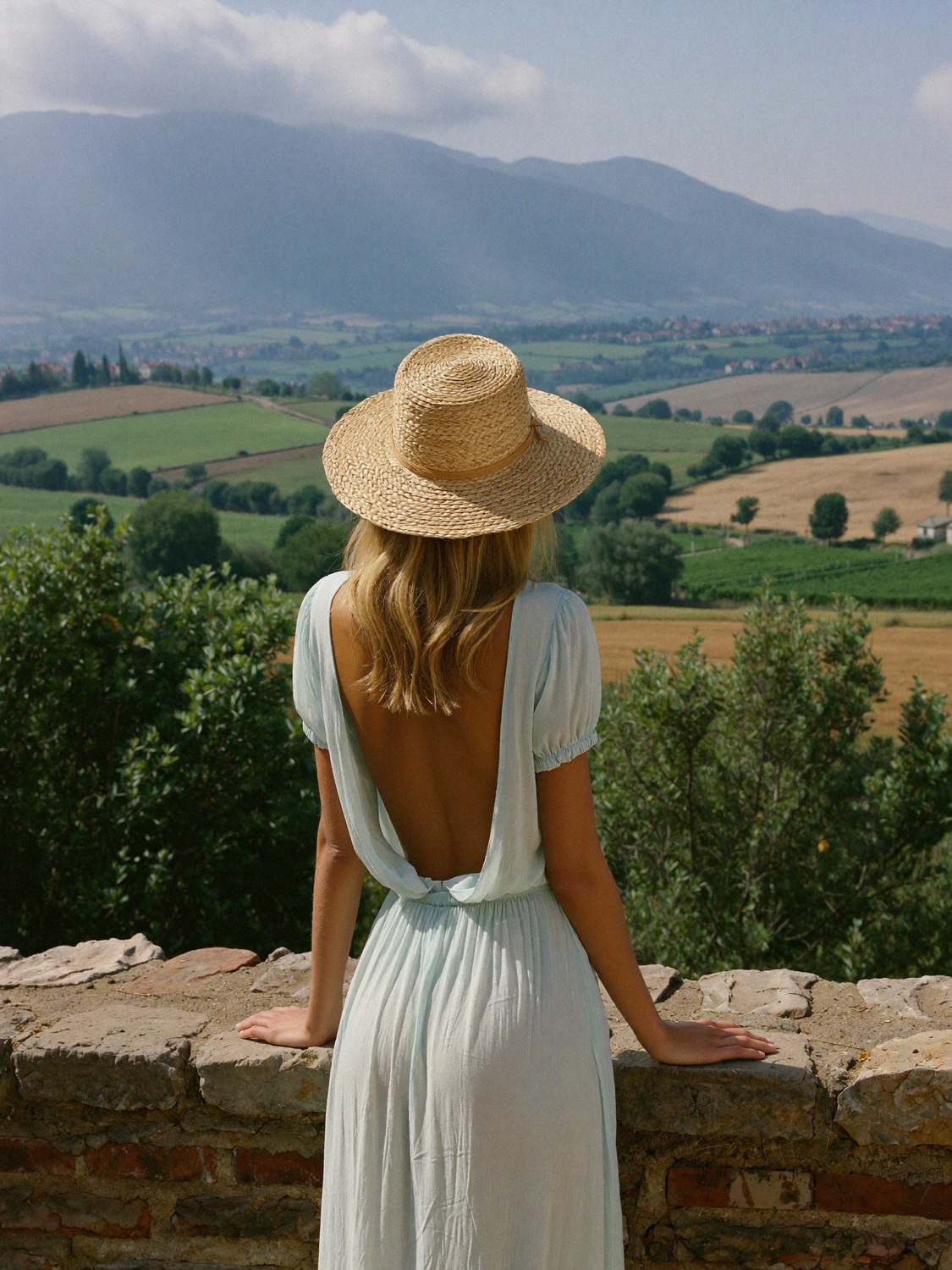
Pienza is the crown jewel of the Val d’Orcia, a tiny honey-coloured town that Pope Pius II redesigned in the fifteenth century as the ideal Renaissance city. Walk its short panoramic wall for one of the great views in Italy, the green valley rolling away to blue distance, and taste the pecorino di Pienza, the sheep’s cheese the town is famous for, in the little shops along the main street. It is a twenty-minute drive from Montepulciano and sits at the heart of the classic Val d’Orcia triangle.
Montalcino
Perched above its vineyards, Montalcino is world-renowned for Brunello di Montalcino, one of Italy’s most prestigious and age-worthy reds, made entirely from Sangiovese in the hills around the town some eighty kilometres south of Florence. Climb to the fourteenth-century fortress for sweeping views, then taste the wine where it is made at an estate in the surrounding countryside.
Montepulciano
A handsome Renaissance town strung along a high ridge, Montepulciano pours Vino Nobile di Montepulciano, an elegant Sangiovese-based red, from cellars carved into the rock beneath its streets. Wander up to the main square, duck into a historic cantina for a tasting in the cool cellars, and enjoy the long valley views. Add Cortona, Arezzo or the Chianti villages of Greve and Radda if you have the days.
Tuscany’s Wine Country
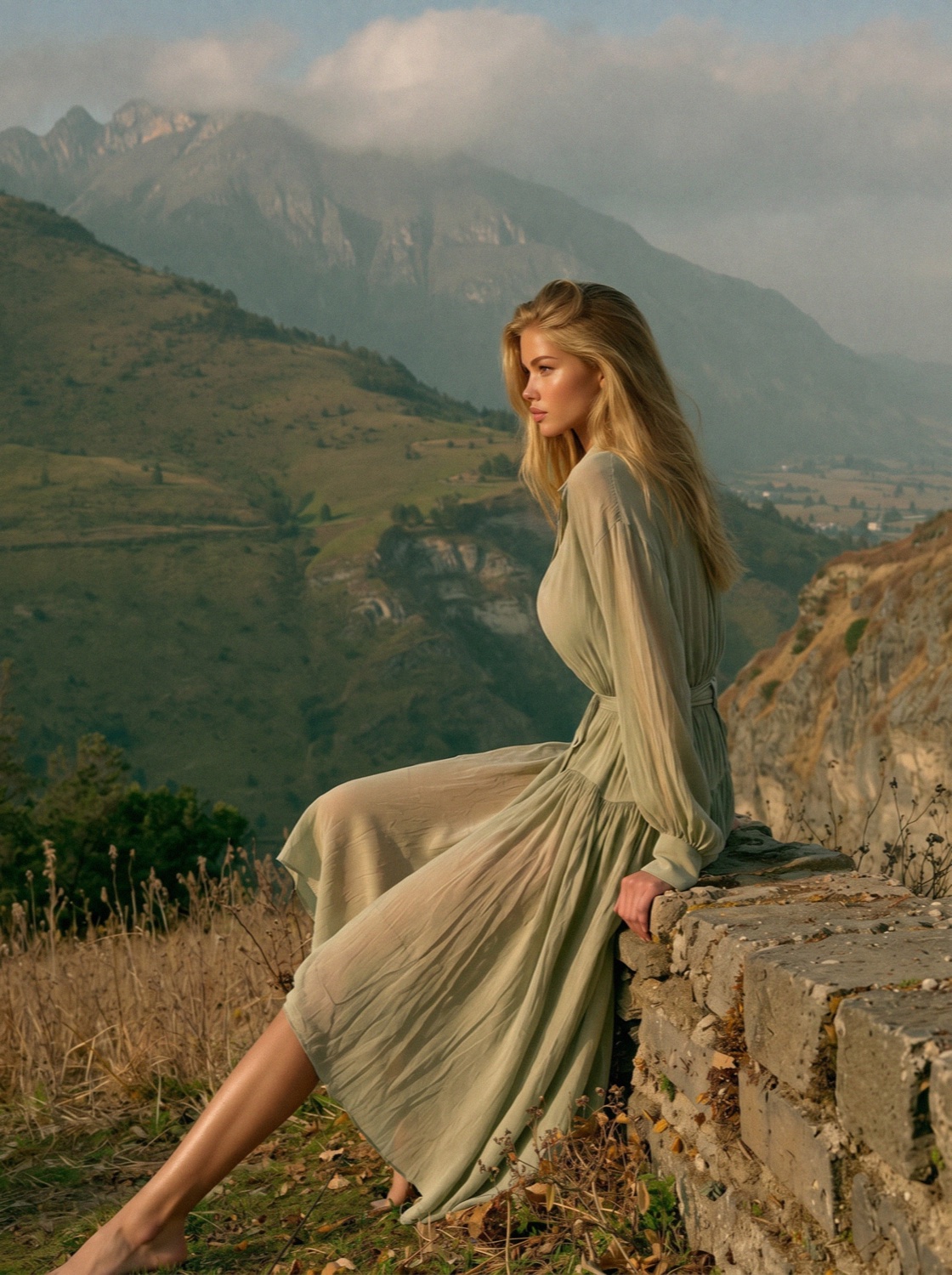
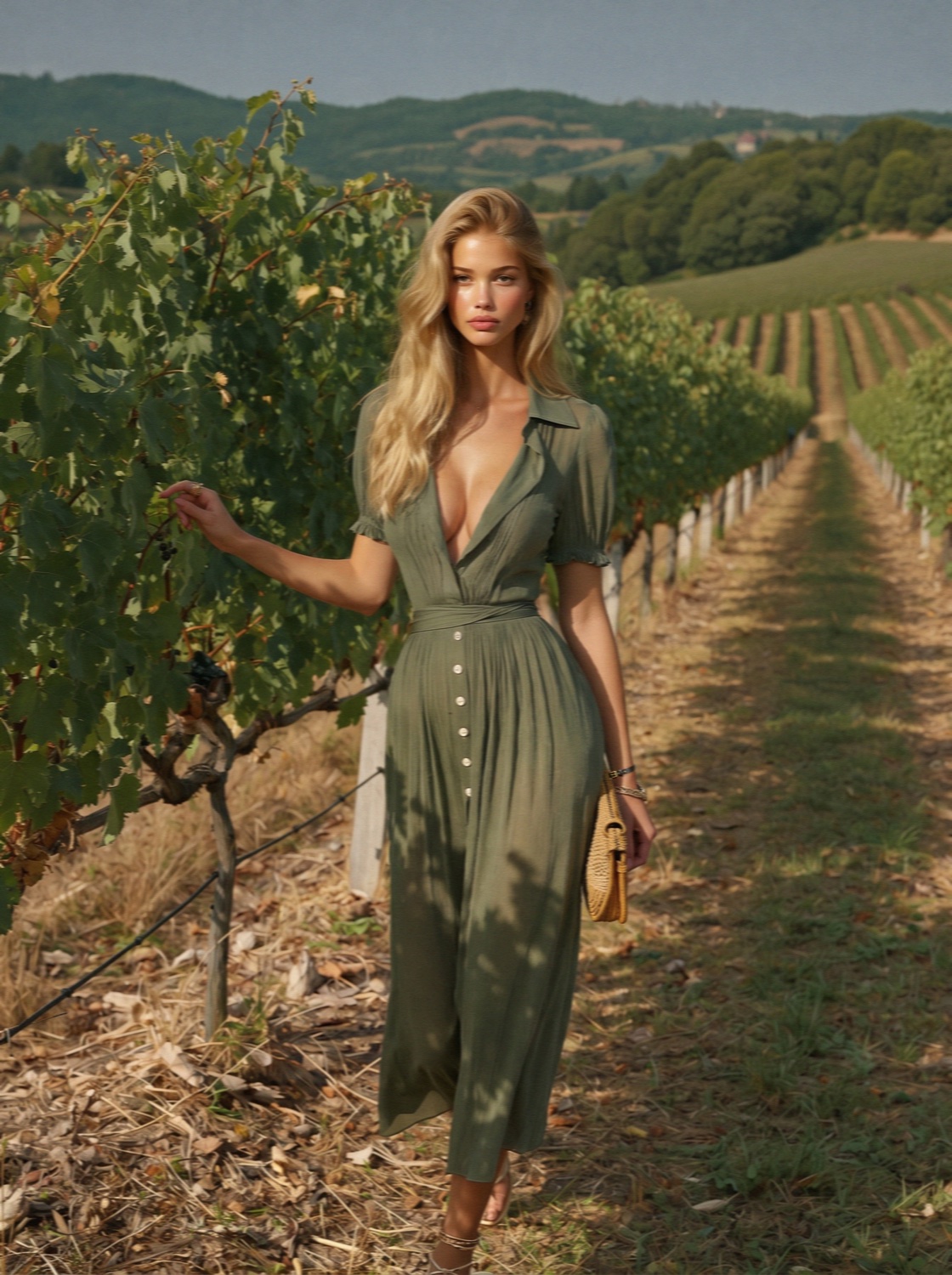
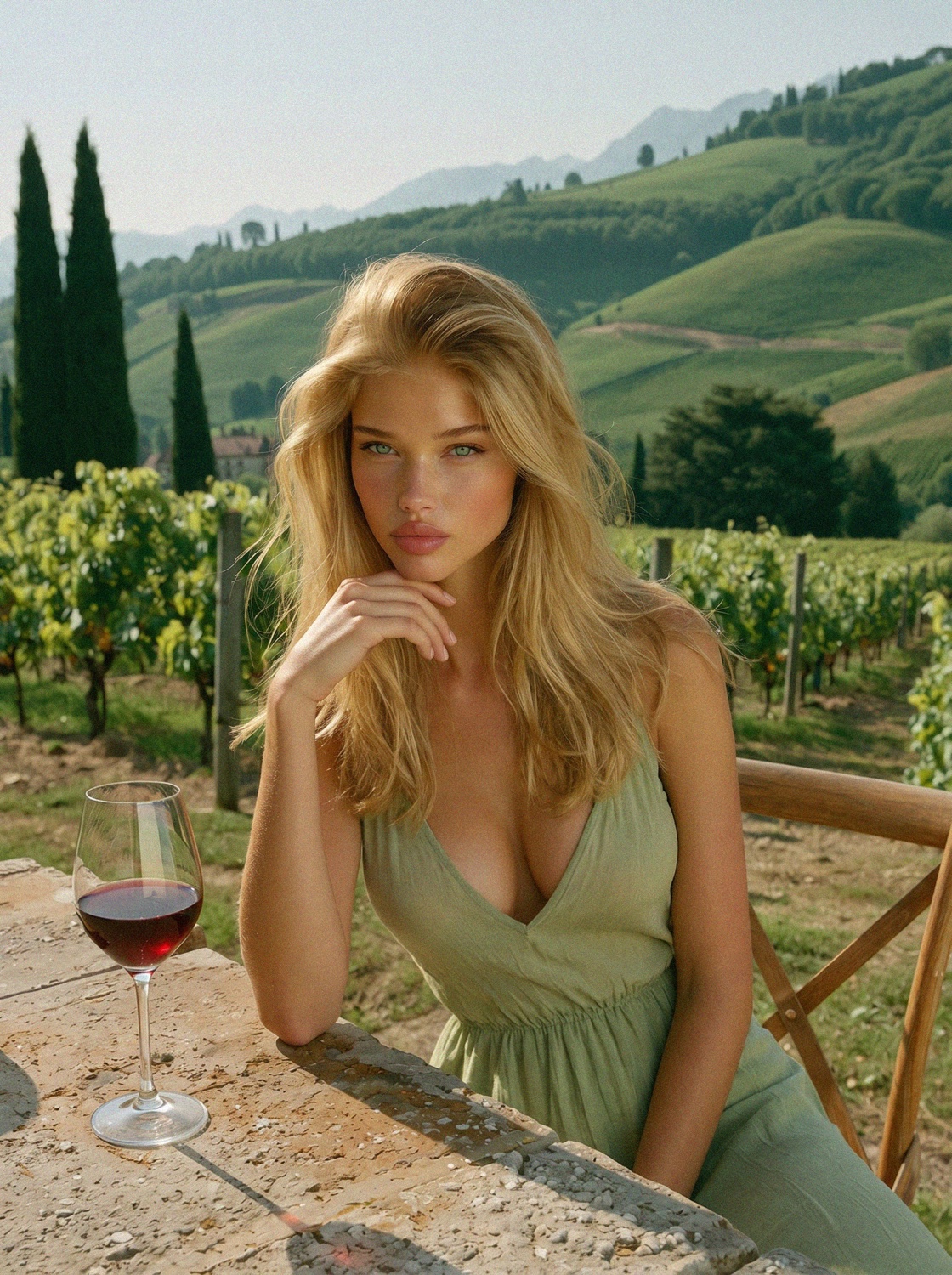
Tuscany is one of the great wine regions of the world, and tasting is woven into any trip. The reds are almost all built on the Sangiovese grape, and three appellations stand out. Chianti Classico, marked by its black rooster seal, comes from the hills between Florence and Siena and is the easiest to fold into a Florence-based trip, its wine road lined with estates and stone villages like Greve, Radda and Castellina. Brunello di Montalcino, made entirely from Sangiovese around the hilltop town of Montalcino, is the region’s most prestigious red, powerful and built to age for years or decades. Vino Nobile di Montepulciano is the elegant third of the trio, poured in the cellars beneath that town. For a white, seek out the crisp Vernaccia di San Gimignano. Most estates welcome visitors for tastings, but the best ask you to book ahead, and because the wineries sit deep in the countryside down unmarked gravel roads, a designated driver, a hired driver or a guided wine tour is essential. Build in a long, unhurried tasting lunch at a working estate; it is one of the region’s great pleasures.
Where to Stay in Tuscany
The quintessential Tuscan stay is an agriturismo, a working farm or wine estate with rooms, a pool and often a kitchen serving its own produce and wine. Basing yourself at one in the countryside near Pienza, Montalcino or in Chianti gives you the long views and slow mornings that are the whole point of the region. For a town-centre feel with restaurants on your doorstep, Pienza and Montepulciano make lovely bases in the south, while Siena, or a villa in the Chianti hills, works well further north and closer to Florence. Many travellers split the trip: a night or two in Florence at the start, then several nights in the countryside. Book well ahead for spring and autumn, when the best agriturismi fill months in advance, and remember that a countryside stay all but requires a car.
Where to Eat and Drink in Tuscany
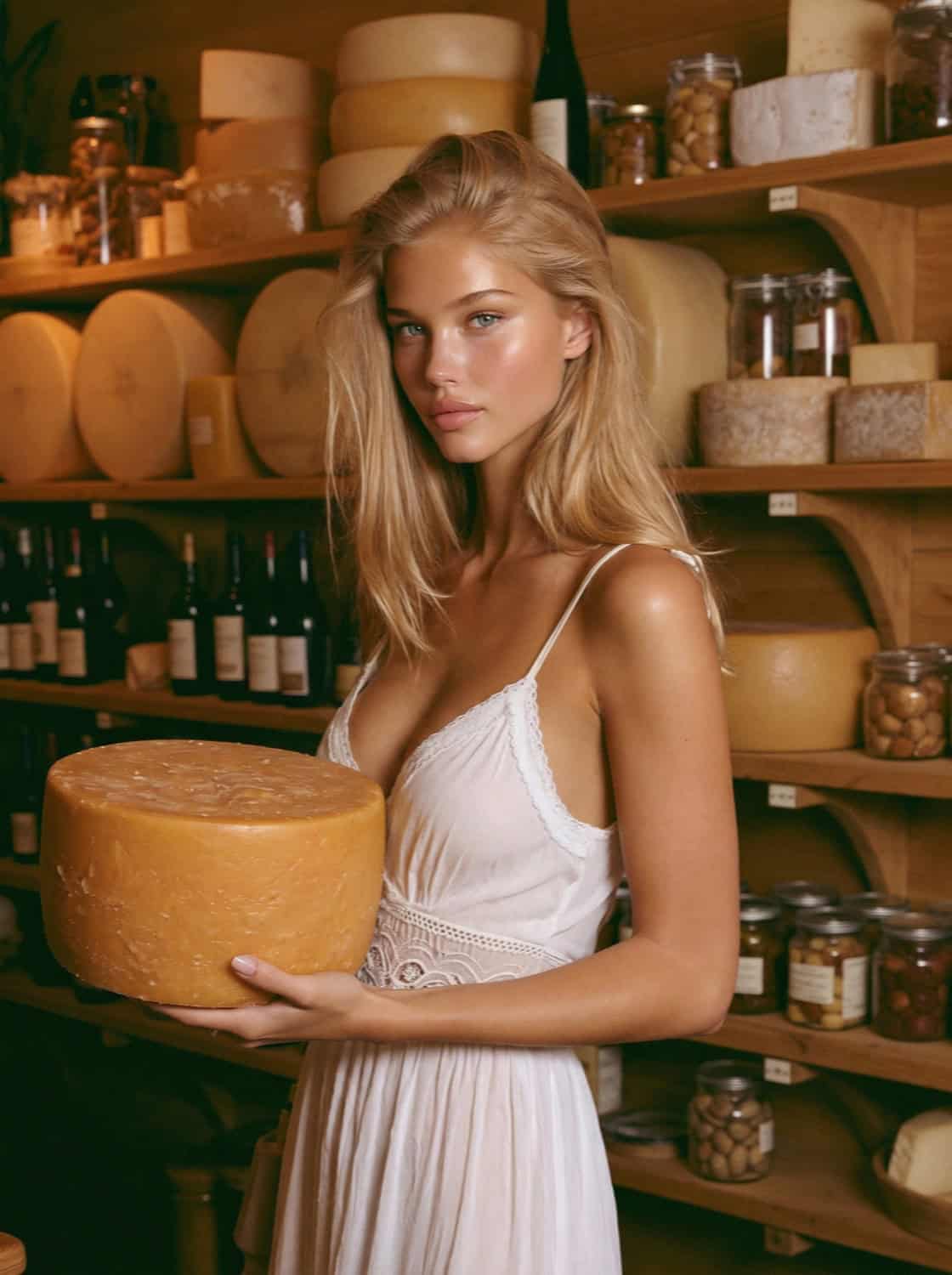
Tuscan cooking is rustic, seasonal and generous, built on good bread, good oil and the Sangiovese in your glass: ribollita and pappa al pomodoro, pici pasta with garlic or a wild boar ragu, the enormous bistecca alla Fiorentina steak, pecorino from Pienza, and cantucci biscuits dipped in sweet Vin Santo to finish. Eat where the locals do, at a country trattoria or the restaurant of an agriturismo, and let the house wine and the day’s specials guide you rather than a menu. The markets in Siena, Pienza and the smaller towns are perfect for assembling a picnic of cheese, salumi and bread to eat with a view. Meals here are unhurried and long; give lunch and dinner the time they ask for, and never rush the wine.
Hidden Gems and the Hot Springs of Tuscany
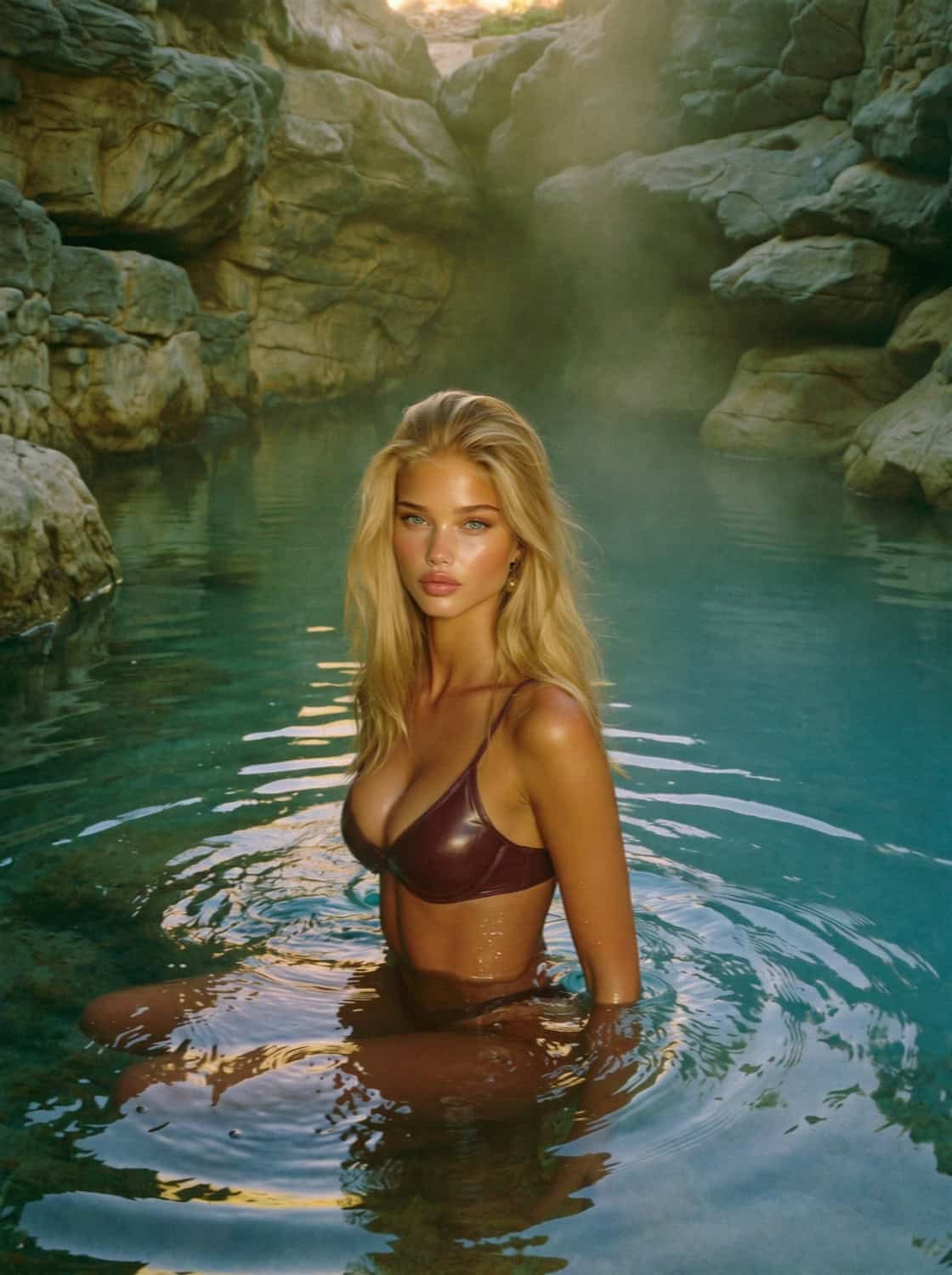
Beyond the famous towns, Tuscany rewards wandering, and its natural thermal springs are a highlight most first-timers miss. At Bagno Vignoni, the entire central square is a single steaming pool of thermal water, a Renaissance piazza built over the source the Romans once used; you cannot bathe in the square itself, but just below the village, in the Parco dei Mulini, free open-air pools let you soak in the warm mineral water among old mill ruins. A short drive away, Bagni San Filippo hides one of the loveliest sights in the region: the Balena Bianca, or White Whale, a vast white limestone formation deep in the woods, down which sulphurous water at around 48 degrees cascades into a series of turquoise natural pools you can slip into for free. Beyond the springs, seek out the Romanesque Abbey of Sant’Antimo standing alone among cypresses and olives near Montalcino, the tiny walled village of Monticchiello, and the bare, sculptural clay hills of the Crete Senesi east of Siena. These are the corners that make Tuscany feel like your own discovery.
Photography Locations in Tuscany
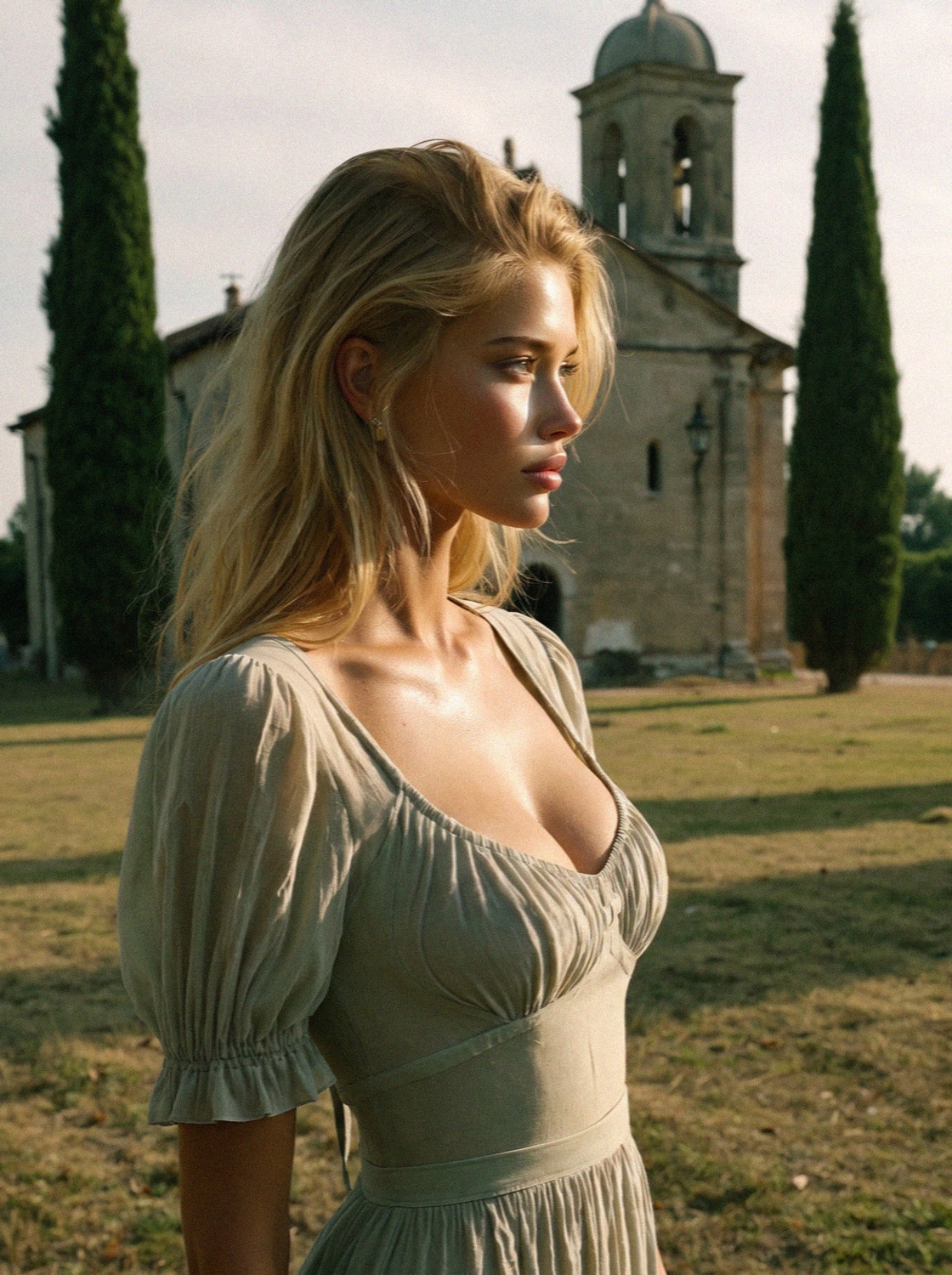
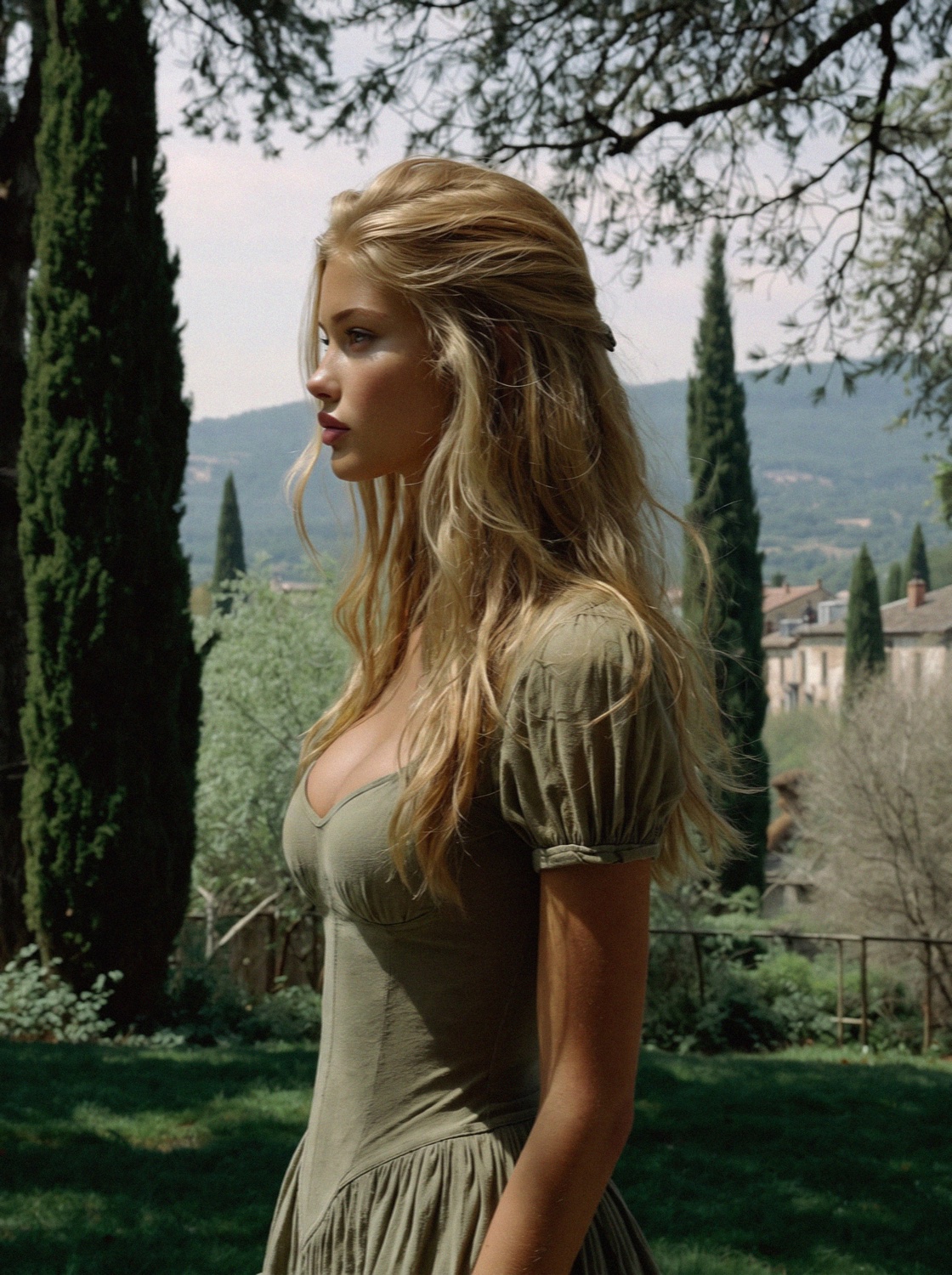
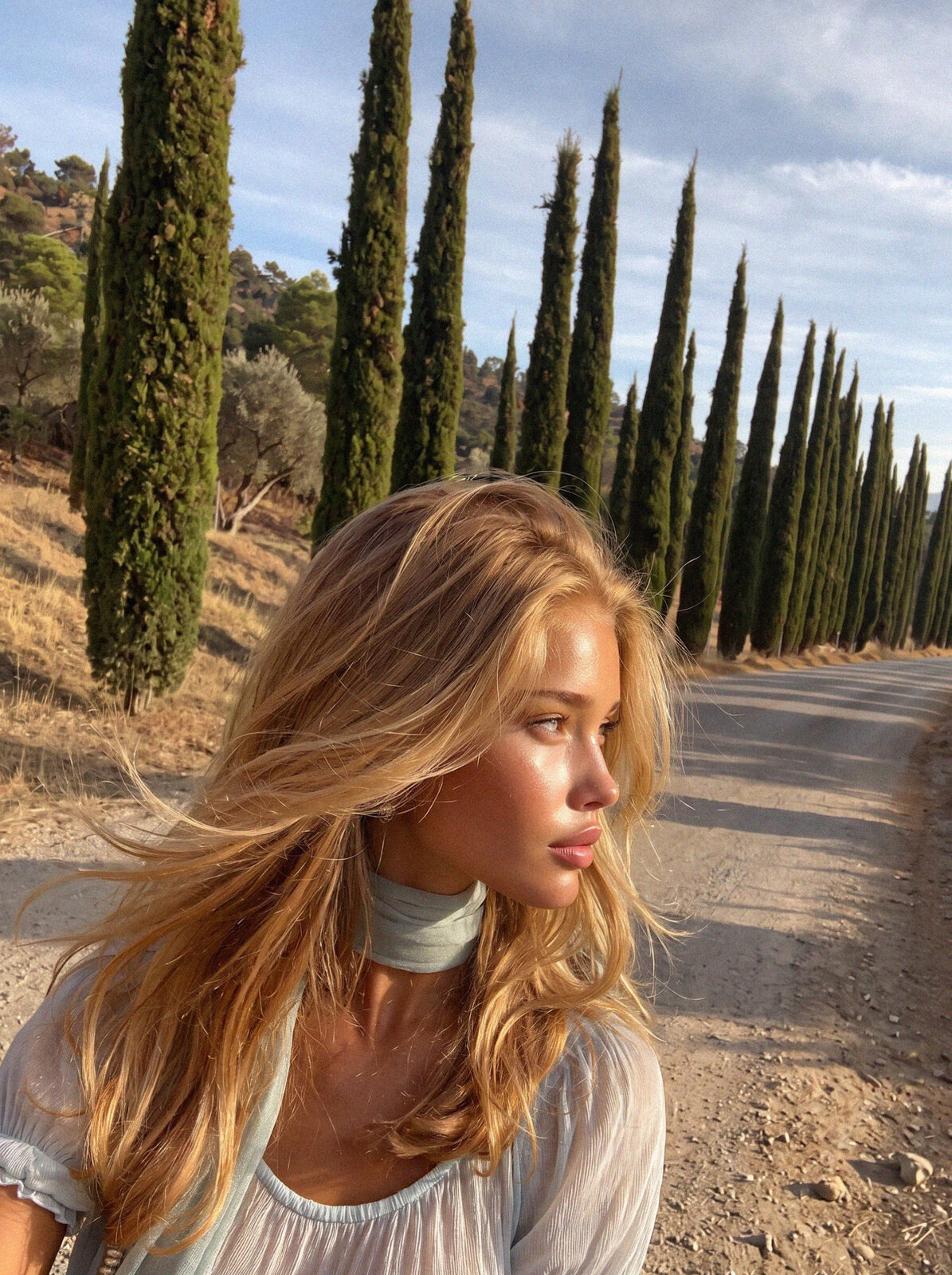
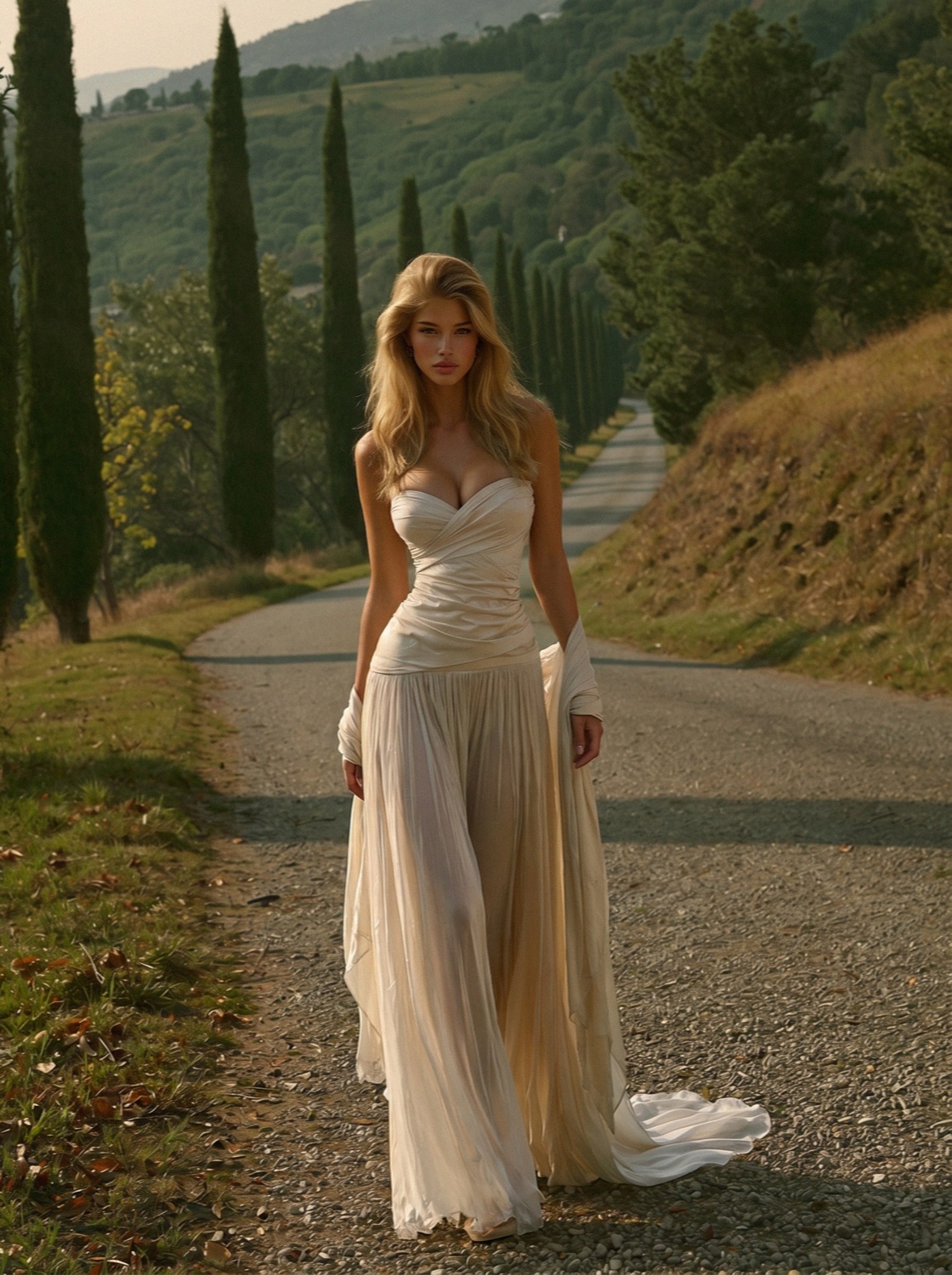
Tuscany is one of the most photographed landscapes on earth, and the Val d’Orcia is its centre. The famous cypress-lined S-curve white road near San Quirico d’Orcia, the lone farmhouse of Poggio Covili, the little Chapel of Vitaleta framed by two cypresses, and the panoramic terrace wall of Pienza are the classics. For the best light, shoot at dawn, when mist fills the valleys and the cypresses rise like masts, or in the last golden hour before sunset. The bare rolling clay of the Crete Senesi, the long cypress avenues, and the poppy and sunflower fields of late spring and summer round out the region’s postcard views. Our upcoming guide to the best photo spots in Tuscany will map the exact locations.
Suggested Itineraries
With three to four days, base yourself in the Val d’Orcia and tour the classic triangle of Pienza, Montalcino and Montepulciano, with a day for Siena and an afternoon at a thermal spring. With five to seven days, add San Gimignano and the Chianti wine road, more time at the wine estates, and long stretches simply driving and eating. A full week lets you fold in Florence at the start and keep a slower rhythm throughout, one or two places a day rather than a race. However long you have, resist the urge to over-schedule; the region is at its best when you leave the afternoons open and let one long lunch run into the evening.
Getting There and Around Tuscany
Most trips begin in Florence, reached by fast train from Rome in around ninety minutes, or by flying into Florence, Pisa or Rome. The cities of Florence, Siena and Pisa are easy to reach by train, but once you are in the countryside, a car is essential: the hill towns and wine estates are poorly served by public transport, and the driving itself, the winding white roads between the hills, is one of the great joys of Tuscany. Rent a car in Florence, Siena or at the airport, and be aware of the camera-enforced ZTL limited-traffic zones in the historic town centres, which carry hefty fines; park outside the walls and walk in. The roads are good but narrow and winding, so allow far more time than the distances suggest, and never plan the last drive of the day in a hurry.
Budget Versus Luxury
Tuscany stretches to fit any budget. At the affordable end, a simple agriturismo, picnic lunches from the market, house wine and the free hot springs make for a rich trip on modest means. In the middle, comfortable country hotels, booked wine tastings and long trattoria dinners are the heart of the classic Tuscan holiday. At the luxury end, the region has some of Italy’s finest estates and relais, private cellar tours, Michelin dining and staffed villa rentals with a cook and a pool. The landscape, the light and the food culture are free to everyone; how you sleep and how you taste is where the range lies.
Who Tuscany Is For
Tuscany is for the traveller who wants to slow down. It suits couples on a romantic escape, friends on a wine-and-food tour, families settling into a countryside villa, and photographers chasing the light. It is less suited to those after beaches, nightlife or a fast city break. If your idea of a perfect day is a long lunch, a slow drive and a sunset with a glass of red, Tuscany was made for you.
Packing and What to Wear
Pack for warm days and cool evenings, especially in spring and autumn. Comfortable shoes are essential for the steep, cobbled hill towns. Bring light, breathable layers, a hat and sunscreen for the open countryside and the wine estates, and something a little more polished for dinner in town or a smart tasting. A swimsuit is worth packing for the agriturismo pool and the thermal springs, along with an old pair of shoes you do not mind getting muddy on the walk down to Bagni San Filippo. In churches, cover your shoulders and knees. And leave room in your bag for a bottle or two of Brunello and some pecorino to bring home.
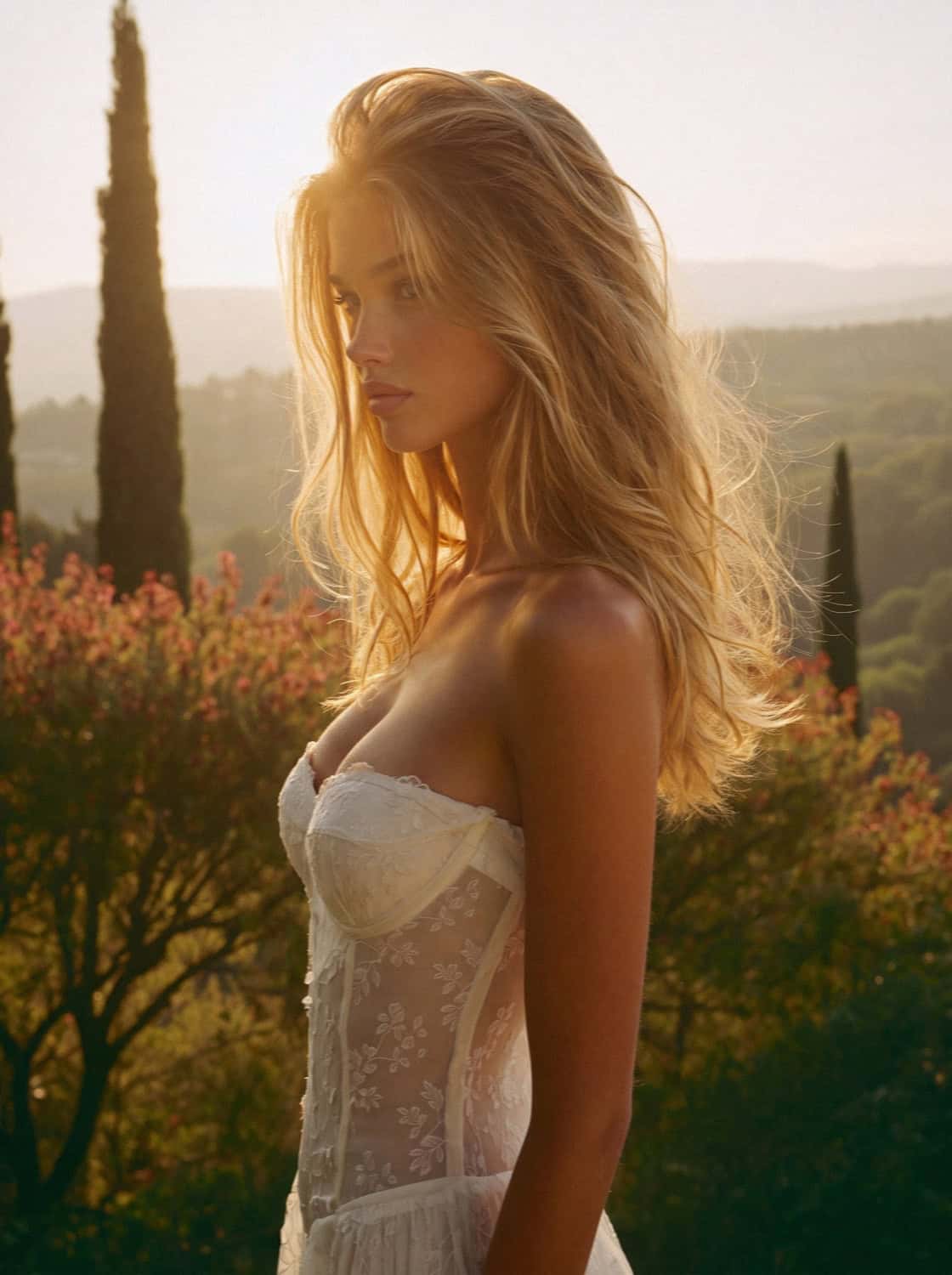
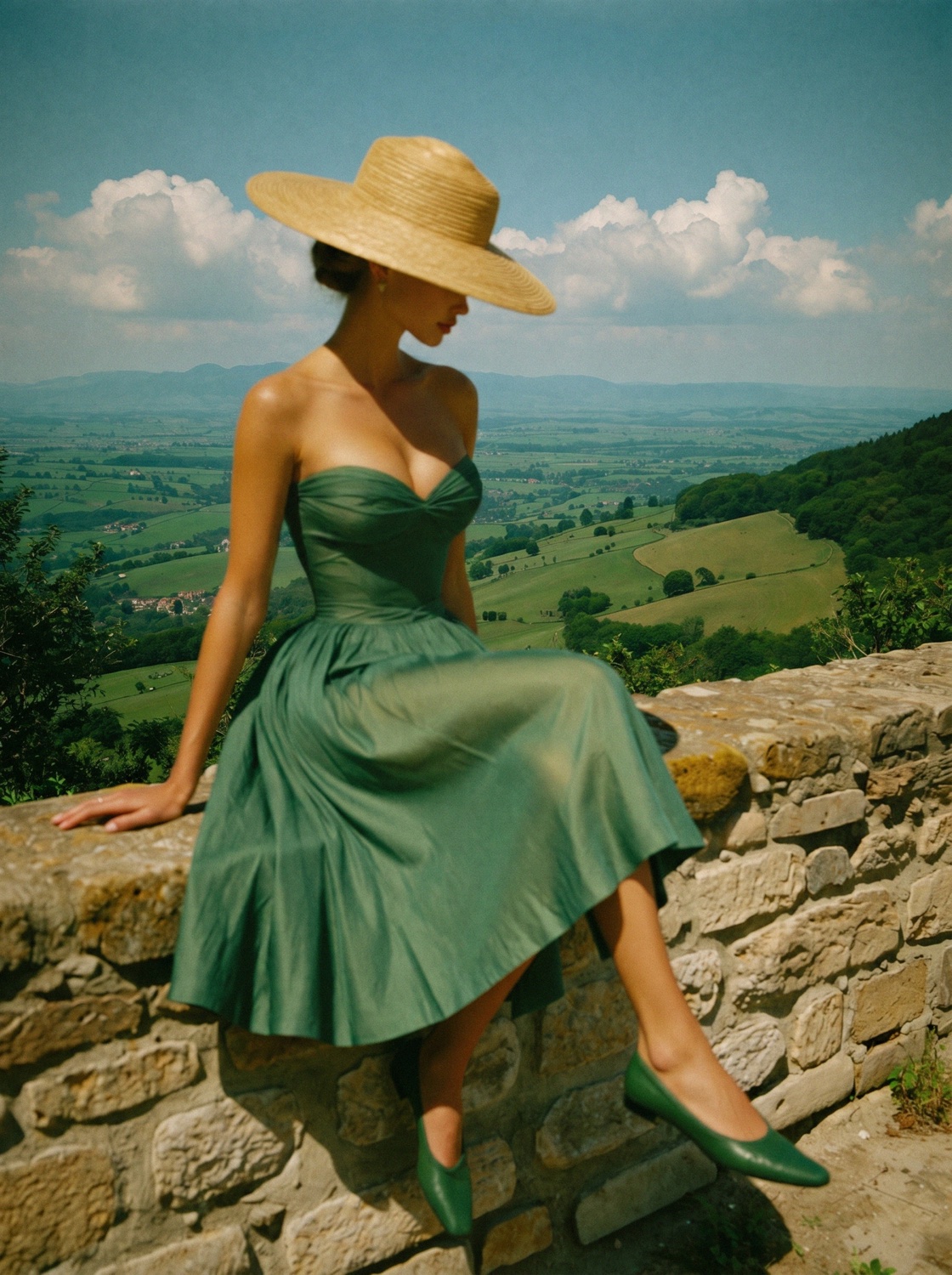
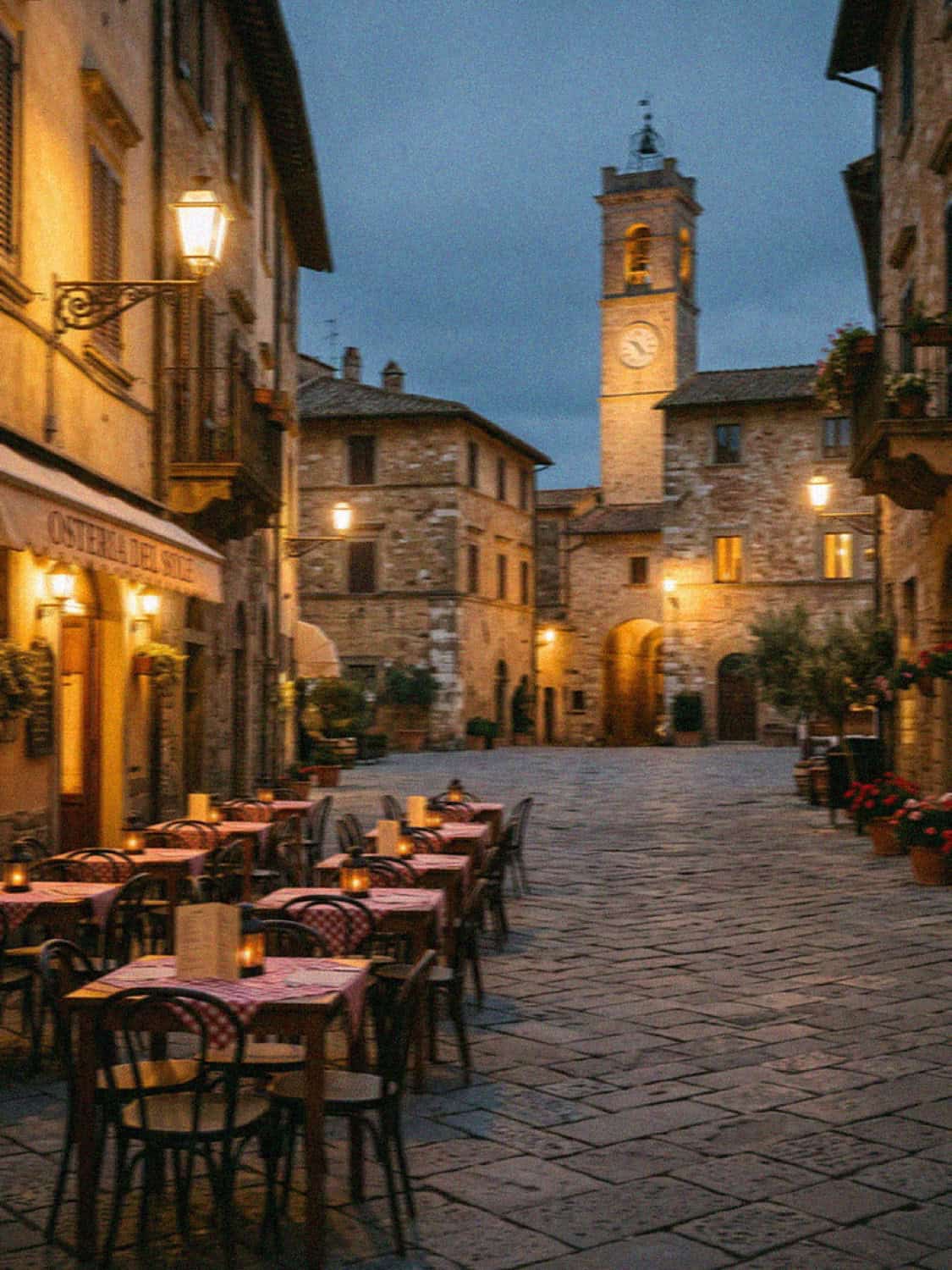
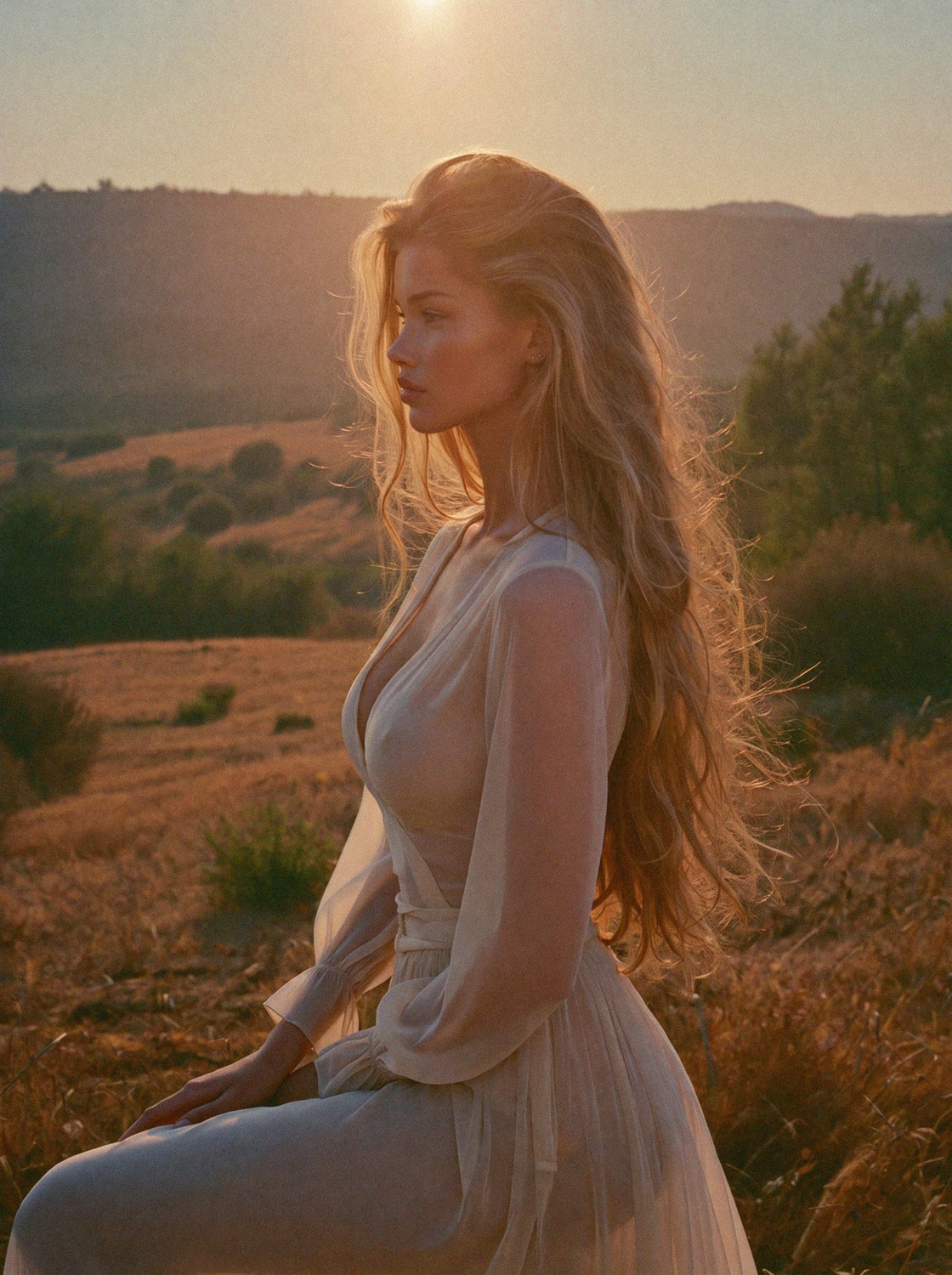
More images from Tuscany

Frequently Asked Questions
How many days do you need in Tuscany?
Three to four days is enough for the Val d’Orcia and Siena, but five to seven days lets you add the wine country, San Gimignano and Florence without rushing. Tuscany rewards a slower pace, so if you can spare a week, take it.
Do you need a car in Tuscany?
Yes, for the countryside. Florence, Siena and Pisa are easy by train, but the hill towns, wine estates and hot springs are hard to reach without a car, and the driving is one of the region’s great pleasures. Watch for the camera-enforced ZTL zones and park outside the town walls.
What is the best time to visit Tuscany?
Late spring (May and June) and early autumn (September and October) are ideal, with green or golden hills, harvest season, long light and thinner crowds. Summer is hot and busy; winter is quiet and beautiful but many country places close.
Which Tuscan town should you base yourself in?
For the classic countryside, base yourself at an agriturismo or in Pienza or Montepulciano in the Val d’Orcia. For a town with everything on the doorstep, Siena is a fine choice. Many travellers split their stay between Florence and the countryside.
Are the Tuscan hot springs free?
Yes, several of the best are. The natural pools below Bagno Vignoni in the Parco dei Mulini and the cascading white pools of the Balena Bianca at Bagni San Filippo are both free to use. There are also paid spa complexes nearby for those who want changing rooms and comfort.
Which Tuscan wine should you try?
Sangiovese-based reds define the region: Chianti Classico from the hills between Florence and Siena, the prestigious Brunello di Montalcino, and the elegant Vino Nobile di Montepulciano. For a white, try the crisp Vernaccia di San Gimignano.
Is Tuscany worth visiting?
Yes, and it rewards a slow trip more than a rushed one. Between the art cities, the hill towns, the vineyards and the countryside itself, it is one of the most complete regions in Italy. Give it enough time for at least one small town and one afternoon among the vines, not just Florence.
Which airport should you fly into for Tuscany?
Pisa is the main international gateway and the most convenient for the western side of the region, while Florence’s smaller airport is handy for the centre and the city itself. Bologna and Rome are useful alternatives with wider flight choices and good train links in.
What food is Tuscany known for?
Simple, rustic cooking built on good ingredients. The classics are bistecca alla fiorentina, the thick Florentine steak, ribollita and pappa al pomodoro, pici pasta, pecorino from around Pienza, wild boar, and cantucci dipped in Vin Santo to finish, all washed down with the local Sangiovese.
When do the sunflowers bloom in Tuscany?
The sunflower fields are usually at their best from late June through July, with the first couple of weeks of July the safest bet in a normal year. They come and go quickly, so if the golden fields are on your list, time your trip carefully.
The Tuscany Diaries
For the trip behind the guide, read Victoria’s Tuscan diaries in order: Where the Hills Begin, a first slow day settling into a farmhouse among the vineyards; Fields of Gold, a day climbing into the hill towns for pecorino and a wild thermal spring; and The Long Way Round, a day given entirely to the back roads of the Val d’Orcia.
Related Articles
Planning more of Italy? See Victoria’s complete guides to Florence and Rome.