There are places in Rome you visit, and then there is the Vatican, which you are briefly allowed inside. The smallest country in the world sits on a hill across the Tiber, barely a hundred acres of it, and yet it holds the largest church in Christendom, one of the greatest art collections ever assembled, and a chapel whose ceiling changed the course of painting. You could give it a morning. You could give it a life. This is how to see the best of it in a day, and how to do it without losing that day to a queue.
A word before you go. The Vatican is really two visits in one. There is St Peter’s, the basilica and its square, which is free and open to all. And there is the Vatican Museums, a separate entrance on the other side of the walls, which you pay for and which ends, after a mile of galleries, in the Sistine Chapel. Plan them as two halves of the same day and you will understand the place far better than the crowds shuffling through it.
What the Vatican Is
Vatican City is a sovereign state, the last of the old Papal territories, ruled by the Pope and guarded by the Swiss Guard in their striped Renaissance uniforms. It has its own post office, its own newspaper, and a railway platform that almost never sees a train. For the visitor, though, it comes down to two things standing side by side: the basilica of St Peter’s, and the museums that lead to the Sistine Chapel. Everything else is detail.
St Peter’s Square
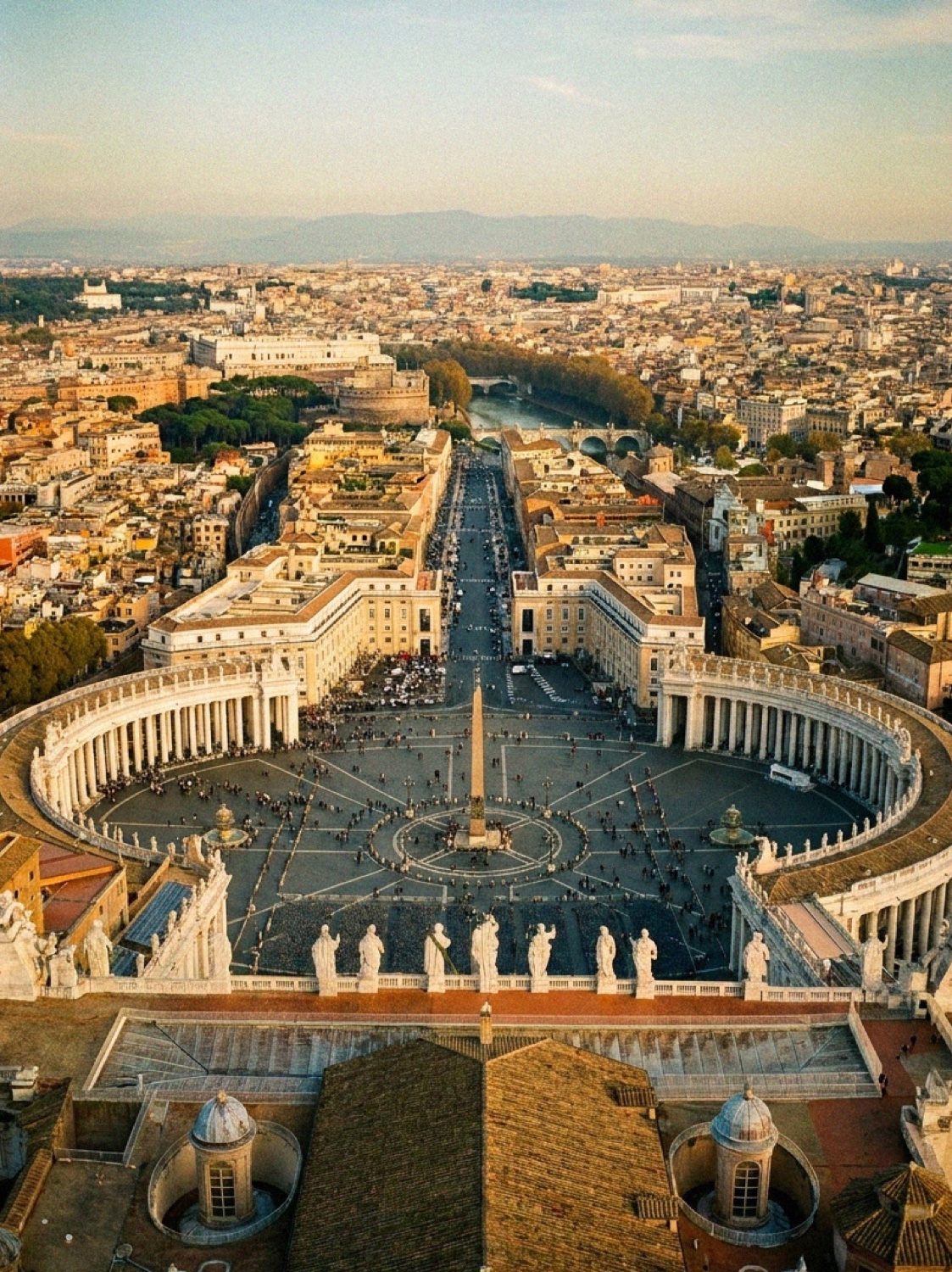
You arrive first in St Peter’s Square, though square is the wrong word for it. Bernini shaped it as a great oval, embraced by two curving arms of colonnade four columns deep, with an Egyptian obelisk at its centre that once watched the crucifixion of St Peter himself. Stand on one of the two round stones set into the pavement between the obelisk and each fountain, and the four rows of columns line up into one. It is the loveliest optical trick in Rome, and everyone falls for it happily.
The square is free and always open. Come early, before the tour groups mass, and it belongs to the pigeons and to the priests crossing on their way to work.
St Peter’s Basilica
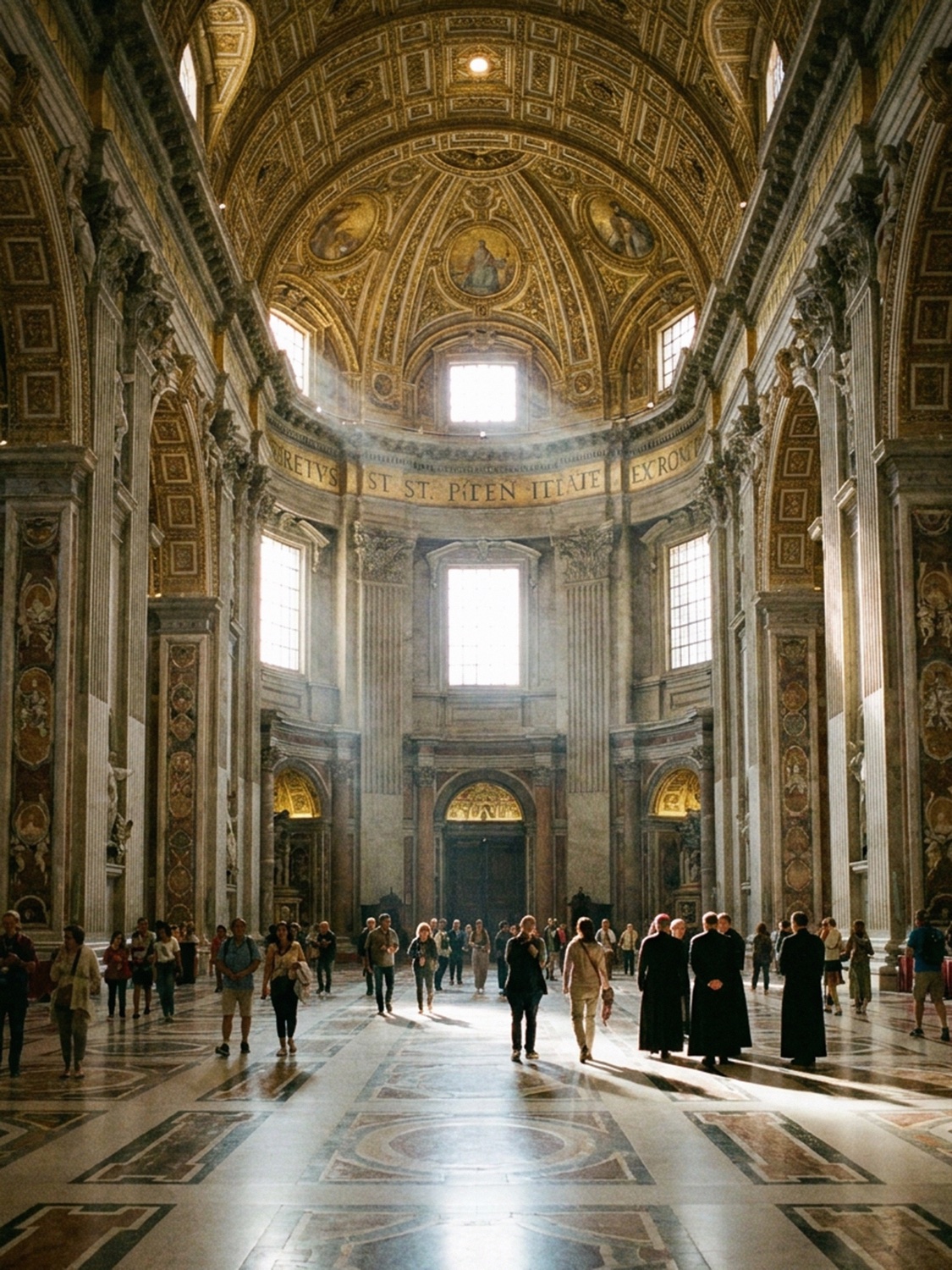
The basilica itself is free to enter, which is another reason to arrive early, since the security line grows long by the middle of the morning. Inside, scale stops meaning anything. The nave runs longer than a football pitch, the bronze baldachin over the high altar is as tall as a townhouse, and Michelangelo’s dome floats so far overhead that the figures worked into it look life sized only because they are not. Near the entrance, behind glass since an attack in the seventies, is his Pieta, carved when he was twenty four, the most tender thing in all that marble.
If your legs are willing, climb the dome. A lift takes the first stretch, and then a narrow, leaning staircase follows the curve of the cupola to the top, where the whole of Rome opens beneath you and the square you crossed becomes a pattern far below. It is the best view in the city, and you earn it.
The Vatican Museums
The Vatican Museums are a separate visit, entered from the Viale Vaticano on the northern side of the walls, and they are vast beyond reason. Popes have been collecting for five centuries, and the result is miles of it: Egyptian mummies, Greek and Roman marble, tapestries, maps, and the Raphael Rooms he painted in his prime. You cannot see all of it and you should not try. Follow the signs toward the Sistine Chapel and let the great set pieces catch you on the way.
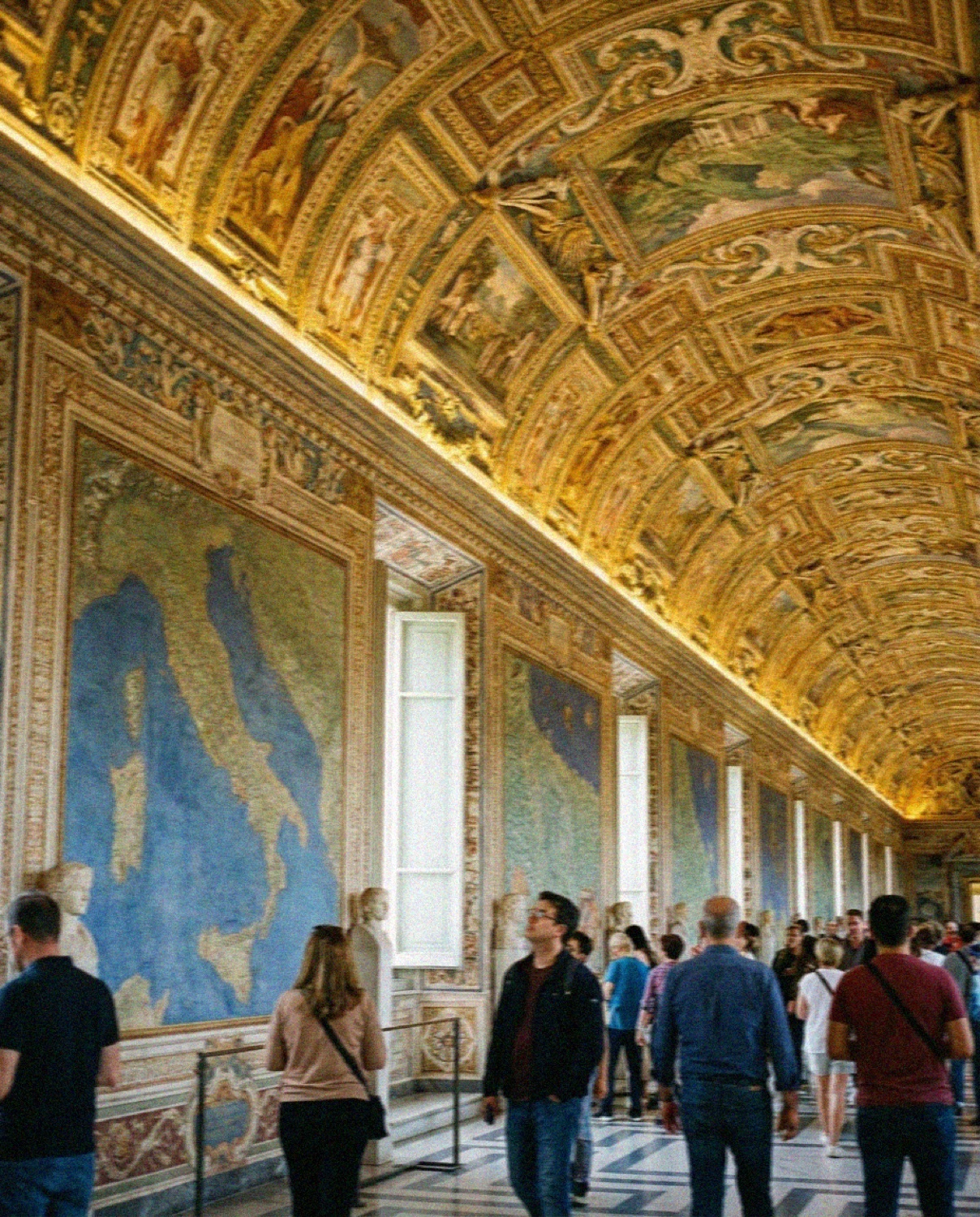
Do not rush the Gallery of Maps, a long corridor hung with forty painted maps of Italy beneath a ceiling of solid gold. It is one of the most beautiful rooms in the world, and the one most people hurry through to reach the chapel. Stop. It is the point.
The Sistine Chapel
And then the Sistine Chapel, at the end of it all. It is smaller than you expect, and more crowded, and the guards ask for silence and no photographs, which almost no one manages. But look up. Michelangelo spent four years on his back to paint that ceiling, the creation of the world unrolling in nine panels, and on the far wall, painted twenty years later, his Last Judgement. He did not want the job. He thought of himself as a sculptor, not a painter. He gave the world its greatest painting anyway. Give it longer than the crowd does. Find a spot on the bench along the side, tip your head back, and let the room empty out of your attention until it is only you and the ceiling.
The Bramante Staircase
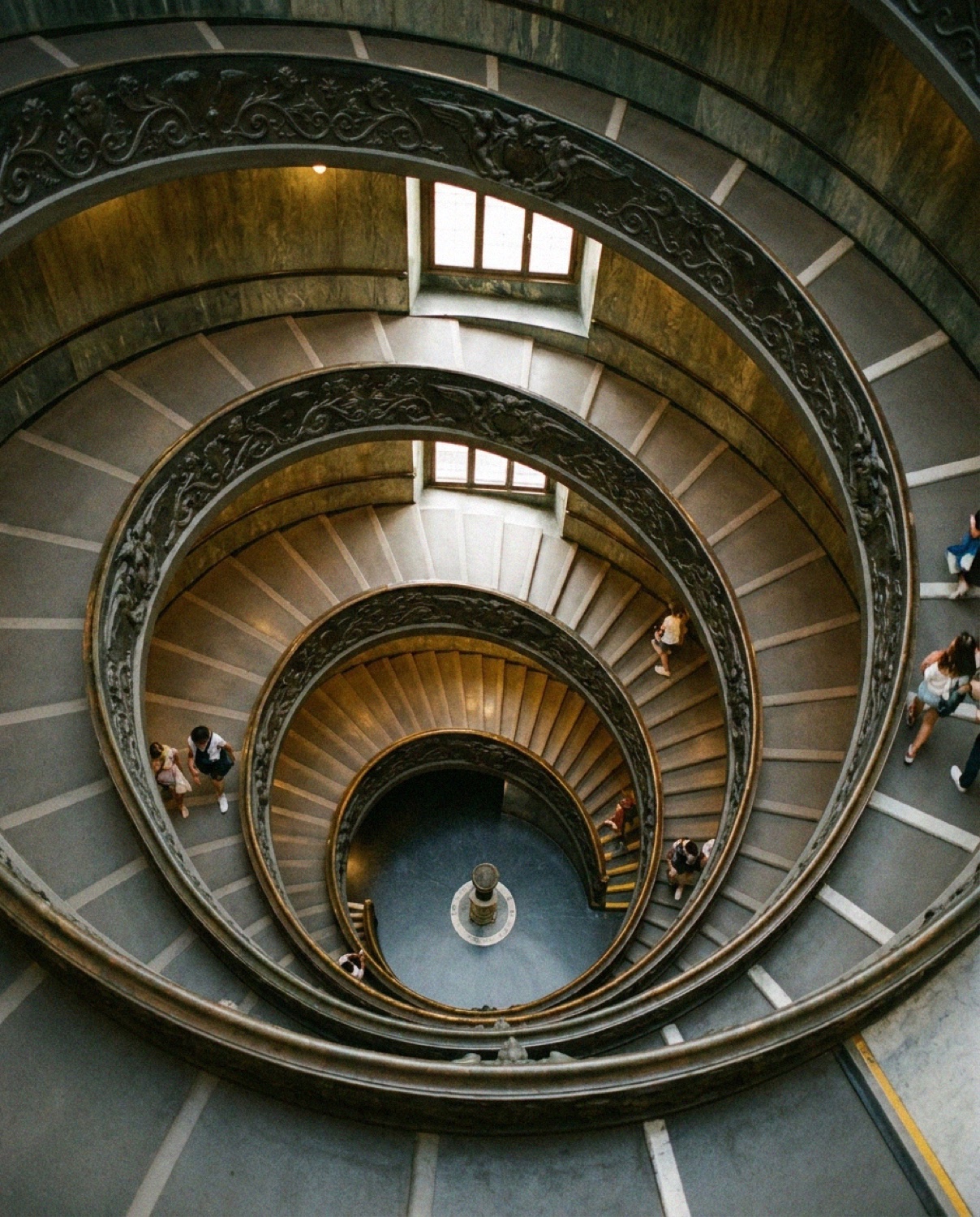
On your way out, if you leave through the grand exit, you descend the Bramante Staircase, a double helix of a ramp that spirals down in two intertwined coils, so that those going up never meet those coming down. It is the most photographed staircase in Rome, and after the hush of the chapel it sends you back into the world with a small flourish.
Tickets, Dress Code and How to Visit
A few things will save your day. Book the Vatican Museums online in advance, always, and choose the earliest slot you can, ideally the very first entry of the morning, when the galleries are quietest and the chapel almost bearable. The queue without a booking can swallow two hours in high season. The museums are closed on Sundays, except the last Sunday of the month, when entry is free and the crowds are punishing, so aim for a weekday.
Dress for a church, because both the basilica and the chapel enforce it: shoulders and knees covered, for everyone. A light scarf in your bag solves a bare-shouldered dress in a second and saves you being turned away at the door. St Peter’s Basilica is free, but there is airport-style security, so travel light and leave large bags behind, since they must be checked and the cloakroom queue is its own small trial.
How Long You Need
Give the Vatican a full half day at least, and a whole one if you want to breathe. A realistic morning is this: the museums on the first entry slot, an hour and a half through the galleries to the Sistine Chapel, then out and around to St Peter’s for the basilica and, if you have the legs, the dome. Come out into the square by early afternoon, find lunch in nearby Prati where the locals eat rather than the tourist traps by the walls, and let the rest of the day be gentler.
Getting There
The Vatican sits on the west bank of the Tiber, walkable from the historic centre in about half an hour, or a short ride on Metro Line A to Ottaviano, a few minutes from the museums. The number 64 bus runs from Termini toward the square, though it is famous among pickpockets, so hold your bag close. However you come, arrive early. Everything about the Vatican is better before the day fills up.
Beyond the Walls: Castel Sant’Angelo
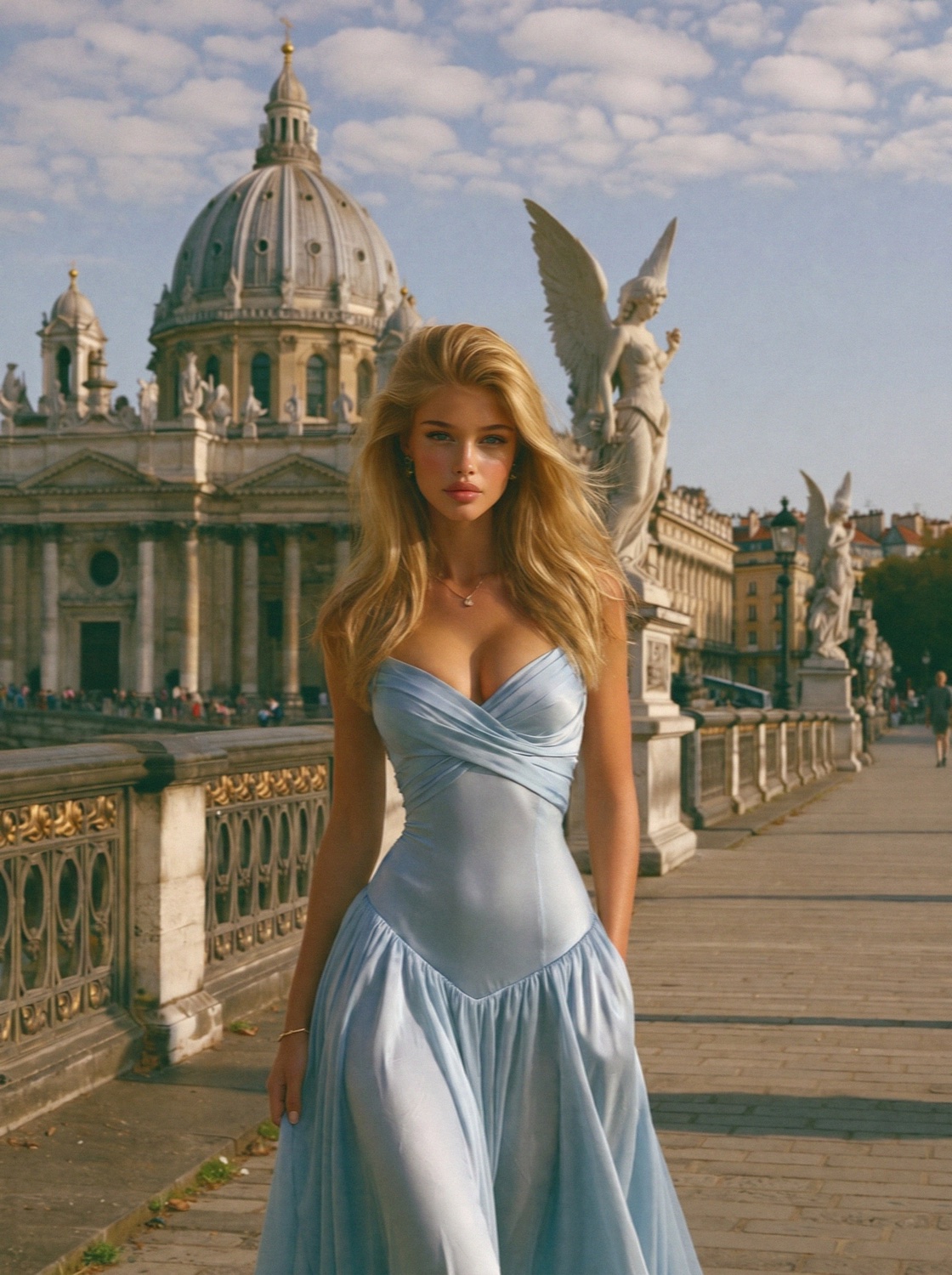
When you leave, do not go straight back into the centre. Walk down toward the river and cross at the Ponte Sant’Angelo, the old bridge lined with Bernini’s marble angels, each carrying an instrument of the Passion, leading the eye to the round drum of Castel Sant’Angelo on the far bank. The castle began as the emperor Hadrian’s tomb, became a fortress and a papal refuge, and is joined to the Vatican by a secret raised passage the popes used to escape. At dusk the whole scene turns to gold, the angels catch the last light, and the dome you stood beneath that morning glows on the skyline behind you. It is the loveliest way to end a Vatican day.
Frequently Asked Questions
How much time do you need at the Vatican?
Half a day at a minimum. A typical visit is the Vatican Museums and Sistine Chapel in the morning on an early slot, then St Peter’s Basilica and, if you like, the dome climb. A full, unhurried day is better.
Do you need to book Vatican tickets in advance?
For the Vatican Museums, yes, always. Book online and take the earliest slot to skip a queue that can run to two hours in season. St Peter’s Basilica is free and needs no ticket, only patience with the security line.
What is the dress code for the Vatican?
Shoulders and knees must be covered for both St Peter’s and the Sistine Chapel, for men and women alike. Carry a light scarf and you will never be turned away.
Can you take photos in the Sistine Chapel?
No. Photography is not allowed in the Sistine Chapel, and the guards enforce a rule of silence too. Everywhere else in the museums, photos without flash are fine.
Is St Peter’s Basilica free?
Yes. The basilica and the square are free and open to all. You only pay to climb the dome and to enter the separate Vatican Museums.
When is the Vatican least crowded?
The very first entry slot on a weekday morning, and the winter months outside the Christmas and Easter peaks. Avoid Sundays, when the museums are closed except the free and very busy last Sunday of the month.
The Vatican, Well Spent
The Vatican is the one place in Rome that asks something of you, a little patience, a little planning, covered shoulders and an early alarm. Give it those, and it gives back more than almost anywhere on earth.
For the wider city, see my complete guide to Rome, plan your days with the three day Rome itinerary, and for where to point your camera, the best photo spots in Rome. And if you would rather feel the city than plan it, read my Rome diary, The Long Way In.