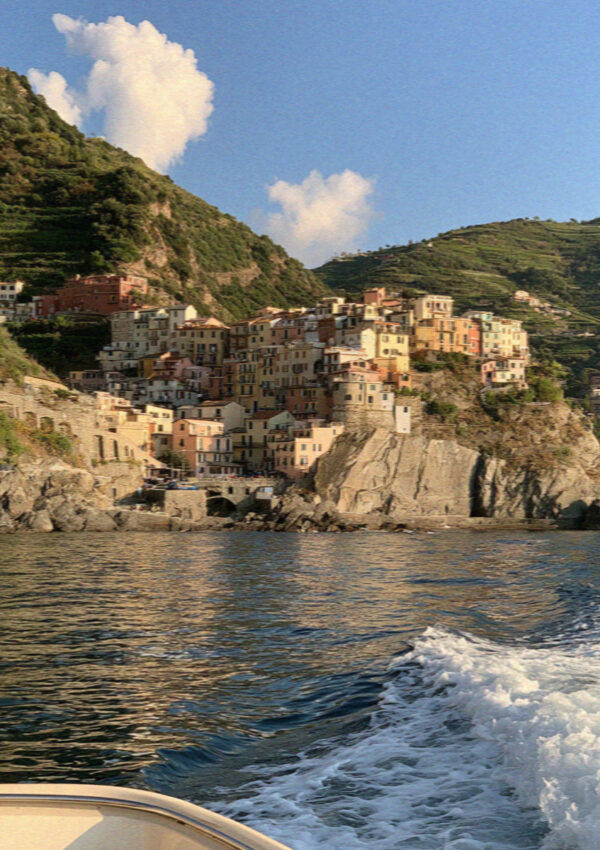
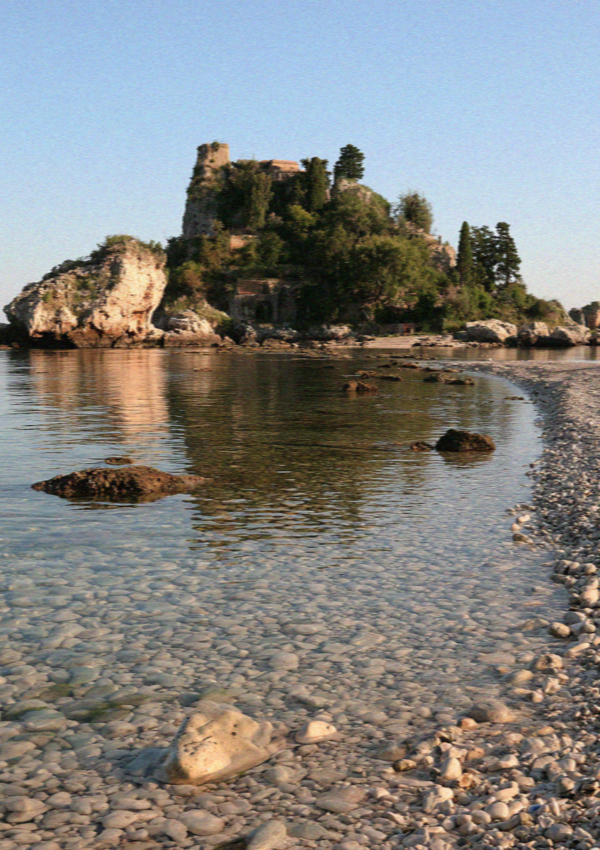
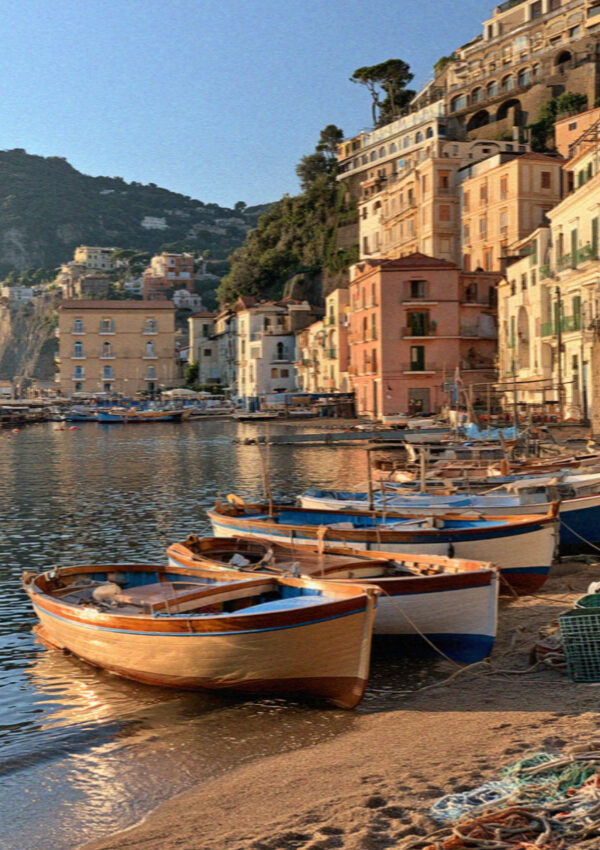
The Amalfi Coast has a short, glorious season and a long, sleepy off-season, and picking the right window changes everything, the weather, the crowds, the prices, even whether the ferries are running. The short answer is late May to June and September. Here is the longer one, month by month.
The Sweet Spots: Late May to June and September
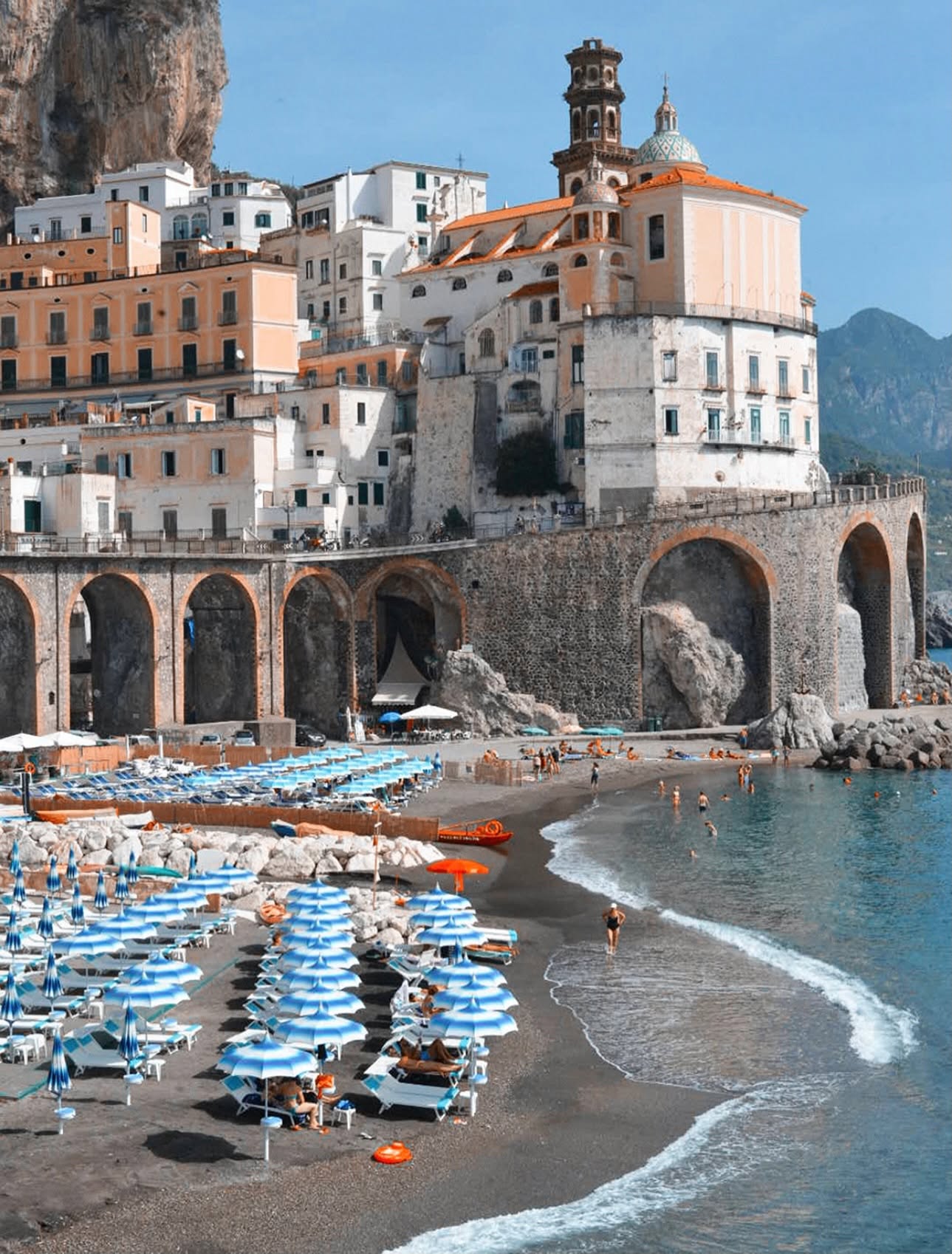
If you can choose, come in late May, June or September. The sea is warm enough to swim, the days are sunny and long, everything is open, and the towns are lively without the crush of high summer. September is the insider’s favourite, the sea still warm from the summer, the crowds thinning from mid-month and prices beginning to soften. These weeks give you the coast at its best.
Plan Your Visit to the Amalfi Coast
A few things I booked and loved. These help support the blog, at no cost to you.
- Where I stayed: search Amalfi Coast hotels
- Boat tours and Amalfi Coast tickets
- Stay connected: get a travel eSIM
This section contains affiliate links. If you book through them I may earn a small commission, at no extra cost to you.
Spring: April and May
April brings warming days, wildflowers on the terraces and a fresh, green coast, though there is still some rain and the sea is cold for swimming. Easter can be busy. May is one of the strongest months of all, warm and vivid, the season fully open but not yet packed, perfect for sightseeing, hiking and early swims.
High Summer: July and August
July and August are hot, beautiful and extremely busy. The beaches, ferries and restaurants are at their liveliest, but the peak weeks from mid-July to mid-August bring fierce heat, traffic jams on the coast road and premium prices on everything. If summer is your only option, book far ahead, start days early, and lean on the ferries rather than the buses.
Autumn: October
October is a lovely, gentler month, the coast returning to itself, still warm enough for outdoor dining and light layers, with the sea holding its warmth until mid-month. It is excellent for hiking and photography, with soft light and thinning crowds. Towards the end of the month some seasonal businesses begin to close.
Winter: November to March
From November to March the coast goes quiet and cheap, with mild but changeable weather, the lowest prices of the year and hardly any crowds. The trade-off is real: many hotels, restaurants and ferries in the smaller towns shut down, and the seasonal boats largely stop. It suits travellers who want peace, low prices and a local, off-season feel, and who do not mind that swimming and some sights are off the table.
Choosing Your Month
For the best all-round trip, come in late May, June or September. For the liveliest, hottest, busiest coast, come in July or August and plan carefully. For hiking and photography in soft light, choose May, June, late September or October. For quiet and low prices, come in the off-season and accept that much will be closed.
Festivals and Events Through the Year
The coast’s calendar is worth weaving into your timing. The summer belongs to the Ravello Festival, a celebrated season of concerts held in the gardens of Villa Rufolo with the sea far below, one of the most romantic settings for music anywhere in Italy. Amalfi honours its patron, Saint Andrew, twice a year, in late June and late November, with a procession that sees his statue carried up the cathedral’s great staircase at a run, a genuinely stirring local spectacle.
Through the warmer months the smaller towns hold their own sagre, village food festivals celebrating the lemon, the anchovy of Cetara or the pasta of Minori, which are among the loveliest and least touristy things to stumble upon. Easter brings solemn, atmospheric processions to many of the villages, and the Christmas season lights the towns quietly for the few who visit in the cold. Knowing what is on can shape a trip: come for the Ravello Festival if music matters to you, or for a food sagra if you want the coast at its most local. It is also a reminder that the coast is busiest around these summer events and the August holidays, and at its calmest in the shoulder weeks of May, early June and late September.
Frequently Asked Questions
What is the best month to visit the Amalfi Coast?
September, for most people, with warm sea, easing crowds and softening prices. Late May and June are just as good, warm and open without the peak-summer crush.
When should you avoid the Amalfi Coast?
Mid-July to mid-August is the hottest, most crowded and most expensive time, with heavy traffic on the coast road. The deep off-season, November to March, is quiet but with many closures.
Is the Amalfi Coast worth visiting in winter?
It can be, for peace and low prices, but many hotels, restaurants and ferries in the smaller towns close, and swimming is out. Winter suits travellers who want a quiet, local, off-season trip rather than the full coastal experience.
Plan the beach days in the best beaches on the Amalfi Coast, time a walk in hiking on the Amalfi Coast, and read my complete guide to the Amalfi Coast.