Three days is the sweet spot for a first visit to Rome. It is long enough to stand inside the ancient city, cross the river to the Vatican, and still leave an afternoon for gardens and quiet corners, without the forced march of trying to see everything at once. This is the exact route I would give a friend, built to keep your walking sensible, your mornings ahead of the crowds and your evenings free for long dinners. Book the big three sights before you arrive, wear shoes you can walk miles in, and let the plan bend a little when a piazza or a plate of pasta insists that it should.
A quick word on how this is built. Each day pairs one big morning sight with a slower afternoon and a relaxed evening, so you are never rushing from ticket to ticket. The three days flow geographically too, keeping your walking tight, and every day ends near good food and a place to watch the light go. If you have only two days, drop day three and fold its best half hour, the sunset from the Janiculum, onto the end of day one.
Day One: Ancient Rome
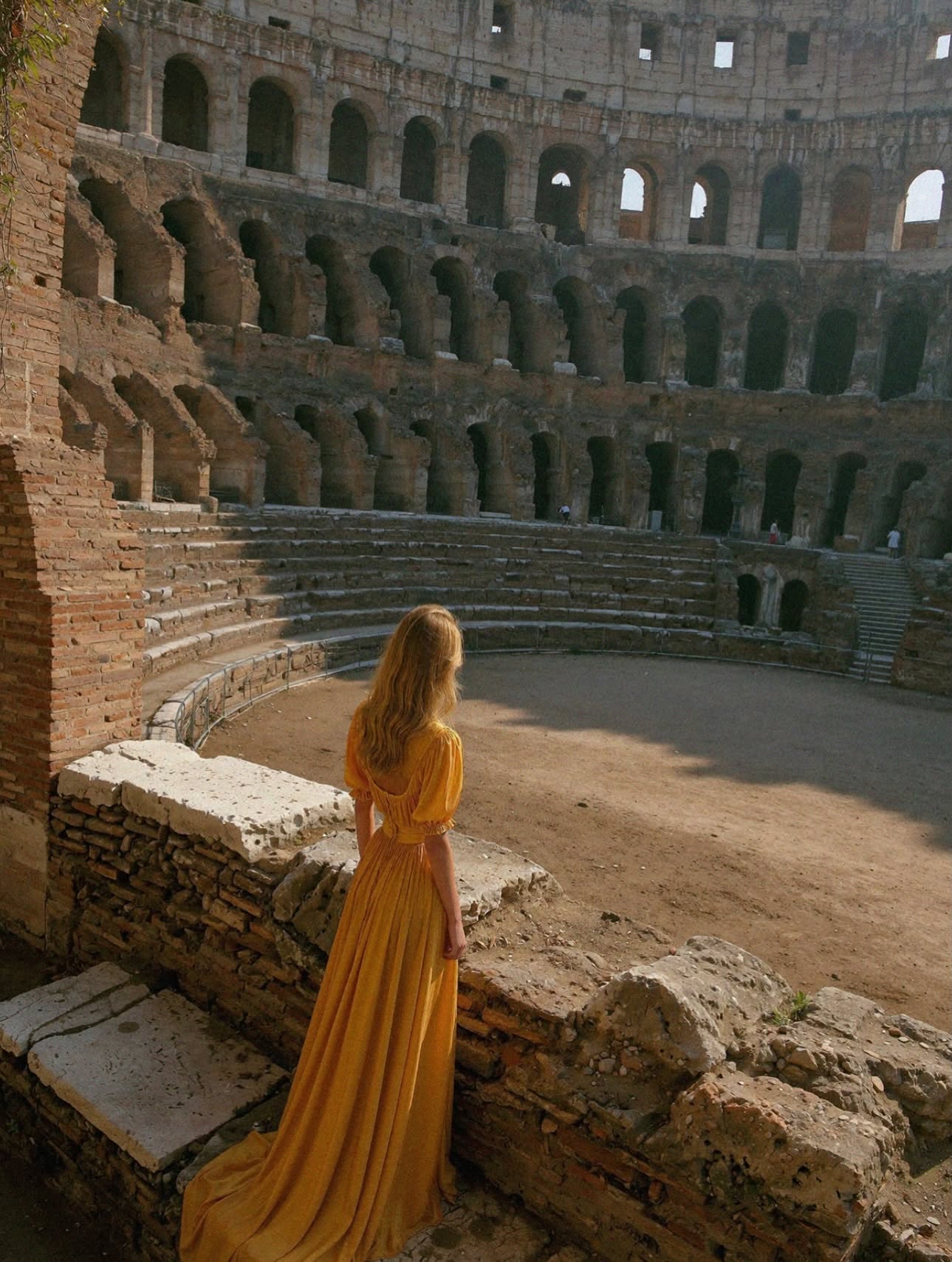
Start early at the Colosseum, ideally on the first entry slot around half past eight, before the heat and the tour groups arrive. Your timed ticket also covers the Roman Forum and Palatine Hill, so give the whole morning, roughly three hours, to the three of them together. Walk the Colosseum first while your legs are fresh, then cross into the Forum and follow the Via Sacra, the old main road, through the ruins, and climb the Palatine for the view down over all of it. This is the beating heart of the ancient world, and a slow morning here is worth far more than a rushed dash around six other things.
Come out around one and walk up into Monti, the old neighbourhood just north of the Forum, for a plate of pasta and a glass of wine in the shade. In the afternoon, climb the Capitoline Hill to see Michelangelo’s piazza and, if you have the energy, the excellent Capitoline Museums, then slip around to the terrace behind them for one of the best free views over the Forum in the city. As the light softens toward six, walk to the Trevi Fountain to throw in your coin, then drift to the Pantheon and Piazza Navona, ending the day with dinner at a table out on the cobbles. If you are short on time, the Capitoline Museums are the easiest thing to skip.
Day Two: The Vatican and the Baroque Centre
Give the morning to the Vatican, and book the very first entry slot you can, around eight, to walk into the Sistine Chapel while it is still relatively calm. One important note when you plan: the Vatican Museums are closed on Sundays, except the last Sunday of the month when entry is free and consequently mobbed, so aim for a weekday. Move through the museums toward the Sistine Chapel, where Michelangelo’s ceiling rewards a long look up, then continue into the vast basilica of St Peter’s, which is free to enter. If your legs are willing, climb the dome for a view straight down the great avenue and out over the whole city.
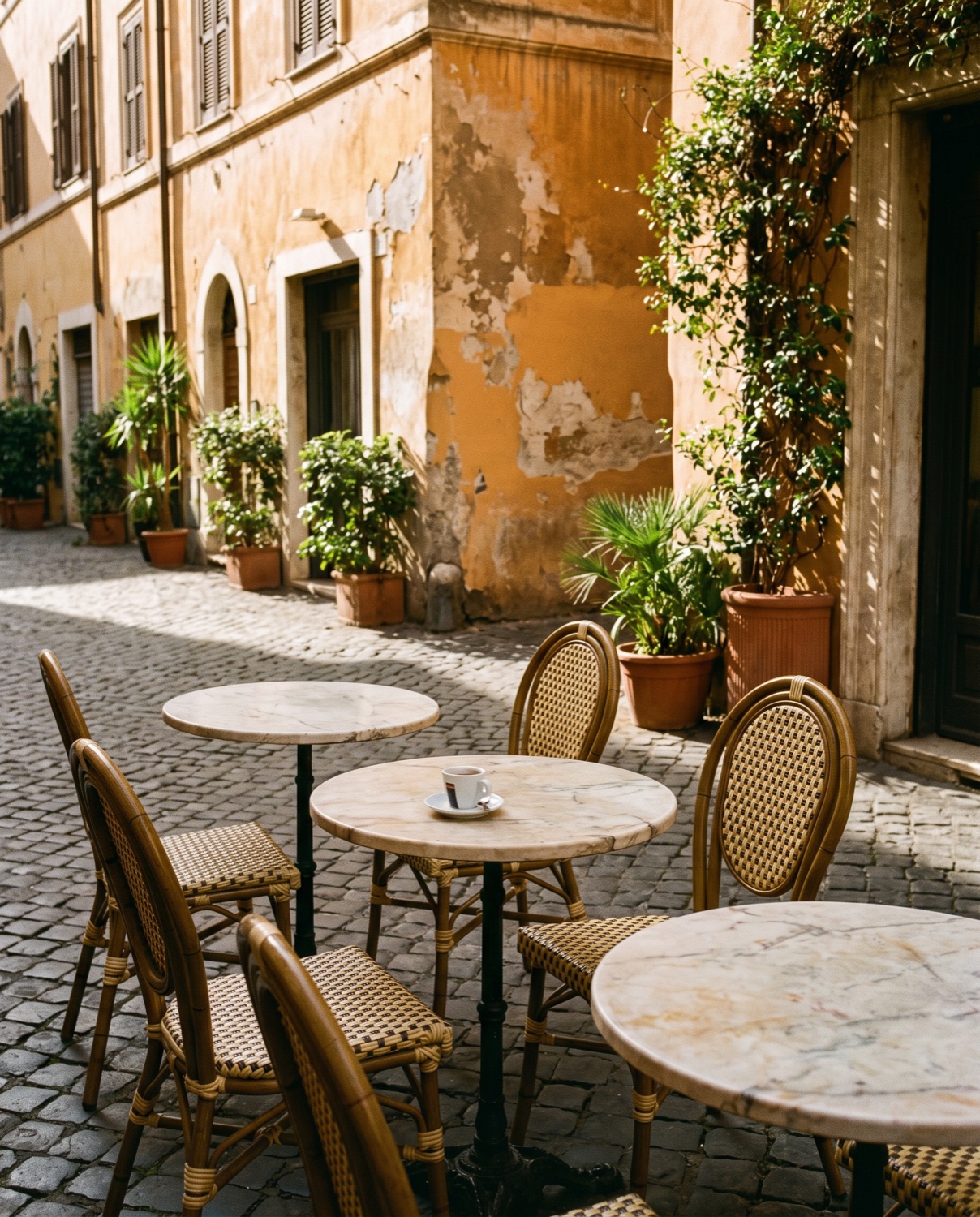
Have lunch in elegant Prati nearby, where the locals eat better than the crowds by the basilica, then walk back toward the river and cross at Castel Sant’Angelo, the round fortress with Bernini’s angels lining its bridge. From there it is a short stroll back into the centre to see in daylight anything you passed the evening before. When the afternoon cools, cross the river again into Trastevere, the prettiest neighbourhood in Rome, and let yourself get lost in its ivy hung lanes before settling in for a long Roman dinner as the lamps come on and the little squares fill up.
Day Three: Gardens, Galleries and Quiet Corners
Begin with the Galleria Borghese on a nine o’clock slot, which you must reserve well in advance because entry is timed and numbers are strictly capped at two hour visits. Inside is the finest small collection in the city, Bernini’s marble figures that seem to breathe and a room of Caravaggio paintings, and it makes a gentle, air conditioned start to the day. Afterwards, walk out into the surrounding Villa Borghese park, rent a little rowing boat on the lake if the mood takes you, and follow the paths to the Pincio terrace for the postcard view over Piazza del Popolo.
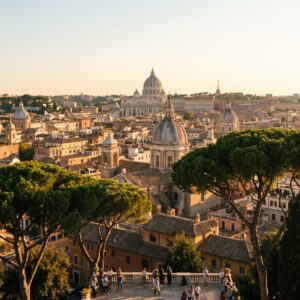
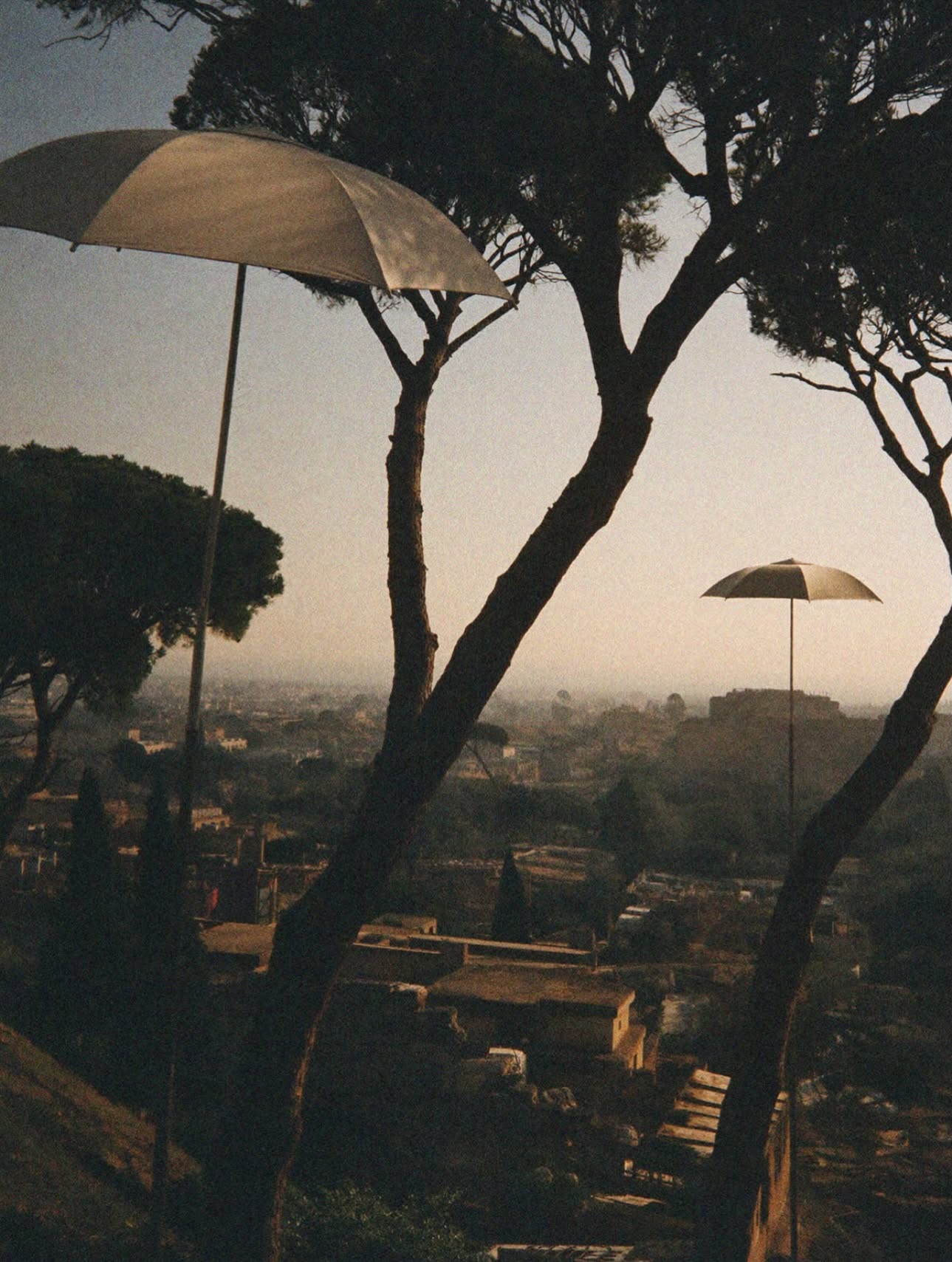
Come down the Spanish Steps into the smart shopping streets of the Tridente for a wander, then spend the late afternoon on the Aventine Hill, where you can peer through the famous keyhole of the Knights of Malta and rest in the peaceful Orange Garden above the rooftops. For your last evening, climb the Janiculum Hill, the Gianicolo, at sunset, when the whole city turns to gold beneath you, and toast three good days in Rome before one final dinner down in Trastevere or nearby Testaccio.
If You Have More Time
A fourth or fifth day is where Rome stops being a checklist and starts being a place you live in for a while. Use the extra time for a day trip to the gardens of Tivoli or the ruins of Ostia Antica, for the neighbourhoods this plan only brushes past, like the old Jewish Ghetto and its artichokes, or simply for going back to whatever you loved most and seeing it again in different light. The one rule that holds at any length is to resist cramming. Rome gives its best to the traveller who leaves gaps in the day.
Practical Tips for This Itinerary
Book the Colosseum, the Vatican Museums and the Galleria Borghese well before you travel, as all three sell timed tickets that vanish quickly in season; Colosseum tickets in particular are released on the official coopculture.it site thirty days ahead and go within minutes for peak dates. Start each morning as early as you can manage, because the first hour at any major sight is the calmest and the coolest. In high summer, flip the plan to see the outdoor ruins early and save museums and churches for the fierce heat of the afternoon. Keep a light scarf in your bag for the church and Vatican dress code, which requires covered shoulders and knees, refill your bottle at the street fountains, and do not try to add a fourth big thing to any day. Rome rewards the traveller who lingers, not the one who sprints.
Where to Eat Along the Way
The simplest rule for eating well is to walk a few streets away from the big monuments before you sit down, because the tables with a view of the Colosseum are rarely the ones with the best carbonara. Monti is your friend on day one, Prati and then Trastevere on day two, and Testaccio, the city’s honest old food quarter, is worth the short trip on day three. Order the Roman classics, cacio e pepe or carbonara, eat pizza by the slice when you are on the move, stand at the bar for your morning espresso, and always leave room for a gelato in the afternoon heat.
Frequently Asked Questions
Is 3 days enough for Rome?
Three days is enough to see the essential Rome without rushing, ancient Rome, the Vatican and the baroque centre, with a little time for gardens and wandering. It is not enough to see everything, but no trip ever is. Four or five days is more relaxed, but three is a genuinely satisfying first visit.
What is the best order to see Rome in 3 days?
Start with ancient Rome on day one, since it is the busiest and best done early, give day two to the Vatican and a slow evening in Trastevere, and save the Galleria Borghese, the gardens and the quiet hills for day three. This order keeps your walking efficient and your mornings ahead of the crowds.
Do you need to book anything in advance for this itinerary?
Yes, three things: the Colosseum, the Vatican Museums and the Galleria Borghese all require timed tickets that sell out in busy periods, so reserve them online before you travel. Everything else on this route, including St Peter’s Basilica and all the piazzas and viewpoints, you can simply walk up to.
That is three days in Rome, the spine of a first visit. For the wider picture, see my complete guide to Rome, browse the best things to do in Rome, or work out where to stay, or find the best photo spots in Rome. And if you would rather feel the city than plan it, read my Rome diaries, The Long Way In and Under the Roman Sun, and The Sacred and the Ordinary.