I woke before the heat had settled over the city and went out to meet its oldest streets while they were still half asleep. Rome in the early morning feels like another place entirely. The shutters remained mostly closed, cafés were only beginning to wake, and the great ruins stood in the pale light looking almost relieved to exist for an hour without an audience.
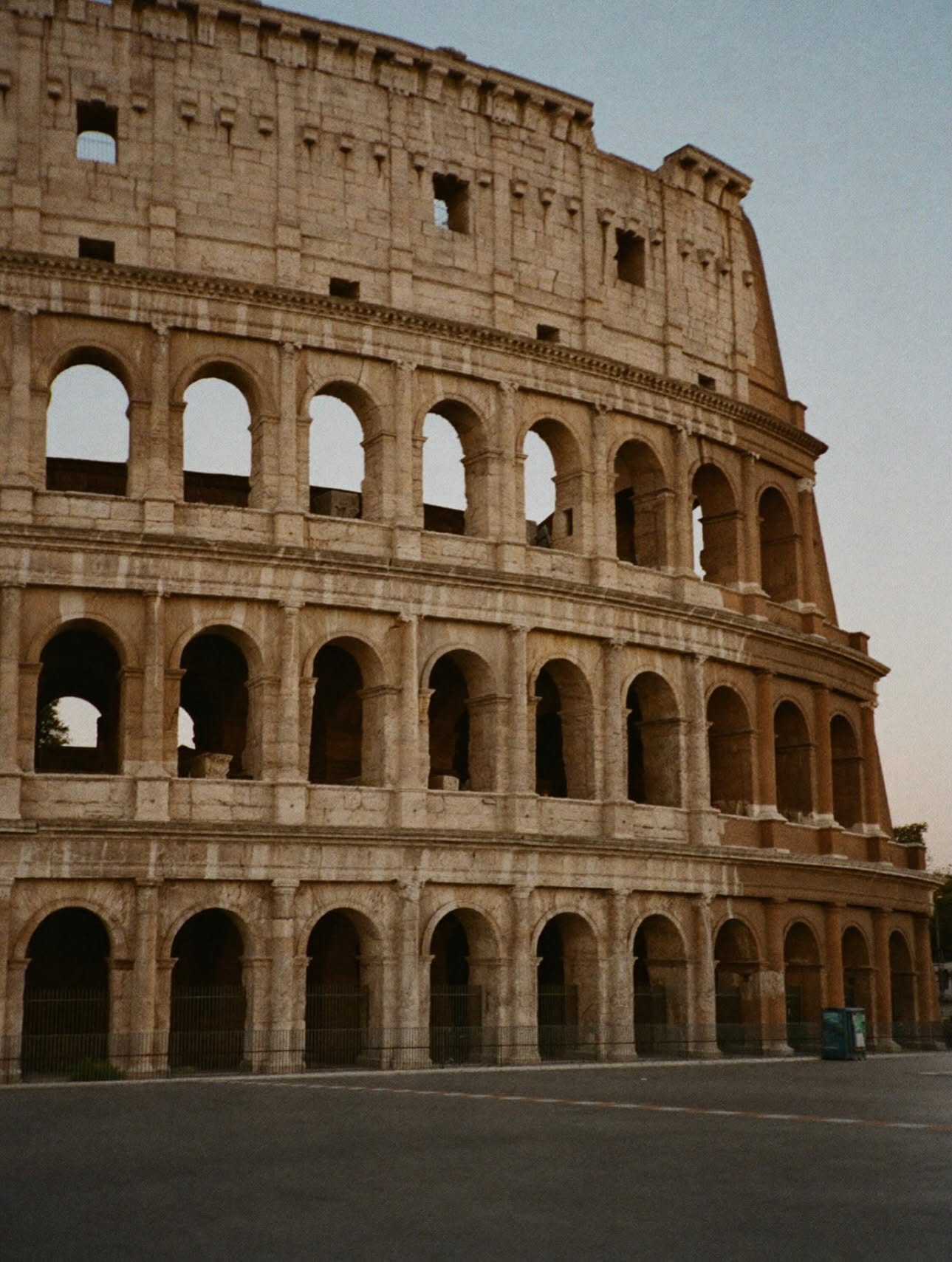
The Colosseum came first, the way it always seems to, appearing at the end of an ordinary street as though someone had simply forgotten to move it. I stood across the quiet road and looked at it for a long time. Photographs never prepare you for its scale, or for the fact that it is incomplete. Whole sections have fallen away over the centuries, their stone carried off to build palaces and churches elsewhere in the city. It has been a stadium, a fortress, a quarry, a sanctuary. Now it is simply itself, weathered and patient, while swifts dart through the arches as though they have inherited it.
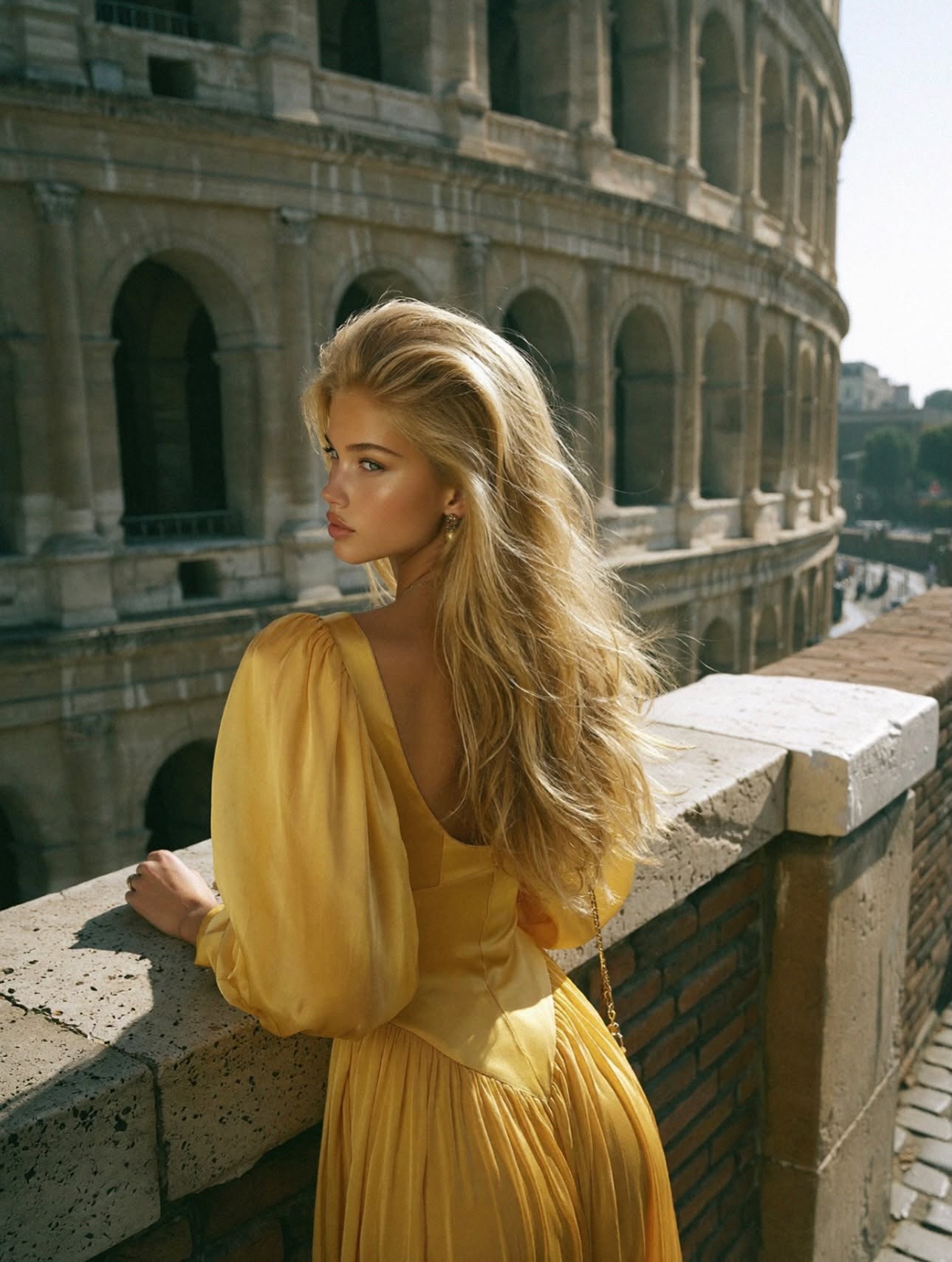
Inside, I rested my hands on the low wall overlooking the arena and tried to imagine what fifty thousand voices must have sounded like gathered in one place. The shouting. The applause. The silence that must have followed. It was difficult. The morning was so still that I could hear footsteps echoing from the opposite side. A handful of visitors wandered the upper tiers like figures painted into the distance. I have never been anywhere that carries so much history without asking you to feel its weight. Rome does not linger over what happened here. It simply continues, building each new century carefully on top of the last.
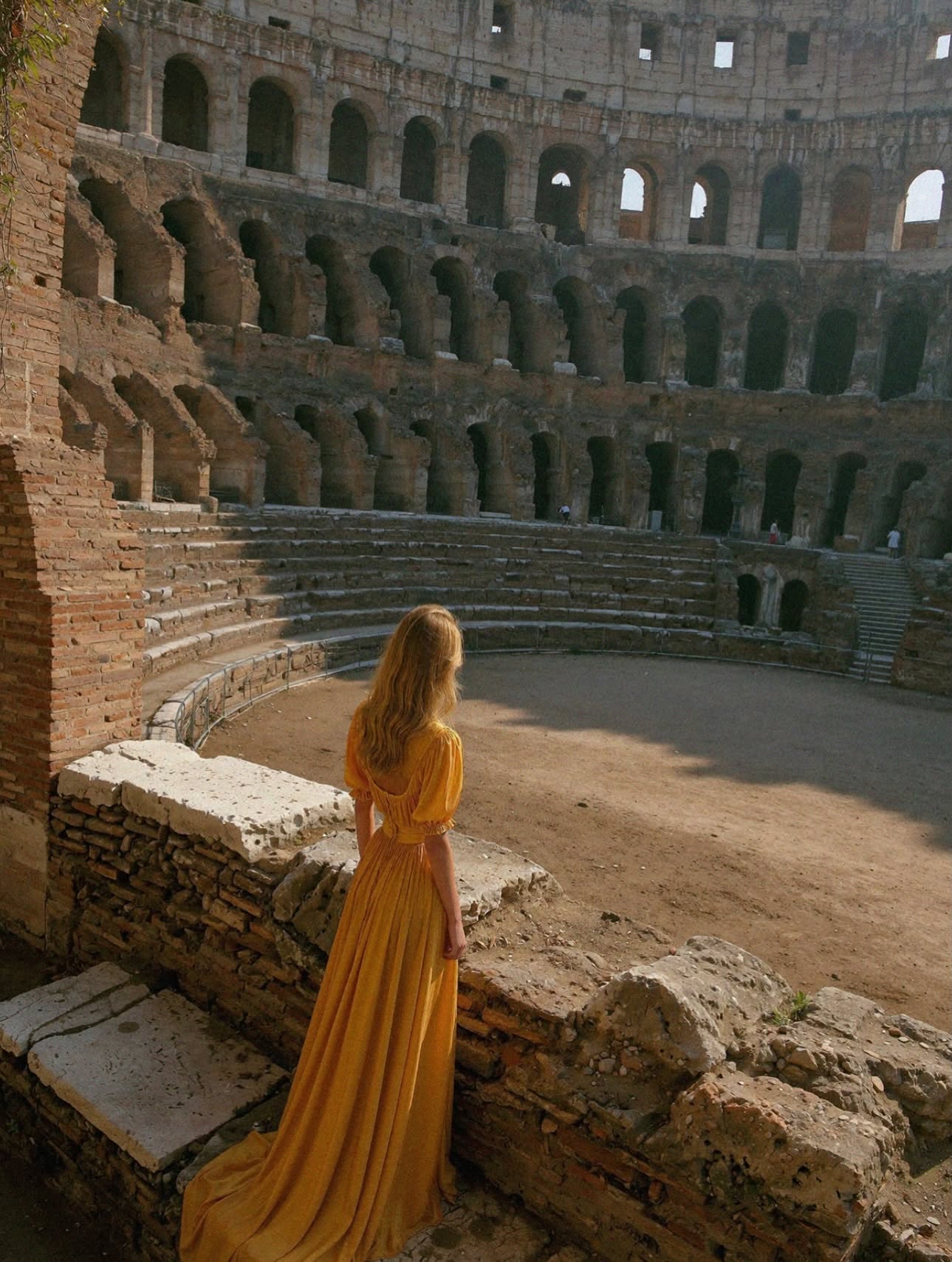
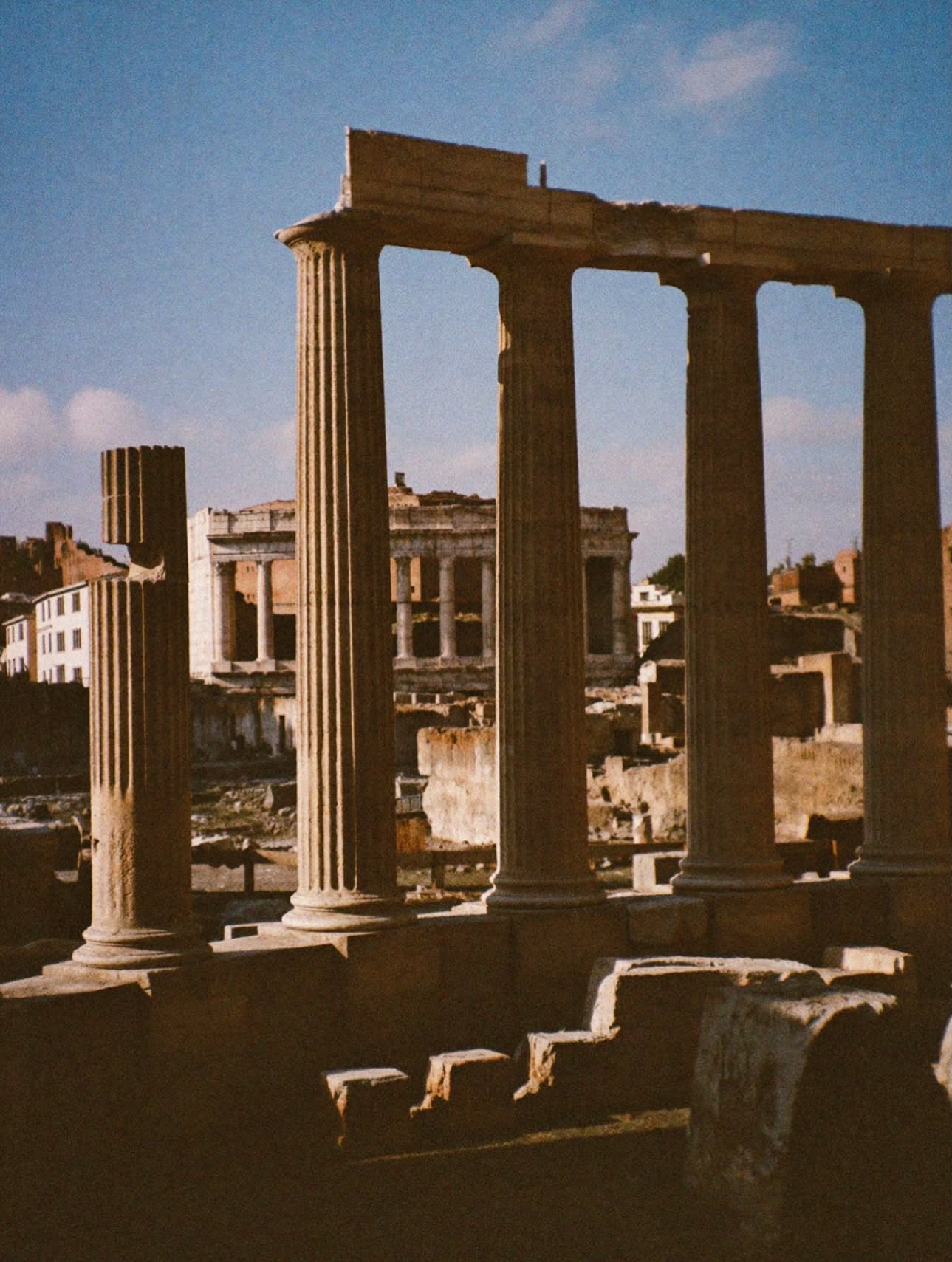
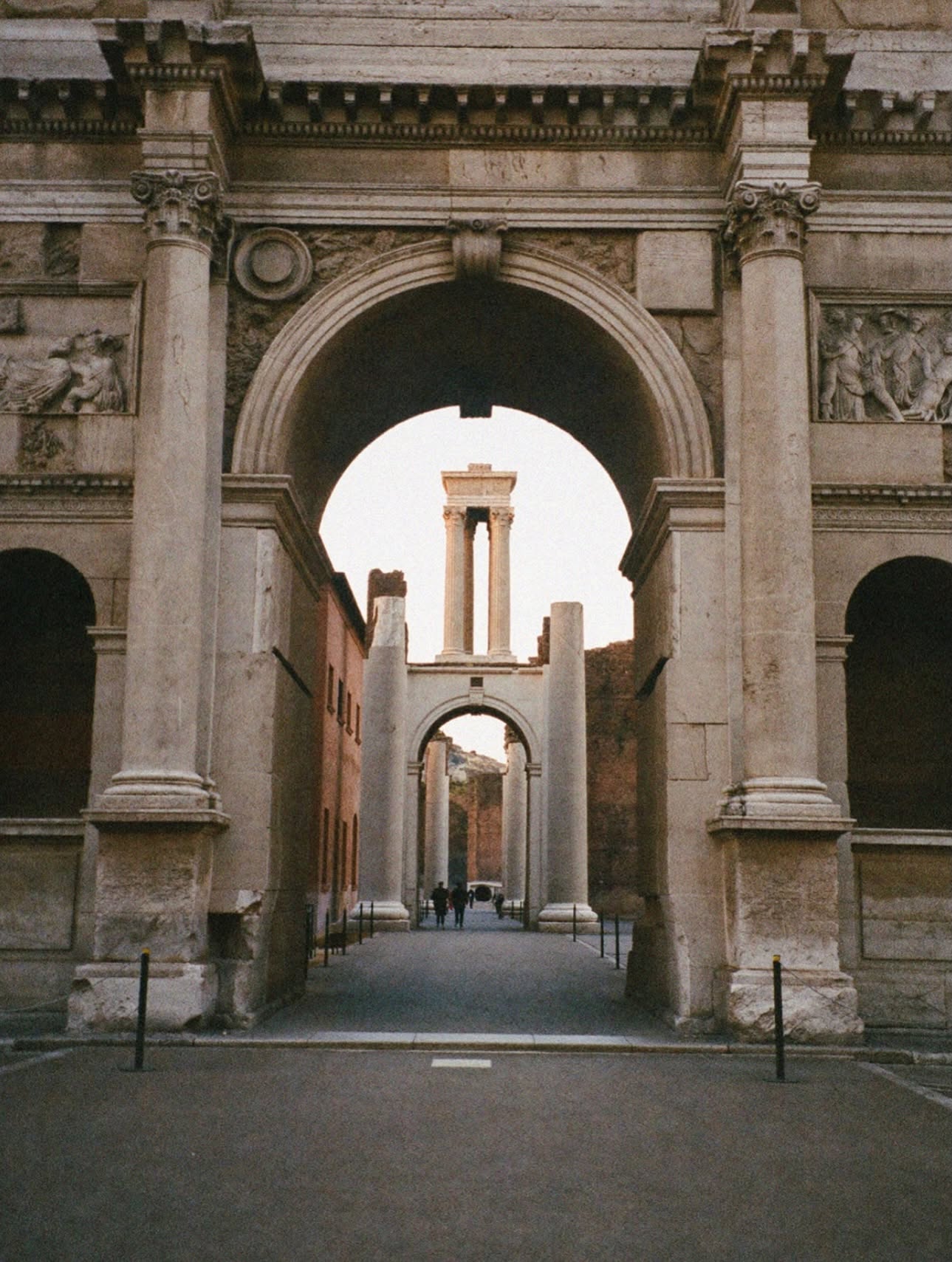
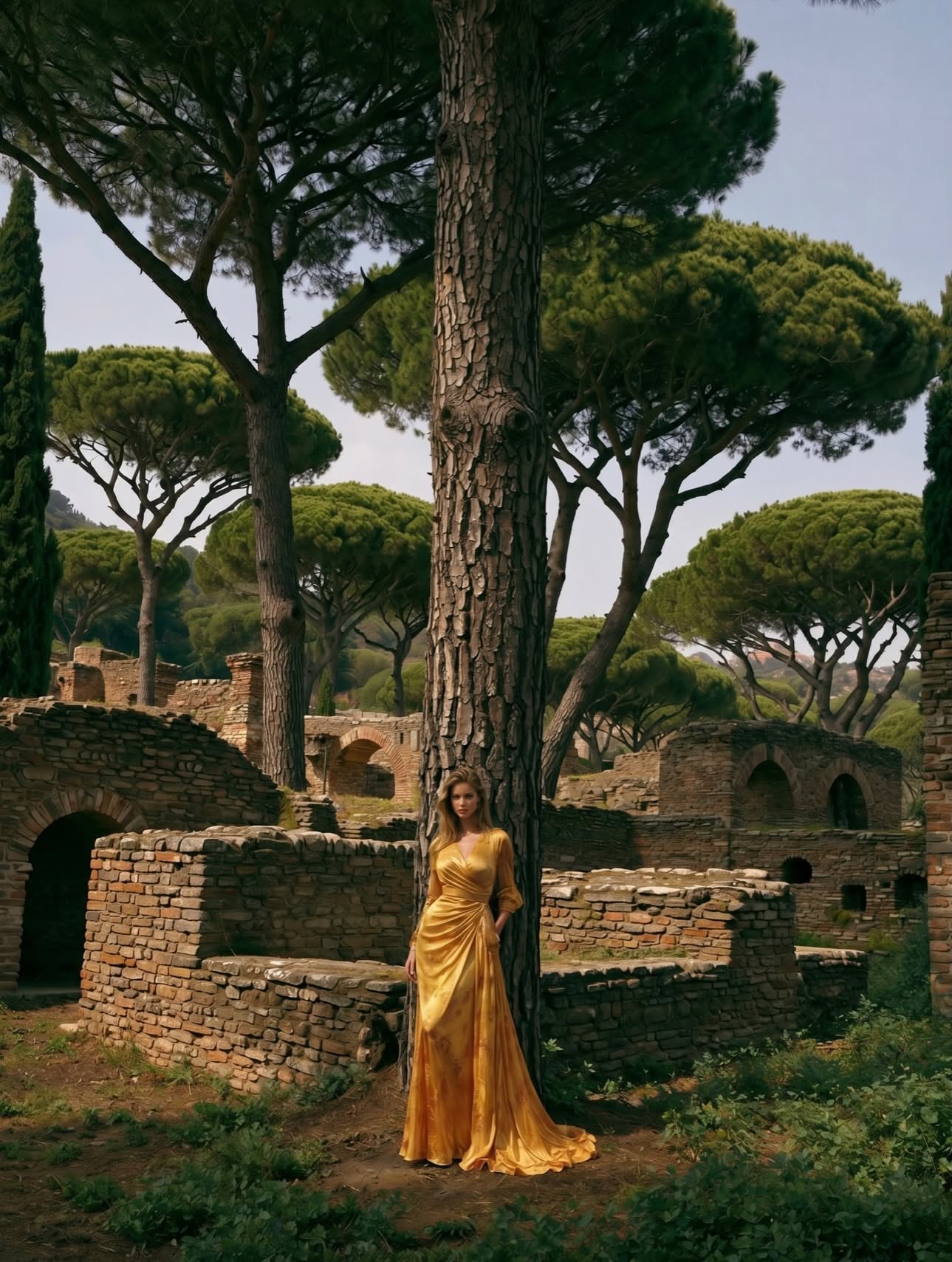
From there I wandered into the Forum, once the centre of an empire and now a landscape of broken columns, worn stone, umbrella pines and wild grass. I followed the old road slowly. Here a temple reduced to three surviving columns. There an arch raised to celebrate a victory that most people no longer remember. Everywhere the feeling of a city that had refused to disappear completely. Lizards slipped across marble once polished beneath senators’ sandals. The pines stretched their flat shadows over the stones. I sat on a fallen block for a long while and watched the sunlight climb slowly across the ruins, thinking how little any of it had ever needed me to exist.
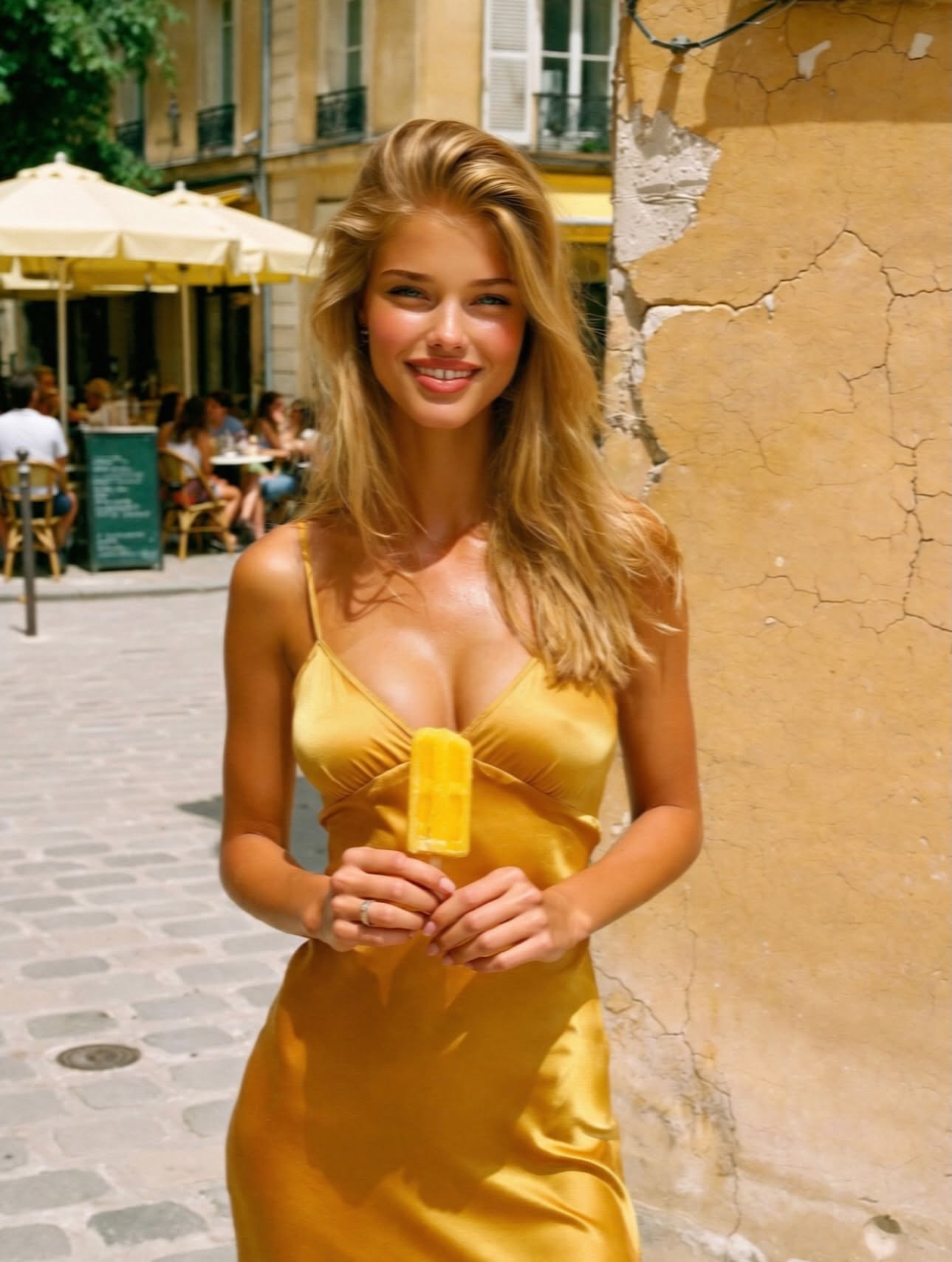
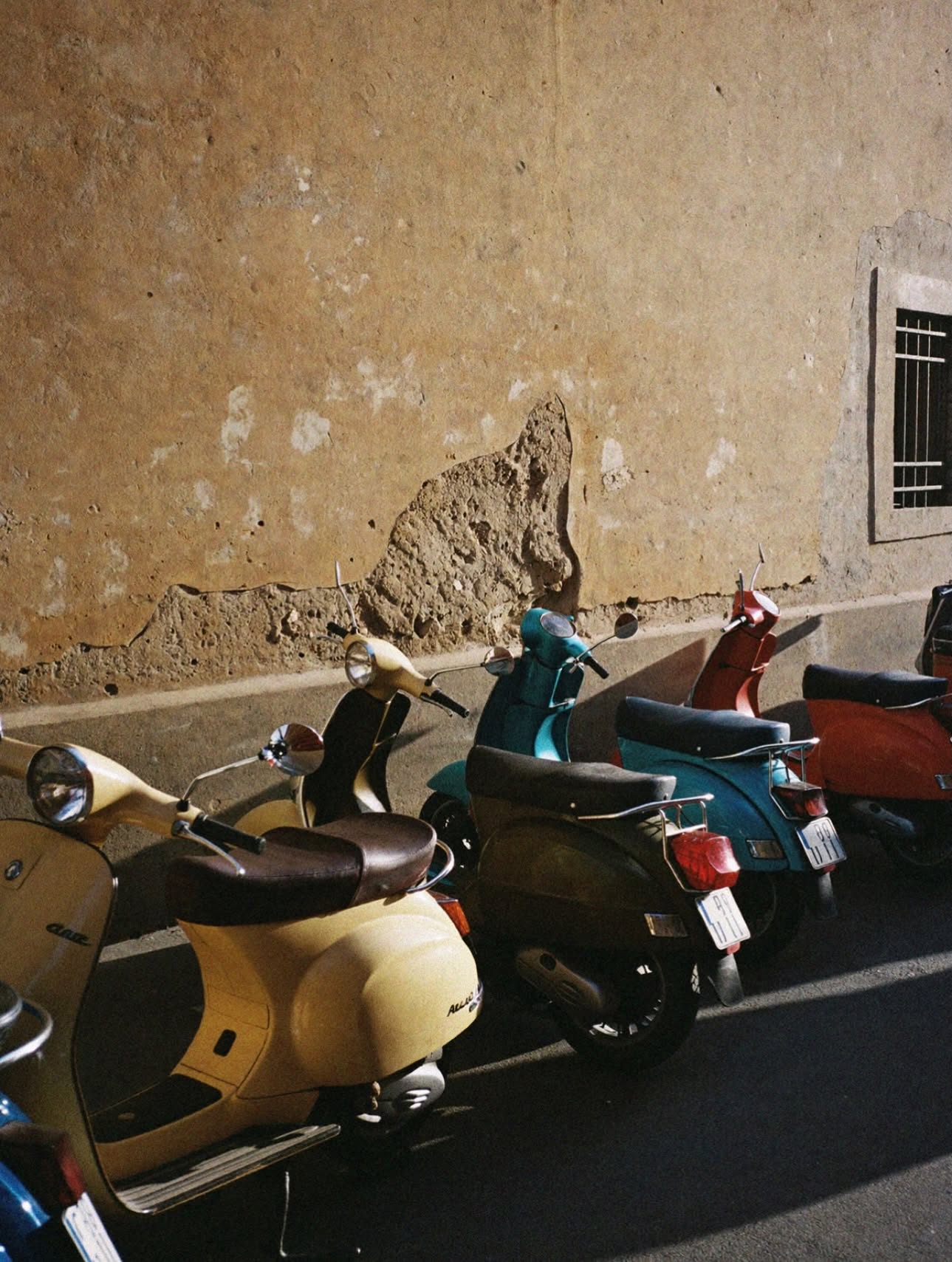
By midday the living city had folded itself back around the ancient one, and I let it carry me with it. I bought a lemon popsicle from a small cart and ate it too quickly beneath the shade of an ochre wall cracked by centuries of summers. A café dragged its tables into the street. Someone argued cheerfully from a balcony overhead. A row of old Vespas leaned against a wall in faded shades of yellow, teal and red, each one looking as though it had been parked there only for a moment. Rome never separates its past from its present. A scooter rests against a two-thousand-year-old wall without anyone finding it unusual. A businessman drinks an espresso where a temple once stood.
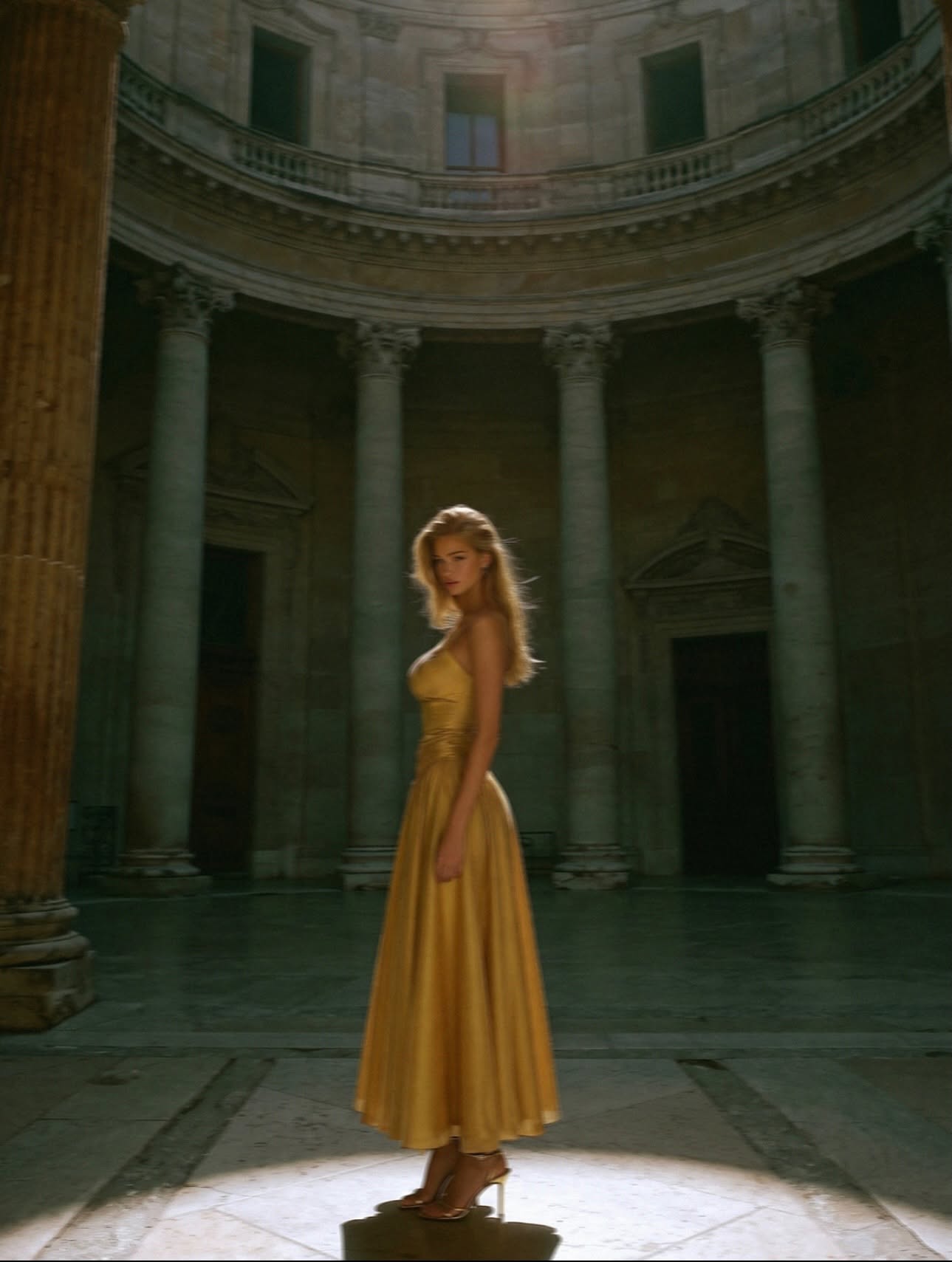
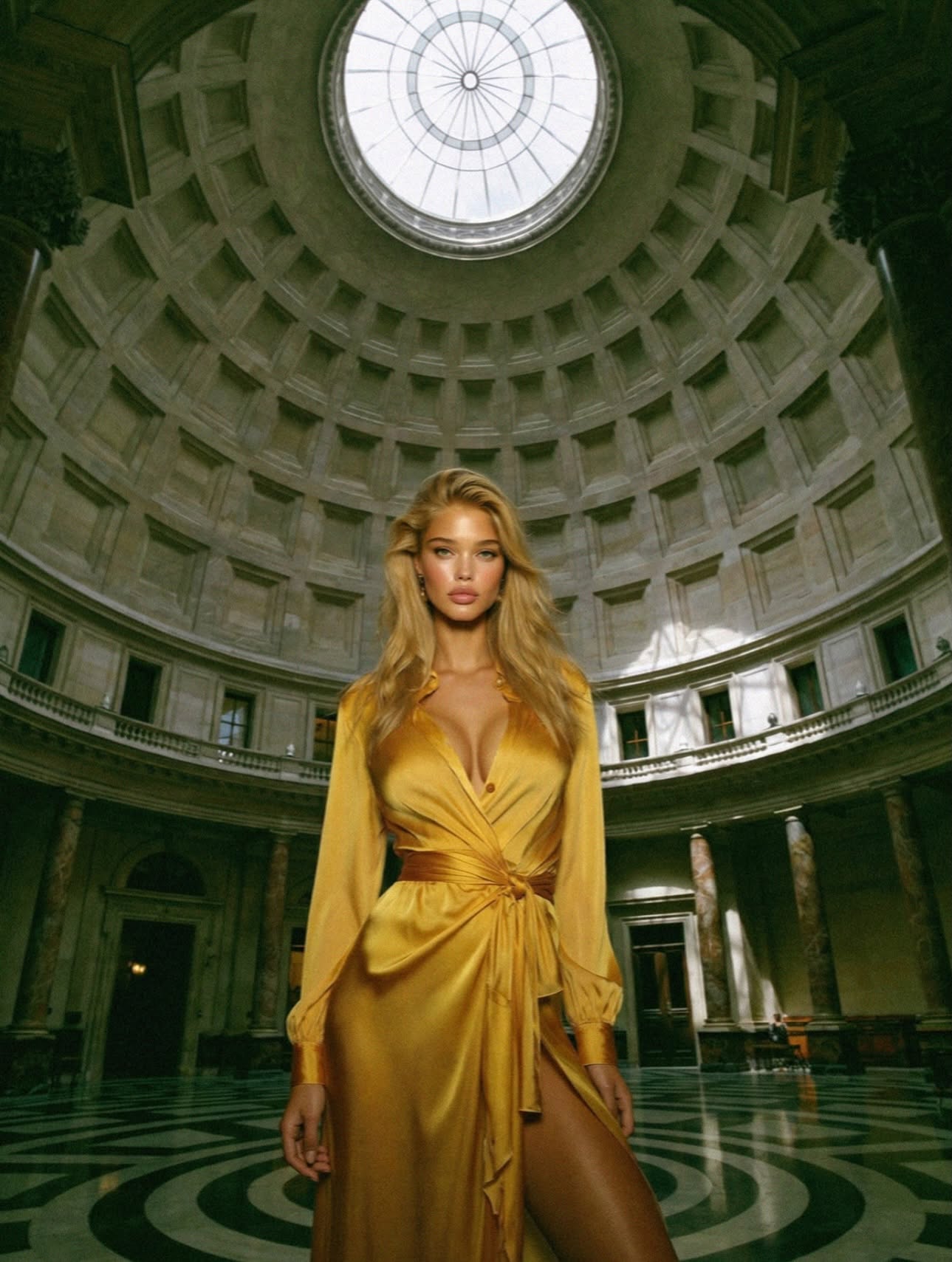
Later I stepped inside the Pantheon, the one great monument that somehow escaped becoming a ruin. Walking in from the bright afternoon felt like entering a held breath. Above me the dome curved upward until it disappeared into the great circular opening at its centre. A single shaft of sunlight fell through the oculus and drifted slowly across the marble floor as the earth turned beneath it. I stood inside that circle for a moment before moving away. It was impossible not to feel small beneath something built nearly two thousand years ago by people who understood that awe could be measured in stone.
I had planned to eat quickly before continuing on, but Rome had arranged something better.
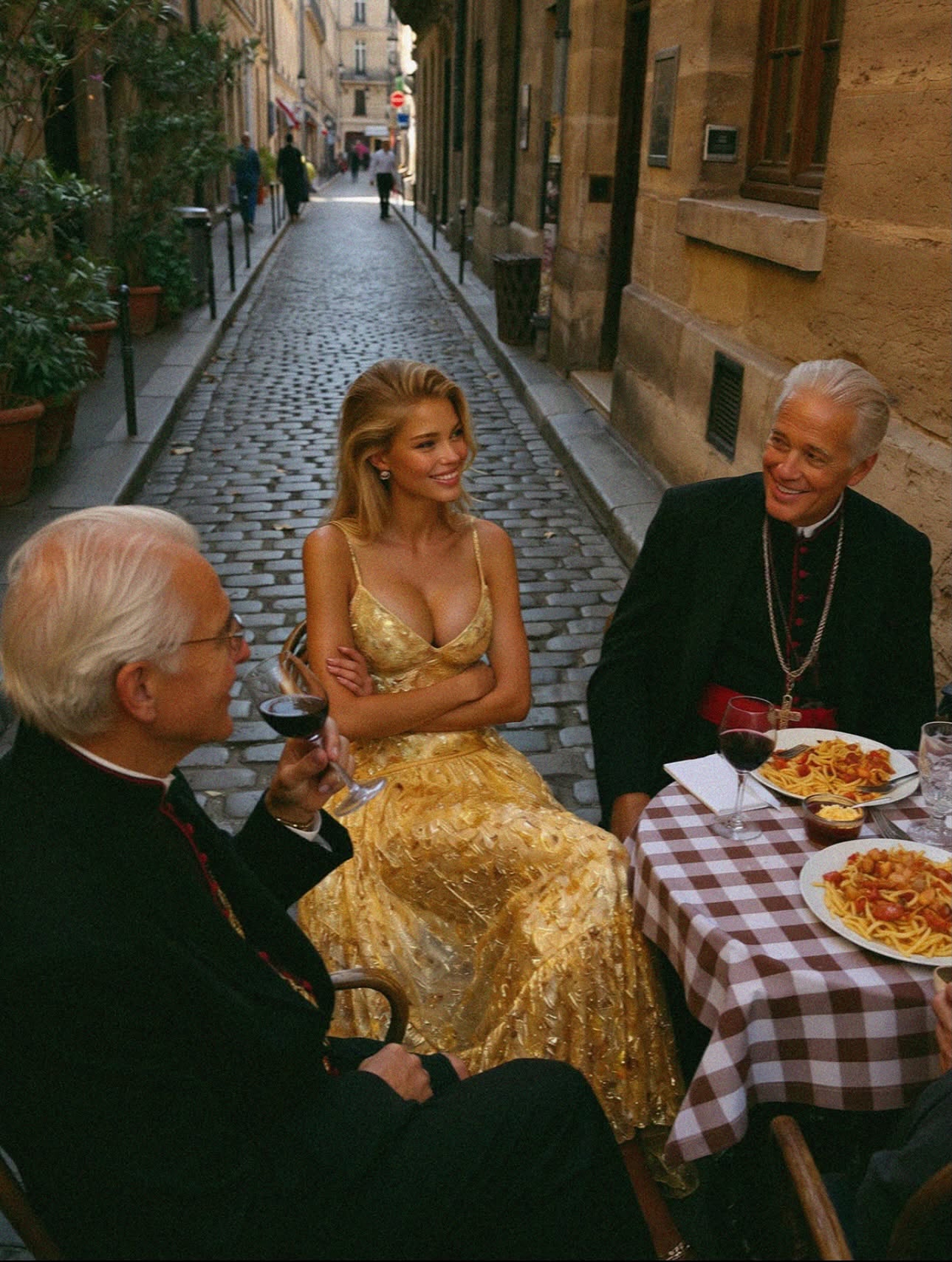
At a small trattoria tucked into a narrow lane, I found myself seated beside two elderly priests who were lingering over lunch with no sign of hurrying anywhere. Between them sat a nearly empty carafe of red wine and plates wiped almost clean with bread. One of them looked over and asked, in careful English, where I was from.
That was the end of my quiet lunch.
They had known one another for more than fifty years. They finished each other’s stories almost as often as they interrupted them. They told me about the Rome of their childhood, about a cardinal who had kept a parrot that learned language better than some seminarians, about the impossible business of driving across the city after three in the afternoon, and why the Pantheon should always be visited twice, once in the morning and once in the rain. They disagreed gently about almost everything, smiling before the other had even finished speaking.
I laughed until my face hurt.
Since arriving, I had noticed how naturally priests belonged to the rhythm of this city. They crossed piazzas without drawing attention, waited for trains, ordered coffee, carried shopping bags home. Black cassocks moved through Rome as quietly as the swallows overhead. Sitting beside these two men, kind, funny, curious and entirely unselfconscious, I realised how easy it is to mistake symbols for people. For an hour they were simply two old friends sharing lunch, generous enough to make room for a stranger.
When we finally stood to leave, they shook my hand as though we had known one another much longer than an afternoon. I walked away smiling and found myself drifting toward the Trevi Fountain.
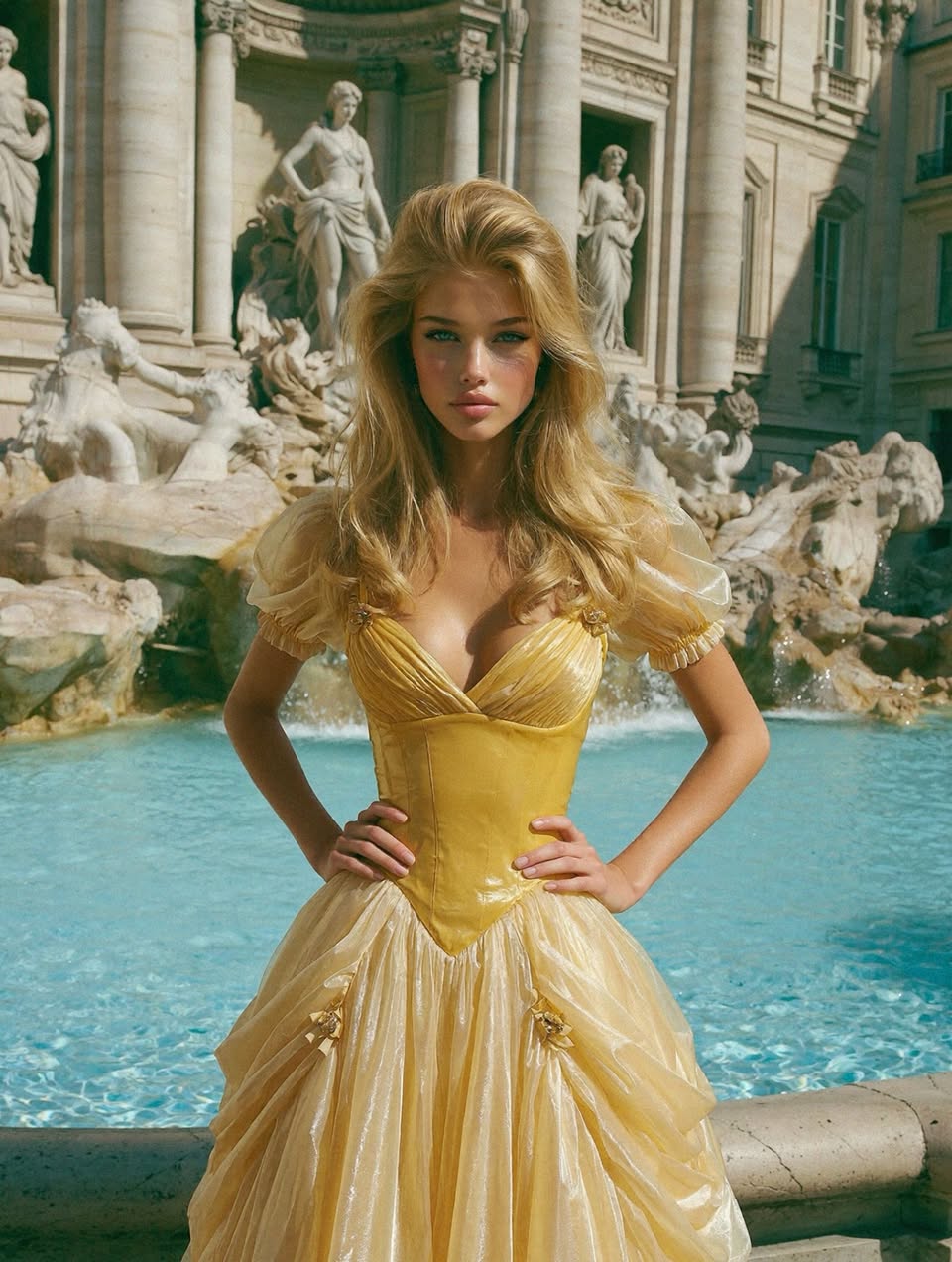
It was as crowded as every photograph promises. Marble figures rose above the water while voices from every language folded into one another across the square. I turned my back, closed my eyes and tossed a coin over my shoulder. They say it means you will return to Rome one day. Perhaps it is only superstition. Then again, perhaps cities understand promises better than people do.
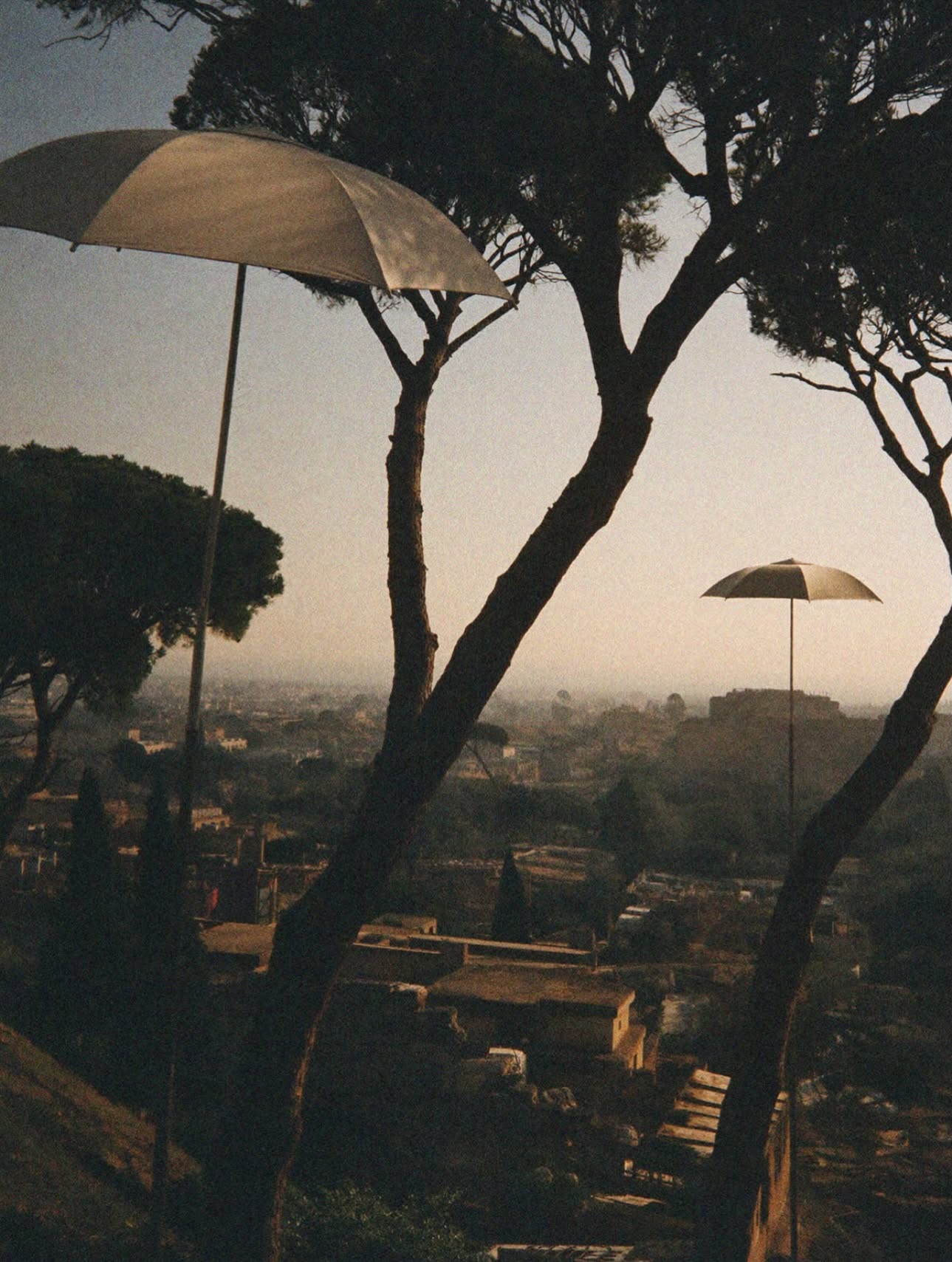
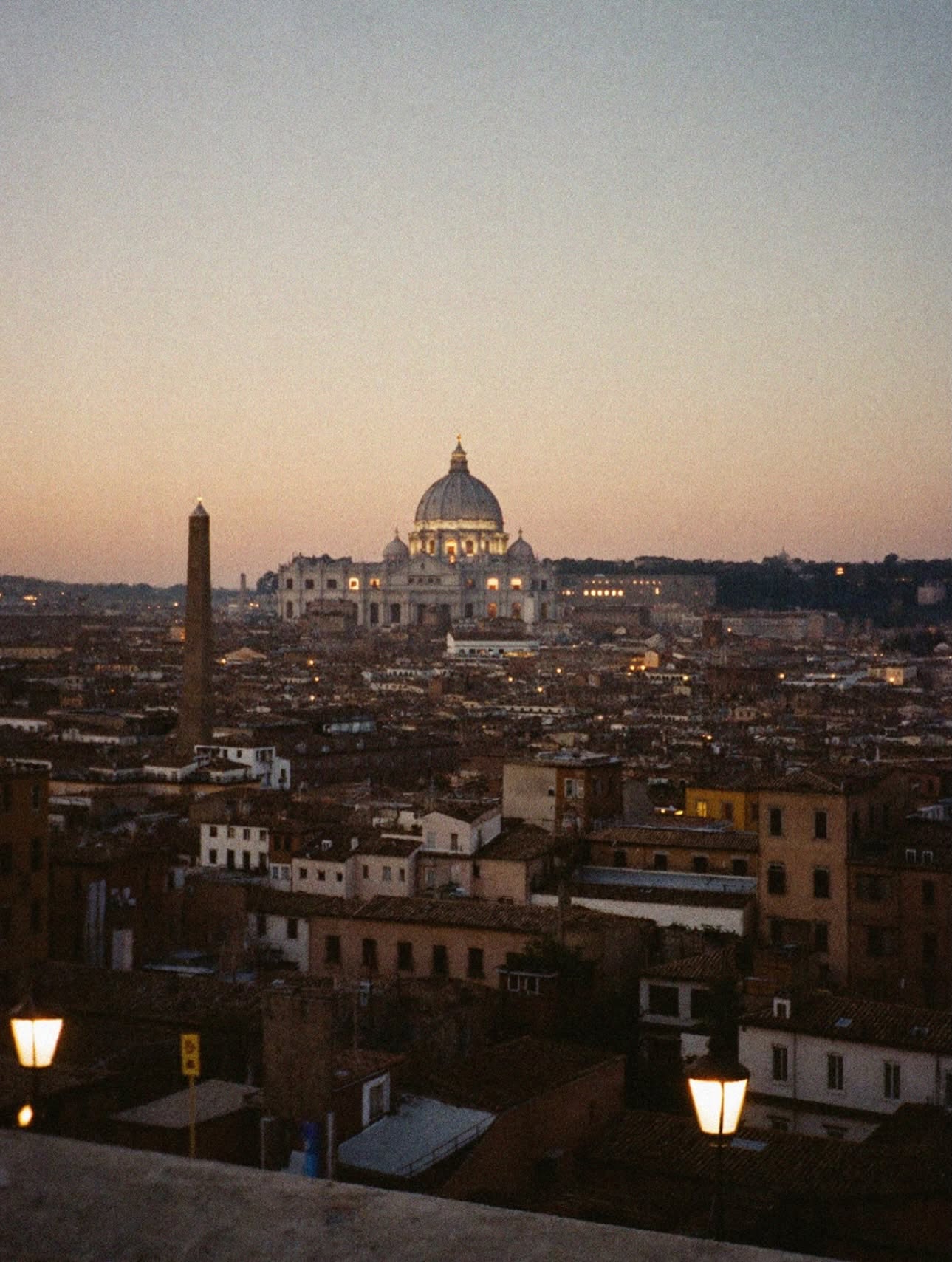
As evening approached, I climbed to a terrace overlooking the rooftops. The light softened from gold to rose, then slowly into violet. Beyond the chimneys and church towers, the dome of Saint Peter’s glowed against the darkening sky as though lit from somewhere inside itself. One by one the lamps appeared along the streets below. Somewhere a church bell marked the hour. The heat finally released its hold on the city, and the ruins I had walked through that morning disappeared into shadow while cafés filled once again with conversation.
Standing there, I realised Rome had been asking me the same quiet question all day.
How can one place hold so much of the past without becoming trapped inside it?
The answer was never in the monuments.
It was in the priests lingering over pasta, in the waiter folding tablecloths, in the scooters weaving around ancient columns, in someone buying flowers on the way home beneath walls older than memory. Rome never asks its past to compete with its present. It lets them walk the same streets together, under the same Roman sun.
V.
For Victoria’s Complete Guide to Rome, click here.
Read also: Rome – The Long Way In, and The Sacred and the Ordinary.
More from my trip to Rome: