Rome is not a city you see so much as one you step into. Almost three thousand years of it are stacked one layer on the next, a temple beneath a church beneath an apartment block, an emperor’s racetrack that is now a piazza where children chase pigeons. Nowhere else does the ancient world feel so casually alive, threaded straight through the ordinary business of a modern capital. This is my complete guide to the city, the practical companion to my Rome diaries: when to come, what to see, where to sleep and eat, how to move around, how much it costs, and how to spend your days so the city gives you its best self. Use it to plan, then let Rome do what it does to everyone and gently rearrange your plans for you.
A Quick Orientation to Rome
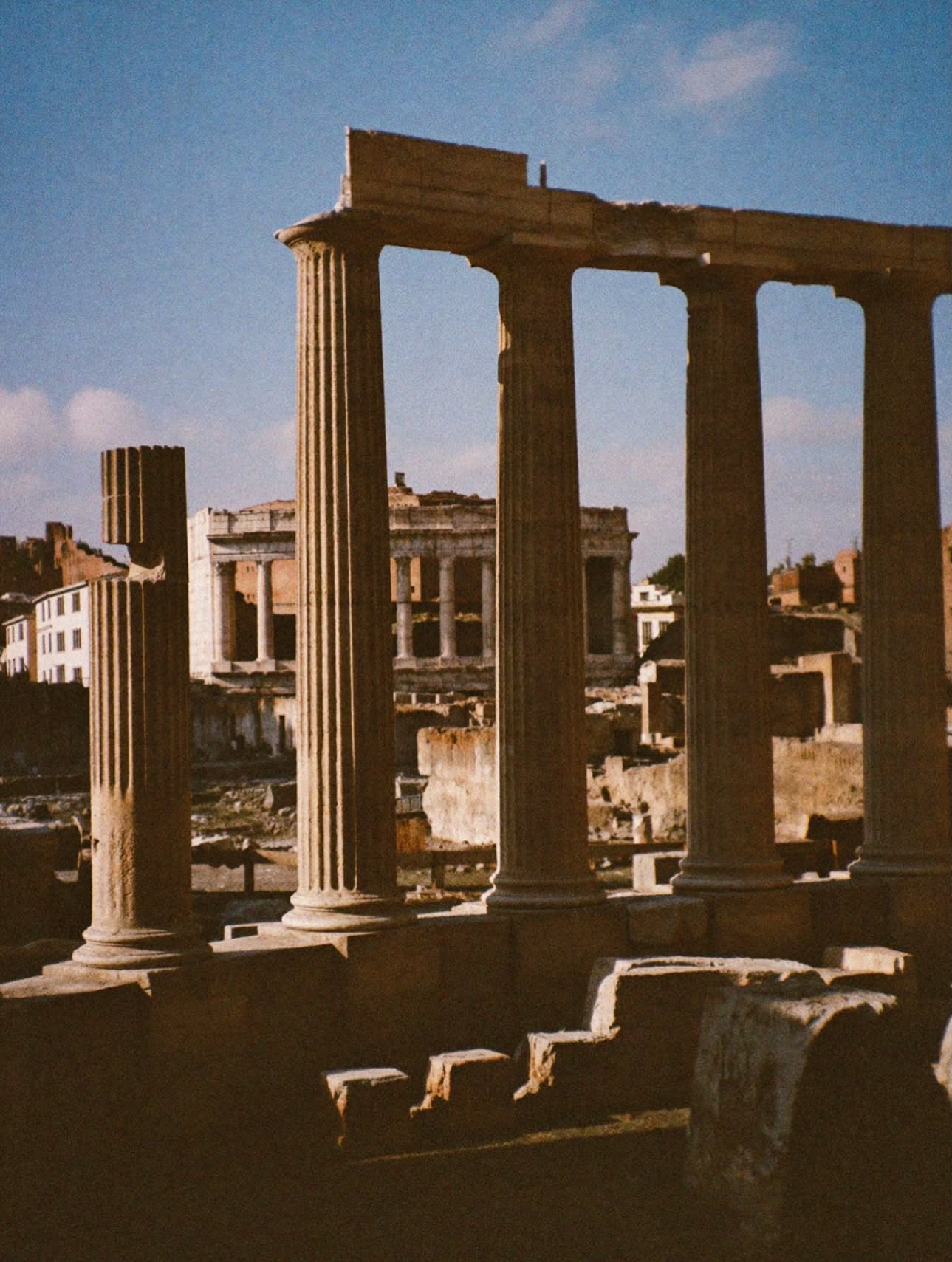
Rome makes far more sense once you understand its shape. The historic centre sits inside a great bend of the River Tiber, and almost everything a first time visitor wants to see is packed into that walkable core: the Pantheon, Piazza Navona, the Trevi Fountain, the Spanish Steps and, at its southern edge, the ancient zone of the Colosseum, Roman Forum and Palatine Hill. Across the river to the west lie two very different districts, the sovereign Vatican City with St Peter’s and its museums, and Trastevere, the old working quarter that has become the city’s most atmospheric place to eat and wander.
The city is famously built on seven hills, and it is still divided into ancient districts called rioni, but you do not need the map of a historian to enjoy it. Think of it as three overlapping Romes: the ancient city of ruins in the south east, the baroque city of fountains and piazzas in the centre, and the Vatican across the water. Hold those three in your head and the rest falls into place.
Best Time to Visit Rome
The loveliest windows are spring, roughly April to early June, and autumn, September into late October. In those months the light is long and golden, the gardens are full, and you can walk all day without wilting. High summer, July and August, is genuinely hot, often above thirty-five degrees, and the historic centre bakes; many Romans close up and leave for the coast, and the heat makes the crowds harder to bear. Winter is mild, quiet and much cheaper, with the occasional grey day of rain but plenty of clear, crisp light that photographs beautifully and churches you can have almost to yourself.
One planning note for the next few years. 2025 was a Jubilee, a Catholic Holy Year that drew enormous numbers of pilgrims, and the city is still busy in its wake through roughly April to October and again around Christmas. Rome used the Jubilee to repave streets, widen pedestrian zones and tidy its great monuments, so the city is in fine shape, but you should book major attractions and hotels well ahead in peak season. If your dates are flexible, aim for the shoulder weeks in late April, May, September or October for the best balance of weather, light and manageable crowds.
Plan Your Visit to Rome
A few things I booked and loved. These help support the blog, at no cost to you.
- Where I stayed: search Rome hotels
- Colosseum, Vatican and Rome tickets
- Stay connected: get a travel eSIM
This section contains affiliate links. If you book through them I may earn a small commission, at no extra cost to you.
How Many Days Do You Need in Rome
Three full days is the honest minimum for a first visit, enough to give one day to ancient Rome, one to the Vatican and the baroque centre, and one to the Galleria Borghese, Trastevere and a little wandering. Four or five days is the sweet spot, adding room for a slower pace, a day trip and the small discoveries that are really the point of the place. A week lets Rome breathe entirely, with long lunches, repeat visits to favourite corners and whole afternoons with no plan at all, which is when the city is at its most generous. My full three day Rome itinerary maps out exactly how to spend a first visit.
Top Things to Do in Rome
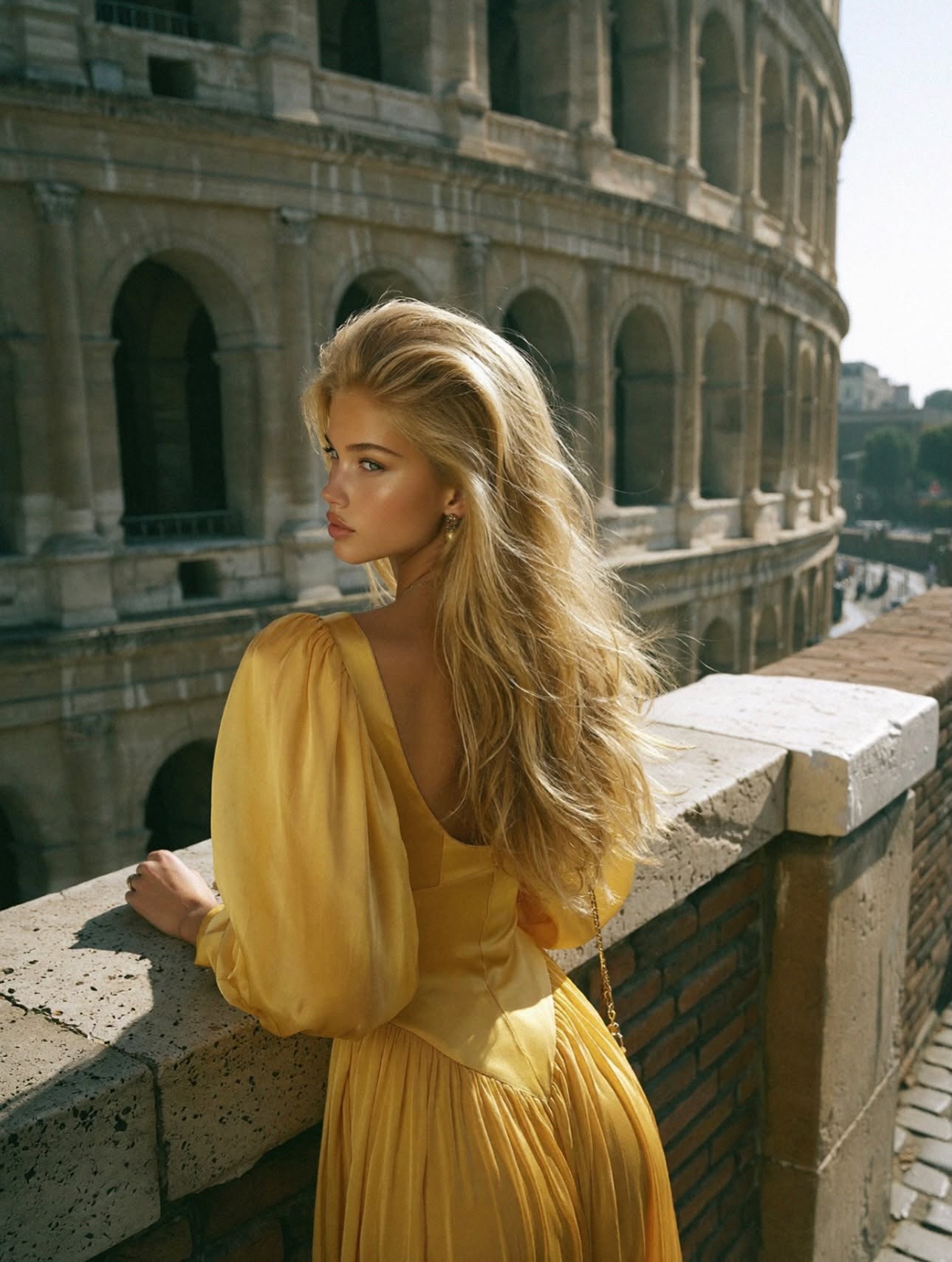
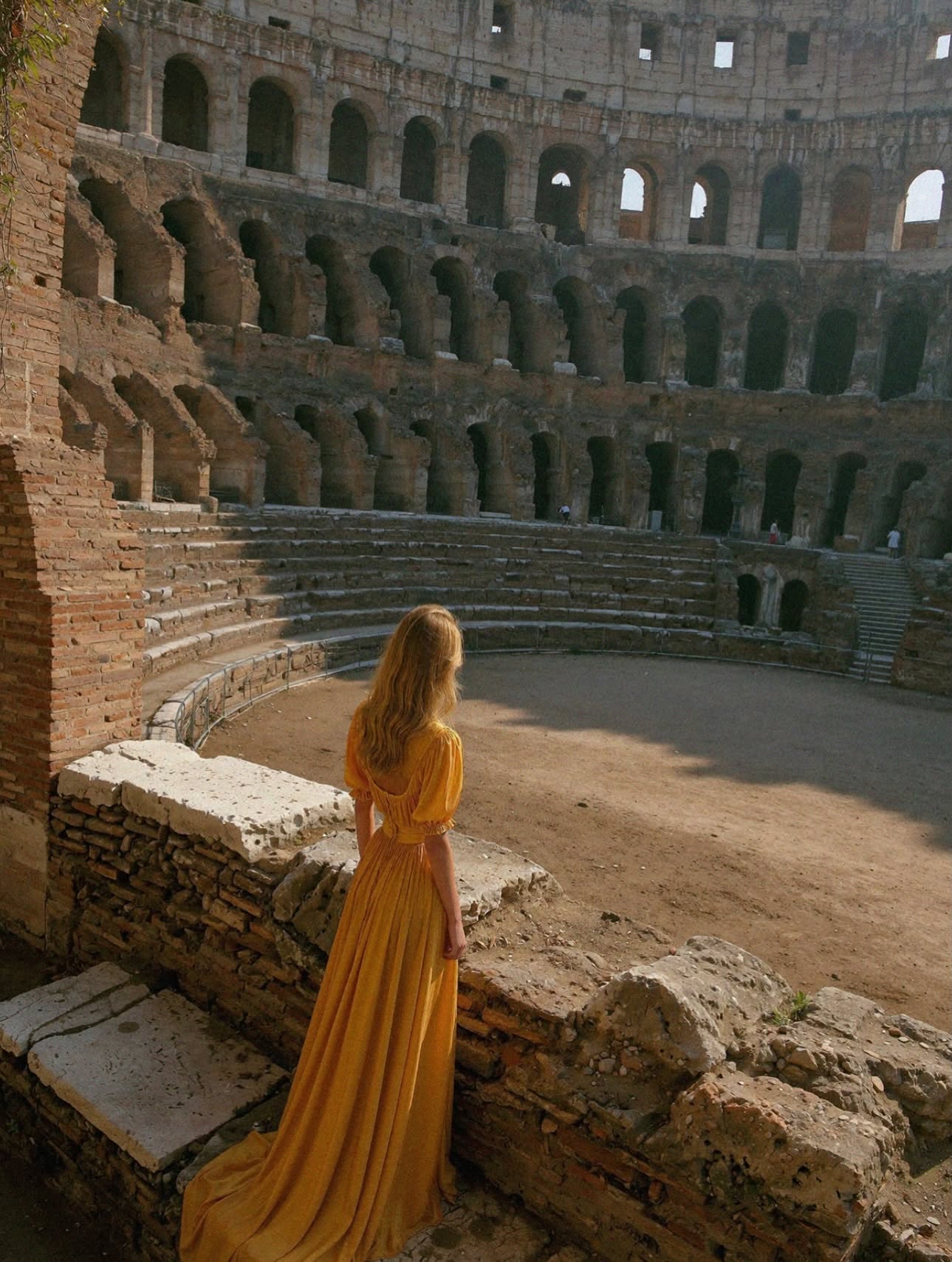
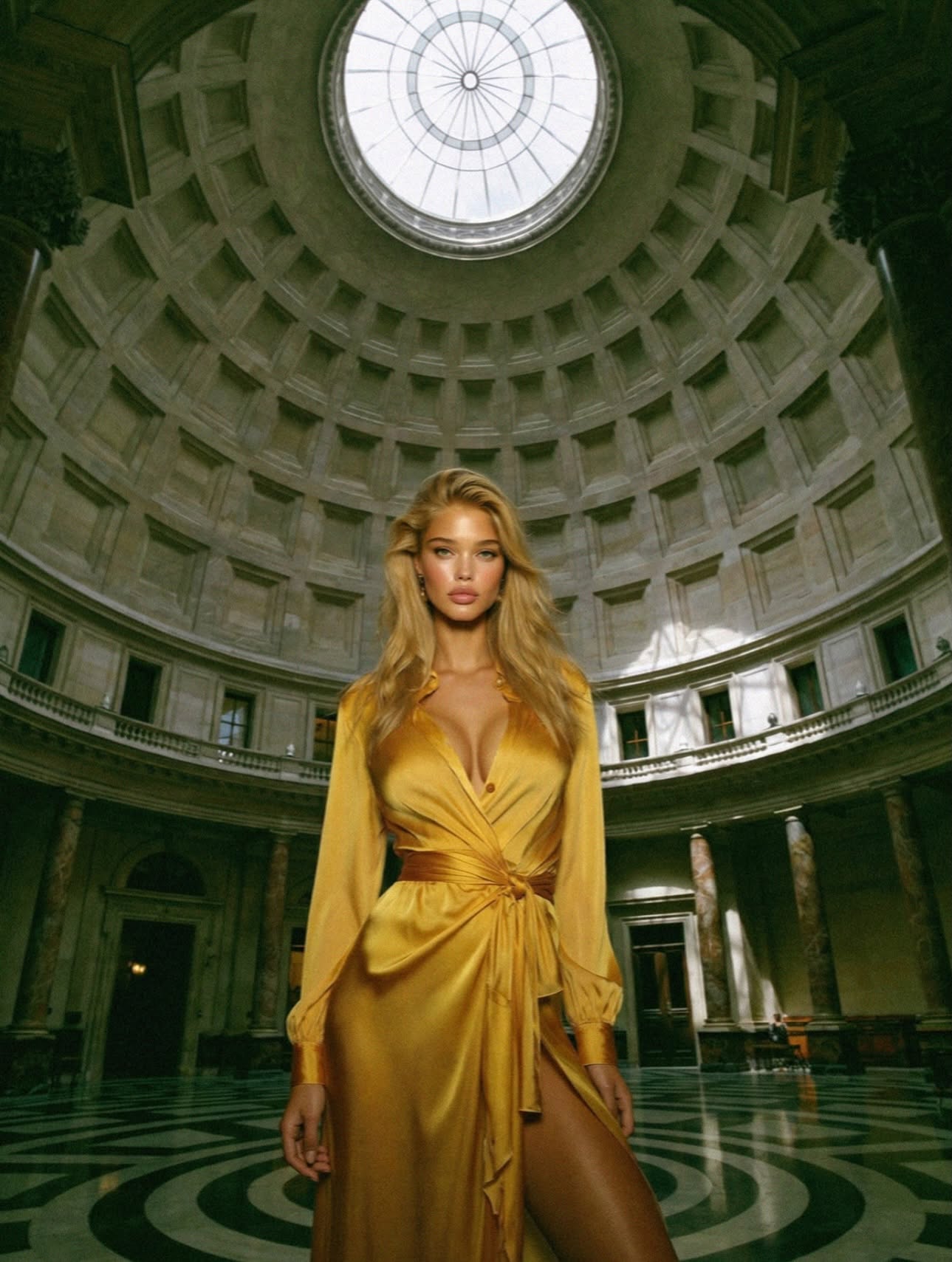
Begin with ancient Rome. One timed ticket covers the Colosseum together with the Roman Forum and Palatine Hill, and walking the three in a single morning is the closest you will come to standing inside the old empire. Across the river, the Vatican holds the Vatican Museums, the Sistine Chapel and the vast basilica of St Peter’s, easily a half day on its own, and worth climbing the dome for the view. In the centre, the Pantheon remains the single most astonishing room in the city, a two thousand year old dome still open to the sky through its great round oculus, though it now charges a small entry fee of around five euros.
Then there are the set pieces that give Rome its face: the Trevi Fountain, the Spanish Steps, Piazza Navona with its Bernini fountains, and Castel Sant’Angelo guarding the river. Book the Galleria Borghese in advance for the finest small collection in the city, Bernini’s sculptures and a room of Caravaggios. Climb the Capitoline Hill for Michelangelo’s piazza and its museums, wander the Appian Way among umbrella pines, and leave a whole evening simply to get lost in Trastevere. A fuller list, with timings and how to string it all together, lives in my dedicated guide to the best things to do in Rome.
Suggested Itineraries
With one day, give the morning to ancient Rome, the Colosseum, Forum and Palatine, then walk up through the centre to the Pantheon, Piazza Navona and the Trevi Fountain, and end at sunset on the Pincio terrace above Piazza del Popolo. With three days, add the Vatican on a second morning followed by Castel Sant’Angelo and Trastevere, and give a third day to the Galleria Borghese, the Spanish Steps and the quiet corners of the Aventine and Testaccio.
A week lets you fold in day trips, long lunches and whole afternoons with no plan at all. My detailed three day Rome itinerary walks you through the whole route with timings and where to eat along the way.
Where to Stay in Rome
Choose your neighbourhood before you choose your hotel, because in Rome the district sets the whole mood of your stay. The Centro Storico, the tangle of lanes around the Pantheon and Piazza Navona, puts you in the romantic heart of the city, walkable to almost everything, though you pay for the privilege. Monti is stylish and full of wine bars, a short stroll from the Colosseum and popular with those who want to feel local. Trastevere is all cobbles, ivy and late dinners, wonderful if you want atmosphere and nightlife on your doorstep.
For something calmer, Prati near the Vatican is elegant and residential with excellent food and easy transport, while the streets below the Spanish Steps, the Tridente, are the address for grand hotels and serious shopping. Testaccio, once the city’s slaughterhouse district, is now its most honest food neighbourhood and still largely local. I go into each area, and who it suits, in my full guide to where to stay in Rome.
Where to Eat and Drink in Rome
Roman food is peasant food perfected, and it rewards ordering simply. Start with the four great pastas: cacio e pepe, carbonara, amatriciana and the lesser known gricia, all built from a handful of ingredients and all better here than anywhere else on earth. Eat pizza al taglio by the slice, sold by weight and folded into paper, and do not skip supplì, the fried rice croquettes that come molten in the middle. In the old Jewish Ghetto, order the flattened, deep fried artichokes, carciofi alla giudia, and finish a morning with a cream filled maritozzo and a good gelato in the afternoon heat.
The best eating neighbourhoods are Trastevere, Testaccio and the Ghetto, and the golden rule is to walk a few streets away from the big monuments before you sit down. A quiet trattoria on a back lane will almost always beat the tables with a monument view.
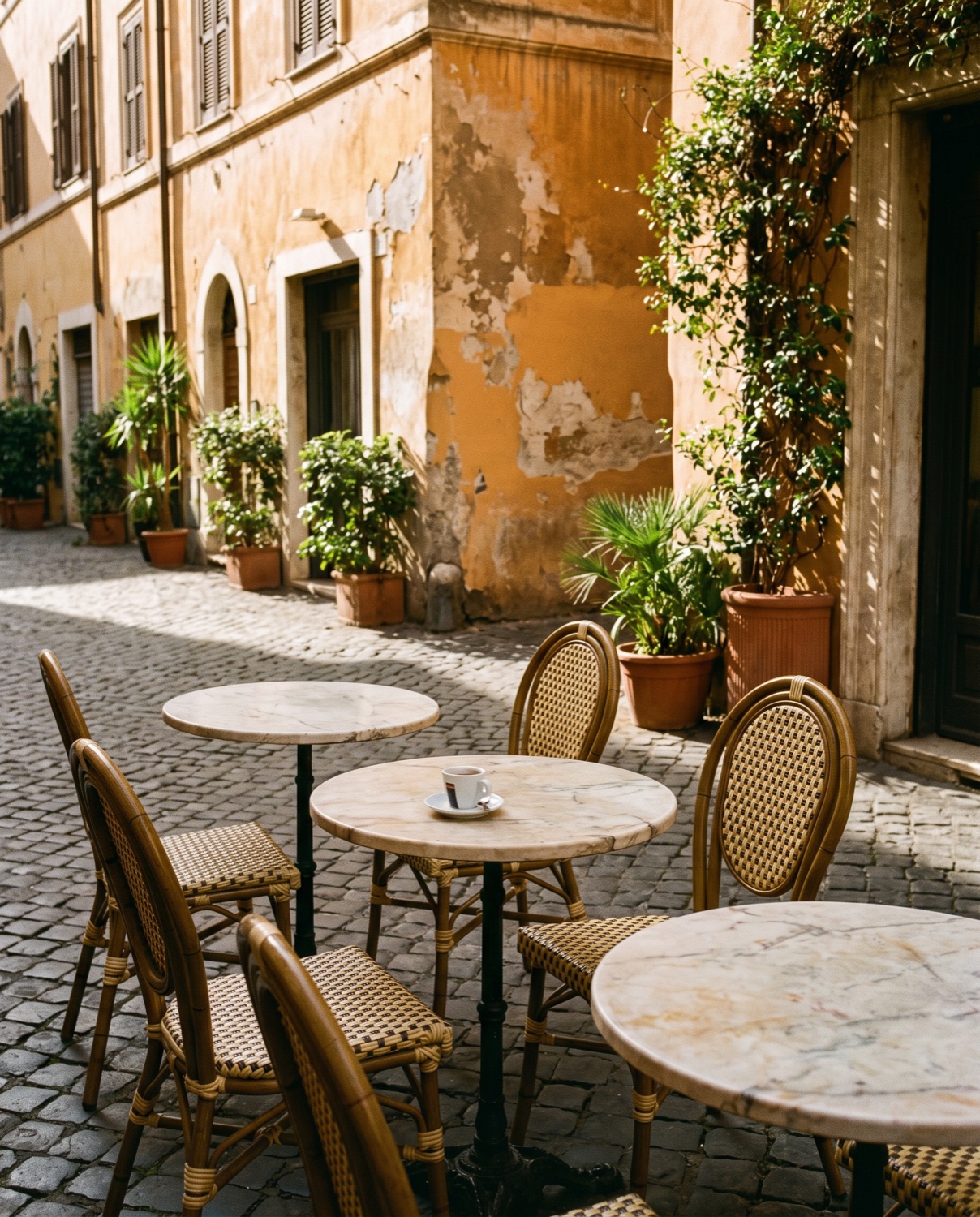
Coffee and Aperitivo
Coffee here is a standing ritual, not a takeaway. Order an espresso at the bar, drink it in three sips, pay a euro or so and move on, and never order a cappuccino after eleven in the morning if you want to pass as a local. In the early evening the city slips into aperitivo, a spritz or a glass of cold Frascati with something small to nibble as the light goes soft, one of the loveliest and most affordable Roman rituals of all.
Hidden Gems in Rome
Once you have seen the famous things, Rome opens a quieter door. On the Aventine Hill, look through the keyhole of the Knights of Malta and you will find the dome of St Peter’s framed perfectly at the end of a hedge tunnel, then step into the neighbouring Orange Garden for one of the finest free views in the city. Below the church of San Clemente, a stairway leads down through a medieval basilica to a Roman house and a temple of Mithras, three cities layered one on top of another.
Seek out the strange fairytale architecture of the Quartiere Coppedè, the peaceful Non-Catholic Cemetery where Keats is buried beneath its pyramid, and Centrale Montemartini, where classical statues stand among the machines of a former power station. These are the corners that make Rome feel like yours rather than everybody’s.
Best Photography Locations in Rome
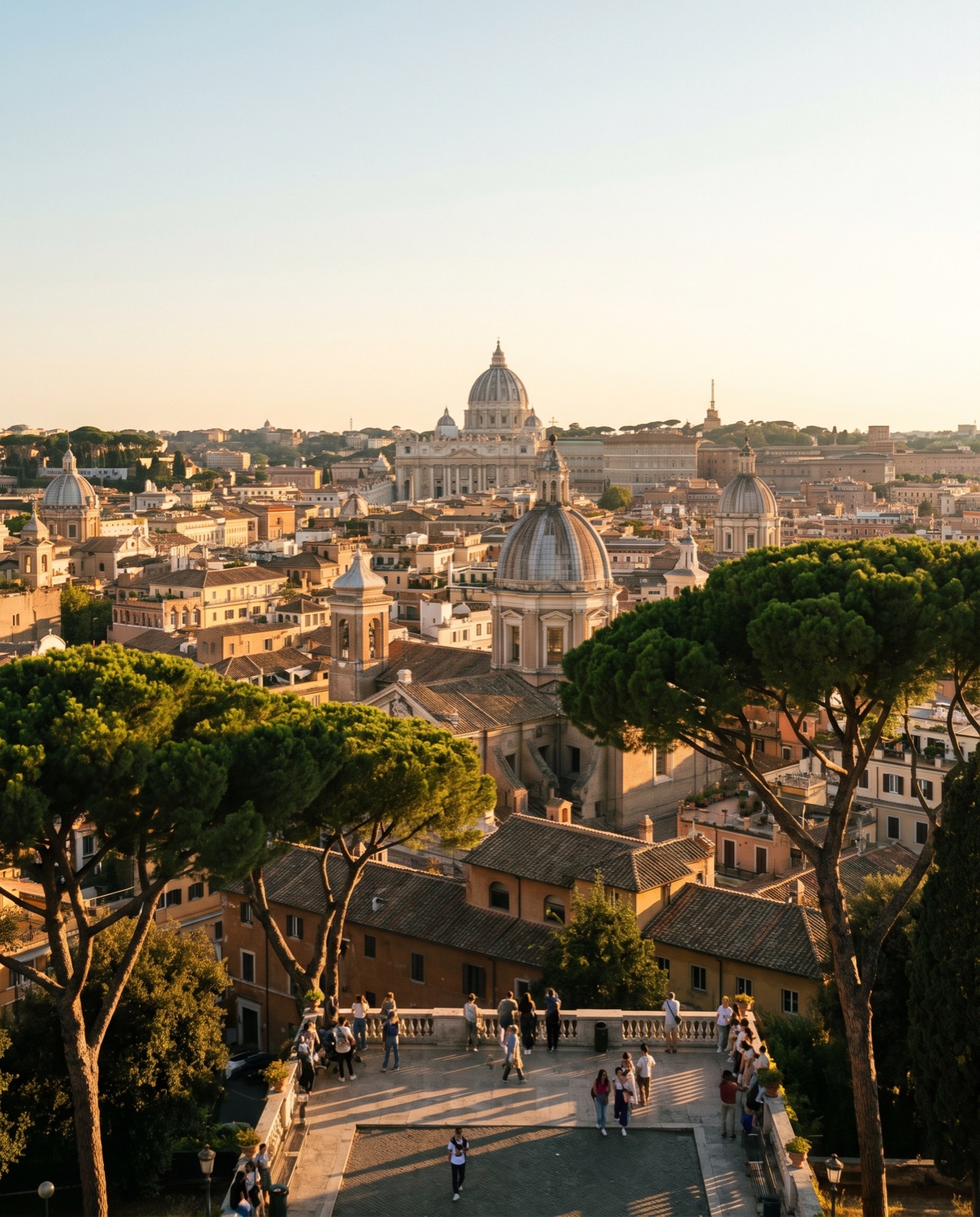
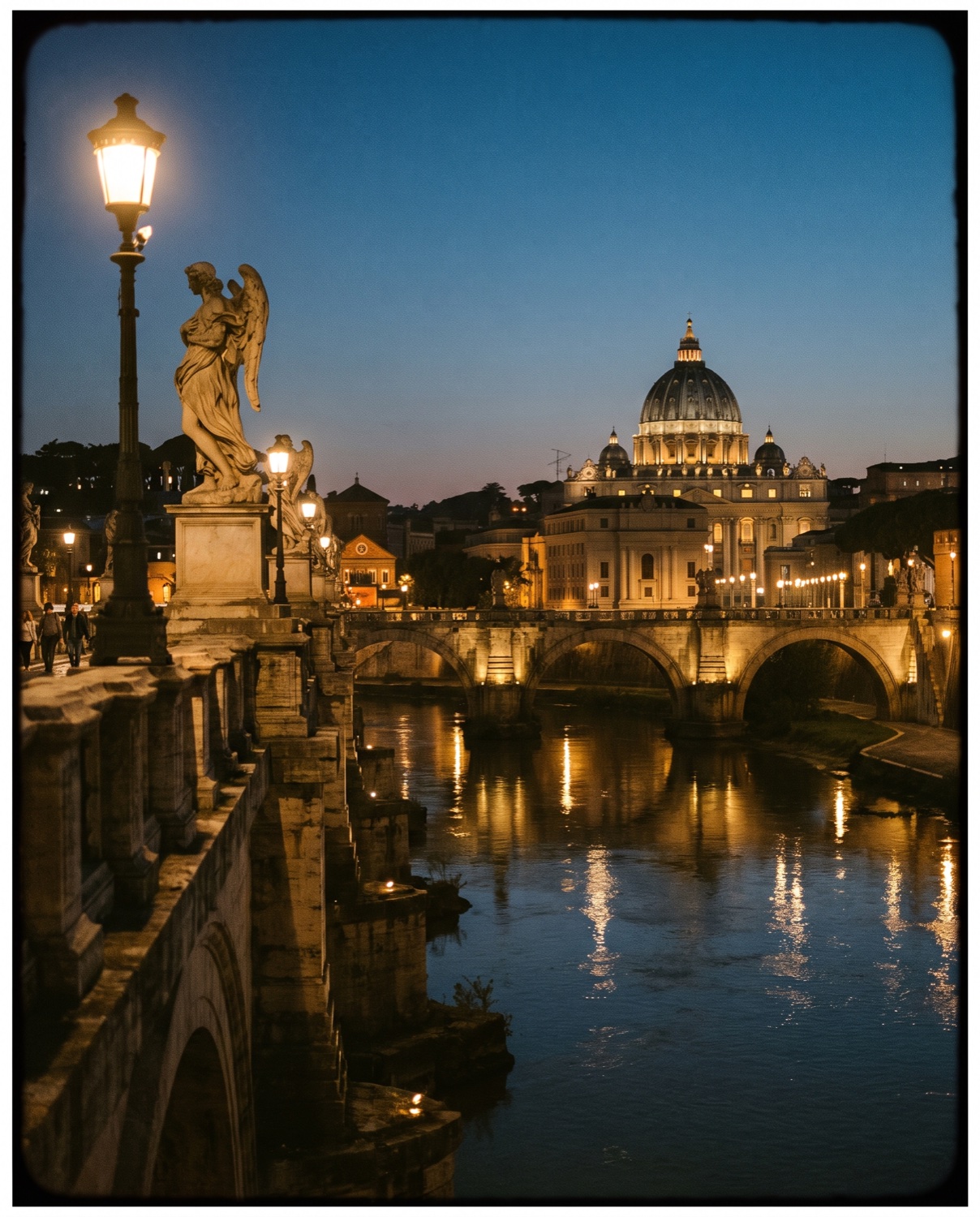
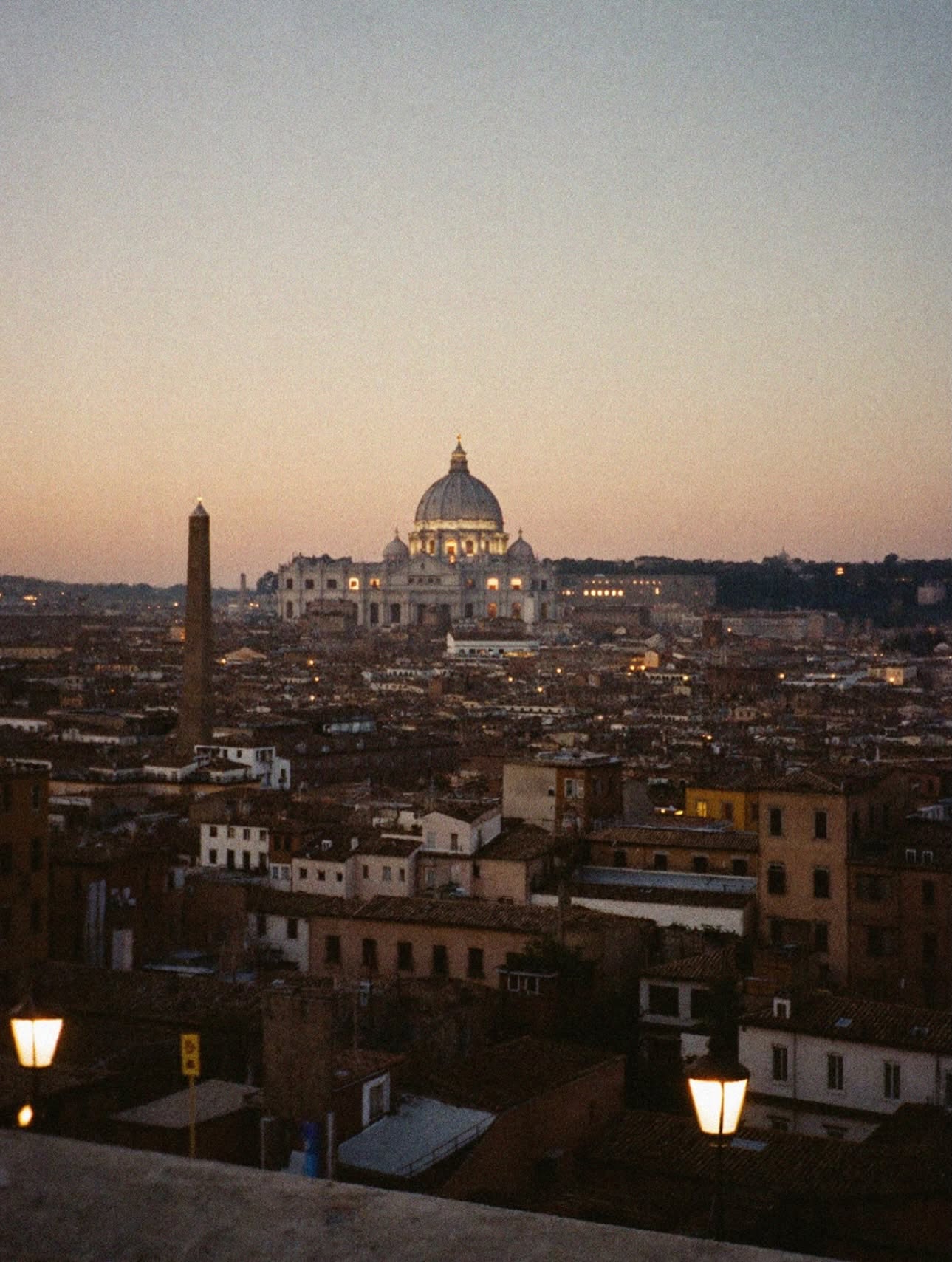
For the classic postcard, climb to the Pincio terrace above Piazza del Popolo in the late afternoon, or cross the river and walk up the Janiculum Hill, the Gianicolo, for the whole city spread gold beneath you at sunset. The Ponte Sant’Angelo gives you Bernini’s angels leading the eye to the dome of St Peter’s, and the little known Via Piccolomini plays an optical trick that makes the same dome swell as you walk away from it.
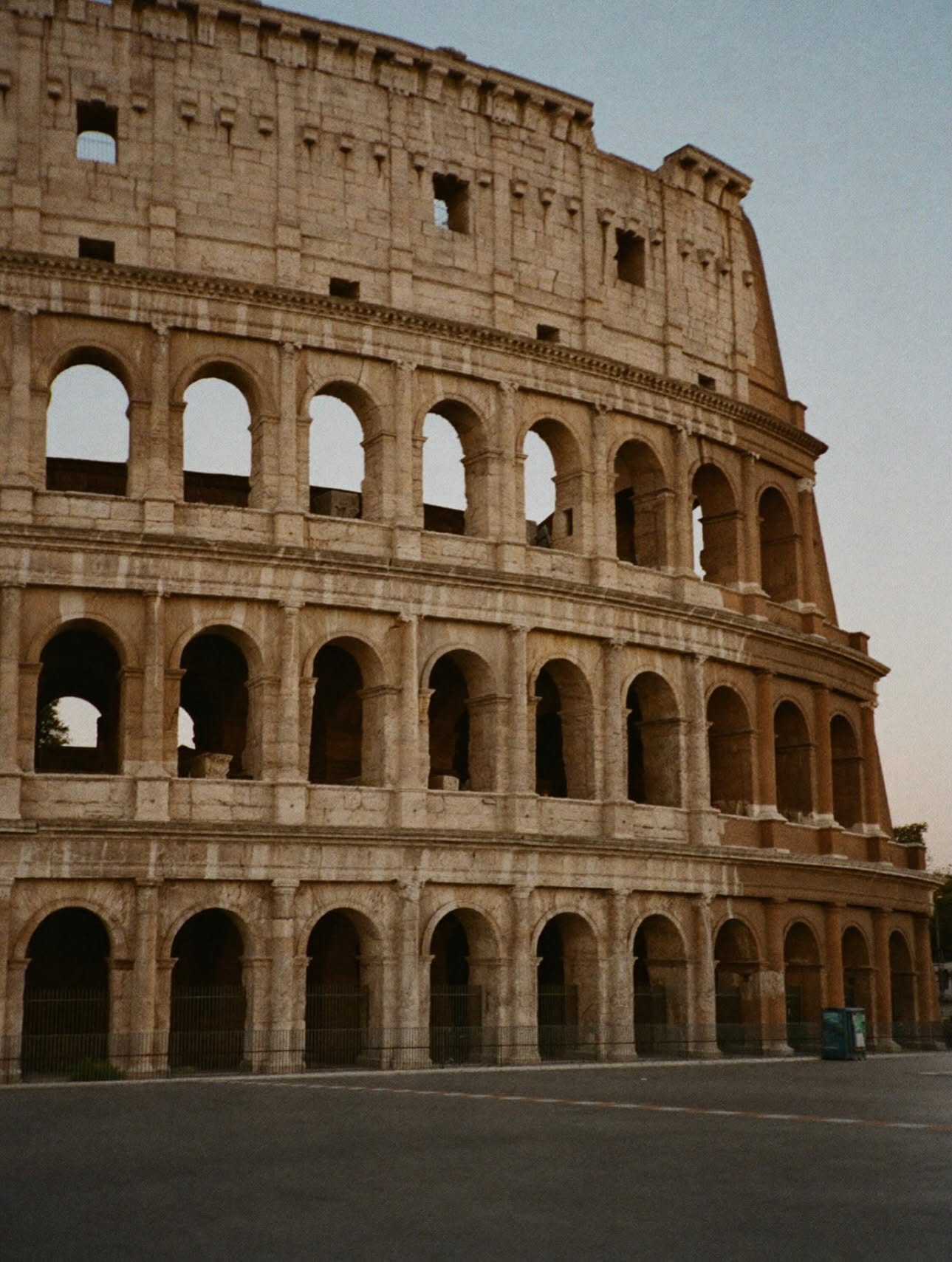
For the Colosseum without the crowds in frame, shoot from the Oppian Hill just above it, and for the Pantheon go at dawn, when the piazza is nearly empty and the light falls straight down through the oculus. My full list of the best photo spots in Rome has the timings and exact vantage points.
Getting Around Rome
The historic centre is compact and best walked, but wear proper shoes because the cobbles, the sampietrini, are merciless on thin soles. When you need transport, the city runs on one integrated ATAC network of three metro lines, buses and trams. A single BIT ticket costs 1.50 euros and covers everything for a hundred minutes, and children under ten travel free. Buses 8, 64 and 40 are the useful ones for the centre, where the metro does not reach.
A welcome change arrived in December 2025, when Metro Line C finally reached the Colosseum: the new Colosseo and Fori Imperiali station doubles as a small museum of artefacts unearthed during its construction, so the ride itself is worth taking. If you plan to move around a lot and see two major sites, the Roma Pass bundles seventy two hours of unlimited transport with entry to two museums or archaeological sites and discounts on others.
How Much Does Rome Cost
Rome flexes to almost any budget. At the careful end, some of its greatest art hangs for free in its churches, from the Caravaggios in San Luigi dei Francesi to Michelangelo’s Moses in San Pietro in Vincoli, and the drinking fountains called nasoni pour cold, clean water on every other corner, so you never need to buy a bottle. Eat pizza by the slice and stand at the bar for your coffee and a day costs very little. A rough daily budget for a comfortable mid range trip runs somewhere around a hundred and fifty to two hundred and fifty euros per person once you add a nice dinner and a couple of paid sights.
At the other end Rome does grandeur as well as any city on earth: rooftop bars over the terracotta skyline, tasting menus, private after hours tours of the Vatican, and hushed old hotels near the Spanish Steps. The joy is that you can swing between the two in a single day.
Who Rome Is For
Rome is one of the great cities for couples, all golden light and long dinners and fountains lit against the dark, and it is just as kind to families, with gladiators and gelato and big green parks like the Villa Borghese where you can rent a rowing boat on the lake. Solo travellers find it safe, endlessly walkable and easy to fall into conversation in. Whatever you arrive as, the city tends to meet you where you are.
What to Wear and Pack
Comfortable, broken in shoes are the single most important thing you will pack, because you will walk for miles over uneven stone. Bring light, breathable layers in the warm months and something a little more elegant for dinner, since Romans dress with care and you will feel better for matching them. One rule to plan around: churches and the Vatican enforce a dress code, so you must cover your shoulders and knees to go inside, and a light scarf tucked in your bag solves it in a second.
Day Trips from Rome
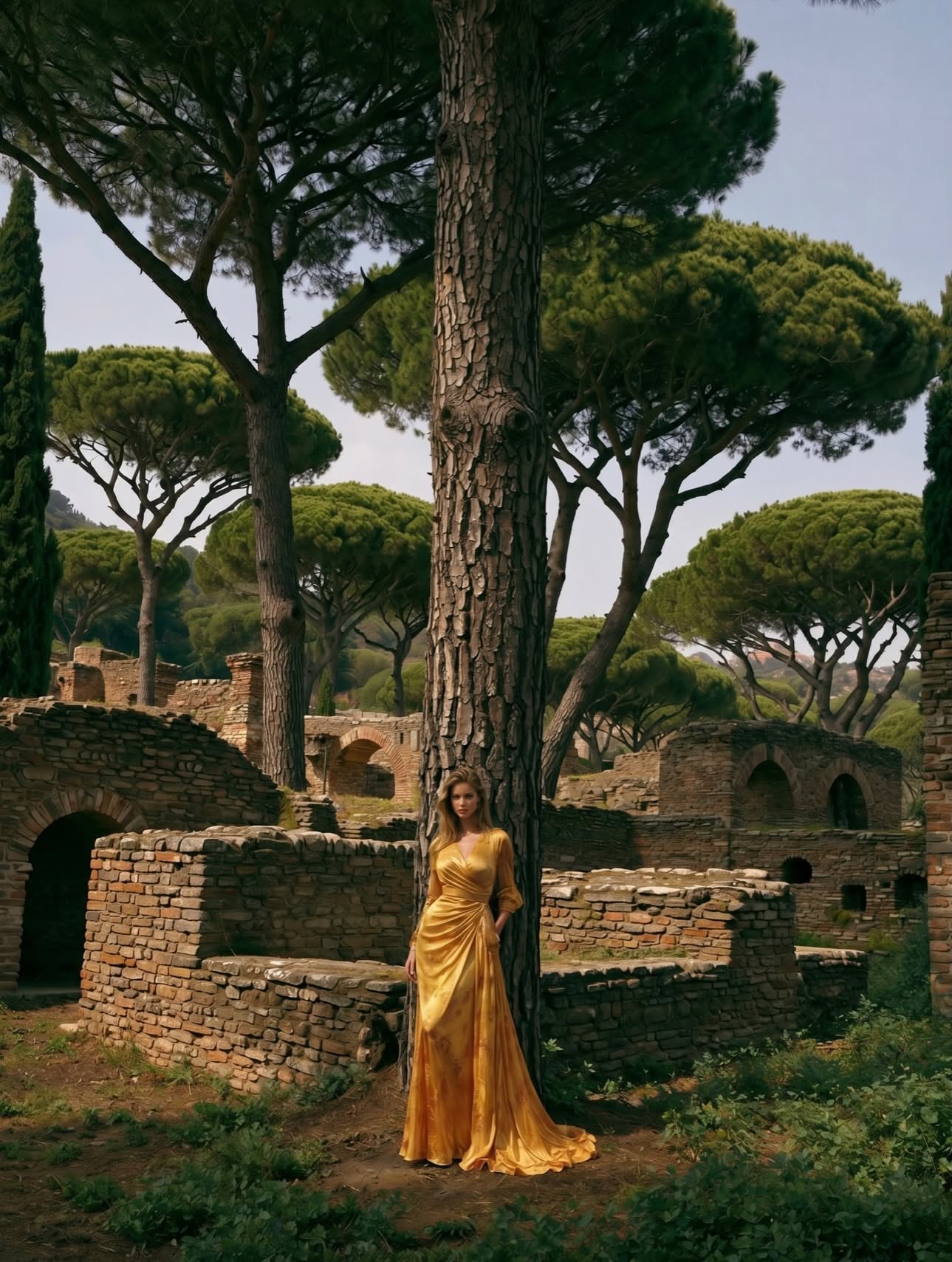
When you are ready to leave the city for a day, Tivoli offers two of Italy’s most beautiful gardens, the fountains of Villa d’Este and the ruins of Hadrian’s Villa. Ostia Antica, the remarkably preserved port of ancient Rome, is a quieter and often emptier alternative to Pompeii and only a short train ride away. The hill towns of the Castelli Romani are the Romans’ own weekend escape for wine and roast pork, and the fast train puts Florence, Naples and the golden hill town of Orvieto all within easy reach.
Events and Festivals Through the Year
Rome keeps its own calendar of small pleasures. Easter fills the city with ceremony, with the Pope leading services at the Vatican and a candlelit Good Friday procession at the Colosseum. On the twenty first of April the city celebrates its own legendary birthday with parades in ancient costume. Summer brings the Estate Romana season of open air cinema, concerts and riverside bars strung along the Tiber, and in early June the Republic is marked with a flypast over the Imperial Fora. Come Christmas the piazzas fill with lights and nativity scenes, and Piazza Navona holds its old toy and sweet market. None of these need be the reason you come, but catching one turns a good trip into a memorable one.
Practical Tips and Tickets
Book the big sights ahead. Colosseum tickets are sold on the official coopculture.it site and released thirty days in advance at 9am Rome time; the standard ticket is 18 euros and includes the Forum and Palatine, while the Full Experience adds the arena floor at 22 euros or the underground with a guide at 24 euros, and these slots sell out within minutes in season. Reserve the Galleria Borghese in advance too, as entry is by timed slot only, and book the Vatican Museums online to skip the long queue, aiming for the first slot of the day or a late one.
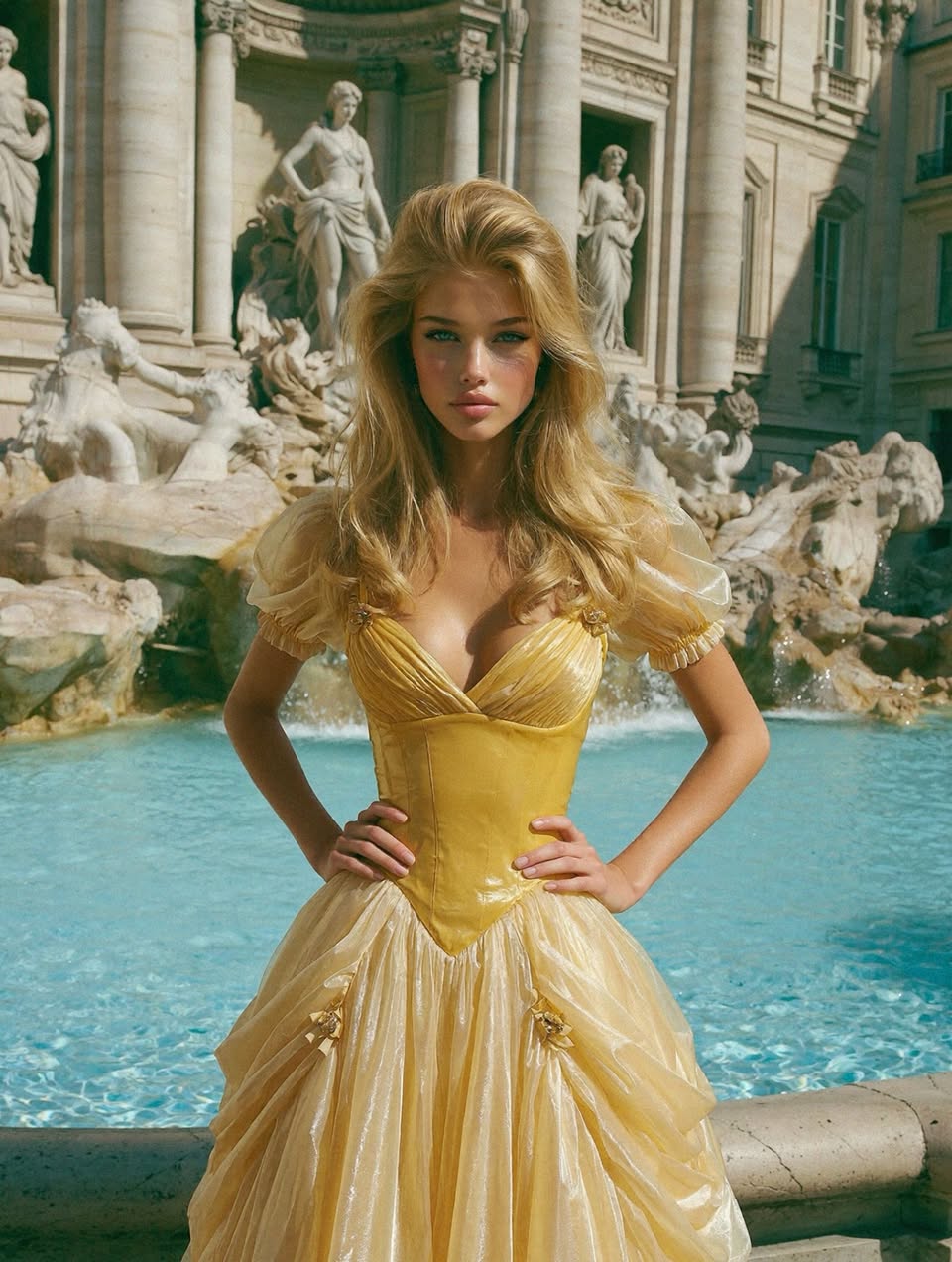
One recent change to know: since February 2026, non residents pay a 2 euro ticket to step down into the basin area right at the Trevi Fountain between 9am and 9pm, with a cap of about four hundred people at a time, though the fountain remains free to admire from above and completely open with no ticket at all between 10pm and 8am, which is also the most romantic time to see it. Keep an eye on your bag on crowded transport and at the big sights, where pickpockets work the crowds, refill your water at the nasoni, and remember that tipping is modest here, a euro or two or rounding up rather than a large percentage.
Frequently Asked Questions
How many days do you need in Rome?
Three full days is the comfortable minimum for a first visit, covering ancient Rome, the Vatican and the baroque centre. Four or five days is ideal, and a week lets you add day trips and a slower pace.
What is the best time of year to visit Rome?
April to early June and September to October offer the best mix of warm weather, long light and manageable crowds. Avoid the fierce heat of August if you can, and enjoy the quiet and low prices of winter if you do not mind the odd rainy day.
Is Rome expensive?
It can be as cheap or as grand as you like. Free churches, pizza by the slice and fountain water keep costs low, while grand hotels and fine dining are there when you want them. A comfortable mid range day runs roughly a hundred and fifty to two hundred and fifty euros per person.
Is Rome safe?
Rome is a very safe city for visitors. The main thing to guard against is pickpocketing on crowded buses, the metro and around the busiest monuments, so keep bags zipped and in front of you and you will almost certainly have no trouble.
Do you need to book the Colosseum in advance?
Yes. Tickets are timed and sell out fast, so buy them on the official coopculture.it site when they release thirty days ahead. The standard ticket also covers the Roman Forum and Palatine Hill.
Do you have to pay to see the Trevi Fountain?
Since February 2026, non residents pay a 2 euro ticket to enter the basin area between 9am and 9pm. You can still admire and photograph the fountain for free from the steps above, and access is completely free with no ticket between 10pm and 8am.
Can you drink the water from the fountains?
Yes. The small cast iron street fountains called nasoni run with cold, fresh, drinkable water piped from the same springs that have supplied the city for centuries. Bring a refillable bottle and use them freely.
What can you do in Rome for free?
A great deal. The churches are free and hold masterpieces by Caravaggio and Michelangelo, most piazzas cost nothing, and the finest viewpoints, the Pincio, the Gianicolo and the Orange Garden, are all free. St Peter’s Basilica is free to enter, and simply wandering the centre is the best free thing the city offers.
The Rome Diaries
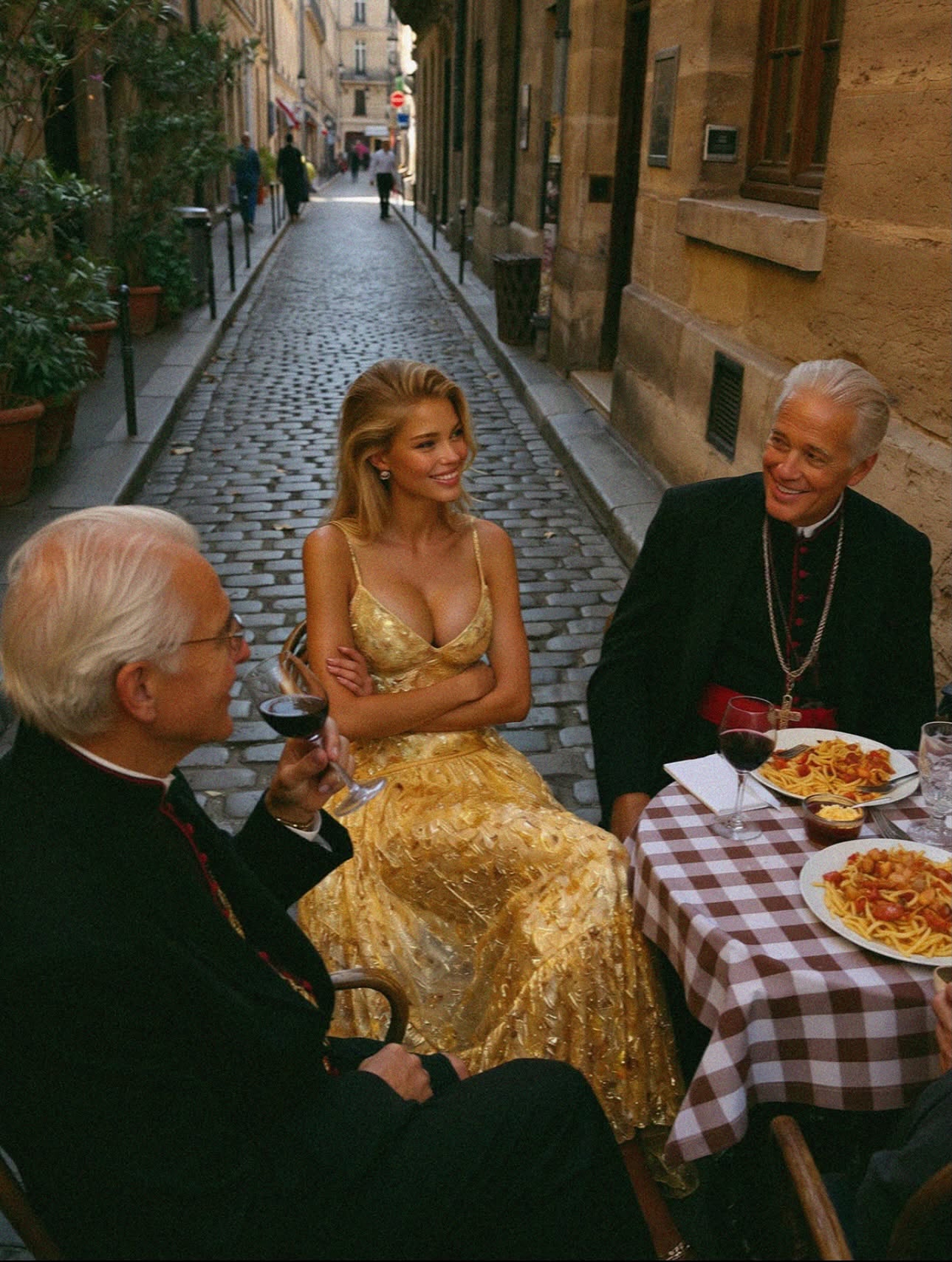
Guides tell you what to do, but a city is really made of hours and light and small encounters. If you want to feel Rome before you arrive, read my Rome diaries, from the long slow arrival through the ancient heart of it and a very long lunch with two old priests, and on to a day across the river, the Vatican and Trastevere. Between the practical guide above and those stories, you will have both the map and the mood. Rome, more than most places, gives itself to the traveller who comes with a little of both.
More from Rome:


What to book before you come
Rome is the city where the difference between a good trip and a bad one is almost entirely admin. The Colosseum and the Vatican are timed entry, both sell out, and the Vatican has a same day queue that in August wraps most of the way round the walls. Book those two before anything else, then the Borghese, which admits a fixed number of people every two hours and sells out weeks ahead all year.
- The Colosseum, Forum and Palatine with a guide. Eighty nine thousand ratings at 4.8, which makes it one of the most booked things on earth. One ticket covers all three, and the Forum unguided is a very large field of broken marble.
- The Vatican Museums and Sistine Chapel, skip the line. A hundred and fifty five thousand people have rated this. Take the first slot of the day or the last. The middle is a slow river of people and you will not enjoy the Raphael rooms at all.
- The Borghese Gallery. The best small collection in Italy, and the one most visitors miss because you cannot simply turn up. Bernini s Apollo and Daphne alone justifies the walk across the park.
- The Colosseum underground and arena floor. The hypogeum where the animals and the machinery were kept. You stand where the floor was rather than looking down at it.
- Trastevere and Campo de Fiori on foot, eating. Rome is a city of four pasta dishes done properly and a hundred done badly for visitors. An evening with someone who knows the difference pays for itself.
- The Vatican with a guide, and St Peter s. Take this over the plain ticket if it is your first time. The Sistine ceiling is a narrative and it means very little unread.
The Pantheon, the Trevi Fountain, the Spanish Steps, every piazza and every church in the city are free, and those churches hold Caravaggios that would be the centrepiece of a national gallery anywhere else.