Positano, Amalfi Coast
The alarm was unnecessary. By seven, the light had already found its way through the shutters and laid itself across the floor in long warm strips, and I was awake before it arrived, which is how most mornings go here. There is something about the quality of the air on the Amalfi Coast in the early hours that makes sleeping late feel like a small waste.
I was on the beach by eight.
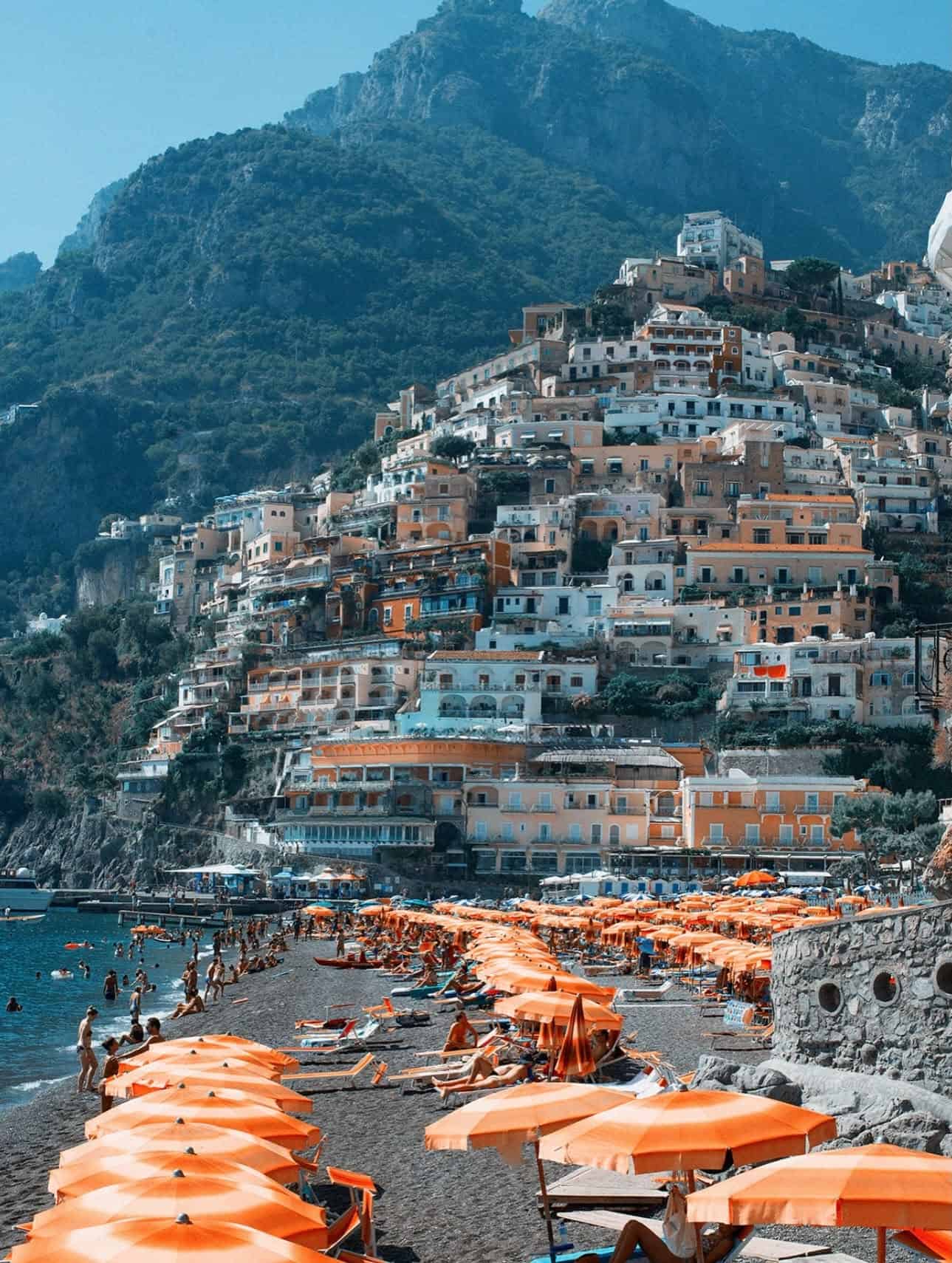
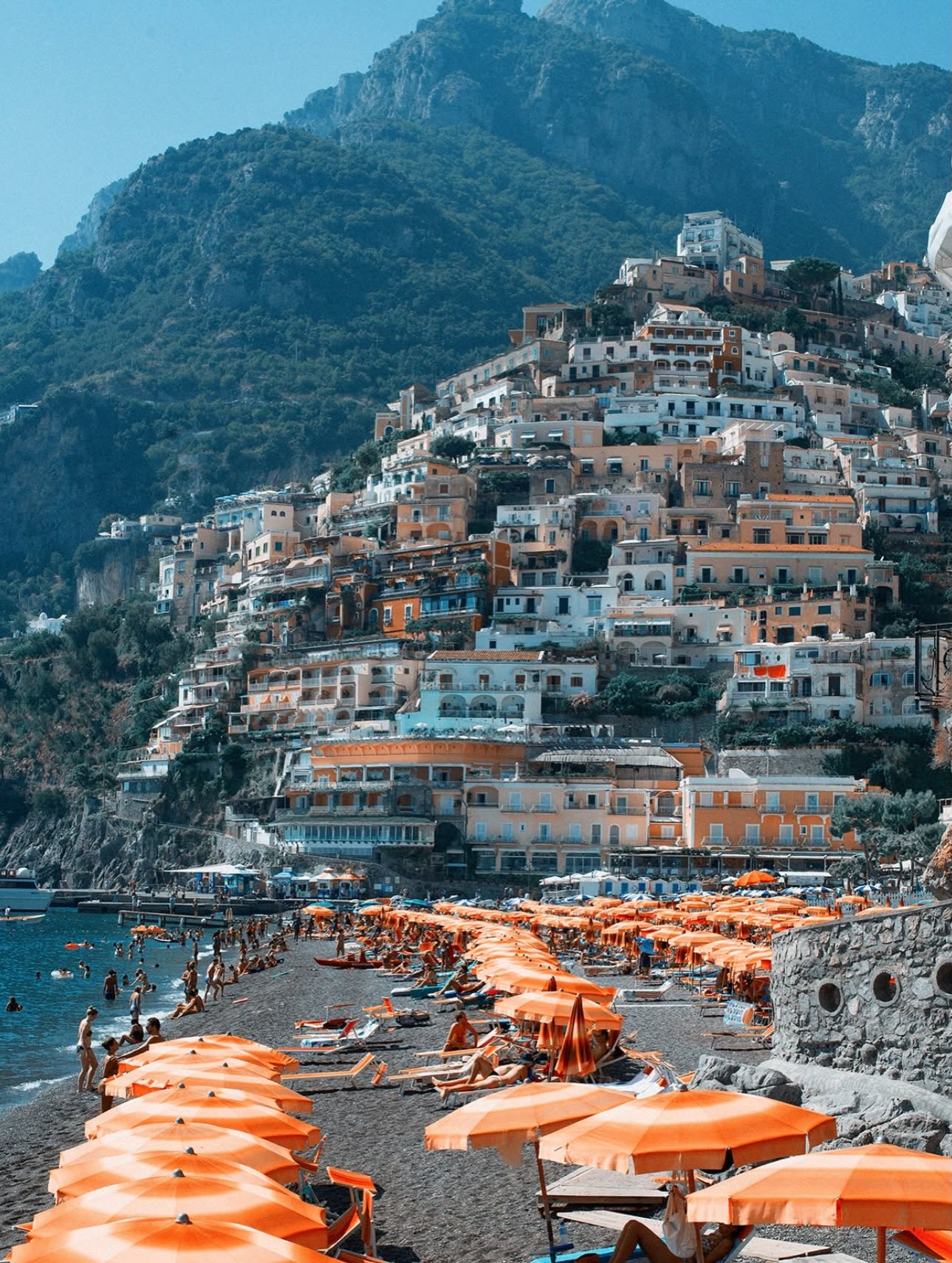
Spiaggia Grande, Positano’s main beach, is a long crescent of dark grey pebbles at the foot of the town. From above, from the road, or from the terraces of the houses climbing the hillside, it looks almost impossibly picturesque: the boats pulled up at the waterline, the orange and yellow umbrellas not yet fully populated, the church dome catching the first direct sun. From the beach itself, looking back up at the town, you understand why people have been painting this particular view for centuries. The buildings are stacked so improbably against the cliff face that the whole thing seems to exist by consensus rather than engineering.
At eight, the beach is still half-empty. The beach club attendants are setting out the loungers, moving with the efficient calm of people who have done this every morning of every summer for many years. The water at that hour is extraordinary: clear and still, the color of pale jade where it is shallow and then deepening to something closer to blue as it moves toward the boats. I left my bag on the chair and walked straight in.
Cold at first. Then not cold at all. The pebbles underfoot give way quickly to sand and then to open water, and within a few strokes you are swimming in the Tyrrhenian with the town behind you and nothing ahead but the horizon. I floated on my back for a long time. The sky above Positano in the morning has no clouds. Just blue, and the occasional call of something overhead, and the sound of the water moving around you.

This is what people mean when they say the coast restores you. It is not a complicated process. It is this: cold water, open sky, the body horizontal and weightless, the mind doing nothing useful at all.
By ten, the beach had filled considerably. This is the other thing about Spiaggia Grande: it is popular in the full sense of the word. The orange umbrellas of the established beach clubs line the length of it, and by mid-morning, every lounger has someone on it, and the narrow strip of shore between the waterline and the chairs is busy with children and people arriving and departing by boat. It is loud. It is beautiful. It is very much alive.
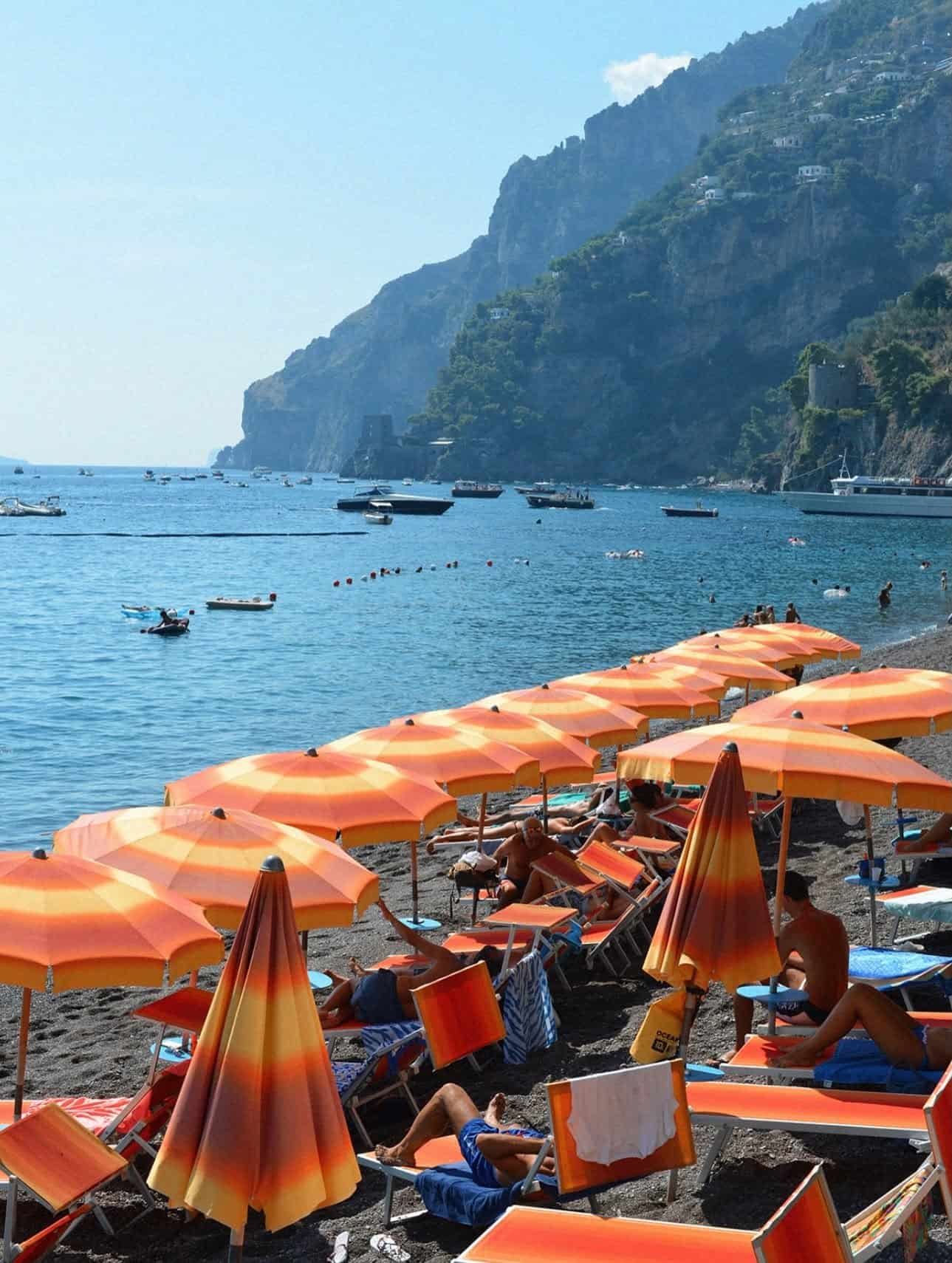
I ordered a coffee from the bar at the back of the club and sat with it in the sun, watching the boats. The water taxis move constantly between Spiaggia Grande and the smaller beaches to either side of the town, ferrying people who know that the main beach at noon in July is not the quietest place in the world. I stayed anyway. There is a particular pleasure in being at the center of something rather than always retreating to the edges, and Spiaggia Grande at full capacity has a specific energy: Italian families, tourists from everywhere, the smell of sunscreen and the sea, music from somewhere down the beach, a dog running into the water and running out again. Life at volume.
For lunch, I walked up. This is the inescapable truth of Positano: whatever you want to do, there are steps involved. Up through the main shopping street, past the sandal ateliers and the linen shops and the ceramic displays, to one of the terraced restaurants above the town where the view earns its place on the menu as clearly as anything in the kitchen.
Buca di Bacco sits right at the edge of the beach and has been there since 1916, which means it predates every trend that has washed through the town since and will likely outlast whatever comes next. I have eaten there more times than I can count: fresh pasta with clams, grilled fish that arrived that morning on the boats you can see from your table, a carafe of cold local white wine that costs considerably less than it would anywhere north of Naples. The terrace is always full, and the service moves at its own confident pace, unhurried because it does not need to hurry.
Later in the afternoon, when the sun had lost its midday intensity and the beach had begun to feel like a different place entirely, I walked back down for gelato. There is a shop on the main path above the beach, small and serious about its product, and the lemon is made from sfusato amalfitano: the long pale lemons grown on the terraces above the coast whose skin holds more essential oil than any lemon you have encountered elsewhere. Cold and sharp and clean, eaten slowly on the steps while the afternoon light turned the water gold.
Dinner, as dinner should be on the Amalfi Coast, came late.
Le Sirenuse has been sitting above Positano since 1951, when the Sersale family opened their summer house to guests and discovered they had created one of the great hotels of the Mediterranean. La Sponda, the restaurant, is the kind of place that justifies a journey: candlelit terraces, hundreds of candles lit by hand each evening, the cliff face falling away below to the sea, a menu that moves with the season and takes the local ingredients seriously. It is expensive, and it is worth it, and the memory of the view from that terrace at ten o’clock at night, with the lights of Positano reflected in the water below, is one of the things I carry from this town every time I leave.
I ordered the spaghetti with sea urchin and the grilled branzino. I drank a Falanghina that was very cold and very good. The couple at the next table was celebrating something, and there was a small cake with a candle that the waiter brought with the same quiet ceremony he brought everything, as though this was the only table in the world. At a certain hour of the evening, at a certain restaurant on a certain coast, it very nearly is.
The walk back was steep and lit and very beautiful.
Positano does not apologize for any of it. Not the steps, not the crowds, not the prices, not the impossibility of the view. It has been this way long enough to know it does not need to.
V.
More from Spiaggia Grande:






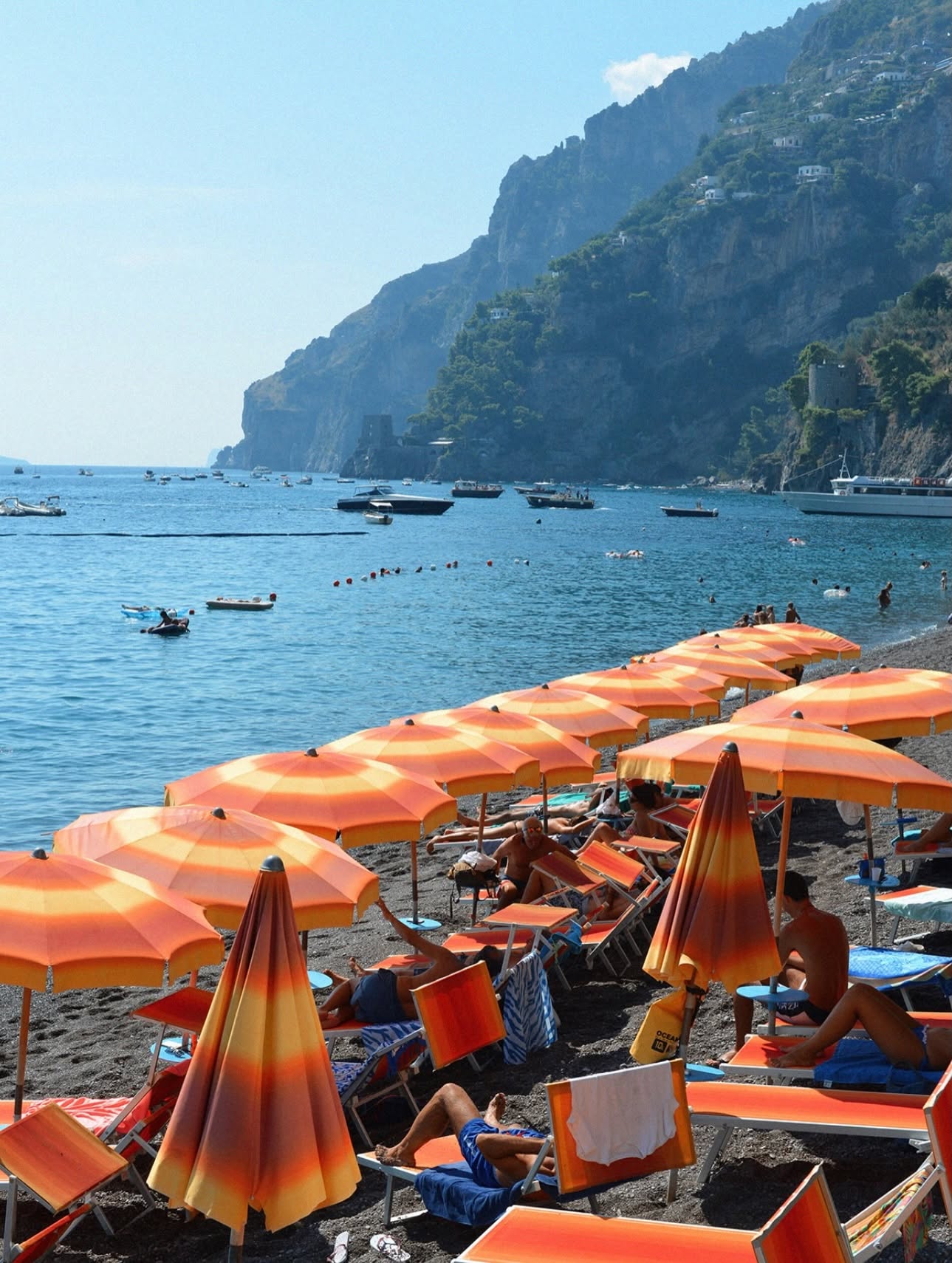


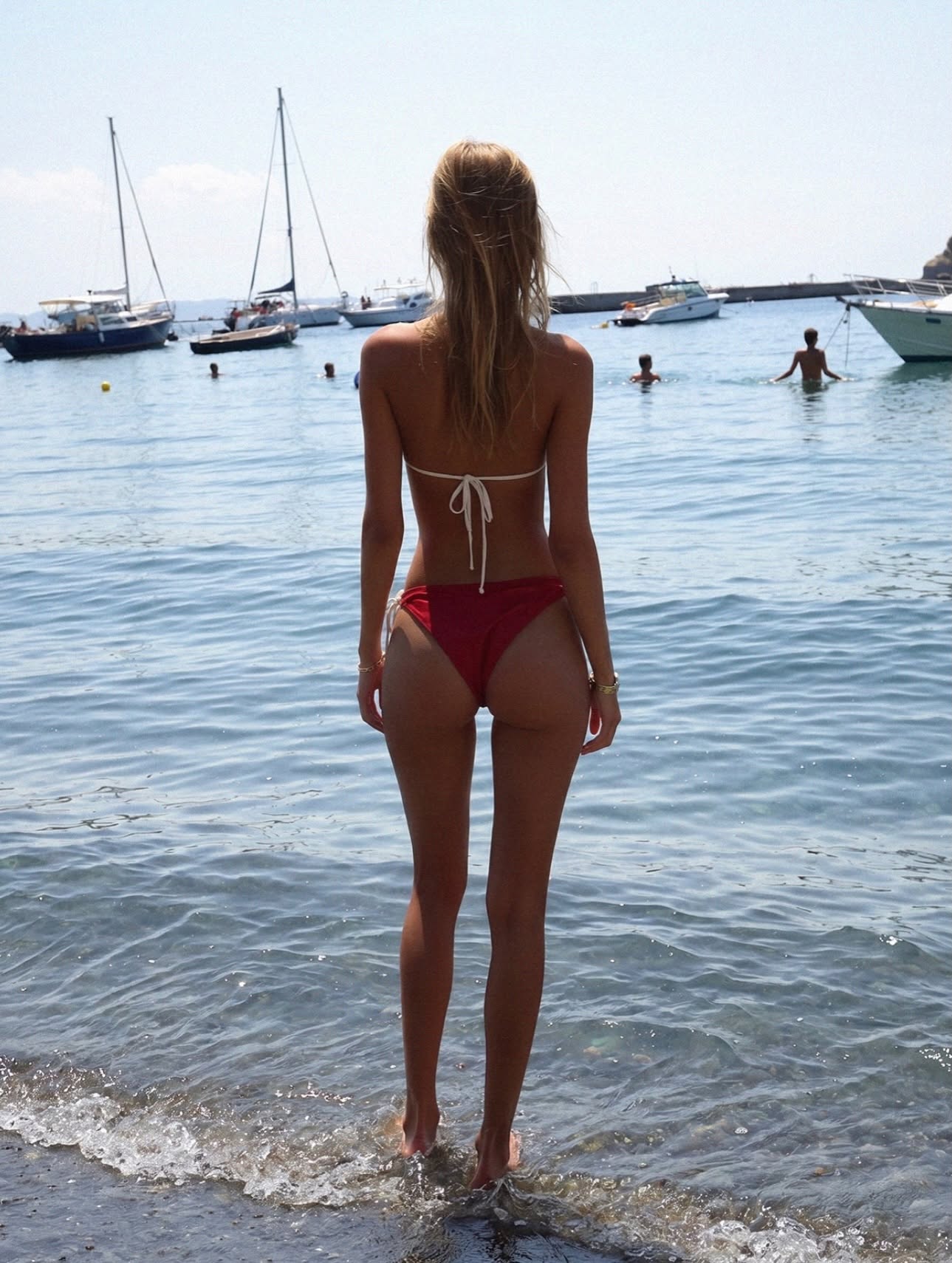


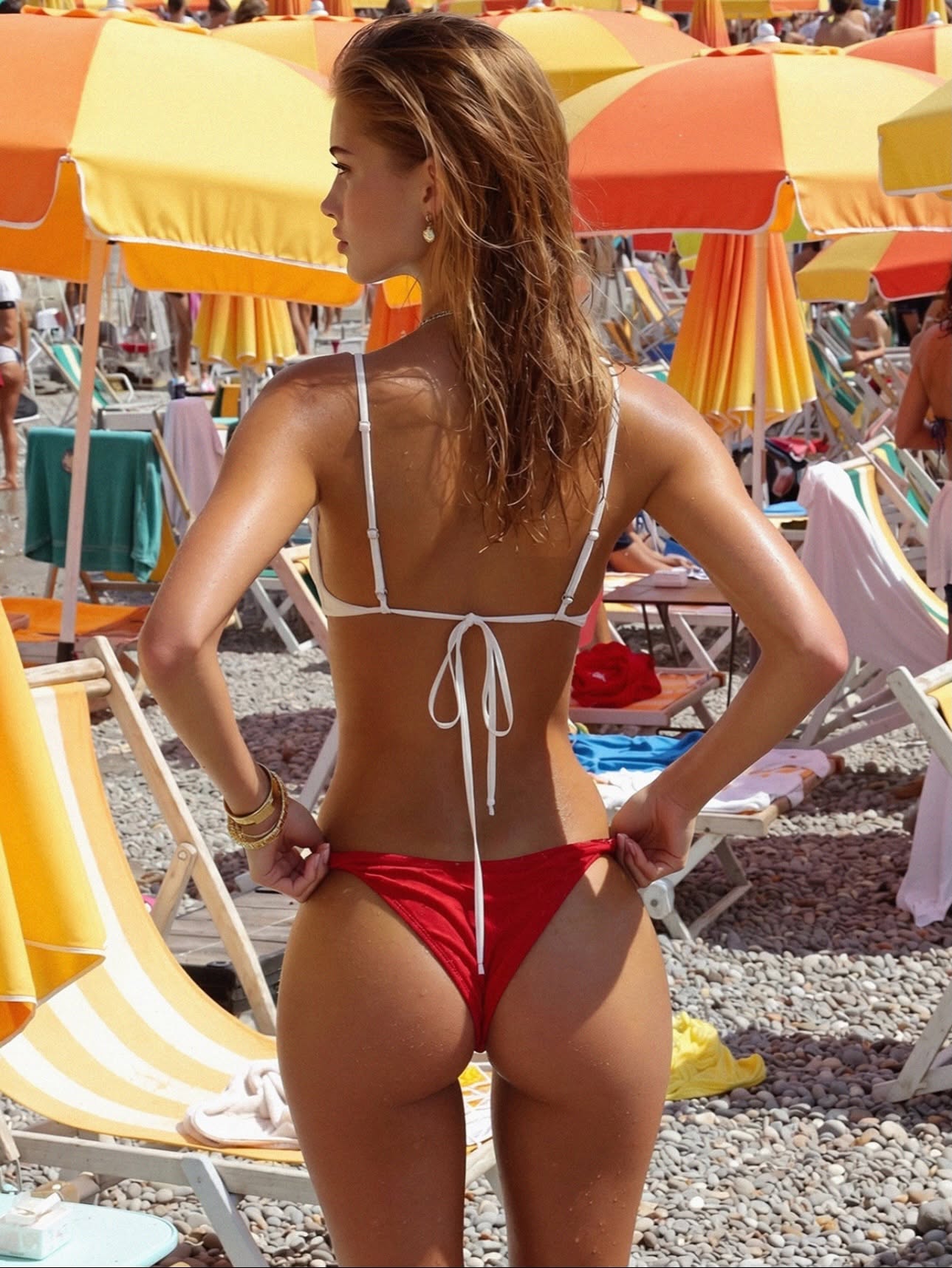
Positano is one of thirteen towns on the Amalfi Coast. For the complete guide to the region, including planning, beaches, food, and suggested itineraries, see Victoria’s Guide To The Amalfi Coast.
Read also: Positively, Positano