I left the coast just after sunrise, the sea slowly disappearing behind me as the road climbed north through the mountains. The windows were down, the air still cool from the night before, and I wasn’t thinking about much at all. Some journeys begin with a plan. Others begin because something inside you quietly says, “Today.”
By the time I reached Pompeii, the morning had already begun to warm. Outside the gates, everything felt ordinary. Cars are searching for parking spaces. Visitors are buying tickets. A small café serving espresso to people who hadn’t yet realized what they were about to see.
Then I stepped inside.
The noise seemed to fall away almost immediately.
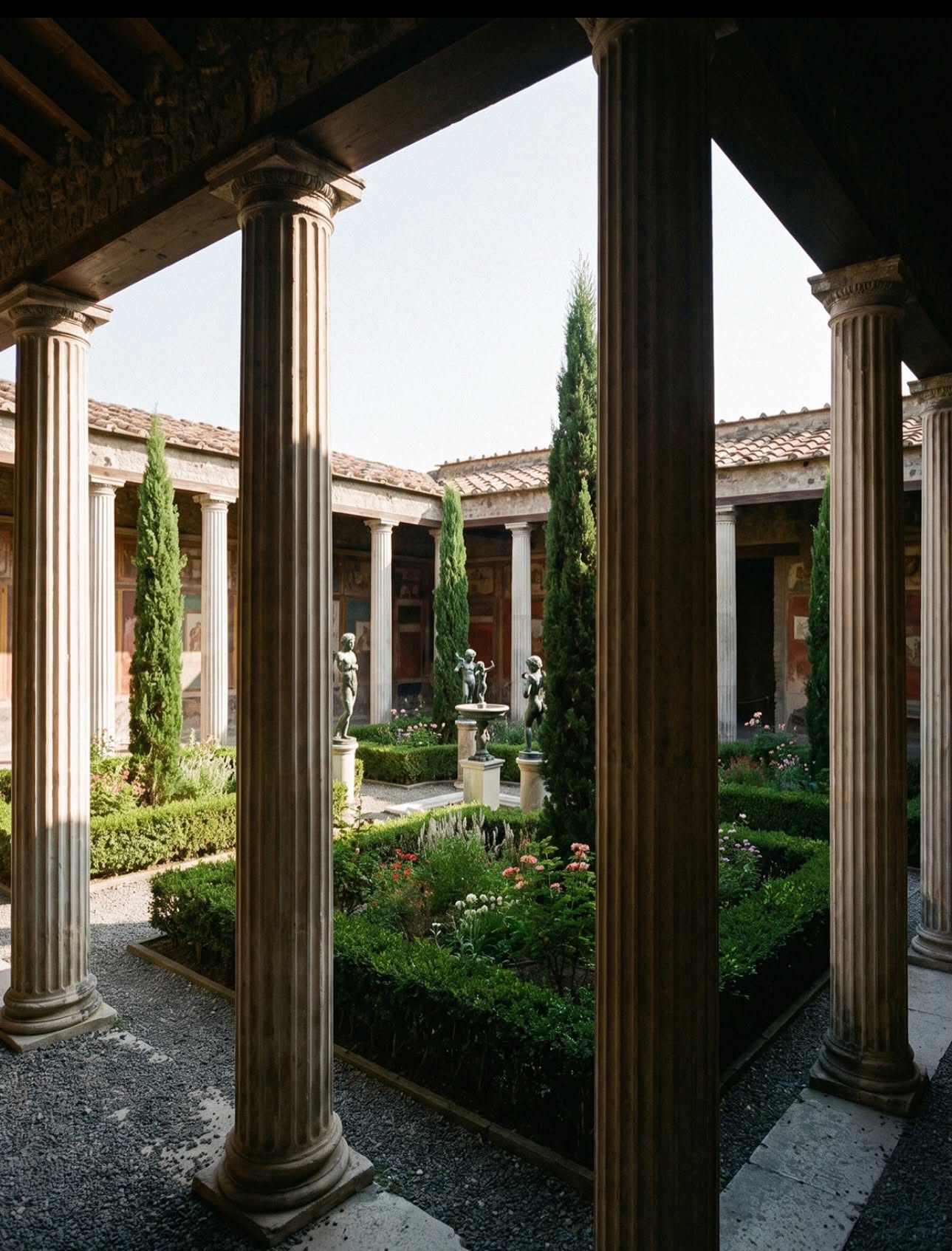
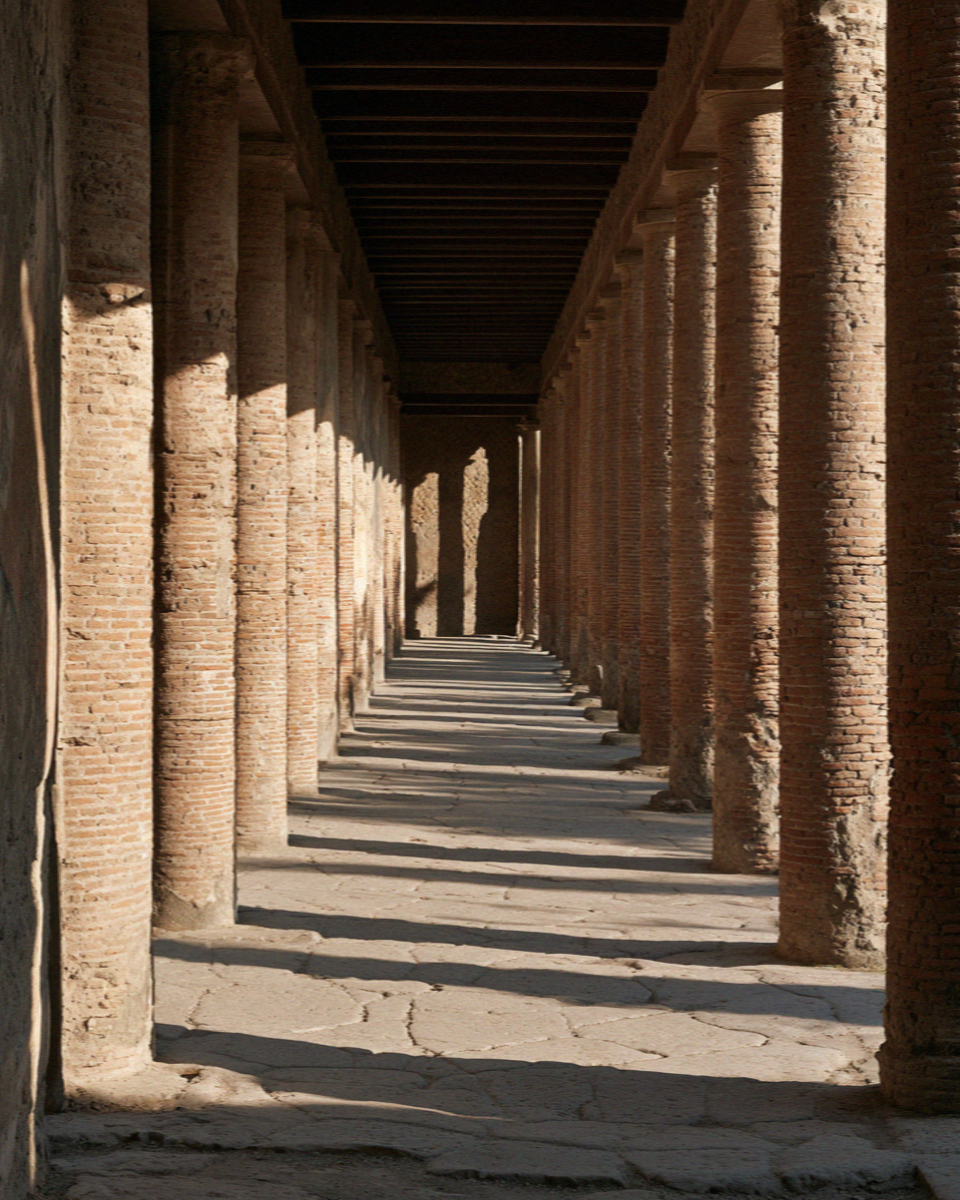
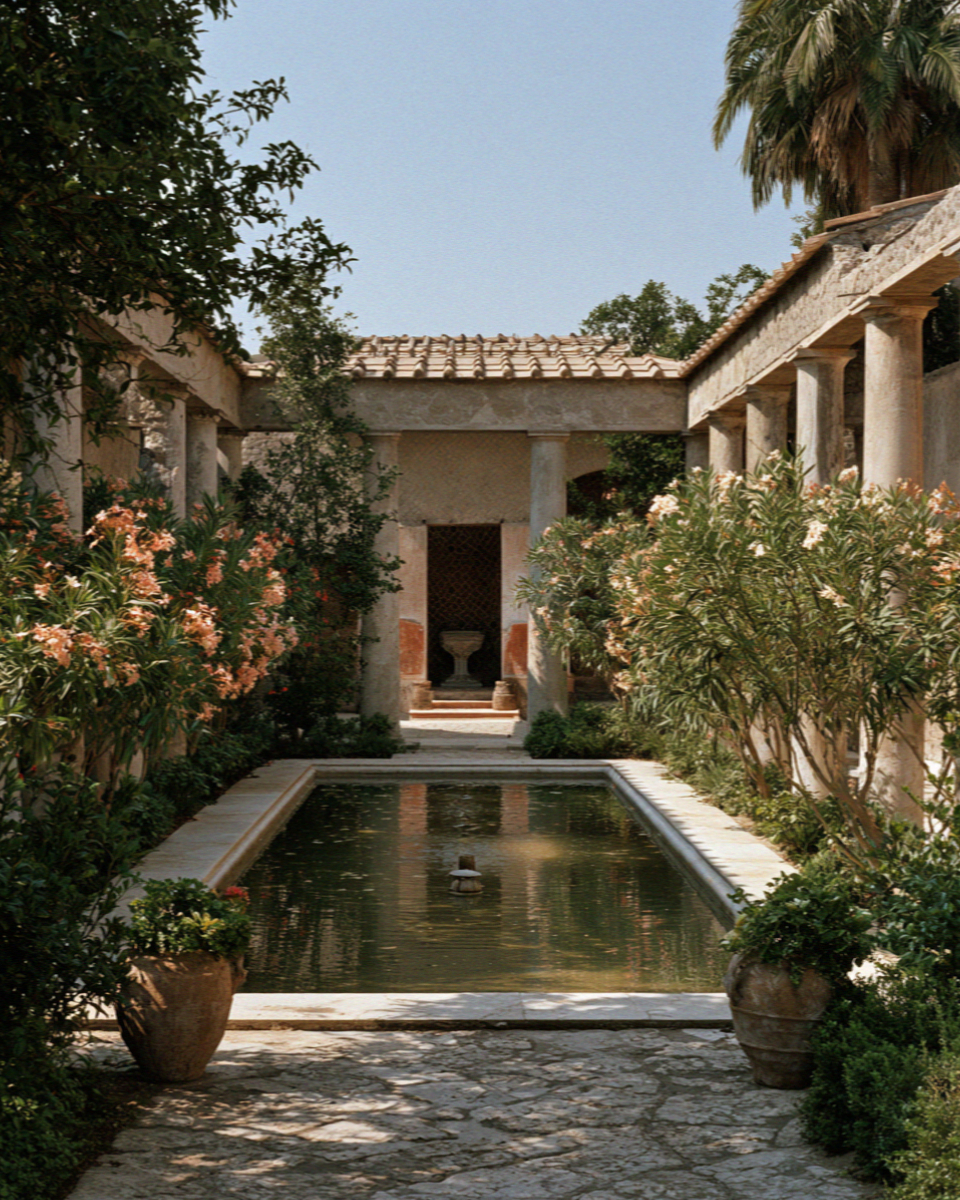
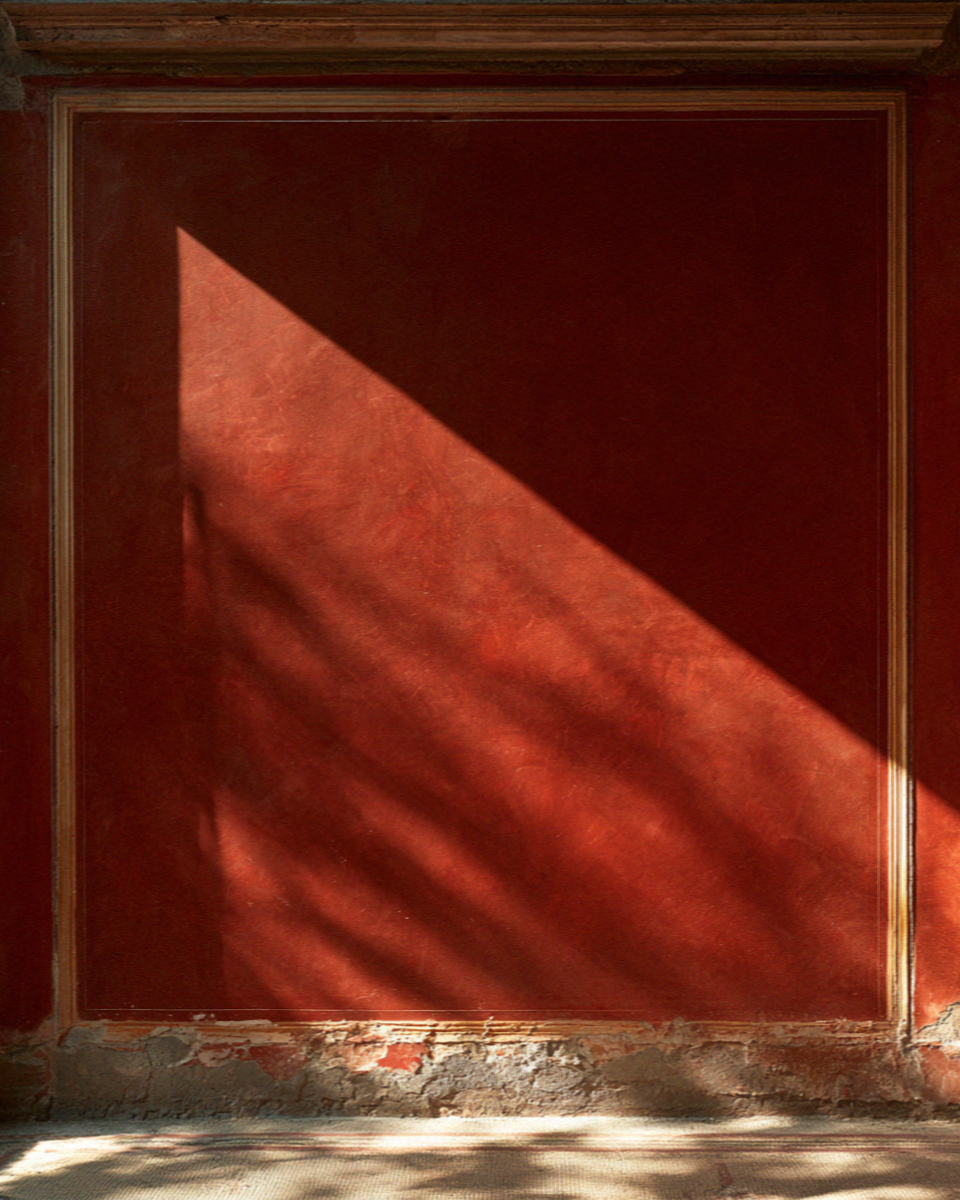
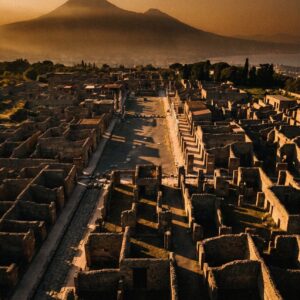
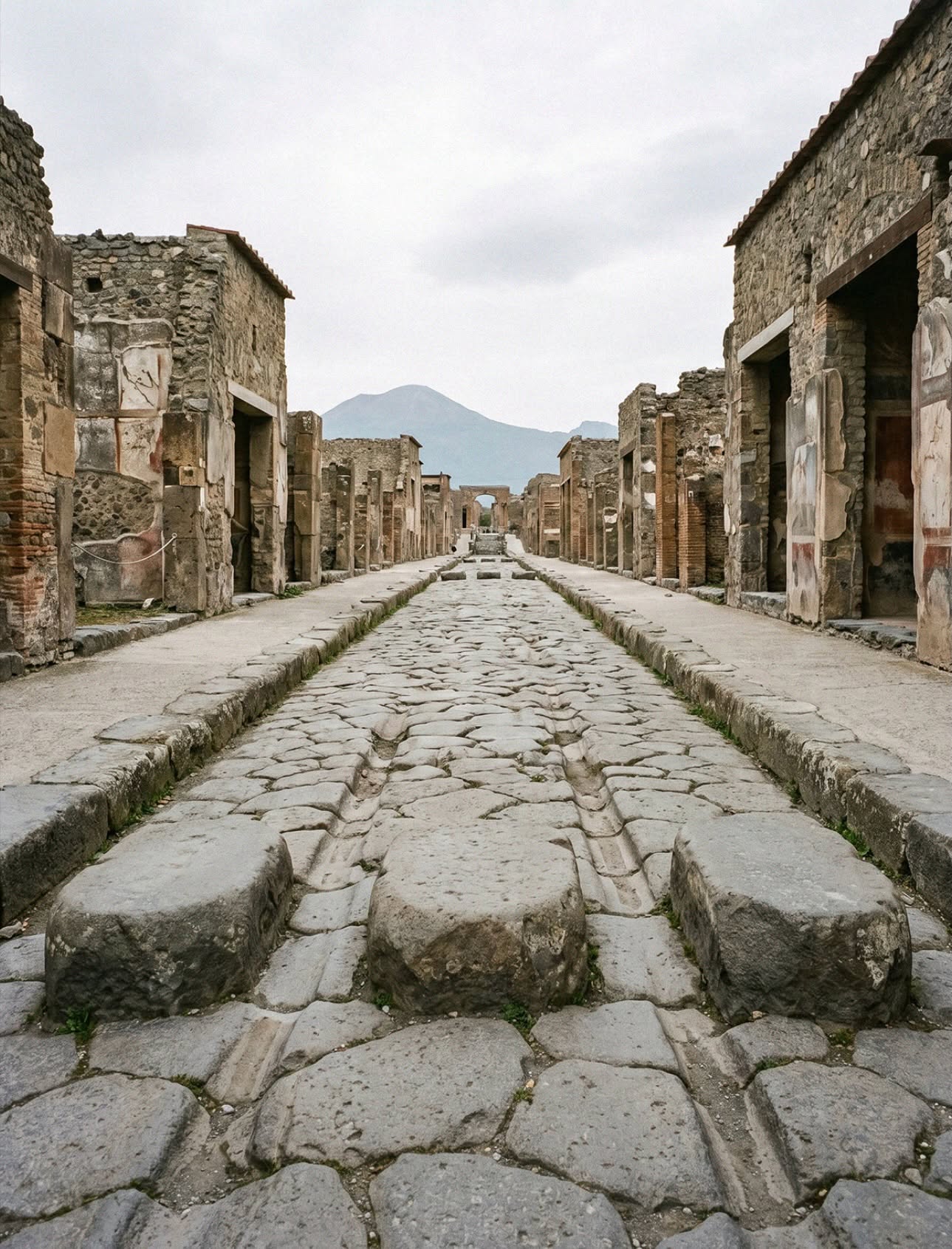
Stone streets stretched ahead of me, lined with houses that no longer had roofs but somehow still felt lived in. Doorways opened to the sky. Fragments of painted walls caught the light. Every few steps, I found myself slowing down, not because there was something spectacular to photograph, but because there was something quietly human around every corner.
I had wanted to visit Pompeii for years.
Perhaps I’m glad I waited.
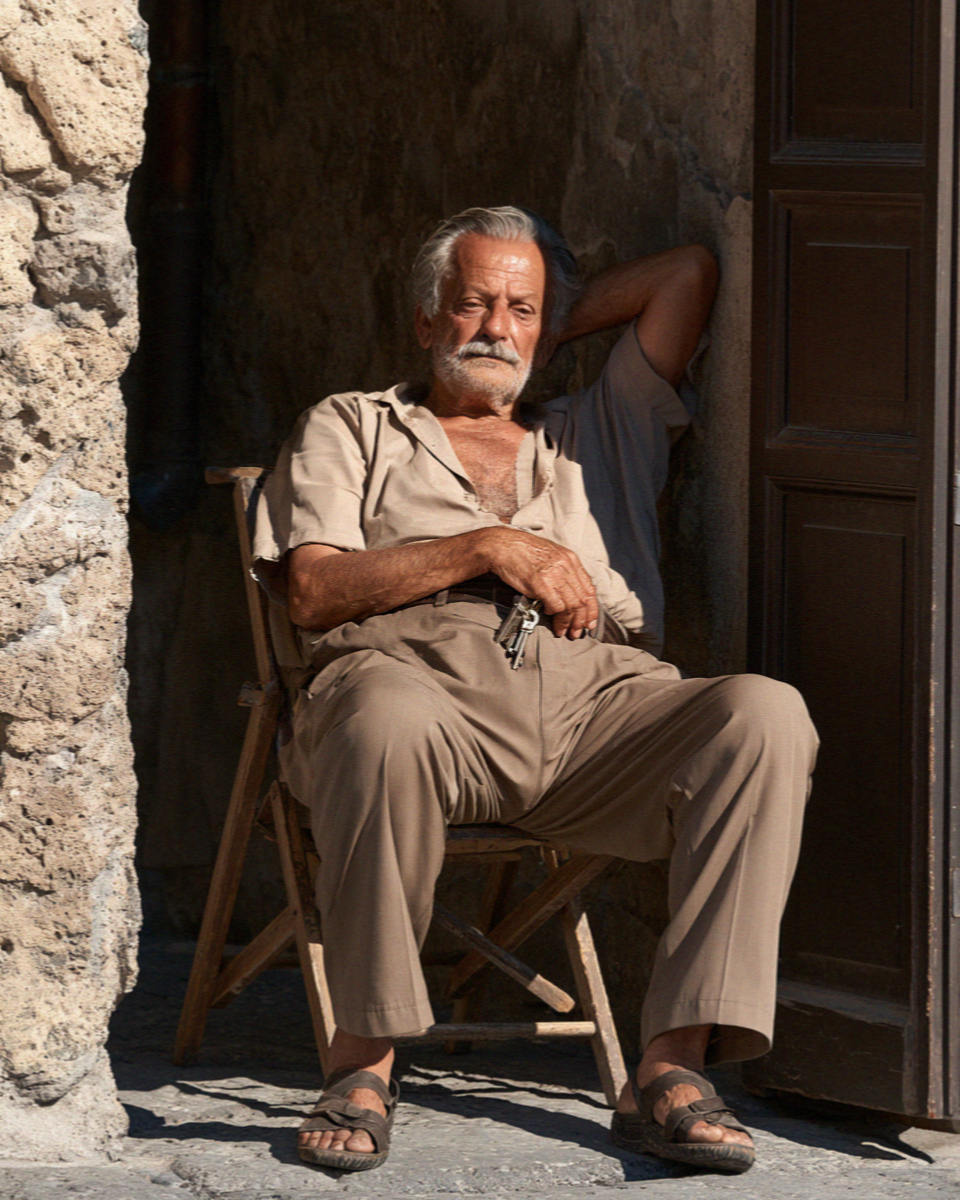
There are places that reveal themselves differently depending on who you are when you arrive. I don’t think I would have understood this city ten years ago. Back then, I would have seen ruins. Today I saw lives.
That is the first thing you have to understand about Pompeii.
It was never meant to become a museum.
Before the eruption of Mount Vesuvius in AD 79, it was simply home.
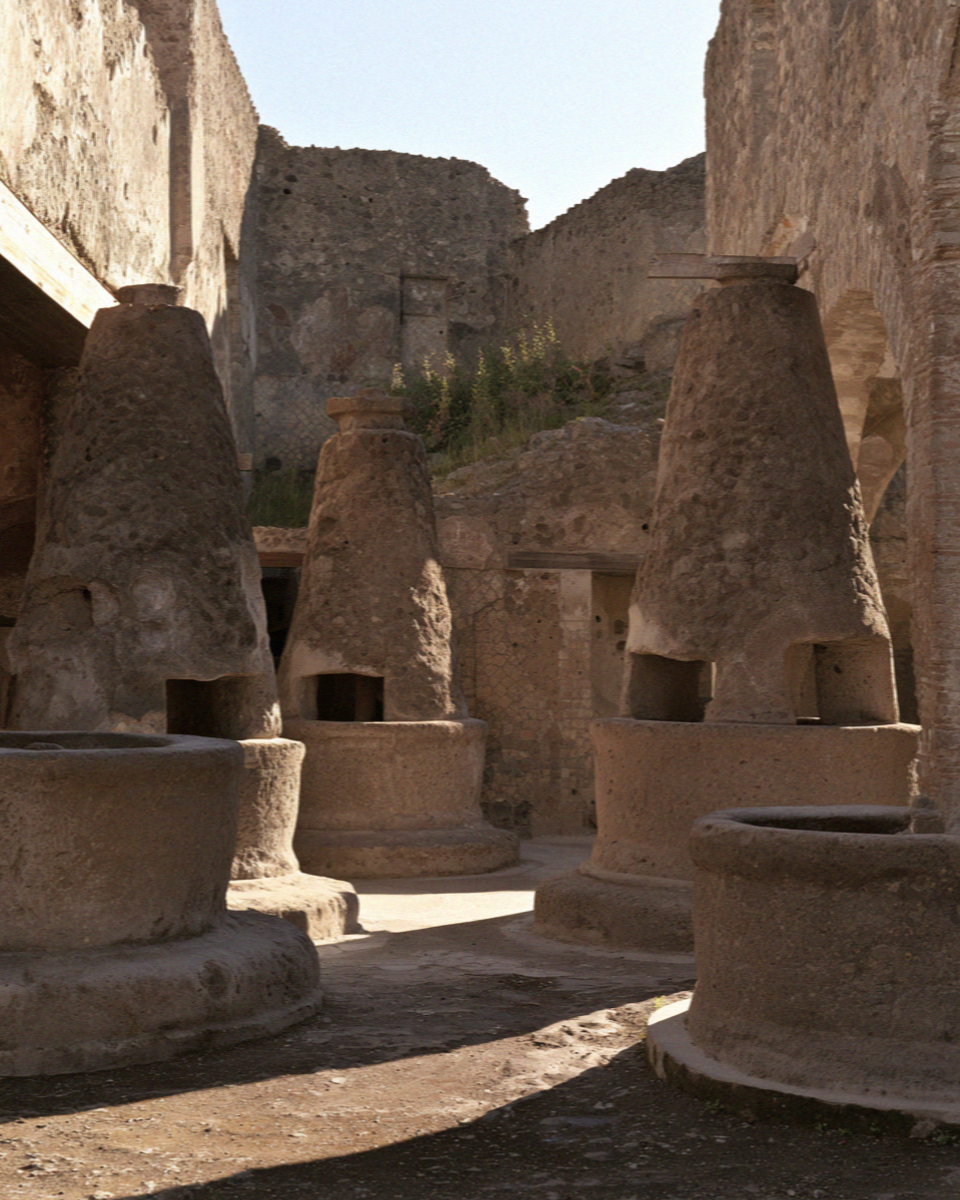
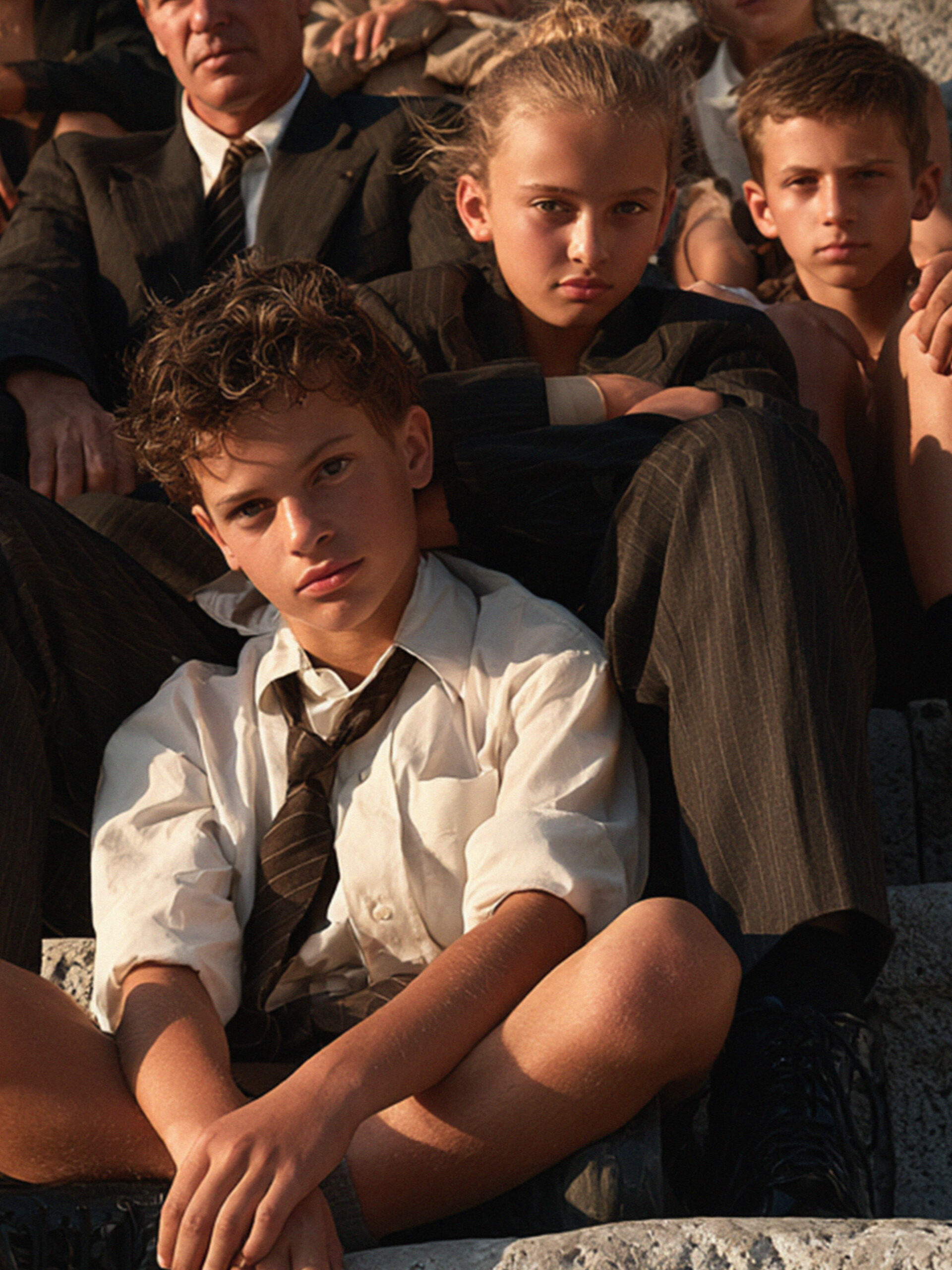
People woke early, opened their shops, baked bread, argued with neighbors, hurried to work, met friends in the square, and promised they would do things tomorrow. Children ran through these same streets. Dogs slept in shaded courtyards. Someone was probably planning a wedding. Someone else was wondering how they were going to pay a debt.
It was, in every important way, an ordinary day.
That thought stayed with me more than anything else.
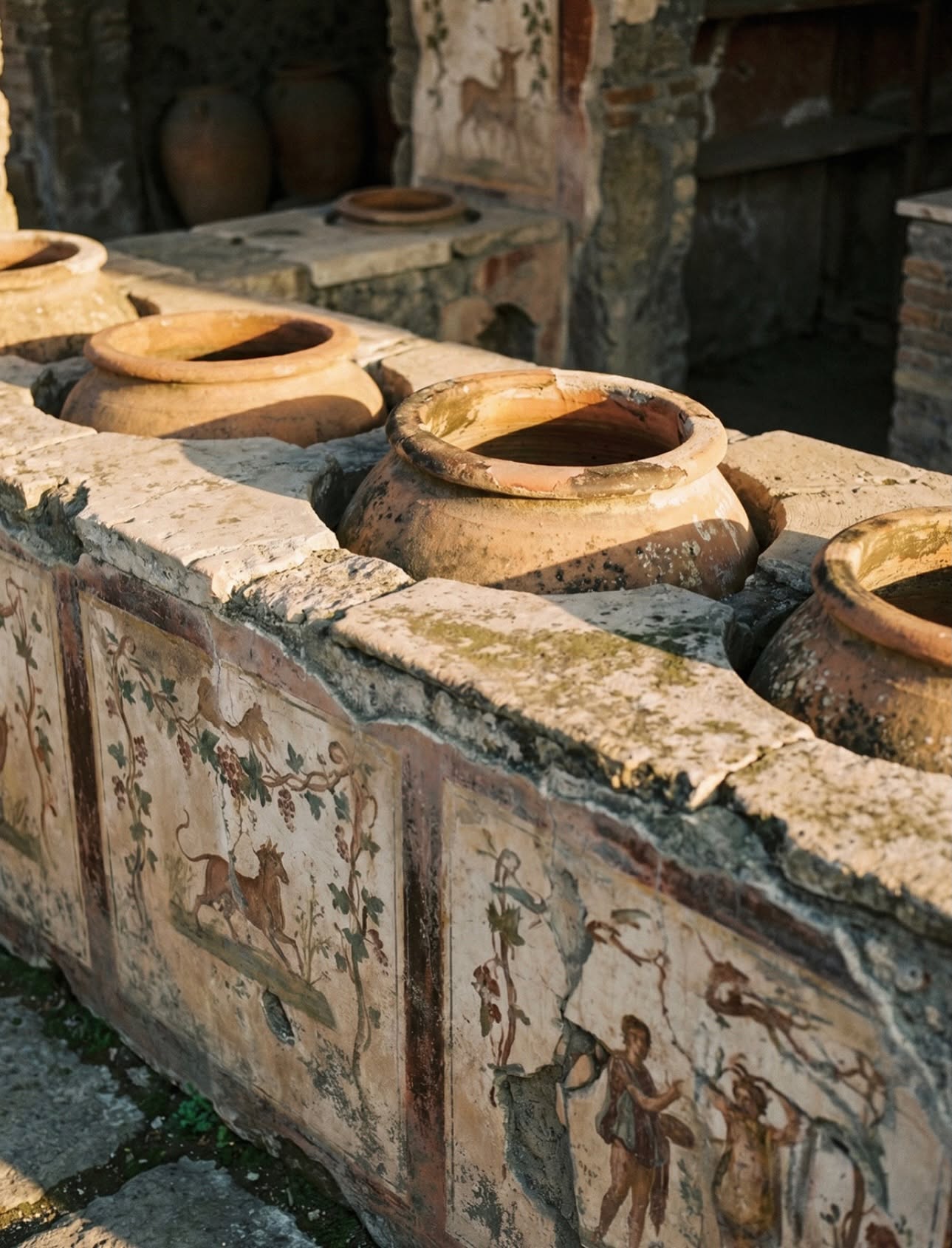
I stopped beside an old stone counter where meals had once been served. I imagined familiar faces arriving each morning, ordering the same food, exchanging the same jokes. Perhaps someone complained about the weather. Perhaps someone was running late. They had no way of knowing that afternoon would become one of the most remembered days in history.
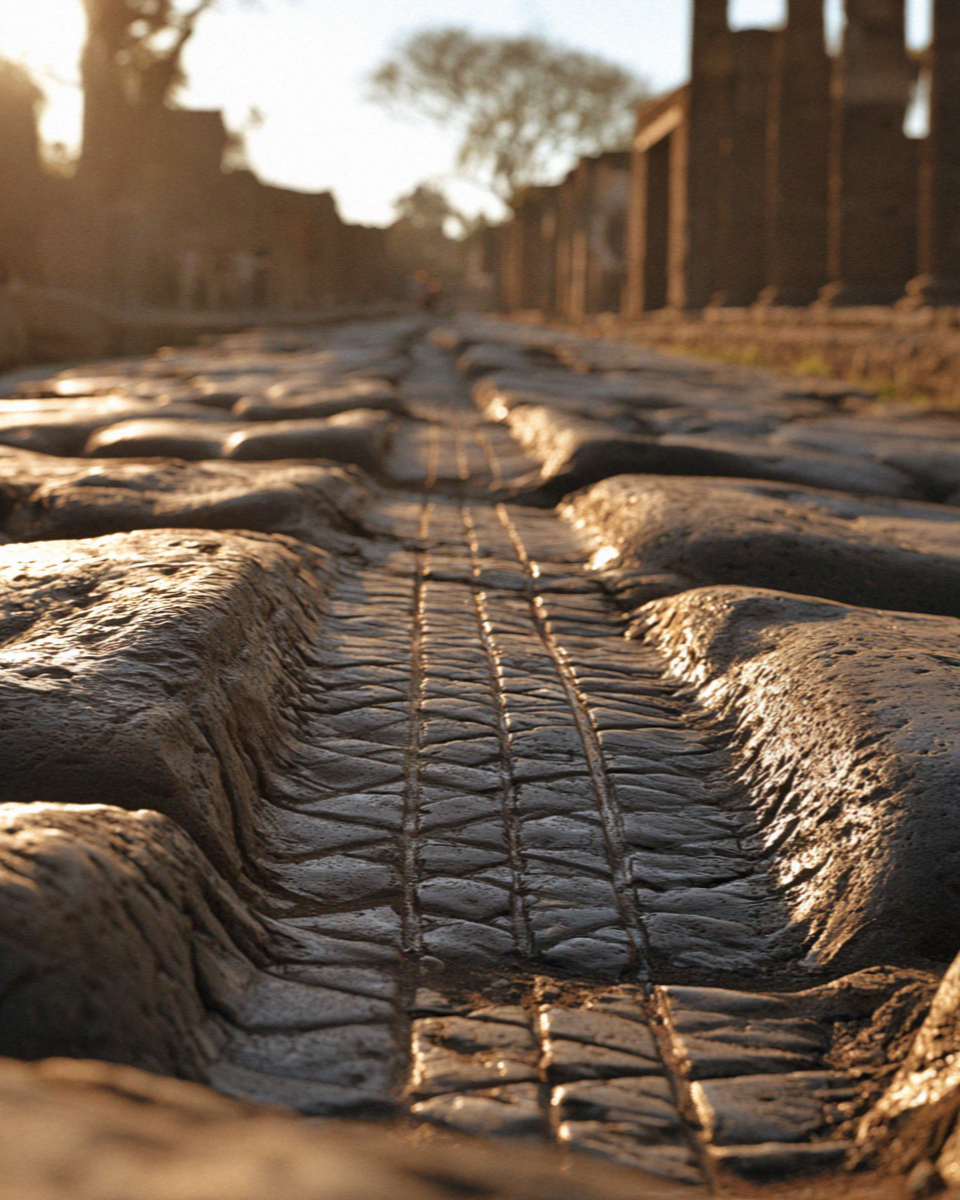
The streets still carry the deep grooves left behind by ancient carts.
I ran my fingers across one of them.
The carts are gone. The horses are gone. The people who walked beside them disappeared nearly two thousand years ago.
Yet somehow the marks they left behind remain.
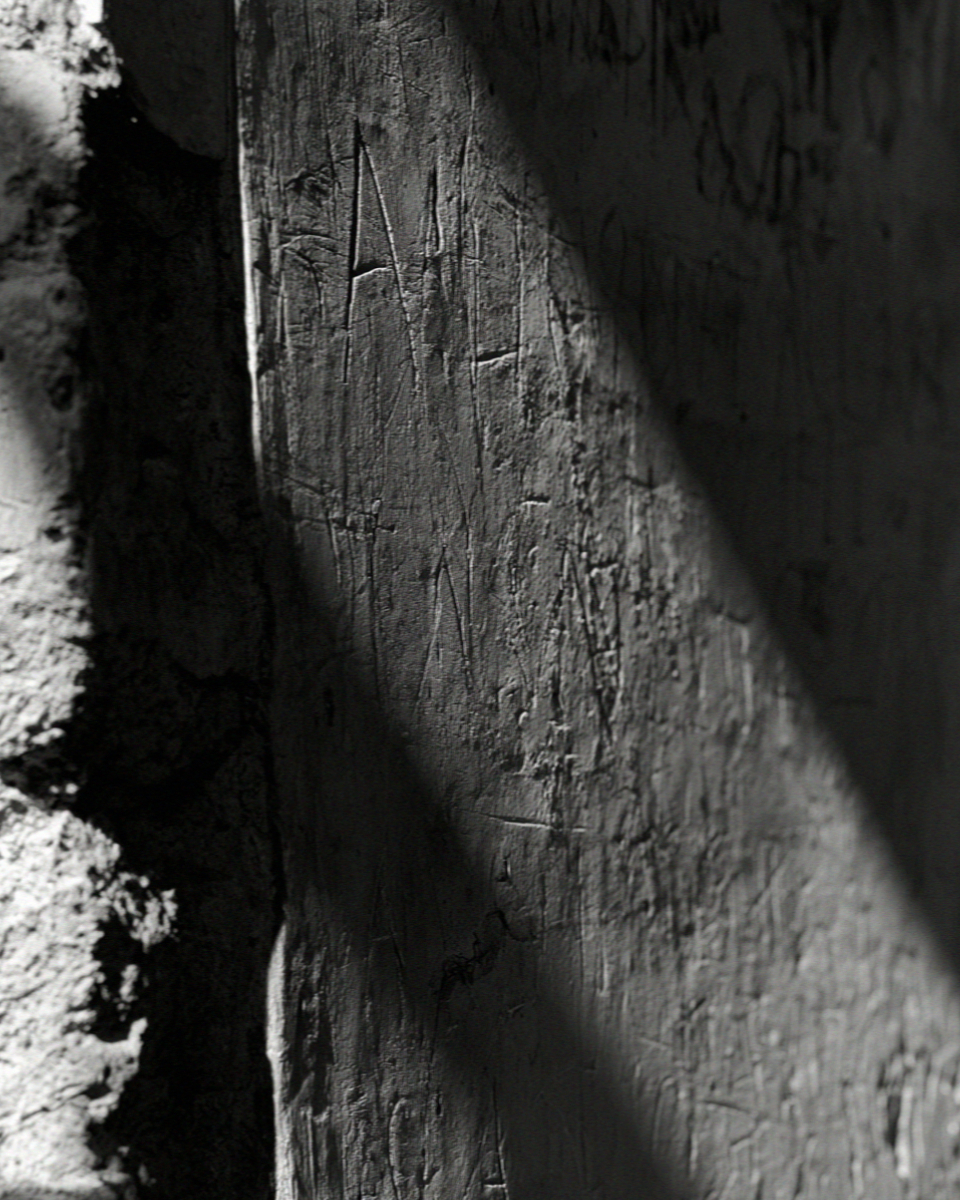
I wandered without rushing. Every turn seemed to reveal another courtyard, another faded fresco, another doorway opening into someone’s forgotten life. It became impossible not to imagine the conversations these walls once heard.

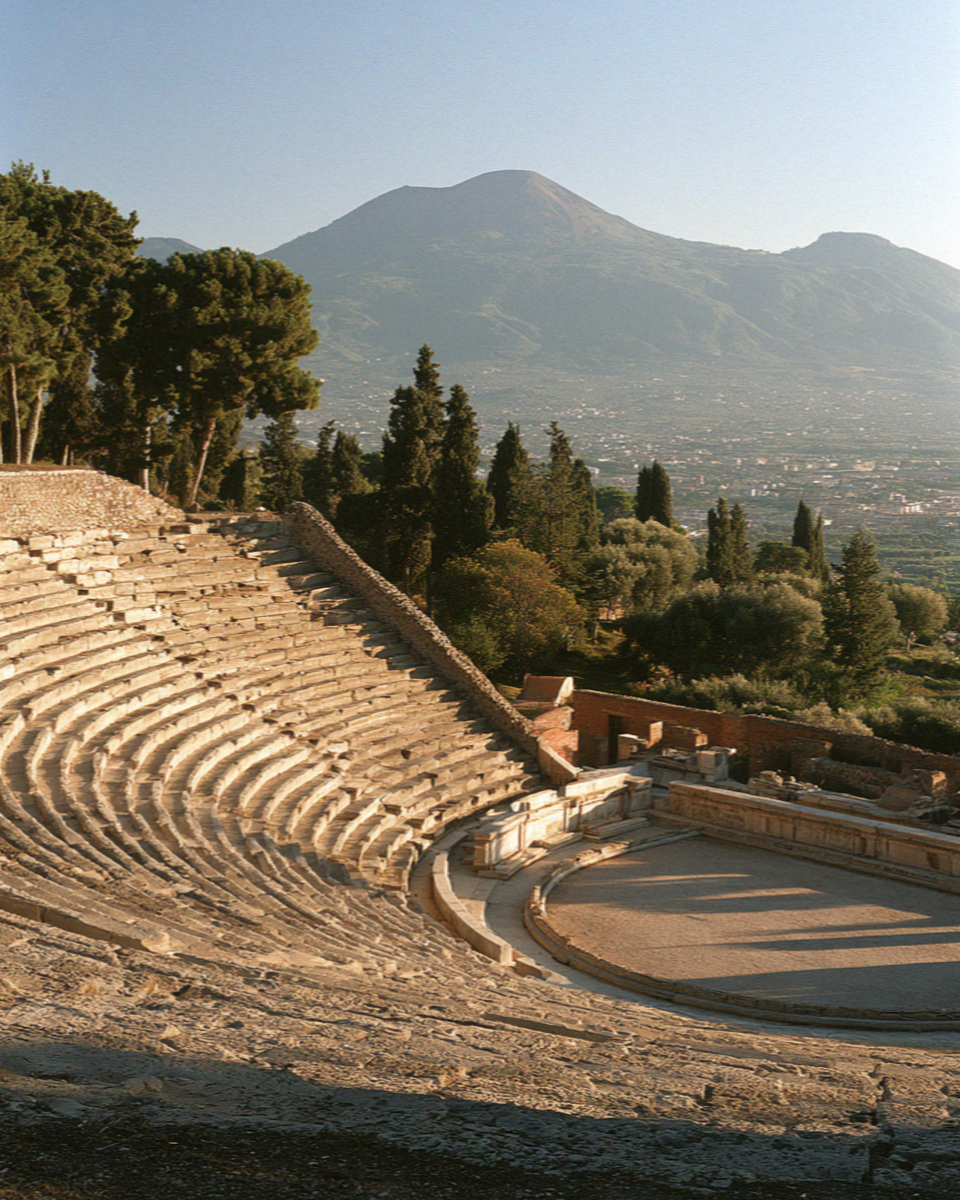
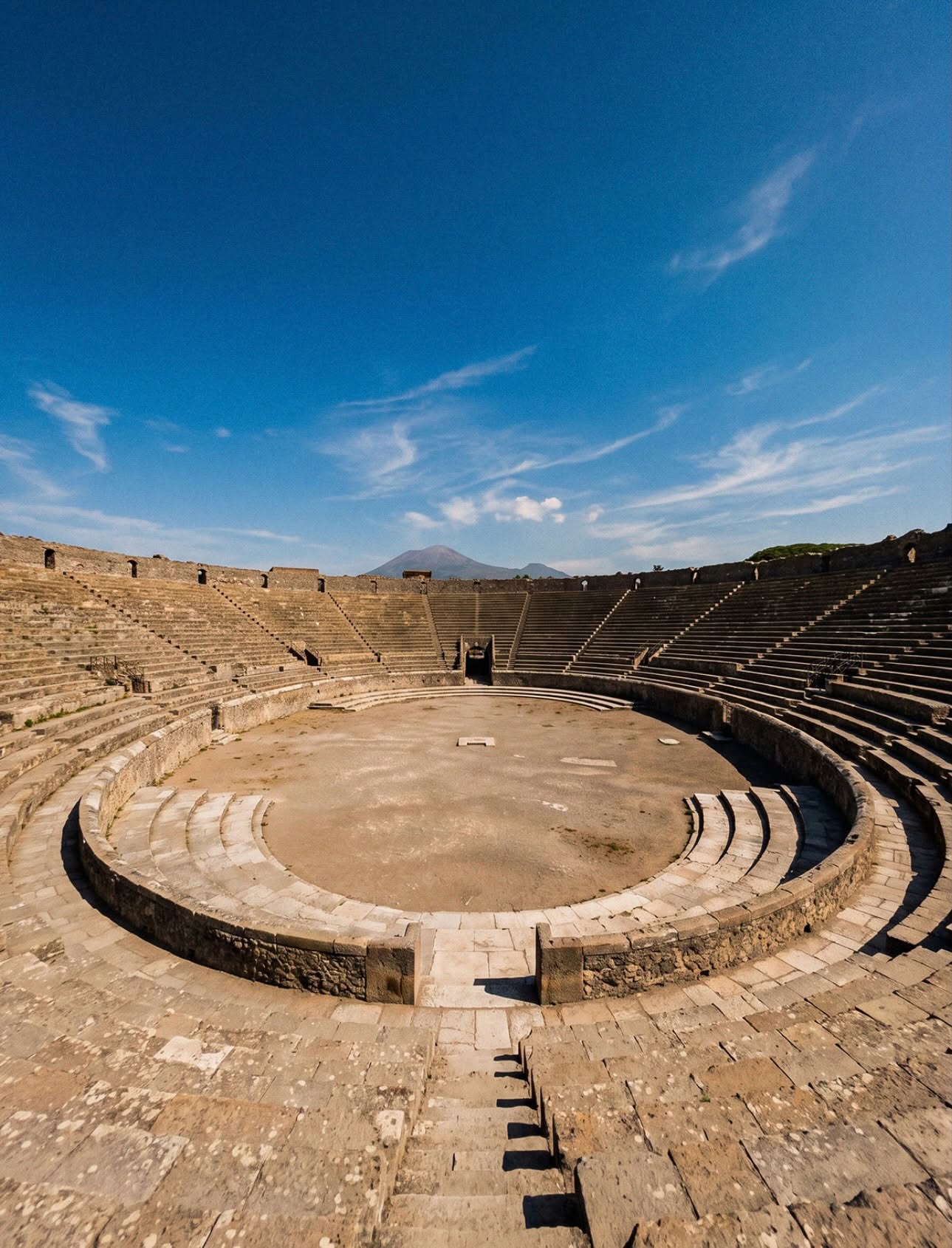
By late morning, I reached the amphitheatre.
Standing there, I tried to picture twenty thousand people filling the seats around me. Laughter. Applause. Music. Stories unfolding beneath the same sky that stretched above me now.
Today it is quiet.
But it doesn’t feel empty.
It feels as though the echoes simply learned how to whisper.
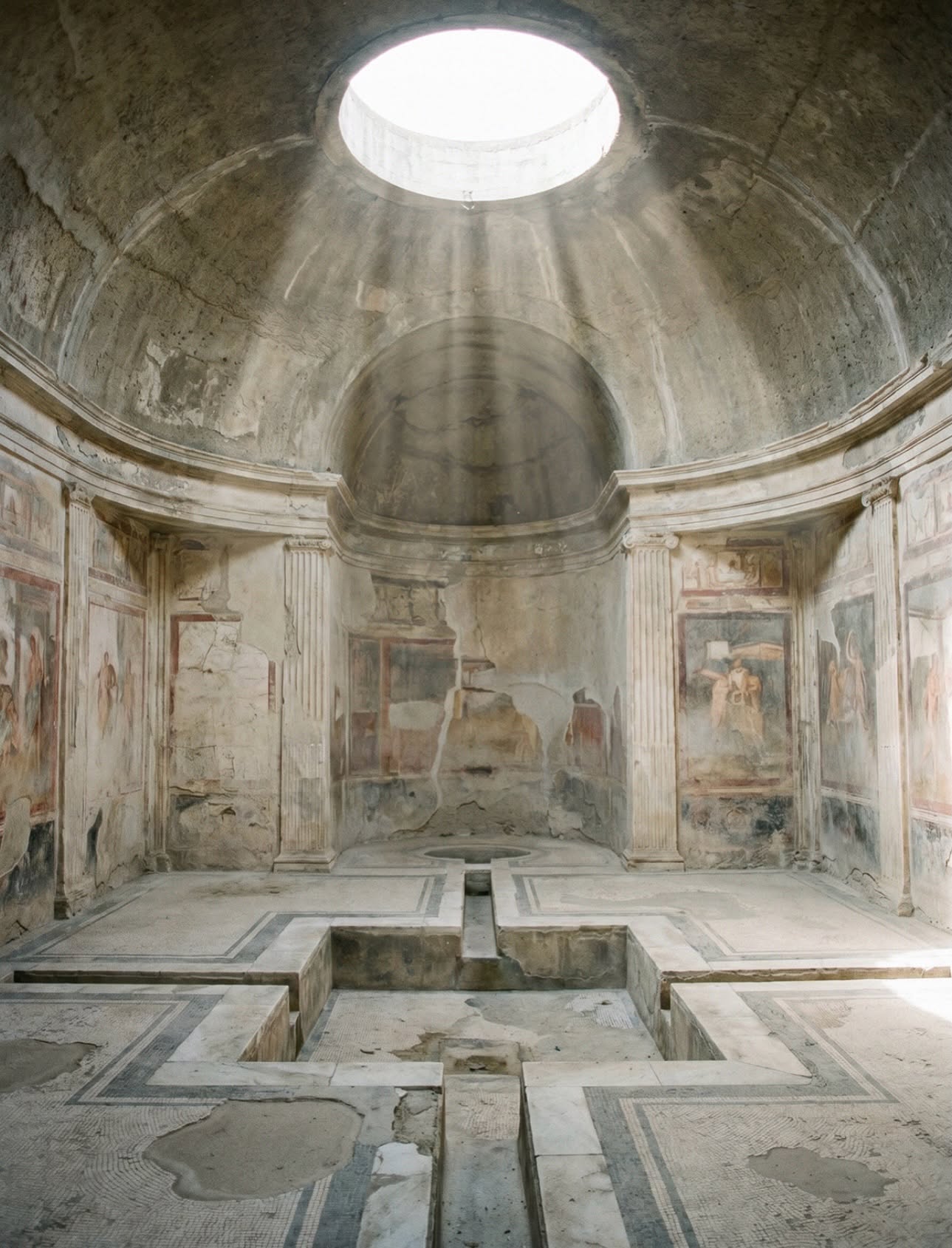
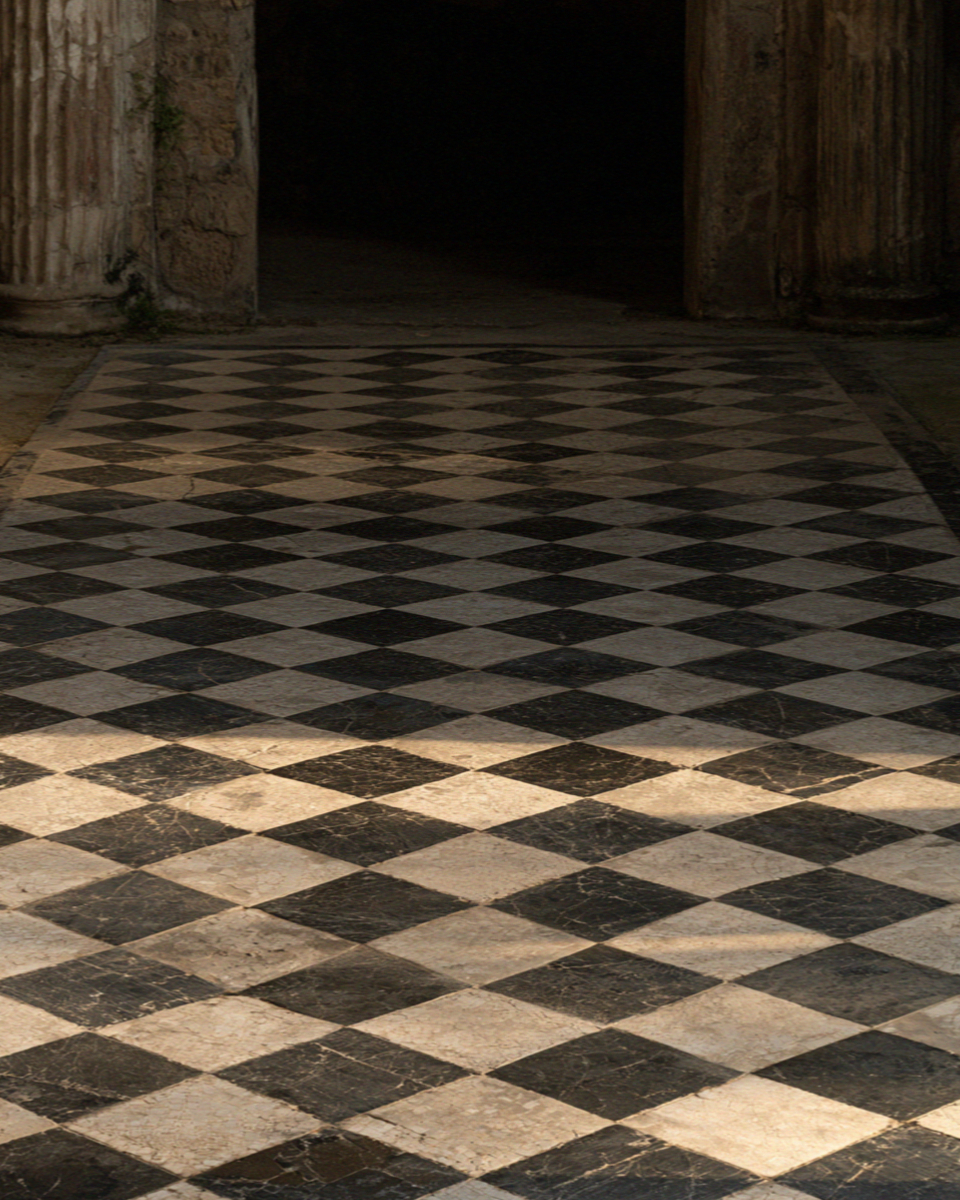
Later, I wandered through the baths, where soft light slipped through the openings above and settled gently across the stone floors. The room felt almost sacred, and I was slow to leave it.
The people are gone, I found myself thinking.
But the light still remembers where they lived.
In the afternoon, I found a quiet corner away from the larger groups and sat with my notebook resting on my lap.

I meant to write.
Instead, I listened.
A few footsteps in the distance. Birds somewhere beyond the walls. Wind is moving softly through empty rooms.
Sometimes silence says everything words cannot.
I thought about the people whose ordinary lives ended here. The conversations were interrupted halfway through a sentence. The letters were never delivered. The meals were left unfinished. The plans for tomorrow that never arrived.
Archaeologists have found families together in the ash. Hands reaching for one another. Even in the final moments, love seemed to matter more than fear.
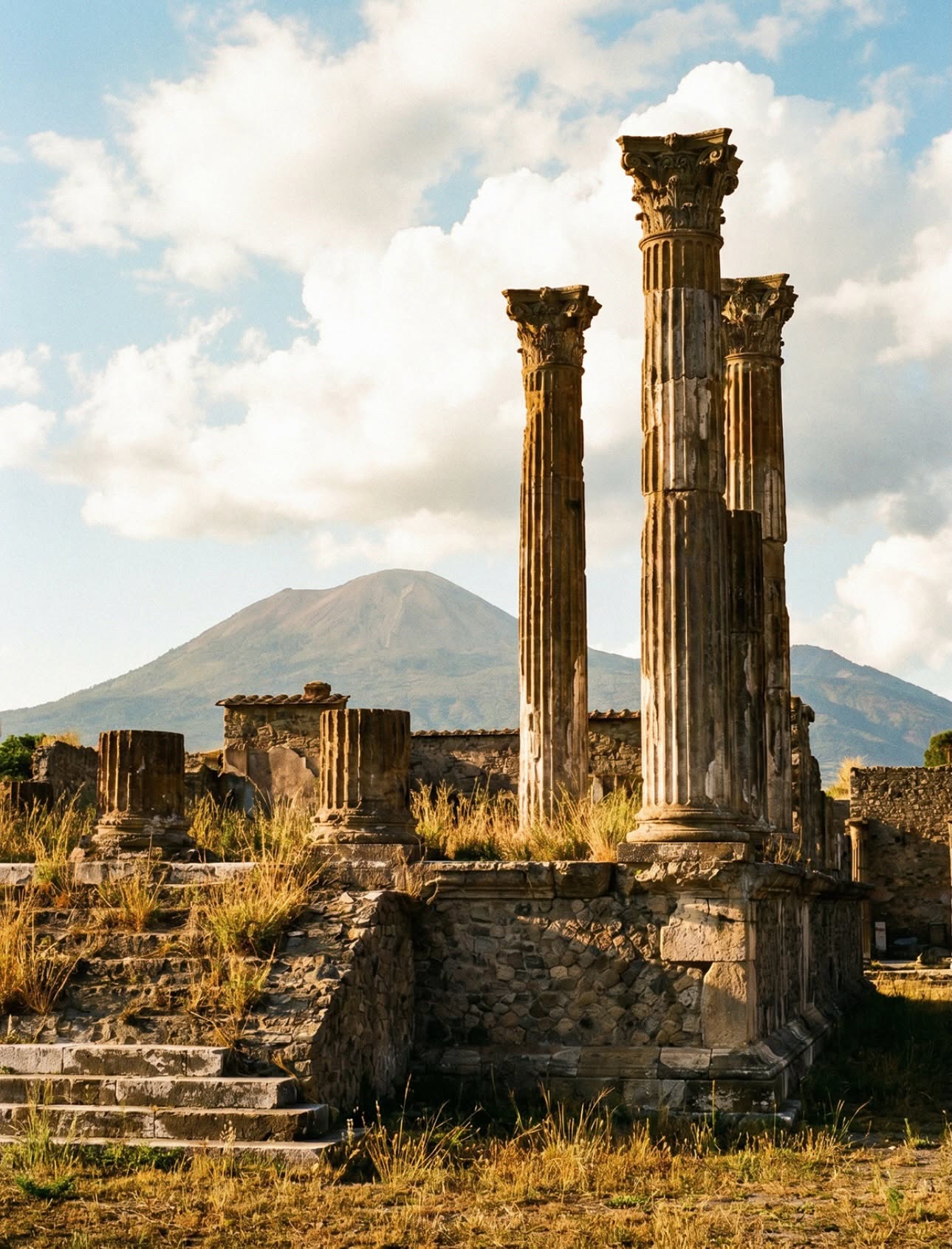
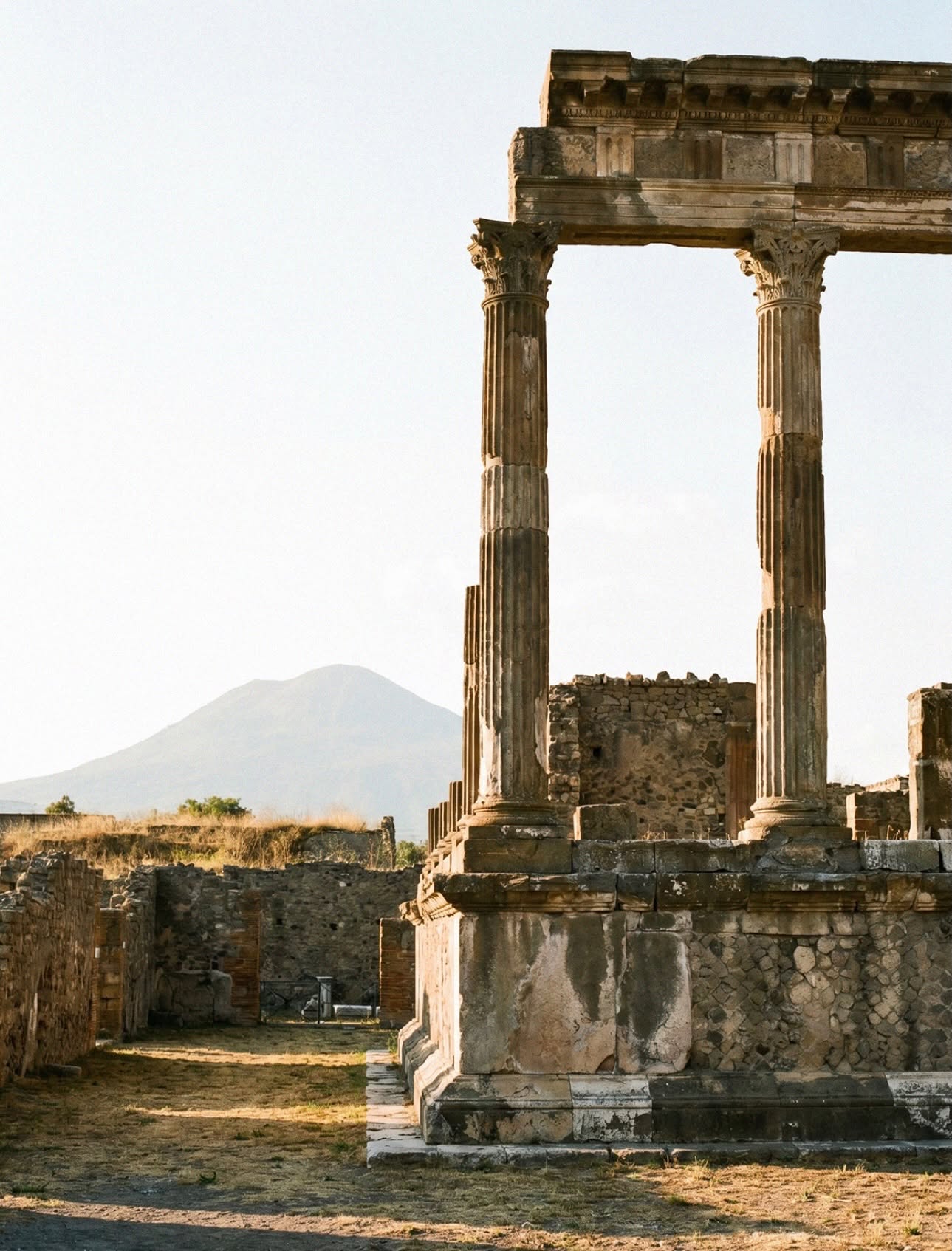
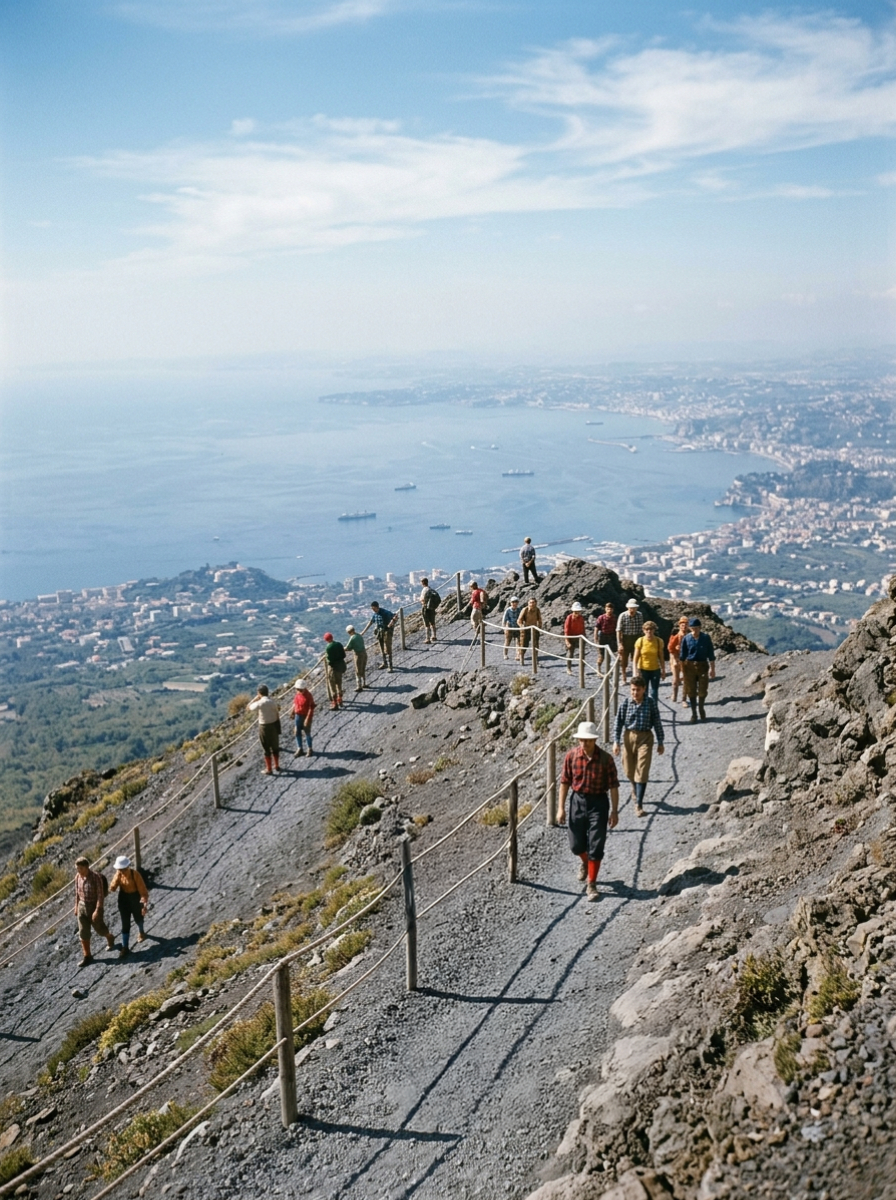
As the afternoon light turned golden, I slowly made my way back toward the entrance. Vesuvius stood quietly in the distance, beautiful enough that it was difficult to reconcile with everything it had once done.
On the drive back to the coast, I couldn’t stop thinking about the wheel ruts in those ancient streets.
The people disappeared.
The carts disappeared.
The city itself nearly disappeared.
But the marks they left behind remained.
Perhaps that is true of our own lives as well.
We spend so much time worrying about leaving behind something extraordinary that we forget how powerful ordinary moments can be.
A conversation.
A kindness.
A shared meal.
An afternoon with someone you love.
Pompeii is not a monument to death.
It is a reminder to notice the life happening around you while you still can.
If you take anything with you from this place, let it be this.
Tell the people you love.
Chase the dream you’ve been postponing.
And don’t wait for tomorrow to begin living today.
V.
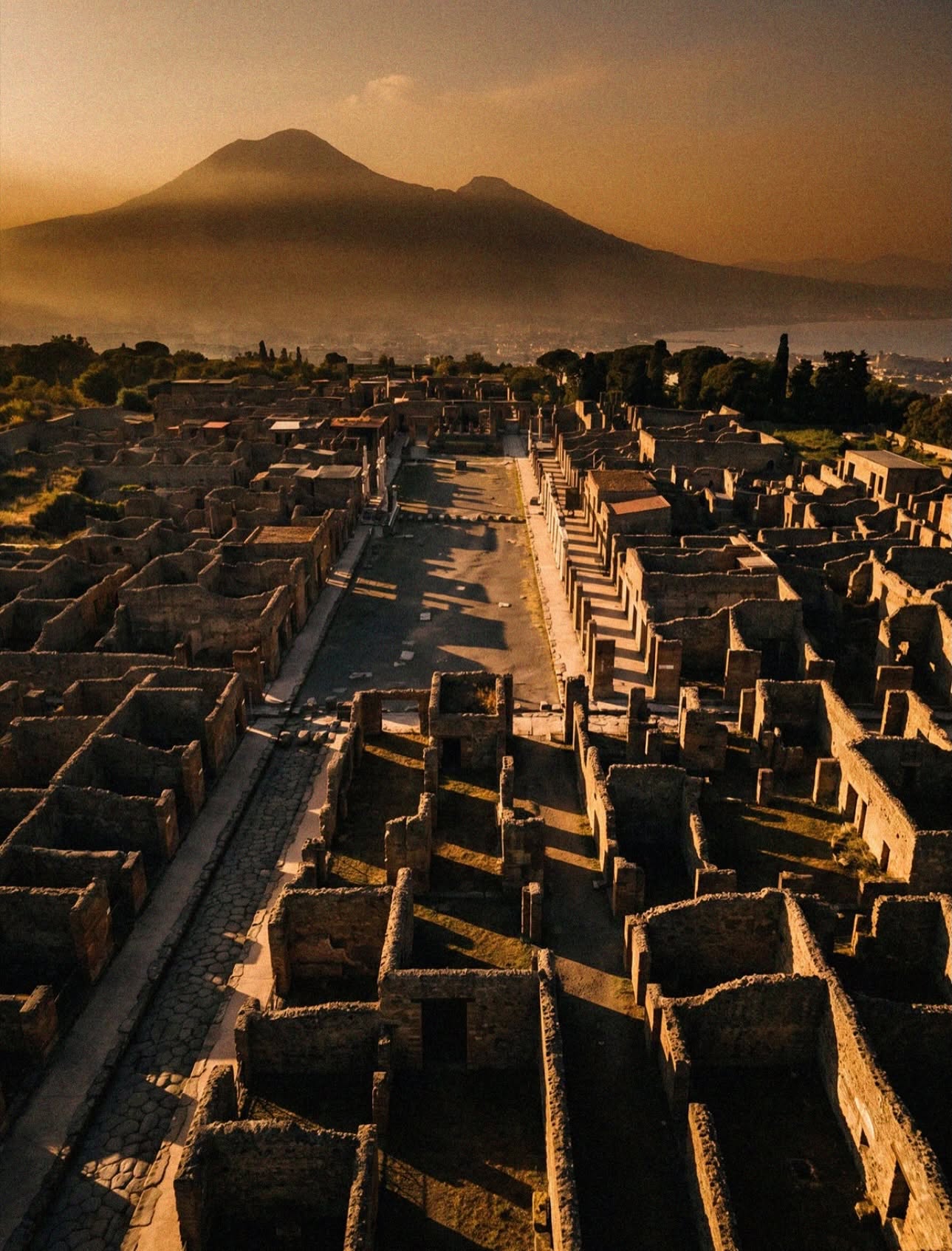
Pompeii is an easy day trip from the Amalfi Coast, taking about an hour by car depending on where you’re staying. If you’re planning your own visit, I’ll share everything I learned, including the best route, how much time to allow, and the places that stayed with me most, in my complete Pompeii guide.
More from this trip: