And then, of course, the last day came anyway. It always does. I had bought myself two extra ones by refusing to leave, and I would have bought a third if the mountains had sold them, but the trip had run to its end the way a good bottle does, slowly and then all at once, and there was nothing for it but to come down.
So we came down. Down from the high meadows and the thin, bright air, through the hairpin bends and the smell of woodsmoke, past the last of the hay being turned in the fields, and at last into Cortina, which sits in its bowl of peaks like a town someone dreamed up specifically to make leaving more difficult.
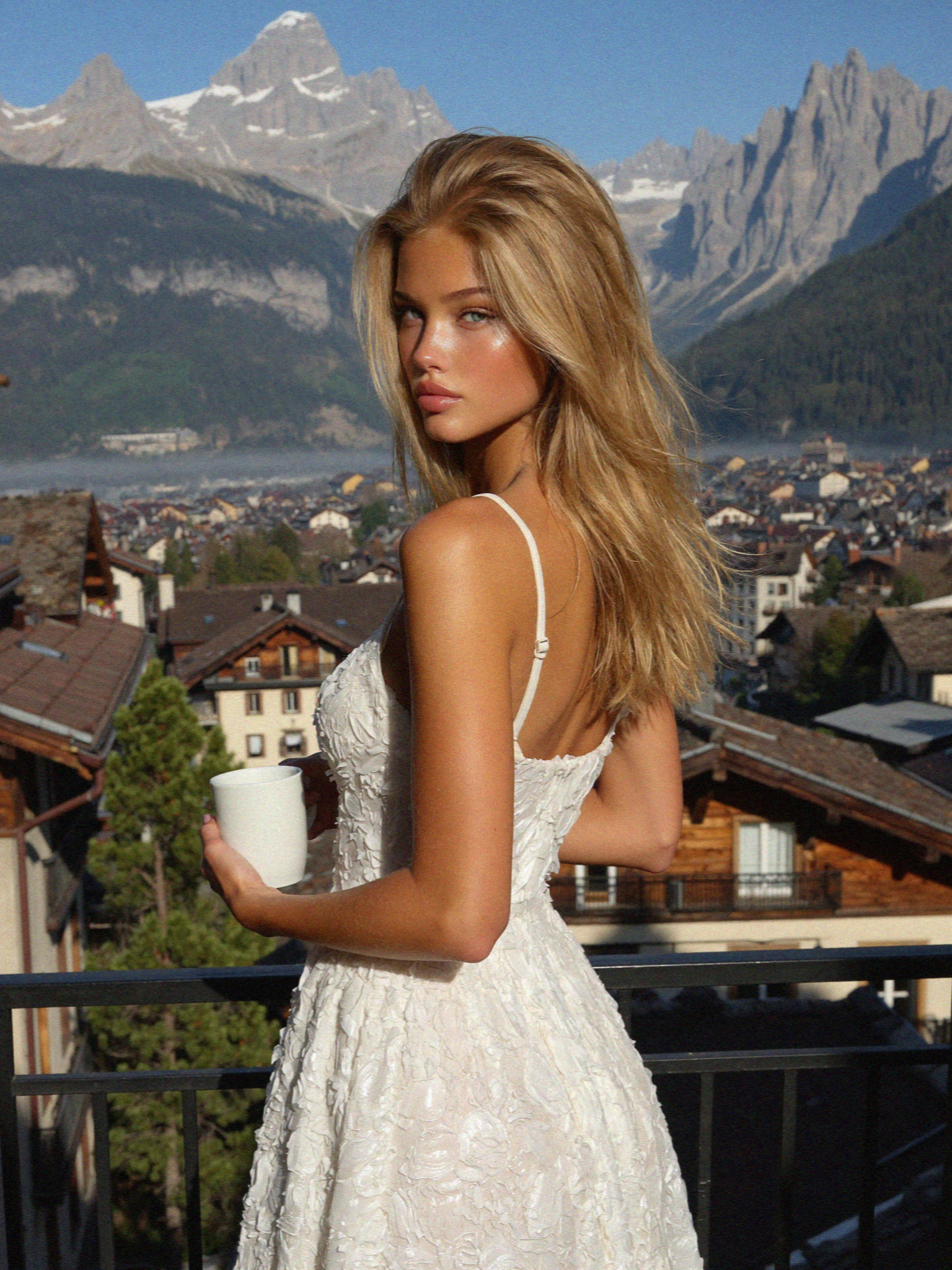
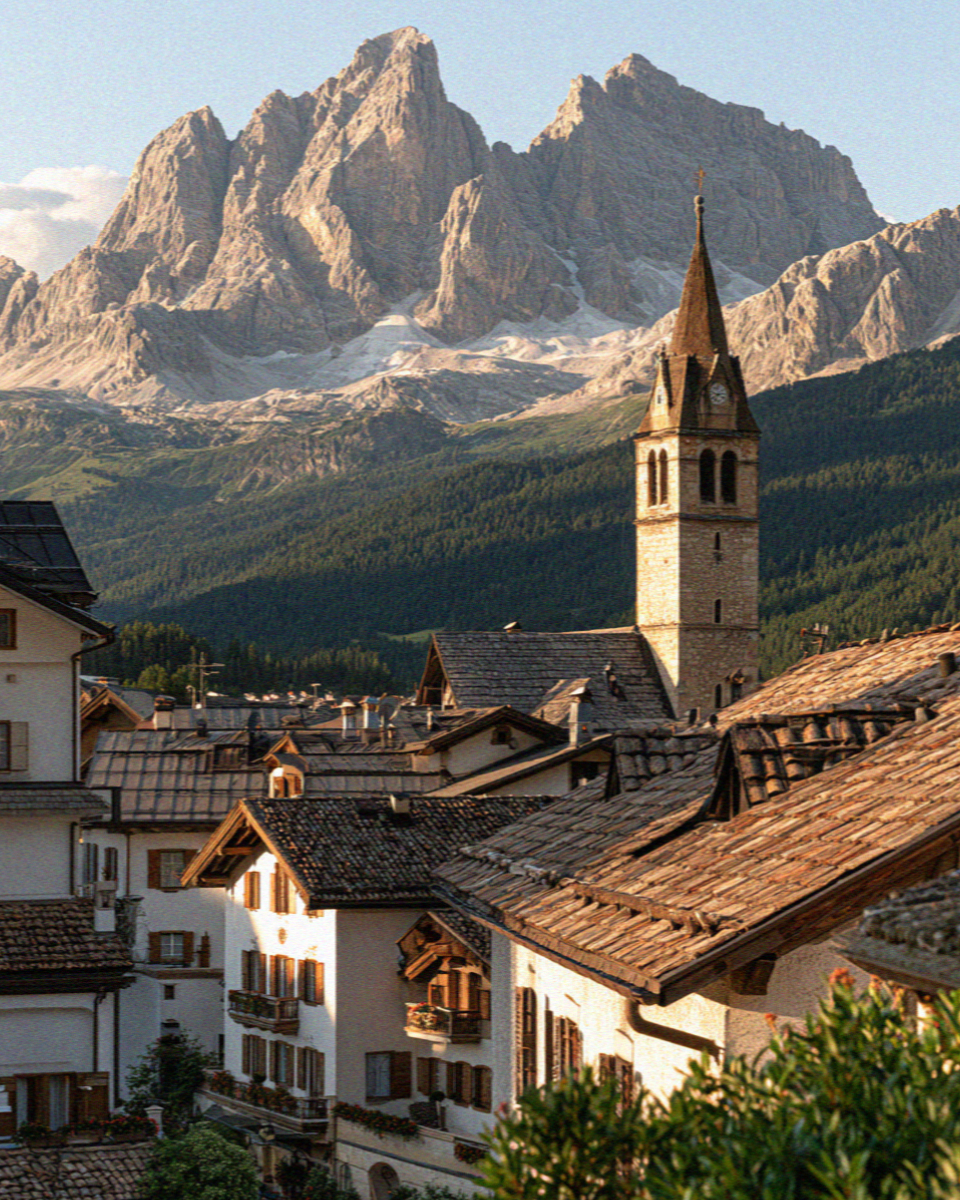
I had saved the town on purpose. You could spend a whole week in the Dolomites up on the passes and never come into Cortina at all, and plenty of people do, but I wanted one day of the other kind of mountain life, the kind with good coffee, better shop windows and people who dress for dinner. It is a small place and an elegant one, all painted façades, window boxes and its pale bell tower rising above the roofs. In the evening the Corso closes to cars and fills instead with everyone in town walking slowly up and down for no reason beyond the pleasure of seeing and being seen. I did my share of that. When in Cortina.
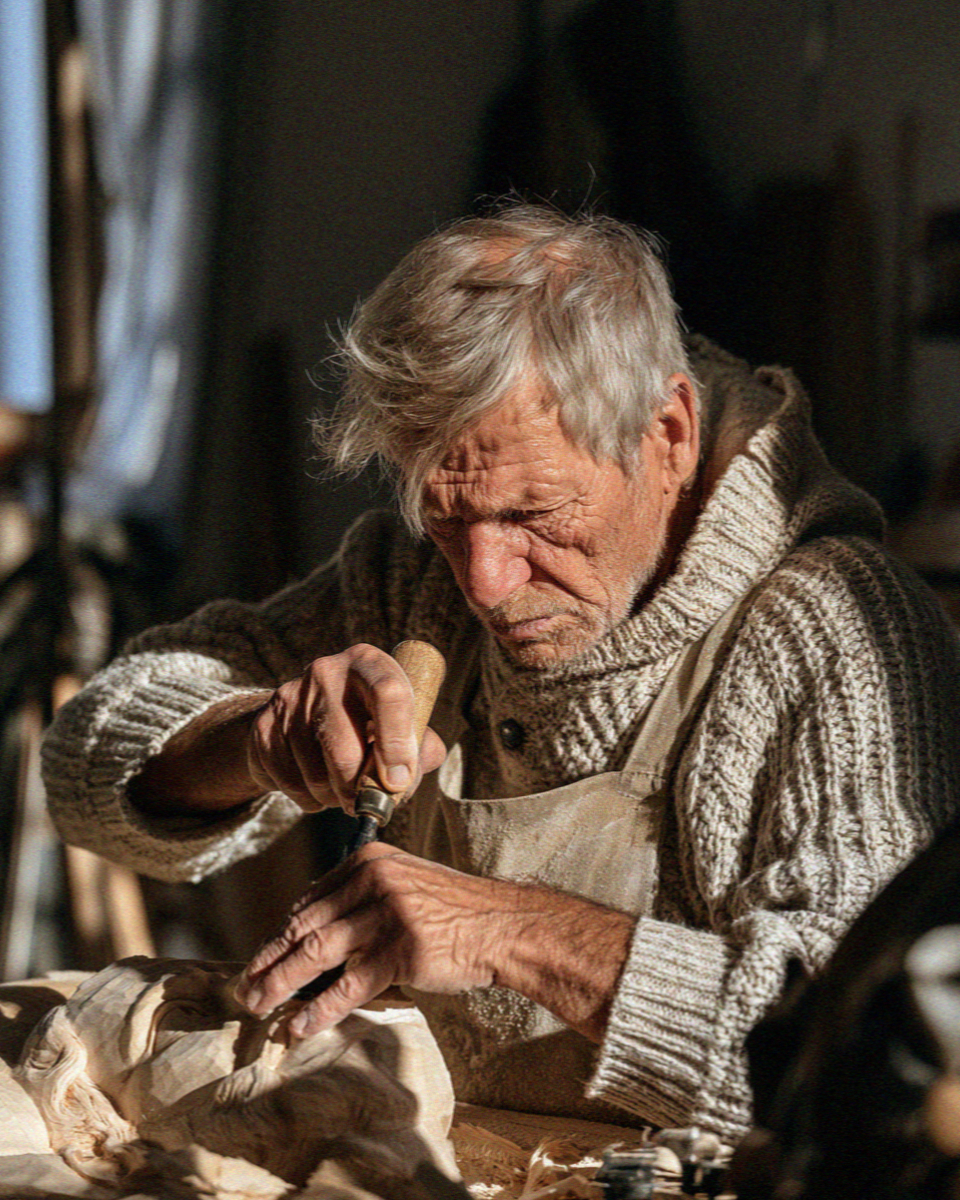
I spent the morning the way one should spend a last morning, which is to say I bought things I did not need and loved every minute of it. There is an old tradition of woodcarving in these valleys, and through an open doorway I watched a craftsman bring the face of a saint out of a block of pale limewood using a chisel and the flat of his thumb. The face seemed to have been waiting inside the wood for him to find it. I came away with a small carved bird, much less holy but rather beautiful, which now lives wrapped in a sock at the bottom of my case.
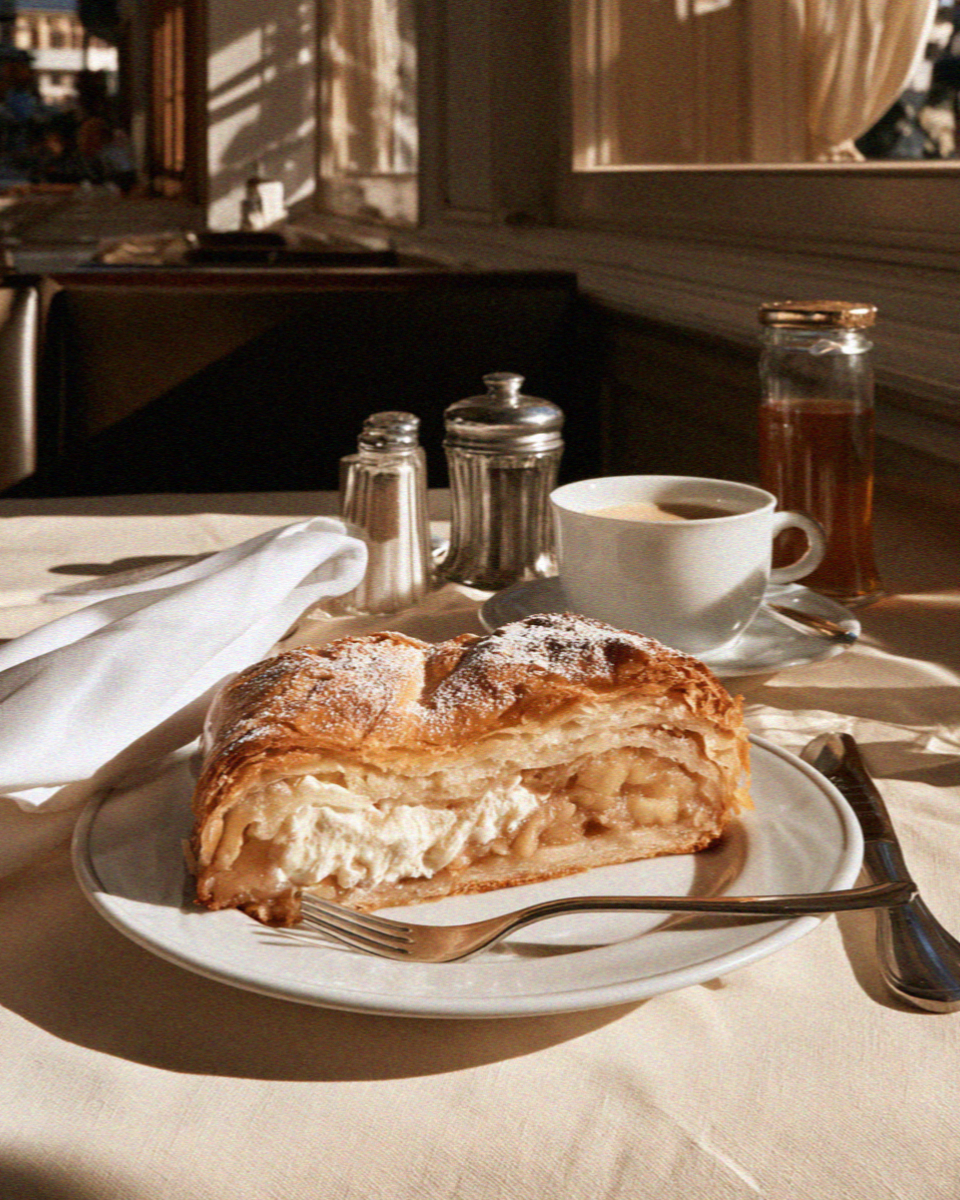
There was a wool shop containing the colours of a hundred winters, a window filled with loden coats I did not buy and still think about, and the good bakery, which I visited twice. The second visit was entirely unnecessary. That was rather the point.
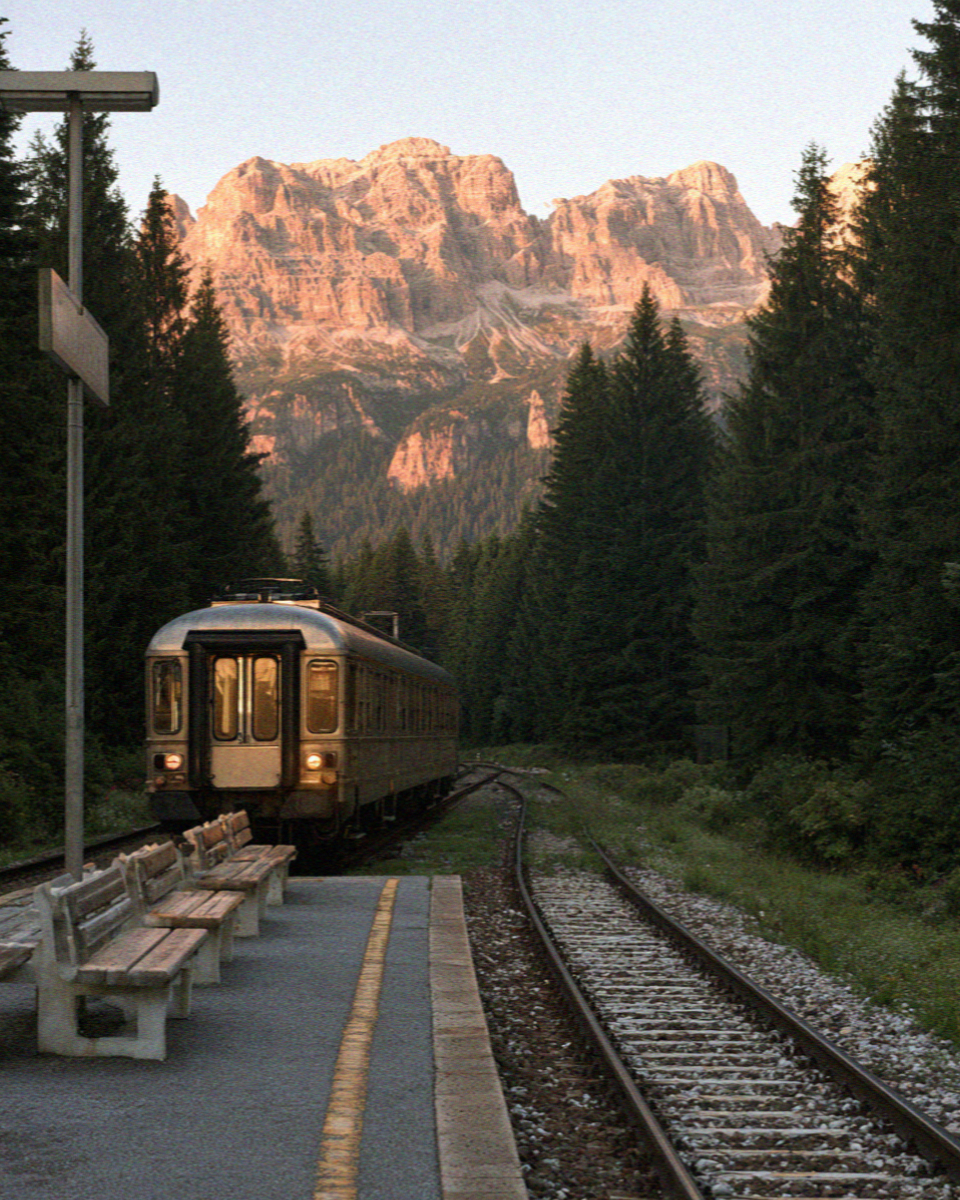
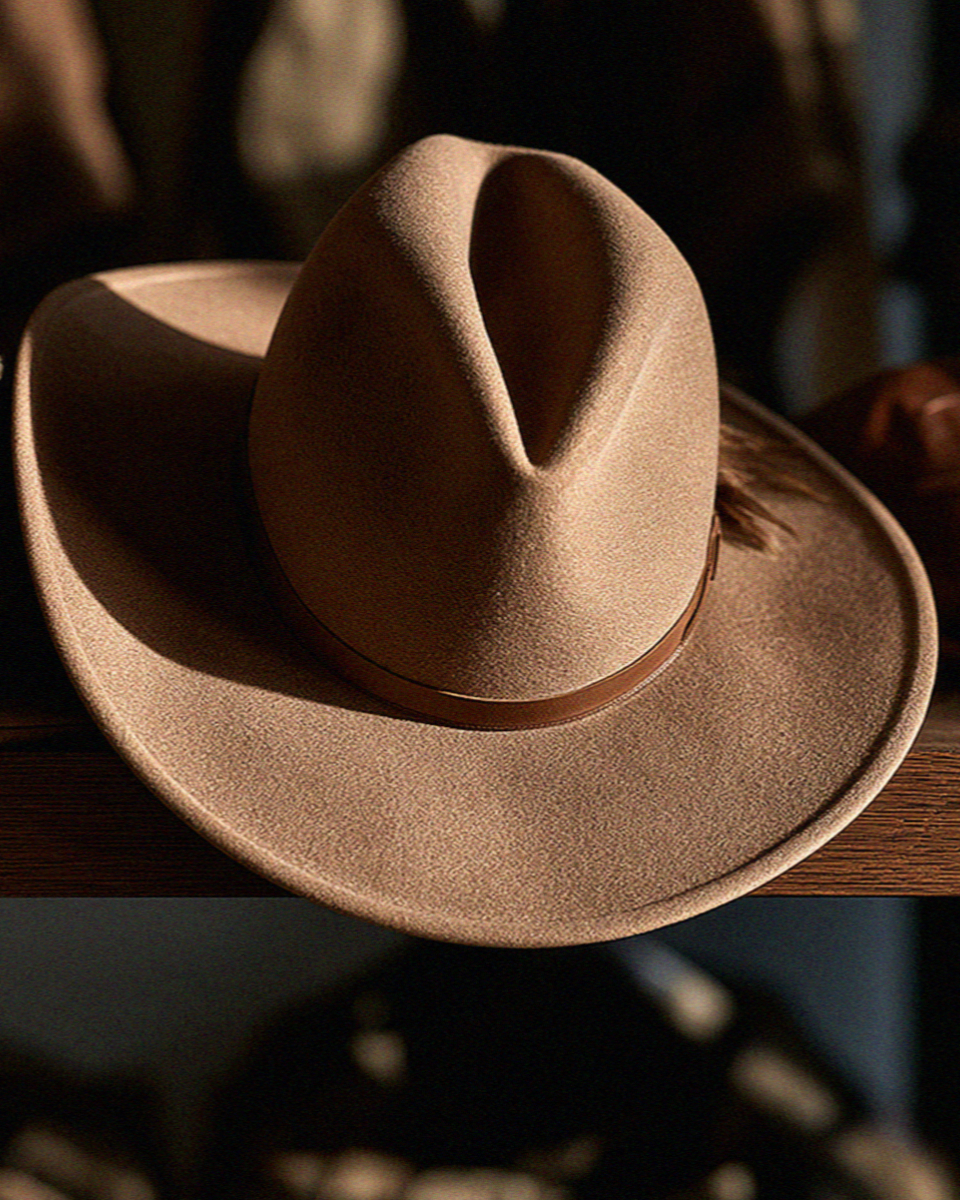
In the afternoon the weather did the kind thing and turned gold. I took a coffee at a little table on the Corso and simply watched the town pass, which is its own occupation and a full one. There were old men in good jackets and felt hats with little brushes tucked into the bands, children being escorted to the gelateria with great ceremony, and two nuns moving quickly while talking even faster.
A woman about my grandmother’s age passed my table, straight as a rail, and nodded to me as though she knew me. I nodded back. For a moment I had the lovely feeling of being mistaken for somebody who belonged here, and I did not mind it at all. That is the trick of a place like Cortina. For an afternoon, it allows you to pretend that you are not leaving in the morning.
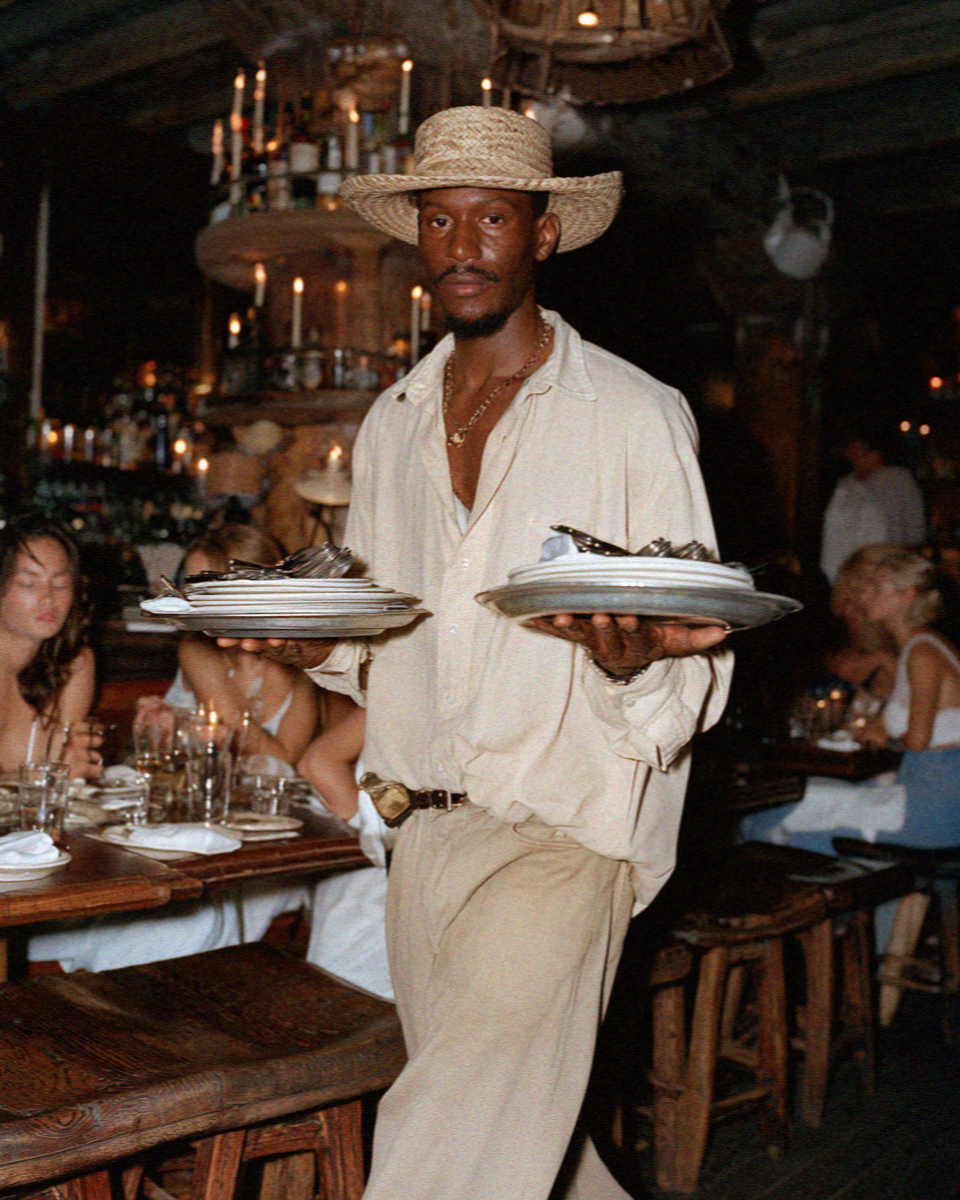
We had our last dinner in a low wooden room with a tiled stove in the corner and a waiter who had been doing the job for forty years. He made us feel as though he had been keeping the table for us all week. There is a particular sweetness to a last dinner that no first dinner can quite touch. Everything tastes faintly of the fact that there will not be another one tomorrow.
We ate slowly, drank a little too much wine from farther down the valley and told the stories of the week back to one another, already polishing them into the versions we would carry home. The lake became warmer. The rain became heavier. The path along the ridge became narrower than it had really been. This is how a journey begins turning into memory, while you are still inside it. By the time dessert arrived, I could feel the trip closing gently behind us, like a door in a warm house.
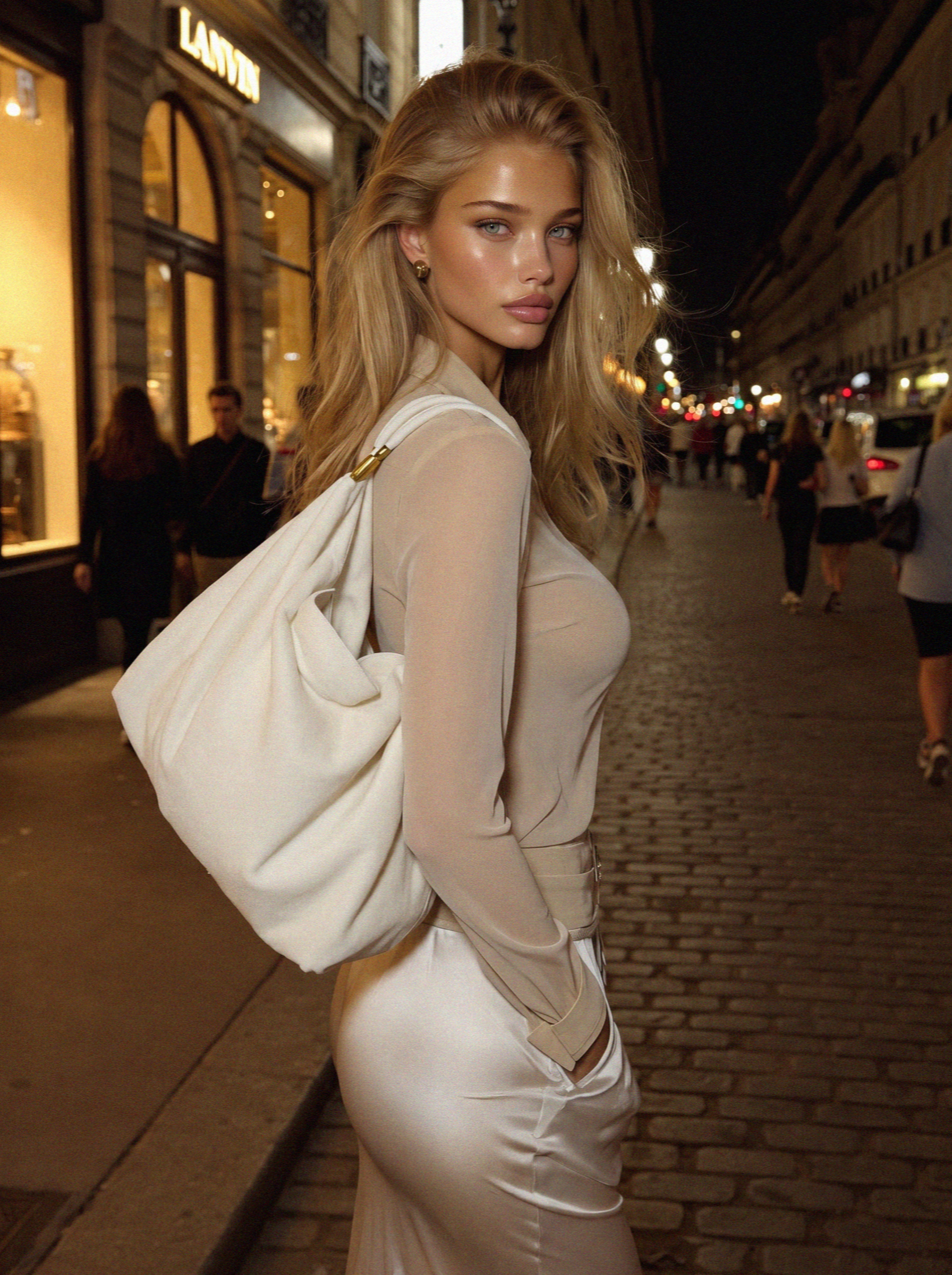
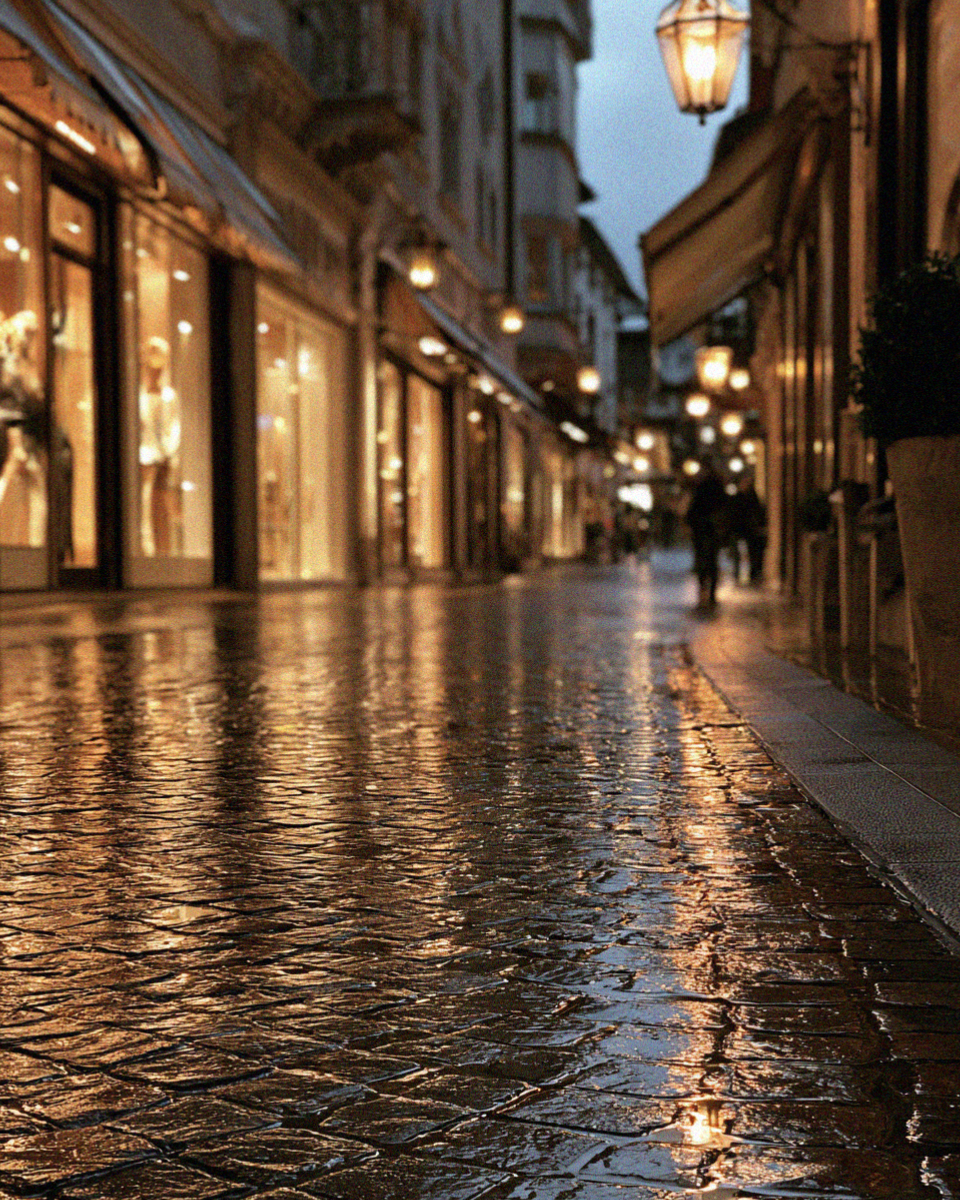
I walked back to the room alone and took the long way, following the Corso as it slowly emptied beneath the peaks. The mountains had gone black above the roofline, and the shop lights were coming on one by one, making little golden rooms of everything behind the glass.
I have never been good at leaving. I am the person who goes back for one more look, who waits too long on station platforms and has to be told twice that the boat is going. But somewhere along that walk, with the carved bird in my bag and the cold beginning to come down from the mountains, I understood that I was not truly leaving all of it behind.
You do not lose a place you have kept.
And I had kept this one properly, day by day: the warm lake beneath the Sciliar, the wet grass after the cloud lifted, the butter-yellow kitchen, the high ridge and now the last gold light along the Corso. I had kept them in the only way a place can really be kept, not by holding on to it, but by having been completely there while it was happening.
We leave by road at first light, down through the valleys to meet the train, and then onward into the ordinary noise of ordinary life, which I love too, in its way. But I will carry the mountains down with me, the whole ridiculous heap of them, and I suspect I shall be insufferable about it for weeks.
Ask me about the Dolomites. Go on. I dare you.
I will not stop until I have handed you the bird.
V.
More images from the Dolomites



This is the last of my Dolomites diaries. You can read them all, along with where to stay, the walks and the passes, in my complete guide to the Dolomites.