Some links in this guide are affiliate links. If you book through one, this site may earn a small commission, at no extra cost to you. How this works.
Syracuse is a small city with one enormous ancient site, one extraordinary building, and an island old town that quietly does most of the work.
Here is what to actually do, in the order I would do it. The wider planning is in my complete guide to Syracuse.
What to book before you come
Ortigia itself is free, and walking it is the best thing here. The things worth arranging in advance are the two you cannot do on foot: the sea, and the archaeology.
- The sea caves around Ortigia, by boat. An hour and a half around the outside of the island and into the caves under it, which is the only way to understand why anyone put a city on this rock in the first place. 4.8 from nearly three thousand people, and the most booked thing in Syracuse for good reason.
- A longer boat day, with lunch and swimming stops. Four hours instead of ninety minutes, for the afternoon when you have already done the ruins and the heat has won.
- The Greek theatre and the Neapolis, with a guide. The park is largely unlabelled and the quarries beside it are the more interesting half. Two hours with someone who can explain what you are looking at is the difference between a photograph and a morning.
- The Ortigia street food walk. Rated 4.9. Worth it on the first evening rather than the last, because it tells you which of the stalls in the market to go back to on your own.
The cathedral, the market, the Fonte Aretusa and the whole of the Ortigia waterfront are free and always will be.
1. The market, early
Six mornings a week, roughly seven until two, and Sunday it does not happen.
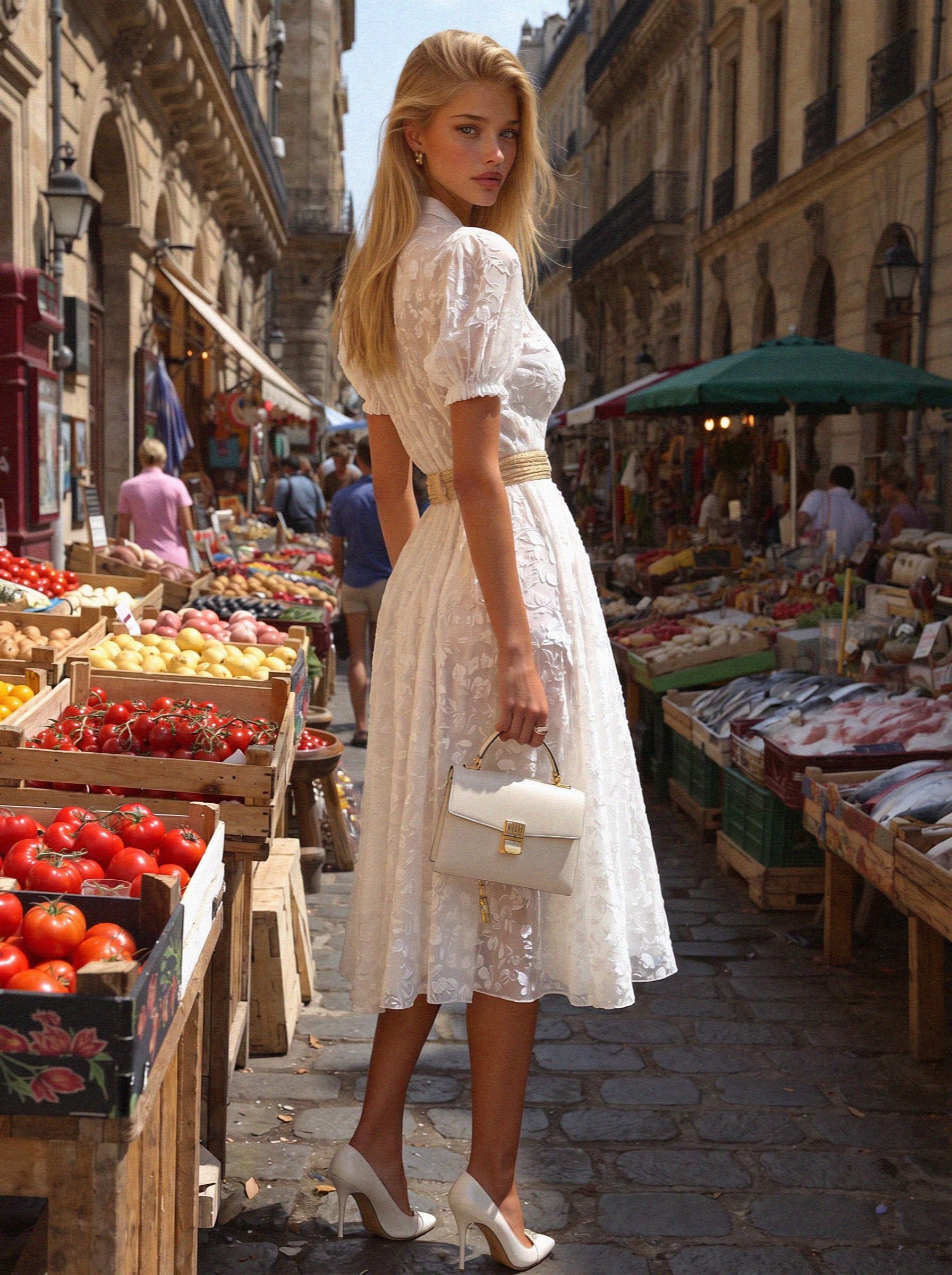
It is a working market rather than a spectacle laid on for anyone: crates of tomatoes and lemons on the pavement, whole swordfish on ice with the blade still on, scarlet red prawns which are the genuine local speciality and are eaten raw with lemon.
There is a cheese counter in the middle that builds a sandwich which has become mildly famous. It runs seven until four. Go before half past nine or after half past two unless you enjoy queueing. Say fai tu, let the man decide, and stand back.
2. The cathedral, which is a Greek temple
Two euros, twenty minutes, and it will reset your sense of the place.
A fifth century BC Doric temple that was converted to a church in the seventh century AD by walling up the gaps between the columns rather than knocking them down. The columns are still standing in the aisles. The Baroque façade is from after the 1693 earthquake and looks like a different building because it is.
Full version in my guide to the cathedral.
3. The archaeological park, at opening
The Greek theatre cut straight into the bedrock, the quarries that are now citrus gardens, and the tall keyhole cave with the acoustics.
Gates at half past eight, tickets from about twenty one fifty. There is no shade. Everything about this site is better before ten. The detail is in my guide to the archaeological park.
4. Walk the sea wall at seven in the evening
The eastern and southern edges of Ortigia are one continuous stone promenade with a low parapet.
Do it an hour before sunset. The light comes in sideways, the stone is still warm, and half the town is doing the same thing at the same unhurried pace. It is free and it is the best hour of the day here.
5. The fort at the point

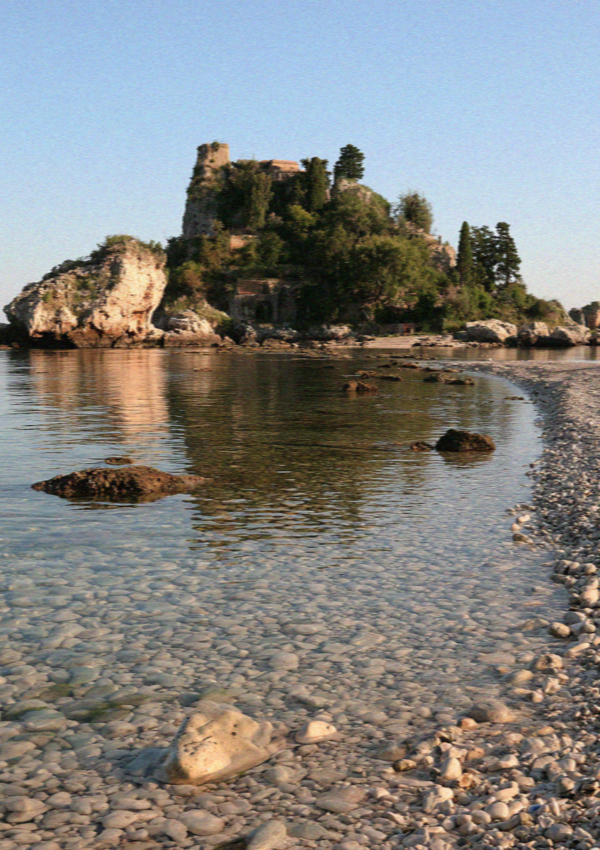
Castello Maniace sits on the very tip of the island. Thirteenth century, built under Frederick II, low and square and unapologetically military in a town made of curves.
Sea on three sides. The walk out along the wall is worth as much as the interior.
6. The freshwater spring with papyrus in it
A round stone pool on the western sea wall, ten metres from the salt sea, running fresh and full of papyrus.
It is one of the very few places in Europe where papyrus grows in the wild, and the spring is a large part of why anyone settled here in the first place. Free, four minutes, and pleasing out of all proportion to the effort.
7. Papyrus, which is a real thing here

Because the plant grows locally, Syracuse still has workshops making paper by hand the ancient way: splitting the stem into strips, laying them in a cross hatch, pressing until the plant’s own sap binds the sheet.
You can watch it done and buy a sheet for very little. It is the least embarrassing souvenir in Sicily.
There is also a small river just south of the city with papyrus along its banks, and you can take a slow boat up through the reeds for an hour.
8. Find the Caravaggio
The Burial of Saint Lucy, painted in Syracuse in 1608 while Caravaggio was on the run from a murder charge. Over four metres tall, very dark, strangely empty across the top third.
It hangs in Santa Lucia alla Badia on the south side of the cathedral square. Hours are irregular. Ask.
9. Sit in the cathedral square after dark
Not an activity. Still the thing most people remember.
The square is closed to cars, lit warm from below, and the town uses it every evening until midnight. Order something, take an hour, watch a small city enjoy itself.
10. Get out to a beach, if it is hot
Fontane Bianche for pale sand and shallow water, reachable by train. Plemmirio, a marine reserve on the headland, for rock ledges and clear water and snorkelling. Details in the best beaches near Syracuse.
What to skip
A guided tour of Ortigia. The island is a kilometre long. Walk it.
Driving anywhere on the island. You cannot, usefully.
Doing the archaeological park in the middle of the day. I have now said this three times and I stand by it.
The archaeological museum
Ten minutes from the park, and one of the most important collections in Italy for Greek Sicily.
A combined ticket with the park makes it inexpensive. It is a serious museum rather than a light one, so give it a wet morning or a separate day rather than the last hour of a hot one.
If it rains
Not common, but it happens between November and March.
The cathedral, the Caravaggio, the archaeological museum and the miqwe under the Jewish quarter are all indoors and all worth an hour. That is a full day without getting wet, which is more than most Sicilian towns can offer.
The boat, and the river of papyrus
Two different trips and both are short.
Around the island. Small boats run from the harbour and take about an hour, going out along the sea wall and around the fort. The point is seeing Ortigia as a solid wall of stone rising out of the water, which you cannot see from land.
Up the river. South of the city a small freshwater river runs down through beds of papyrus, and flat boats take you up through the reeds and back. It is slow, green and completely unlike the rest of Syracuse. An hour, and best in the morning.
Read also: Ortigia, the island old town, a Syracuse itinerary, and my complete guide to Syracuse.
Frequently Asked Questions
What is Syracuse best known for?
Being the most powerful city in the Greek world for a period, and the physical evidence of it: a Greek theatre cut into the rock, ancient quarries, and a cathedral built inside a fifth century BC temple to Athena. The island old town of Ortigia is the other half of its reputation.
What can you do in Syracuse in one day?
The market in the morning, the cathedral, then the archaeological park, then the sea wall at the end of the afternoon. It is a full day and it means visiting the park in the heat, which is why two nights is a better plan.
Is the archaeological park or Ortigia better?
Ortigia, if you only have time for one, because it is where the town actually lives. The archaeological park is the more significant site historically but it is a two hour visit, while Ortigia is where you eat, walk and spend the evening.
Is Syracuse good for families?
Yes. The old town is small, traffic free in most of it, and the cathedral square is effectively a large playground in the evening. The sandy beaches south of the city are shallow and calm, and the archaeological park holds children’s attention better than most ruins because of the caves.
Do you need to book anything in advance in Syracuse?
Rarely, except accommodation in high summer and tickets for the classical drama season at the Greek theatre in May and June. The cathedral, the market and the sea wall need no planning at all.
V.