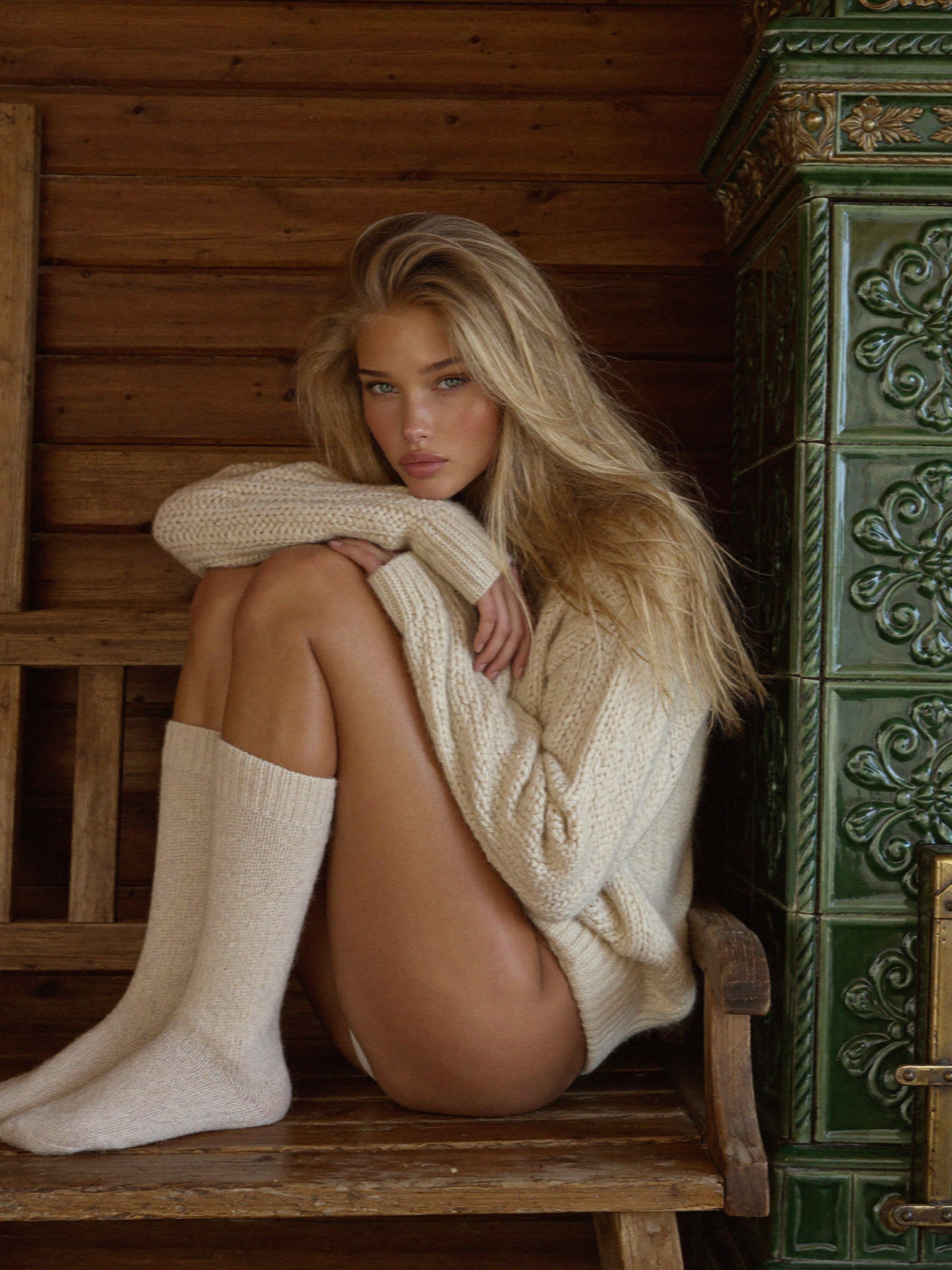
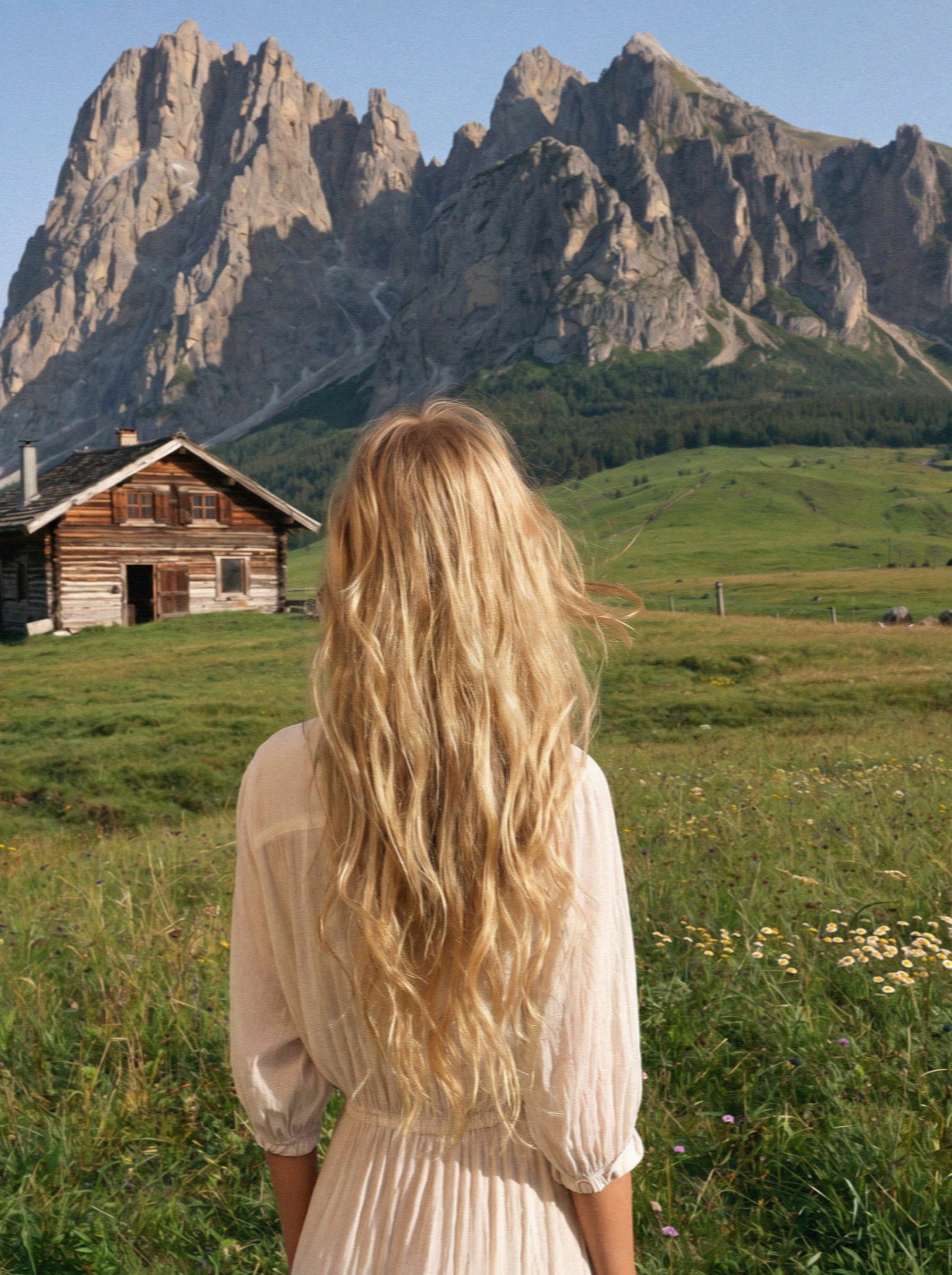
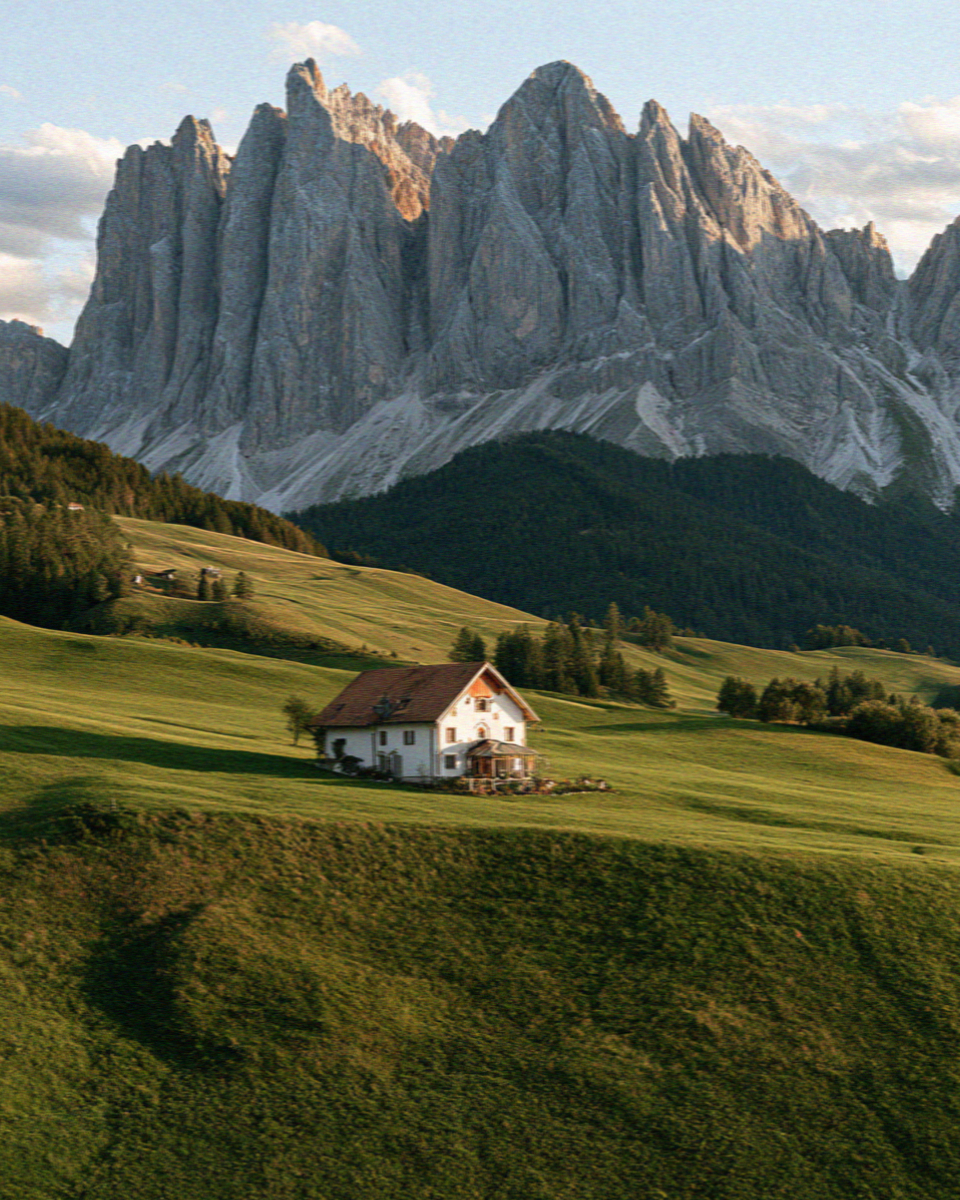
We took a house for a stretch of the Dolomite days, an old South Tyrolean maso high on the meadows with the peaks standing over it, and I understood almost at once that we had been doing the trip backwards. You come to these mountains to be out in them, on the lifts and the trails and the high passes, and you should; but the truest way to know a place like this is to keep house in it for a day, to wake in it and cook in it and let the rain shut you inside with it, and only then step out. So on the third day, when the cloud came down and sat on the meadow, we did not fight it. We stayed home.
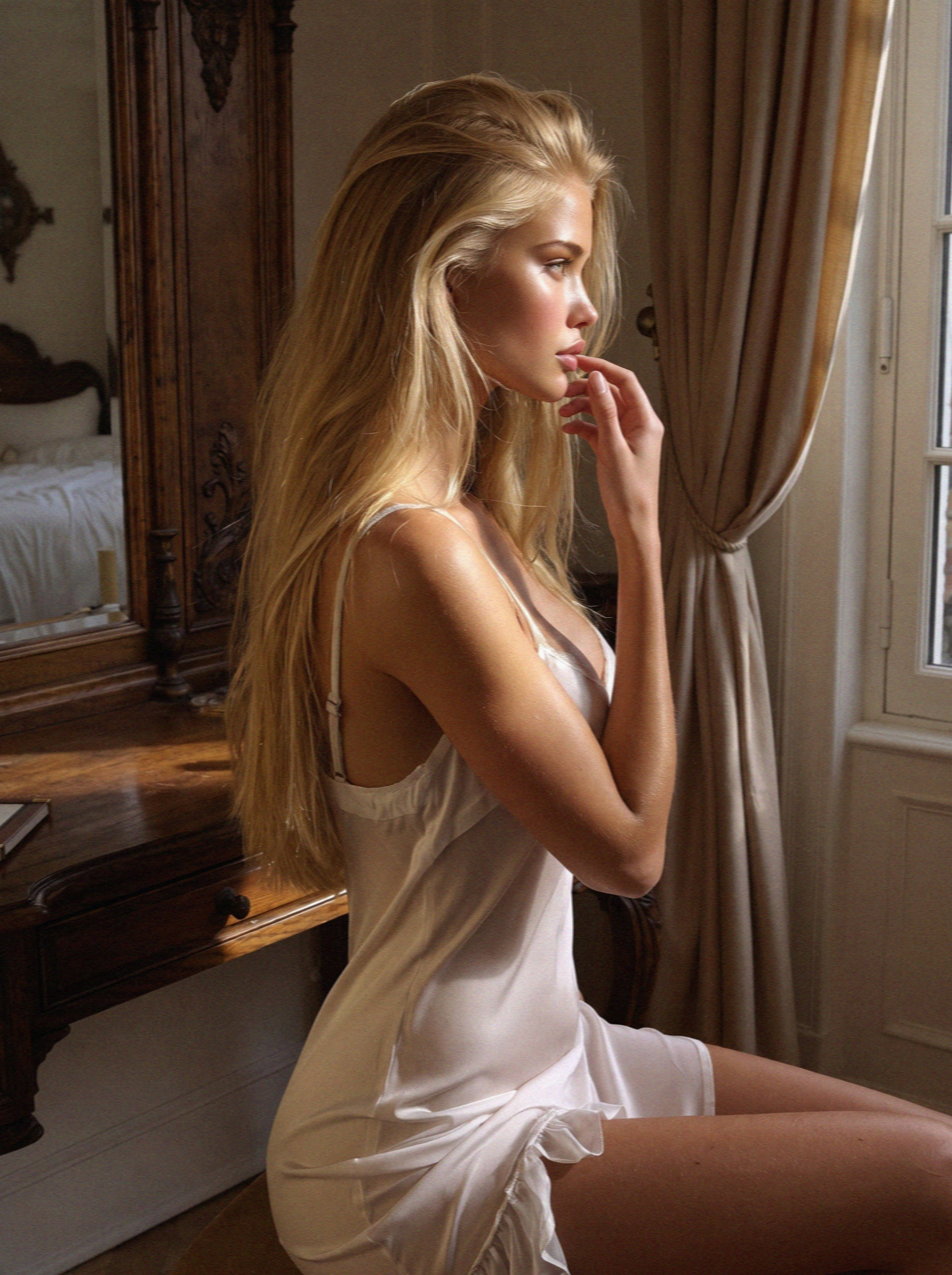
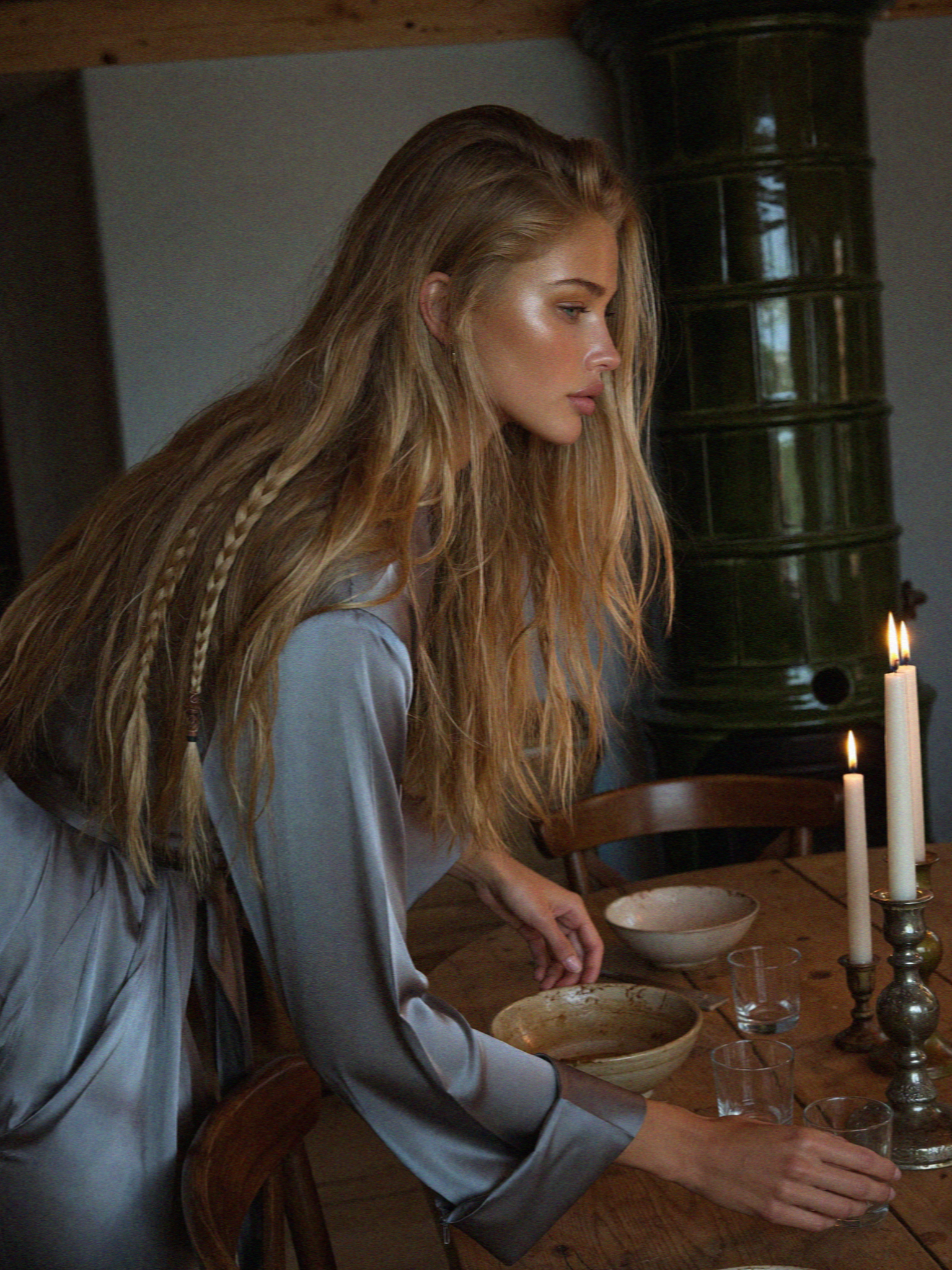
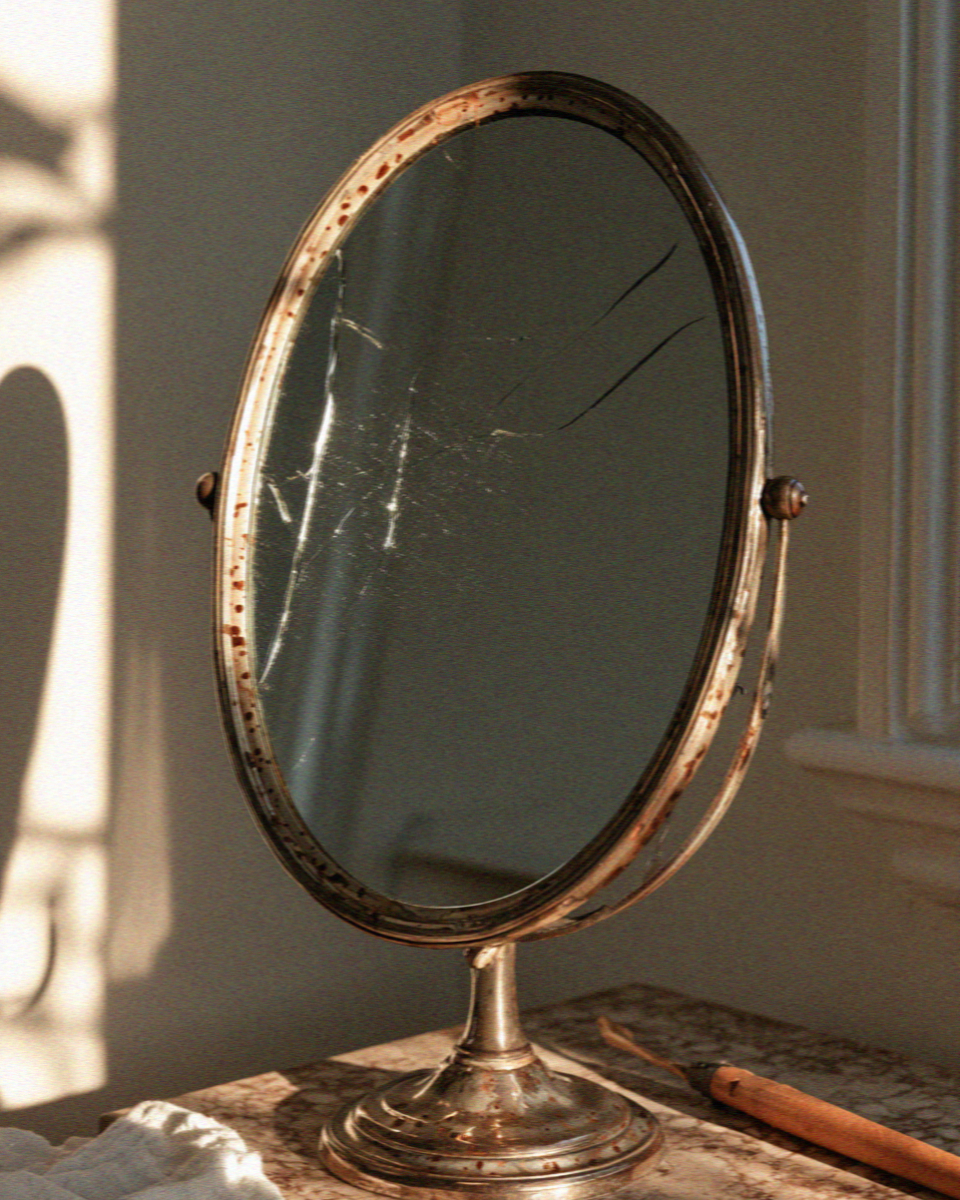
The house had been lived in for a couple of hundred years and it wore every one of them well. Thick white walls, small deep windows, floors of wide wooden boards worn pale, and that particular hush that old stone and old timber make together. I slept late and badly and wonderfully, the way you only can under an unfamiliar roof, and lay a long time in the carved wooden bed watching the light come grey and then silver through the little window, the mountains somewhere out there behind the cloud. There is a dressing mirror in the room, spotted with age, and I sat in front of it for a while doing nothing much, the way my grandmother used to, brushing out my hair in the cold morning light with the window open on purpose because, as she always said, the air makes the house feel alive.
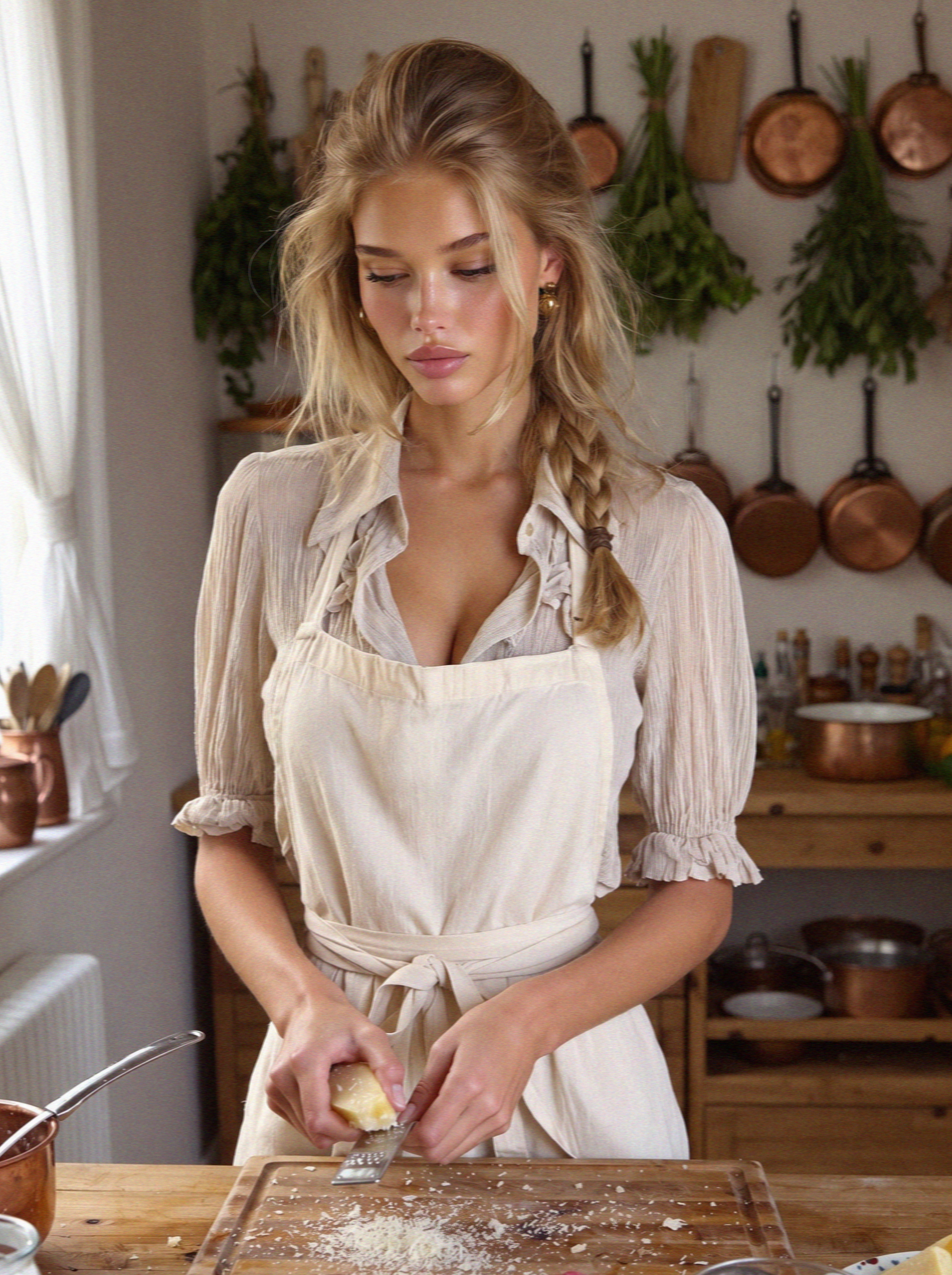
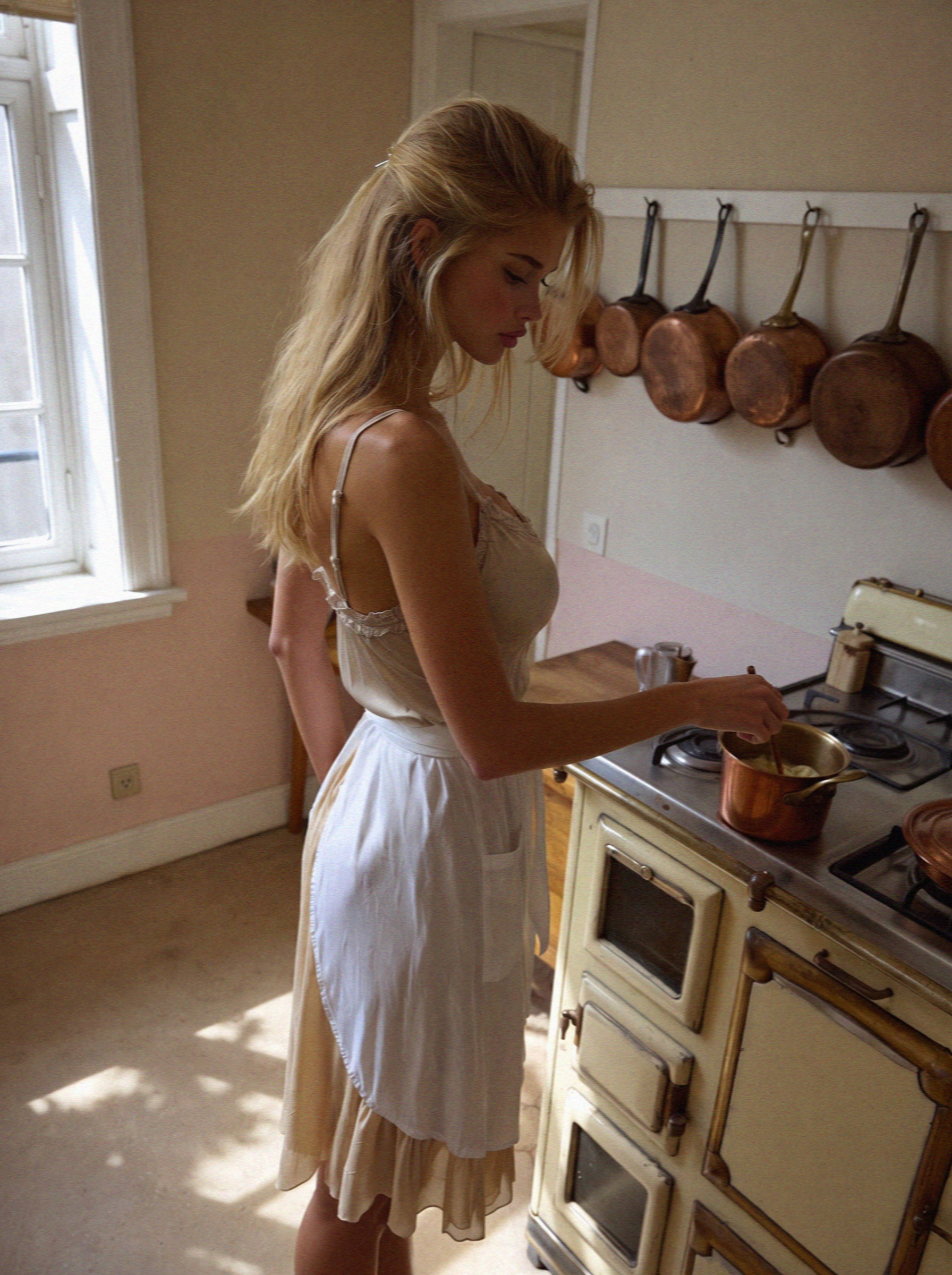
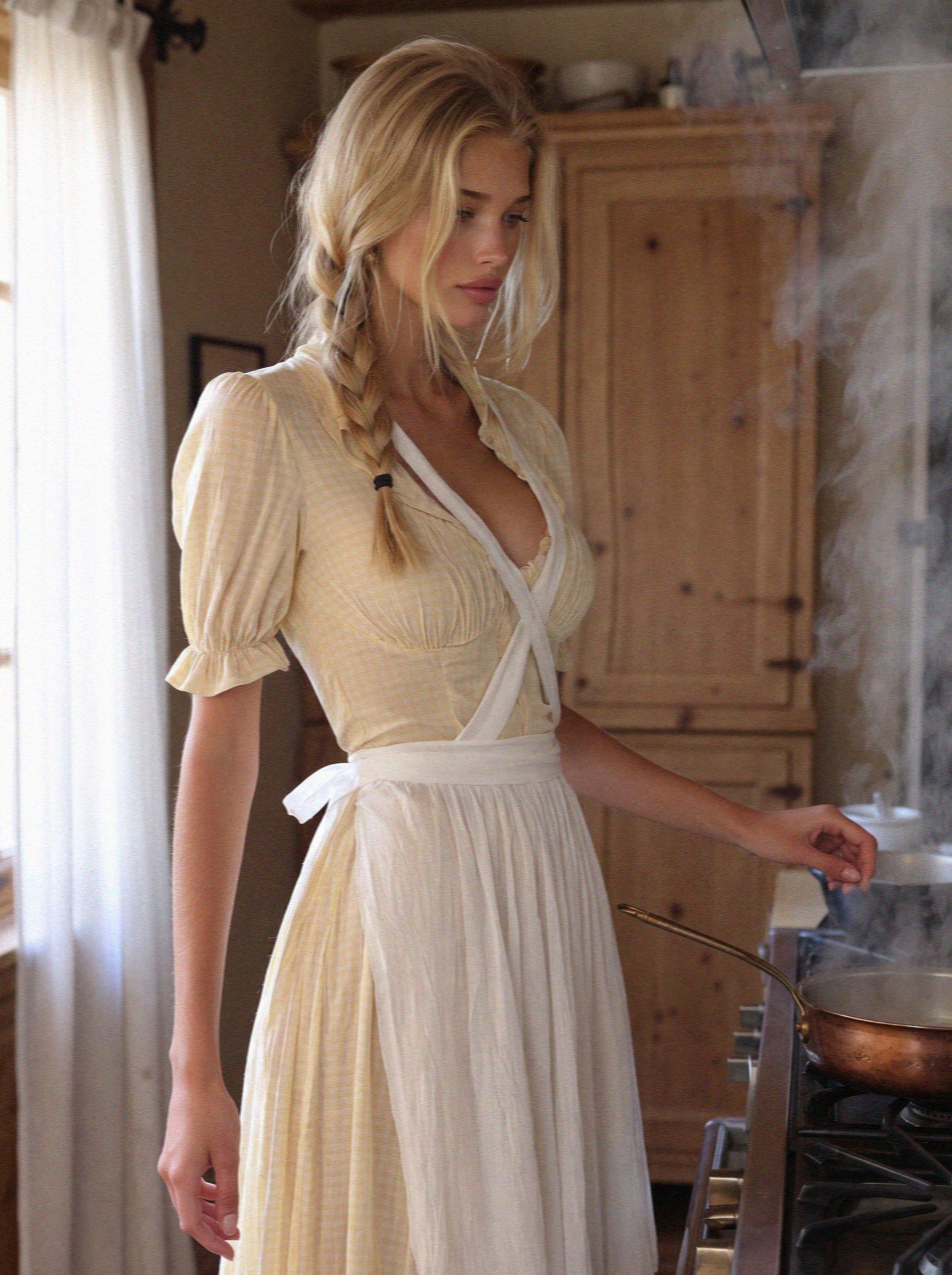
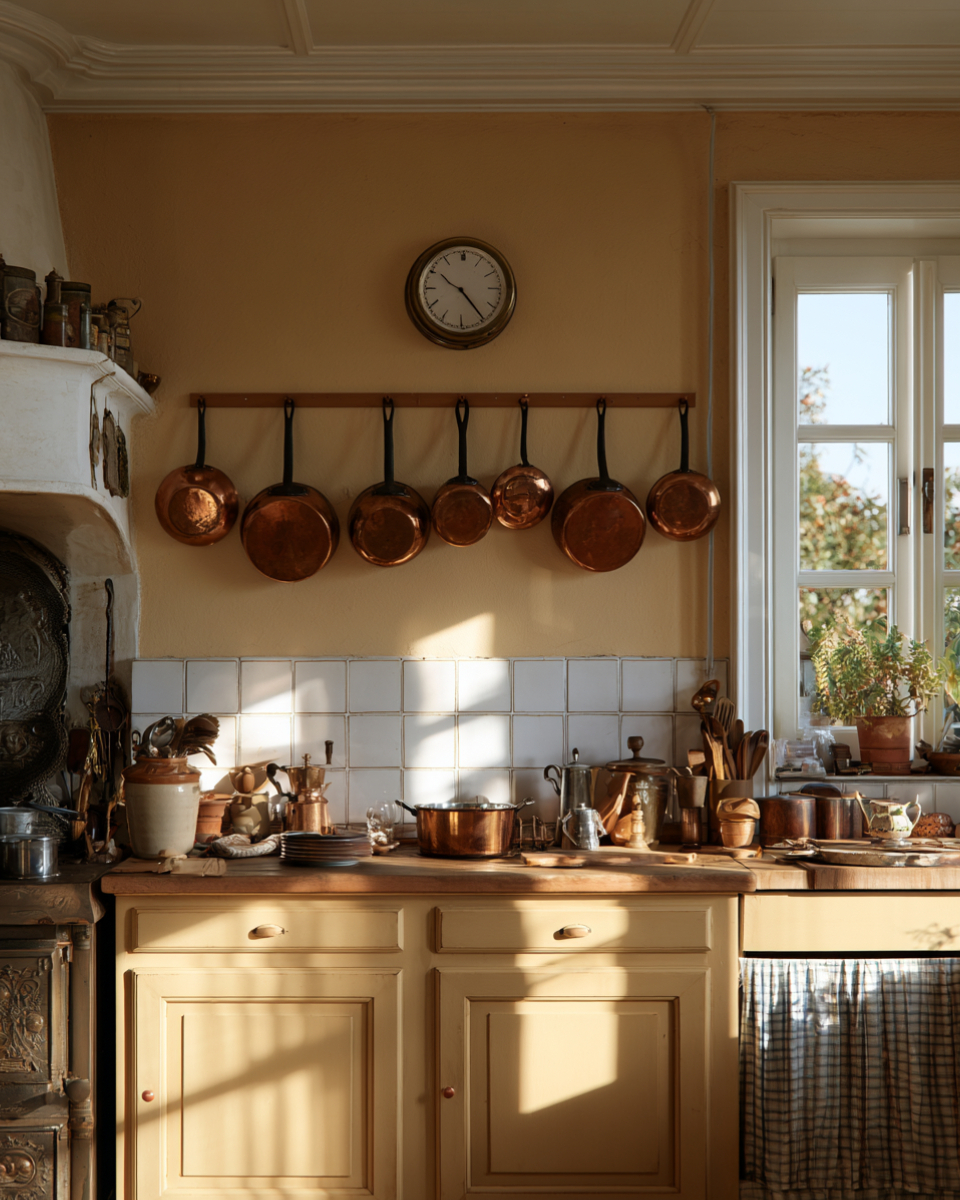
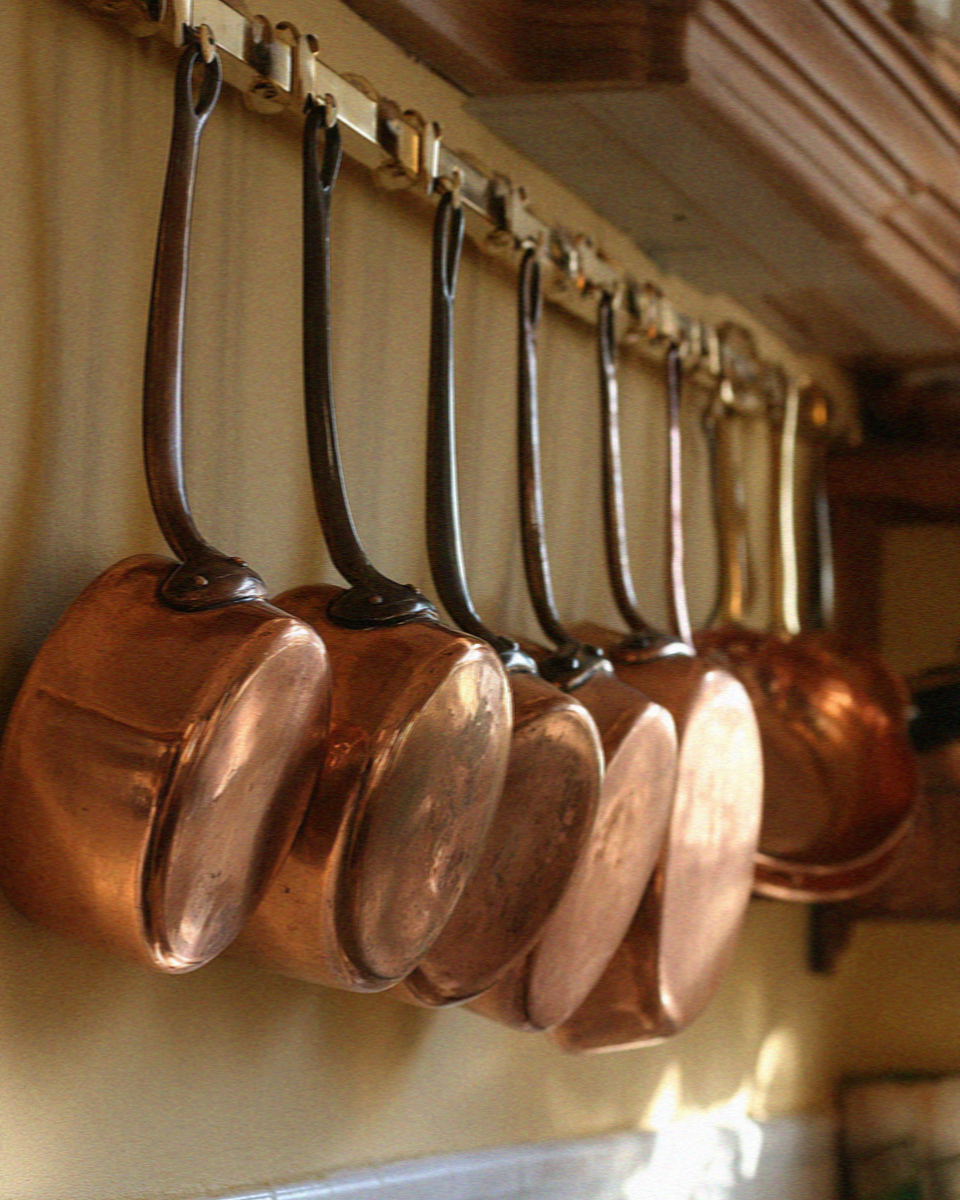
The kitchen was the heart of it, and it undid me a little, because it was my grandmother’s kitchen almost exactly, only moved north and painted a deep buttery yellow. Copper pots and pans hung in a row on the wall, graded by size, blackened underneath and shining on top; there was a wood stove, an enamel coffee pot, a string of dried things by the window. I found an apron on a hook, a plain white one, and put it on over a yellow dress without quite deciding to, and spent the whole grey middle of the day cooking, badly and happily, things I half remembered and half invented. Nobody who grew up in a kitchen like that ever really leaves it. You can be a grown woman in a rented house in a foreign country and still, with a wooden spoon in your hand and the rain on the glass, be eight years old and underfoot and perfectly content.
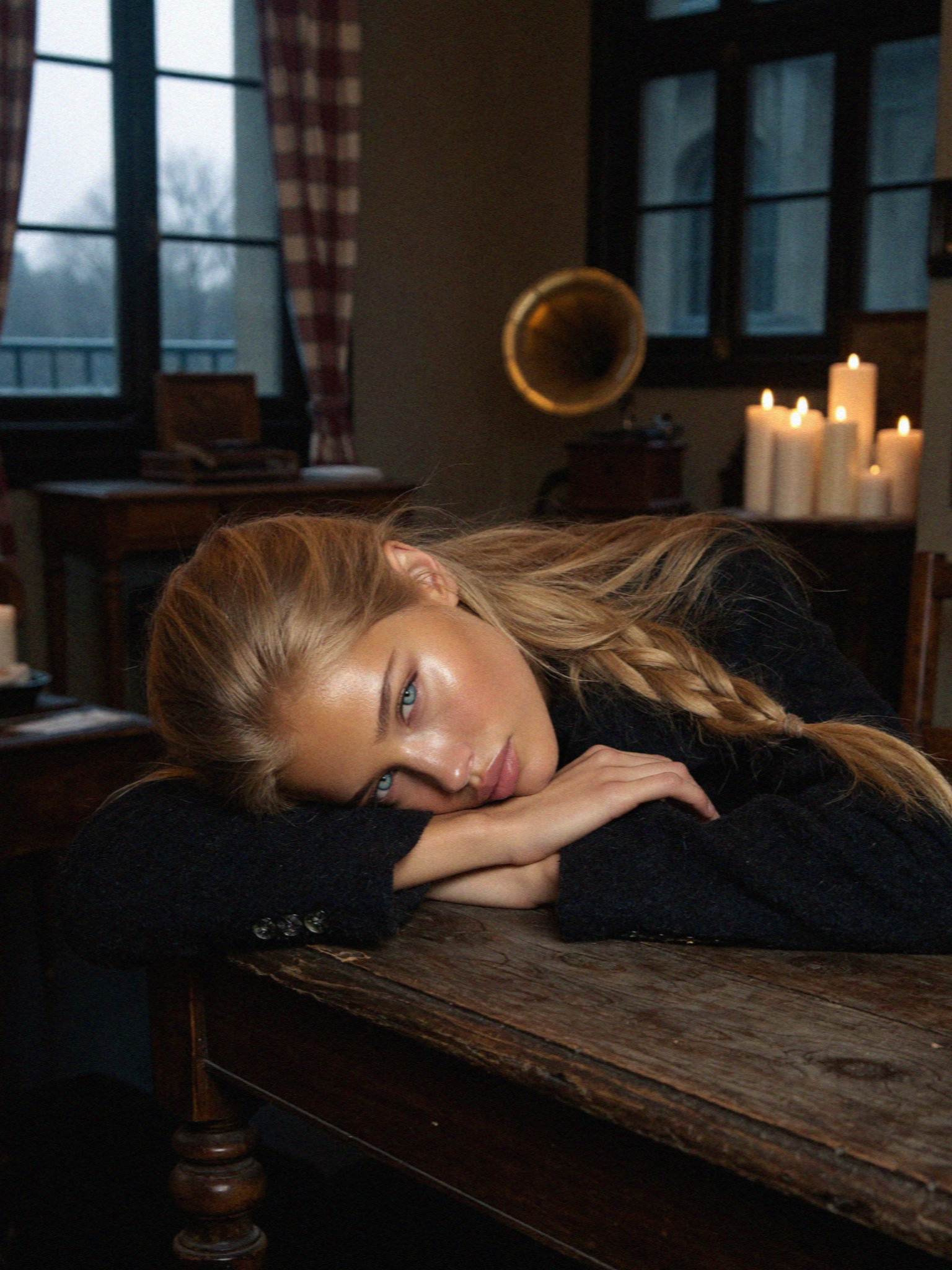
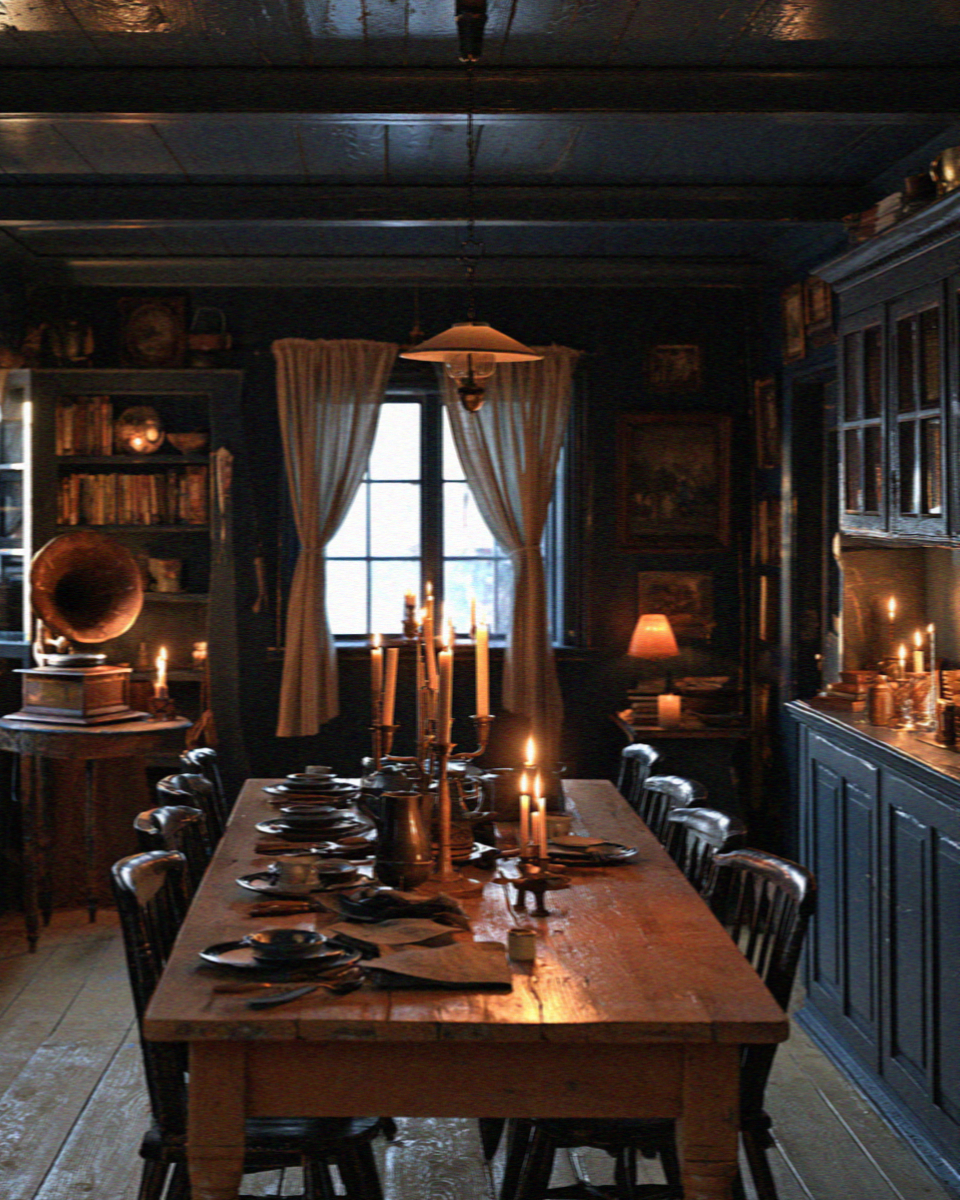
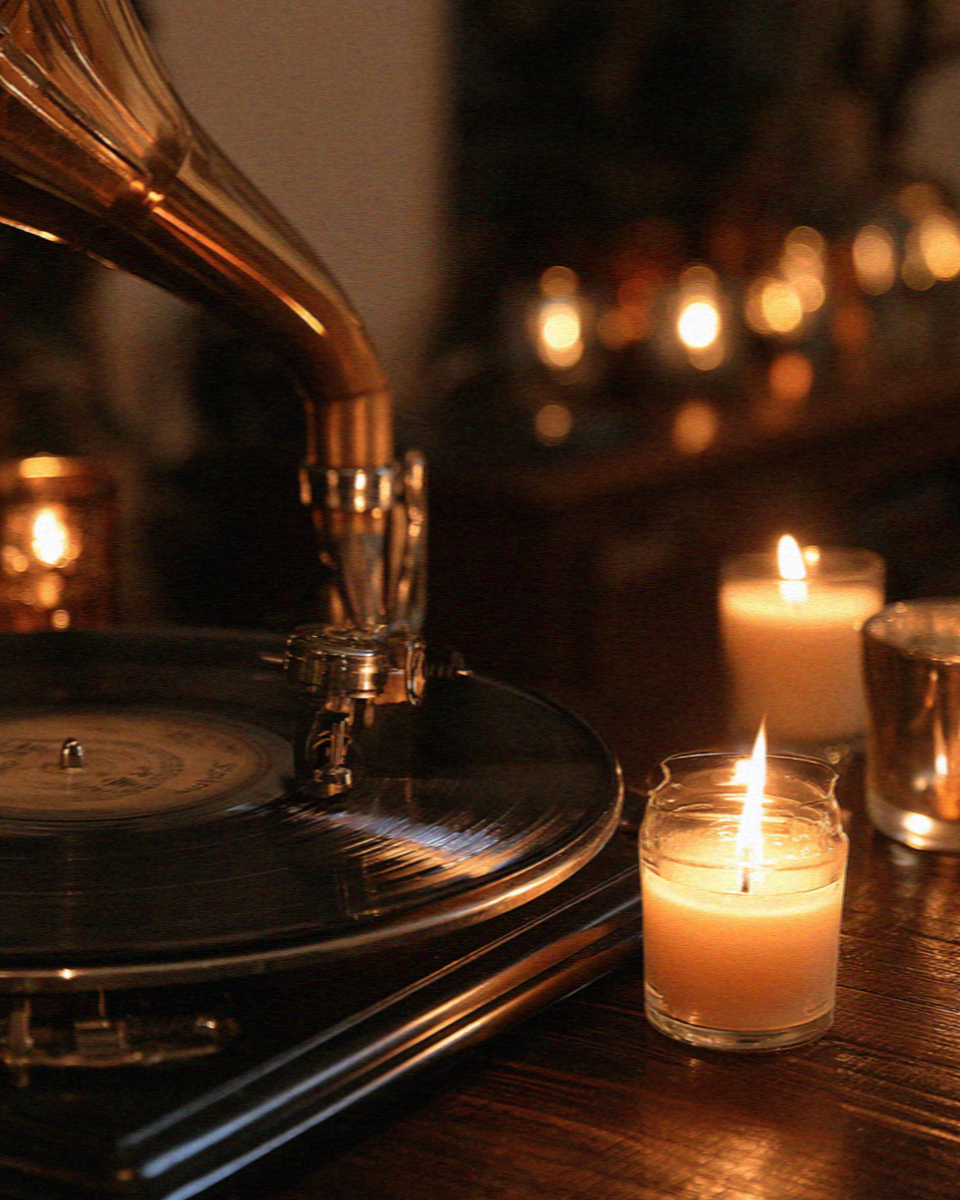
The others came and went, drawn in by the smell the way people always are, and the photographer stood in the doorway for a while not taking anything, just watching the light fall through the steam, which is the highest compliment he pays a room. We ate late, in the dining room, and this was the part I will keep. It is painted a soft, deep blue, that room, blue as a dusk, with a heavy wooden table and a bench along the wall, and as the last light went we lit candles rather than lamps and let the room sink into that low gold. Someone had found a phonograph on a side table, a real one, with a horn, and a small stack of scratched records, and we played them low all evening, the sound coming warm and furred and imperfect across the room. Wine, and the blue walls going almost black at the edges, and a voice from before any of us were born singing something in a language none of us knew. I have eaten in grander rooms. I am not sure I have been happier in one.
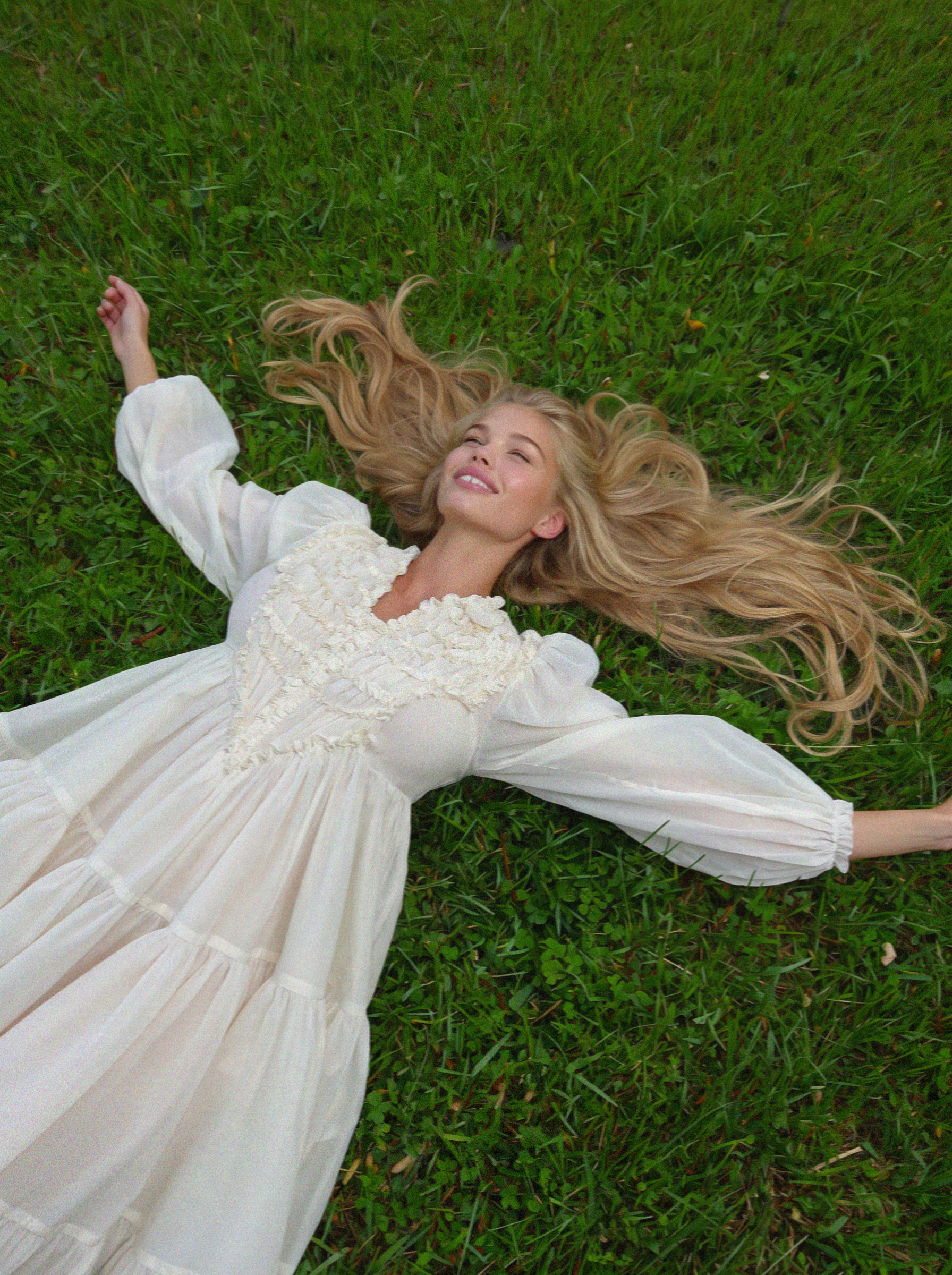
Late on, the cloud lifted the way it does in the mountains, all at once and without apology, and we went out into a washed, cold, clear evening with the peaks suddenly there again, close and pink at their tops. The meadow was soaked and smelled of everything at once. I did the thing you are not supposed to do in a good dress and lay straight down in the wet grass and looked up, and the sky went from that impossible blue to the first stars while I lay there getting cold and not caring, the house glowing yellow behind me across the field. From flat on your back a mountain is even bigger. From flat on your back a whole trip rearranges itself, and you see that the day you thought you had wasted indoors was the one you will actually remember.
I have been trying to work out, this whole week, what it is these mountains do to me, and I think it is this. They make you want to keep things. Not to see them, to keep them, the way you keep a house rather than merely staying in it, the way my grandmother kept her kitchen and her cold morning air and her one saying about the women who come after you. A place you have only looked at, you forget. A place you have cooked in, and eaten in by candlelight, and lain down in the wet grass beside, you carry off whole. And we are not leaving yet. There are more days up here still to come, more of the meadow and the high passes and this house that has already half adopted me, and I mean to keep every one of them the same way. The apron is on its hook by the stove, waiting for tomorrow, and so am I.
V.
More images from the Dolomites

This is the third of my Dolomites diaries. You can read them all, along with where to stay, the walks and the passes, in my complete guide to the Dolomites.