Syracuse is made of pale honey limestone, and pale honey limestone does something at the end of the day that no amount of planning can improve on.
That is most of what you need to know. The town photographs well from about an hour before sunset until the lights come on, and badly at noon in July when the same stone throws hard white glare back at you. Here is where to be, and when. The wider planning is in my complete guide to Syracuse.
The sea wall at golden hour
The eastern and southern edge of Ortigia is one long stone promenade with a low parapet, and it is the best single hour of photography in the city.
Come about an hour before sunset. The light arrives sideways off the water and the buildings behind you go gold and then briefly pink. The parapet gives you a clean foreground line and the water gives you the rest.
Where exactly. Anywhere along it works. The stretch near the freshwater spring on the western side is where the sunset actually is; the eastern side gets the warm light on the buildings instead, which is often the better picture.
The cathedral square, twice
Once in the late afternoon and once after dark, and they are different photographs.
Late afternoon. The façade is west facing enough to catch low sun, and the square empties briefly between the day trippers leaving and the town coming out. That gap, roughly six to seven, is the cleanest you will get it.
After dark. Lit warm from below, the paving reflecting, and the sky still deep blue for about twenty minutes after sunset. That blue hour window is short and it is the strongest image in Syracuse.
Tripods are fine. The square is traffic free.
The island from the water
The best wide shot of Ortigia is not available from the island.
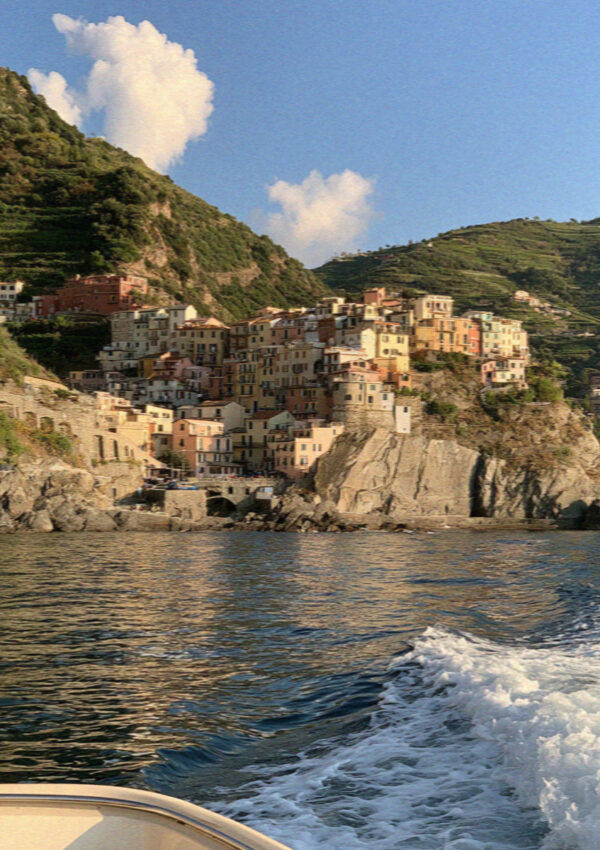
Take one of the small boat tours that run around the island from the harbour, or the trip up the river, and shoot back at the town: a solid wall of honey stone rising straight out of the sea with no beach and no gap.
Morning light is on the eastern side, so an early boat gives you the front lit version.
The rooftops at dusk

Any roof terrace on the island, and a number of hotels have one.
You get terracotta and pale stone stacked tight, domes and bell towers pushing up out of it, and the flat dark sea beyond. Dusk is the moment, when the roofs still hold colour and the first lights come on below.
If your hotel does not have a terrace, a drink at one that does is the standard workaround and nobody minds.
The narrow lanes, in the morning
Ortigia’s lanes run mostly north to south and they are deep, so for most of the day they are in flat shade.
The exception is early. Between about seven and nine the sun gets down into some of them at an angle and you get a hard bright wedge of light on one wall with the rest in shadow. That is the shot, and it is only available for an hour or so.
It is also the only time the lanes are empty.
Look up, constantly

The single most overlooked subject here is four metres above your head.
The Baroque balconies on Ortigia sit on carved stone brackets, and the brackets are faces: grotesques, lions, cherubs, things that have been weathered into something stranger than they started. They are on a good proportion of the buildings and almost nobody photographs them.
Hard raking afternoon light is what you want, because the carving needs shadow to read at all.
The archaeological park, at opening
The white limestone tiers of the Greek theatre are impossible at midday and lovely at half past eight.
The other shot there is the tall keyhole cave, which needs you to expose for the bright opening and let the interior go black, rather than the other way round.
The quiet ones
The freshwater spring with papyrus, mid morning, when the light is on the water rather than behind it.
The bridge at dawn, looking across at the island with the fishing boats moored below.
The fort at the point, late, when it is a silhouette against a bright sea.
What not to bother with
The cathedral interior. It is dark, it is a working church, and the columns that make it extraordinary are hard to photograph in a way that shows what they are. Look with your eyes.
The main street. Busy, narrow, and visually cluttered.
Anything at midday in July. The contrast is brutal and the stone glares.
A one day shot list, in order
If you have a single day and want the pictures, do it in this sequence.
Seven thirty. The lanes, while the sun is low enough to reach into them and before anyone is about.
Eight thirty. The bridge and the boats, looking across at the island.
Nine. The market, which is a people and colour subject rather than an architecture one.
Late morning. Skip. The light is flat and hard and you are better off having lunch.
Six. The carved balcony faces, which need raking light to read.
Seven. The sea wall.
Eight thirty. The cathedral square, blue hour, tripod out.
Practical notes
A wide lens earns its place here more than a long one. The lanes are narrow and the square is big.
Expose for the stone, not the sky. Pale limestone under a Sicilian sun will fool most meters into underexposing everything else.
The blue hour is short. Perhaps twenty minutes after sunset before the sky goes black and the contrast with the lit facades becomes unmanageable. Be set up before it starts.
Drones: restricted over the historic centre and around the archaeological park. Check before you fly rather than after.
Read also: Ortigia, the island old town, the best time to visit Syracuse, and my complete guide to Syracuse.
Frequently Asked Questions
Where are the best photo spots in Syracuse?
The Ortigia sea wall at golden hour, the cathedral square during the blue hour after sunset, the rooftops from a terrace at dusk, and the narrow lanes between seven and nine in the morning when the sun reaches down into them. The island seen from a boat is the best wide shot.
What is the best time of day to photograph Ortigia?
The hour before sunset and the twenty minutes after it. The stone is pale honey limestone, which turns gold and then pink in low light and glares badly under a midday sun. Early morning is the other good window, particularly for the lanes.
Can you use a tripod in the cathedral square in Syracuse?
Yes. The square is pedestrianised and there is no restriction on tripods in the open air. Inside the cathedral itself, as with any working church, be discreet and check the posted rules.
Where can you photograph Ortigia from above?
From a hotel roof terrace on the island. Several have them, and having a drink at one that does is the usual approach if your own accommodation does not. Dusk is the moment, when the roofs hold colour and the lights come on below.
What is the most photographed thing in Syracuse?
The cathedral façade on the square, followed by the freshwater spring with papyrus growing in it on the sea wall. The most overlooked subject is the carved stone faces holding up the balconies, which are on buildings all over Ortigia.
V.