The best time to visit Cagliari is late March to June, or September to November. May and June are the best months for the city itself. September and October are the best for swimming, because the sea here holds its heat far longer than the air does.
That is the short answer. The longer one matters, because Cagliari has a proper shoulder season at both ends and the difference between coming in June and coming in August is not marginal. It is a different trip.
The quick version, month by month
- March and April. Cool, green, cheap. The island is still in flower and the light is beautiful. Too cold for the sea for most people.
- May. Highs around 20 to 25C, sea around 19C. Swimmable if you are hardy. The city is at its best and Sant’Efisio is on the first.
- June. Up to about 26C, sea warming, everything open, crowds still manageable. Arguably the ideal month.
- July and August. Hot, full, expensive. The beaches are busy, the car parks fill by mid morning, and the upper town in the afternoon is punishing.
- September. Highs around 24C and the sea at its warmest of the year. My pick.
- October. Air cooling, sea still 21 to 23C. Half the concessions start shutting but the swimming is excellent.
- November. Quiet, mild, occasional heavy rain. A city break rather than a beach trip.
Spring, which is the other answer

If you are not here to swim, come in spring.
The headlands around the city are covered in wildflowers and low aromatic scrub, the grass is still green before the summer burns it to gold, and you can climb the Devil’s Saddle at midday without suffering. Room rates are lower, restaurants have tables, and the archaeological sites are quiet enough to have to yourself.
The catch is the water. In April it is genuinely cold and in May it is a decision rather than a pleasure.
The first of May, and whether to be here for it

Sant’Efisio is the biggest thing that happens in Cagliari all year, and it happens on 1 May.
The statue of the saint is carried out of the city in a gilded carriage drawn by oxen, escorted by thousands of Sardinians in traditional dress and by decorated ox carts from villages all over the island. It travels to Nora and back, a round trip of about 65 kilometres, on foot, over several days. It is one of the longest processions in Italy and it has run annually since the seventeenth century.
The costumes are the extraordinary part: every village has its own, and this is the one day they are all in the same street.
Practically, it means the city is full. Rooms are booked months out and priced accordingly, and the centre is closed to traffic. So decide deliberately. Either come for it and plan far ahead, or plan around it. What you should not do is arrive on 30 April by accident.
Summer, honestly
July and August are the months everybody comes, and I understand why: school holidays and guaranteed heat. But this is the version of Cagliari I would not choose.
The upper town is limestone and it radiates. The beach car parks at Villasimius and Chia fill by mid morning and the fines at the popular ones are enforced. Restaurants in Marina need booking. Room rates roughly double.
If you are coming in August anyway: start early, take the long afternoon off the way the city does, and go back out after eight. Fighting the rhythm here does not work.
October, and the shoulder
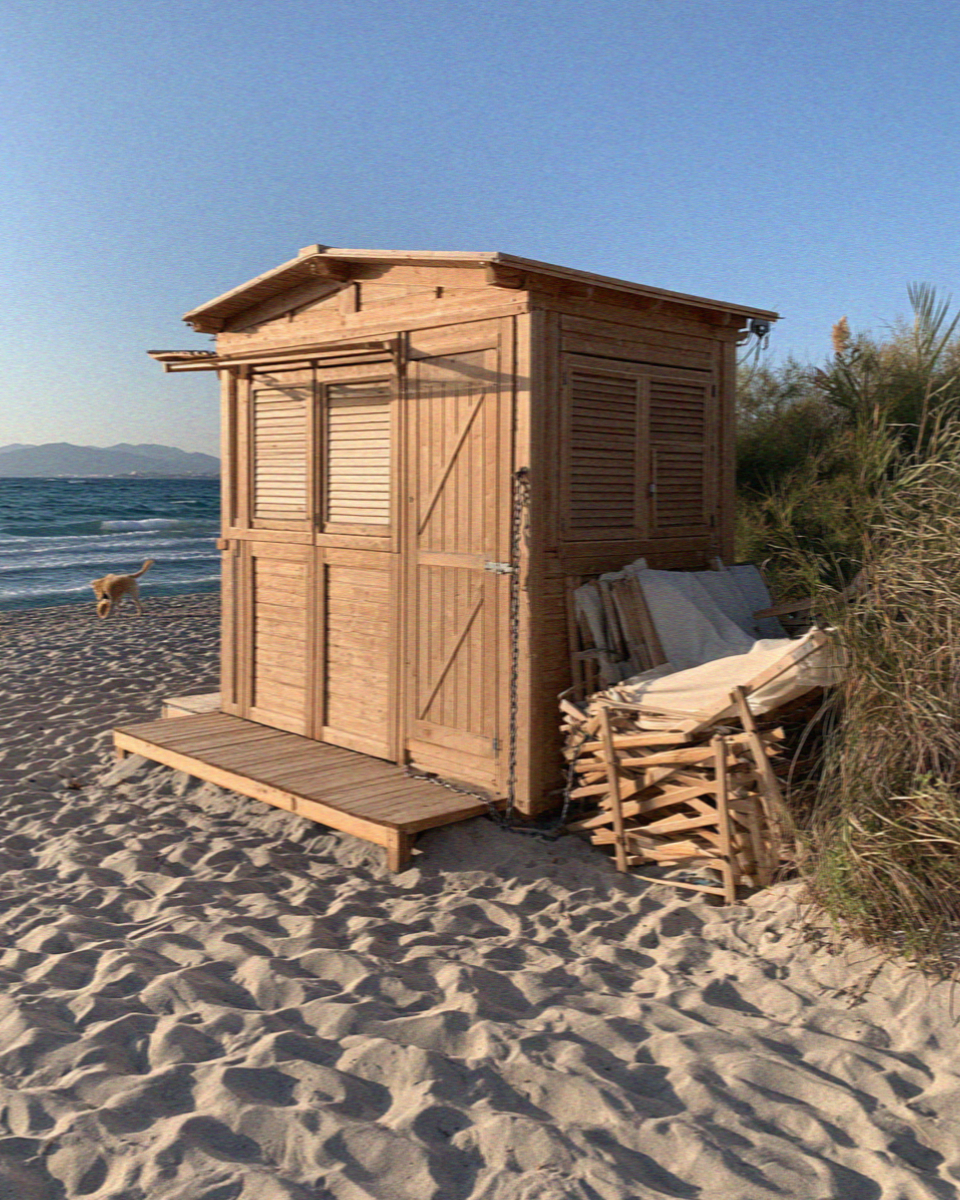
October is the underrated month and it is the one I would recommend to anyone without school-age children.
The sea sits at 21 to 23C, which is warmer than the English Channel in August. The city empties. Prices fall. The light gets long and low and flatters the limestone.
The trade-off is that the coast starts to close around you. Beach concessions shutter, some of the seasonal places out at Villasimius and Chia stop for the year, and a few restaurants take their annual break. In the city itself almost everything stays open, so this affects beach days more than it affects Cagliari.
What the weather actually does
Cagliari is one of the driest and sunniest cities in Italy. Rain, when it comes, arrives in short heavy bursts in late autumn and winter rather than as drizzle. Summers are hot and dry with sea breezes on the coast that make Poetto more bearable than the inland plain.
The wind is worth knowing about. The mistral can blow hard for days at a time, especially in spring and autumn, and it can make a beach day unpleasant and a boat trip impossible while the sun is still shining. It is not a reason to change your plans, but it is a reason to keep them flexible.
The wind, which nobody warns you about
The mistral is the piece of information that changes plans here, and almost no seasonal guide mentions it.
It blows from the northwest, it can run hard for two or three days at a time, and it is most common in spring and autumn. The confusing part is that it arrives under a clear blue sky. You look out of the window, see perfect weather, drive an hour to a beach and find sand moving horizontally across it.
What it affects:
- Exposed west and south coasts, including Chia, which becomes unpleasant.
- Boat trips, which get cancelled.
- The headland walk above Poetto, which is not dangerous but is unrewarding in a gale.
What it does not affect much is the city itself, which is sheltered by its own ridge, or the east coast beaches around Villasimius, which sit on the other side of the island’s shoulder. So a windy day is a day for the museum, the market, or driving east.
The practical habit is simply to keep one day loose rather than committing your whole week in advance.
What is actually open when
Cagliari is a working city, so it does not shut down out of season the way a resort does. The museums, the restaurants and the sights run year round.
What is seasonal is the coast. Beach concessions at Poetto and out at Villasimius and Chia typically operate from roughly late spring to early autumn, and by late October many have stacked their loungers for the year. Seasonal beach buses stop too.
So a November trip is a perfectly good city trip with cold-ish swimming and an empty coastline, and it is a bad beach-club trip. Knowing which one you are booking is most of the decision.
So when should you come?
- For the city, the museum and the archaeology: May, June, or October.
- For swimming: September, then October, then June.
- For the best all-round compromise: September.
- For the lowest prices: March, April or November.
- For Sant’Efisio: 1 May, booked months in advance.
Frequently Asked Questions
What is the best month to visit Cagliari?
September, if you want both the city and the sea. Highs sit around 24C, the water is at its warmest of the year, and the August crowds have gone. May and June are better if you care more about the city and the landscape than about swimming.
Is the sea warm enough to swim in Cagliari in October?
Yes. The sea holds 21 to 23C through October, which is warmer than most northern European seas at the height of summer. The air is cooler than in September and some beach concessions have shut for the year, but the swimming is very good.
Is August a bad time to visit Cagliari?
Not bad, but the hardest version. It is hot, crowded and expensive, beach car parks fill by mid morning and rooms roughly double in price. If you come in August, start early, rest through the afternoon and go back out after eight, which is what the city itself does.
When is the Sant’Efisio festival in Cagliari?
Every year on 1 May, when the saint is taken from Cagliari to Nora and back behind oxen and decorated carts, escorted by thousands in traditional Sardinian dress. The round trip covers about 65 kilometres on foot over several days. Book accommodation months ahead if you want to be there.
Read also: The Perfect Cagliari Itinerary | The Best Beaches Near Cagliari | The Complete Guide to Cagliari