Three things sit next to each other on the west coast of Corsica, and together they are UNESCO listed: the Scandola nature reserve, the Gulf of Girolata, and the Calanques de Piana.
It is the most dramatic stretch of coast in the western Mediterranean, and one third of it has no road, no path, and no way in at all except by sea.
Where this fits in a wider route is in my complete guide to Corsica.
Scandola
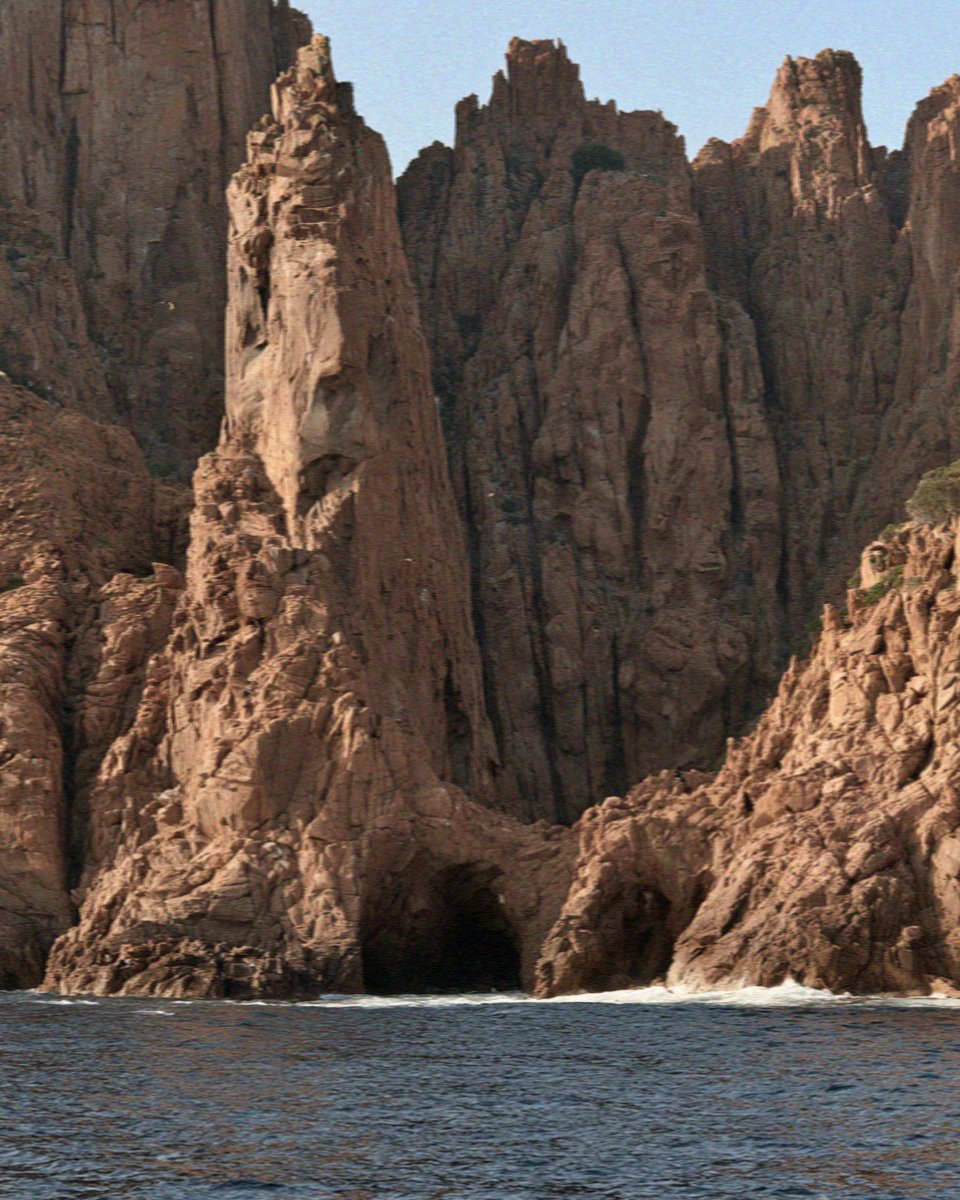
Red volcanic rock going vertically into very clear water, riddled with caves at the waterline, with ospreys nesting on the ledges.
The reserve was created in 1975 and UNESCO listed in 1983, both marine and terrestrial. The colour is the first thing: the rock is porphyry, a deep rust orange that goes almost scarlet in low sun, and against water that blue it does not look quite real.
You cannot walk in. There is no road, no footpath into the core area, and no landing permitted. Access is by sea only and strictly regulated. Boats transit; they do not stop and let you ashore inside the reserve.
Go sooner rather than later. Quotas and licences covering every category of user, from fishing boats to dive operators to day trips, are being drawn up now for deliberation in 2027. Vessels over 500 tonnes are already banned from the Gulf of Porto, which has kept cruise ships out. The direction of travel is fewer boats, not more.
The Calanques de Piana
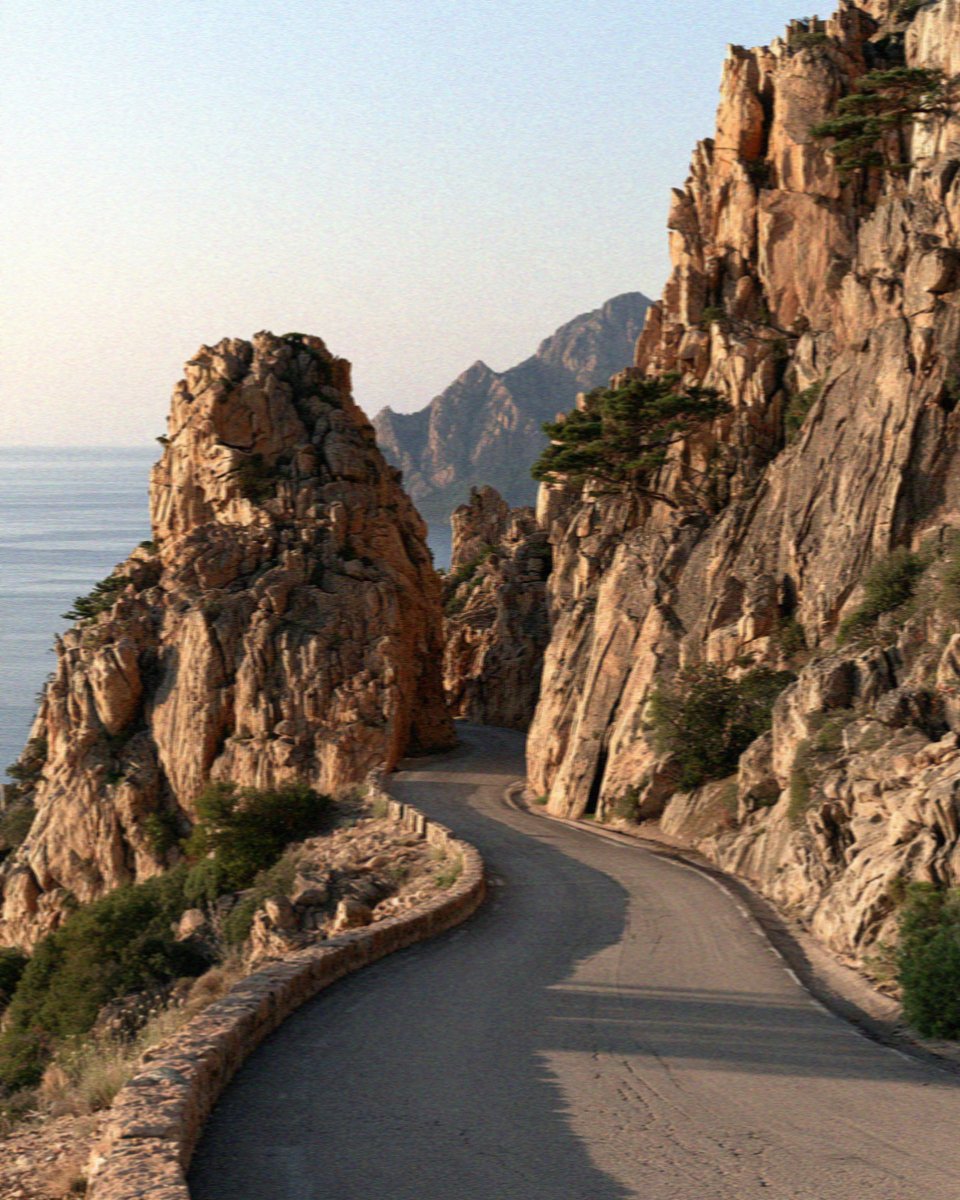
The other half of the UNESCO listing, and the half you can drive.
Enormous weathered granite pinnacles, towers and arches standing above the sea between Porto and Piana, in orange and pink rock that erosion has left in shapes people insist on naming after animals. The D81 threads straight through the middle of them on a road that is narrow, busy in season, and genuinely spectacular.
Drive it at sunset. The rock takes low light better than almost anything I have seen, and it goes from orange to red in the last half hour. There are pull-ins, they fill early, and stopping anywhere else is dangerous rather than cheeky.
There are also marked footpaths through the calanques from small parking areas on the road, which is the better way to see them if you have a morning.
Girolata
A hamlet on a bay between Scandola and Porto with no road to it at all.
You reach Girolata by boat, or on foot in about two hours from the Col de la Croix on the D81. A handful of houses, a Genoese fort on the point, a few restaurants that open for the summer, and a permanent population somewhere in the low double figures.
Most boat trips stop here for an hour, which is enough. It is a curiosity rather than a destination, and its appeal is entirely that it is difficult to get to.
The boat trip, practically
From Porto is the obvious departure. It sits just south of the reserve, so the crossing time is shortest and you get the most water for your money.
- Four to five hours for the full circuit: Calanques, Scandola, and a stop at Girolata.
- Two to three hours for a shorter version, usually Scandola and back without the stop.
- Also runs from Ajaccio, Calvi and Cargèse, but those are long transits and a lot of the day is spent getting there.
Book a day or two ahead in July and August. And know that the libeccio, the southwest wind, cancels sailings at any point in the season, so do not put this on your last morning. Leave a spare day.
Take a jacket even in August. On the water at speed it is cold, and the caves are colder.
The full comparison of boat trips across the island is in Corsica boat tours.
What lives here
The reserve was created in 1975 and covers land and sea together, which is unusual and is the reason the wildlife is still worth looking for.
Ospreys are the famous ones. They nest on the ledges, they had fallen to a handful of pairs in the 1970s, and the reserve is the main reason there are more now. Boat guides will point out the nests, which look like untidy piles of stick on bare rock.
Audouin’s gulls, shags and peregrines use the same cliffs. Underwater there are red coral and grouper, and the sea part of the reserve is why fishing here is restricted.
Dolphins turn up on the crossings often enough to be worth watching for, particularly early.
The pressure on it, and what that means for you
Scandola’s UNESCO listing has been under active review, and the reason is visitor numbers: a reserve reachable only by boat became a place hundreds of boats visit every summer day.
The practical result is that landing inside the reserve is not permitted, entry to the caves has been restricted, and the number of licensed operators is capped. None of this stops you seeing it. It does mean the rules are enforced, and a boat promising to put you ashore in Scandola is promising something it should not.
Go early and go outside August if you can. The same water, a third of the traffic.
Where to stay for it
Porto itself is small, functional and slightly bleak out of season, but it is right at the harbour and it is the practical choice.
Piana up the hill is the prettier village and a lovely place to stay, with the calanques on the doorstep, though you are twenty minutes from the boats.
Either works as the west coast stop on a week-long route. The full breakdown is in where to stay in Corsica.
Read also
The Best Corsica Boat Tours | A Corsica Itinerary: 7 to 10 Days | Victoria’s Complete Guide to Corsica
Frequently Asked Questions
Can you visit Scandola nature reserve without a boat?
No. There is no road and no footpath into the core area, and landing is not permitted. Access is by sea only and tightly regulated, so a boat trip is the only way to see it.
How long is the boat trip to Scandola?
Four to five hours from Porto for the full circuit including the Calanques de Piana and a stop at Girolata. Shorter two to three hour trips cover Scandola alone. Departures from Ajaccio or Calvi take considerably longer.
Where do boats to Scandola leave from?
Porto is the main and most convenient departure point, sitting just south of the reserve with the shortest crossing. Boats also run from Ajaccio, Calvi and Cargèse, but those involve long transits.
What are the Calanques de Piana?
Weathered orange granite pinnacles, towers and arches above the sea between Porto and Piana, part of the same UNESCO listing as Scandola. The D81 road runs through them, and there are marked footpaths from small parking areas.
When is the best time to visit the Gulf of Porto?
Late afternoon for the Calanques, when low sun turns the granite orange and red. For boat trips, mornings are usually calmer. The libeccio wind can cancel sailings at any point in the season, so leave a spare day rather than booking your last morning.