The lake is crossed differently than it is arrived at. Yesterday Bellagio assembled itself out of the haze, slow and uncertain, a town deciding whether to appear. Today it was only a matter of crossing to the other shore. The ferry set out from the point and the water opened on both sides at once, and Varenna waited across the way with its colours already lit, ochre and rust and a red the shade of old wine, stacked up the hillside as though the town had been poured down toward the water and had stopped just short of falling in.
There is no level ground in Varenna either. I am beginning to think the whole lake is built at an angle, that the mountains simply agreed among themselves to allow these towns a foothold and no more.
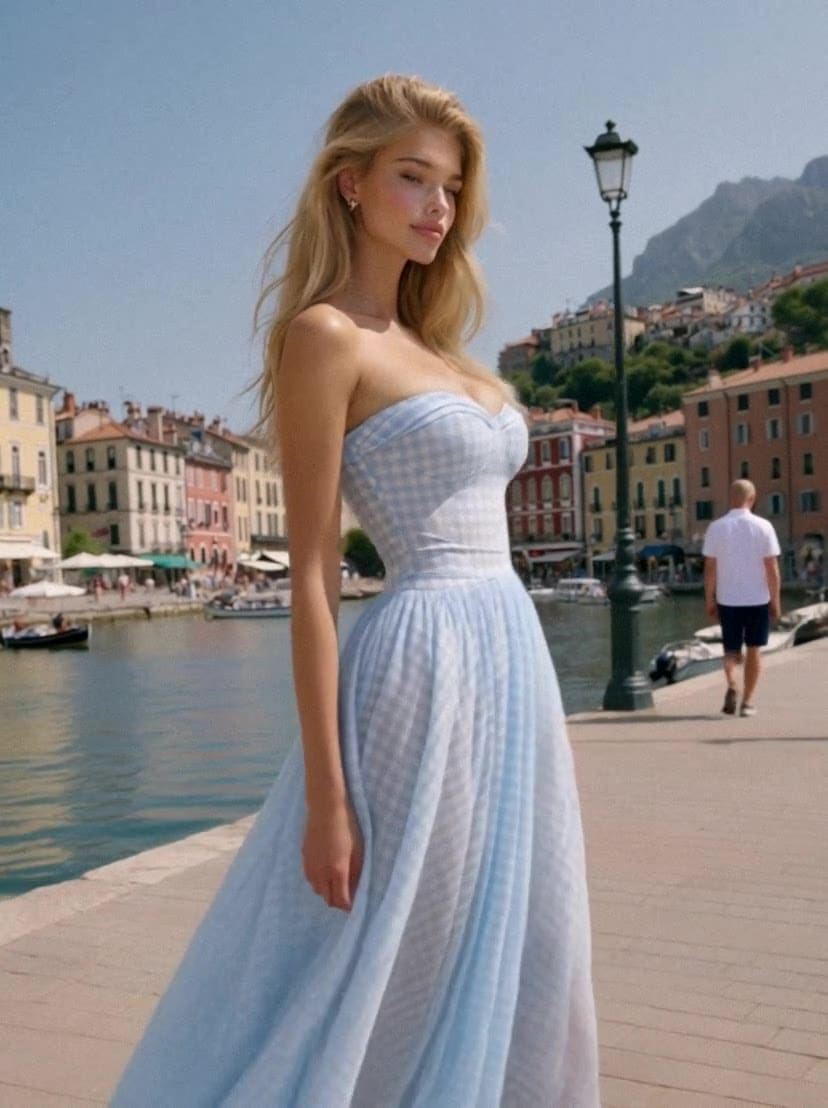
I came in at the harbour first, which is small and unbothered. A few wooden boats were pulled up on the shingle and a few more rode at their lines, and the houses leaned over all of it in their washed colours, close enough to the water to watch themselves in it. The lake here is very clear and seems to do nothing at all. A man was mending something at the far end of the quay and did not look up. I stood at the edge of the stone for a while and let the boats knock gently against one another, which is a sound I could listen to for longer than is reasonable, the small wooden knock of a place that has never once been in a hurry.
Then the town, which goes up.
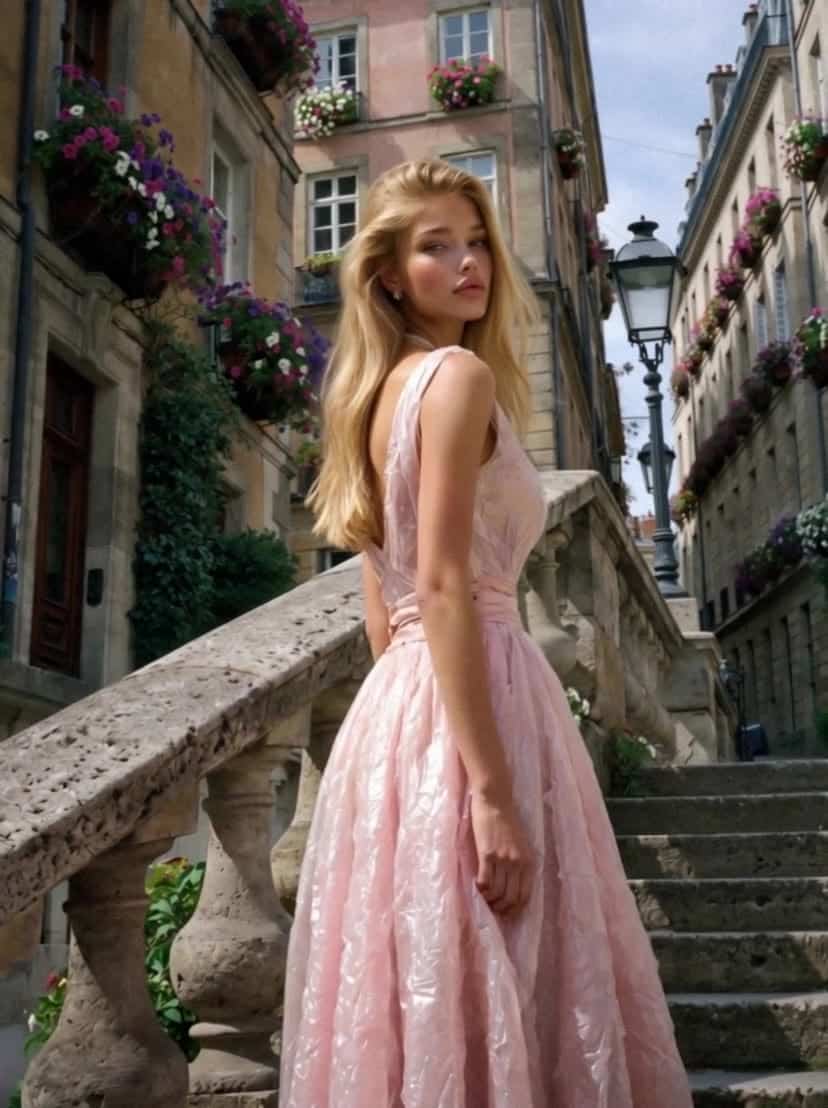
The lanes are narrow and they climb in worn steps between the coloured walls, and the flowers come down to meet you. Geraniums in their tins, bougainvillea thrown carelessly over a doorway, a whole balcony given over to something pink I could not name and did not want explained. The light falls into these passages in long bars and then loses interest halfway down. Somewhere above me a shutter opened and did not close. A cat considered me from a step and decided I was not worth the trouble of moving for, which felt, on balance, like being welcomed.
I climbed until the lanes ran out and the gardens began.
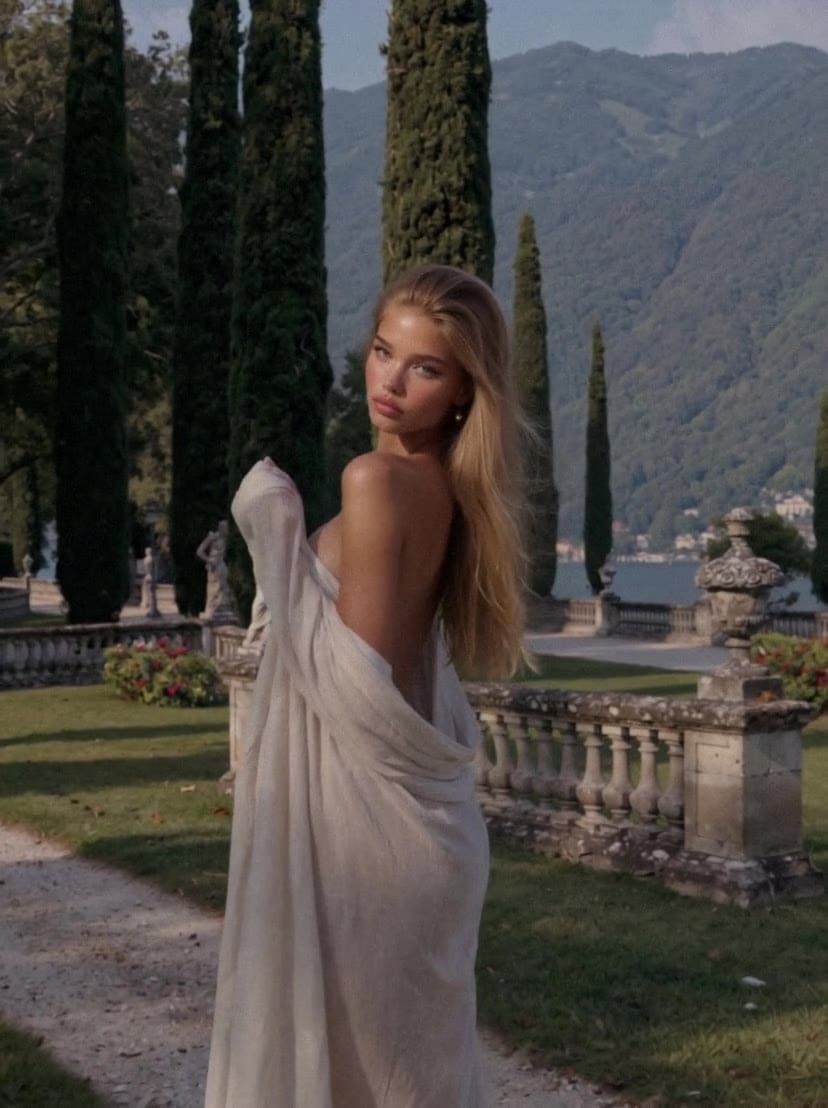
Villa Monastero keeps its gardens strung along the water on terraces, a long green ribbon of them, and it grows things that have no business growing here. Agave, citrus in pots, a cactus gone enormous against the lake, as though someone long ago had decided the climate could be argued with and had, on this one warm stretch of shore, quietly won the argument. Cypress stood along the paths like dark exclamation marks. Statues watched the water with the patience only statues have, having watched it already for two hundred years and being in no rush to stop. Every so often the hedges opened and there was the lake again, always the lake, insisting on itself, and then the hedges closed and took it back. I walked it slowly. There was no reason to hurry and the garden seemed to prefer that I didn’t.
Above the town, on its crag, there is a castle. I did not climb to it. Some things are better left as a shape against the sky, a promise you decline to keep so that it stays a promise. I looked at it long enough to know I would not go, and then I went back down toward the water, which is where Varenna keeps everything worth keeping.
Along the shore runs the lovers’ walk, the Passeggiata degli Innamorati, which is a very large name for a very small path. It clings to the rock just above the water, its arches throwing shade down onto the lake, and it is the kind of place that has been photographed so many times it ought to feel used up and somehow does not. I walked out along it in the flat of the afternoon. The mountains across the water held their haze. A ferry came and gathered its small crowd at the quay, then set off, leaving the quay to itself, indifferent in the way ferries always are, and the wake arrived a long while later, touched the stone, and drew back again. That was all.
Where the promenade widens I sat for a time in the striped light and watched Varenna do very little, beautifully. A woman walked a small dog to the end of the railing and back. Someone passed at a jog and was gone before I could resent him. Two old men had the particular unhurried argument of men who have had it before and will have it again. The town went on with its afternoon and let me sit inside it, which is all I ask of a place, really: to be allowed in without being asked to explain myself, to be a stranger who is not required to become anything else.
The heat went out of the day by degrees. The colours on the far shore deepened and the water took them and held them upside down, and the light, which all afternoon had been white and plain, began to do the thing it does here at the end, turning gold without warning and then behaving as though it had always been gold.
Then, near evening, a table by the water.
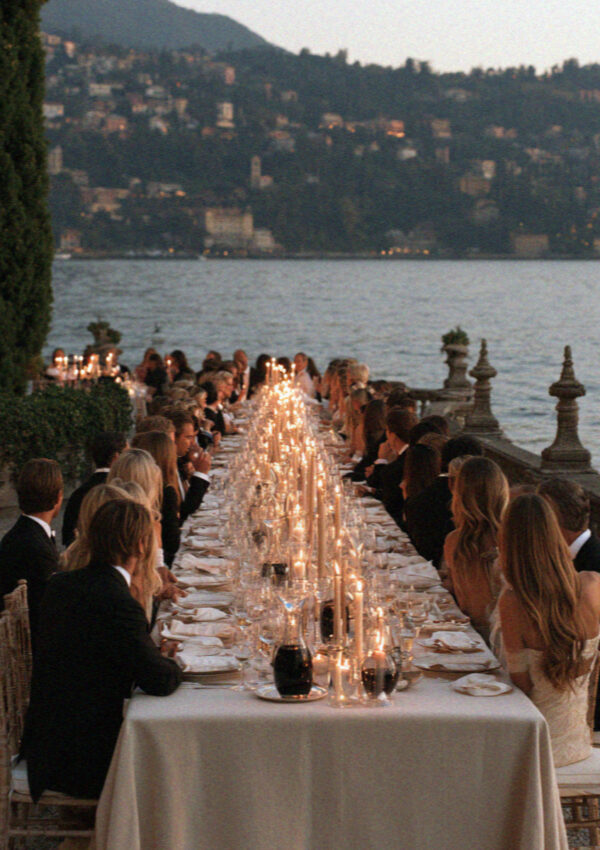
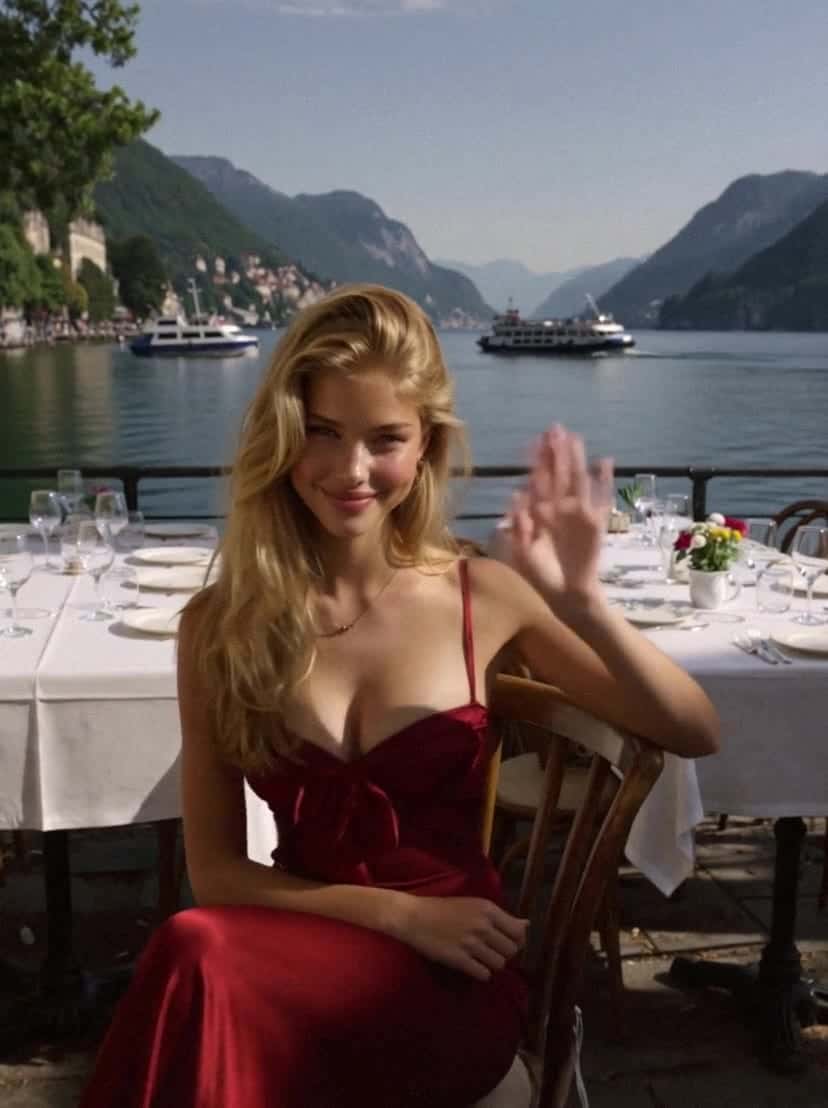
One of the terraces that hang right at the edge, the cloth laid, the glasses catching what was left of the light, and beyond the rail the lake going from blue to pewter to something with no name at all. A ferry drew its slow line toward the far shore and the far shore took it, and then there was only the line on the water, and then not even that. The candles had not been lit yet. There is an hour on the lake, just before the lamps, when everything seems to hold its breath, and I have learned, slowly and against my nature, to stop talking through it.
You already know how days like this settle, reading from wherever you are: which of these hours turned out to be the one I kept, which of them was only weather. I do not know yet. I am still at the rail with the ferry gone and the colour going out of the water, and the town behind me beginning, one window at a time, to light itself against the coming dark.
Tomorrow the lake goes on. It always does. That is the thing about a lake: it is in no hurry to be anywhere, and after a few days on its shore you find, a little to your surprise, that you are not either.
V.
Victoria’s Complete Guide to Lake Como coming soon.
More from the day




Read also: Bellagio, the First Day
Planning your own days on the lake? See Victoria’s Complete Guide to Lake Como.