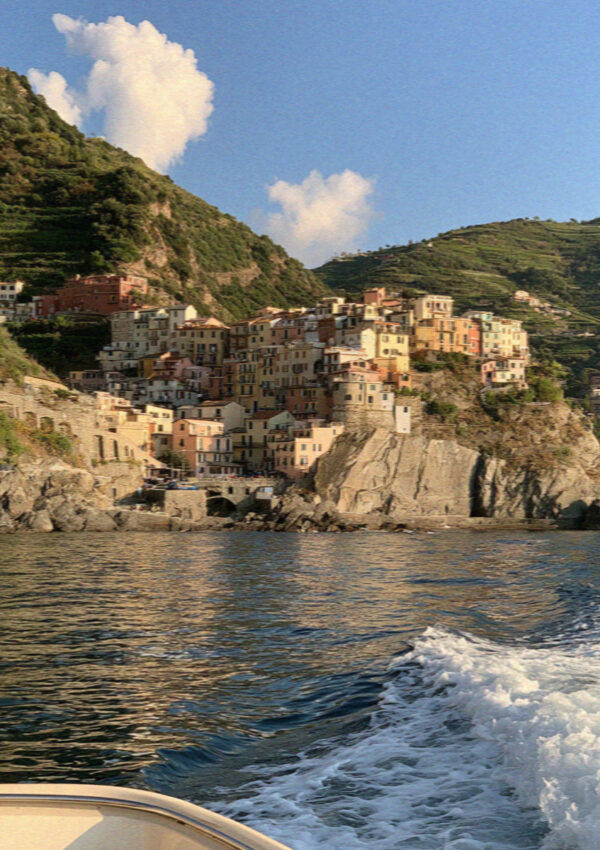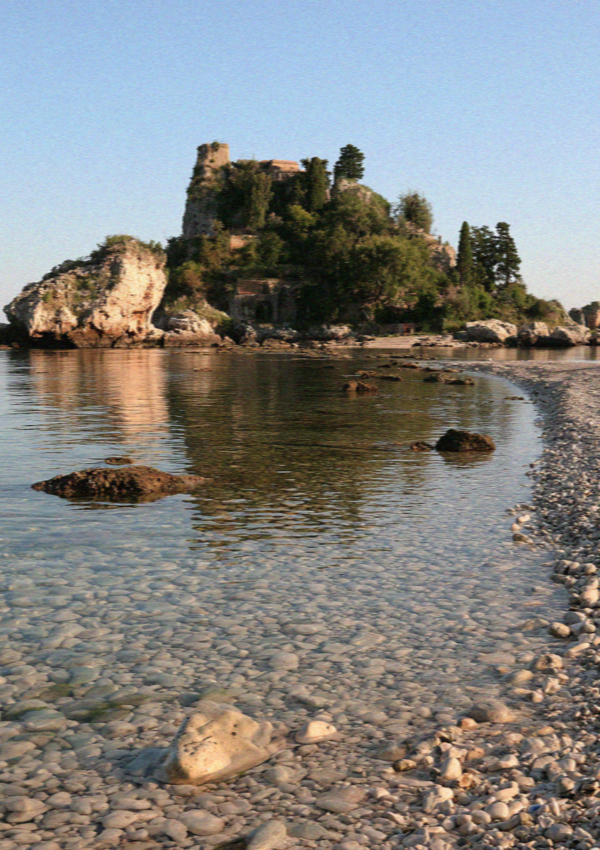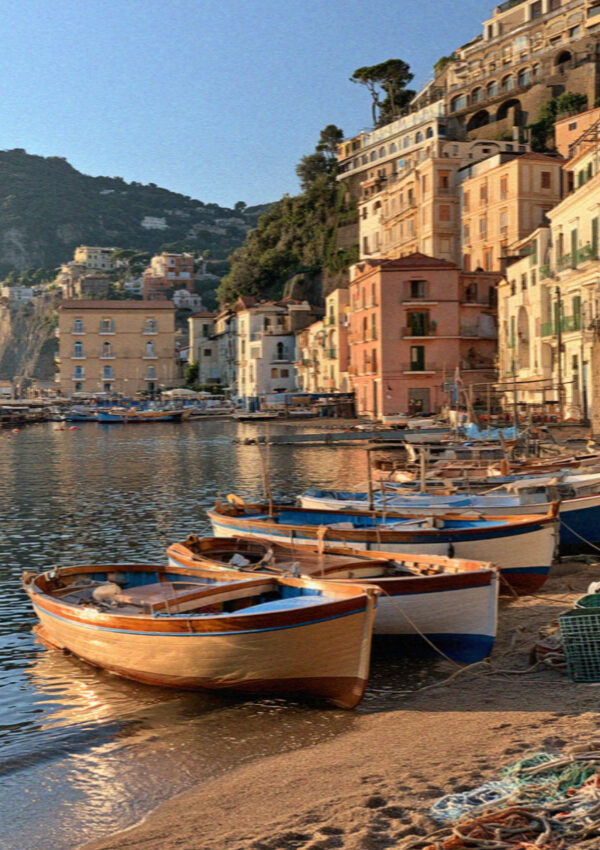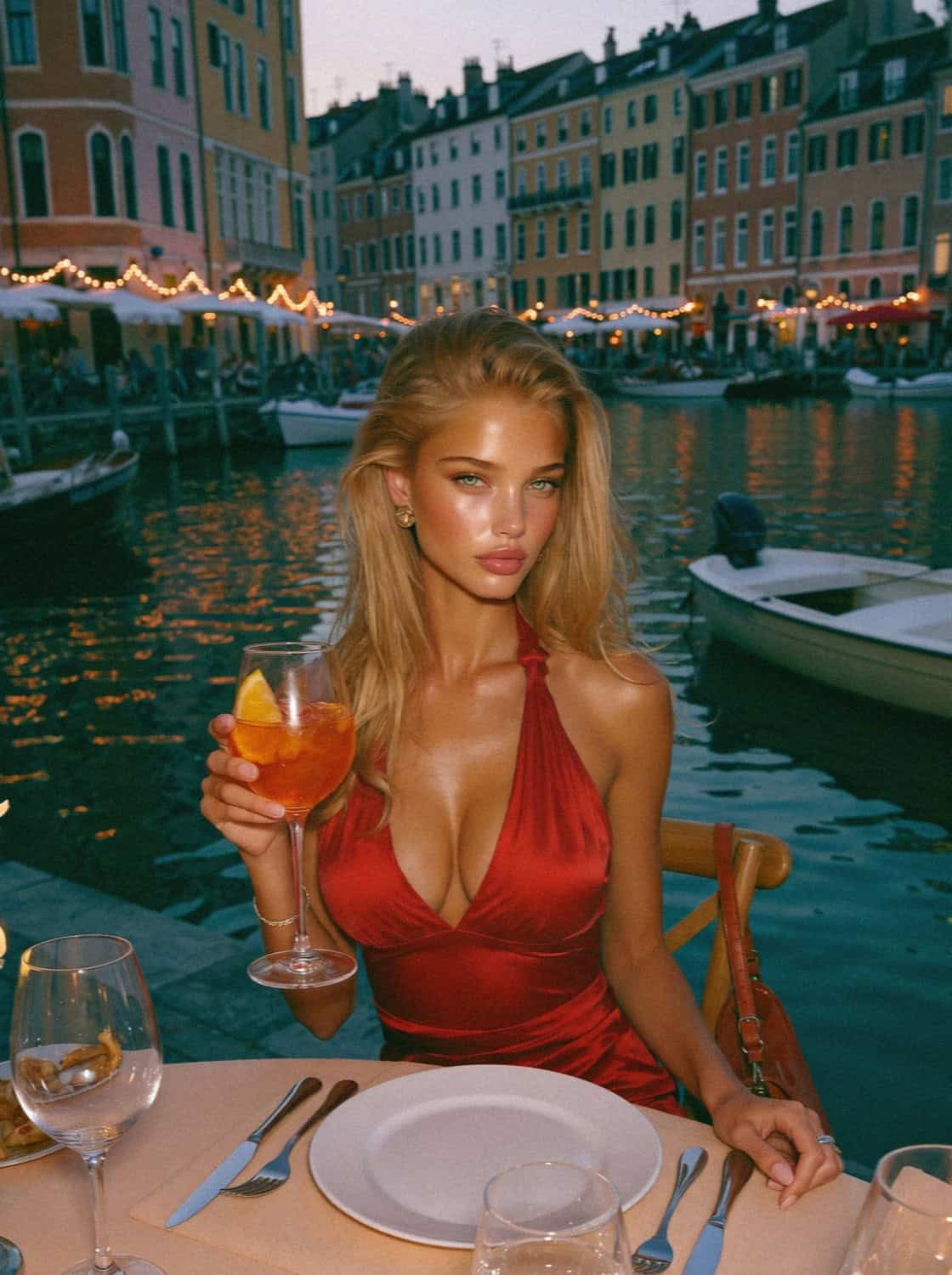
Portofino is tiny, and that tininess shapes everything about eating here. The harbour is really one perfect curve of pastel houses around a piazzetta the size of a large drawing room, and almost every table worth having looks straight at the same forest of masts and the little church of San Giorgio on the headland. So the question is rarely where the view is (it is everywhere), and much more often what that view is going to cost you, and whether the plate in front of you lives up to it. I have eaten here in high July and in a quiet grey October, and I want to be honest with you, because Portofino is a place people either adore or feel quietly fleeced by, and the difference nearly always comes down to knowing the game before you sit down.
The harbour restaurants, where you pay for the piazzetta
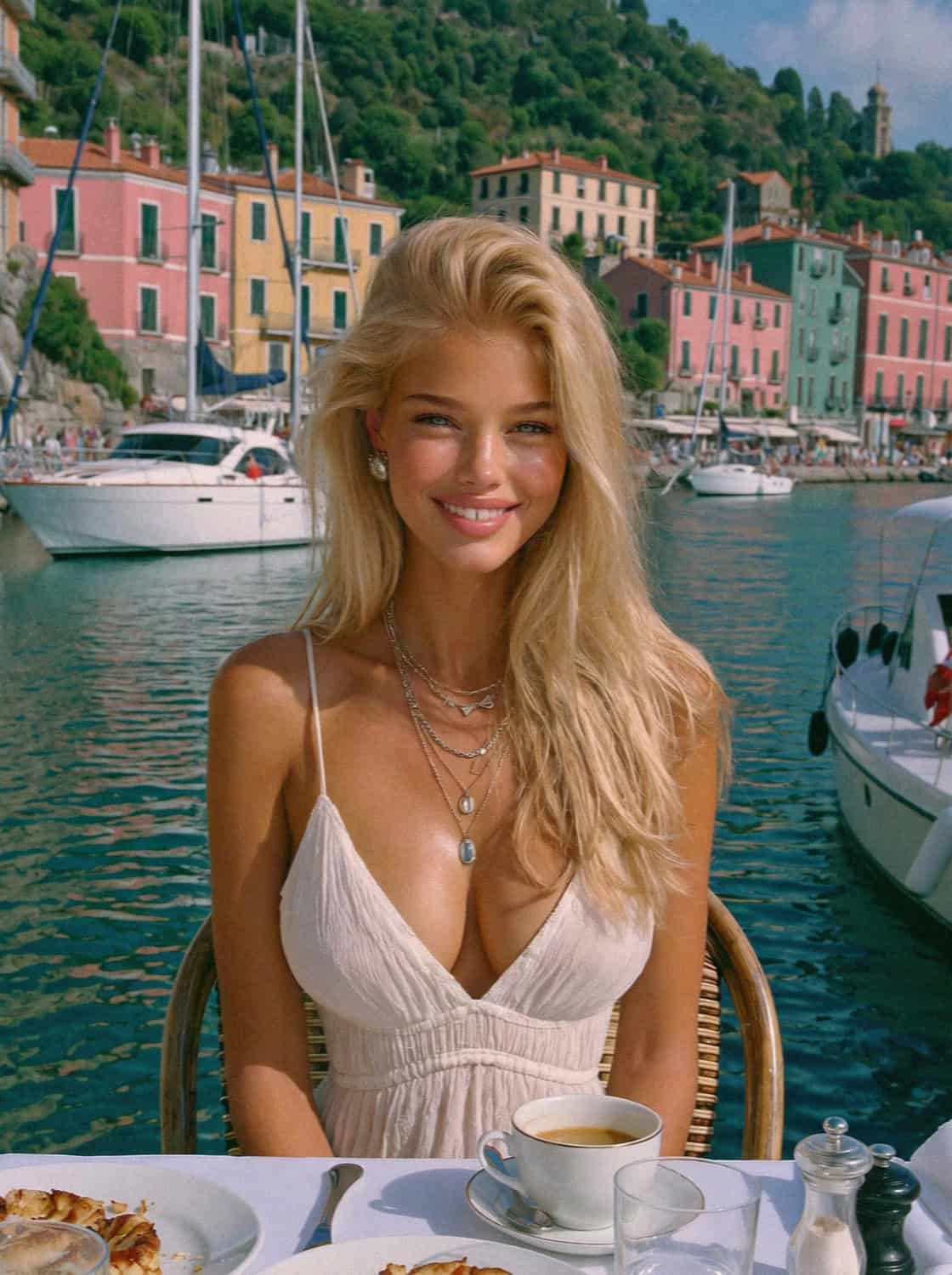
The institution is Ristorante Puny, right on Piazza Martiri dell’Olivetta, the piazzetta itself. It has been run by the same family for decades, the tables sit almost on the water, and half the pleasure is the theatre of it: the owner working the room, the regulars greeted by name, the boats coming and going. The signature is the pasta al Puny, a house sauce of tomato and pesto, and the pesto here is genuinely good. Puny is small and famously popular, so booking well ahead is not optional in season, and I would call rather than rely on an app. Bring a card but be ready for cash to smooth things along, as harbour places here can be old-fashioned about it.
Around the curve you will find the other harbour names people mention. DaU Batti (Da ú Batti) is the little seafood trattoria beloved for its raw fish and its whitebait, tucked slightly off the front, more character than glamour. O Magazin sits right on the marina and does honest Ligurian fish and pasta with one of the best sightlines on the harbour. At the smart end, the Belmond hotel Splendido Mare anchors dining on the square: the seafront trattoria there is now DaV Mare, a polished fish-focused table with serious kitchen credentials, while Chuflay remains the name to know for the bar and its terrace, the sort of place you go for a cocktail and a light plate rather than a full blowout. All of these are what I would call view-priced. You are paying for the piazzetta, the linen, the location, and only partly for the food.
Plan Your Visit to Portofino
A few things I booked and loved. These help support the blog, at no cost to you.
This section contains affiliate links. If you book through them I may earn a small commission, at no extra cost to you.
Casual tables and the takeaway focaccia trick
If the harbour prices make you wince, and they will, the good news is that Portofino is walkable in ten minutes and the lanes climbing away from the water hide simpler tables. Look at the trattorias a street back and up the hill, where a plate of pasta costs noticeably less than the same plate ten metres from a superyacht. You lose the front-row view and you gain your dignity at the till.
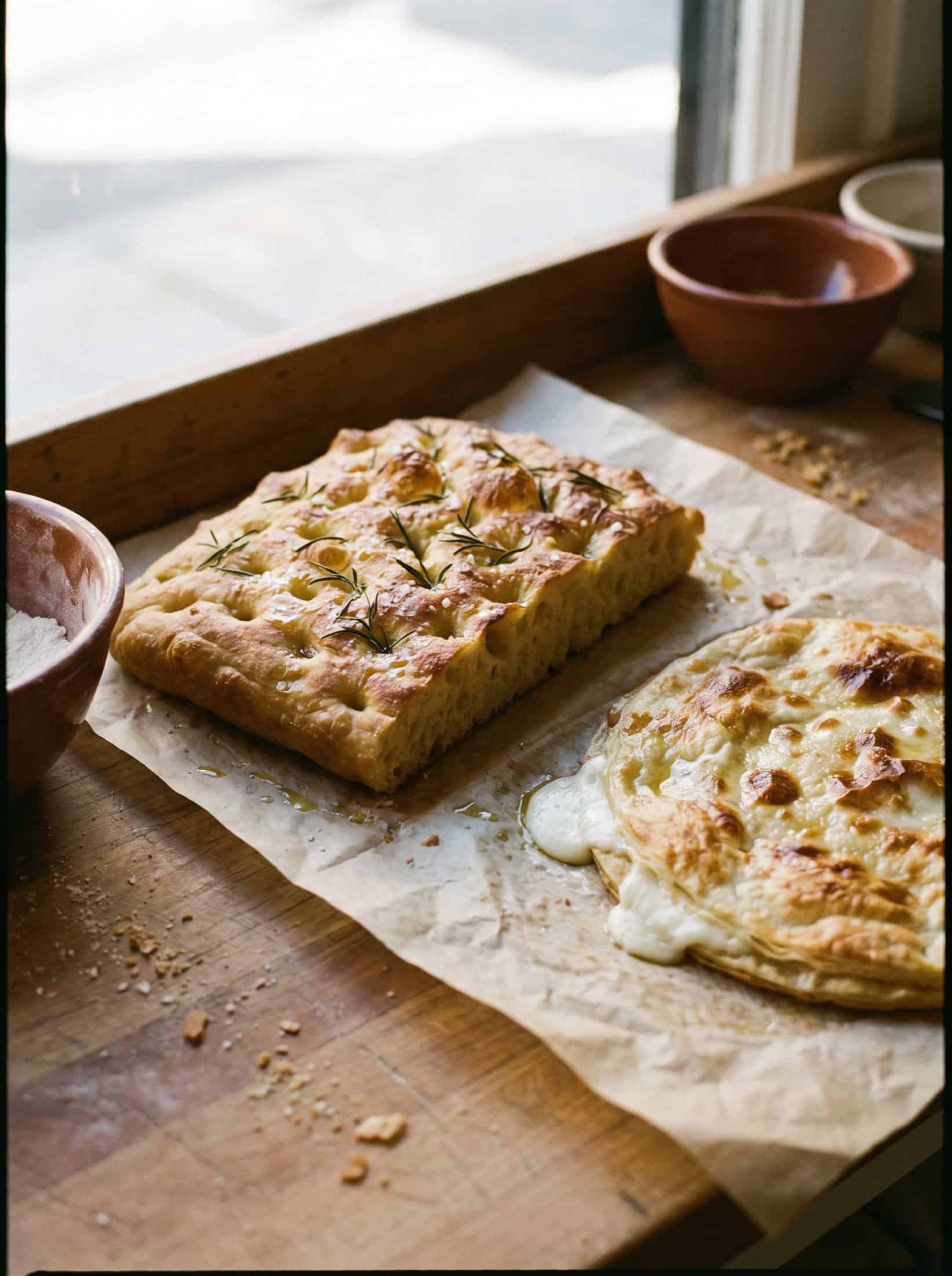
The single best value move in Portofino, though, is focaccia. Ligurian focaccia is a religion here, dimpled and glossy with olive oil and coarse salt, and you can buy a warm slab from a bakery or forno for the price of a coffee. My honest advice, and this is exactly what I would do on a bright morning, is to buy a wedge of focaccia and a couple of peaches, walk out along the path towards the lighthouse or Castello Brown, and have the cheapest and possibly happiest meal of your trip looking back at the whole harbour. Takeaway focaccia turns Portofino from an expensive lunch into a picnic with a view most restaurants would charge three figures for.
The dishes to order in Portofino
Liguria has a quiet, herbal, green sort of cooking, and it rewards you for ordering local rather than reaching for a generic Italian classic. The essential dish is trofie al pesto, the little hand-rolled twists of pasta with pesto genovese, traditionally tumbled with green beans and slices of potato. Trenette al pesto, the flat ribbon version, is the other classic. Pesto in this corner of Italy is basil, pine nuts, garlic, Parmigiano and pecorino, and good olive oil, and when it is fresh it is a revelation compared with the jarred stuff at home.
From the sea, order fritto misto, the lightly fried mix of small fish, prawns and squid, which is the honest taste of the Riviera. Look too for pansoti with walnut sauce and corzetti, the coin-shaped stamped pasta, if you see them. And do not leave the region without focaccia di Recco, which is a different beast from ordinary focaccia: two paper-thin sheets of unleavened dough with molten stracchino cheese between them, blistered in a hot oven. It belongs properly to nearby Recco and Camogli, and I will come to why that matters.
To drink, stay Ligurian and white. Vermentino and Pigato are the two local grapes to ask for, crisp and saline and made for fish, and a carafe of the house white in a simple trattoria is one of the few genuine bargains in the area.
Aperitivo, and Paraggi when you want your feet near the water

The most Portofino thing you can do is nurse an aperitivo on the piazzetta as the light goes soft and the day-trippers thin out. A spritz or a glass of chilled white with a little dish of olives and crisps, watching the harbour, is the memory people carry home. Be clear-eyed about it though: a spritz on the square will run you well into double figures in euros, several times what you would pay inland. Places like Winterose and the hotel bar terraces are the classic perches. What I would do is have exactly one drink here for the ritual of it, unhurried, and consider it the price of the setting rather than a round to repeat.
For a different mood, walk or take the short bus ride to Paraggi, the little emerald cove between Portofino and Santa Margherita. This is the beach-club world, where the establishments come with sunbeds, a bar, and restaurant tables set almost on the sand. Dining at Paraggi is not cheap either, but you are trading the harbour crowds for the sea literally at your feet, and on a hot day that swap is worth making. Book if you want a lunch table in season.
Where to go nearby for real value: Santa Margherita, Camogli, Recco
Here is the thing seasoned travellers do, and I count myself among them: they sleep and eat in the surrounding towns and treat Portofino as the pretty day-trip. Santa Margherita Ligure, ten minutes away by bus or boat, is a proper working town with a real fish market, a good spread of trattorias, and prices that feel human. You eat the same Ligurian repertoire, often better, for a fraction of the harbour markup.
Camogli, over on the other side of the promontory, is my sentimental favourite: a tall, faded, film-set fishing village with far fewer yachts and far more soul, excellent seafood, and a lovely seafront to walk off lunch. And Recco, just up the coast, is the official home of focaccia di Recco, with dedicated restaurants that have made this cheese-filled focaccia a protected speciality. If you care about food more than glamour, a lunch in Recco or Camogli will beat almost anything on the Portofino front for both quality and value.
My honest take on the price reality
Let me be direct, because you deserve it. Portofino dining is expensive, and a good deal of that price is the postcard, not the cooking. In the harbour restaurants you should expect pasta rarely under the low twenties in euros, fish mains climbing well past fifty, and cover and service adding up quickly. Some of it is genuinely lovely and some of it is ordinary food wearing an extraordinary view. My approach, and what I would honestly recommend, is to spend generously on one memorable meal on the piazzetta and enjoy every euro of it, take my aperitivo here for the ritual, lean hard on takeaway focaccia by day, and eat my everyday meals in Santa Margherita, Camogli or Recco. Do that and Portofino stops feeling like a trap and becomes exactly what it should be: one of the most beautiful places in the world to raise a glass.
Frequently Asked Questions
Is Ristorante Puny worth the money?
For the setting and the occasion, yes, if you go in with clear expectations. Puny sits right on the piazzetta with tables almost on the water, the pesto is genuinely good, and the atmosphere is part of what you pay for. Book well ahead in season, carry cash as well as a card, and treat it as your one splurge rather than a casual lunch.
How expensive is eating in Portofino really?
Expensive, and much of it is view-priced rather than food-priced. On the harbour, expect pasta rarely under the low twenties in euros, fish mains climbing past fifty, and an aperitivo well into double figures, with cover and service on top. You can eat far more cheaply by using takeaway focaccia and by walking a street back from the water.
What should I order in Portofino?
Order Ligurian. Trofie or trenette al pesto for the local pasta, fritto misto for the sea, and focaccia everywhere, including the cheese-filled focaccia di Recco if you can find it. Drink the local whites, Vermentino and Pigato, which suit the food far better than anything imported.
Where can I eat near Portofino for better value?
Santa Margherita Ligure, ten minutes away, has a real fish market and honest trattorias at human prices. Camogli offers superb seafood with far more character and fewer crowds, and Recco is the home of focaccia di Recco. All three beat the harbour front for value and often for quality too.
Can I eat cheaply in Portofino at all?
Yes, if you are willing to skip a formal restaurant table. Buy a warm slab of focaccia from a bakery for the price of a coffee, add some fruit, and picnic on the walk towards the lighthouse or Castello Brown. It is the single best-value meal in town and comes with a view most restaurants would charge a fortune for.
Read also: Where to Stay in Portofino | The Best Things to Do in Portofino | The Complete Guide to Portofino