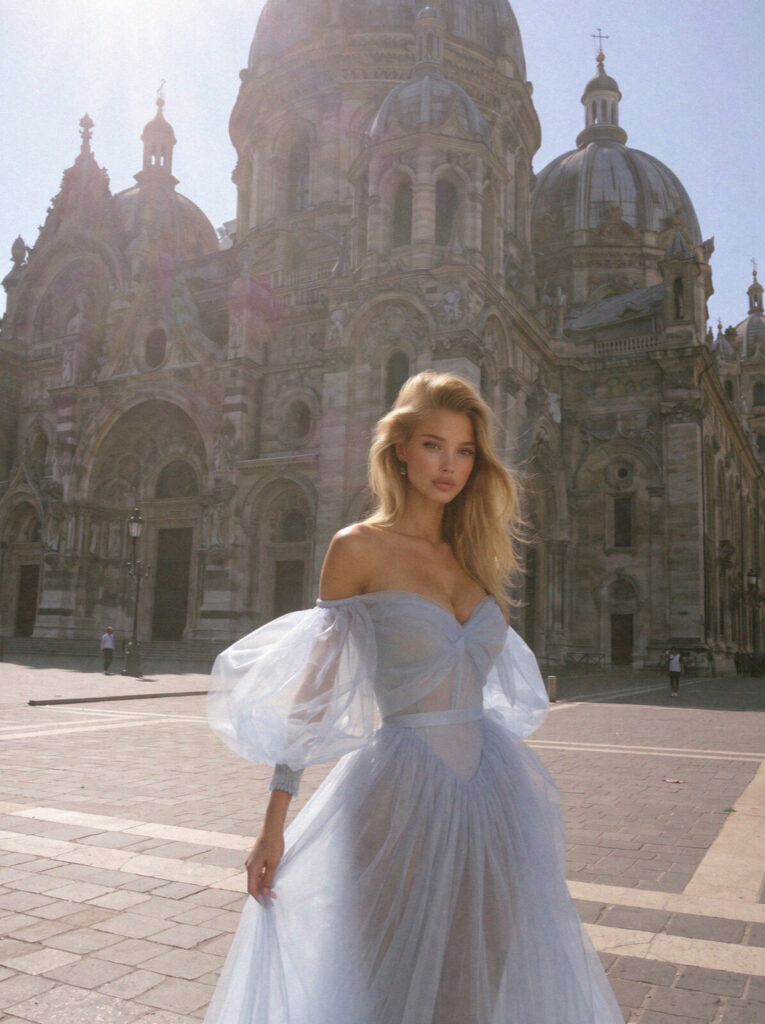
Nobody tells you about Bergamo. That is the first thing to say about it. People will spend a long weekend telling you where to go in Italy, reciting the whole rosary of it, Florence and Venice and the Amalfi Coast, and not one of them thinks to mention the town sitting on its hill an hour from Milan, with a wall around it and a square inside that a rather famous architect once called the most beautiful in Europe. So I went, half on a rumour, and spent the whole first evening quietly furious that I had not been sent sooner.
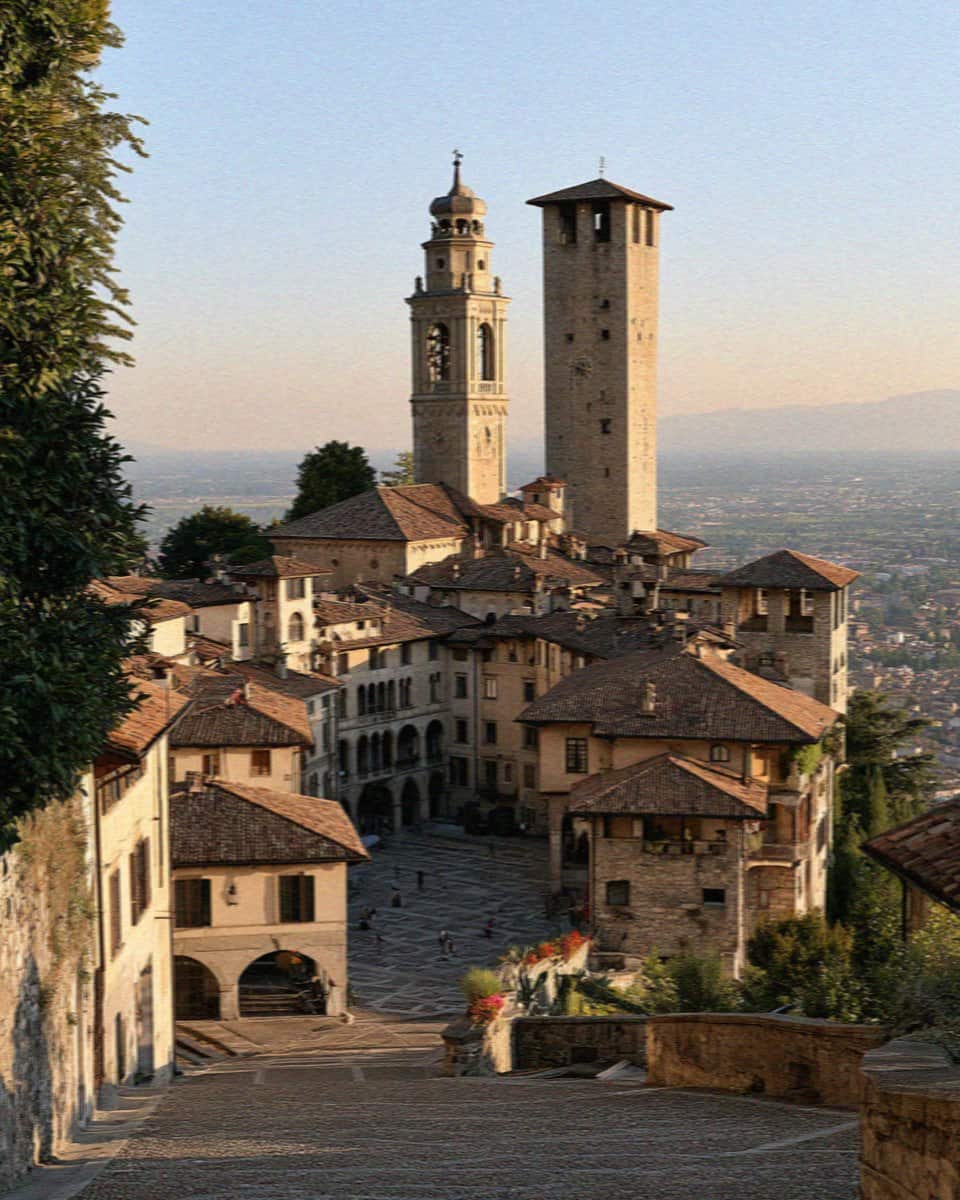
There are two Bergamos, really, a lower town and an upper one, and the little funicular stitches them together. You step into the car at the bottom, in the handsome modern city with its shops and traffic, and a few minutes later the doors open at the top and let you out into the Middle Ages, slightly breathless, with the whole Lombard plain falling away behind you, flat and gold and enormous. I like a town you have to climb into. It makes arriving feel as though it has cost you something.
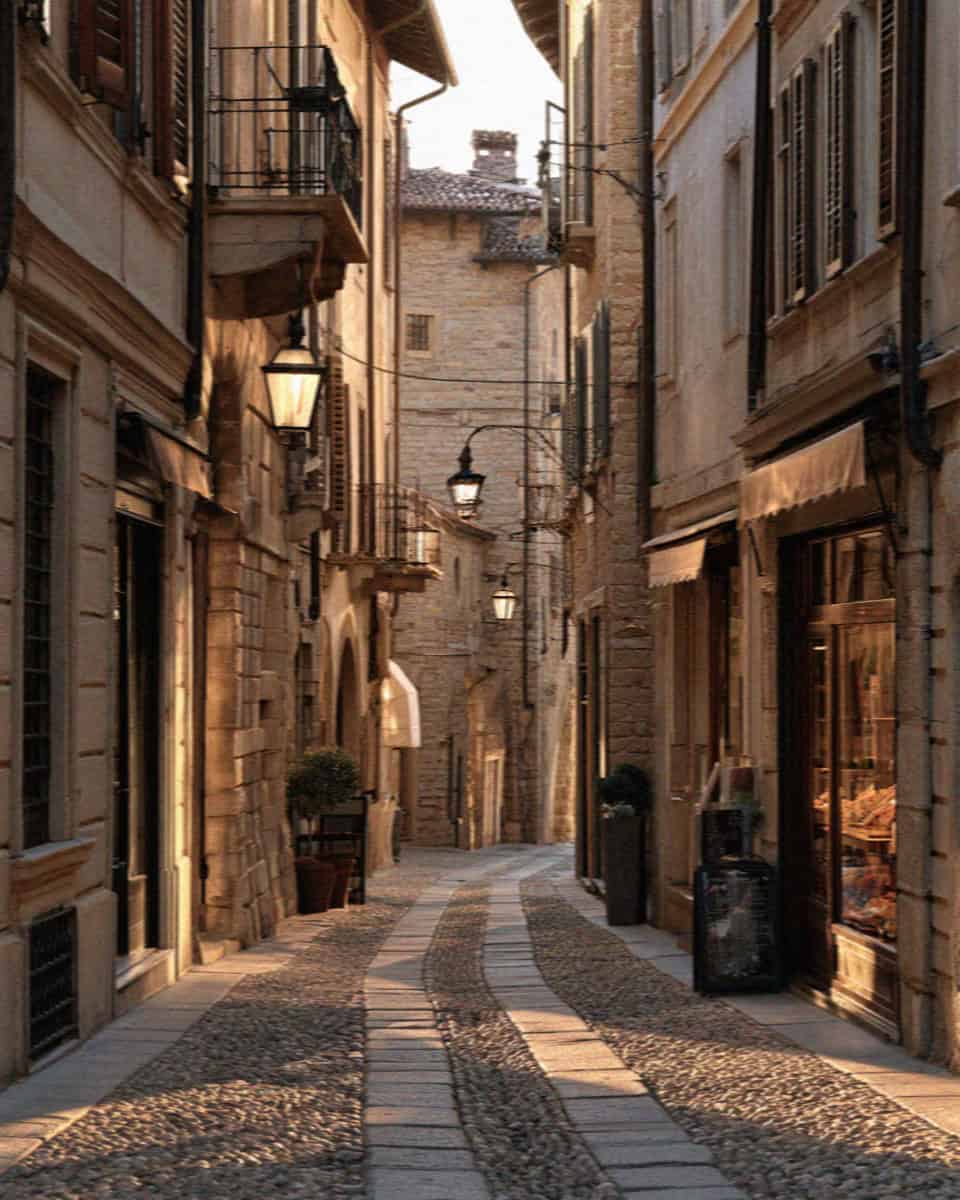
At the top is the Città Alta, the high city, enclosed by walls the Venetians began building four and a half centuries ago and never once had to defend. This is my favourite kind of fortification, the sort so convincing that nobody bothered to test it. You pass through a stone gate and the noise of the modern world simply falls away, as it does when a heavy door closes behind you, and find yourself in a tangle of pale streets smelling of coffee, warm stone and, from somewhere above, somebody’s lunch.
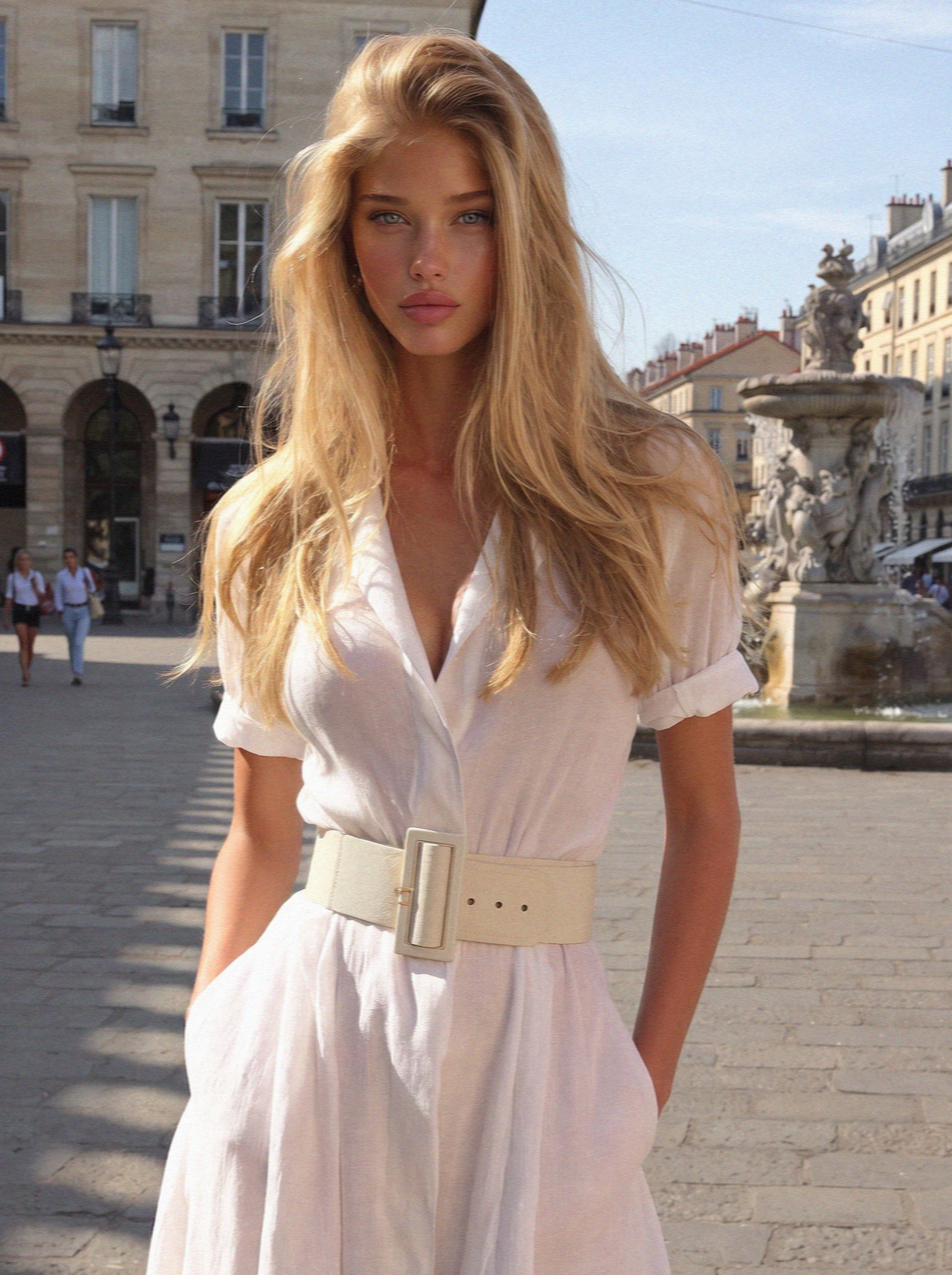
Then the square appears. You enter it sideways because the streets give you no other choice, and it opens all at once, so perfectly composed that I stopped walking without meaning to.
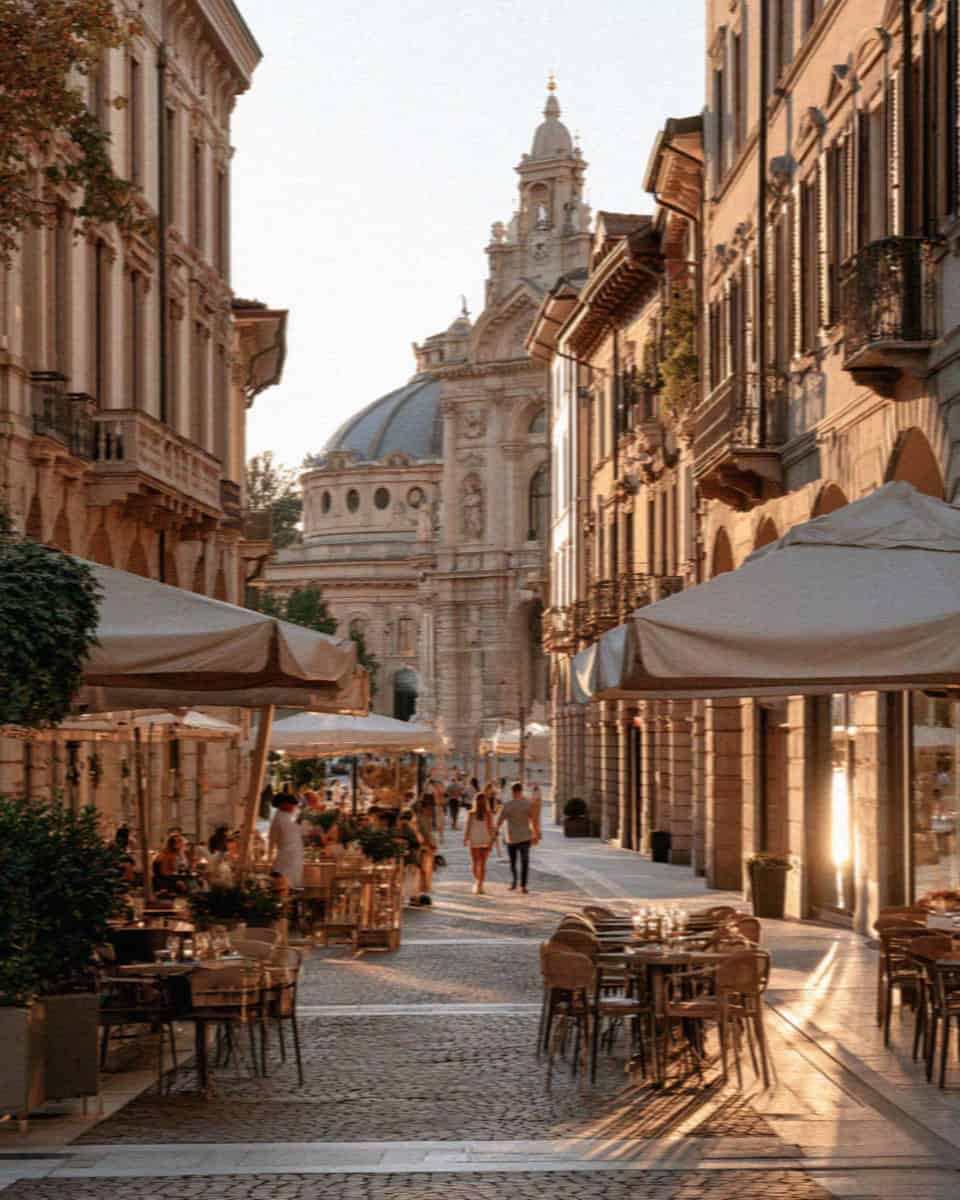
Piazza Vecchia. A fountain guarded by stone lions, the great white library on one side and the old civic palace on the other, with its tower, covered stairways and façades the colour of cream and honey. Everything holds together so beautifully that you immediately understand why people say Le Corbusier stood here and declared that not a single stone could be moved without committing a crime.
He was right, the show-off.
I have my mother’s habit of looking at rooms and buildings the way other people look at faces, reading their proportions, their small vanities and the things they are trying not to reveal. Piazza Vecchia is one of those places you could read all afternoon and still not quite finish. I took a coffee to the fountain steps and gave it a proper attempt.
Here is what I did not know and loved discovering. This grand, marble, aristocratic little city, all Venetian lions and Latin above the doorways, also claims Harlequin, the patched and mischievous servant of the commedia dell’arte, whose roots belong to Bergamo and its valleys. It is a pleasing contradiction. The city wears a very fine coat, but somewhere beneath it the clown is still making faces.
Bergamo is also the birthplace of Gaetano Donizetti, who began life in a poor basement home in Borgo Canale, just beyond the walls, and grew up to write operas the whole world would sing. I had played arrangements from his operas years ago in a cold music room in Paris, with a nun at the piano counting me back in whenever I lost my place. Standing in his city, I remembered the colour of that room, the winter light on the score and the precise irritation of being asked to begin again.
I had not thought of those mornings for years. A place can do that. It can hand back a version of you that you had carefully filed away and then forgotten you possessed.
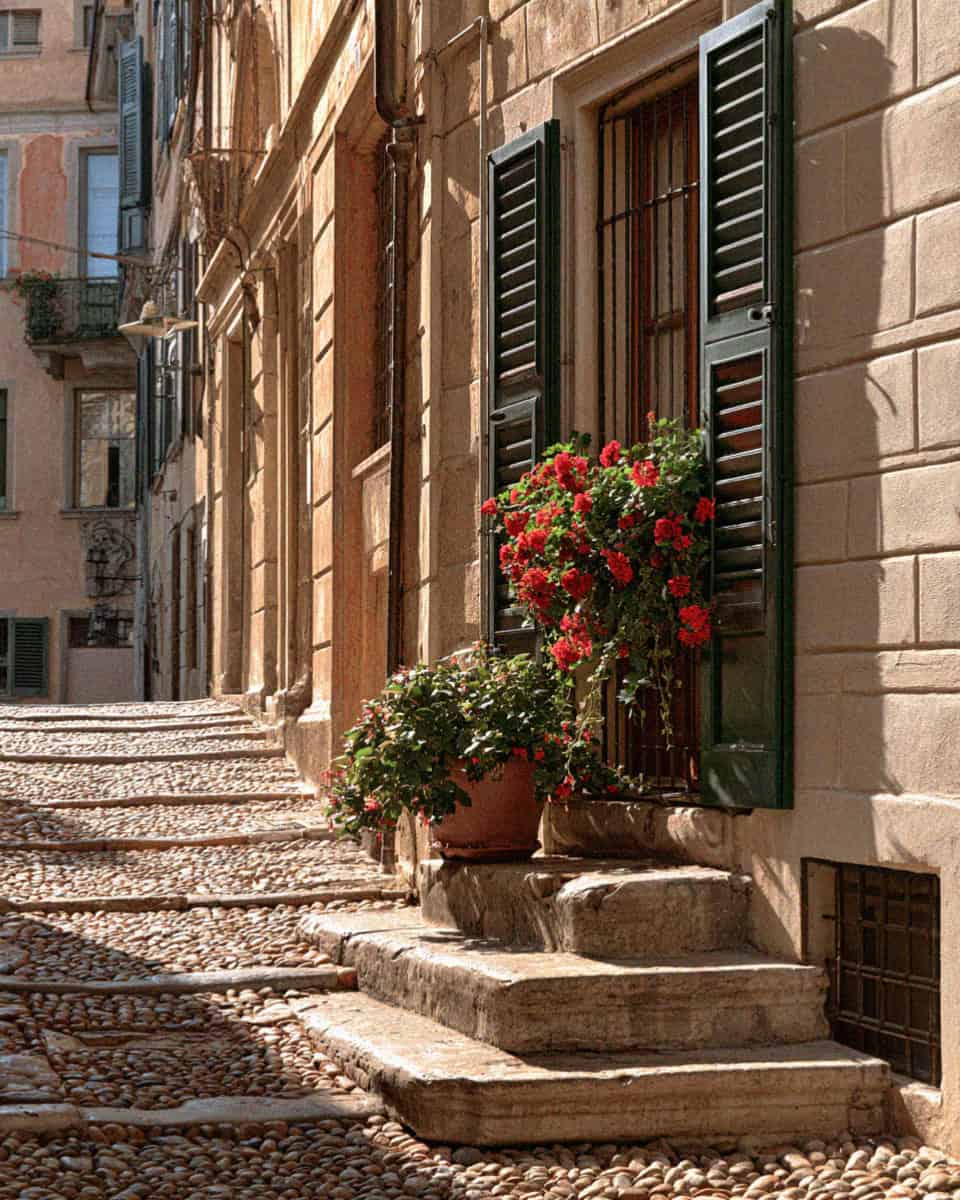
I spent the rest of the afternoon walking, which is all the upper town asks of you. I went into the Colleoni Chapel, so encrusted, pink and gloriously overwrought that it is almost funny, built for a mercenary commander determined to ensure that heaven noticed his arrival. I passed little shops selling polenta e osei, the tiny yellow cakes disguised as a plate of polenta and birds, and ate one with sugar clinging to my fingertips. Three floors above the street, a woman watering her geraniums nodded down to me as if we had agreed to meet there.
My mother taught me that looking properly is often more expensive than shopping. By the end of the afternoon, I understood what she meant.

But it is the walls I will keep from this first day. As the afternoon softened, I walked out onto the great Venetian ramparts encircling the high town and discovered that half of Bergamo was already there. This is what the city does in the evening. It walks the walls.
Old men in good jackets, couples leaning into one another, children balancing along the parapet, everyone drifting slowly around the edge of the city while the plain below turned pink, then violet, then became a carpet of lights stretching towards the mountains. I found a table overlooking it all, ordered an Aperol and some olives, and watched the lamps appear one by one across the plain.
I thought, not for the first time on this journey, that the places everyone forgets to tell you about are often quietly running the whole show.
I stayed until the darkness was complete and the air had grown cool, until the swifts disappeared and the first bats began cutting through the sky above the wall. I did not want to leave, so for a while I simply did not.
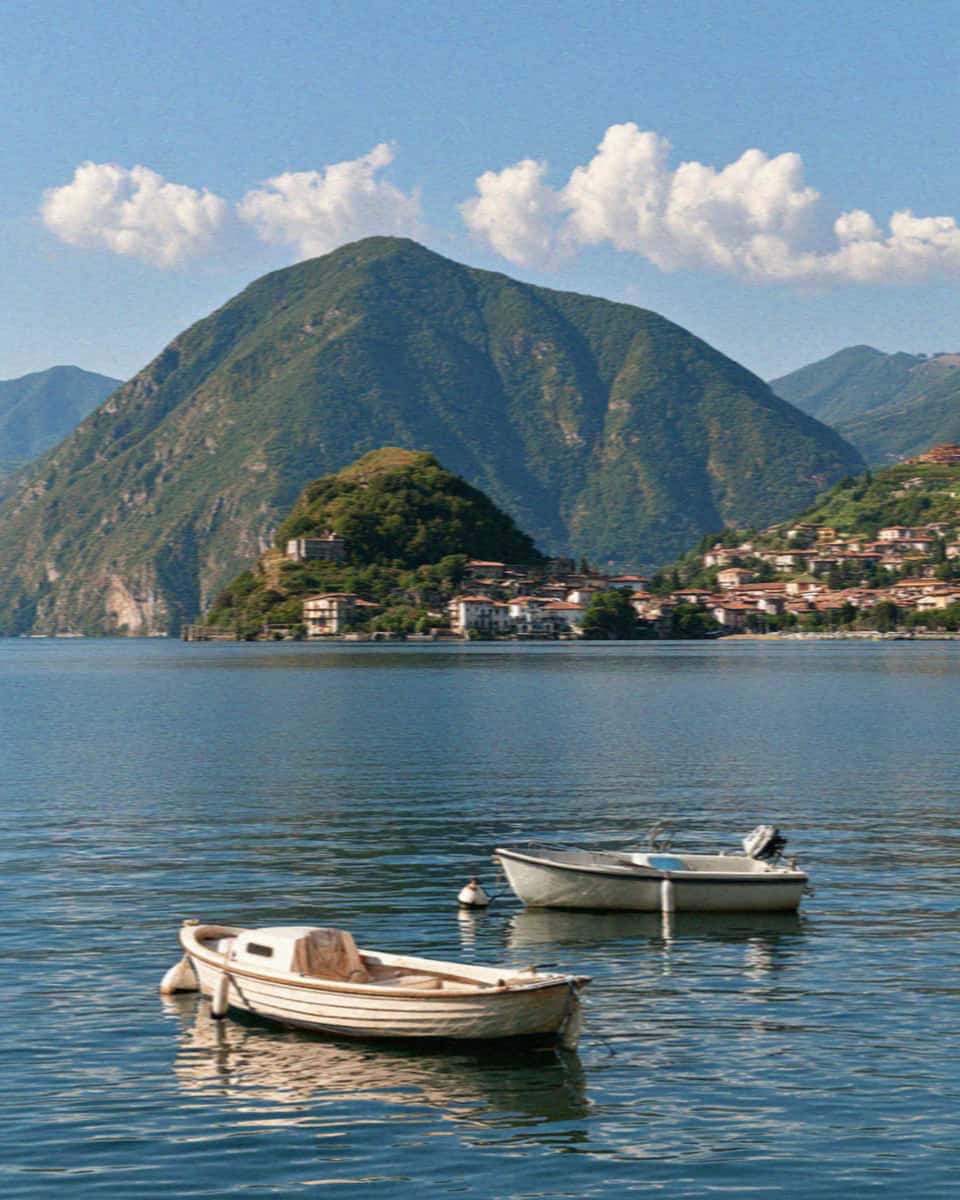
Tomorrow there will be the poor house in Borgo Canale where Donizetti was born, a proper long lunch and perhaps a lake somewhere down the road if the weather holds. Tonight there was only the wall, the plain filled with lights and a town with the nerve to be this beautiful while letting almost no one tell me.
V.
More images from Bergamo

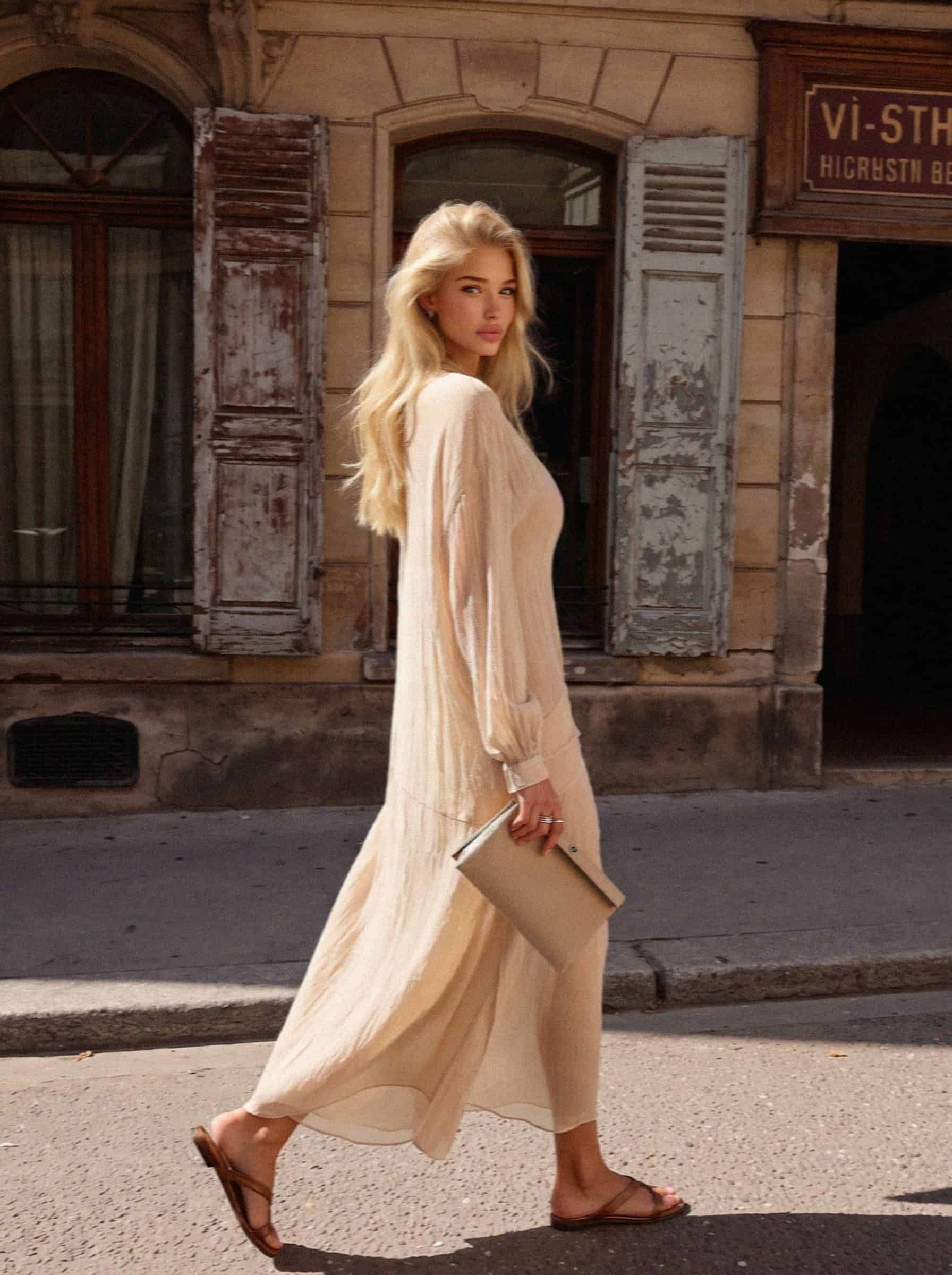




This is a diary from Bergamo. You can plan the whole trip, the upper town, where to stay and what to eat, in my complete guide to Bergamo.