In August the town does not empty out. It fills.
I had it the wrong way round in my head. I thought the middle of the month would hollow the place out, everyone gone elsewhere, shutters down. It is the opposite. Ferragosto comes, the whole country stops working and goes to the water, and Sorrento takes all of them at once.
The first thing is the heat. The second is the crowd.
The third is that neither matters, once you give up and learn the hours.
By eleven the Corso is a slow river of people and I am not in it. By four I am under the cliff somewhere with salt drying on my shoulders. At seven the town hands itself back.
That is the whole method.
There is a hole in the middle of Sorrento and almost nobody looks into it.
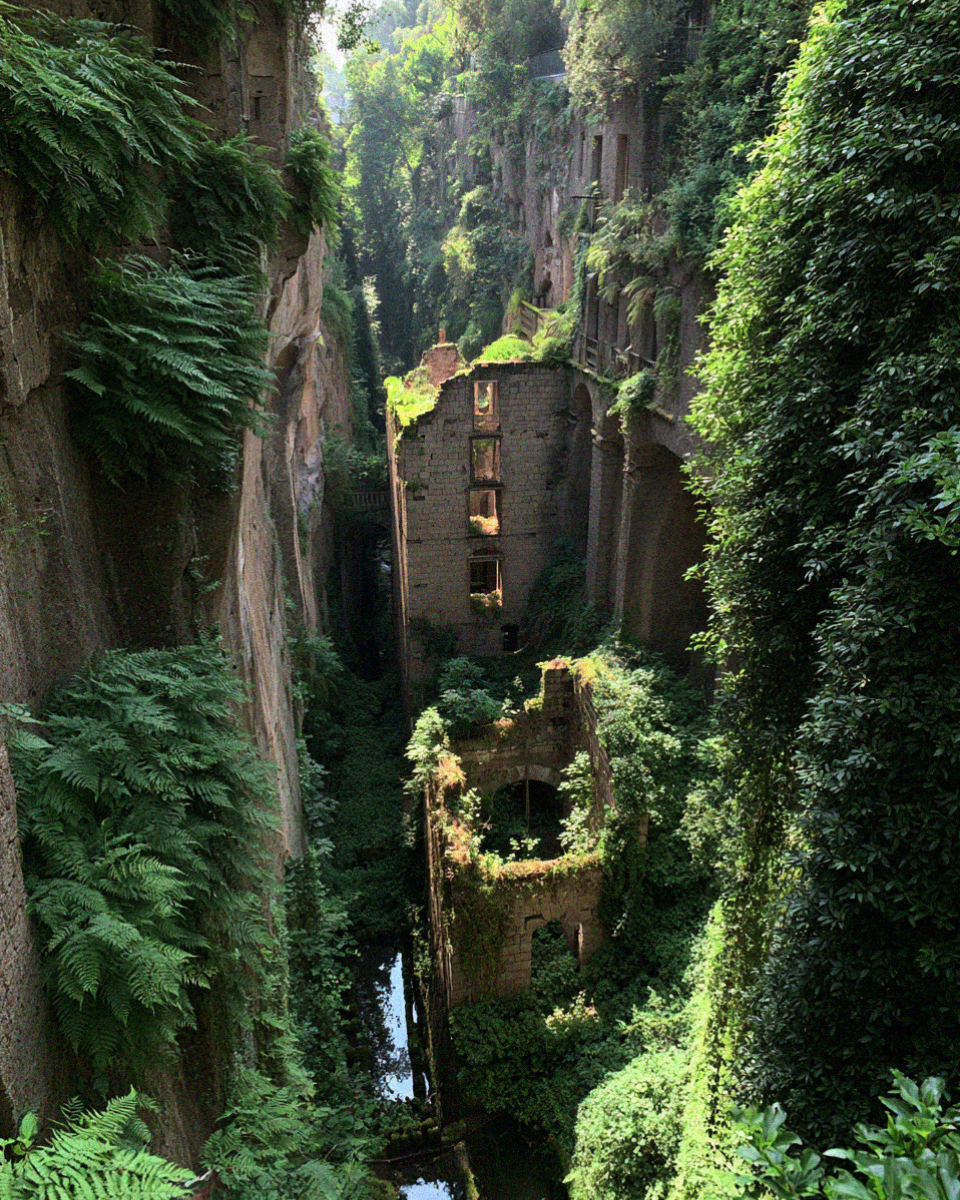
Just off the main square, on Via Fuorimura, the ground opens. A gorge, cut into the old volcanic rock by two streams, and at the bottom of it the ruins of flour mills. They ground wheat here from the Middle Ages until the 1940s. Then they stopped, and nothing has touched them since except the green.
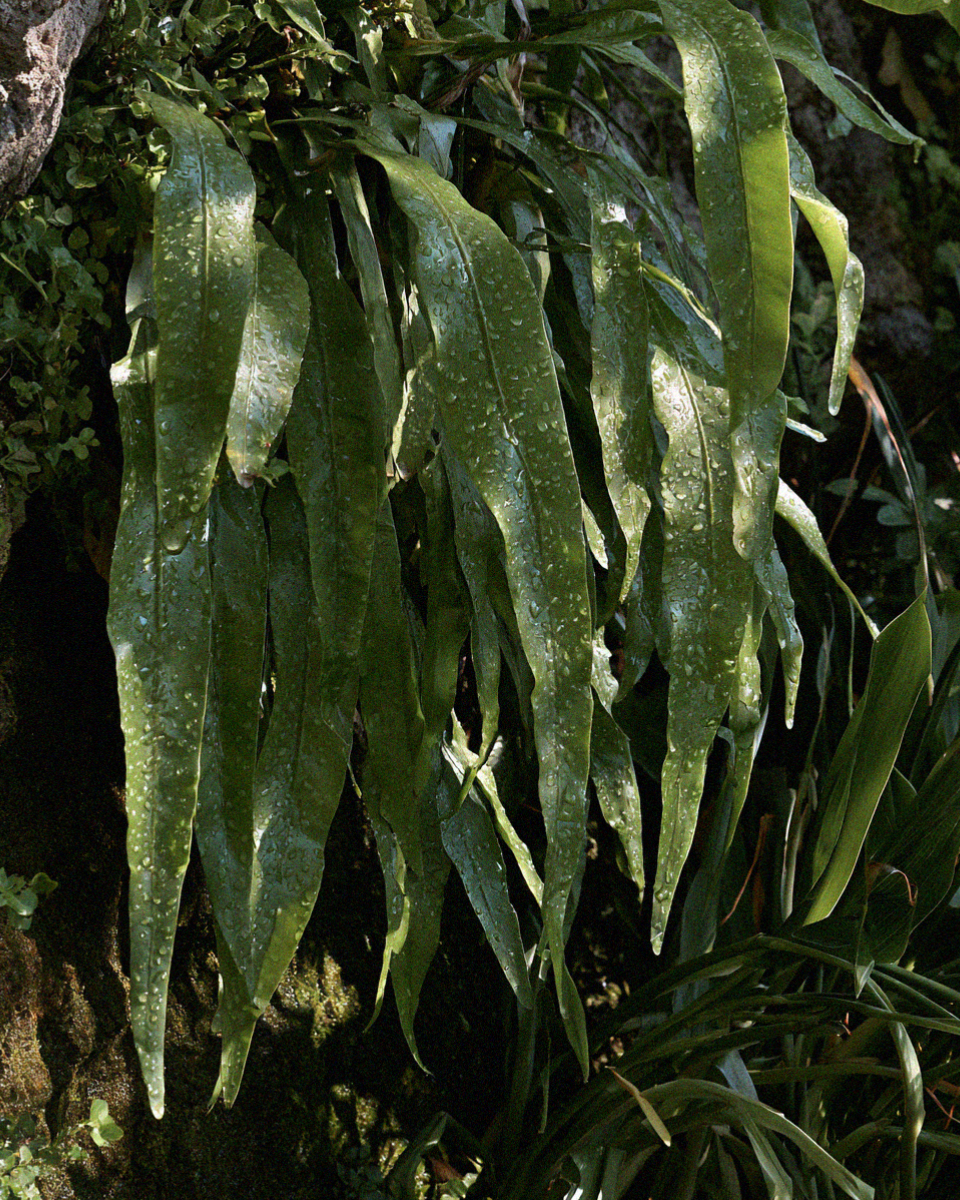
And it is very green. The gorge keeps its own weather. Down there it is damp and windless and cold, and ferns grow on those walls that have no business growing this far south, hart’s tongue and the rest, left over from a colder world, holding on in one wet seam of stone while the town above them bakes.
You cannot go down. There is no path. There has not been one for years, and the fragility is the reason.
So you stand at the railing with both hands on hot iron and look into somewhere cold.
I went back three times. Always near noon, because that is the only hour the sun reaches the floor of it. For about twenty minutes the ferns go luminous and the ruined stone goes pale. Then the shadow closes over and it is a dark green nothing again.
There is a second thing the crowd walks straight past.
In the lanes behind the square, a small domed loggia, open on two sides, its cupola tiled yellow and green. Inside, frescoes from the seventeen hundreds. Coats of arms. Painted architecture that climbs further than the ceiling actually goes. The last of its kind left in this part of Italy, the room where the noble families met to decide things, six hundred years ago.
It is a club for working men now, and they play cards in it.
Little wooden tables. Four to a table. Cards gone soft at the corners. The shouting that in Italy means nothing is wrong.
I watched longer than was polite. Nobody minded. Nobody looked up.
The sea at the end of August is about twenty six degrees.
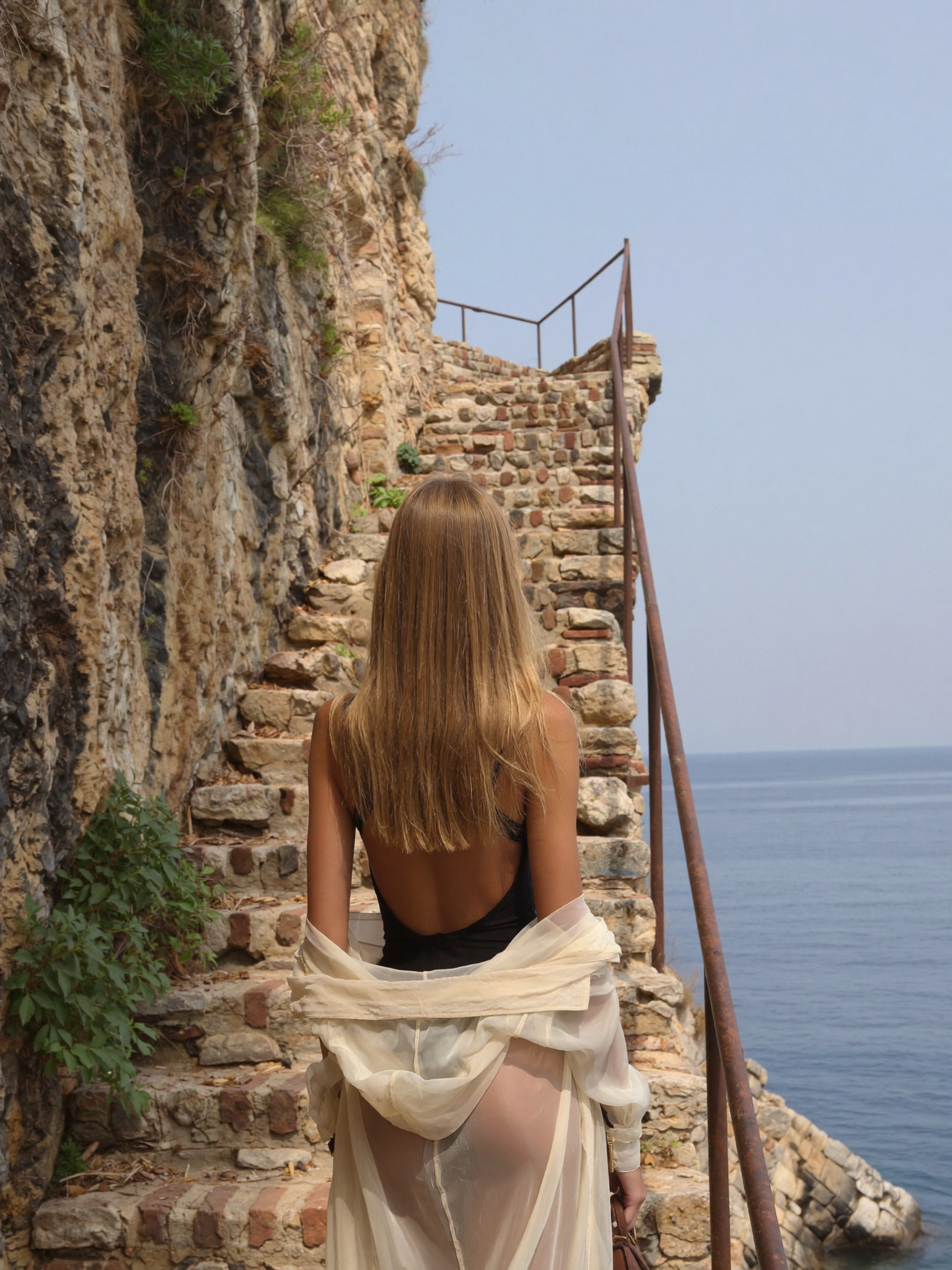
That is a number, and the number tells you nothing. What it means is that the water has stopped being a separate temperature from you. You come down the stairs cut into the tuff, you go in, and nothing happens. No shock. No gasp. No arrangement to be made between your body and the cold.
You are simply in it.
So you stay. An hour, easily. I lost whole afternoons that way and could not tell you to what.
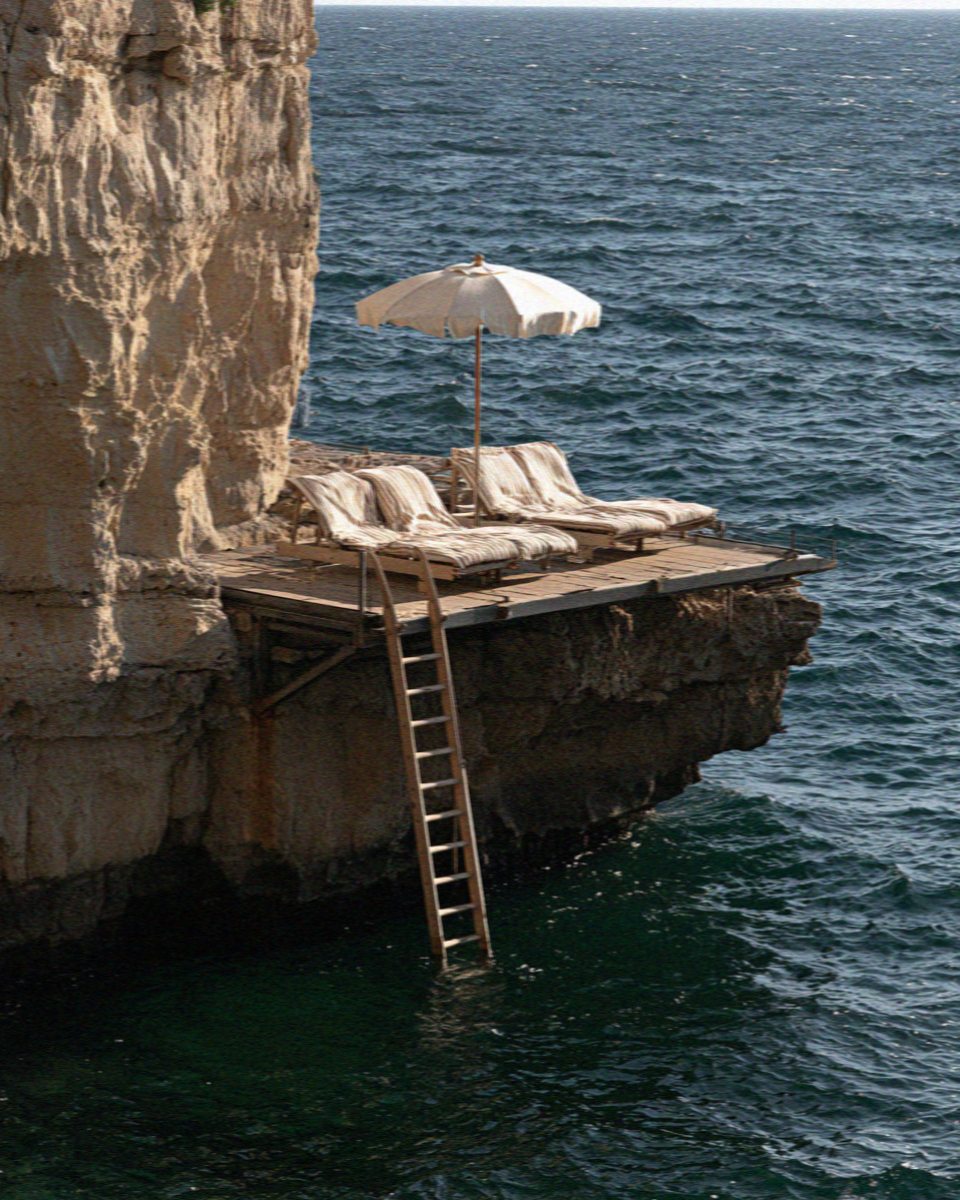
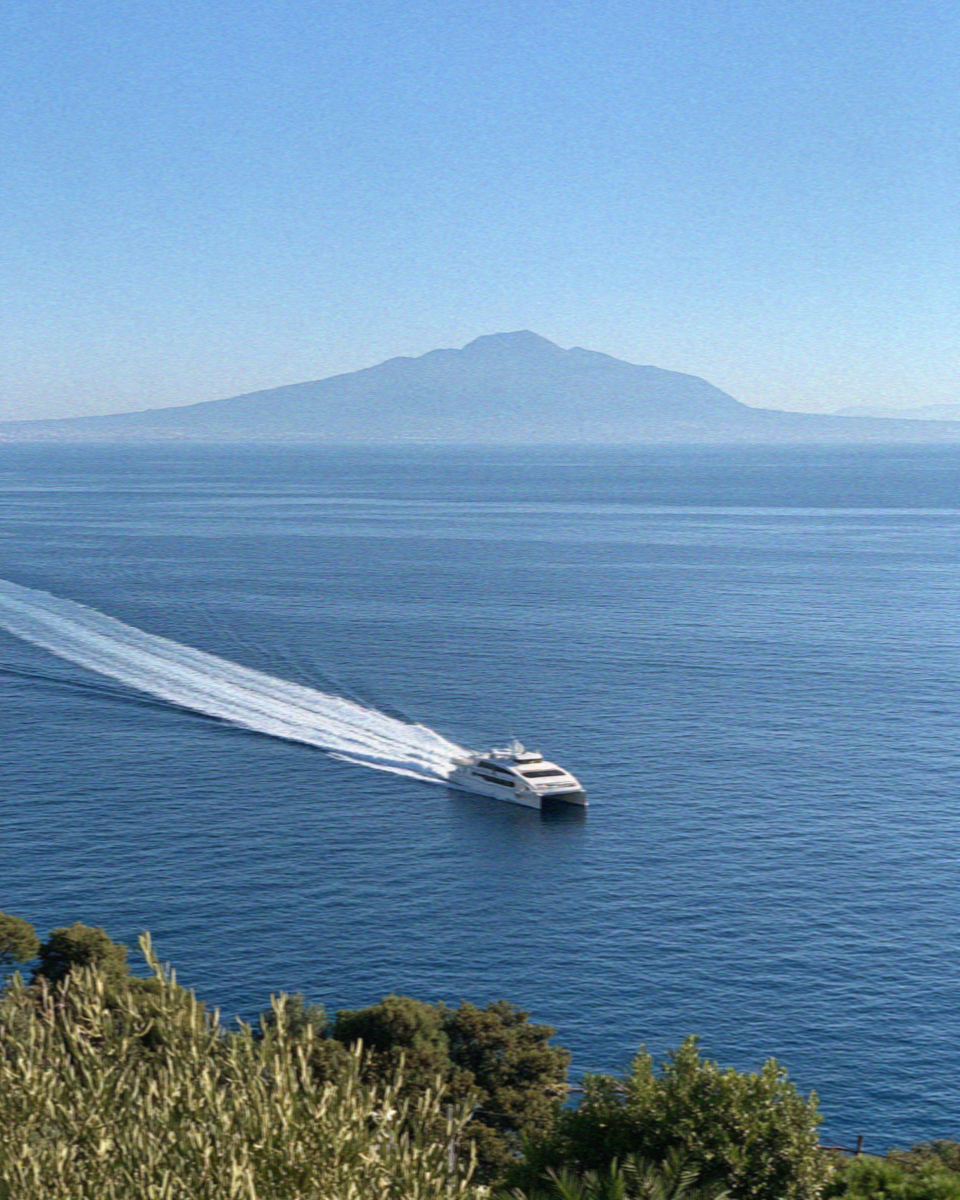
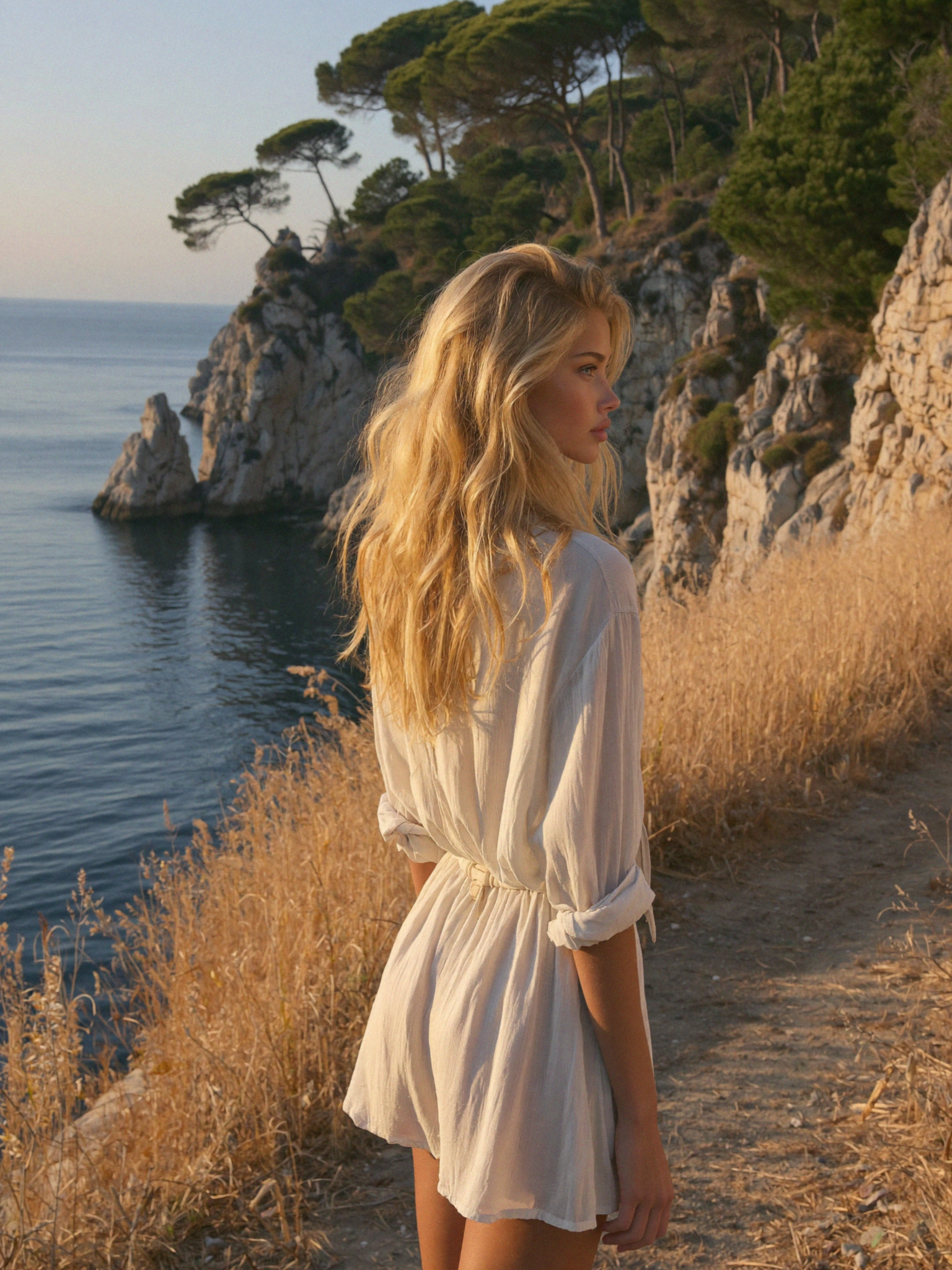
I swam most days off a platform below the town, one of those iron decks bolted to the rock with a ladder going down into deep water. Not a beach. There is barely a beach here. You take a lift or a long flight of steps, you pay a small amount for a lounger, and the sea is right there under you, deep and clear and green, the ferries crossing the top of it.
Twice I swam at night, which is the best of it and the thing I would come back for on its own.
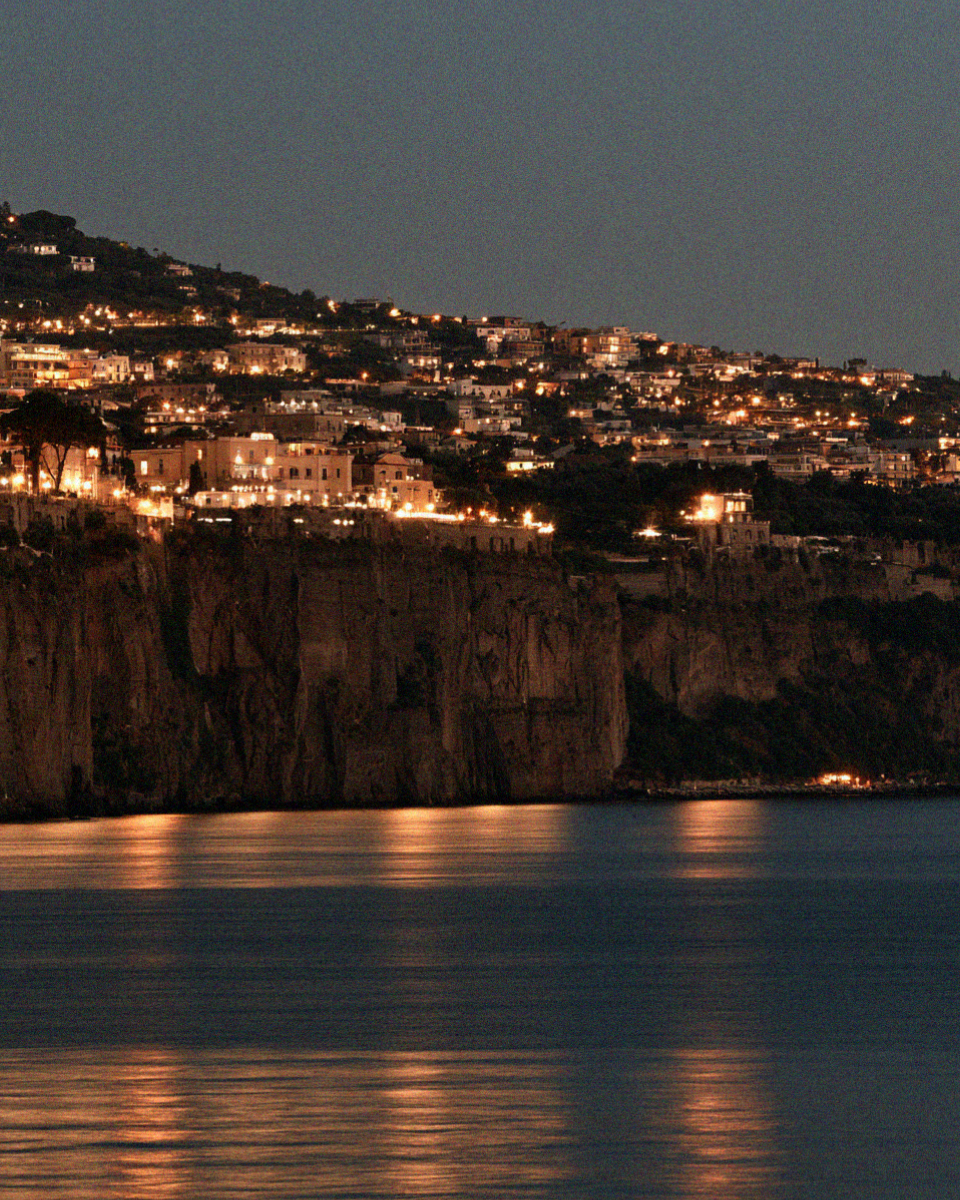
The water is warmer than the air by then. Black, and completely calm, lit only by what falls off the town. You go out twenty strokes and turn around, and Sorrento is a lit shelf above you, and Vesuvius is a shape you know is there rather than one you can see, and there is no sound except your own arms.
Warm water. Cool air. Nothing between the two of them but me.
Then September, and the turn.
It happens fast and without announcement. One week the lanes are packed to the walls, the next they are not. The queue at the ferry window is four people instead of forty. A restaurant that would not look at you on the twelfth will find you a table on the second.
The sea does not go with them. That is the trick of this month, and nobody tells you about it in July. The water holds its heat long after the air has let go of its own. Warm sea and thin crowds, in the same fortnight.
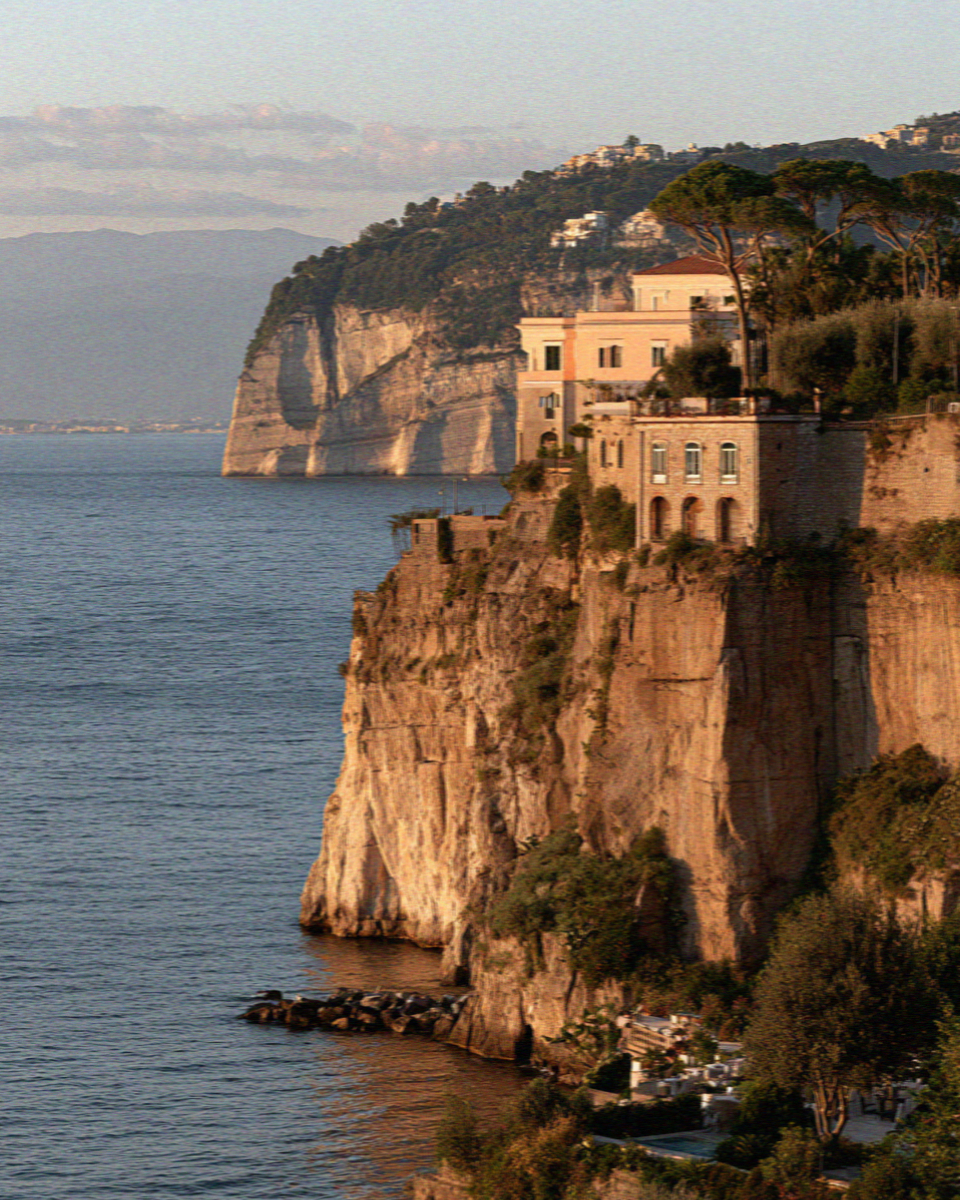
The light changes too. It comes in low and along the water instead of down onto it, and for an hour at the end of the day the cliffs go from white to the colour of a wet apricot.
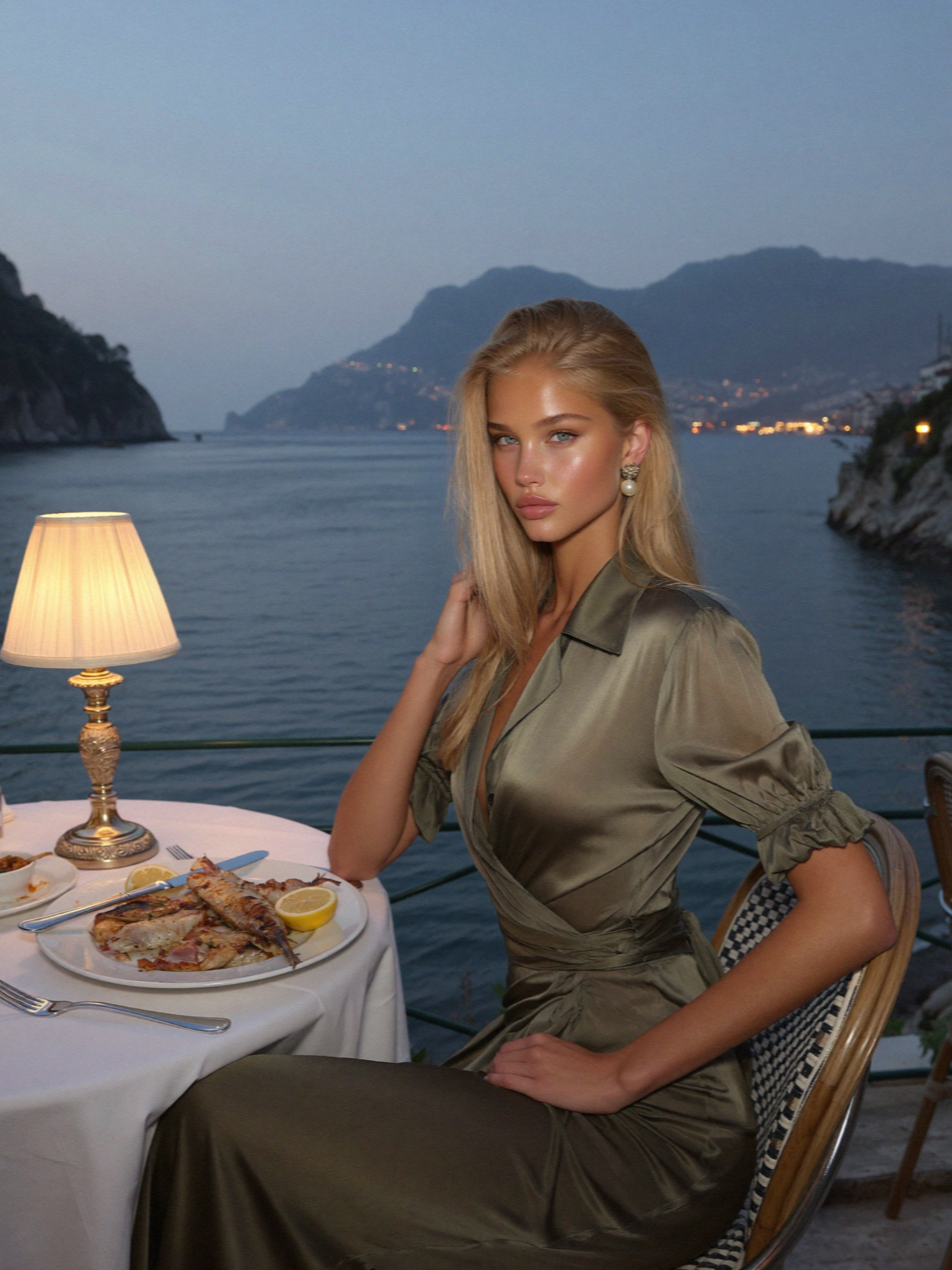
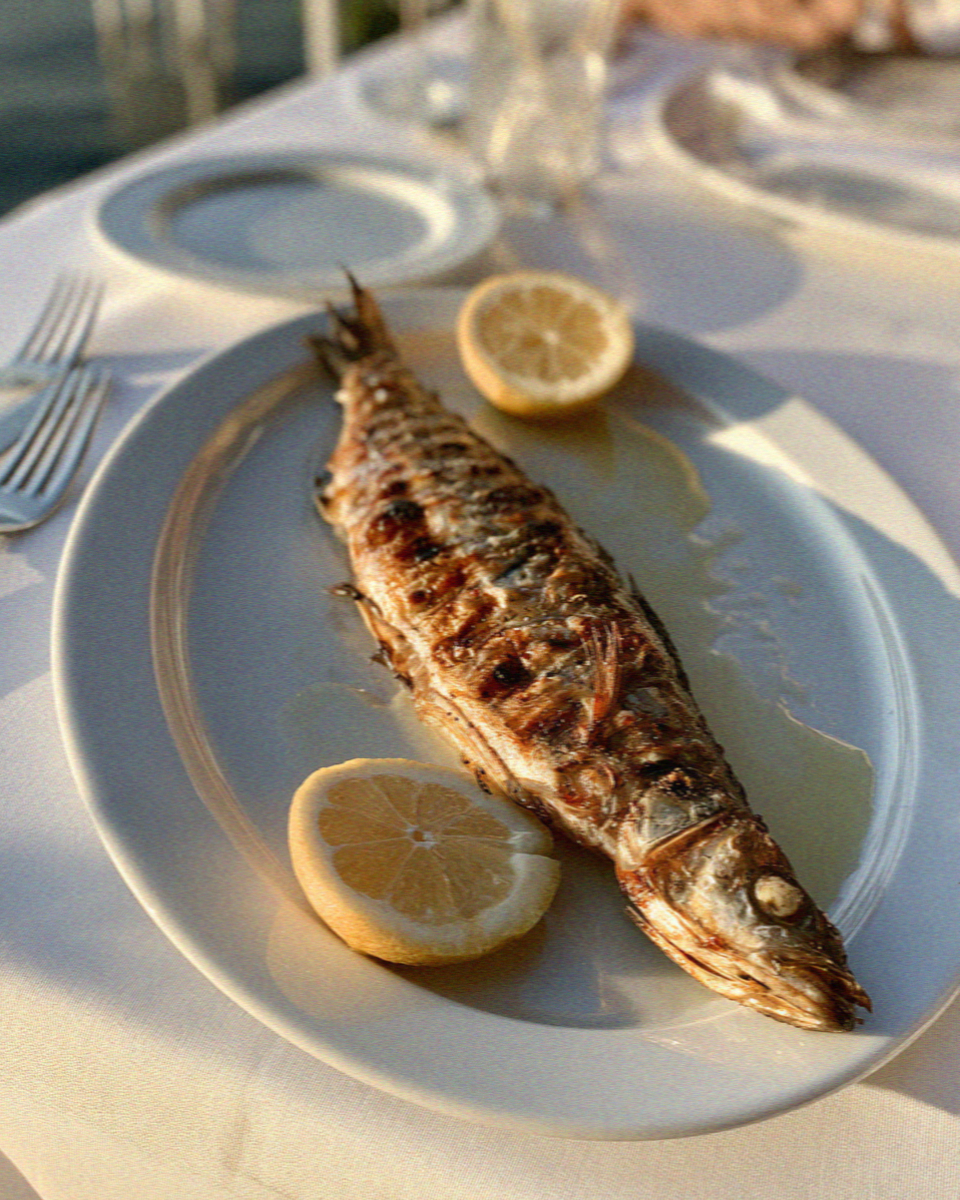
I ate late, up in the old town rather than down at the marina. Fish, usually. Something with the lemons in it, because they put them in everything here and they are right to.
Walked back through lanes gone quiet enough to hear my own steps in.
On the last evening I went to the railing over the gorge again, in the dark this time, when there is nothing to see at all. Only the cold coming up out of it. The ferns down there in the black, doing what they have done since long before any of this.
The heat went out of the stone under my hands while I stood there.
In the morning I took the ferry.
V.
More from Sorrento






This is the second of three diaries from Sorrento. The practical version of the town, and everything I worked out about it, is in my complete guide to Sorrento.