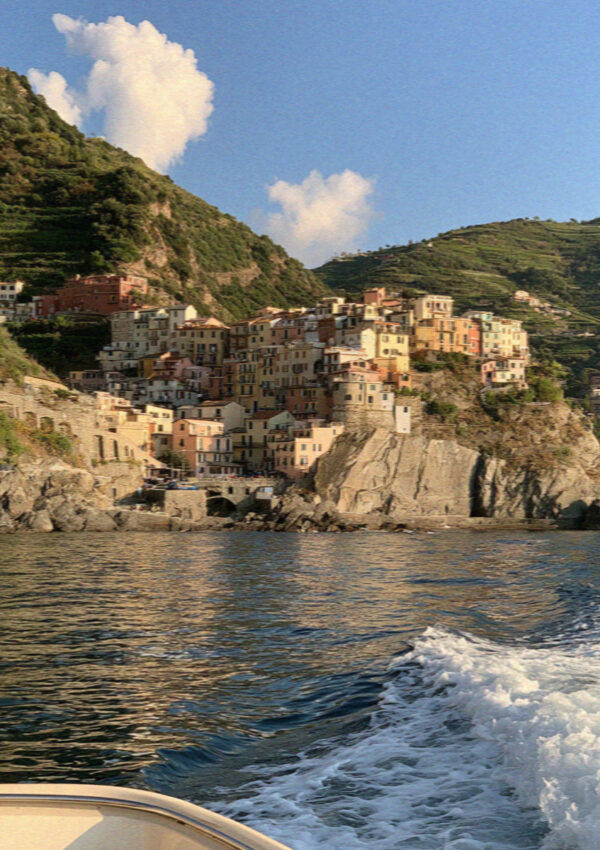
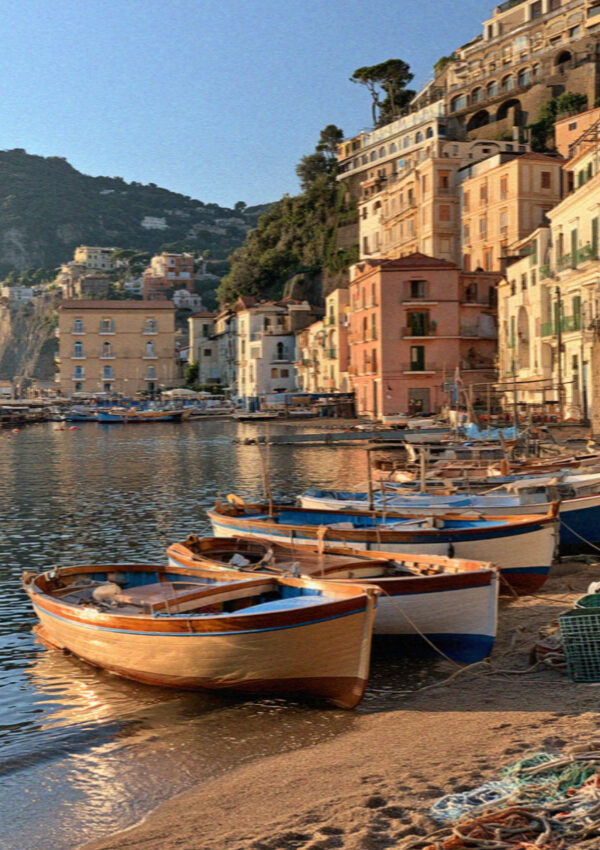
There is no airport on any of the seven islands, and there never will be, because there is nowhere flat enough to put one.
So getting here is a flight, a transfer and a boat, in that order, and the only real decisions are which airport and which port. The wider planning is in my complete guide to the Aeolian Islands.
The short version
Fly to Catania. Transfer to Milazzo. Take the hydrofoil to Lipari, about an hour.
That is the route for most people, most of the time, and everything below is either the detail of it or the exceptions.
Which airport
Catania is the default. It is Sicily’s busiest airport, has the most European connections, and sits roughly two hours from Milazzo by road.
Palermo works and is a similar distance, around two and a half hours to Milazzo, but has fewer flights. Choose it if the fare is much better or if you are combining the islands with western Sicily.
Reggio Calabria on the mainland is closer as the crow flies but involves crossing the strait and is rarely worth the complication.
There is also a small airport at Comiso in the south east, which is too far to be useful for this trip.
Getting from the airport to Milazzo
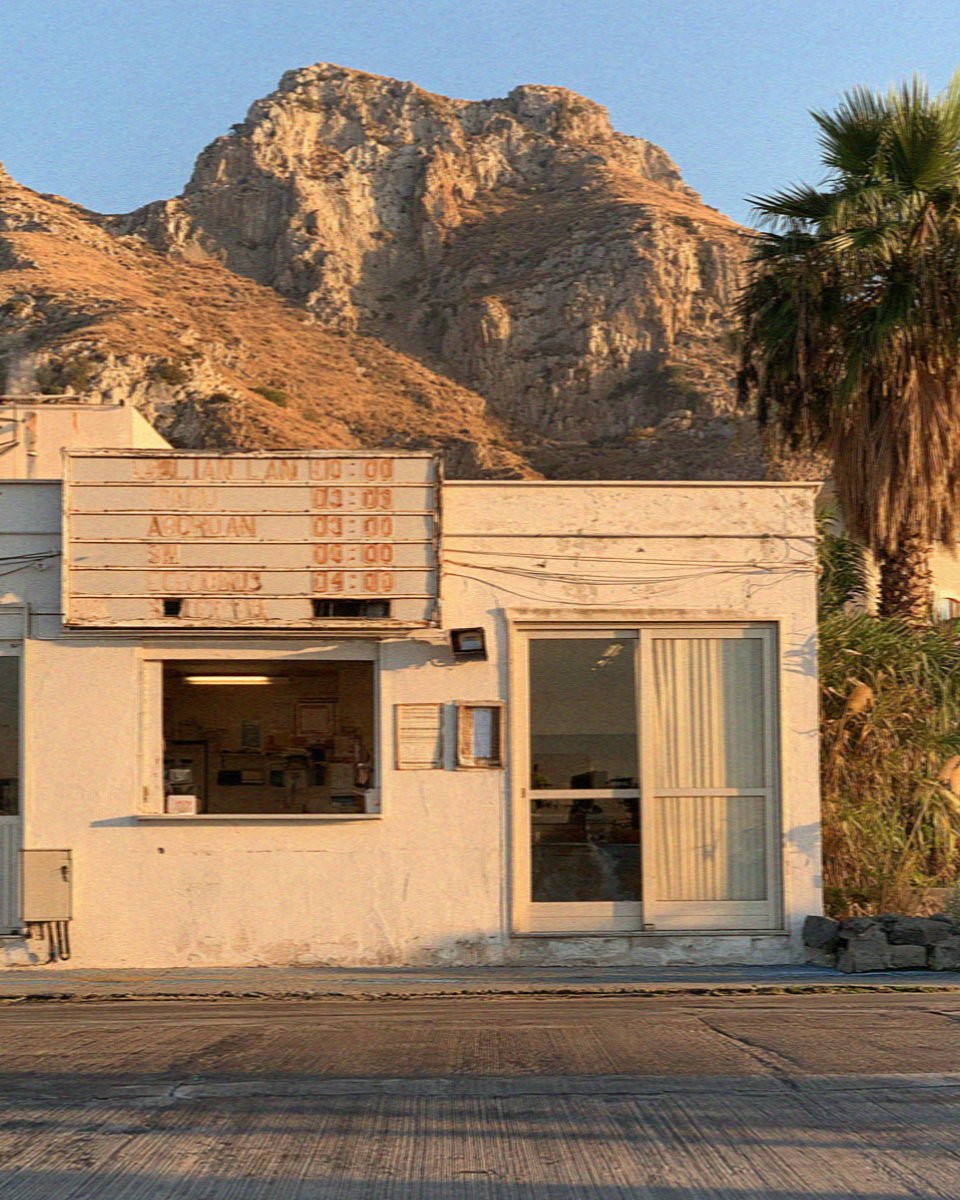
The direct bus is the right answer from Catania. There is a coach service that runs from Catania airport to Milazzo port, takes a little over two hours, and costs in the region of fifteen to twenty euros. It is the cheapest and the least stressful option, and it drops you at the port rather than in the town.
By train you would go Catania to Milazzo via Messina, which involves a change and then a short bus or taxi from Milazzo station down to the port, because the station is not at the harbour. It works and it is scenic, but it is slower than the coach.
By car it is about two hours on the motorway. Only do this if you are driving in Sicily anyway, and see the note on parking below.
Booking a private transfer costs meaningfully more but removes the timing risk if you have a tight connection to a last boat.
Milazzo, and why it is the port you want
Milazzo is a workaday port town on a spit of land pointing north, and it exists in this trip purely as a hinge.
It is the closest mainland port to the islands, and it has by far the most departures: in high season there can be up to seventeen crossings a day to Lipari. That density is the reason to use it. If you miss one, there is another.
Do not plan to look around Milazzo. There is a castle and a decent seafront and it is fine, but nobody’s trip is improved by budgeting a day for it.
The crossing
Two kinds of boat, and the difference matters.
Hydrofoils (aliscafi) are run by Liberty Lines. They are fast, carry foot passengers only, and take about an hour to Lipari. A one way ticket sits roughly in the fifteen to twenty-five euro range depending on season and destination.
Car ferries (traghetti) are run by Siremar. They are slower, cheaper, less comfortable in swell, and they take vehicles.
Which to take: the hydrofoil, unless you are bringing a car, which you should not be. The ferry’s one real advantage is that it is far less likely to be cancelled in wind.
Booking. In July and August book ahead, particularly for the popular morning and late afternoon departures. In May, June, September and October you can usually turn up, though booking costs nothing in convenience.
Other ports, and when they make sense
Messina has services and is closer to Reggio Calabria, useful if you are arriving from the mainland by train down the toe of Italy.
Palermo has a seasonal overnight and daytime service, which can be useful if you are ending in western Sicily, but it is long.
Naples has a seasonal high-speed connection, roughly four to six hours to the islands depending on service. It sounds appealing and it is genuinely useful if you are coming down from Rome or Naples anyway, but it is a long time on a fast boat and it runs only in season.
Vibo Valentia and Tropea in Calabria have summer services too.
Milazzo remains the default for a reason.
Do not bring a car
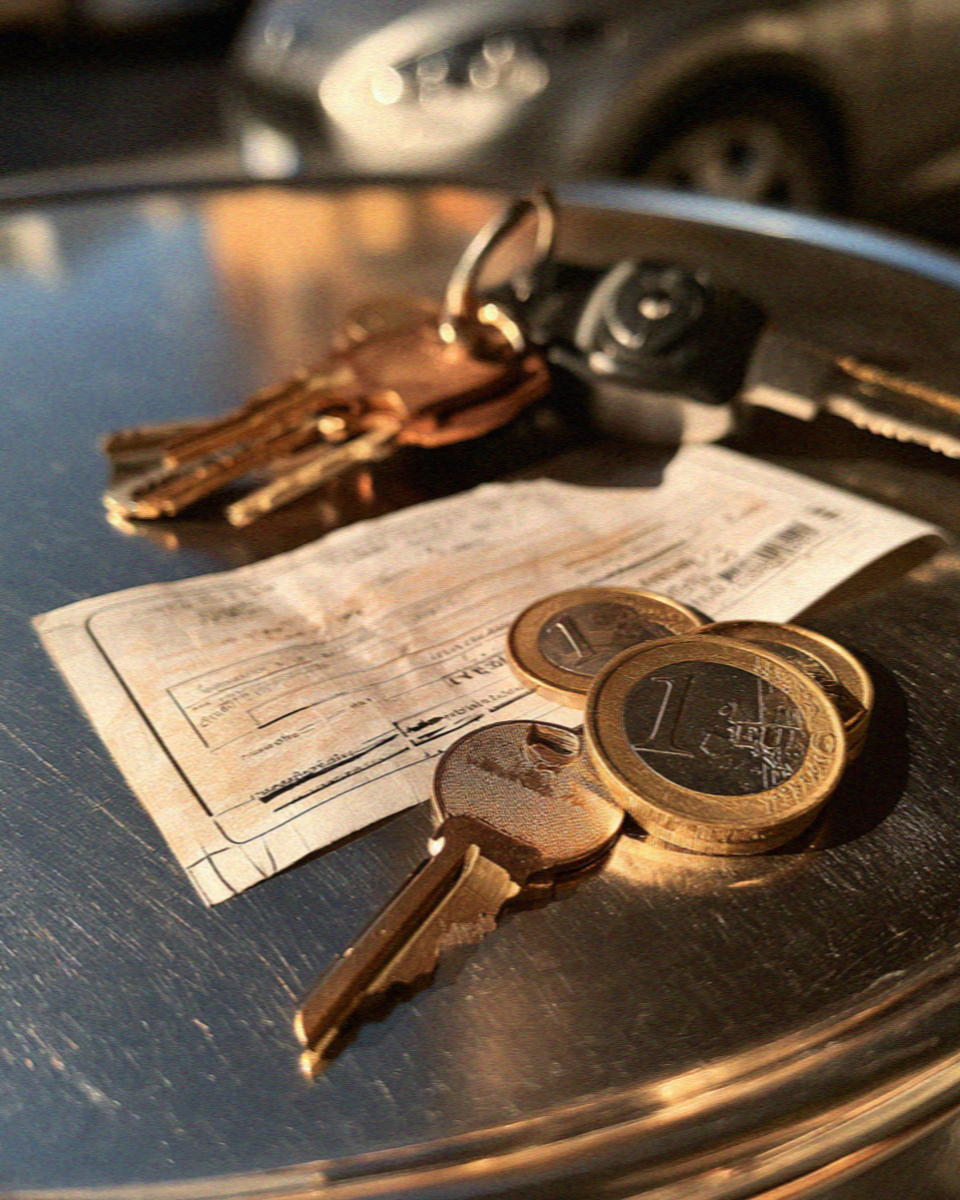
Taking a vehicle across is expensive, slow and almost always pointless.
Panarea is entirely car-free. Alicudi has no roads. Filicudi barely has one. Lipari and Salina both have buses that work and scooters for hire, and the islands are small enough that you would use a car for about twenty minutes a day.
There are secure paid car parks around Milazzo port charging a modest daily rate. Leave it there, and be relieved you did.
The mistake that ruins the end of trips
Do not book a flight home for the same day as your last crossing.
Hydrofoils are light, fast and the first thing cancelled when the wind gets up. The mistral can close the Milazzo routes for a day at a time, most often in spring and autumn but not only then. Ferries are more robust, but a bad enough blow stops those too.
The fix is cheap. Come off the islands the day before you fly and sleep on the mainland. If the boats run normally you have an easy evening in Milazzo or Catania. If they do not, you have not lost a flight.
I would apply the same logic to anything unmissable at the other end. The islands are not a place to run a tight connection.
Arriving, and getting to your bed
Lipari’s hydrofoil dock is a short walk from the main town, and most accommodation there is walkable with a bag.
On the smaller islands, arrivals are met. Panarea has electric buggies. Stromboli has small three-wheelers. Alicudi has mules, and that is not a joke: your luggage goes up the steps on an animal while you walk.
Tell your accommodation which boat you are on. On the small islands this is normal and expected, and it is the difference between someone waiting at the quay and you carrying a suitcase up two hundred stone steps.
Read also: Aeolian Islands ferries and island hopping, which Aeolian island to stay on, and my complete guide to the Aeolian Islands.
Frequently Asked Questions
How do you get to the Aeolian Islands?
Fly to Catania or Palermo, travel overland to Milazzo, and take a hydrofoil or ferry across. There is no airport on any of the seven islands. The crossing from Milazzo to Lipari takes about an hour by hydrofoil.
Which airport is closest to the Aeolian Islands?
Catania, roughly two hours from Milazzo port by road and with the best flight connections. Palermo is a similar distance at about two and a half hours but has fewer flights, and is worth choosing if you are combining the islands with western Sicily.
How much is the ferry to the Aeolian Islands?
A one way hydrofoil ticket from Milazzo to Lipari is roughly fifteen to twenty-five euros as a foot passenger, varying with season and operator. Car ferries are cheaper and slower. Liberty Lines run the hydrofoils and Siremar the car ferries.
How long is the ferry from Milazzo to Lipari?
About an hour by hydrofoil, and longer on the car ferry. In high season there are up to seventeen crossings a day, so a missed boat is rarely a serious problem in summer.
Do you need to book Aeolian ferries in advance?
In July and August, yes, especially for the busiest morning and late afternoon departures. From May to June and September to October you can usually buy on the day, though booking ahead costs nothing and removes the risk.
V.