You smell Sorrento before you see it properly. The train comes down through the tunnels and the lemon terraces, and by the time you step out into the heat there it is, that thick sweet green scent of citrus that hangs over the whole peninsula, so heavy in spring it is almost a taste. I have arrived in a lot of Italian towns tired and travel-stained and wanting only a shower, and Sorrento is one of the few that stops you on the pavement, bags in hand, and makes you stand still for a moment and simply breathe it in.
It is a town that does not ask much of you, which after the vertical drama of the Amalfi Coast feels like a kindness. There are no thousand steps here, no single lane of traffic pinned between the mountain and the sea. Sorrento sits flat on top of its cliff, looking across the bay at Vesuvius, and you can walk the whole of it in the time it takes to decide what you want for dinner. I spent my first afternoon doing nothing but wandering the lanes of the old town, in and out of the little workshops where men still inlay wood the way their grandfathers did, past shop after shop of lemons the size of your two fists, until the light started to go and I found my way, as everyone does, to the gardens of the Villa Comunale.
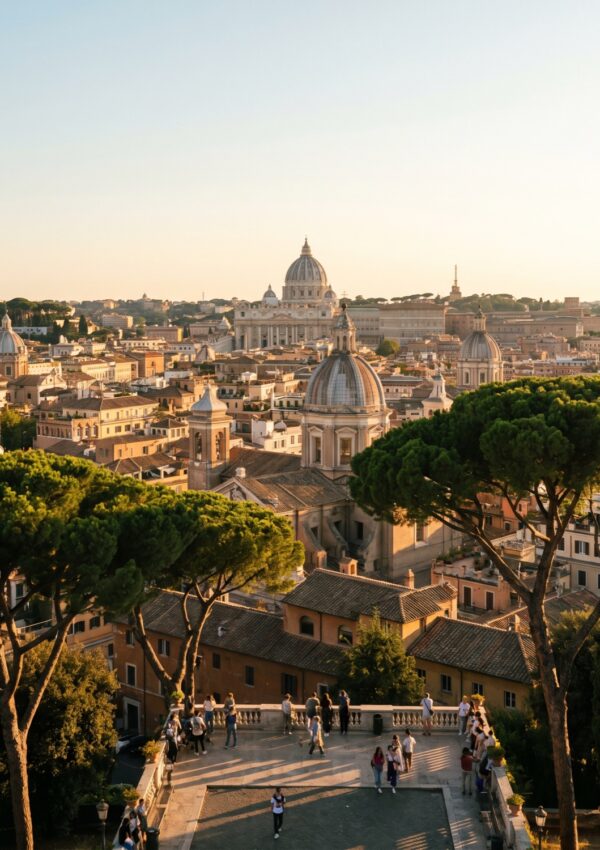
Everyone comes here for the sunset, and everyone is right to. The whole bay opens out below the terrace, Marina Piccola at your feet and the great grey shape of Vesuvius across the water, and as the sun drops, the sky does something operatic behind the volcano while the town gathers along the railing to watch. It should feel like a tourist ritual and somehow does not; there is something in a whole crowd of strangers going quiet at the same beautiful thing that I never tire of. My grandmother used to say you should never be too proud to look at a sunset, that it was the one show that never once repeated itself, and I thought of her, at the railing, with a lemon granita going soft in my hand.
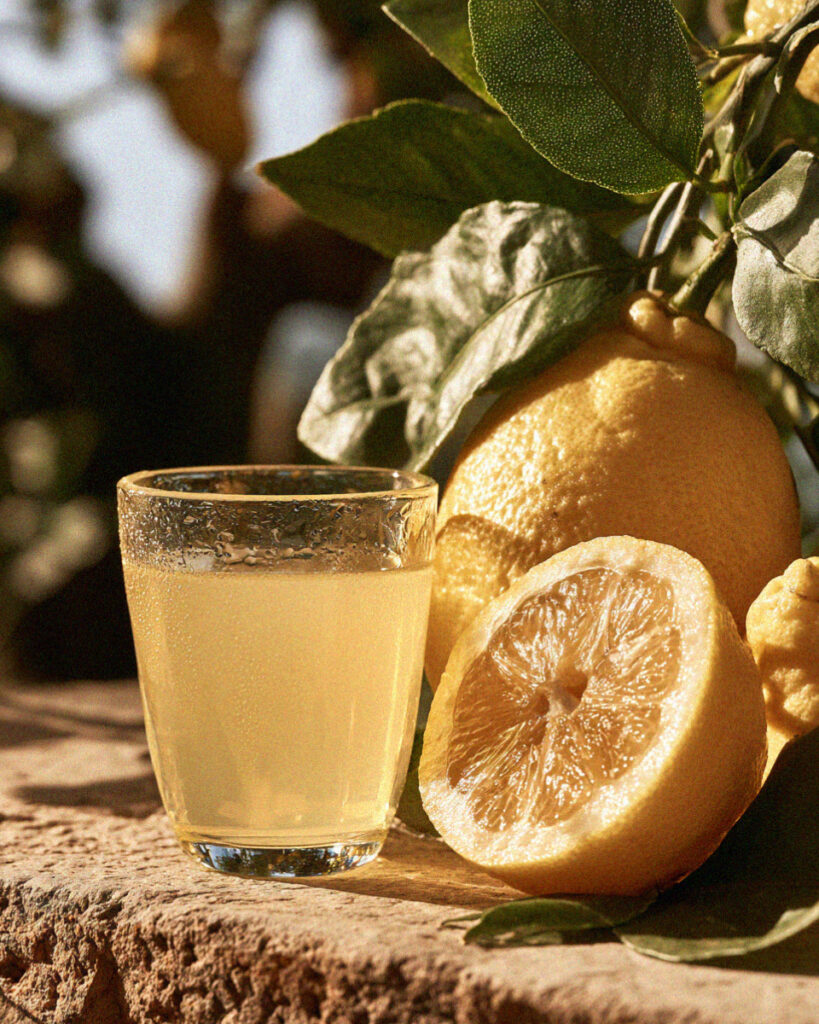
The mornings were the part I did not expect to love the most. I took to getting up before the town did and walking out to the lemon groves while the air was still cool, under the old pergolas where the fruit hangs down in the green shade, and the ground is spotted with fallen blossom. There is a particular quiet to a working grove at that hour, the nets overhead, the smell of the earth and the citrus, a man somewhere down a row doing something unhurried with a ladder. I bought a bottle of limoncello from him, cold from a fridge in a shed, and it tasted nothing like the sugary stuff in the souvenir windows; it tasted of exactly the place I was standing in, which is the whole point of a thing like that.
In the middle of the days I went to the sea, because you cannot look at that bay for three days and not get into it. One morning I walked out along the cape to the Bagni della Regina Giovanna, the old sea pool ringed by cliffs where a Roman villa once stood, and swam through the stone arch out into the open water and back, with nobody there but two boys fishing off the rocks. Another day I did nothing more ambitious than a lounger on a platform below the town, dozing and reading and going in when the heat got to be too much. The Sorrento lemons and the Roman ruins are lovely, but a place like this is really about the water and the warmth and the willingness to waste an afternoon.
And then the evenings, which are the best of it. Sorrento in the evening belongs to the passeggiata: Corso Italia closes to cars, the lamps come on over the lanes, and the whole town comes out to walk, the old couples arm in arm, the children weaving, the young ones circling the square to see and be seen. I would eat late and slowly, down at Marina Grande with my feet almost over the sea and a plate of gnocchi still bubbling from the oven, and then climb back up into all that gentle noise and let it carry me along for an hour before bed. There are grander towns on this coast, and more dramatic ones, but I am not sure there is a happier one.
On the last night I went back up to the terrace one more time, after the crowd had gone and the sunset was long over, and stood in the dark looking at the lights of the towns strung around the black water and the one red pinprick that might have been a boat or might have been the mountain. I thought about how some places make you want to see everything and some places make you want to see nothing, and how the second kind are rarer and, in the end, the ones you miss. Sorrento is the second kind. I went back down through the lanes with the smell of the lemons still in the air, and I already knew I would come again.
V.
This is a diary from Sorrento. The whole trip, guided by a guide, is in my complete guide to Sorrento.