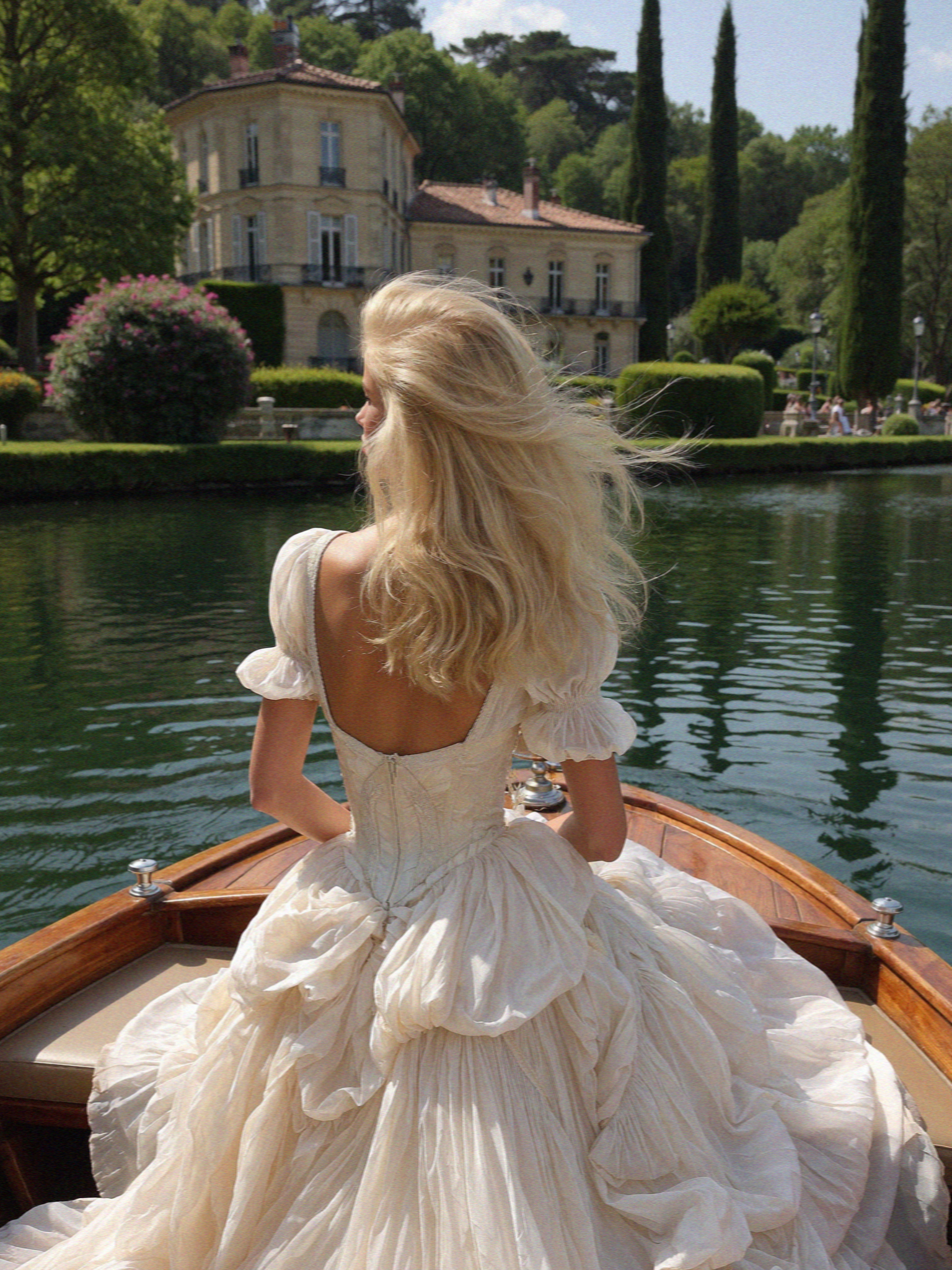
On Lake Como the water is the road, and the boat is not a flourish, it is the transport that makes a lakeside wedding actually work. A bride arriving by wooden launch is one of the great entrances available anywhere, and moving your party between shores is often done on the lake simply because it is faster and far lovelier than the winding corniche. Here is how to do it well, as part of my complete guide to Lake Como weddings.
Why the Boat Matters
Several of the finest venues, Villa del Balbianello foremost among them, are reached properly only from the water, so for those weddings a boat is not optional. But even where roads exist, the lake is the more beautiful and often the quicker route between a ceremony on one shore and a dinner on another. The arrival by boat is, in my honest opinion, the single most memorable thing you can spend on, which is why I flag it in my guide to how much a Lake Como wedding costs.
The Kinds of Boat
There are three broad options.
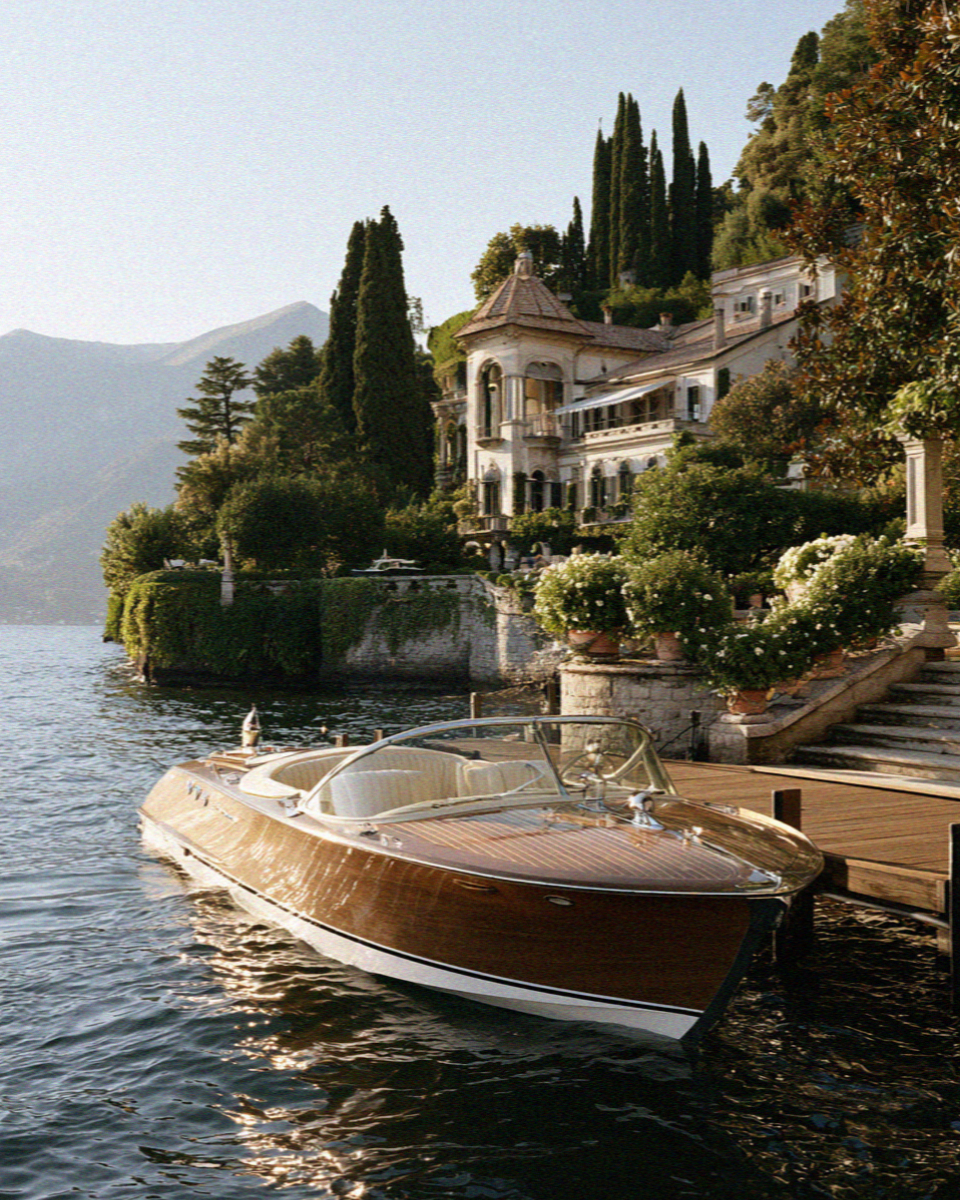
The classic wooden Riva, all polished mahogany and cream cushions, is the romantic choice for the couple’s own arrival and departure, and nothing photographs better. Get the name right when you enquire, because it matters: Riva is a marque, built at Sarnico, and the boats people mean are usually the Aquarama, the Super Florida or the Tritone. These are not rental-shop boats. A handful of owners and specialist operators run them on Como, several based around Laglio, and they are hired with a skipper for a half day, a day or an evening rather than by the hour.
Larger taxi and transfer boats, run by operators out of Varenna and the other towns, move groups of guests efficiently between hotels and venues. This is the workhorse category and where most of your money actually goes.
And the public ferries, cheap and frequent, can carry guests for the everyday hops if your timings are relaxed. Most weddings mix all three: a Riva for the bride, larger boats for the guest flotilla, ferries for the casual moments.
The Real Costs and the Catch
Boats are a genuine line in the budget, not a rounding error. A private launch for the couple, guest transfer boats for a party of eighty, and the coordination to run them on time add up quickly, and this is a large part of why a multi-venue villa wedding costs more than a single-hotel one.
To calibrate: an ordinary small self-drive rental, the kind holidaymakers take out for an afternoon, runs something like a hundred to a hundred and thirty-five euros for two hours and a hundred and sixty to two hundred and twenty-five for four. That is the floor of the market, and it is not what you will be paying. A skippered classic Riva sits in an entirely different bracket, quoted by the session rather than the hour, and operators will price a wedding individually because they are pricing the day, the season and the risk of your schedule slipping. Guest transfer boats fall between the two and are usually the larger total, simply because you need several of them and you need them twice.
The honest summary is that the Riva is the photograph and the transfer fleet is the cost. If the budget has to give somewhere, keep the Riva for the arrival and move guests on ordinary transfer boats, because nobody photographs the shuttle. The catch nobody mentions until it is a problem: boats run on weather and on lake height. A sudden afternoon storm or high water can disrupt a crossing, so you need a professional coordinator and a plan B you are genuinely happy with, not one you are quietly dreading. Build the wet-weather alternative into the plan from the start.
Timing Is Everything
The reason a planner earns their fee here is timing. Moving dozens of guests across water on a schedule, so that everyone arrives together and nobody is left on a jetty, is a precise operation that local operators do well and amateurs do badly. Coordinate the boat times with the weekend itinerary and, crucially, make sure guests are housed on the right side of the lake so the last crossing is not a crisis, a point I press in my guide to the best Lake Como hotels for wedding guests.
A Sample Boat Timeline for the Day
To see why timing matters, picture a two-venue day. Guests gather at their hotel jetty in the late afternoon and are ferried by transfer boats to the ceremony villa, arriving together and settled before the couple. The bride comes last and alone, in a wooden launch, for the entrance nobody forgets. After the ceremony and photographs, an aperitif holds everyone on the terrace while the boats reposition, then guests cross to the dinner venue as the light goes. Late in the night, the boats run in waves to carry people home, with the final crossing timed and confirmed so nobody is stranded. Every one of those movements has to be booked, briefed, and buffered, which is precisely the choreography a planner is for, and why boats sit near the top of the budget in my guide to how much a Lake Como wedding costs.
Booking, Send-Offs, and the Small Print
Book your boats through established local operators, the kind who run these transfers weekly and know the jetties, the currents, and the timing, rather than the cheapest quote you can find. Agree in writing how many boats, how many seats, and what happens if the weather turns. Consider the send-off, too: a departure by lit launch, the villa glowing behind you and guests waving from the terrace, is the closing image of the whole day and worth arranging deliberately. And mind the practicalities that catch people out, the gangways and decks that make stiletto heels a hazard, which is one reason I nag guests about shoes in my guide to Lake Como wedding guest outfits. Done well, the boats are not a cost you resent. They are the part of the day people describe for years.
Frequently Asked Questions
Do you need a boat for a Lake Como wedding?
For several venues, including Villa del Balbianello, yes, as they are reached only from the water. Even elsewhere, boats are the most beautiful and often the quickest way to move between shores, though a road-based plan is possible for single-location weddings.
How much do wedding boat transfers cost on Lake Como?
They are a significant line in the budget rather than a minor extra. A private wooden launch for the couple plus guest transfer boats for a full party, coordinated on a schedule, can rival other major costs, especially for a multi-venue day.
What kind of boat should the bride arrive in?
A classic wooden Riva, all mahogany and cream, is the traditional and most photogenic choice for the couple’s arrival and departure. Larger transfer boats handle the guests, and public ferries can cover casual hops.
What happens if the weather is bad on the wedding day?
Boats depend on weather and lake height, so a storm or high water can disrupt crossings. A professional coordinator and a genuine backup plan are essential, and the wet-weather alternative should be built into the schedule from the beginning.
Read also: The Lake Como Wedding Weekend Itinerary | The Best Lake Como Wedding Venues | Lake Como Weddings: The Complete Guide