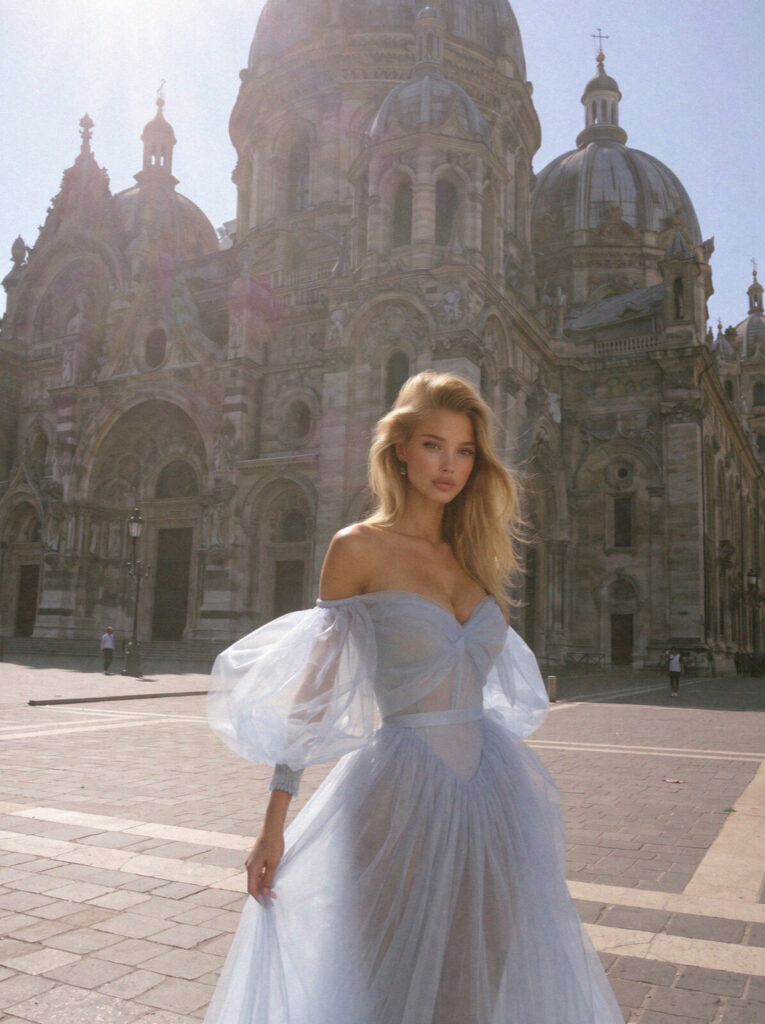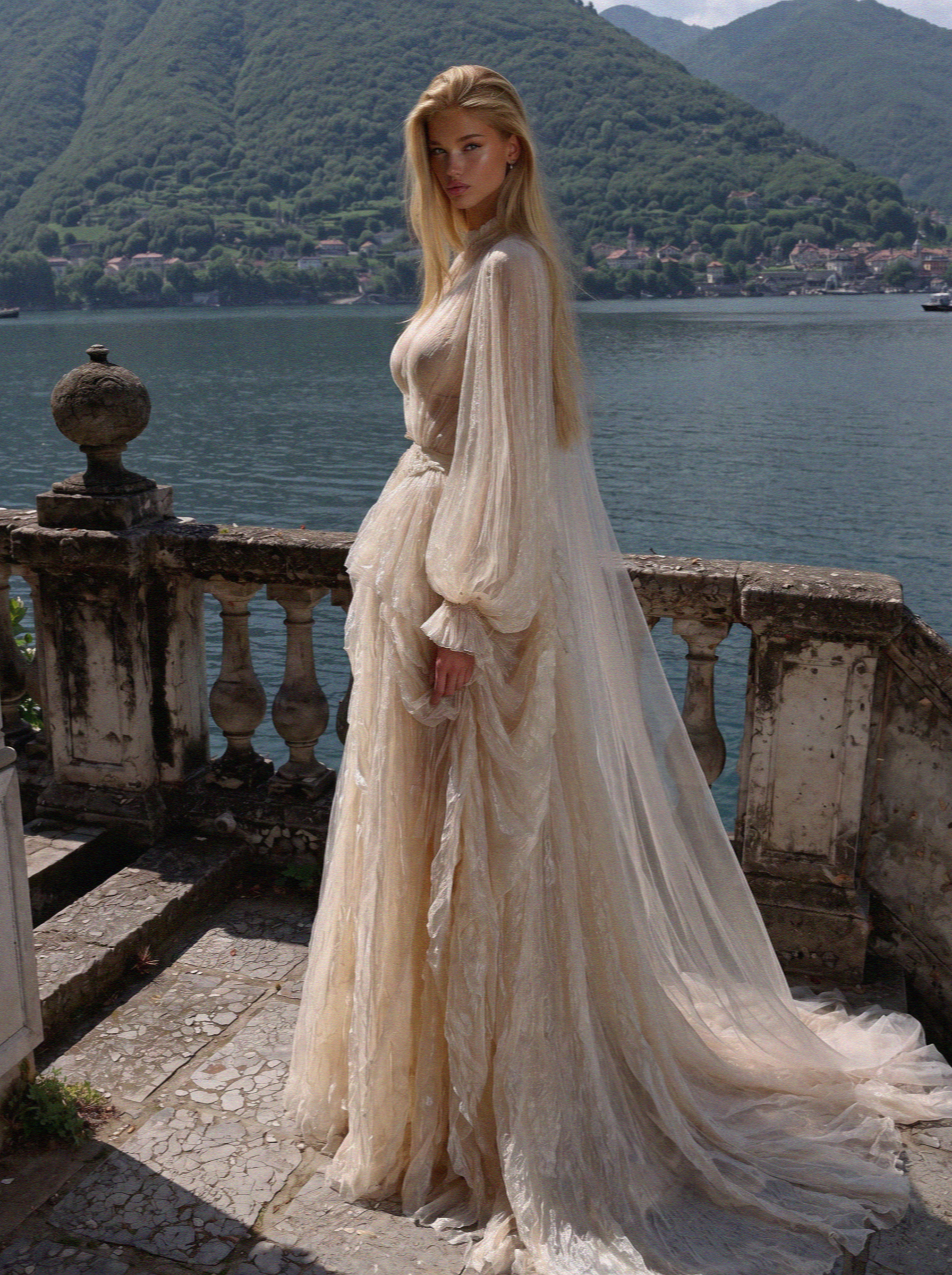
I have watched a great many weddings arrive on Lake Como. Not as a guest, most of the time, but from the water, from the deck of a boat or a café terrace across the bay, the way you cannot help but watch when a wooden launch comes gliding out of the haze with a bride standing at the back of it, one hand on the rail and the other holding her hair against the wind. The lake does something to a wedding that no ballroom on earth can manage. It gives it a horizon. And after enough summers here I have come to think that if you are going to marry anywhere in Italy, you might as well marry in the one place that already looks like the last scene of a film.
This is my complete guide to getting married on Lake Como: where to do it, what it costs, how the Italian paperwork actually works, when to come, and how to fold the whole thing into a weekend your guests will talk about for years. I have kept it honest, because the lake is romantic enough without anyone selling you a fantasy. What follows is what I would tell a close friend who called me and said, we think we want to do it there.
Why Lake Como Was Made for Weddings
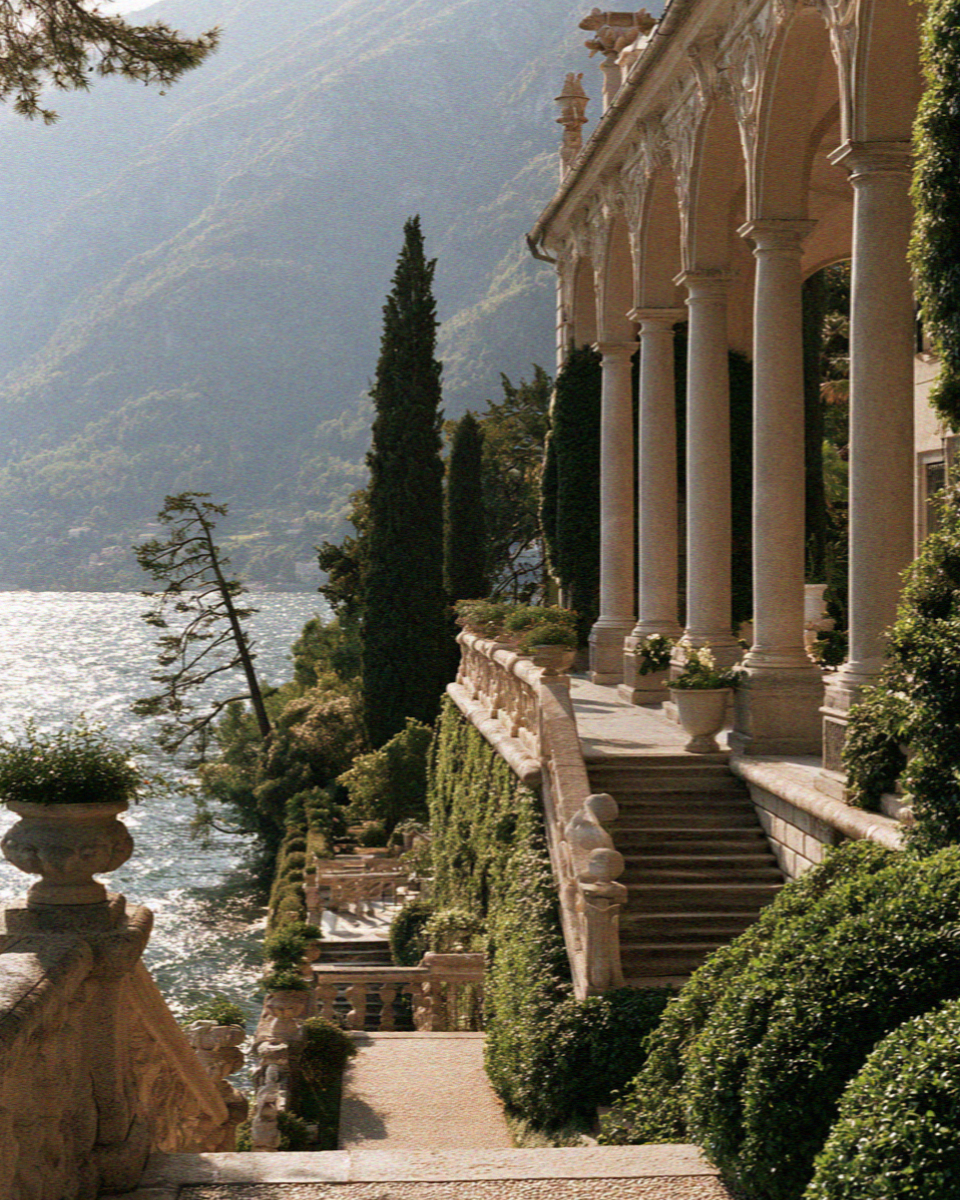
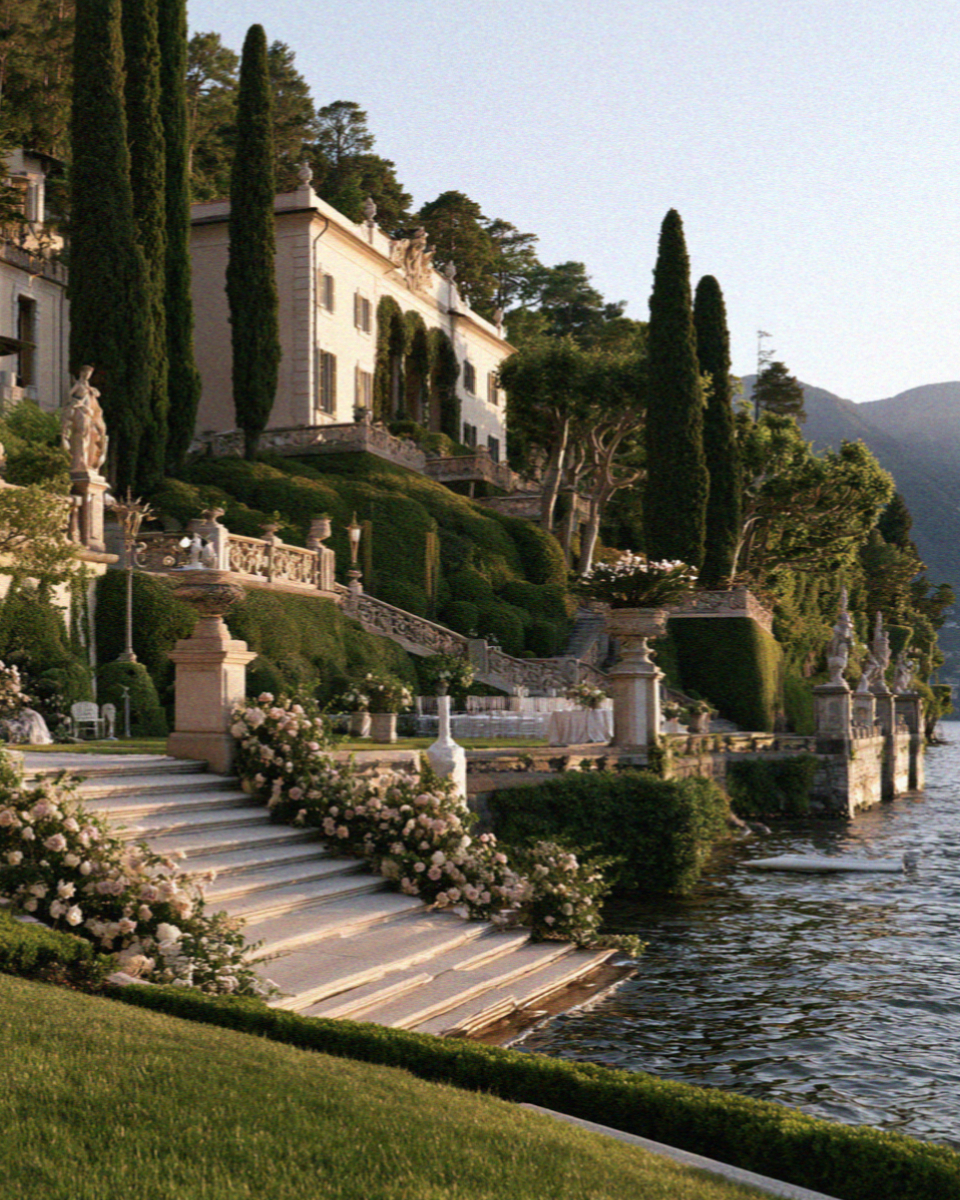
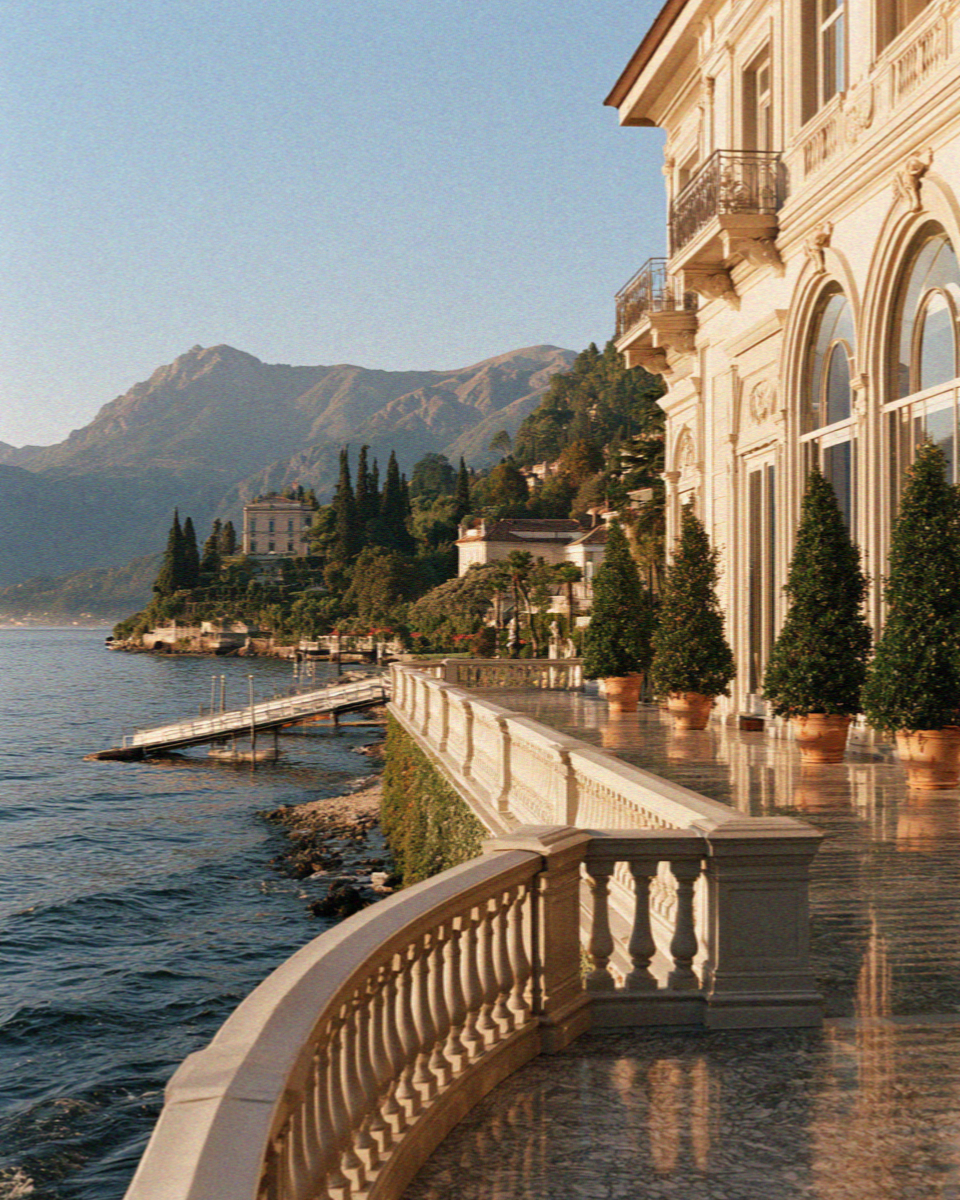
There are prettier lakes, technically, and cheaper ones, certainly. What Lake Como has is a specific and slightly theatrical combination: steep green mountains falling straight into deep water, a shoreline stitched with centuries-old villas built by people who understood beauty as a serious pursuit, and a light in the late afternoon that turns the whole thing to bronze. It is a place designed, over four hundred years, to be looked at. A wedding here is not competing with the setting. It is borrowing it.
If you are new to the lake itself rather than to the idea of marrying on it, start with my complete guide to Lake Como, which covers the towns, the boats and the villas as a traveller rather than as a bride. Everything on this page assumes you already love the place.
The other thing, the practical thing, is that the lake has been doing this for a very long time. The villas know how to host a party. The boatmen know the timing. There is an entire quiet industry of florists, planners, and photographers who have staged more lakeside dinners than they could count, and that experience is worth more than almost anything when you are trying to move eighty people across water on a schedule. You are not the first couple to have this idea. That is a comfort, not an insult.
The Villas: Where to Actually Get Married
The villas are the heart of it, and they range from the impossibly grand to the merely wonderful. I have gathered them properly, with capacities and real numbers, in my guide to the best Lake Como wedding venues, but here is the shape of the field.
The one everyone pictures is Villa del Balbianello, on its own wooded promontory at Lenno, the loggia you have seen in films without knowing its name. It is owned by FAI, the Italian environment trust, which means it is protected, exclusive, and run to the minute. You can book it as a two-hour ceremony window, as a ceremony with an aperitif on the terrace, or, for peak Saturdays, as a full exclusive evening. The ceremony windows are the most attainable piece of it, in the region of a few thousand euros, while a full private evening climbs well into the tens of thousands. It is worth every complication for the arrival alone: your guests come by boat, and the villa reveals itself around the headland like a held breath. I have written a full Villa del Balbianello wedding guide because it deserves its own page.
If you want scale, Villa Erba at Cernobbio is the grand old Visconti estate, art nouveau and enormous, able to seat many hundreds under its glass and iron, with rental starting around thirty thousand euros. Villa Pizzo and Villa Balbiano, the private palazzo at Ossuccio that dressed the set of a certain Gucci film, sit in a similar bracket, gardens running down to a private dock, the kind of place you take over for a weekend rather than an afternoon. These are the villas for a couple who want the estate to themselves and have the budget to make that happen.
The Grand Hotels, If You Want It All in One Place
Villas are beautiful and demanding. They give you the setting but not the beds, and moving a hundred guests between a ceremony villa, a dinner villa, and three different hotels is a logistical opera. The grand hotels solve that by putting the whole thing under one roof.
Villa d’Este at Cernobbio is the aristocrat of the lake, a Renaissance estate turned grand hotel in 1873, twenty-five acres of gardens, the sort of place where the service has been perfected over a century and a half. Grand Hotel Tremezzo sits directly across the water from Bellagio with a ballroom, tiered terraces, and a pool that appears to float on the lake, and a full wedding there runs from roughly a quarter of a million euros upward for around a hundred guests, which tells you exactly what kind of day it is. Mandarin Oriental, Lago di Como, in the folds of the hills at Blevio, the resort that used to be called CastaDiva, is the more contemporary choice, sleek where the others are gilded. The trade you are making with a hotel is simple: you pay for the polish and the convenience, and in return nobody has to drive a shuttle at midnight.
The Quieter, Gentler Venues
Not every Lake Como wedding needs to cost as much as a house, and I would hate for anyone to think it must. The eastern shore, around Varenna, is where the lake keeps its more intimate options. Villa Cipressi, tumbling down toward the water in terraced gardens, has thirty-one rooms of its own and offers a civil ceremony on site, which makes it a lovely, contained choice for a smaller party. Next door, Villa Monastero will marry you in its botanical garden, with the water on one side and the mountains standing over the other. Over at Bellagio, the Grand Hotel Villa Serbelloni carries the belle époque torch for a mid-sized celebration.
These are the venues I would point a couple toward who want the lake without the arms race, sixty guests rather than a hundred and sixty, a long dinner under the plane trees rather than a production. They are also, not coincidentally, in the towns I rate most highly for the whole affair, which I have set out in my guide to the best towns for a Lake Como wedding.
Legal, Symbolic, or Both: How Marrying in Italy Actually Works
Here is the part nobody puts on the mood board, and the part that will save you the most stress if you understand it early. In Italy there are three kinds of ceremony: civil, which is legally binding; religious, which can also be legally binding in a Catholic church; and symbolic, which is a beautiful ceremony with a celebrant of your choosing that carries no legal weight at all.
To be legally married in Italy as a foreign couple, you need your passports, your birth certificates, two witnesses, and a document called a nulla osta, a sworn statement from your own consulate in Italy that there is no impediment to your marriage. You then declare your intention to marry at whichever town hall governs your venue, and that declaration triggers a short public posting period before the ceremony can happen. It is several appointments rather than one, and the requirements shift a little from comune to comune. Paperwork should be lodged months ahead. Sworn translations and comune fees add a few hundred euros, and only certain licensed venues can host the legal act.
Which is why a great many couples I know did something quietly sensible: they signed the legal papers at a registry office at home, in a five-minute appointment in a suit and a nice dress, and then came to Lake Como purely for a symbolic ceremony. That single decision unlocks the whole lake. It frees you from the nulla osta, the multiple town hall visits, and the rule about licensed locations, which means you can be married by a friend on the loggia at Balbianello or in a garden in Varenna with nothing but the view as your registrar. I have laid out both routes, step by step and document by document, in my guide to getting legally married on Lake Como. Neither is wrong. But knowing the difference before you fall in love with a venue is everything.
What a Lake Como Wedding Costs
I will not pretend the lake is cheap, but the range is wider than people think. At the top sits the full private villa takeover, catered and flowered and lit for well over a hundred guests, and that is a six-figure undertaking that climbs steeply from there. The averages people quote for a large lake wedding are sobering, and I break the real numbers down properly rather than gesturing at them. The grandest hotels can run higher still. In the middle, a well-run day for fifty to eighty guests at one of the gentler villas sits far below that, in the tens of thousands rather than the hundreds. And at the intimate end, a small symbolic ceremony with a public villa ceremony window, a photographer, and a boat can be arranged for a fraction of any of it, a few thousand euros for the essential magic.
The costs that surprise people are rarely the venue. They are the moving parts: the boat transfers, the guest shuttles, the florals that have to be barged in, the planner who makes all of it happen on time. I have broken the whole budget down into honest bands, with what actually drives the number up and where you can sensibly trim, in my guide to how much a Lake Como wedding costs.
The Best Time of Year to Marry on the Lake
The season runs from April to the middle of October, and within that the sweet spots are clear. Late spring, May and June, gives you long mild days, everything in flower, temperatures in the comfortable low twenties. Early autumn, September and into early October, is what I would choose myself: the water still warm, the light going gold, the summer crowds gone home, the hills just beginning to turn. High summer, July and August, is glorious to look at but genuinely hot and humid and busy, which is a lot to ask of guests in formalwear. I have set out the trade-offs month by month, including the shoulder weeks that give you the lake at a discount, in my guide to the best time of year for a Lake Como wedding.
Where Your Guests Should Stay
Your guests will remember where they slept almost as much as where you married, so this matters. The lake clusters its beds in a handful of towns, each with a different character: Como and Cernobbio at the southern end, close to the airports and the grand hotels; Bellagio at the fork, the postcard town, busy and beloved; Varenna across the water, quieter and, to my eye, the most romantic; Menaggio and Tremezzo along the western shore. I match hotels to budgets and to how far they sit from the likely venues in my guide to the best Lake Como hotels for wedding guests, because the wrong choice can leave people on the wrong side of the lake at midnight with no boat.
Arriving by Boat, and Moving Around the Lake
The lake is the road here, and the boat is not a gimmick, it is the transport. A bride stepping off a polished Riva is the entrance this lake is famous for, and the water is genuinely the sensible route between a ceremony on one shore and a dinner on another, not merely the prettier one. But boats run on weather and on lake height, and dozens of guests on a schedule is exactly the kind of thing that needs a professional and a plan B you are genuinely happy with. I have written up the options, the costs, and the timing, from a single bridal launch to a full guest flotilla, in my guide to boat transport for a Lake Como wedding.
Making It a Weekend
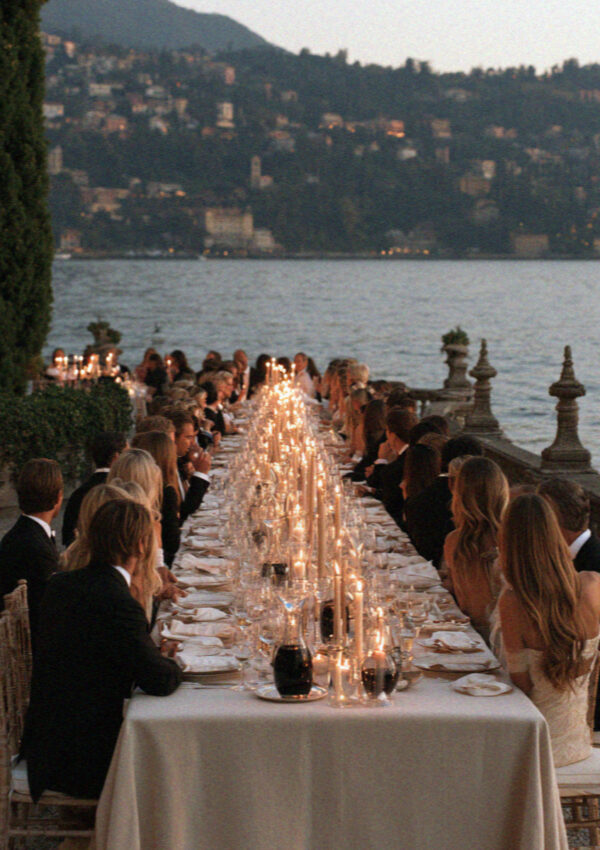
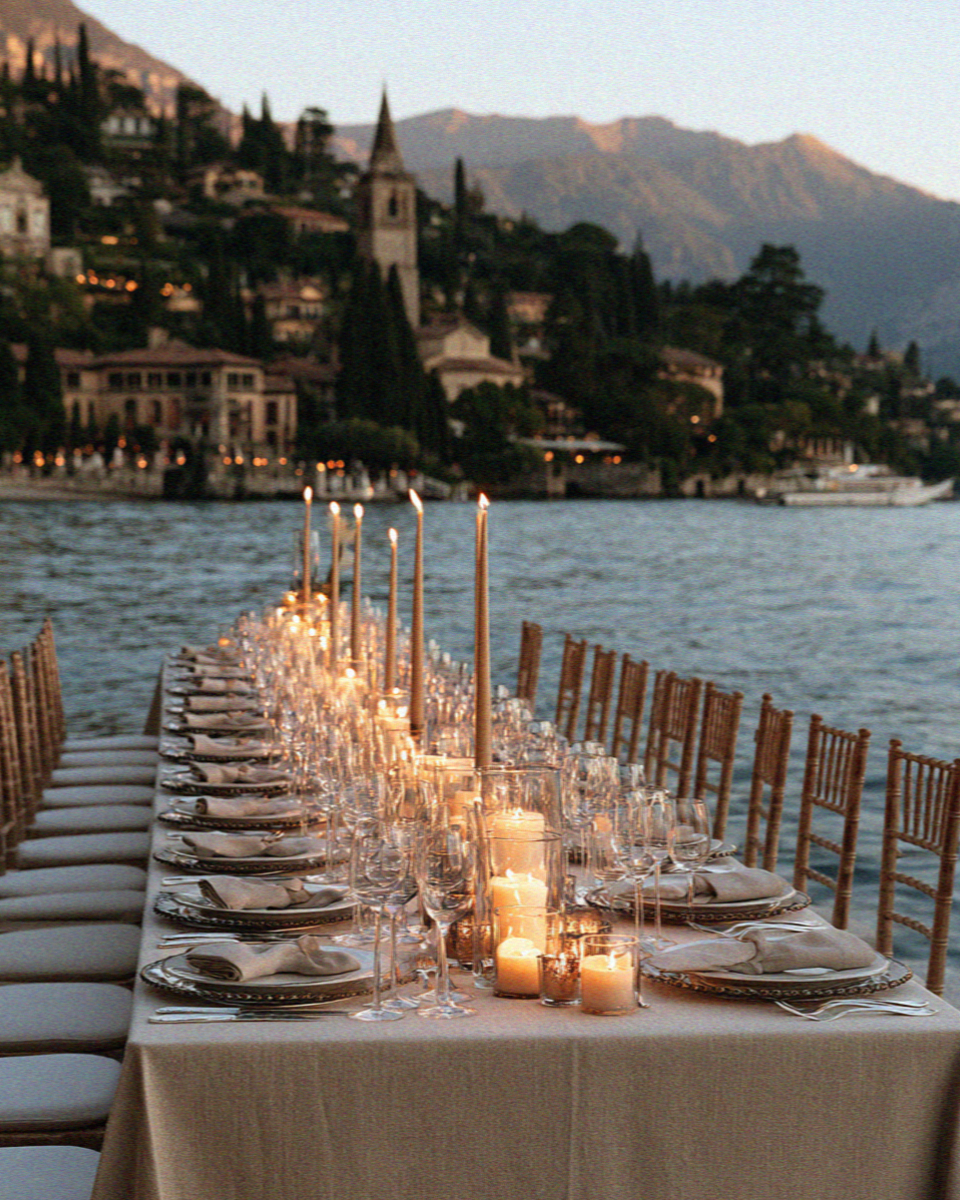
Almost nobody comes all this way for a single afternoon, and you should not either. The lake wedding is really a two or three day event: a welcome dinner on the Friday, somewhere unpretentious with a view, a traditional crotto or a good pizzeria on the water; the wedding itself on the Saturday; and a slow Sunday, a long brunch by a pool or a boat trip to wander Bellagio and Varenna before everyone scatters. Arrive a few days early yourself, for the hair trial and the last decisions and simply to be here before the machine starts. Stay on a little after, once the guests have gone, and let the lake be yours again. I have built the whole thing into an hour-by-hour plan in my Lake Como wedding weekend itinerary.
What to Wear, for the Bride and for the Guests
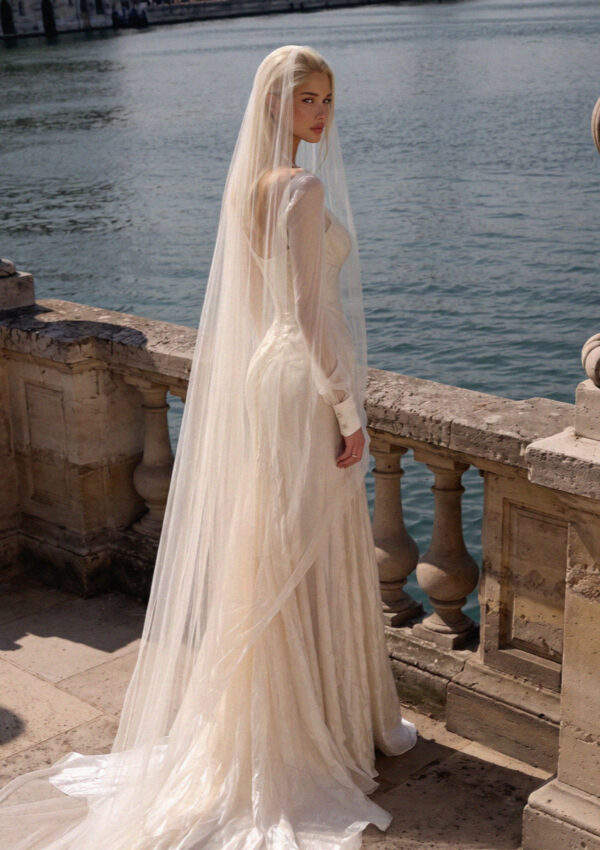
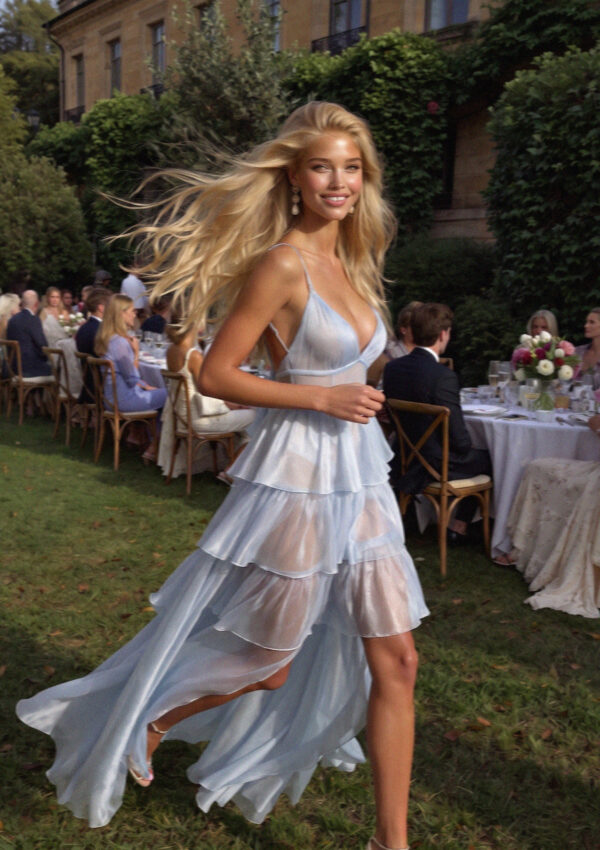
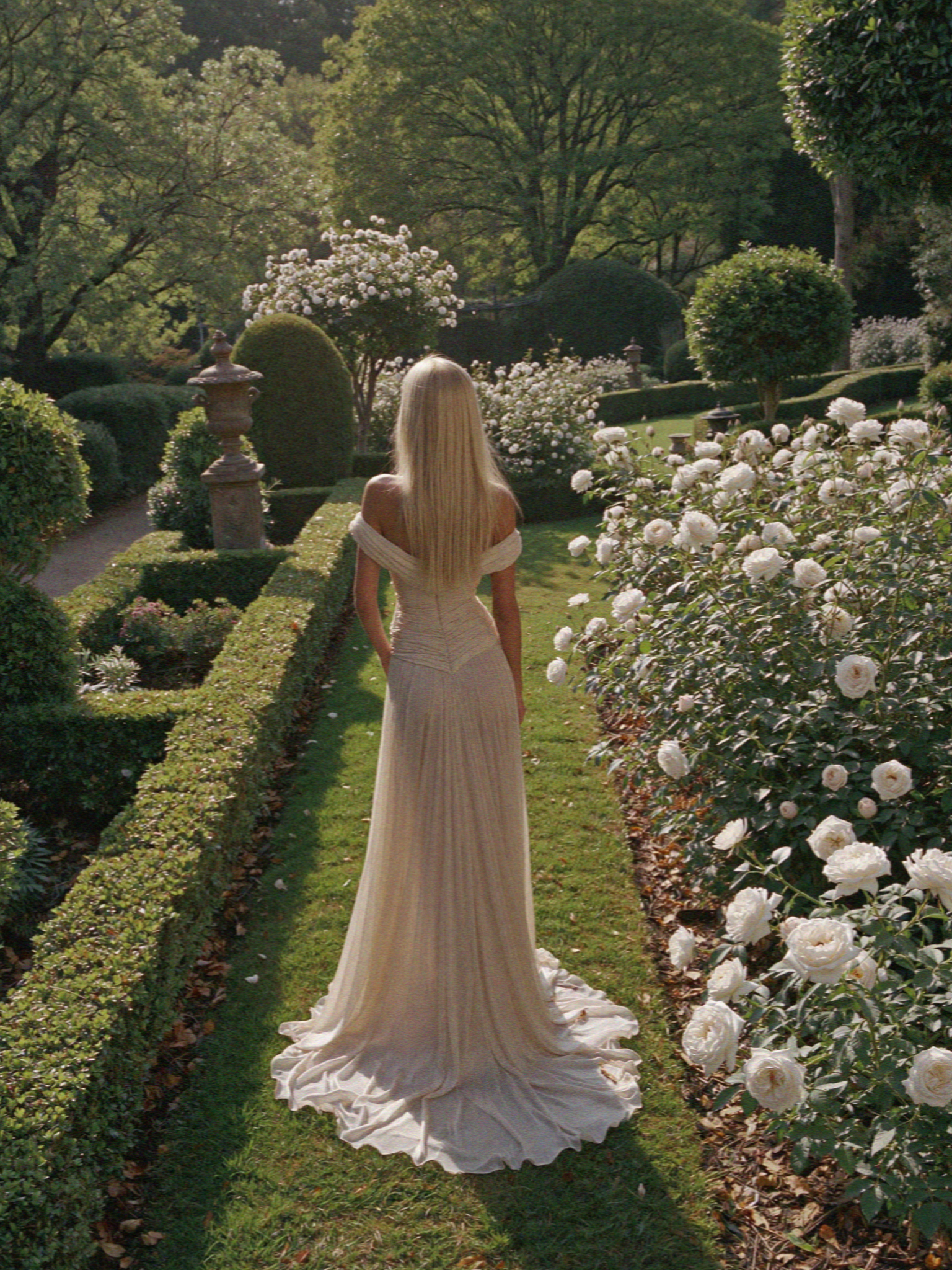
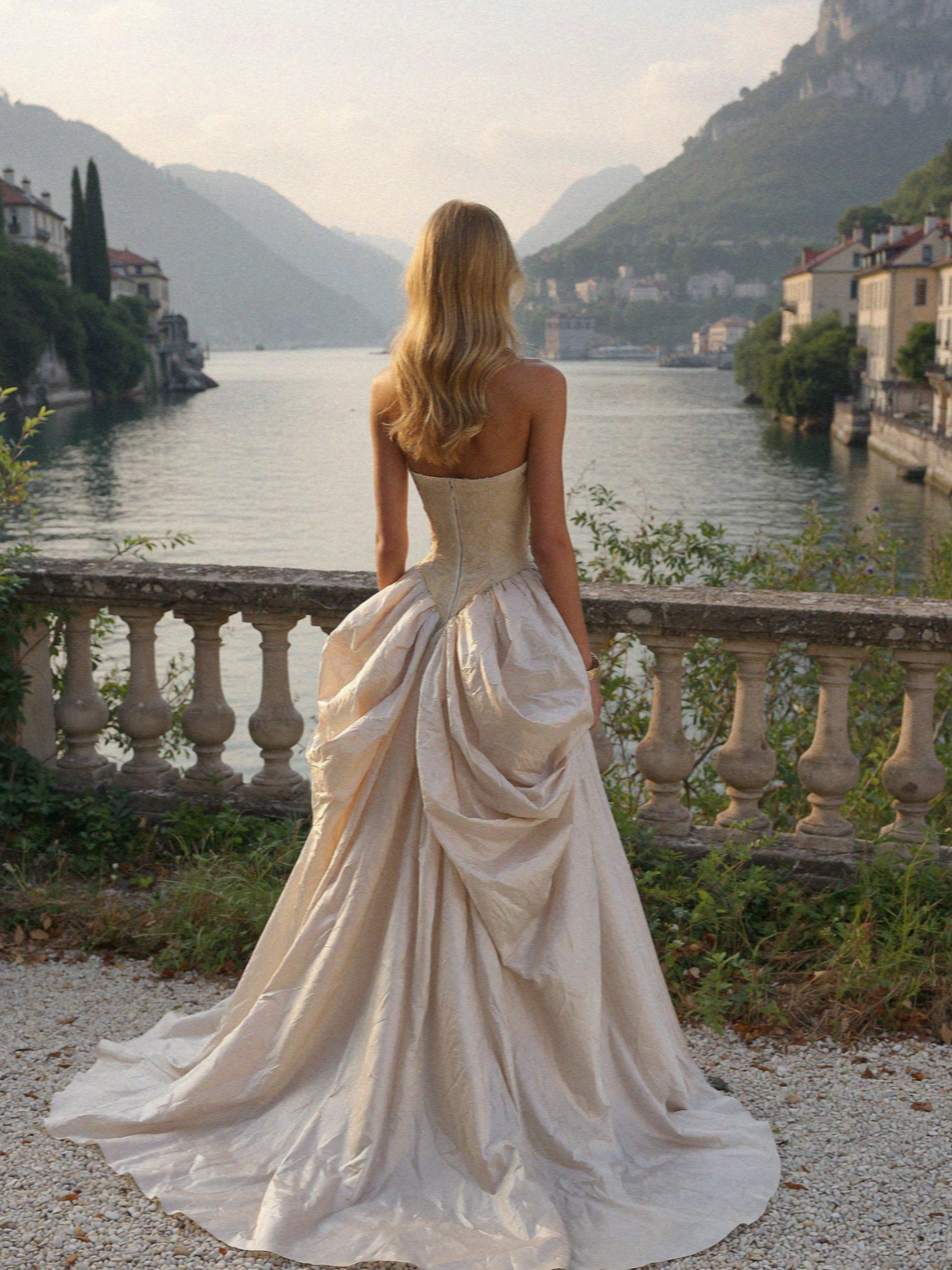
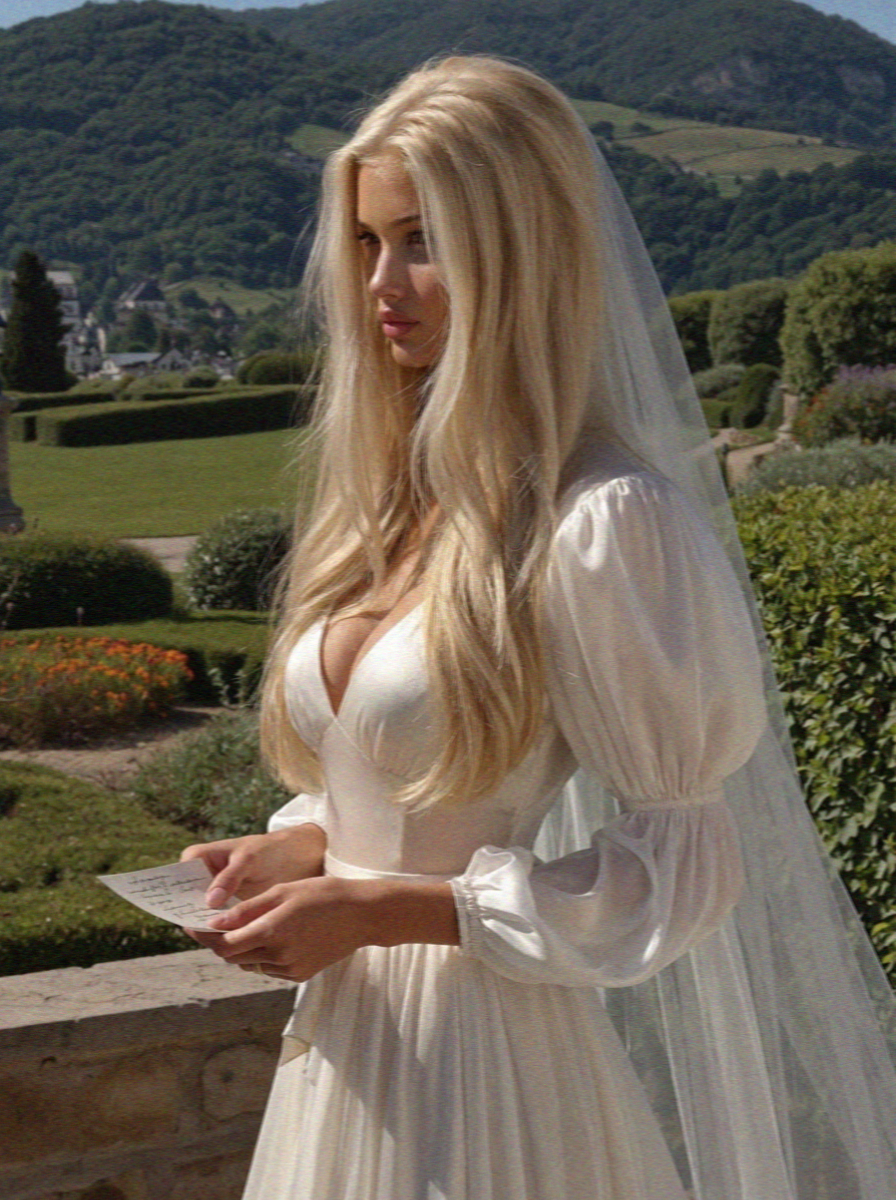
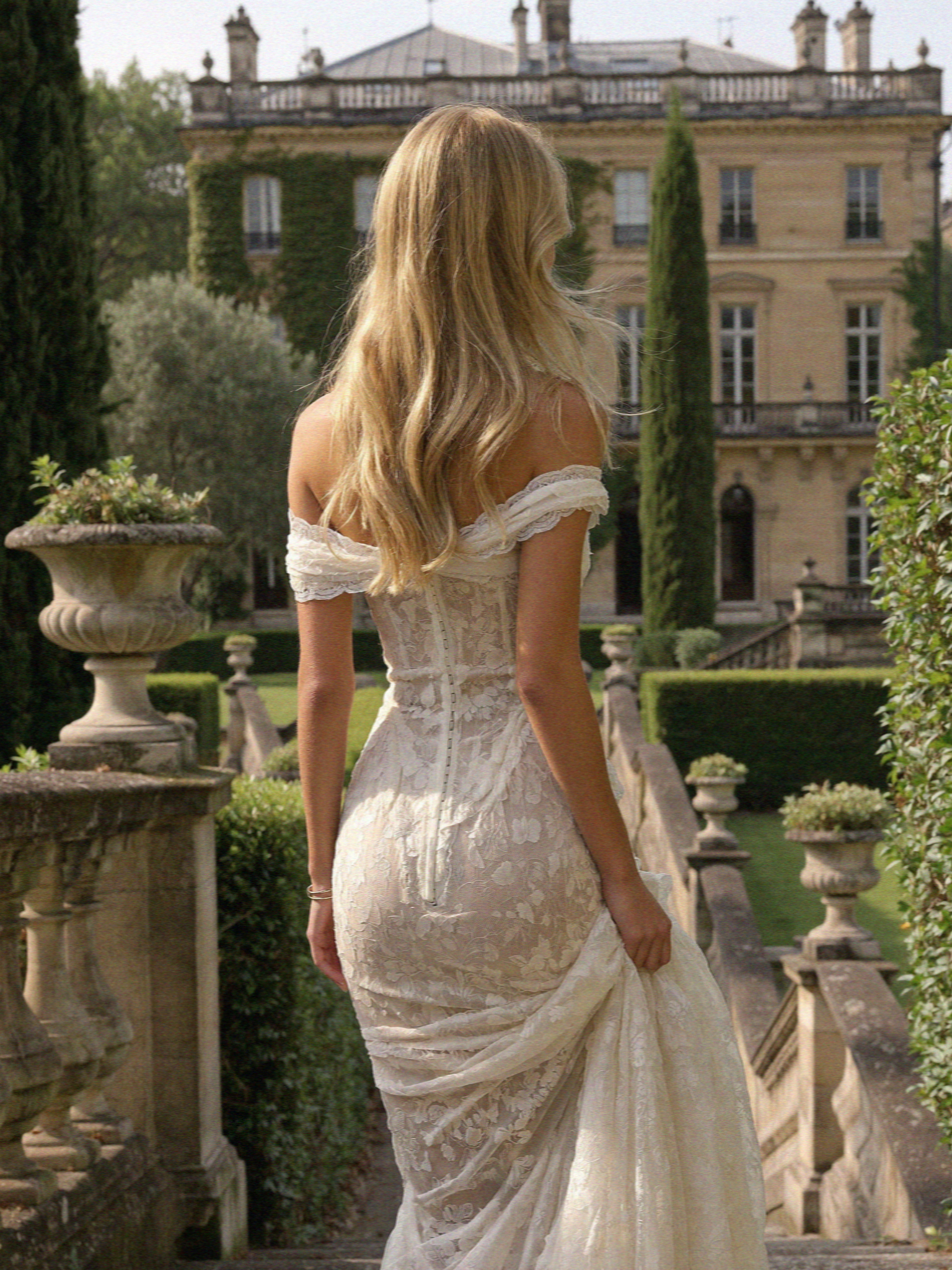
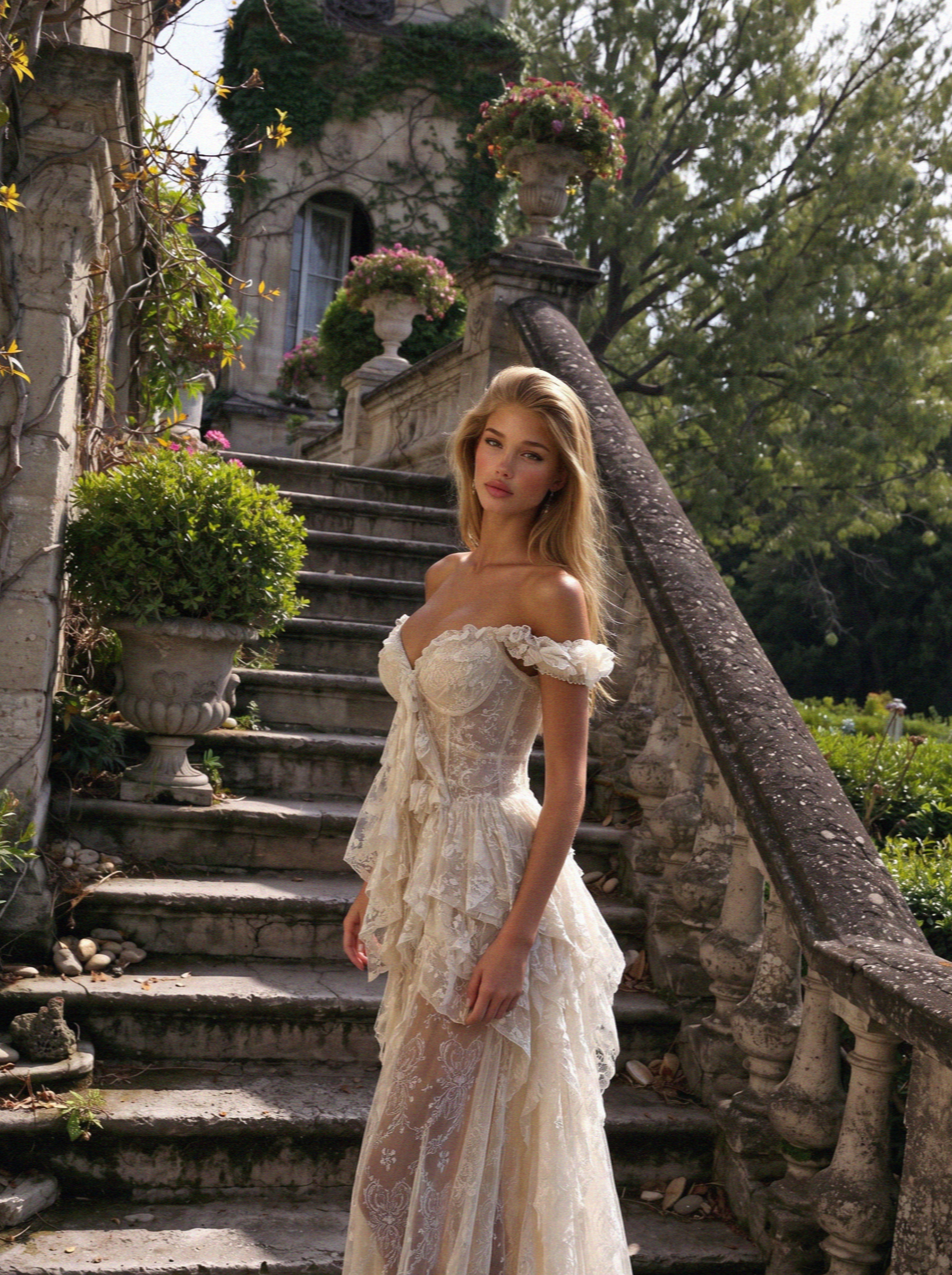
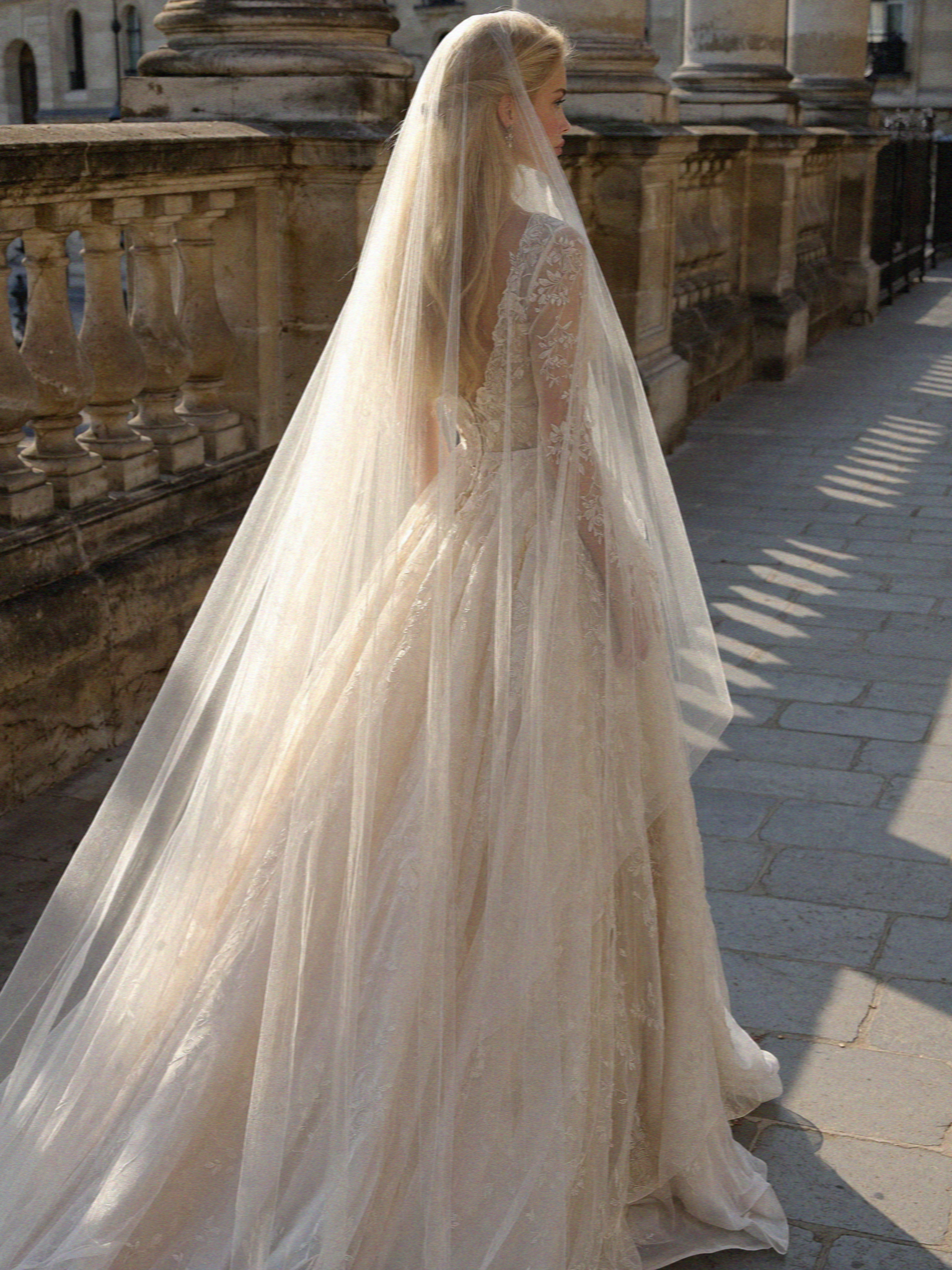
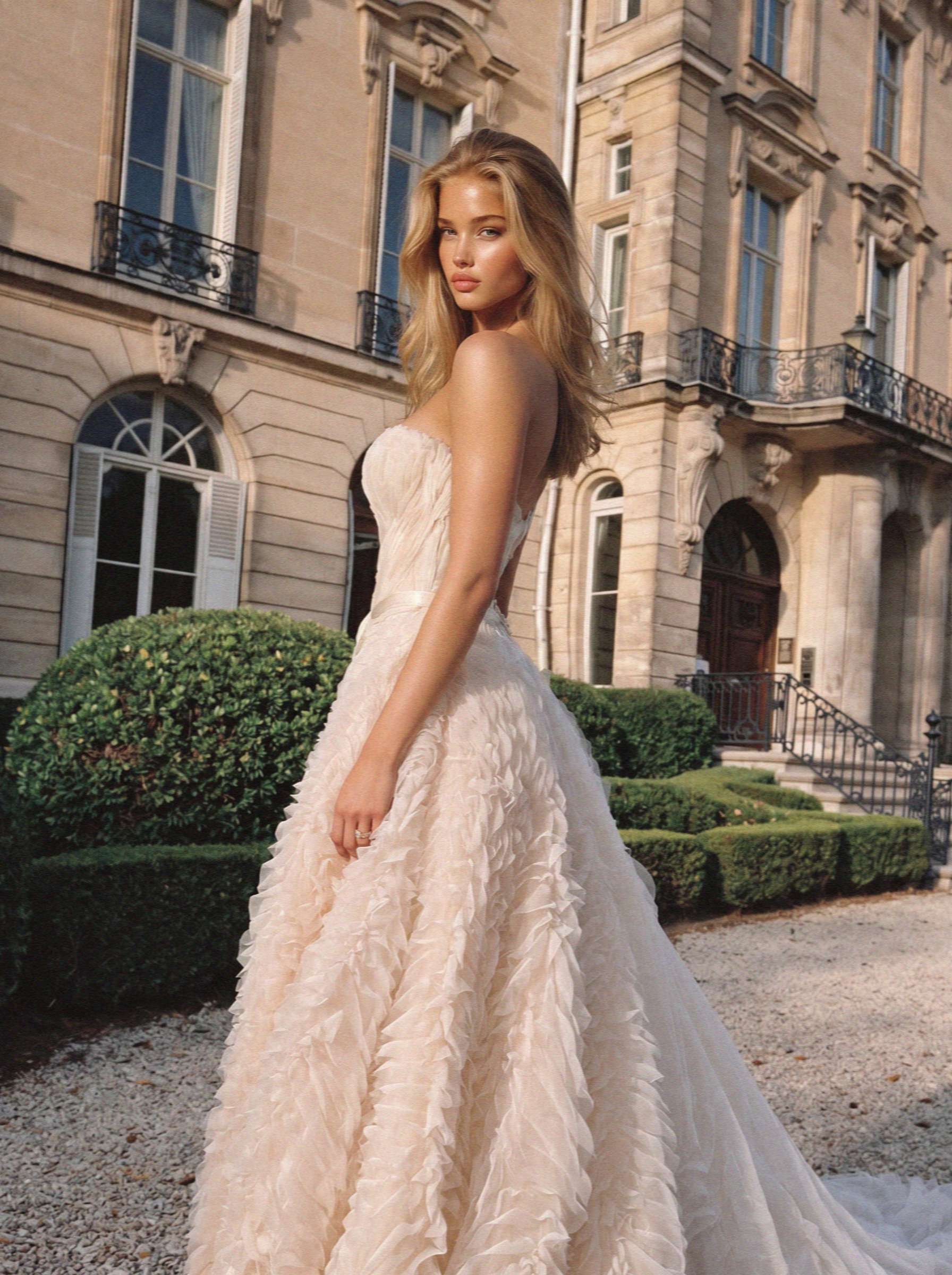
The lake has a dress code even if nobody writes it down, and it rewards a certain restrained, old-money elegance over anything too try-hard. For the bride, the setting does so much of the work that simplicity tends to win: clean silk, good tailoring, a veil that will behave in a breeze off the water. I have gathered what actually works against these villas and this light in my notes on Lake Como bridal style. And for the guests, who face the real puzzle of dressing for a garden ceremony, a boat, and a late lakeside dinner all in one day, I have a proper guide to Lake Como wedding guest outfits, including the one thing everyone gets wrong, which is shoes on a gravel villa path.
Afterwards: Staying On
If there is one piece of advice I give every couple, it is this: do not leave the morning after. You will have spent a year planning a day, and the lake deserves more of you than that. Stay on, move to somewhere quiet on the water, and let the honeymoon begin exactly where the wedding ended. There is a particular pleasure in being on Lake Como with nothing left to organise, and I have gathered the loveliest places and slowest days for it in my Lake Como honeymoon guide. The lake is at its very best when you have finally stopped performing for it.
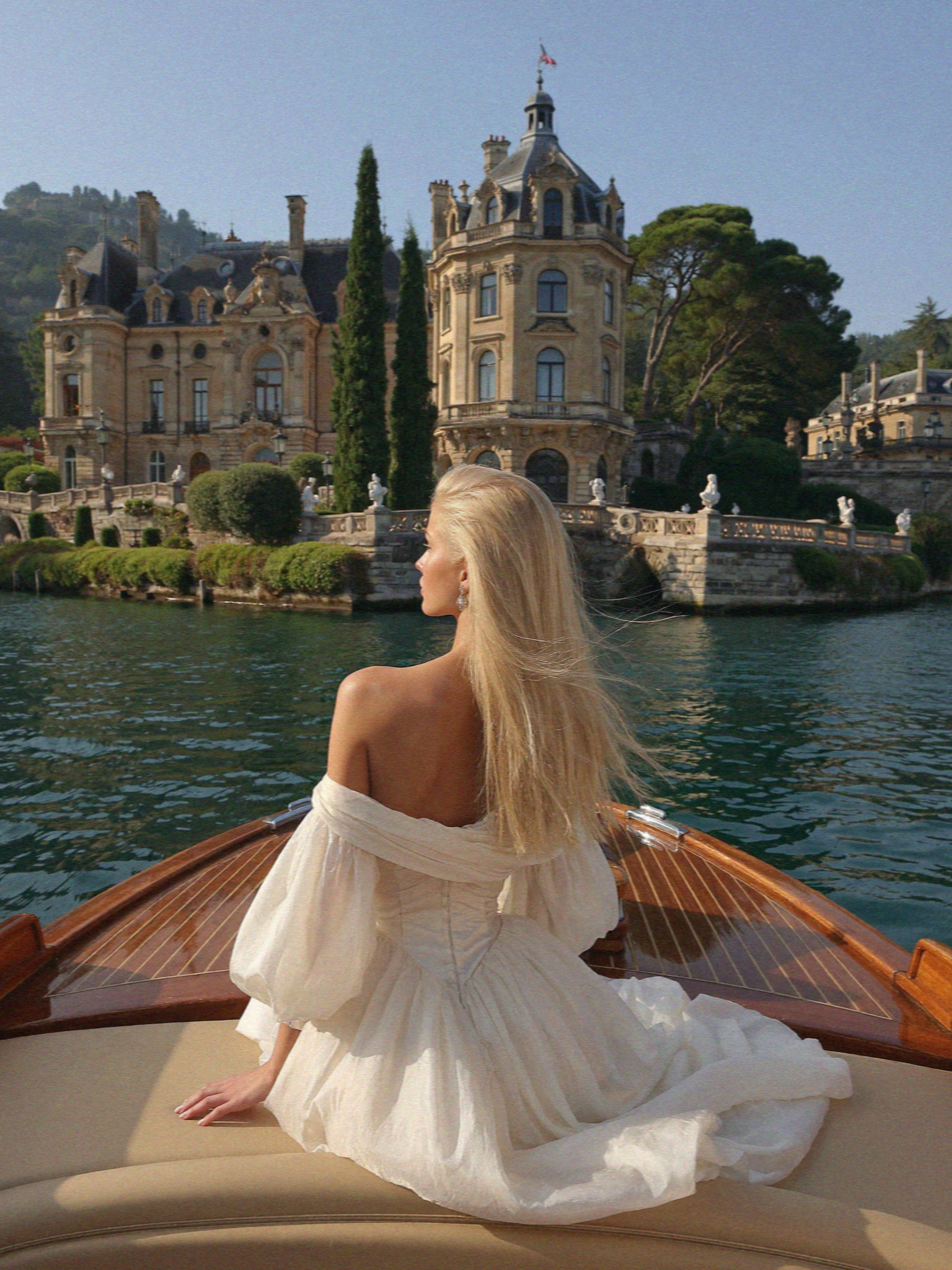
A wedding on Lake Como is not the easiest thing to arrange, and I would be lying if I said otherwise. It asks for a good planner, an early start on the paperwork, and a clear head about what it costs. But I have never once watched a bride come around that headland by boat, into all that green and gold and water, and thought she had made a mistake. Some places are worth the trouble. This is the most beautiful of them.
More images from Lake Como


Your Lake Como Weddings Guides
Everything here in detail, guide by guide.
- The Best Lake Como Wedding Venues
- A Villa del Balbianello Wedding Guide
- How Much a Lake Como Wedding Costs
- Getting Legally Married on Lake Como
- The Best Time of Year for a Lake Como Wedding
- The Best Towns for a Lake Como Wedding
- The Best Lake Como Hotels for Wedding Guests
- Boat Transport for a Lake Como Wedding
- The Lake Como Wedding Weekend Itinerary
- Lake Como Bridal Style
- Lake Como Wedding Guest Outfits
- The Lake Como Honeymoon Guide
Your Lake Como Guides
If you are bringing guests to the lake, they will want to know what to do with the days either side of the wedding, and so will you. My general Lake Como guides cover all of it, and they sit alongside everything above.
- How to Get to Lake Como (and Which Station to Use)
- Getting Around Lake Como by Boat (and the Ferries Explained)
- The Best Things to Do on Lake Como
- The Villas and Gardens of Lake Como
- The Best Photo Spots on Lake Como
- Where to Stay on Lake Como (by Town and by Budget)
- Where to Eat on Lake Como
- The Best Time to Visit Lake Como
- The Best Towns on Lake Como
- Victoria’s Guide to Bellagio, Lake Como
- Victoria’s Guide to Varenna, Lake Como
Frequently Asked Questions
How much does a wedding on Lake Como cost?
It spans a very wide range. A small symbolic ceremony with a public villa ceremony window, a photographer, and a boat can be arranged for a few thousand euros. A day for fifty to eighty guests at one of the gentler villas typically runs in the tens of thousands. An iconic private villa taken over for a full day for a hundred to a hundred and fifty guests generally lands between roughly one hundred and thirty thousand and two hundred and fifty thousand euros and up, with the grandest hotels higher still. A one-hundred-and-fifty-guest wedding averages around two hundred thousand.
Can foreigners legally get married on Lake Como?
Yes. You will need passports, birth certificates, two witnesses, and a nulla osta, a statement of no impediment from your consulate in Italy, plus a declaration of intention to marry at the local comune, lodged well ahead. Because that process involves several town hall appointments and sworn translations, many couples complete the legal marriage at home and hold a symbolic ceremony on the lake instead, which removes most of the restrictions on where you can marry.
What is the difference between a civil and a symbolic ceremony?
A civil ceremony is legally binding and must take place at a licensed venue or town hall with all the Italian paperwork in order. A symbolic ceremony has no legal weight and can be held anywhere, by anyone you choose, which is why couples who have already married legally at home use it to marry wherever on the lake they like, with no restrictions.
When is the best time of year to get married on Lake Como?
The season runs April to mid-October. May and June give long mild days with everything in flower. September and early October offer warm but comfortable weather, golden light, and far thinner crowds, which many consider the best of all. July and August are beautiful but hot, humid, and busy.
What are the most sought-after wedding venues on Lake Como?
Villa del Balbianello at Lenno is the most iconic. For scale, Villa Erba, Villa Pizzo, and Villa Balbiano offer private estates. Among the grand hotels, Villa d’Este, Grand Hotel Tremezzo, and Mandarin Oriental Lago di Como put the whole event under one roof. For something more intimate, Villa Cipressi and Villa Monastero in Varenna are lovely, gentler choices.
How many days should a Lake Como wedding be?
Most are two to three days: a welcome dinner the evening before, the wedding day itself, and a relaxed farewell brunch or boat trip the day after. Couples usually arrive a few days early for final preparations and stay on afterward to enjoy the lake without the planning.
Do guests really travel between venues by boat?
Often, yes. The lake is the main transport route, and moving between a ceremony on one shore and a reception on another is frequently done on the water because it is both faster and far more beautiful than the roads. Boat transfers depend on weather and lake conditions, so a professional coordinator and a clear backup plan are essential.
Where should wedding guests stay on Lake Como?
It depends on your venues, but beds cluster in a few towns: Como and Cernobbio at the southern end near the airports and grand hotels, Bellagio at the centre for the classic postcard stay, Varenna across the water for something quieter and more romantic, and Menaggio and Tremezzo along the western shore. The key is keeping guests on the right side of the lake for the venue, so nobody is stranded late at night.