I heard the clarinet before I knew where it was coming from.
Not music exactly. Scales.
Up, down, then up again. Somewhere above me, a child was getting almost to the same place each time and tightening up just before the note.
I stopped in the lane.
She missed it.
Went back to the bottom.
And started again.
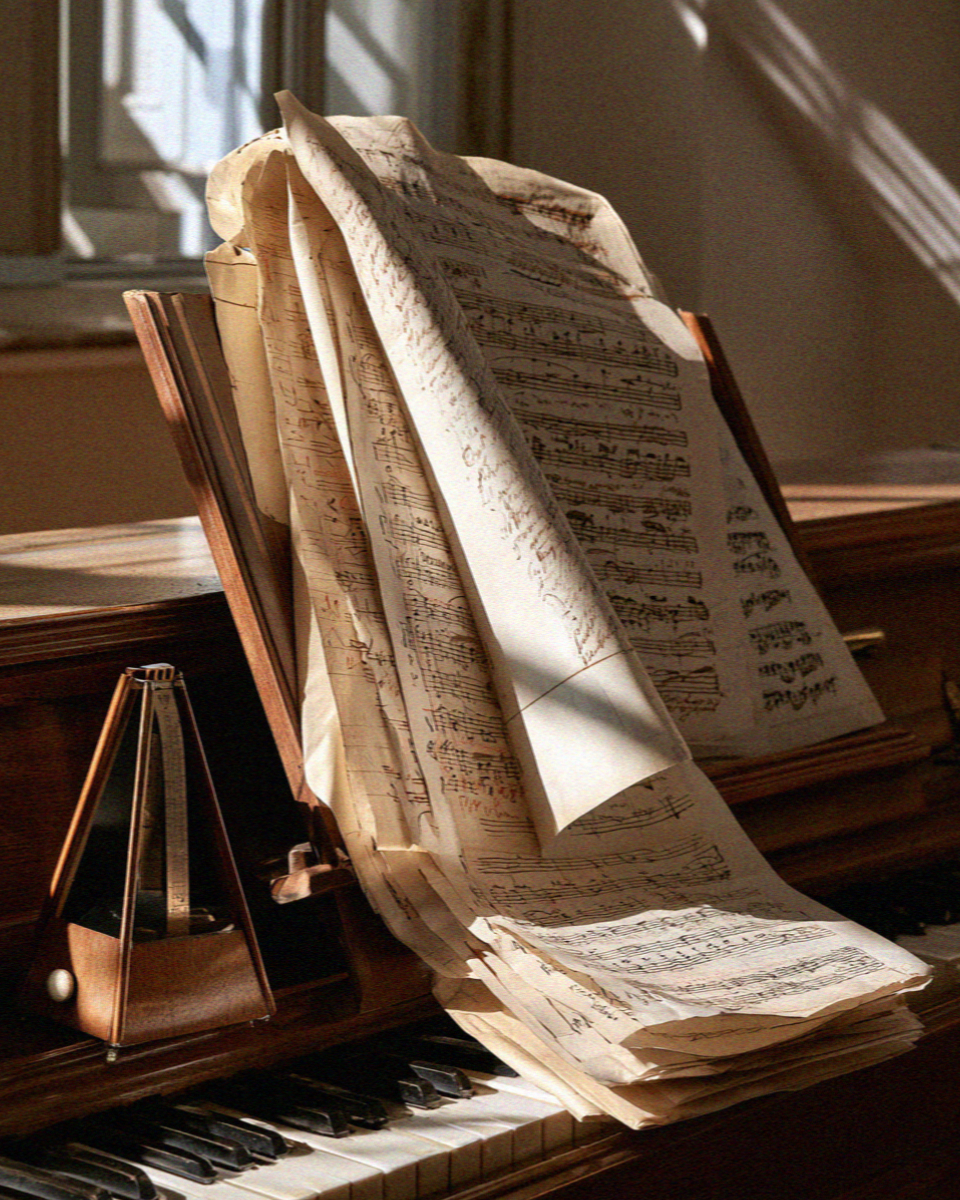
My aunt used to say that scales are not music and that there is no music without them, which is the sort of sentence she could deliver and make sound like a law of nature.
At fourteen I resented scales more than I have resented almost anything since.
Apparently I remember them perfectly.
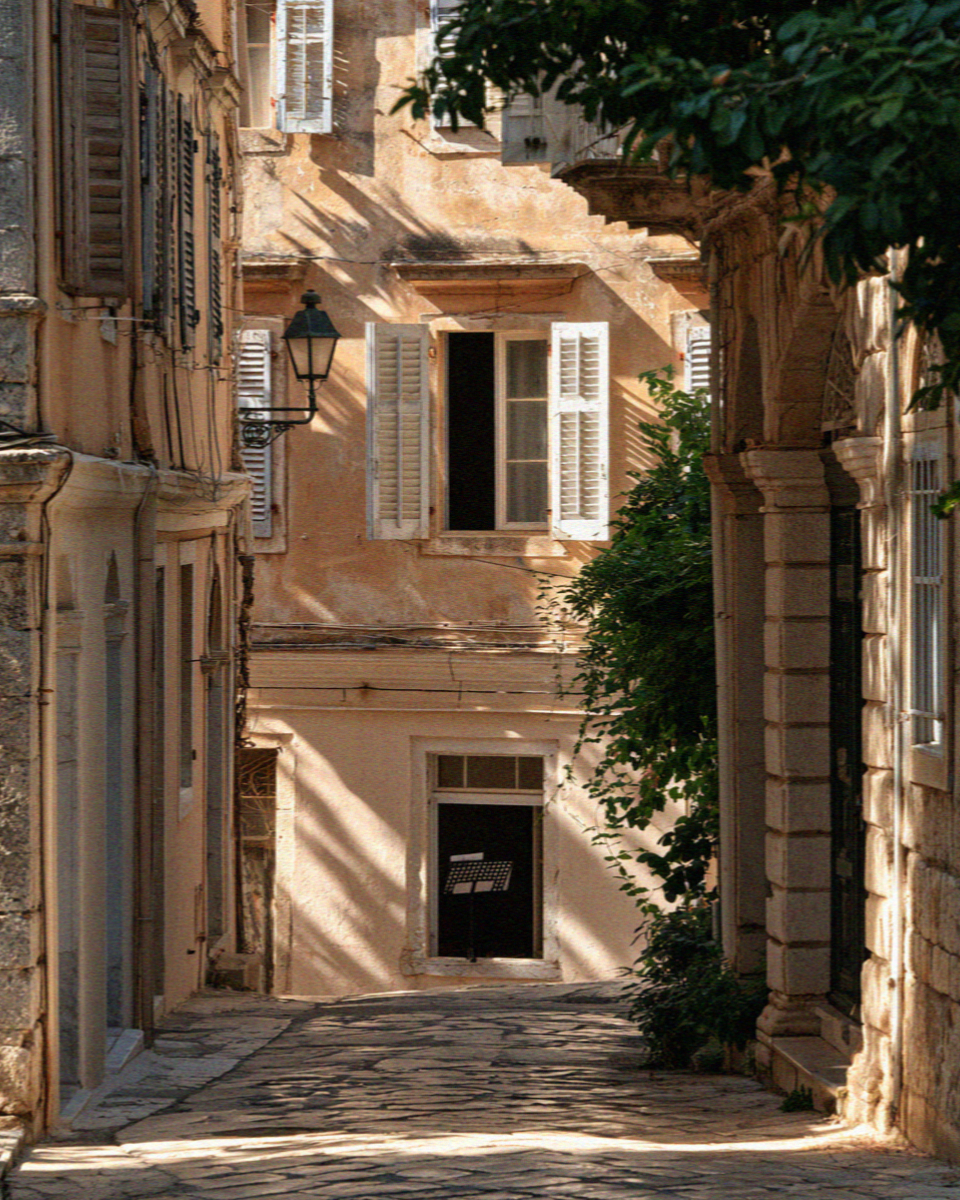
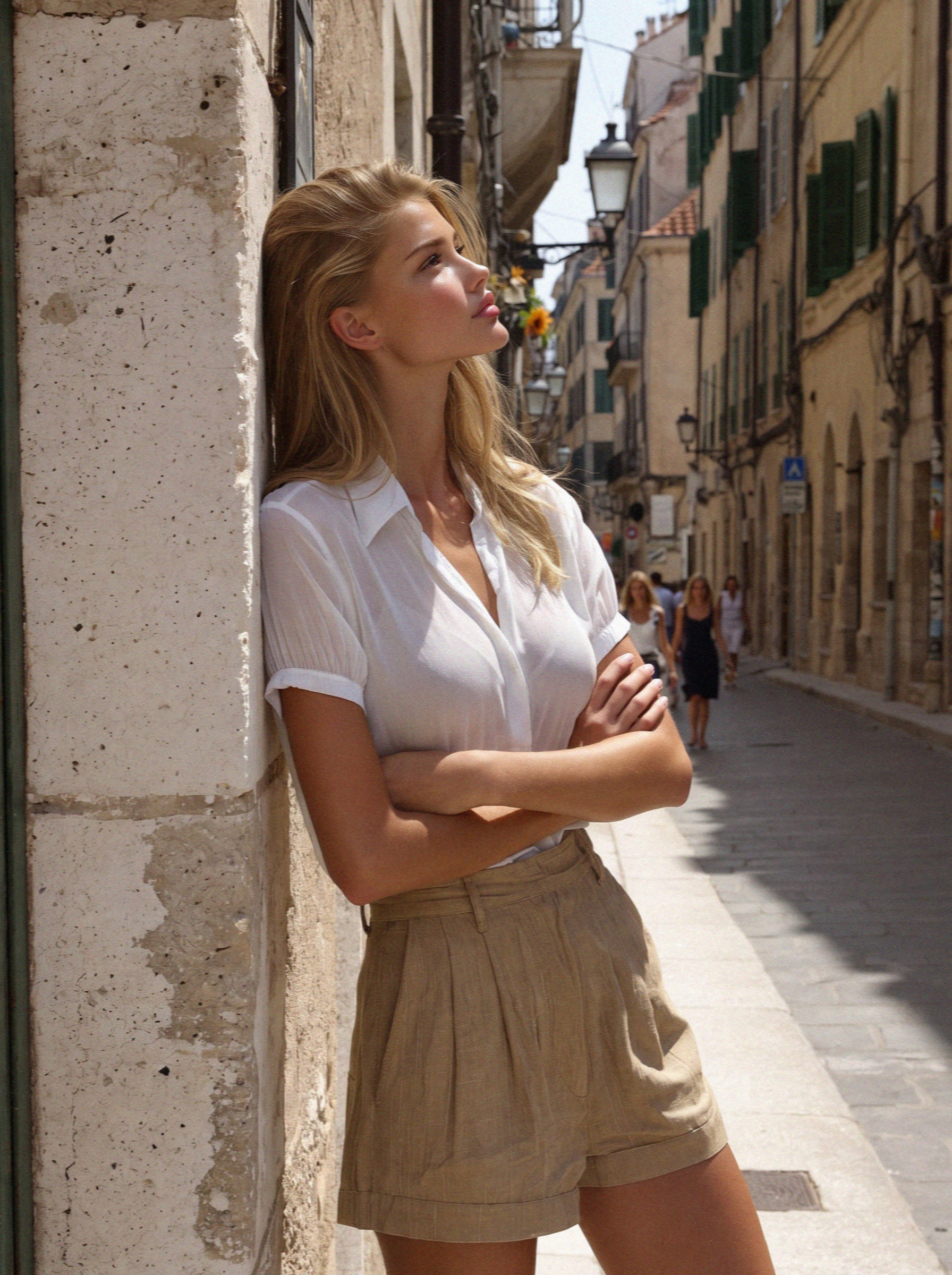
The window was open on the first floor of a building behind the old town. I could not see whoever was playing, only a curtain moving occasionally and a square of ceiling above it.
She reached the difficult bit again.
Better.
I stayed.

I had already noticed that Corfu has an unusual amount of music in it.
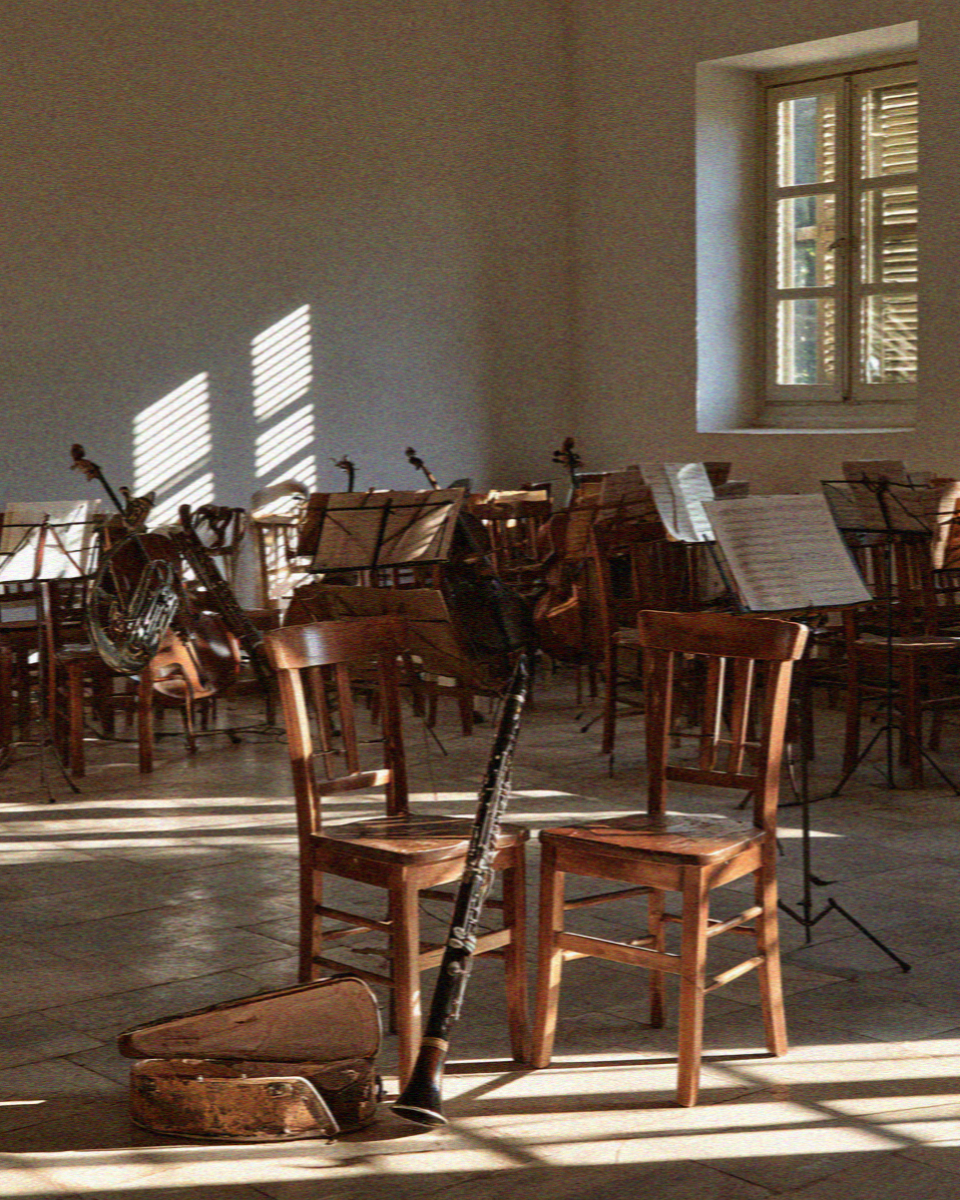
There are posters for concerts on walls. Band rooms tucked into streets. Children carrying instrument cases. And every Corfiot I asked seemed to know somebody who had played in one of the island’s philharmonic societies.
There are eighteen of them.
Eighteen bands on one island seemed excessive enough that I wanted to know why.
The answer begins with a saint and a British decision that did not go particularly well.
Saint Spyridon is the patron saint of Corfu. His processions through the town had been accompanied by the British army band until 1837, when the British administration stopped allowing its musicians to take part in Orthodox religious occasions.
So the saint went through Corfu without music.
Three years later, the Corfiots started their own band.
There is something about that response I like enormously.
Fine.
We’ll make one.
They founded the Philharmonic Society of Corfu in 1840 and put Nikolaos Mantzaros in charge of it. He was already one of the island’s important musicians and would later become inseparable from another piece of Greek history: he wrote the music for Hymn to Liberty, the poem that became the Greek national anthem.
Which means a British decision to remove music from a religious procession helped produce a musical tradition that now reaches across the island.
Nobody planned that part.
Corfu seems to be full of things like this.
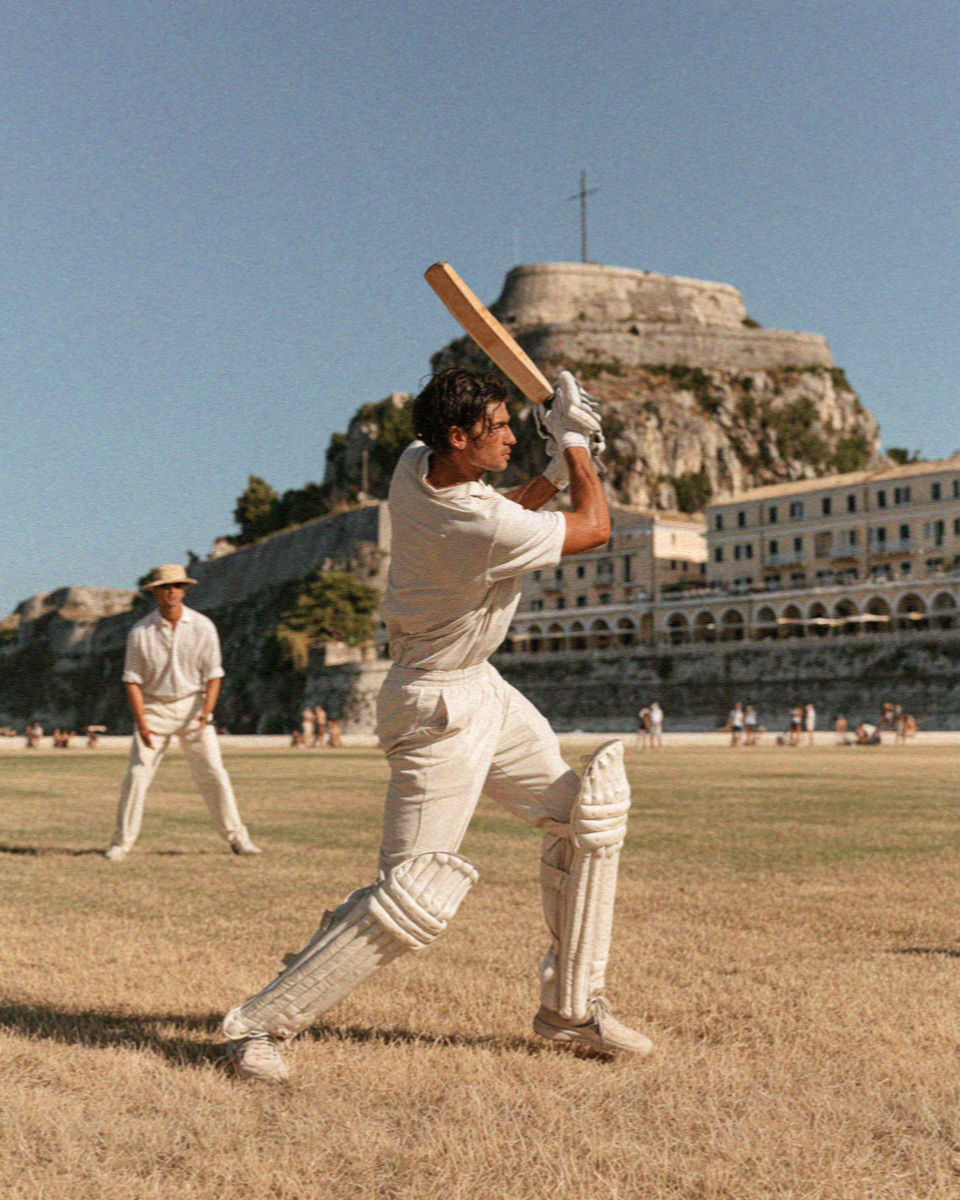
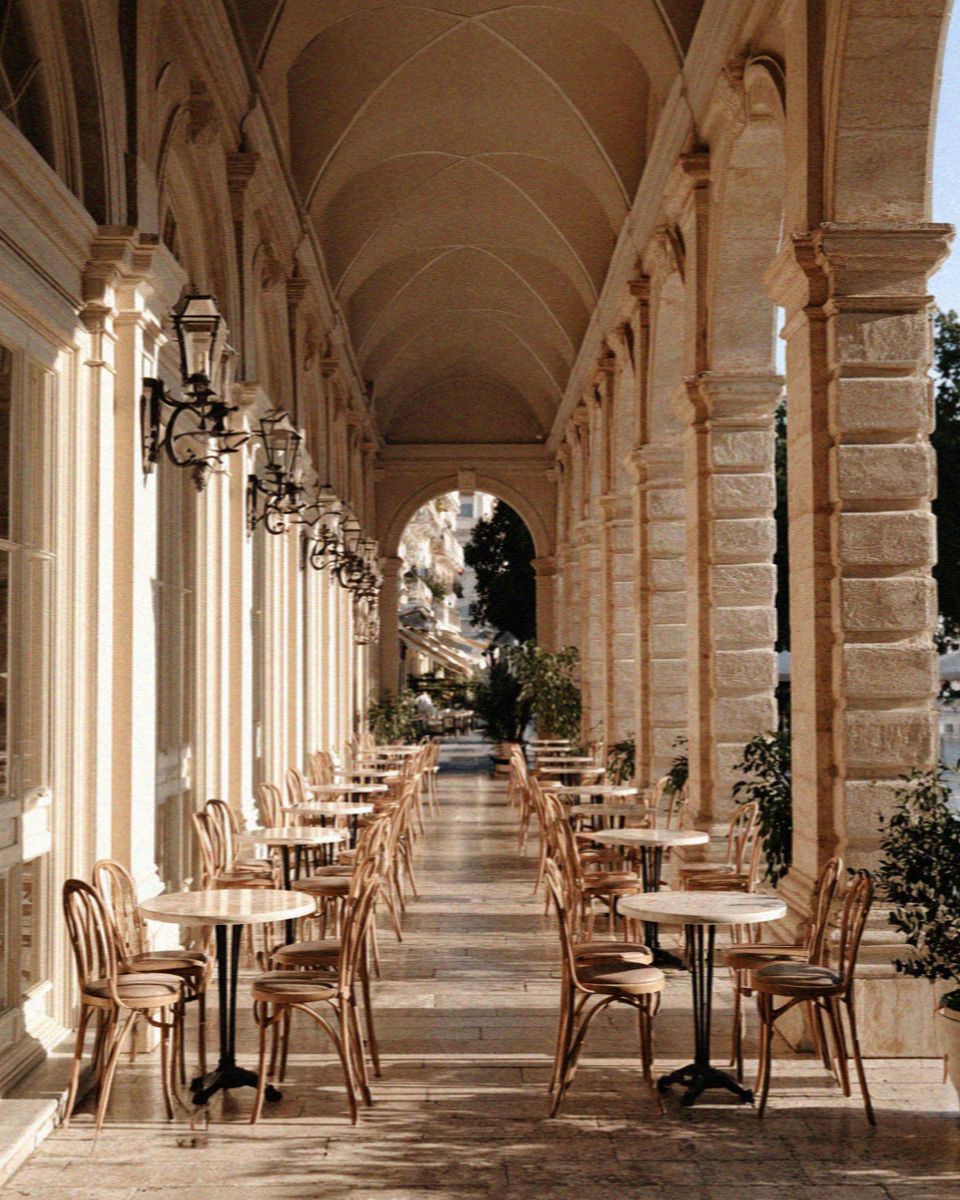
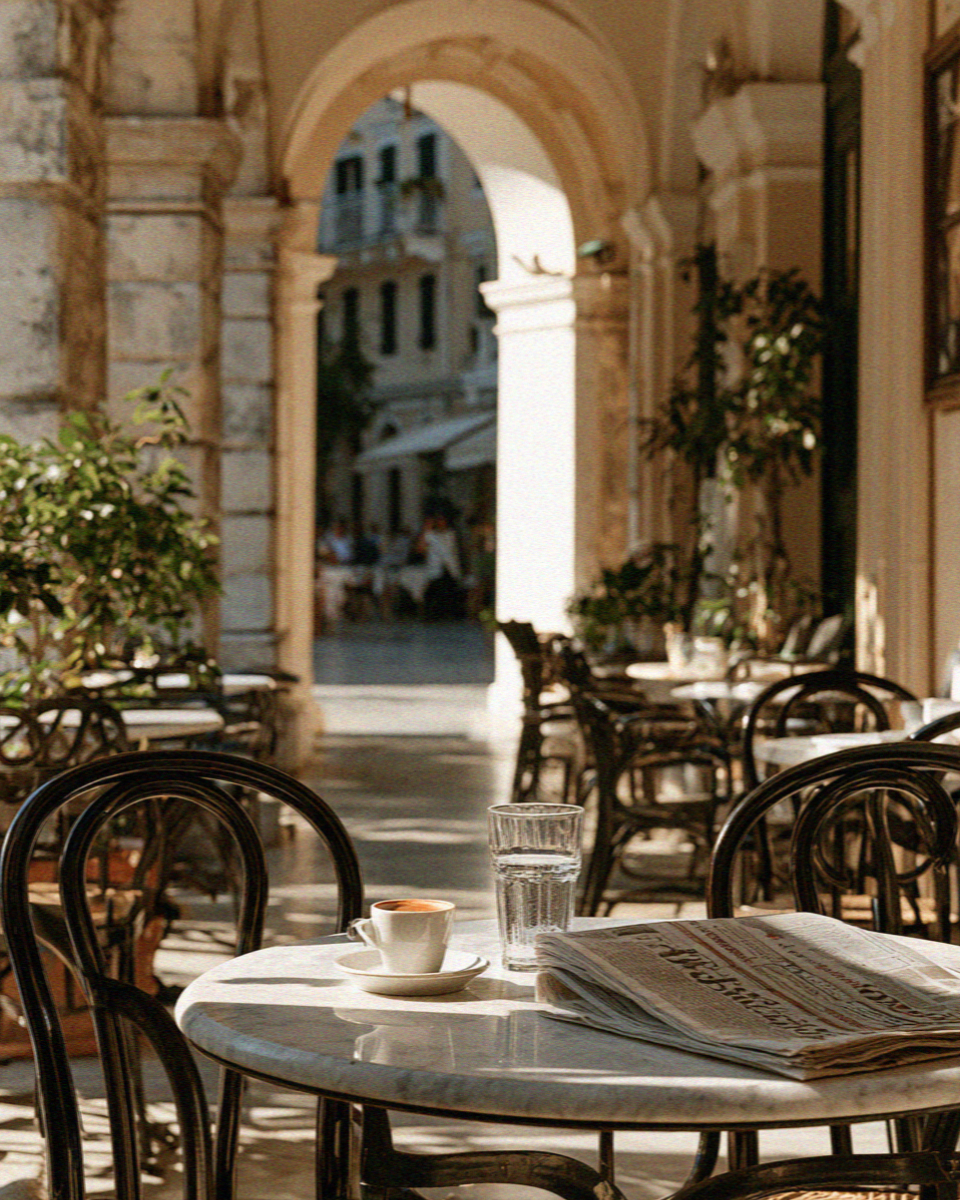
Earlier that morning I had been sitting under the Liston with a coffee, watching boys play cricket.
The Liston looks Venetian and is French. The cricket is British. Behind it is a Venetian fortress. Everyone around me was speaking Greek.
After three days here, I have stopped trying to assign the island to anybody.
The British brought cricket, and somehow Corfu kept that too. They brought ginger beer, which became tsitsibira and never left either.
I tried one because obviously I did.
It is much fiercer than the ginger beer I know, hot at the back of the throat and slightly medicinal, and I liked it enough to order another one the next day.
This is what occupations seem to have left behind here. Not a clean layer of history sitting underneath the present, but odd things still wandering around in it.
A cricket match.
A bottle of ginger beer.
A brass band following a saint.
Nobody appears particularly impressed by any of this.
That may be my favourite part.
At eleven that morning the boys on the Spianada were setting up as though cricket on a Greek island beneath French arches were the most ordinary thing in the world.
To them, of course, it is.
By late afternoon I was back in the lanes behind the Liston, standing under the open window.
The clarinet had moved on from scales by then.
Not very far.
A few bars of something I did not recognize, then silence, then the same few bars again.
I could hear somebody else in the room now. An adult voice occasionally saying something too softly for me to understand.
Then the clarinet again.
The town was beginning to cool. People had opened windows. Somebody was dragging chairs across a floor. From further down the lane came the sound of plates being stacked.
And above all of it this child kept trying the same four bars.
I thought about Hélène.
I thought about being fourteen and wanting desperately to play the piece without doing the boring thing that made playing the piece possible.
I thought about how completely certain I had been that adults invented scales because they enjoyed making children miserable.
And then I laughed because I had become the woman standing in the street silently willing somebody else’s child to practise them properly.
She stopped.
I waited.
Nothing.
Then she started again from the beginning.
This time she got through the place where she had been tightening up.
I actually smiled.
She had no idea I was there.
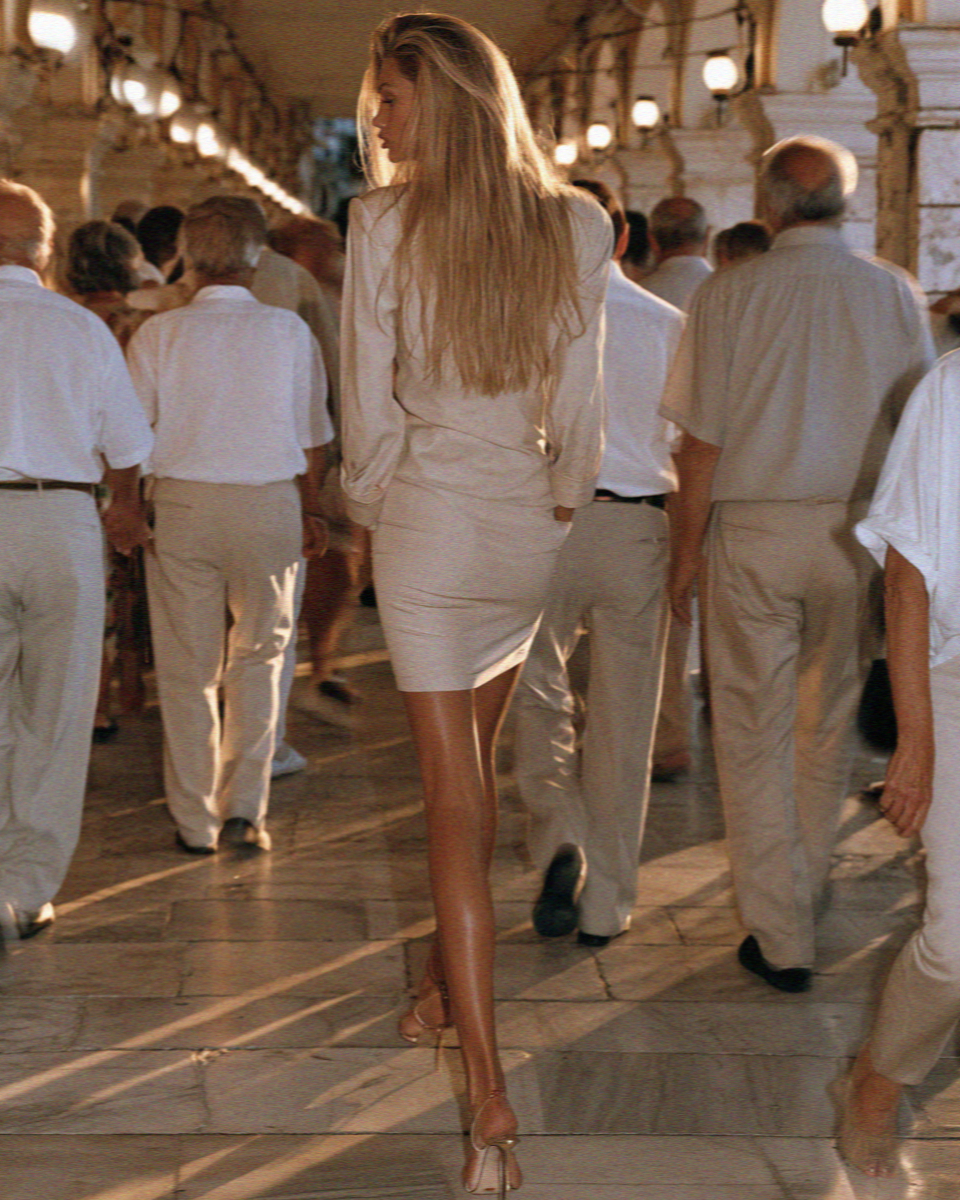
I walked back toward the Liston as the light came sideways under the arches. The evening crowd had started its slow walk up and down, not apparently going anywhere, and the fortress across the green had gone soft and brown in the last light.
Somewhere behind me the clarinet began again.
The British took the band away from Corfu in 1837.
Corfu made another one.
And somewhere upstairs, nearly two hundred years later, a girl was still learning how to play in it.
V.
More images from Corfu