There is no sea here.
That is the thing about Milan nobody says out loud, and in August you feel it in your whole body. No coast to drive to at six o’clock. No river worth the name. The lakes are an hour north and everyone has gone to them, and what is left is a hot, flat city on a hot, flat plain, sitting in its own heat like a stone that has been in the sun all day.
So Milan did what Milan does. It refused to accept the terms.
It dug.
The Navigli are not a picturesque quarter, although they have become one. They are the remains of a working system, and the men who cut them were not thinking about anybody’s evening. They were thinking about weight. About how you move something enormous across a plain with no current to carry it, in a century with no engine.
The answer they arrived at was that if the water would not come to the city, then the city would go and fetch the water, by hand, over two hundred years.
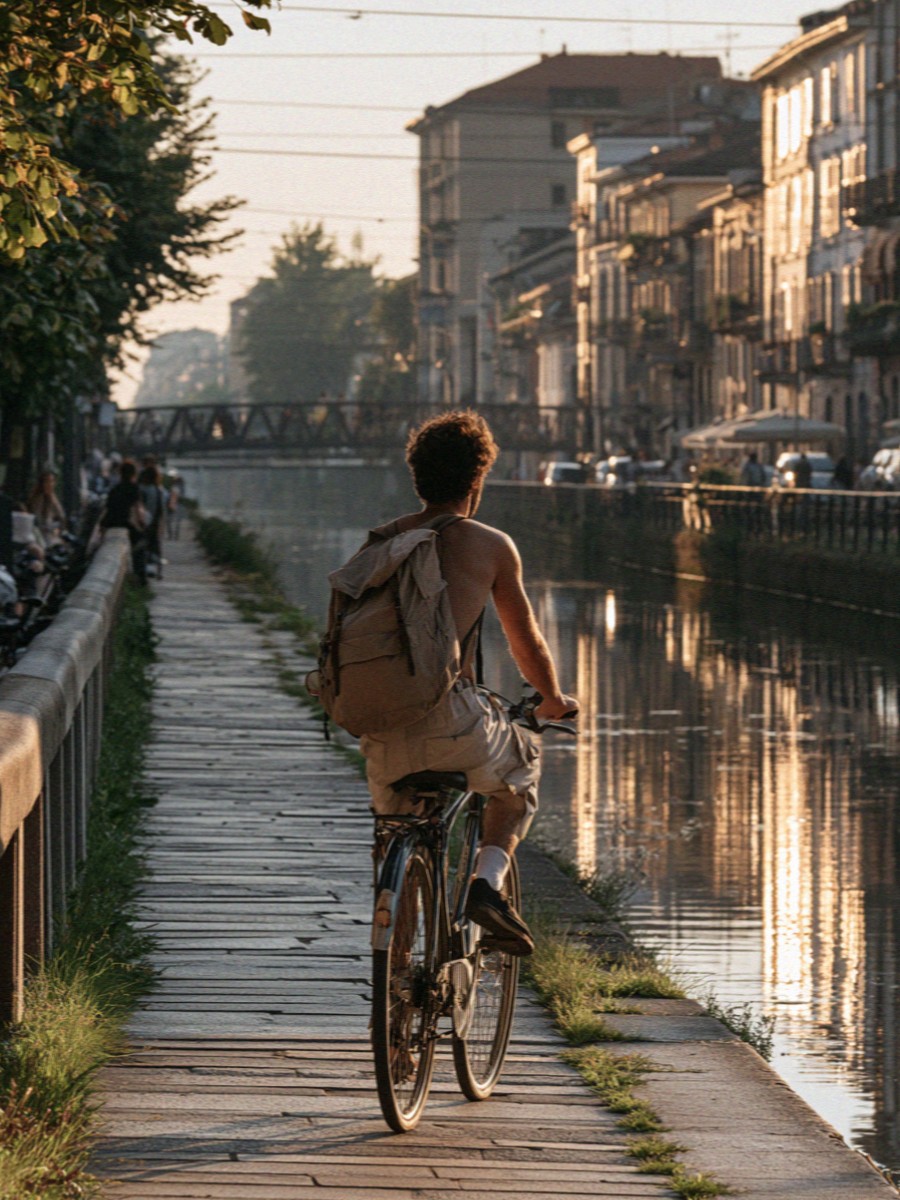
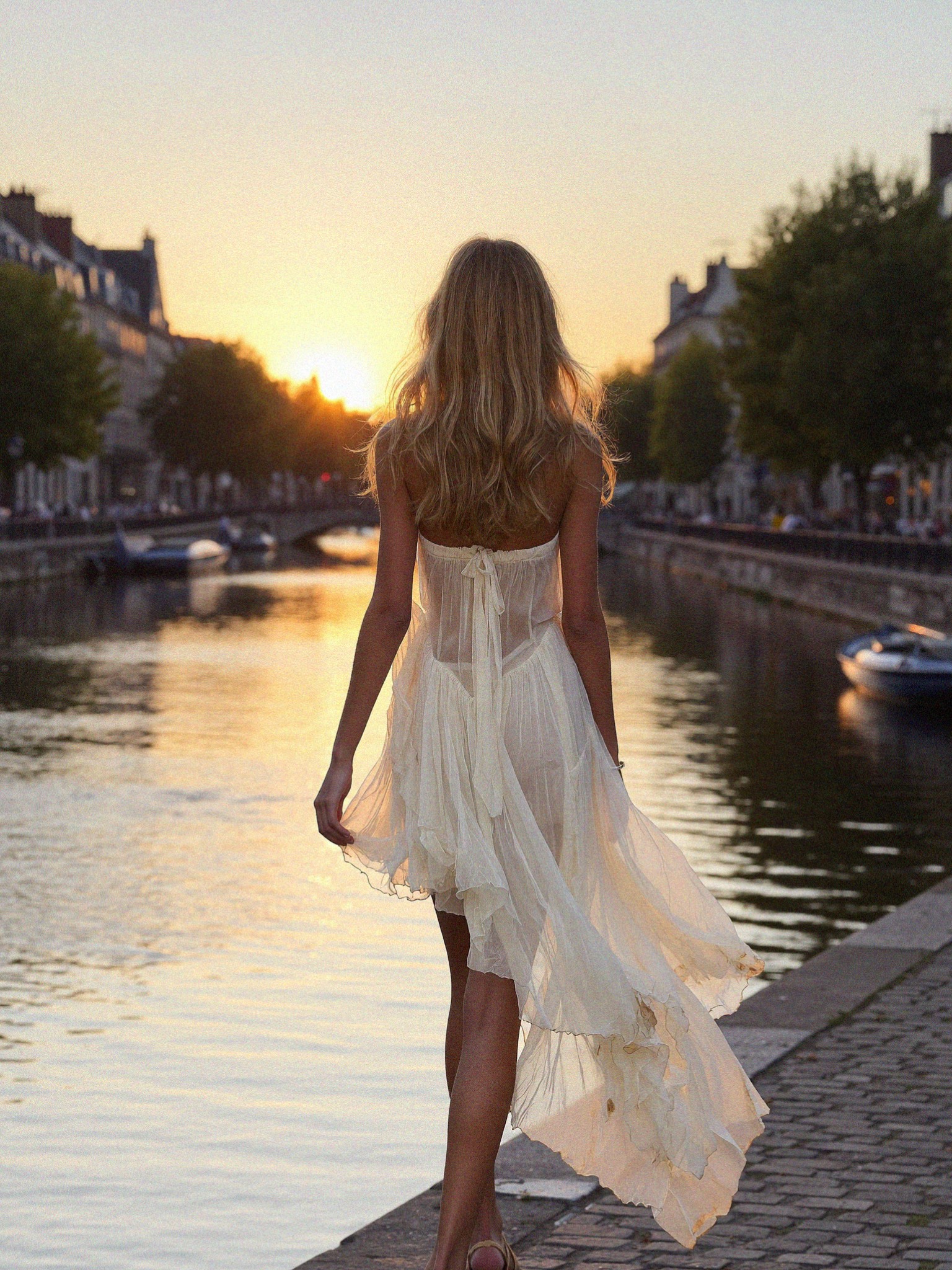
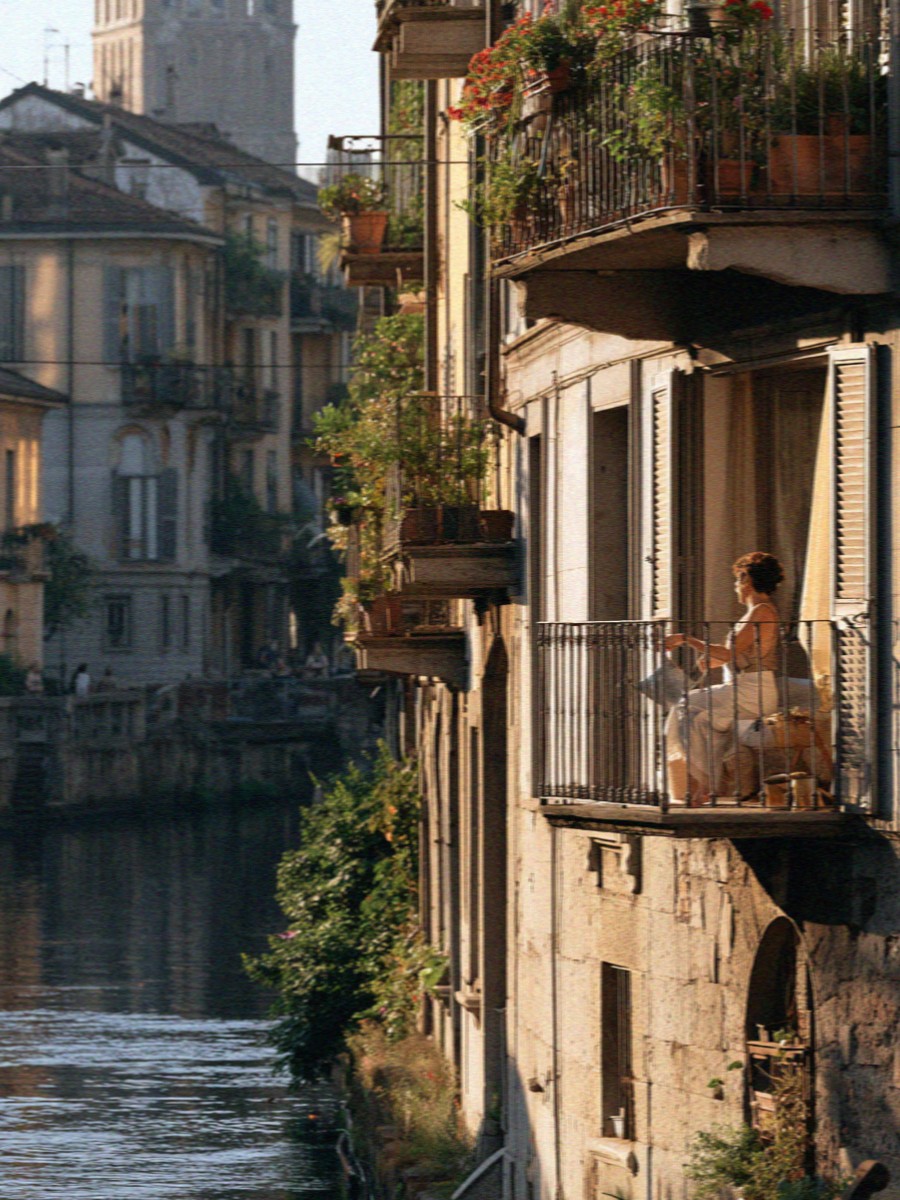
I have been walking the canals in the evenings, when the stone finally begins giving back its heat and the light goes low and coppery along the surface, and I keep thinking about what came down them.
The cathedral came down them.
Not the idea of it. The actual cathedral.
The pink-white marble of the Duomo was quarried at Candoglia, up near Lake Maggiore, loaded onto boats and brought down through the waterways towards Milan, eventually entering the Naviglio Grande and making its way through the city to the men who were waiting to turn stone into a cathedral.
It came by water.
Block after block, year after year, the Duomo arrived in Milan the way a delivery arrives, slowly and from upstream.
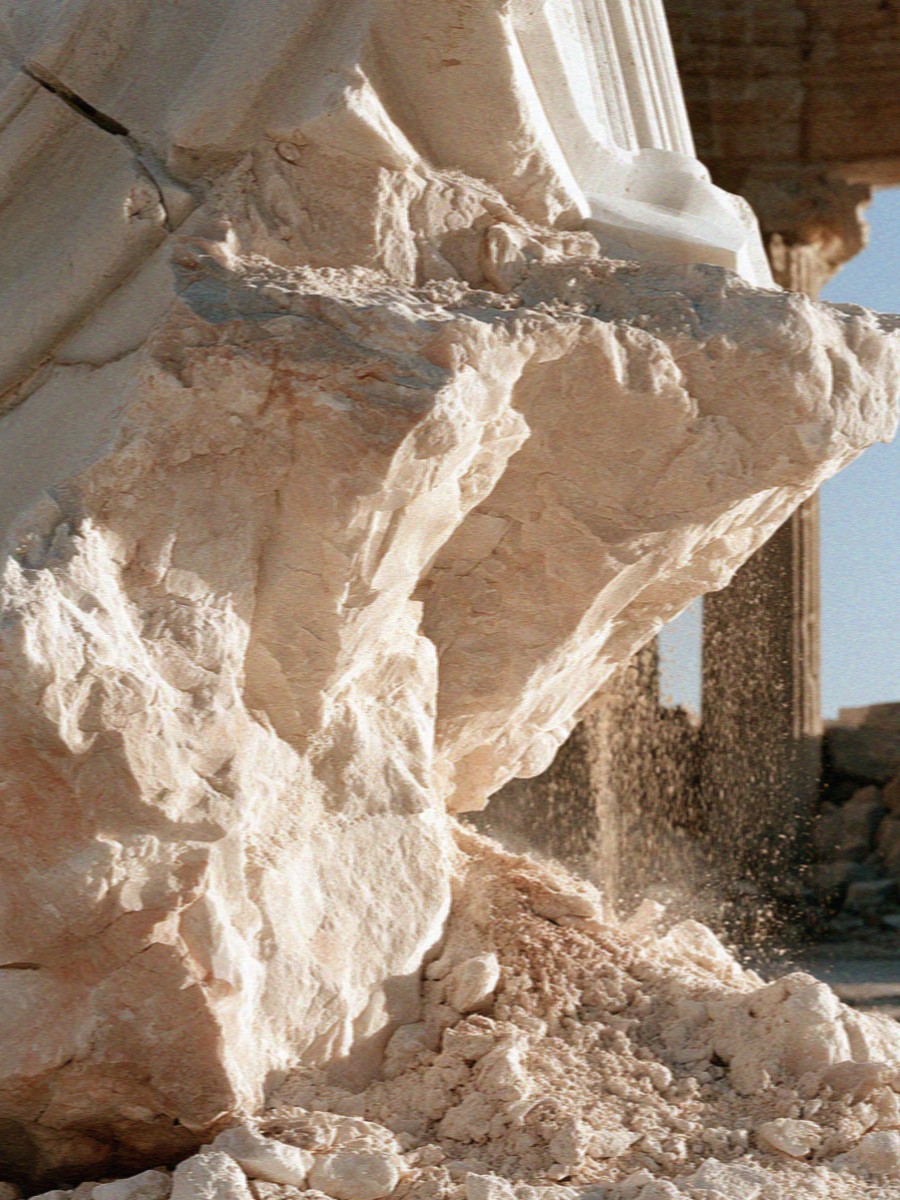
The barges carried three letters, painted where the toll men could see them. AUF. Ad usum fabricae, for the use of the works, and it meant the cargo belonged to the cathedral works and travelled without the usual duties.
Nobody charged it.
Marble drifting through the middle of one of Europe’s great mercantile cities, free of charge, because it belonged to the building rising at its centre.
The Milanese, who notice everything to do with money, kept the joke. To get something a ufo still means to get it for nothing.
I find that almost unbearably good. The most extravagant object the city ever built, and one of the things its construction left behind in the language is an expression for getting something free.
My father would have liked the barges more than the cathedral.
He loved boats the way other men love horses, and what fascinated him was never only their beauty. It was the fact that a boat is a solved problem, a thing that exists because somebody worked out how weight and water could be persuaded to agree. He would have wanted to know the draught of the barges. How they were poled. How much marble they could carry. What they did when the water changed height.
What they did at the locks is the part I did not expect.
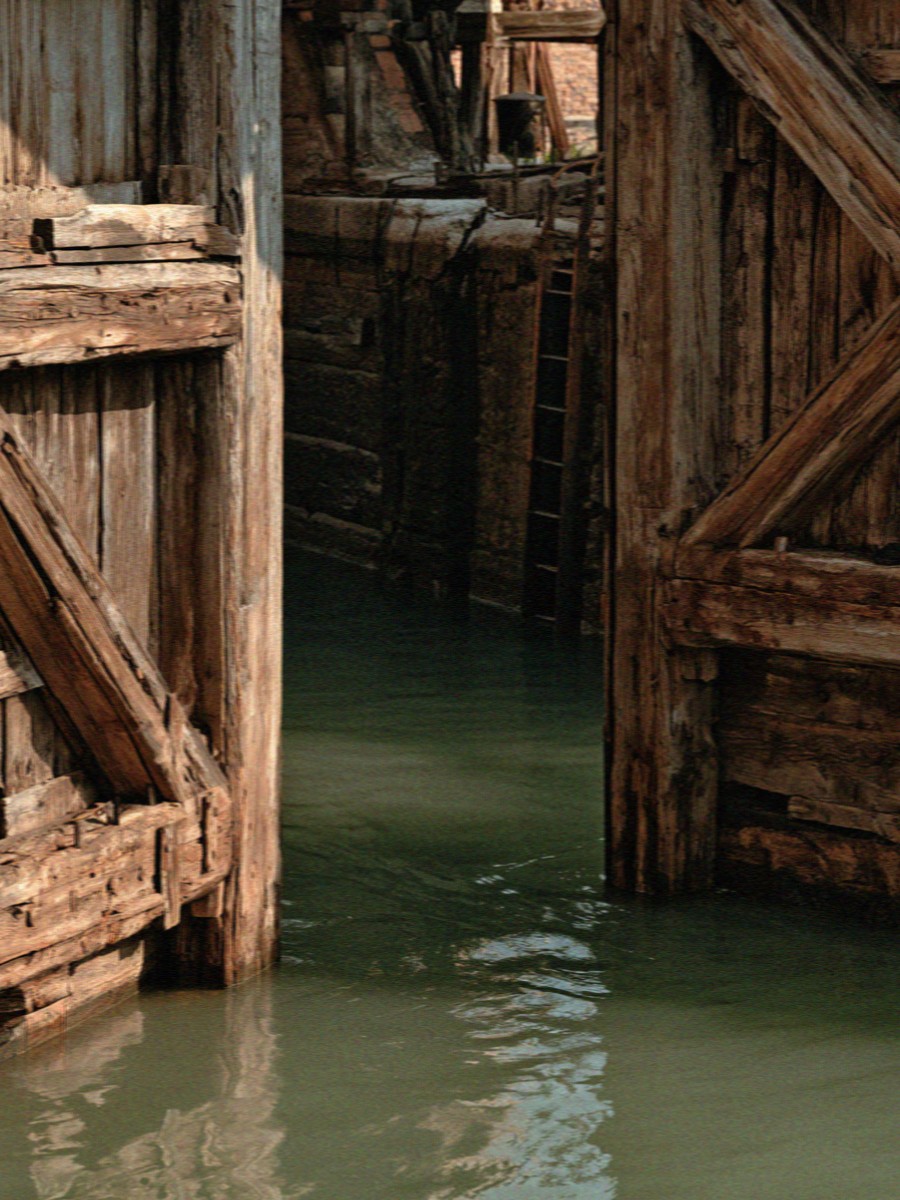
The canals sit at different levels, and to get a loaded boat from one to another you need a chamber you can fill and empty, and gates strong enough to hold against the water but clever enough not to fight it unnecessarily.
Leonardo thought about this too.
He studied and drew mitre gates, angled so that the pressure of the water itself helped hold them closed. He drew the smaller openings that allowed water through first, equalising the levels before the great gates had to move. His studies of Milan’s waterways survive in the Codex Atlanticus, held in the Ambrosiana, only a few minutes’ walk from where I stood.
I loved that more than I expected to.
Because it meant that the same man whose painting gave me my fifteen minutes in that refectory, the one I have been carrying around since I was a girl, could also sit down and give the same seriousness to the practical problem of moving boats through water.
I do not think he would have separated the two.
We are the ones who decided that painting is art and a lock gate is plumbing. He seems to have regarded both as questions about how the world actually works, and answered them with the same attention.
There is something comforting in that. Beauty and usefulness were not opposite things. A painting could solve a problem of light. A gate could solve a problem of water. Both could deserve the whole mind.
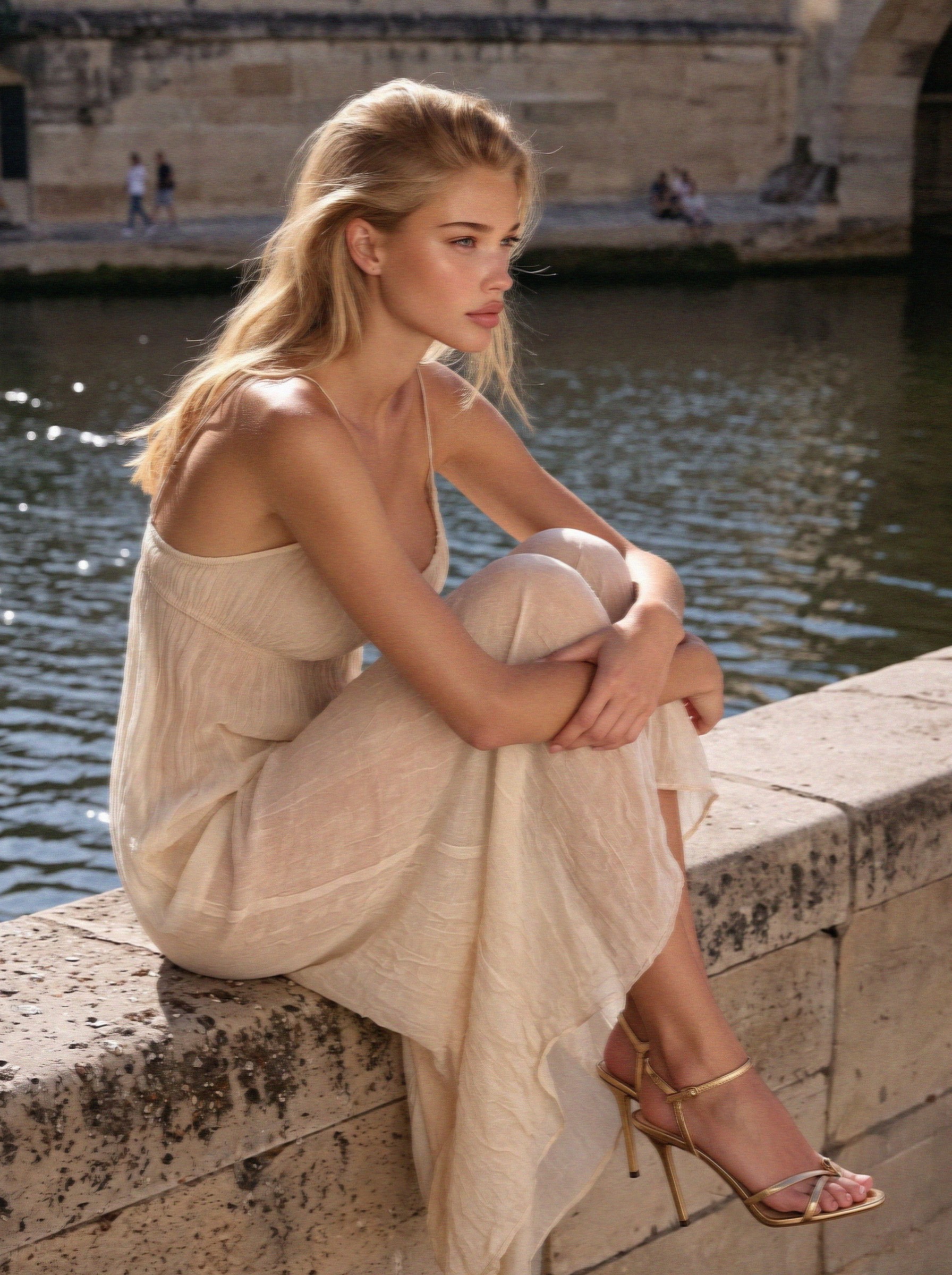
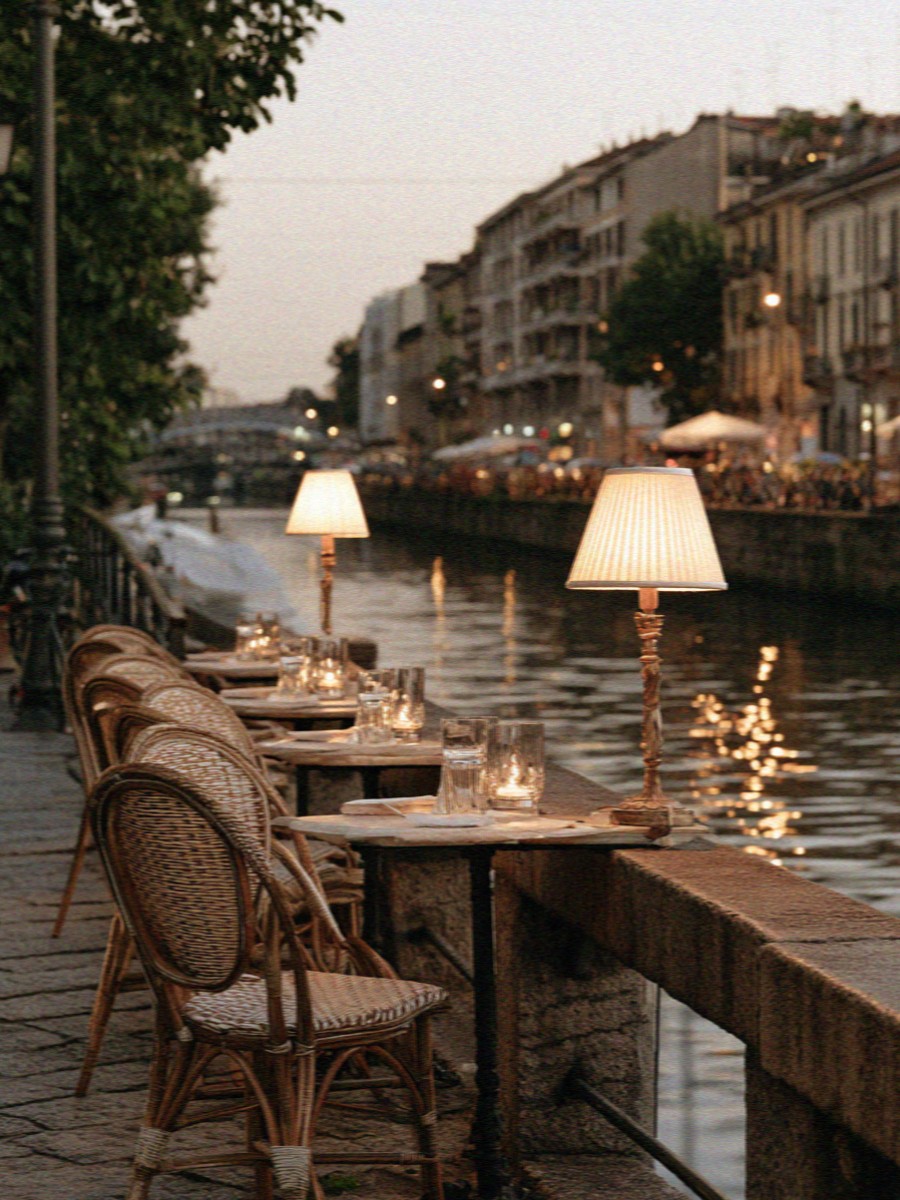
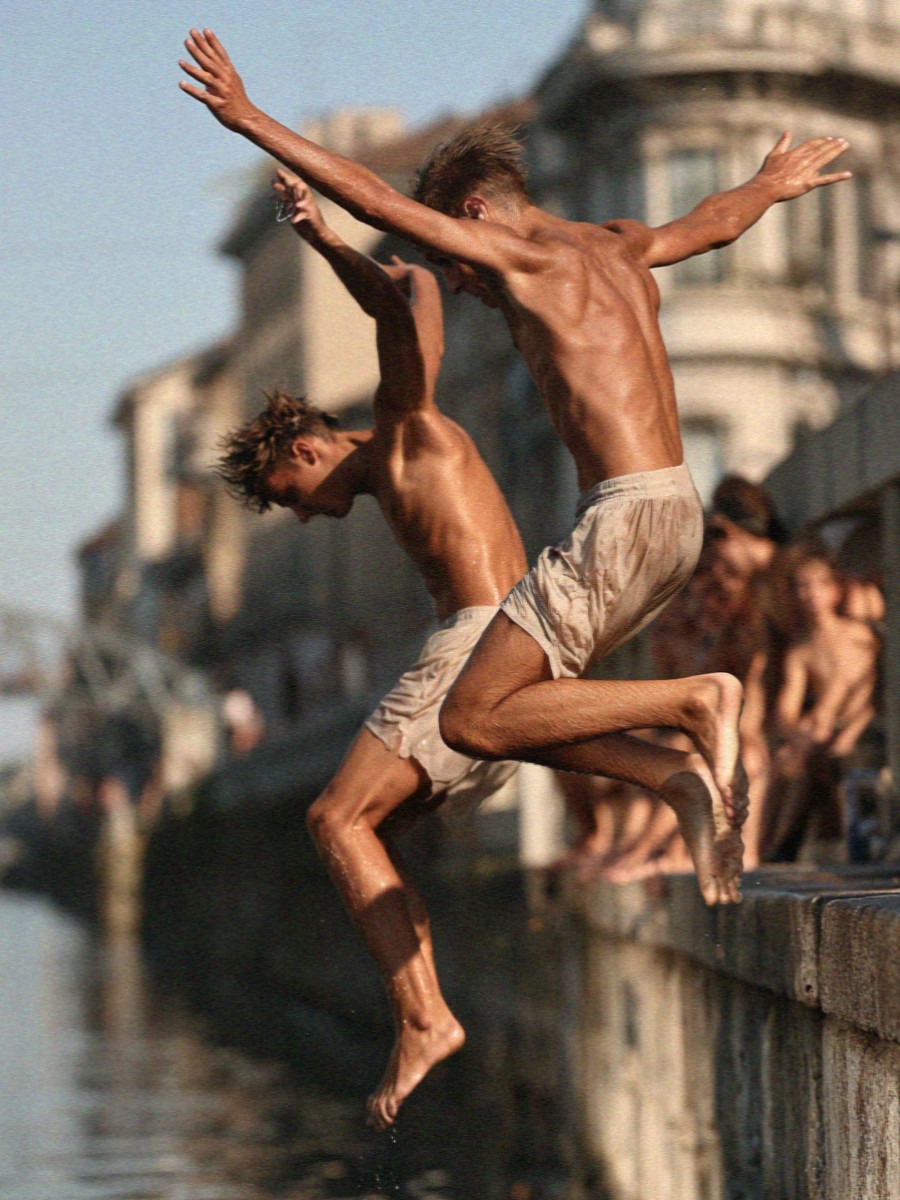
The Darsena is where the waterways meet, the old dock basin, and on an August evening it is one of the most alive places in the emptied city.
Whole families come down when the flats are still too hot to sit in. The bars along the water begin filling with those of us who have somehow remained in Milan, and the noise carries strangely well over the surface, the way it always does. Glasses touch. Someone calls to somebody on the opposite bank. Bicycles go past behind you. The heat that seemed immovable at four o’clock finally begins loosening its grip.
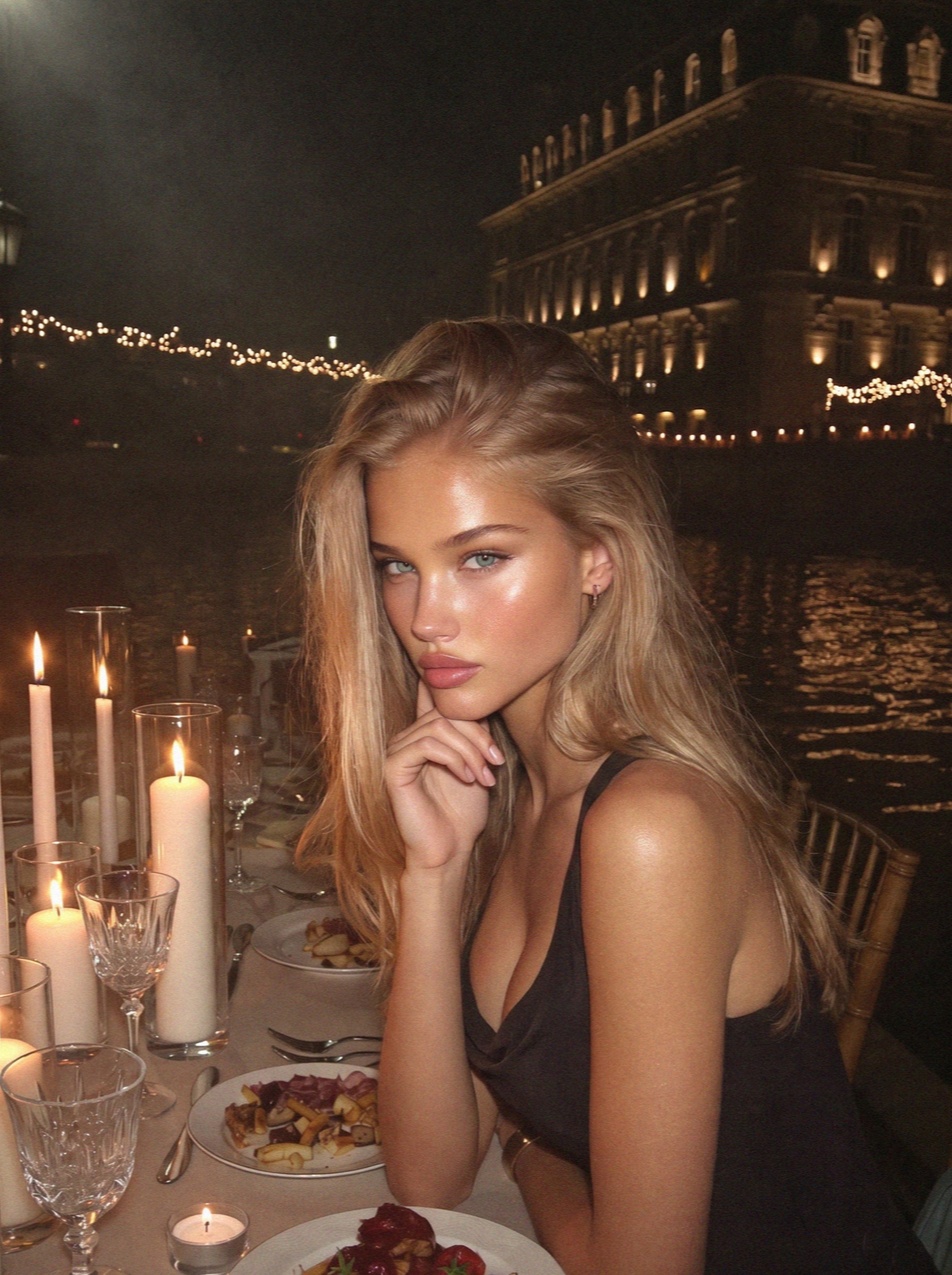
I sat with my feet over the side and a cold glass in my hand and watched the light go out of the water.
A city with no sea, which spent centuries bringing water towards itself and used those waterways to build a cathedral, now gathering beside that water on an August night because it is cooler there.
Nobody sitting out there is thinking about Candoglia.
That is rather the point.
The best things a city builds eventually stop being achievements and become furniture. People cease to marvel at them. The marble comes, the centuries pass, and an enormous piece of human effort settles quietly into the background of somebody else’s ordinary Tuesday.
I think that may be what I have liked about Milan all along.
I have spent three weeks in a city that never once made a fuss of me. It does not perform particularly hard, and it certainly does not explain itself. If you want to know why there is water running through the middle of a landlocked town, you are expected to become curious enough to find out. There is more of it in my complete guide to Milan, if you would rather be told.
Milan will not stop you on the pavement and tell you that the marble of its cathedral once travelled these waterways.
It will give you the canal, and the evening light, and somewhere to sit beside it.
The rest is up to you.
V.
More images from Milan