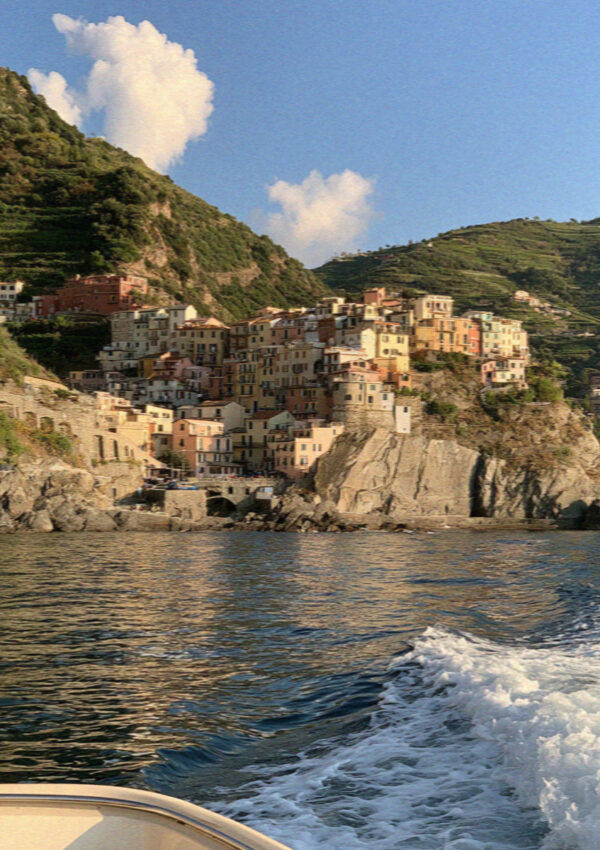
Matera is a two day town that rewards a third day disproportionately.
Two days will get you everything on the list. The third is the one where you stop moving through the place and start being in it, and it is the day people describe when they come home. This itinerary is built around that, and around the other thing that governs everything here in summer: the middle of the day is not usable outdoors, so the plan puts you in the streets early and late and underground in between.
The wider planning is in my complete guide to Matera.
Day 1
Morning: the Sassi before the heat

Be out by seven, or eight at the latest.
Start on the Sasso Caveoso side, which is the rougher and steeper of the two districts and the one that looks most like what the place actually was. Shutters are still down, the shadows are long and hard, and you will pass almost nobody. Walk without a destination for an hour. Get lost on purpose, which here means realising that the lane you are on is somebody’s roof and the way down is not where you thought.
Then do the two things that explain everything else, in this order: a furnished cave house at eight euros, a combined ticket that also covers a snow store, a natural grotto and a rock-cut church, and the multimedia history museum at seven. Forty-five minutes between them. After that, every doorway in the town reads differently.
Mid-morning: bread and coffee

Sit down somewhere with a slice of pane di Matera and a coffee.
The bread has protected status and deserves it: durum wheat, natural leavening, baked into a tall horned loaf with a thick dark crust and a deep yellow crumb. It keeps for the better part of a week, which is exactly why it exists.
Midday: go underground
The heat arrives around nine and holds until six, so the middle of the day belongs to the interiors, which stay cool without any help.
Take the underground cistern beneath the main square at a midday slot. Small groups, limited times, about three euros, bought at the entrance on the day since there is no online booking. Follow it with one or two rock-cut churches in the town at two to four euros each, and the sculpture museum if the day is punishing, since its lower rooms are carved chambers.
Evening: the terraces

From about six the town comes back outside.
Find a terrace on the Barisano side facing the Sassi and be on it for the hour before sunset. Then stay where you are, because at dusk the lights come on tier by tier in the rock windows and the ravine goes completely black beneath them. It takes about twenty minutes and it is the best free thing in Basilicata.
Dinner in a cave, late.
Day 2
Early: cross the ravine
This is the day’s whole event and it needs to happen before the heat.
Go down into the gorge, across the suspension footbridge over the river and up the far side to the viewpoint on the Murgia plateau. About four kilometres round trip, roughly ninety minutes at a fair pace, moderate but with real footing underneath, so wear proper shoes. Take water.
The reward is the only view from which Matera makes sense, because the town cannot be seen from inside itself.
If it is July, or if the walk is not for you, drive or taxi round in about fifteen minutes and do the same viewpoint without the gorge.
Full detail in the Belvedere and the Murgia park.
Midday: rest, properly
Come back, eat, and do nothing for two hours. This is not lost time in a town like this in summer; it is the reason you are able to enjoy the evening.
Afternoon: the Civita and the other side
Walk up onto the Civita, the rock spur between the two Sassi with the cathedral on it, for the views down into both districts. Then work slowly down through Barisano, which is the restored half and pleasant in the late afternoon light.
Evening: eat Lucanian
Peperoni cruschi, something with the local bread in it, a Basilicata red. Details in where to eat and drink in Matera.
Day 3, which is the one to keep
The third day is where you should do less, not more.
Go out at first light again, to whichever half of the town you liked better, with no plan. Sit somewhere for an hour.
Then use the day for the one thing outside the centre that is worth the effort: the painted crypt south of town, sometimes called the Sistine Chapel of rock churches, with frescoes from the eighth or ninth century. Ten euros, booked online in advance with no walk-ins at all. You meet at a farm ticket office on Contrada Pietrapenta half an hour before your slot, seven kilometres out and about twenty minutes by car. The visit itself is only twenty minutes, so allow an hour door to door. The setting is bare, hot and completely silent.
Come back for the evening you now know how to spend.
If you would rather stay closer, this is also the day for Altamura, twenty minutes away on the same narrow-gauge line, which is the other great bread town and enjoyably competitive about it.
If you only have one day
Arrive early. Cave house, history museum, cistern, lunch, one rock church, then the far rim of the ravine for golden hour by car rather than on foot. Dinner in the Sassi. Leave the next morning wishing you had another day, which you will.
Read also: the best things to do in Matera, the best time to visit Matera, and my complete guide to Matera.
Frequently Asked Questions
How many days do you need in Matera?
Two days covers everything comfortably. A third day is the one worth adding, because it is when you stop sightseeing and start noticing the town at the beginning and end of the day, which is when it is at its best.
What should you do on your first morning in Matera?
Walk Sasso Caveoso before eight while it is empty and cool, then go inside a furnished cave house and the multimedia history museum, in that order. Together they cost around ten euros and forty-five minutes, and they reframe everything you see afterwards.
What is there to do in Matera in the middle of the day?
Go underground. The heat holds from roughly nine until six with almost no shade in the Sassi, so the cistern, the rock-cut churches and the cave museums are the sensible midday plan, and they stay cool without air conditioning.
Is one day in Matera enough?
It is possible but tight. You can manage a cave house, the history museum, the cistern and a viewpoint at golden hour if you arrive early and take a car to the far rim rather than walking the ravine. Two days is much better.
What do you need to book ahead in Matera?
The underground cistern, which runs small groups on limited slots, and the painted crypt outside town, which is by appointment only with no walk-ins. Cave hotel rooms also go months ahead for May, September and October.