Palermo is the least polite beautiful city in Italy.
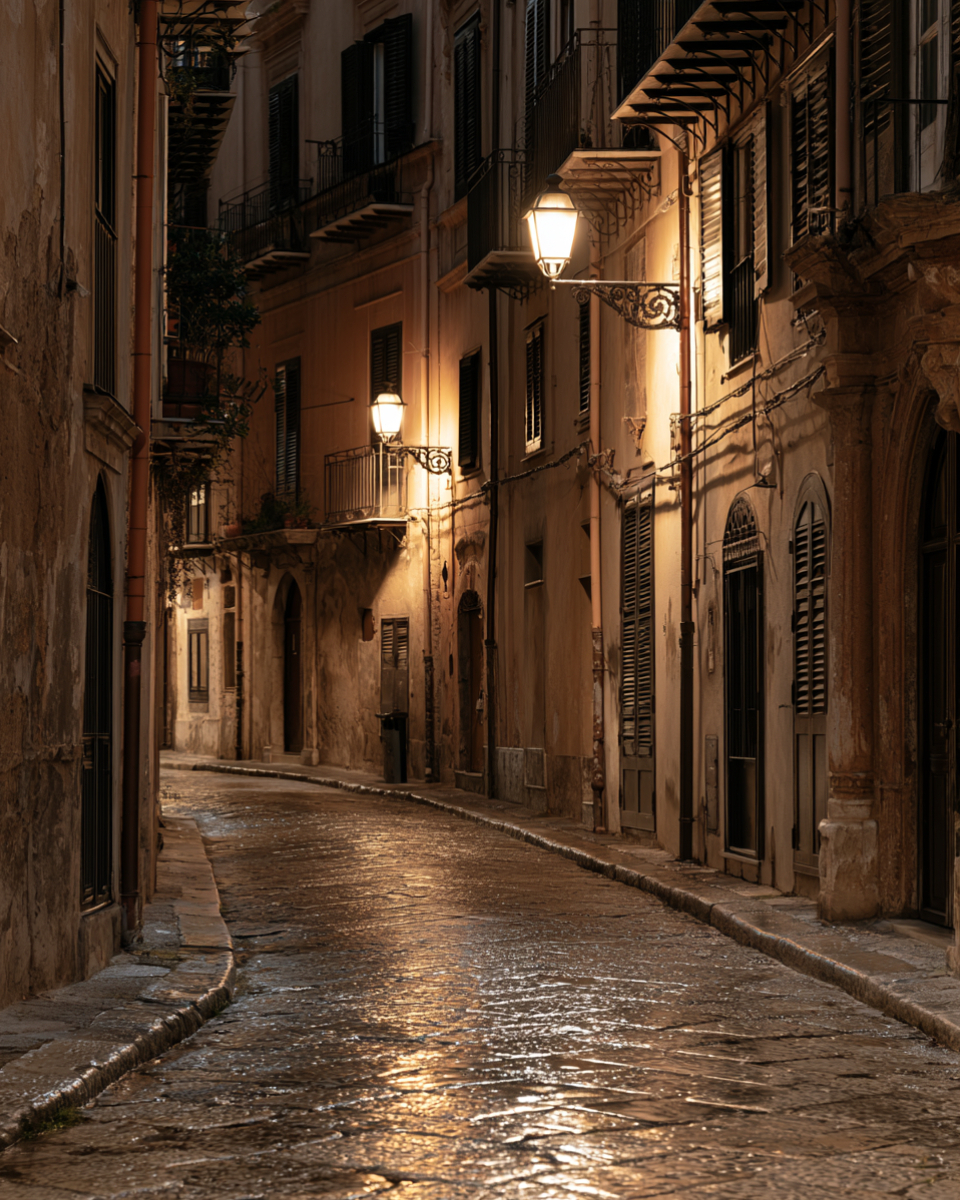
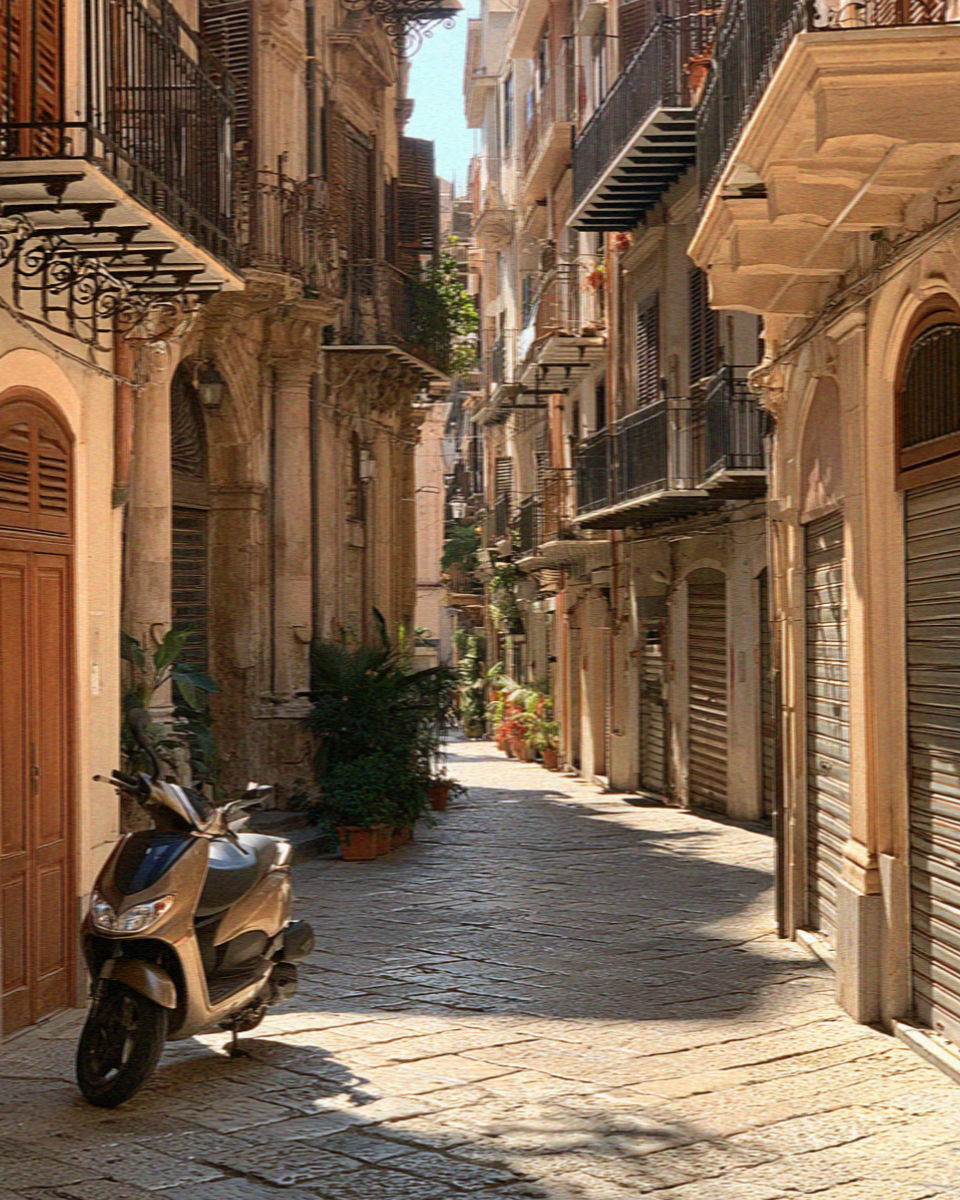
It does not arrange itself for you. There is no single view it wants you to photograph, no piazza that functions as a stage set, no stretch where the shops have agreed on a colour. It is loud, it is patched, and about every fourth building is either magnificent or falling down, sometimes both.
It is also, and I want to be plain about this, the most interesting city in Sicily and one of the most interesting in the Mediterranean. Not the prettiest. The most interesting.
Here is everything I would want to know before going.
What to book before you come
Palermo rewards walking and costs almost nothing to walk. Book the one interior you should not risk missing, and the day you leave the city for the coast.
- The Norman Palace and Palatine Chapel. Access depends on what is happening in the working seat of government above it, so a timed ticket removes the risk of a closed door.
- Zingaro and San Vito Lo Capo by boat. The best day out of Palermo, and the clear water everyone pictures when they picture Sicily.
- A shorter boat afternoon. Four hours rather than ten, rated 4.9, for when the city has had its three days.
The markets, the cathedral, the Quattro Canti and the evening on the Foro Italico cost nothing at all.
What Palermo actually is
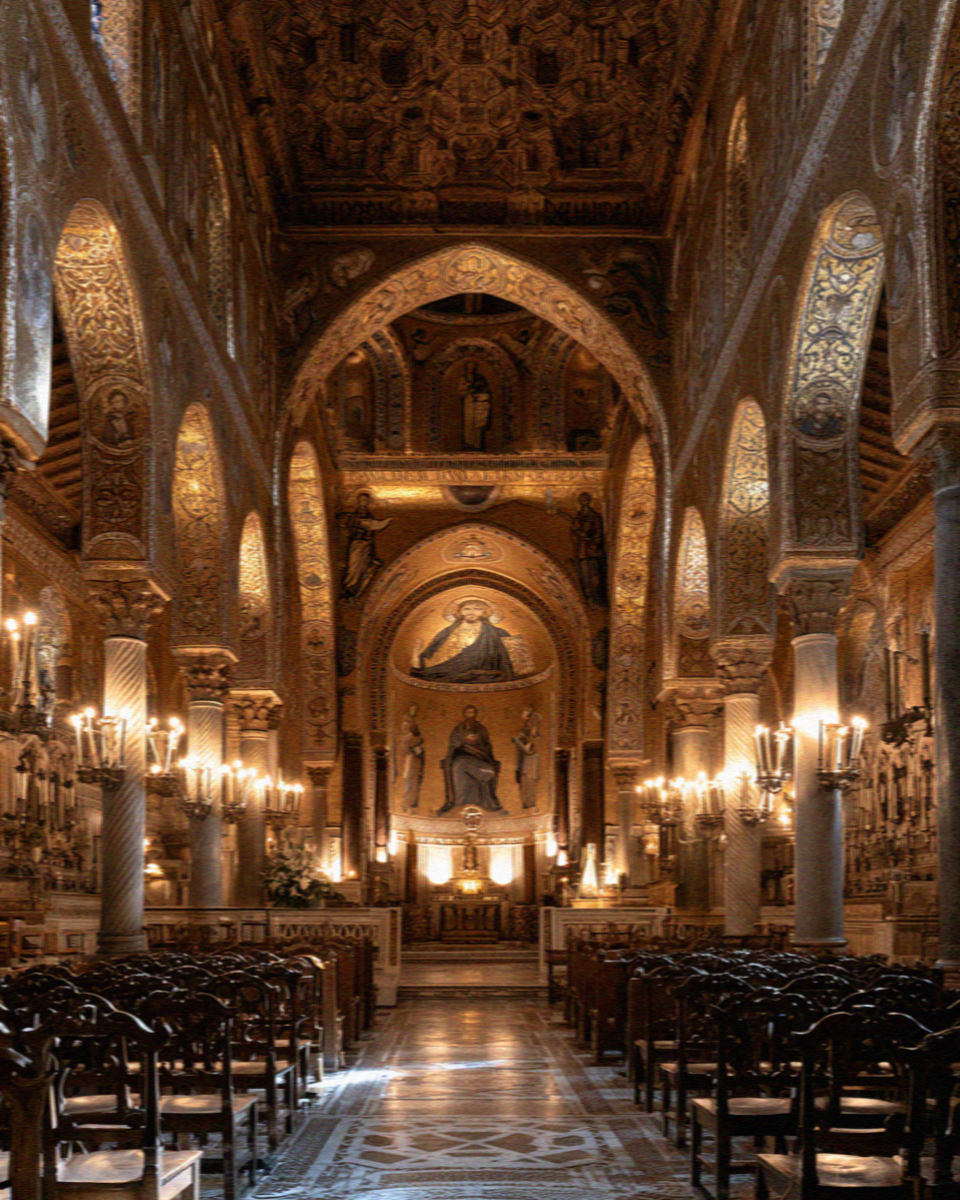
Most Italian cities are one civilisation with the others buried underneath. Palermo is several at once, sitting on the surface, in the same room.
It was Phoenician, then Roman, then for over two hundred years it was Arab, and it was the Arab period that made it a great city. Then the Normans took it in 1072 and did the thing nobody expects: they kept everyone. Arab administrators, Greek craftsmen, Jewish merchants, Latin clergy. For about a century Palermo was the richest, most cosmopolitan capital in Europe, and its kings were crowned in a chapel with Byzantine mosaics on the walls, an Islamic honeycomb ceiling overhead and Latin liturgy underneath.
That chapel still exists and you can walk into it for about nineteen euros.
This is the thing to understand about Palermo. The layers are not sequential here, they are simultaneous. A single building will give you three religions and four centuries without changing rooms. Once you can see it, the city stops looking chaotic and starts looking like the only honest record of what the Mediterranean actually was.
The full account of that chapel and the palace around it is in my guide to the Cappella Palatina and the Norman Palace.
Plan Your Visit to Palermo
A few things I booked and loved. These help support the blog, at no cost to you.
- Where I stayed: search Palermo hotels
- Street food tours and Palermo tickets
- Stay connected: get a travel eSIM
This section contains affiliate links. If you book through them I may earn a small commission, at no extra cost to you.
The markets are the city

There are three historic markets and they are not attractions. They are where people buy dinner.
Ballarò is the oldest and the most Arab in feel, a genuine working market that thins out for tourists and does not care. Il Capo is the tidiest and the easiest if you only have time for one. Vucciria is nearly dead in daylight and turns into the loudest street party in the city after nine at night, which catches people out in both directions.
You eat standing up. Arancine, panelle, sfincione, and if you are brave, pane ca meusa, which is spleen in a bun and is exactly as forthright as that sounds. Most things cost between one euro fifty and five euros. You can eat extremely well for under fifteen.
It is all in my guide to Palermo street food and the markets, including what to order first if you are nervous.
A very short history, because here it is practical
Normally I would skip this. In Palermo the history is not background, it is the thing you are looking at, and twenty minutes of it changes what you see.
Phoenician, then Greek-adjacent, then Roman. The Phoenicians founded it around the seventh century BC and called it Ziz. Unusually for Sicily, it was never really a Greek city, which is why you come here for mosaics and not for temples. For temples you go to Segesta or Agrigento.
Arab, from 831. This is the period that made Palermo. Under the Emirate it became one of the largest cities in the Mediterranean, with a population that some sources put level with Cordoba, and it was rebuilt around water: irrigation, gardens, citrus, and a street plan of narrow lanes that the old centre still has. The markets are Arab in layout and in the way they are shouted.
Norman, from 1072. Roger I took the city, and his son Roger II was crowned King of Sicily in 1130. What the Normans did next is the interesting part. They did not clear the place out. They kept the Arab bureaucracy, the Greek craftsmen and the Jewish merchants, ran a chancery in three languages, and built churches that look like mosques with mosaics inside them.
Spanish, from the fifteenth century. Four hundred years of viceroys, and the reason the centre is as Baroque as it is Norman. Quattro Canti, Piazza Pretoria and most of the church interiors are Spanish-era. This layer is the one people find hardest to love and it is why the city reads as cluttered.
Bourbon, then Italian, then bombed. Palermo was hit hard in 1943 and large parts of the centre were left ruined for decades. Restoration only really got going in the 1990s. That is why a magnificent palazzo can still stand next to a shell.
The practical upshot: if a building confuses you, it is probably three buildings. Once you stop expecting one style per structure, the city gets much easier.
The nineteenth century city

North of the old centre, Palermo suddenly becomes a different place: wide boulevards, plane trees, tall pale apartment blocks, and an opera house the size of a small country’s parliament.
This is the Liberty-era city, built when Palermo was rich on citrus and sulphur, and it is where the city goes to shop and be seen. The opera house is the largest in Italy and the third largest in Europe. Guided tours run through the day and a ticket is around nineteen euros.
It matters practically as well as architecturally, because this is also where a lot of people end up staying. More on that in where to stay in Palermo.
How long you need
Two full days covers the essentials without rushing. Three is comfortable and lets you take a day out of the city. Four turns Palermo into a base for western Sicily, which is what I would actually recommend.
I have set out exactly how I would spend each of those days, in order, in a Palermo itinerary.
The day you should take out of the city
Monreale is eight kilometres up the hill and it is not optional.
The cathedral there is covered, floor to ceiling, in about six thousand square metres of gold mosaic, and the cloister beside it has more than two hundred paired columns, each pair carved differently. The 389 bus goes from Piazza Indipendenza, costs one euro forty, and takes a little over half an hour.
Full practicalities in Monreale from Palermo.
Further out, the options are genuinely good: Cefalù by train in under an hour, the temple at Segesta standing alone on its hillside, the walled town of Erice, the salt pans south of Trapani. Those are in day trips from Palermo.
The difficult one
Under a monastery on the western edge of the city there are eight thousand mummified bodies, dressed, arranged along corridors by profession and by sex.
I am not going to be arch about it. It is the Capuchin Catacombs, it is one of the most visited places in Palermo, and it asks a question about how you want to spend an hour of your holiday. I have written it straight in the Capuchin Catacombs of Palermo, including who should skip it.
The sea
Palermo has a beach and it is twenty minutes away on the bus.
Mondello is a wide pale crescent with an art nouveau bathing pavilion standing out in the water on stilts, and in July and August it is completely full. There are rockier, quieter alternatives along the same coast. See Mondello and the beaches near Palermo.
Getting in, and getting about
The airport is thirty-five kilometres west. The Prestia e Comandè bus runs every half hour, takes about fifty minutes and costs six euros fifty one way or eleven return. The Trinacria Express train is six euros eighty and takes about the same.
In the city, walk. The historic centre is compact and the traffic is not something you want to negotiate. Details in getting to Palermo and around.
When to come
Late April to mid-September, with early October as a quiet bonus. July and August are regularly above thirty-five degrees and the city genuinely shuts in the afternoon.
The Festino di Santa Rosalia peaks on the evening of 14 July and takes over the whole centre. It is extraordinary and it is not a restful week. The best time to visit Palermo has the month by month.
The evening

At about seven the city changes.
The heat goes out of the stone, the shutters come up, and everybody comes outside at once. On the Foro Italico, the seafront strip along the bay, there are families walking, teenagers on bicycles, people simply sitting on the wall facing the water, and it goes on until very late.
This is when Palermo is easiest to love. It stops being a difficult city to read and becomes a city having its evening, and you are welcome to be there, and nobody minds you at all.
What to eat, beyond the street food
The markets get their own guide because they deserve one, but Palermo sitting down is a separate pleasure and people miss it.
Pasta con le sarde. Sardines, wild fennel, pine nuts, raisins, saffron, often with toasted breadcrumb instead of cheese. Sweet and savoury in the same mouthful, which is an Arab inheritance and one of the clearest pieces of evidence for everything this guide has been arguing.
Pasta alla Norma is Catania’s, not Palermo’s, and you will still see it everywhere. Order it if you want it, but it is not the local dish.
Involtini di pesce spada. Swordfish rolled around breadcrumb, pine nuts and currants. The other place that sweetness turns up.
Caponata. Aubergine, celery, capers, olives, sweet and sour with vinegar and a little sugar. Served at room temperature, better the next day, and completely different from the version served in the north.
Sarde a beccafico. Butterflied sardines stuffed and rolled to look like small birds, with a bay leaf between each one.
Cassata and cannoli. Cassata is the ornate one, sponge and sweetened ricotta and marzipan under a lurid green icing, and it is a festival cake rather than an everyday dessert. Cannoli you eat constantly.
Wine. Sicily is a serious wine island now and the local pours are good and cheap. Look for Nero d’Avola in red, Grillo or Catarratto in white, and Etna wines if you want to spend a little more.
What it costs. A trattoria dinner with wine sits comfortably between twenty-five and forty euros a head in the centre. You can eat brilliantly for half that standing in a market.
Getting the most out of a short trip
A few things that are specific to this city and that I wish somebody had told me.
Front-load the fragile stuff. The royal chapel closes without notice. Do it first, on your first morning, whatever else is in the plan.
Split the day in two. Morning and evening are the working hours in Palermo from June onward. The middle of the day is for lunch, a cool interior, or a hotel room, and fighting this is how people end up hating the city.
Use the churches as shelter. They are free or nearly free, they are cold, and several of the best interiors in the city are ones you will otherwise walk past.
Do not over-plan the evening. The passeggiata is the event. Book dinner late, at nine or after, and leave the hours before it empty.
Learn two words. Buongiorno and grazie will do more here than in most Italian cities, because Palermo is not braced for tourists in the way Florence is, and a greeting is genuinely received as a greeting.
Is it safe
Yes, with ordinary city sense.
Palermo has a reputation that is thirty years out of date and it still costs the city visitors. What is true: petty theft exists in the markets and on crowded buses, the way it does in Naples or Rome. Keep your bag in front of you and do not leave anything in a parked car. What is not true is anything more dramatic than that.
Walk the centre at night in the lit and populated streets and you will be fine. I have never felt uneasy here.
The Arab-Norman itinerary, if you want the thread
UNESCO lists nine buildings across Palermo, Cefalù and Monreale as one site, and following that list is the single best way to organise a trip here for anyone who likes architecture.
In Palermo itself: the royal palace and its chapel, the cathedral, the church of San Giovanni degli Eremiti with its red domes, La Martorana, San Cataldo, the Zisa, and the Admiral’s Bridge. Then Cefalù cathedral an hour east, and Monreale up the hill.
You will not do all nine in two days and you should not try. What is worth understanding is that they are one argument, made repeatedly over about a century, and seeing three of them properly teaches you more than seeing nine at a jog.
If you only see three: the royal chapel, La Martorana, and Monreale. That gives you the peak, the intimate version, and the overwhelming version.
Palermo with children
Better than its reputation suggests, and better than several prettier Italian cities.
The markets are a sensory event and children tend to like them for the reasons adults find them tiring. The puppet theatre is armoured combat at close range with a lot of shouting. Mondello is twenty minutes away and the water is shallow for a very long way out. Granita and brioche is an entirely acceptable breakfast at any age.
What does not work: a hot afternoon in a museum, long church interiors back to back, and the catacombs, which is a straightforward no.
The practical difficulties are pavements and traffic. Buggies are hard work on the old streets and the drivers do not expect you. A sling is easier if your child is small enough for one.
Money, and what things cost
Palermo is noticeably cheaper than northern Italy and cheaper than Taormina.
Coffee standing at a bar, around one euro twenty. Sitting at a table costs more, and this is normal rather than a scam.
Street food items, one euro fifty to five euros. A generous market lunch under fifteen.
Trattoria dinner, twenty-five to forty a head with wine.
Museums and sites, mostly six to twenty euros. The royal chapel at around nineteen is the expensive one.
Buses, one euro forty for ninety minutes.
Accommodation, fifty to eighty budget, eighty to a hundred and forty mid range, rising sharply in July and August.
Cards are widely accepted and cash is still king in the markets. Take some.
What I would tell a first-timer
Give it a day before you judge it. Palermo is abrasive on arrival and most people who dislike it decided in the first three hours.
Do the chapel early. It closes at short notice for official events and people lose it that way.
Eat standing up at least once. The best food in this city costs three euros and is handed to you in paper.
Do not drive in the centre. There is nothing to gain and a great deal to lose.
Palermo and the rest of Sicily
Most people do not come to Sicily for Palermo alone, and where it sits in a trip matters.
Palermo and Taormina at either end of the island is the standard shape, and it works. About three hours apart on the motorway, or a slow and scenic train along the north coast. They are genuinely different places: Palermo is a working capital, Taormina is a beautiful balcony. Doing both stops the trip being one note.
Palermo and Syracuse is the better pairing for anyone interested in the ancient world, because Syracuse gives you the Greek half that Palermo simply does not have. A Doric temple with a cathedral built into it at one end, and Byzantine mosaics under an Islamic ceiling at the other.
Palermo as a western base is underused. Four nights here reaches Monreale, Cefalù, Segesta, Erice and the salt pans without moving hotel once, which for a first trip is far less tiring than hopping.
How long for the island. A week gets you two bases properly. Ten days gets you three without rushing. Anything shorter and I would do Palermo and its day trips only, and come back.
The one thing people get wrong about Palermo
They decide in the first three hours.
You arrive, usually into traffic, and the first impressions are noise, heat, cabling, scaffolding and a great deal of litter in some streets. If you have come from Florence or the Amalfi Coast the contrast is severe, and a lot of visitors conclude within an afternoon that the city is a mess and they have made a mistake.
Then, usually on the second morning, something turns. Often it is the chapel. Sometimes it is a market, or a cloister, or simply the evening on the seafront when the whole city comes out and the temperature drops.
What changes is not the city. It is that you stop reading it as a failed version of somewhere tidier and start reading it as what it is: a capital that has been conquered nine times, bombed once, neglected for fifty years, and is still entirely itself.
Give it two nights before you judge it. One is not enough to get past the arrival.
More images from Palermo






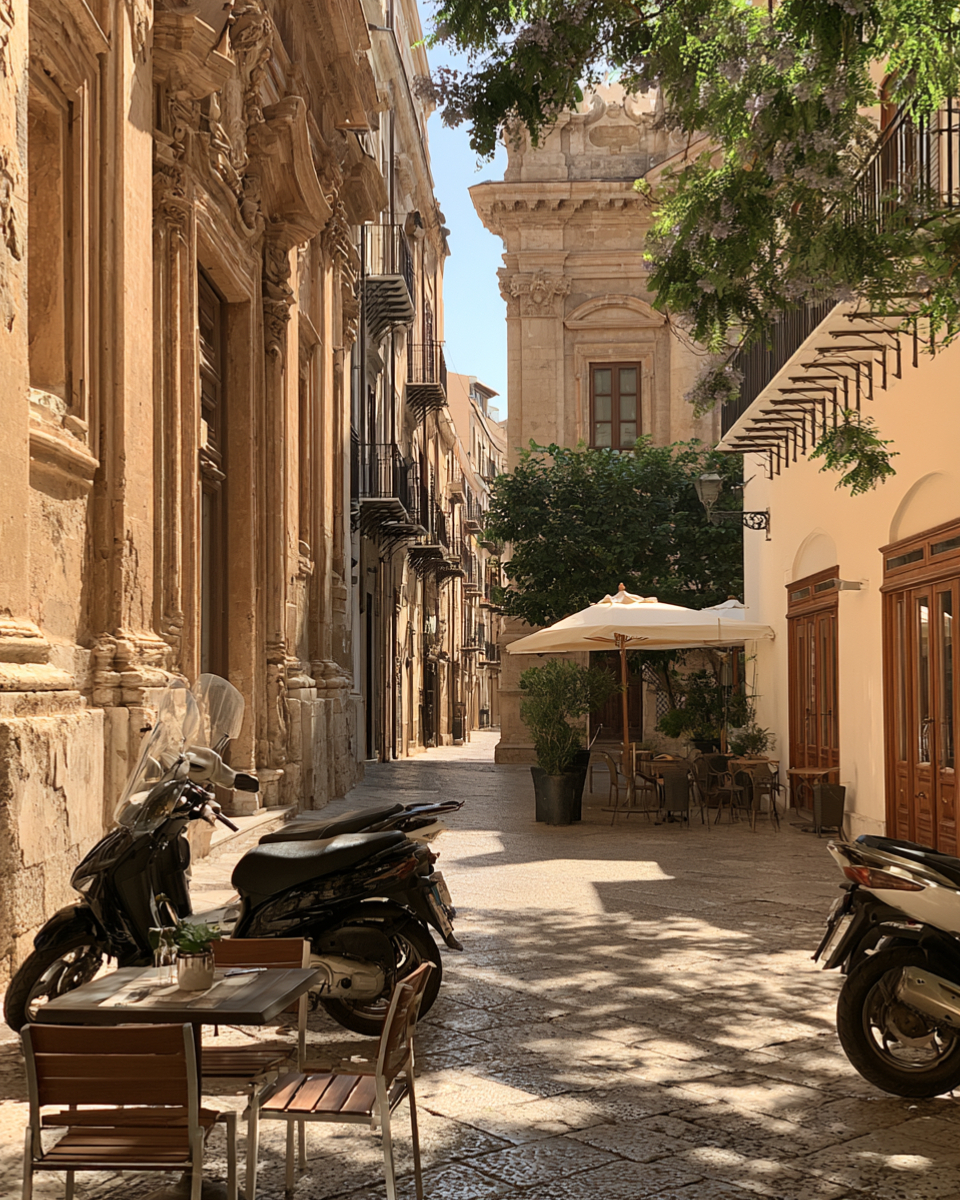
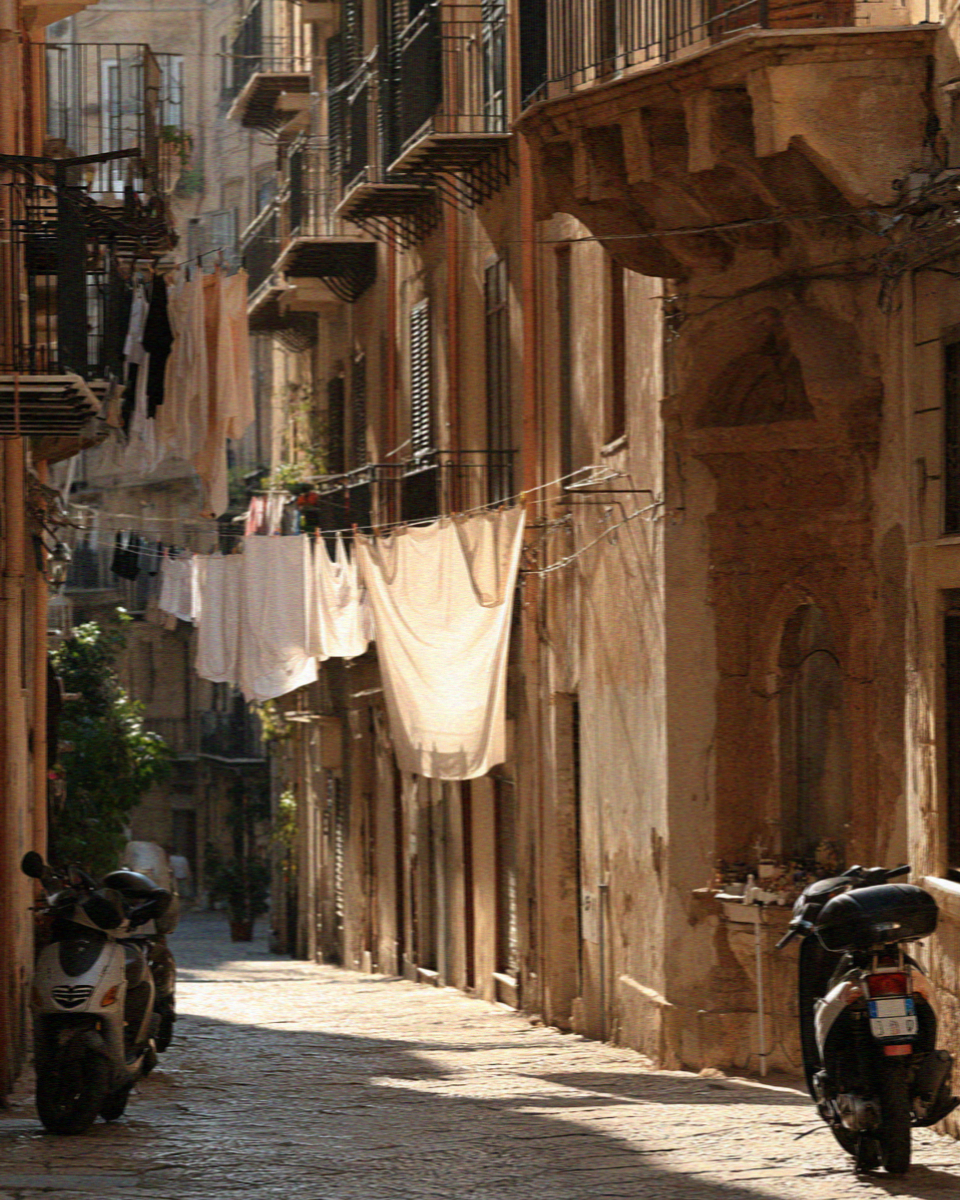




Your Palermo Guides
Everything here in detail, guide by guide.
- The Cappella Palatina and the Norman Palace
- Palermo Street Food and the Markets
- Where to Stay in Palermo
- The Best Things to Do in Palermo
- A Palermo Itinerary
- Monreale from Palermo
- The Capuchin Catacombs of Palermo
- Day Trips from Palermo
- Mondello and the Beaches Near Palermo
- Getting to Palermo and Around
- The Best Time to Visit Palermo
Palermo Travel Diaries
Frequently Asked Questions
How many days do you need in Palermo?
Two full days covers the centre without rushing, three is comfortable and allows a day out to Monreale, and four turns the city into a base for western Sicily. Most people underestimate it because they have been told it is a stopover, and it is not.
Is Palermo worth visiting?
Yes, and more than most cities in Sicily. It is not conventionally pretty and it does not try to be, but nowhere else in Europe shows you Arab, Norman, Byzantine and Baroque layered in the same building. If you like a city that has to be read rather than photographed, Palermo is the best in the country.
Is Palermo safe for tourists?
Yes, with normal city sense. Petty theft happens in crowded markets and on buses, so keep your bag in front of you and leave nothing in a parked car. The city’s reputation for anything worse is decades out of date and does not match how it actually feels to walk around.
What is Palermo famous for?
Arab-Norman architecture, above all the royal chapel with its gold mosaics and Islamic ceiling, and street food. The markets are the other half of its reputation, and the two are more connected than they look, because both come out of the same centuries of mixed rule.
How do you get from Palermo airport to the city?
The Prestia e Comandè bus runs every thirty minutes, takes about fifty minutes and costs six euros fifty one way or eleven return. The Trinacria Express train costs six euros eighty and takes a similar time to Palermo Centrale. Both are straightforward and neither needs booking ahead.
What should you eat in Palermo?
Arancine, panelle, sfincione and cannoli, all standing up, all for a few euros. The adventurous order is pane ca meusa, spleen in a soft bun. The markets do this better and cheaper than any restaurant in the city.
Is Monreale worth the trip from Palermo?
Yes, and it is the one excursion I would not skip. The cathedral holds around six thousand square metres of gold mosaic and the cloister next to it has over two hundred carved column pairs. The 389 bus takes a little over half an hour and costs one euro forty.
When is the best time to visit Palermo?
Late April to mid-September, with early October quieter and still warm. July and August regularly pass thirty-five degrees and the city closes down in the afternoons. Mid-July brings the Festino di Santa Rosalia, which is worth seeing but is not a restful time to be here.
V.