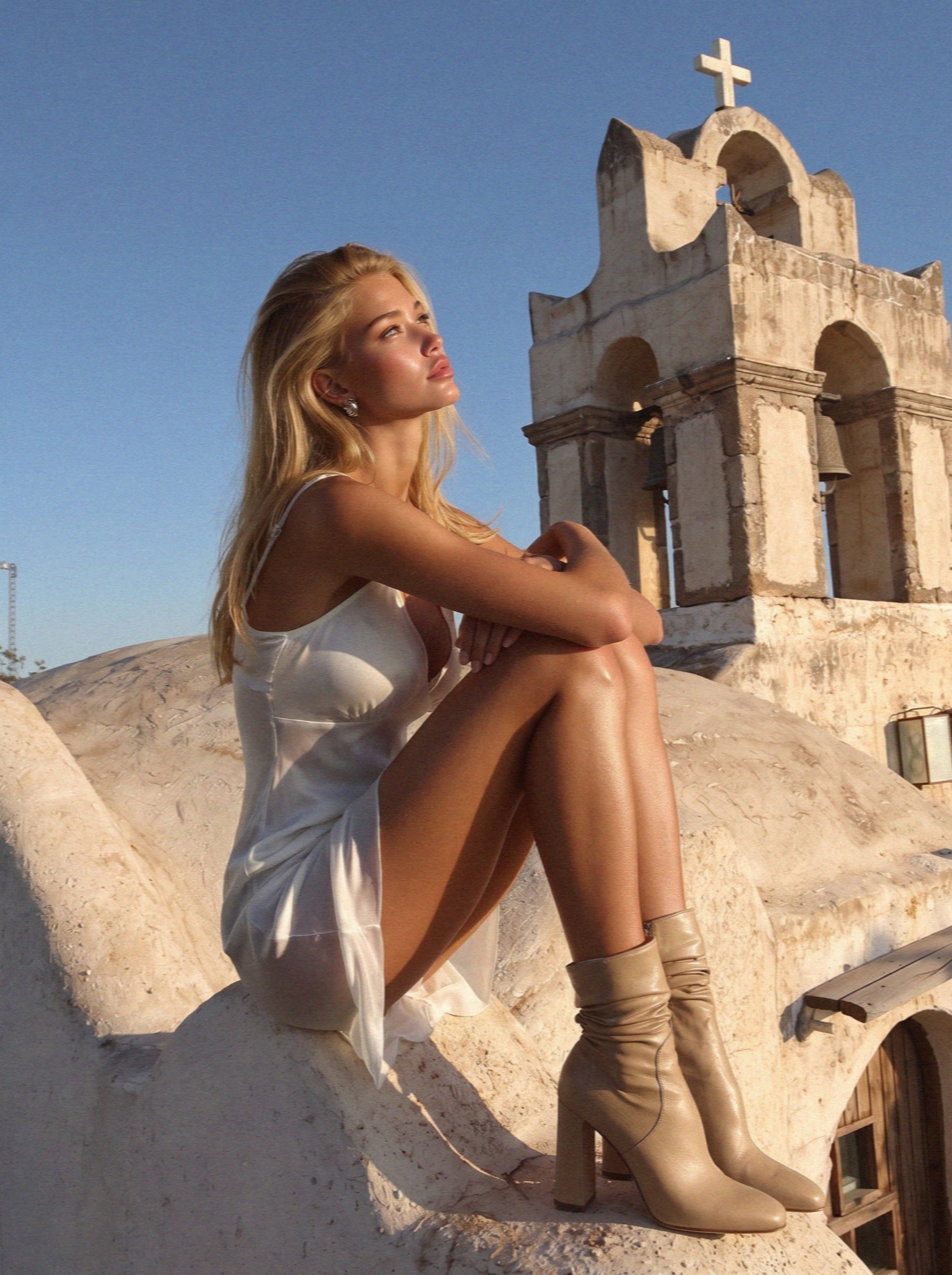
I kept my promise and left the hotel.
I went the wrong way on purpose.
Everyone who comes here goes to the rim. The caldera is the reason Santorini is famous, and every hotel, every terrace, every infinity pool seems to turn towards it like a row of sunflowers. So this morning I turned my back on it and took the bus inland to Pyrgos, up on a hill in the middle of the island.
It does not face the caldera at all.
It faces everything.
The bus leaves Fira and runs south across the flatter part of the island, past petrol stations, builders’ yards and low white houses nobody photographs. Then the road begins to climb, and a village appears on top of the hill ahead of you, almost too neatly placed to be accidental.
Pyrgos is built in rings, houses climbing in tight circles, one row above another, and at the very top, where the rings close, is what remains of a castle.
I got off at the bottom and walked up. There is no other sensible way.
The lanes are narrow and turn back on themselves, and that was once rather the point. For centuries the island was worth raiding, and a stranger arriving without an invitation was supposed to get lost.
I managed it almost immediately and found it enormously satisfying.

Nobody was selling anything. That was the first thing I noticed.
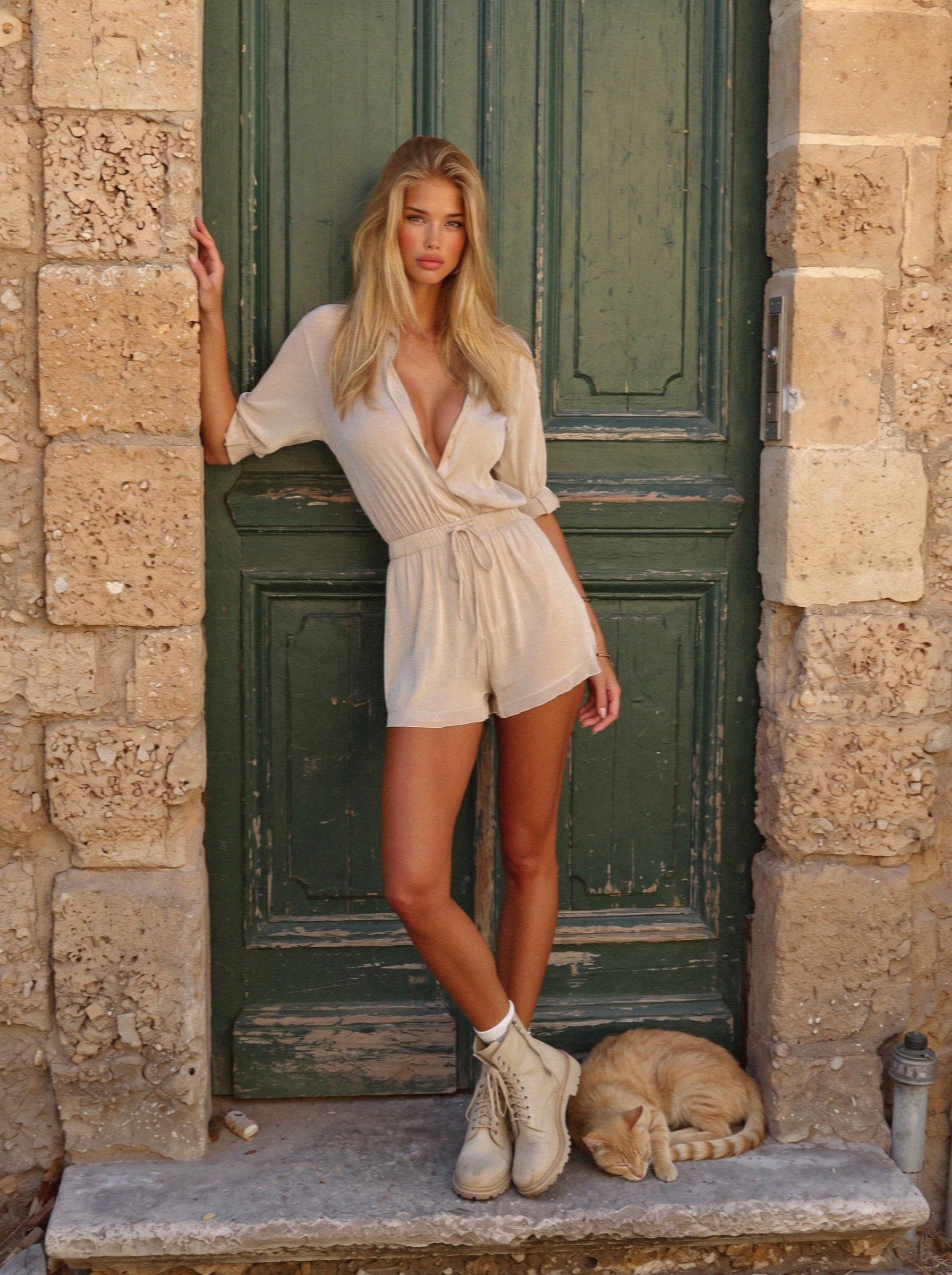
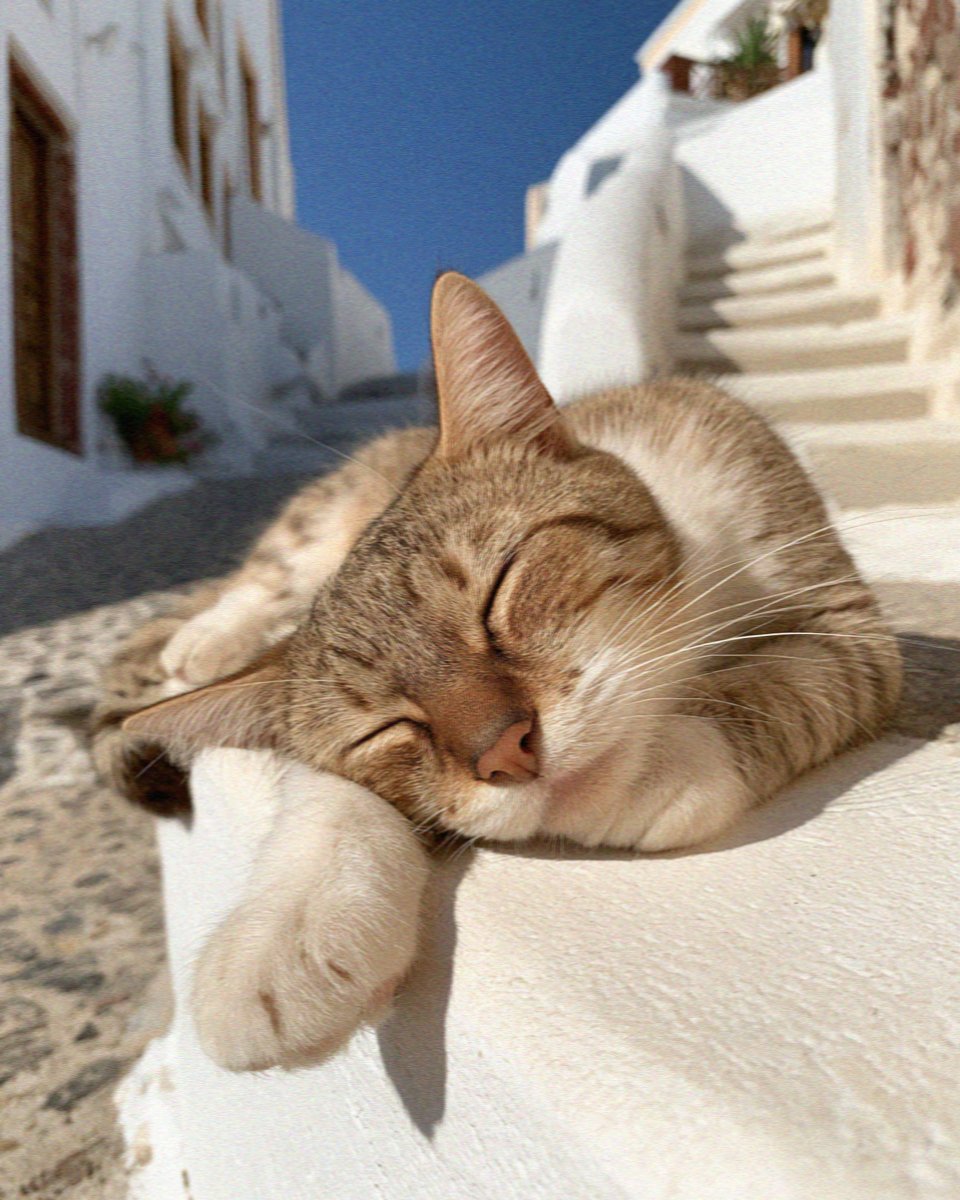
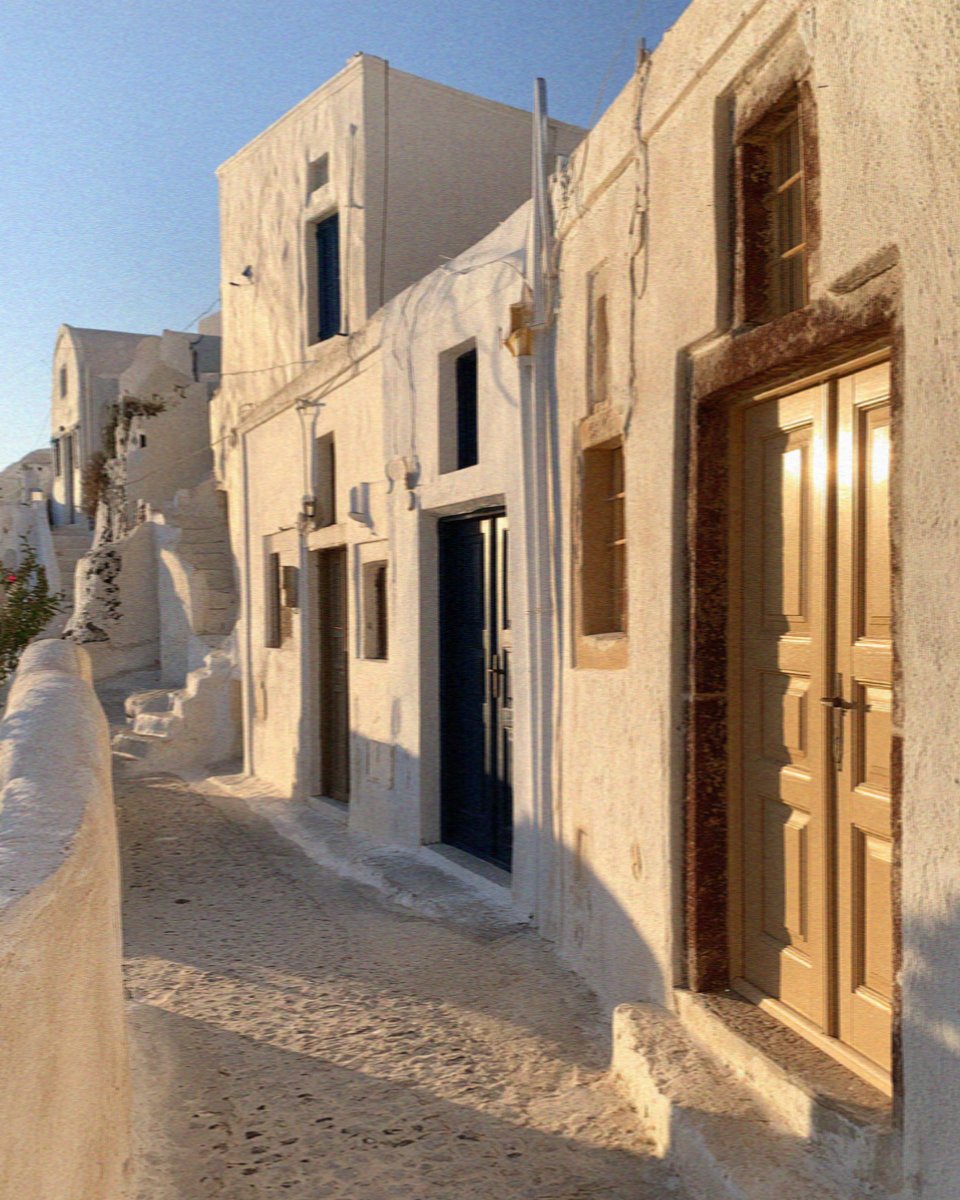
In Oia, every doorway seems to contain something you can buy. In Pyrgos the doorways were simply doors, painted blue or ochre or faded green, with basil on the step and a cat asleep beside it. Somewhere inside a kitchen somebody dropped a pan.
An old man sat in the shade with his stick across his knees and watched me pass without the slightest interest.
I liked him immediately.
The castle at the top is not really a castle of towers and battlements. It is a kasteli, a fortified village, with houses built shoulder to shoulder around the summit so their outside walls became the defence and there was only one way in.
It dates from around the late sixteenth century, and for a time Pyrgos was the island’s capital. Standing there now, with almost nobody making a sound, that seems faintly improbable.

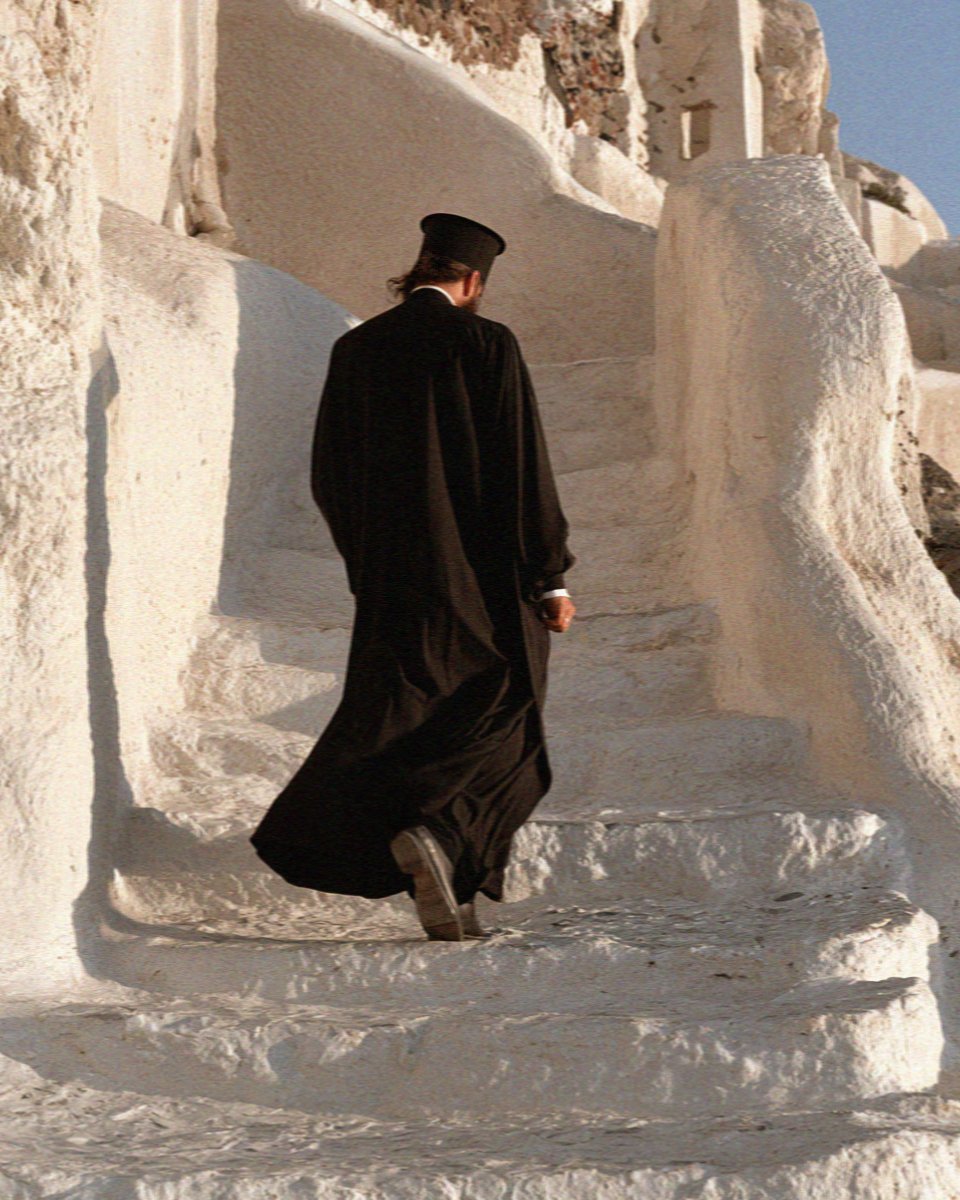
Inside the walls there are churches everywhere, far more than a village this size could possibly require. One, very small and plain, is said to be much older than the castle around it.
The door was open.
Inside it was dark and cool and smelled of candle wax and old wood. The icons had gone almost black with age, with gold appearing only where the light caught them.
I lit a candle and stood there for a while without asking anything of it.
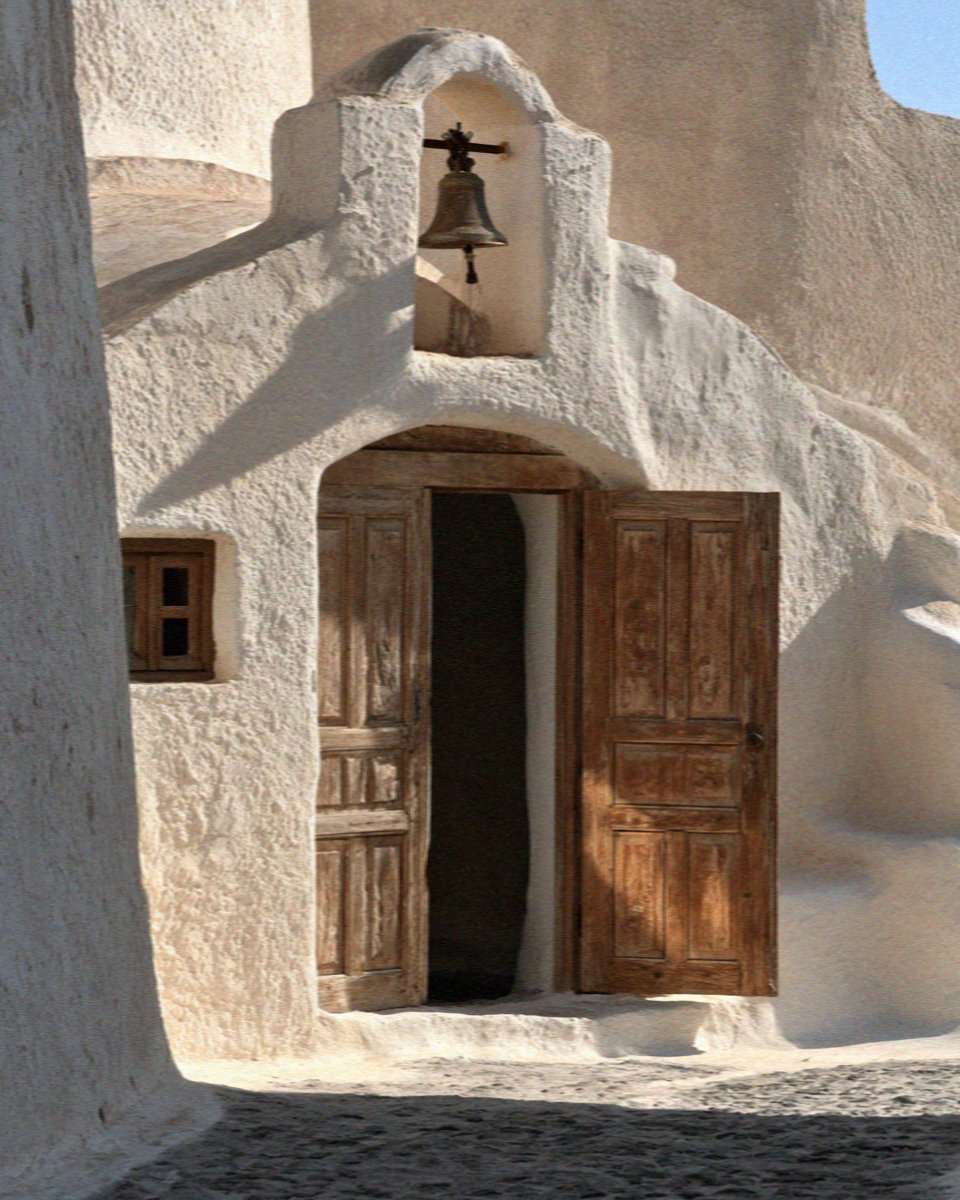
From the top you can see the whole island at once, which is why I came.
On one side is the caldera, suddenly far away, its cliff edge marked by a white line of towns. On the other is everything the postcards leave out: the southern and eastern plain running down to the sea, brown and green and dotted with chapels, the airport, the long dark beaches on the far coast, and vineyards.
Miles of them.
They are kept so low that from up here they look less like vines than a pattern drawn into the earth.
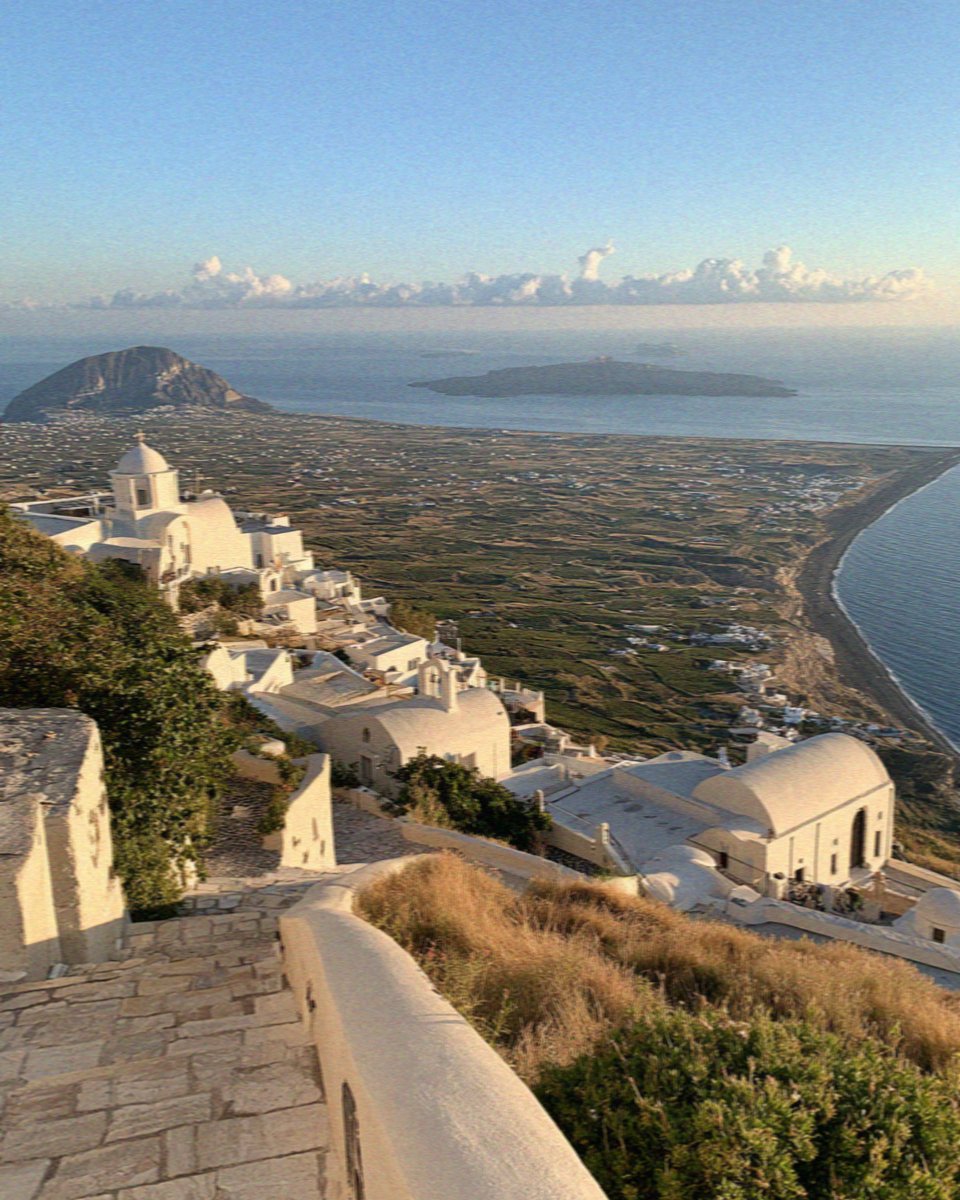
I had written about those vines in my first diary here, the strange little baskets curled against the ground. I wanted to see them properly, so after coffee at the top I walked down the other side of the hill and out among them.
Up close they are stranger still. Each vine is trained into a round nest, its canes wound around themselves like a wreath, with the grapes growing protected inside. They call the shape kouloura.
The summer wind can be vicious across this plain, so the vines do the sensible thing and stay down.
The soil is pale and gritty, ash and pumice and old lava, and crunches under your shoes somewhere between sand and broken biscuit.
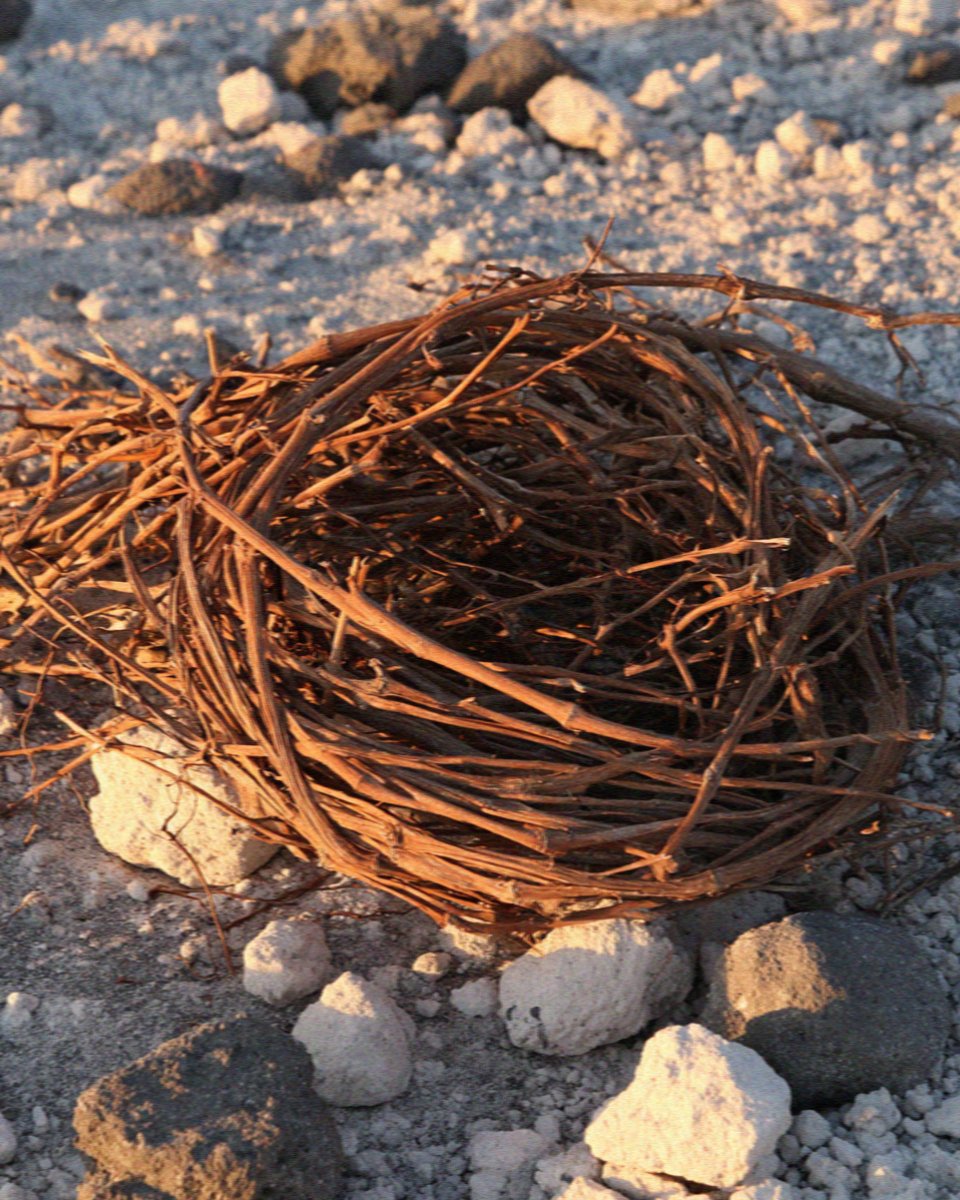
The harvest comes early here, and by September it was finished. The baskets had been picked clean, the leaves beginning to yellow at the edges, and the air had that smell I would know anywhere, sweet and slightly sour, of crushed fruit beginning to turn.
I grew up around a winery.
That smell means the end of something every year, and it is one of my favourite smells in the world.
At the winery below the village, a young woman took a few of us through a tasting. She explained, with the patience of someone who had explained it hundreds of times this summer, that Santorini escaped the vine pest that devastated so much of Europe in the nineteenth century. It could not survive in this volcanic soil, and so some of the roots here are extraordinarily old.
The vines above ground are cut back and renewed. Underneath, the old roots remain.
I liked that.
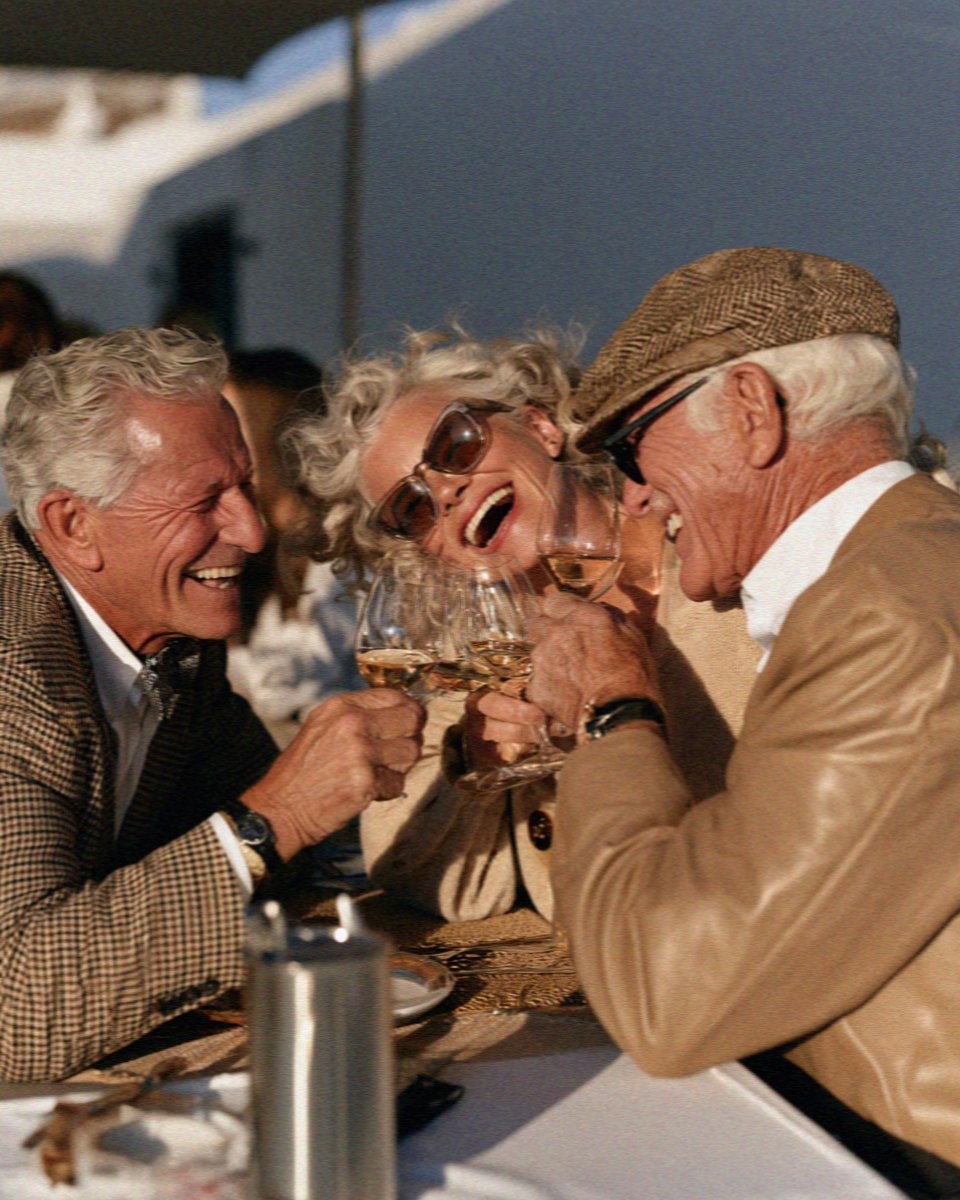
The first wine was Assyrtiko, which I had already met: sharp, salty and very cold.
Then came Vinsanto, the island’s sweet wine. After harvest the grapes are left in the sun until they wrinkle almost to raisins, then pressed and left in barrels for years. It came out dark amber and tasted of dried figs, caramel and something slightly burnt at the edge, like the top of a crème brûlée.

I bought two bottles, which was not sensible considering how far I still have to carry them.
One is for Hélène.
She will taste it with enormous seriousness, say something precise and slightly unkind about the barrels, and then drink the whole glass.
My father would have kept the young woman there all afternoon asking about the roots. He had that kind of interest in wine, the sort that is never satisfied by an answer and immediately produces another question.
I thought about him quite a lot among those low green nests, but in the easy way, not the other one.
I walked back through Pyrgos late in the afternoon, when the light had gone warm and sideways along the walls and every blue and ochre door had a long shadow beside it.
The old man was still in his chair.
He had moved about a metre to stay in the shade, and this time he nodded at me.
I decided to take it as a very great honour.
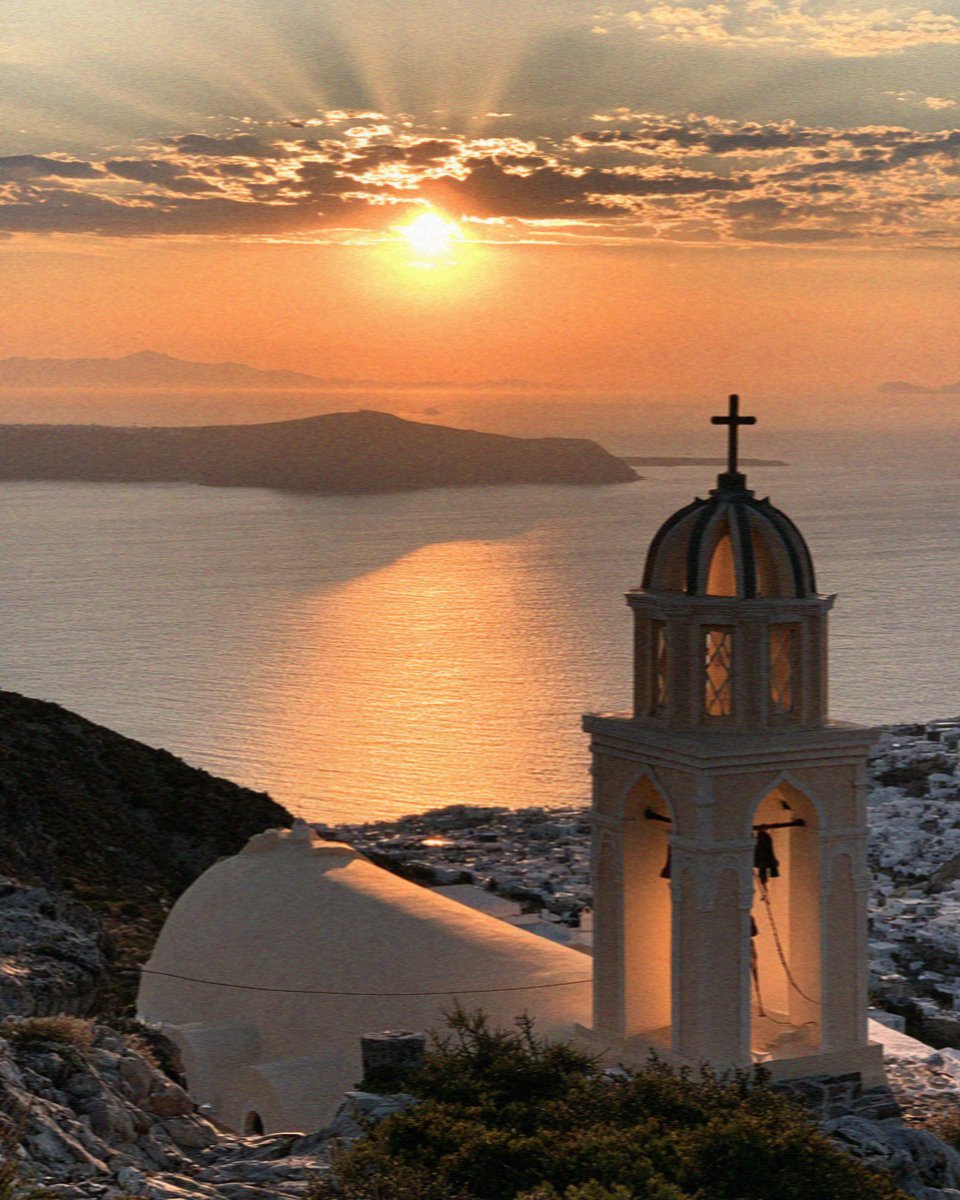
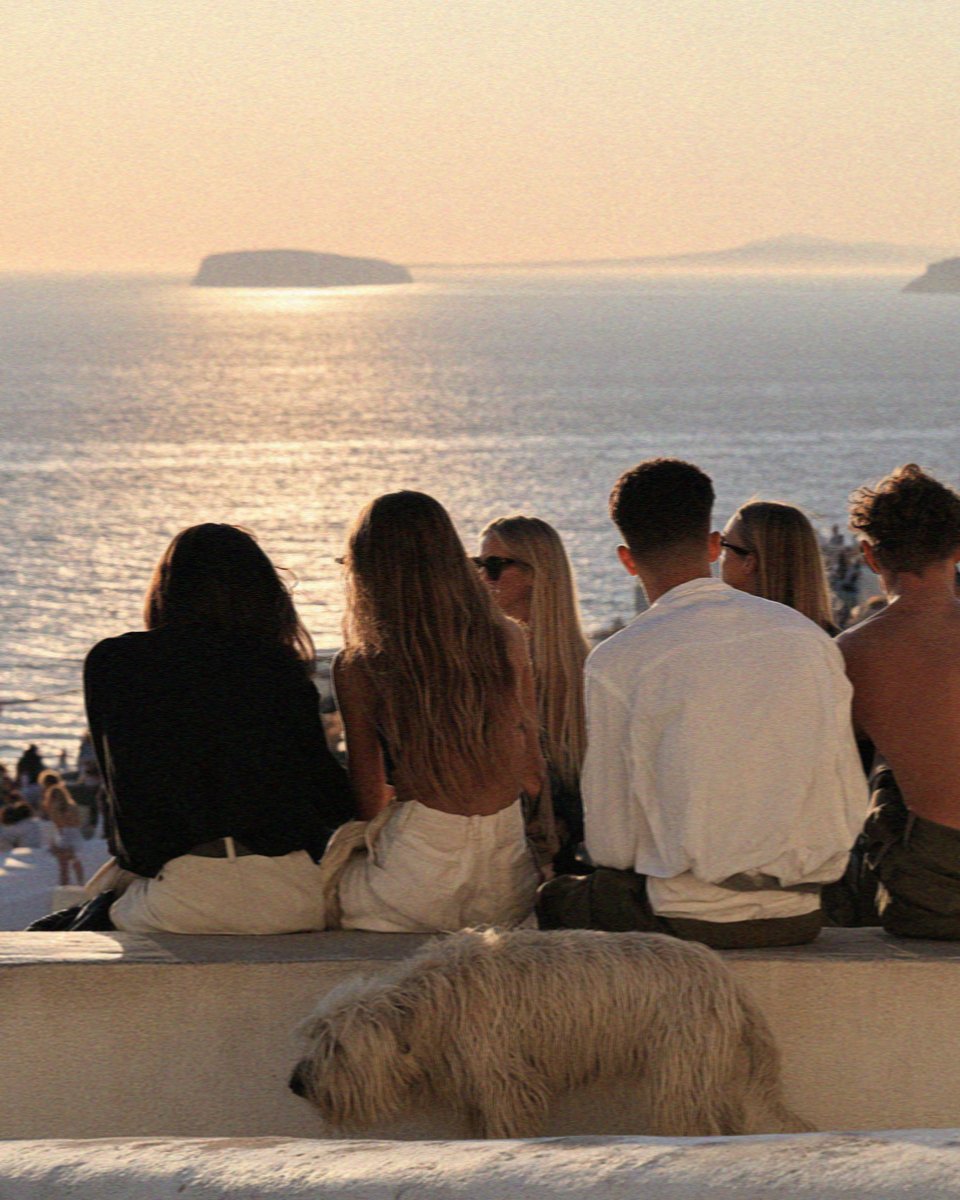
I watched the sunset from a low wall beside the church bell tower with about eight other people and a dog.
Nobody was holding a phone over anybody else’s head.
The sun went down over the caldera, far to the west, and everything between here and there turned gold and then pink: vineyards, white chapels, the towns strung along the rim.
From Pyrgos you do not really see the famous view.
You see the island holding it up.
It is the best thing I have seen here.
Two more days.
V.
More images from Santorini