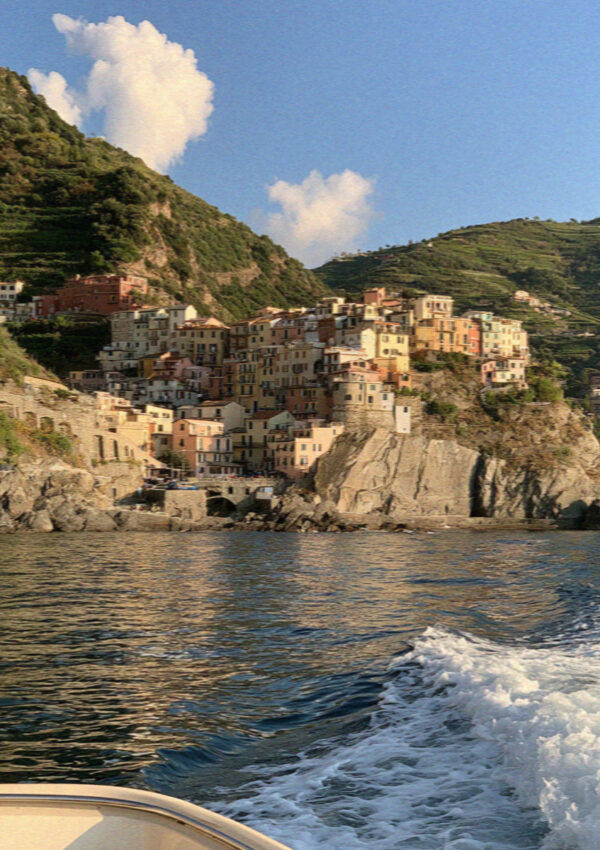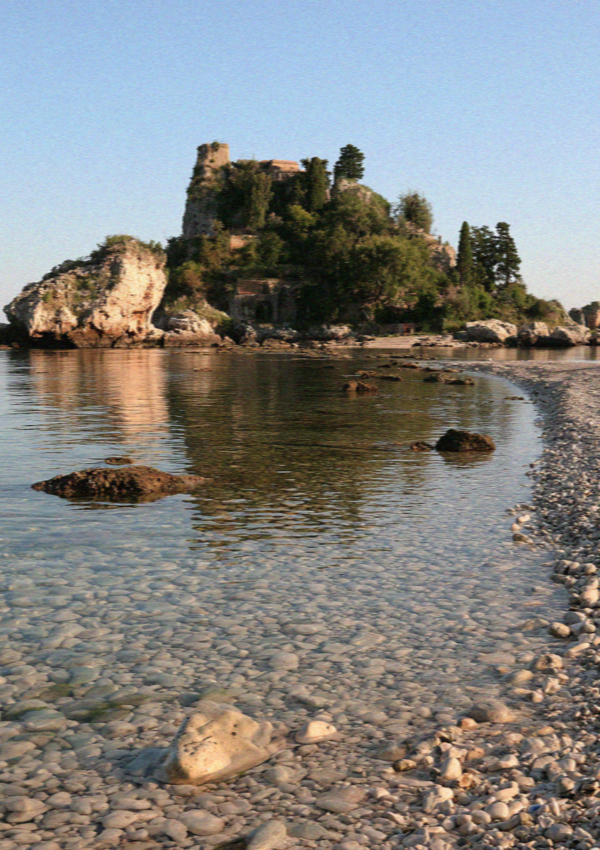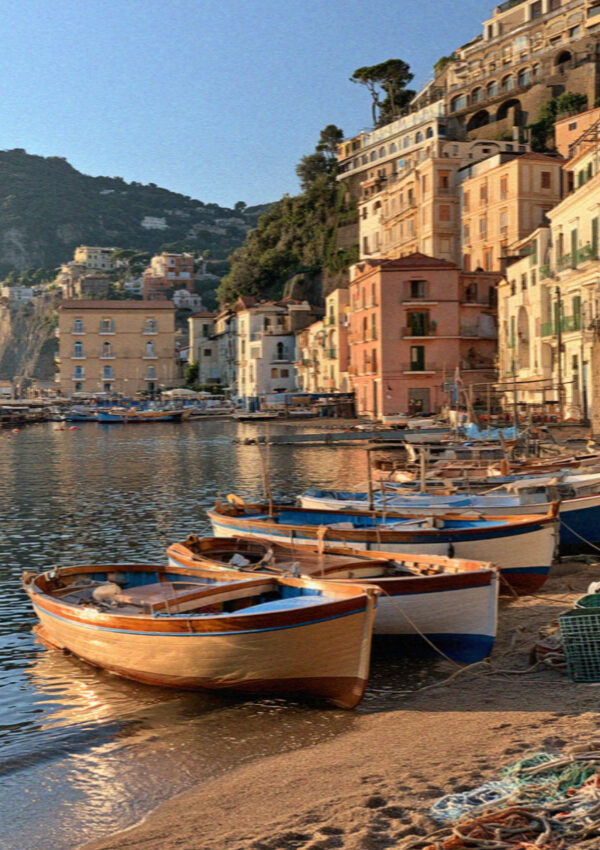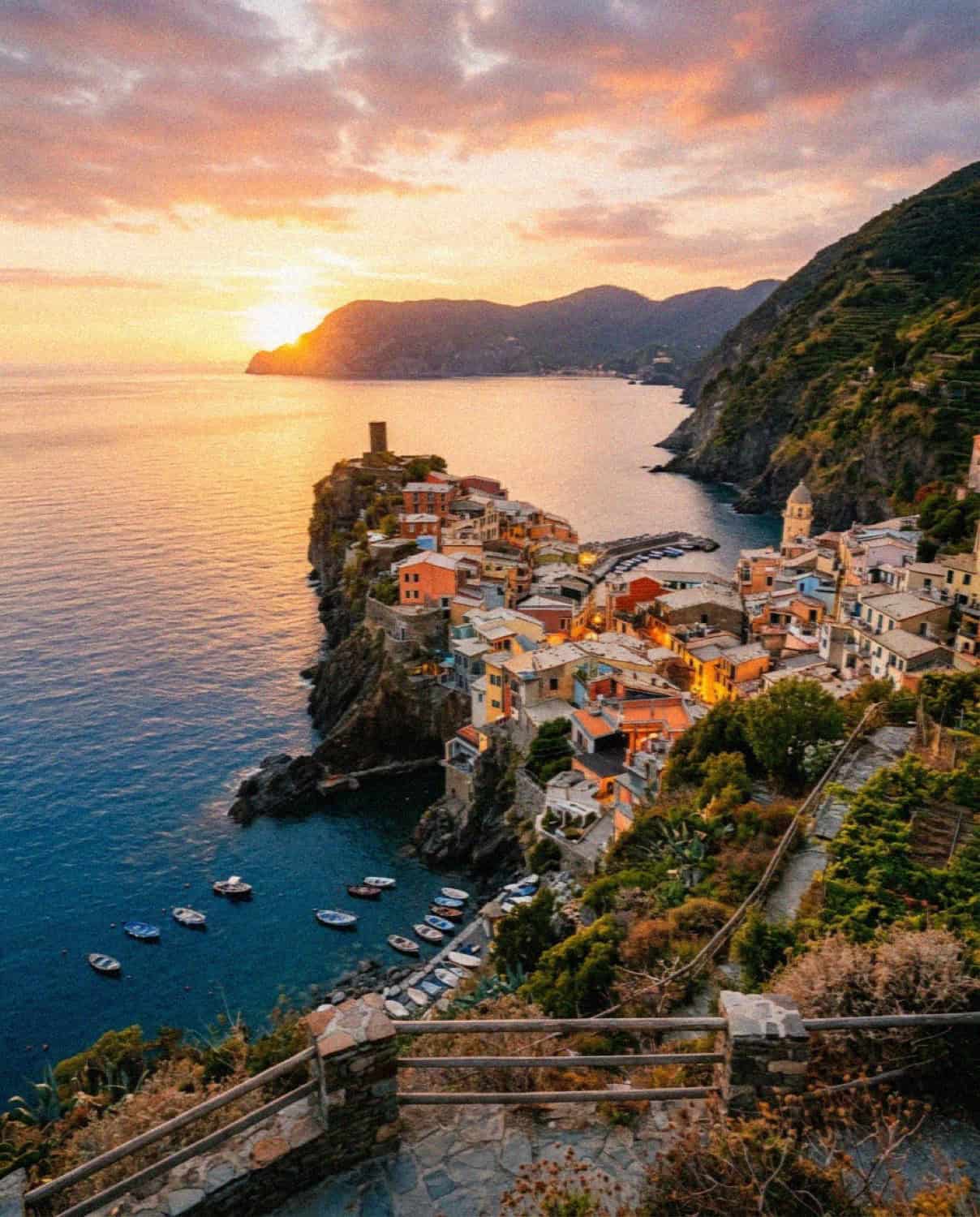
Cinque Terre is beautiful in every season, but it is a very different place in June than in November, and choosing the right month is the difference between a trip that feels like a discovery and one that feels like a queue. The trails, the sea temperature, the crowds, the light and even whether the ferries are running all shift through the year. Here is when to visit Cinque Terre, month by month, and how to pick the window that suits the trip you want.
The short answer
The sweet spot is the shoulder season: May, June, September and early October. These months give you warm days, swimmable sea, open trails and manageable crowds, all the pleasures of summer without the crush. Of them, September is the single best month, and I will always choose it if I can.
Spring: April and May
Spring is green and flowering, the terraces lush, the wildflowers out, and the temperatures pleasant at around 18 to 24°C. The trails are open and the villages are lively but not yet overwhelmed. The sea is still cool for swimming in April, warming through May, so spring suits walkers and photographers more than dedicated beach-goers. Prices and crowds are lower than in high summer, making late spring one of the best-value windows of the year.
Summer: June, July and August
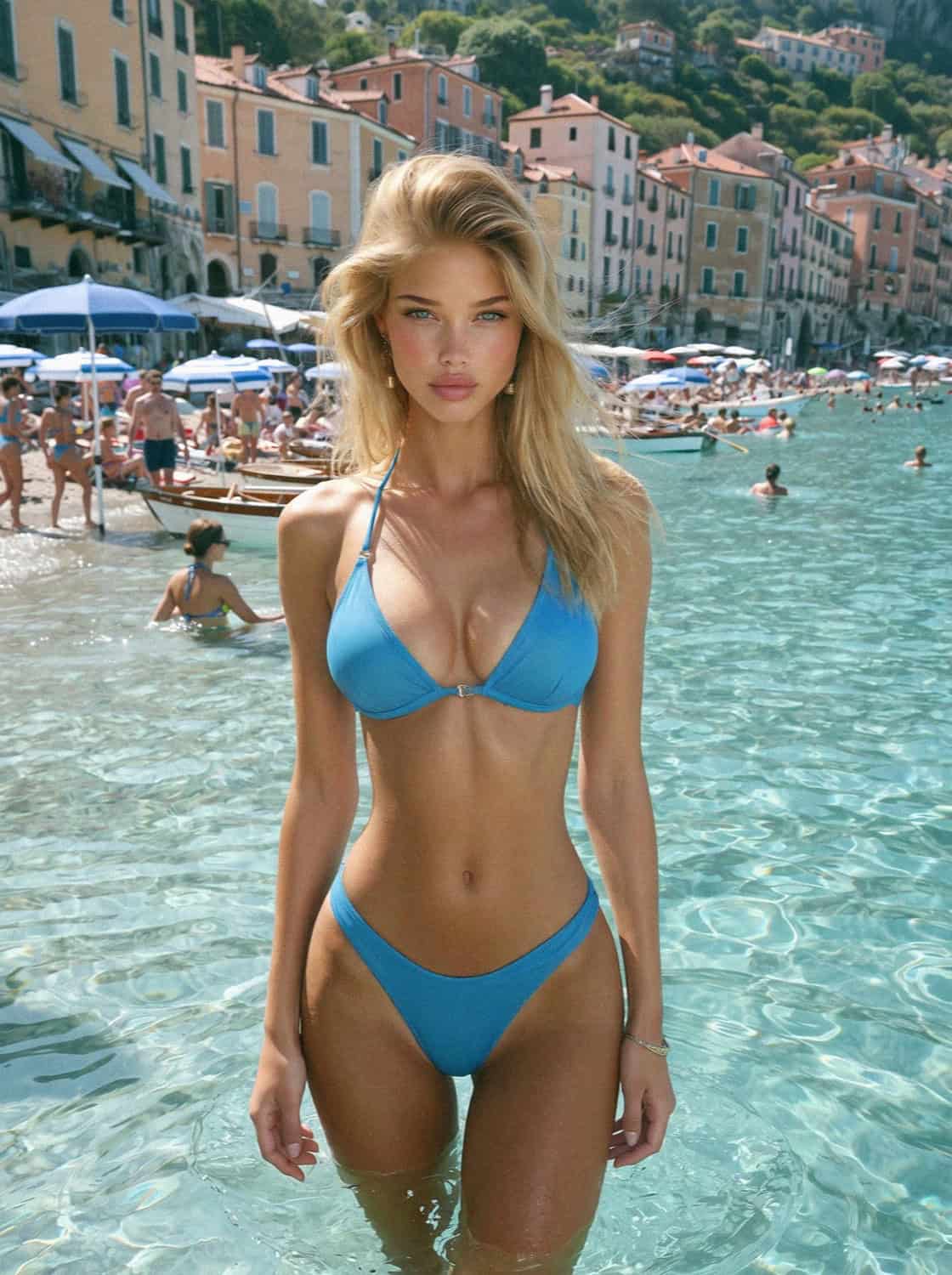
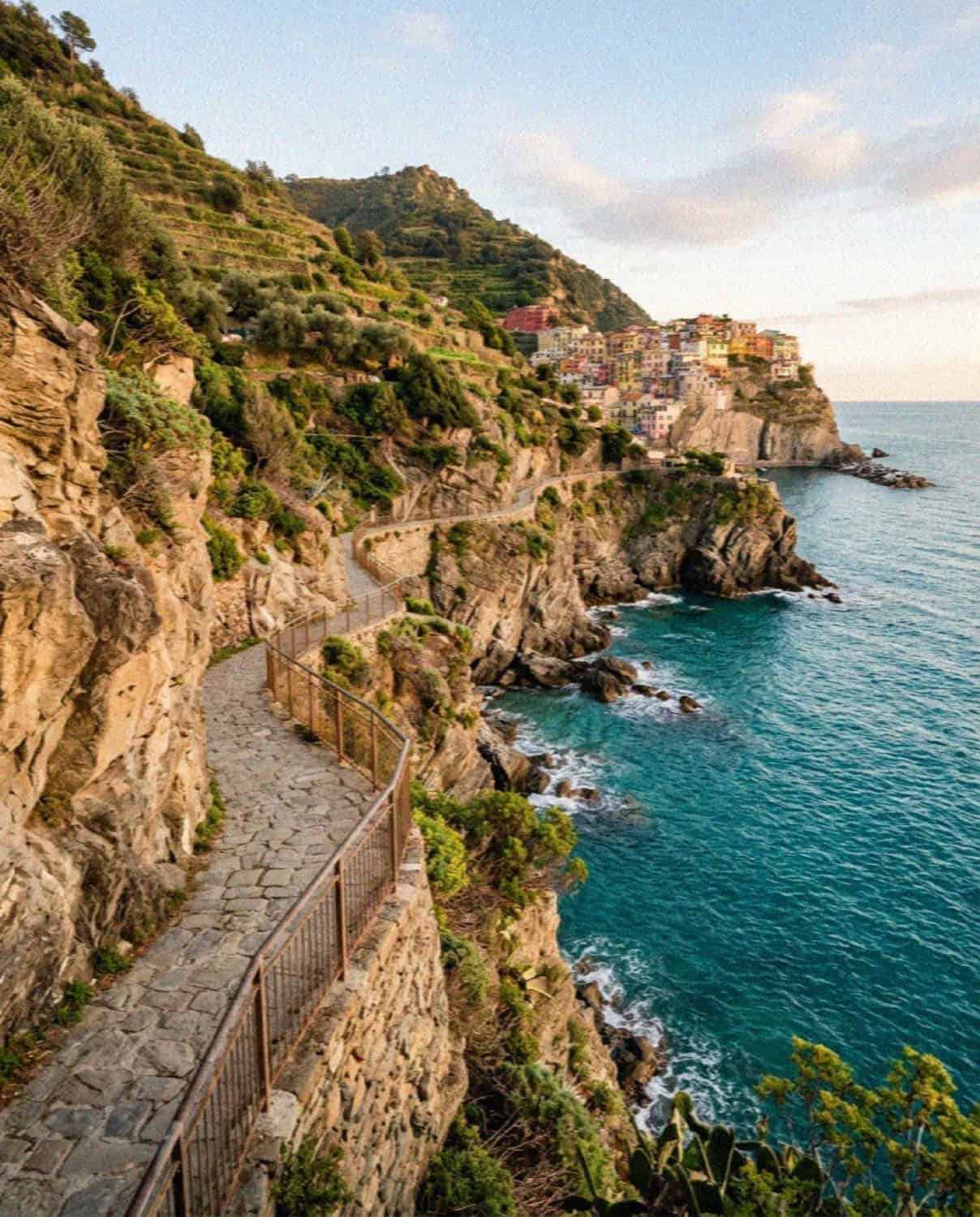
June still counts as shoulder season: warm, the sea swimmable, and busy but not yet at its peak. July and August are the hottest months, gloriously so, with daytime temperatures reaching the high twenties and the warmest sea of the year, but they are also by far the most crowded, with the trails and harbours packed and accommodation at its most expensive and hardest to find. If summer is your only window it is still worth it; just go early to the trails and the beaches, treat the middle of the day as time to be horizontal in the shade, and book everything months ahead.
Autumn: September and October
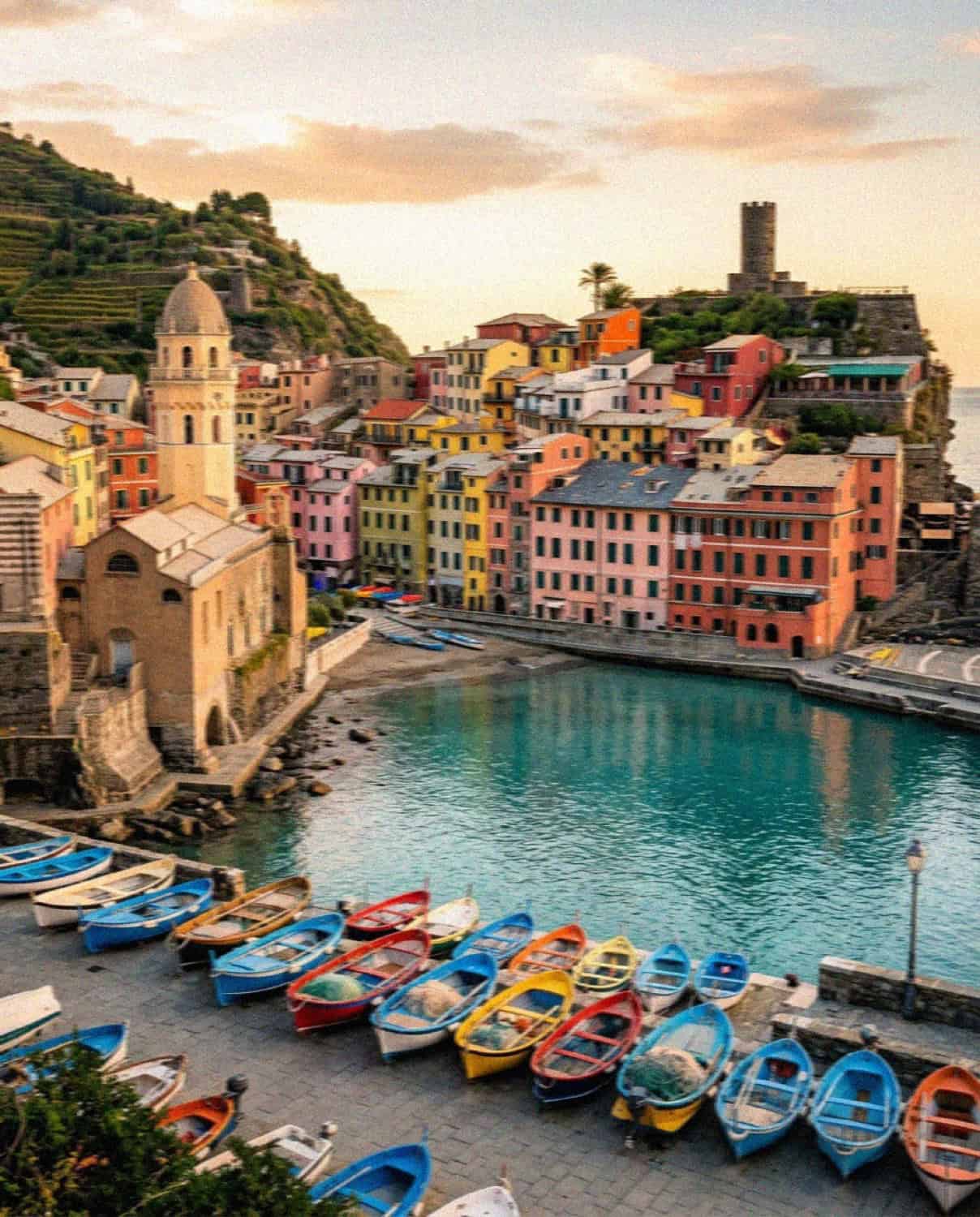
September is, to my mind, the best month to visit Cinque Terre. The summer crush thins after the first week, the sea is still warm from a whole summer of sun, the temperatures are comfortable for hiking, and the light turns long and golden. October stays lovely and quieter still through the first half, though the weather grows less reliable toward the end and some seasonal services begin to wind down. Early autumn combines nearly everything good about summer with far more room to breathe.
Winter: November to March
From November to February Cinque Terre goes quiet and dramatic. The weather is cool and sometimes wet, the ferries stop running, and some hotels, restaurants and trail sections close. But the villages briefly belong to the people who live in them again, the cobbled streets empty, and the coastal views turn wild and moody. Winter suits travellers who want solitude and atmosphere over swimming and long trail days, and it is the cheapest time to come. Note that the trail network and the ferry timetable are at their most limited, so check what is open before you plan around either.
Festivals worth timing your trip around
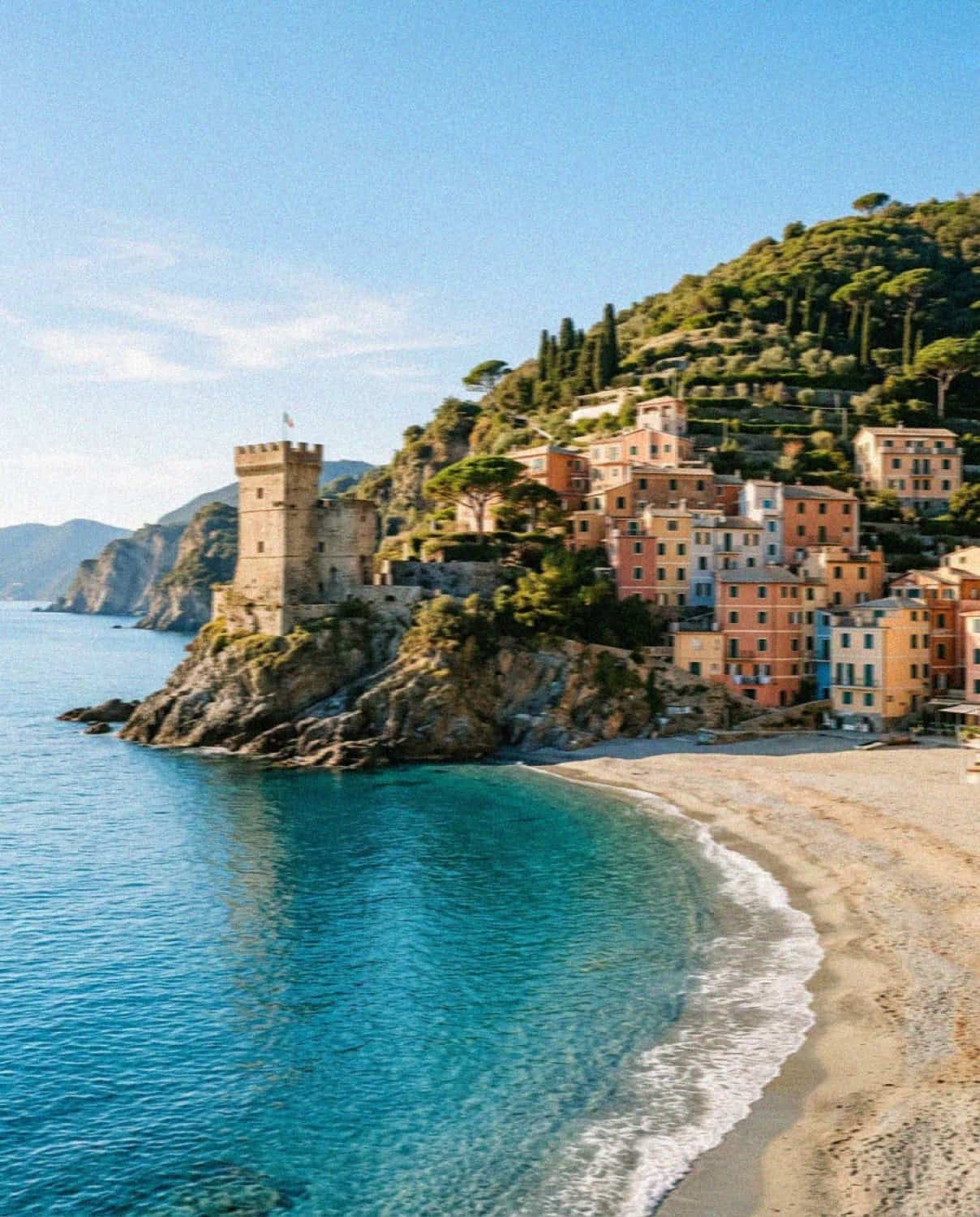
The villages keep their old feast days, and catching one turns a good trip into a memorable one. In Monterosso, the Lemon Festival falls on the third Saturday of May, when the town’s famous lemons take over the streets in the form of limoncino, lemon cake and marmalade, complete with a contest for the largest lemon. In June, Monterosso also stages the Corpus Domini infiorata, carpeting its lanes with thousands of flower petals for an evening procession, one of the loveliest sights on the coast.
Vernazza has two dates worth knowing: the feast of the Madonna di Reggio on the second Sunday of May, with processions up to the sanctuary above the village, and the patronal feast of Santa Margherita on 20 July, when the main street fills with banquets, games and music and the evening ends in fireworks over the harbour. If your dates are flexible, aligning even one of these with your visit is well worth it; if they are not, simply know that these days bring bigger crowds and a livelier, later village.
A note on the sea for swimmers timing the water: it is coldest in spring, warms steadily through June, and is at its most inviting from July into September, holding warmth well into early October before the autumn cool sets in.
Choosing your month
Come in May or June for green landscapes, open trails and a swimmable sea without the peak crowds. Come in July or August only if you must, and plan around the heat and the queues. Come in September for the best all-round conditions of the year. And come in winter if what you want is a quiet, cinematic Cinque Terre with the villages to yourself.
Frequently Asked Questions
What is the best month to visit Cinque Terre?
September is the best all-round month: the summer crowds thin, the sea is still warm, temperatures suit hiking, and the light turns golden. May, June and early October are close behind.
When is the sea warm enough to swim in Cinque Terre?
The sea is at its warmest from July into September, comfortably swimmable from June through early October. In spring it is cool, warming through May.
What is the most crowded time in Cinque Terre?
July and August are by far the busiest and hottest months, with packed trails and harbours and the highest prices. Book accommodation months in advance if you visit then.
Is Cinque Terre worth visiting in winter?
Yes, if you want solitude and dramatic, quiet villages rather than swimming. From November to February the ferries stop, some businesses and trail sections close, and it is the cheapest, calmest time to come.
Are the trails open all year?
The main trails are generally open in the warmer months, but sections close after landslides and in winter, and the network is at its most limited from late autumn to early spring. Always check the national park website before you travel.
Planning the wider trip? See the complete guide to Cinque Terre for the villages, trains, trails and beaches.
Read also: The Best Beaches in Cinque Terre | The Perfect Cinque Terre Itinerary | The Complete Guide to Cinque Terre