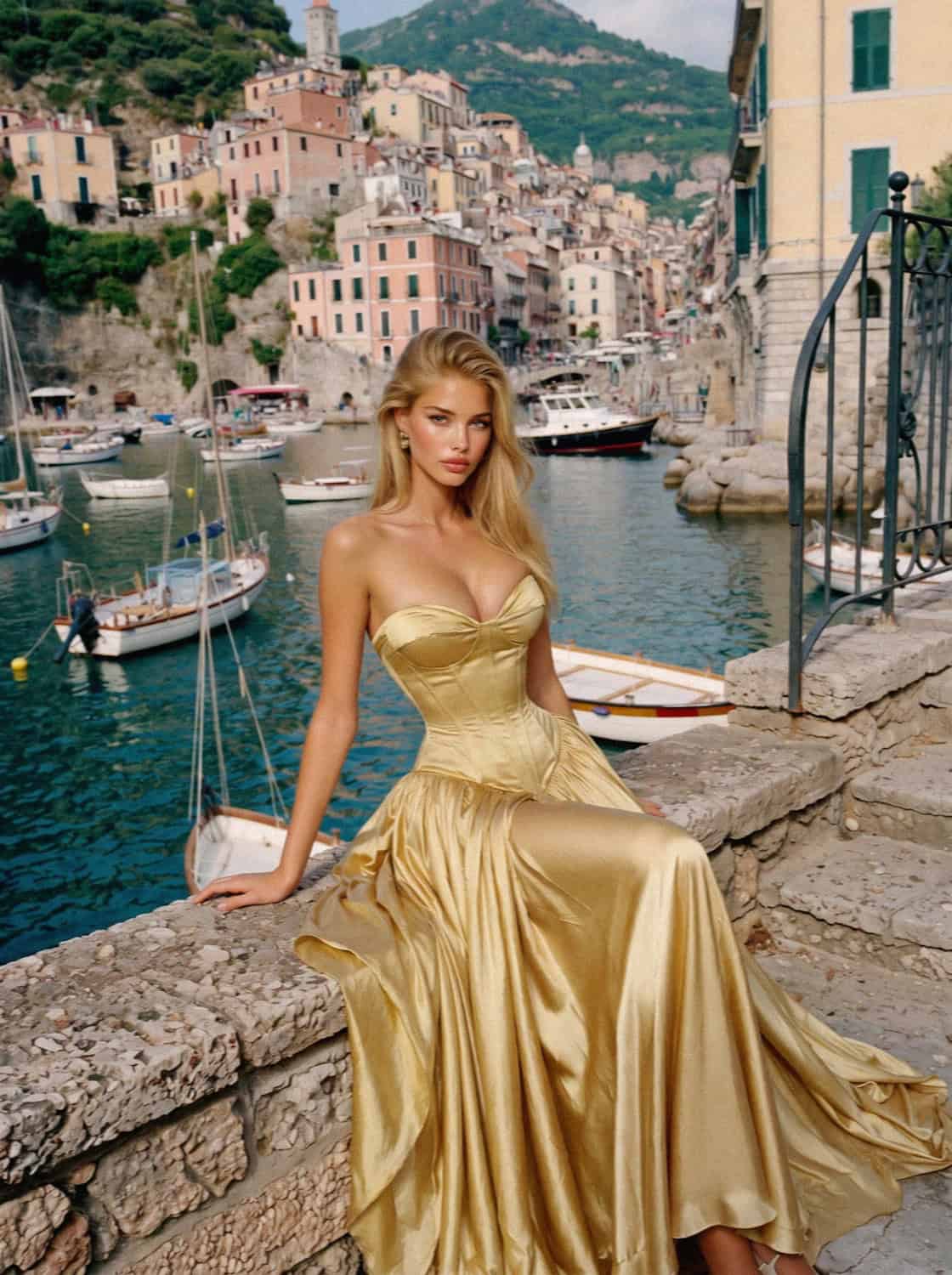
The trick with Portofino is that it is tiny, and knowing this changes everything about how you spend your time. The village wraps around a single small harbour, and you can walk from one end of it to the other in the time it takes an espresso to cool. So the question is never how to fit everything in. It is how to slow down enough to feel the place properly, and which of its offerings actually reward the effort. I have come back here across many seasons, in the crowded gloss of August and the soft quiet of a Tuesday in April, and I have opinions about what is worth your morning and what is worth nothing at all. Here is how I would spend my days.
What to book before you come
Portofino is a very small harbour and the village itself takes about twenty minutes to see. Everything that makes a day here worth having is either along the coast or up on the headland, and the coast is reachable only by boat or on foot.
- Portofino and San Fruttuoso by boat. San Fruttuoso is a tenth century abbey in a cove with no road to it at all, which is the whole reason to go. You arrive the only way anyone ever has.
- Camogli, San Fruttuoso and Portofino, the full day. 4.4 from over four thousand people. The best value of the lot, and Camogli is the town on this stretch that has not been priced into unreality.
- From Genoa, five hours with free time. Arriving by sea is much better than arriving by the coast road, which is narrow, slow and has nowhere to park at the end of it.
- The Genoa return transfer, on your own. No guide, no group. Just the getting there and back solved, which on this piece of coast is the actual problem.
The walk up to the Castello Brown and out to the lighthouse costs almost nothing and is the best hour in Portofino. Sitting on the harbour wall watching the boats is free; sitting at a table behind you is emphatically not.
Sit in the Piazzetta and Do Almost Nothing
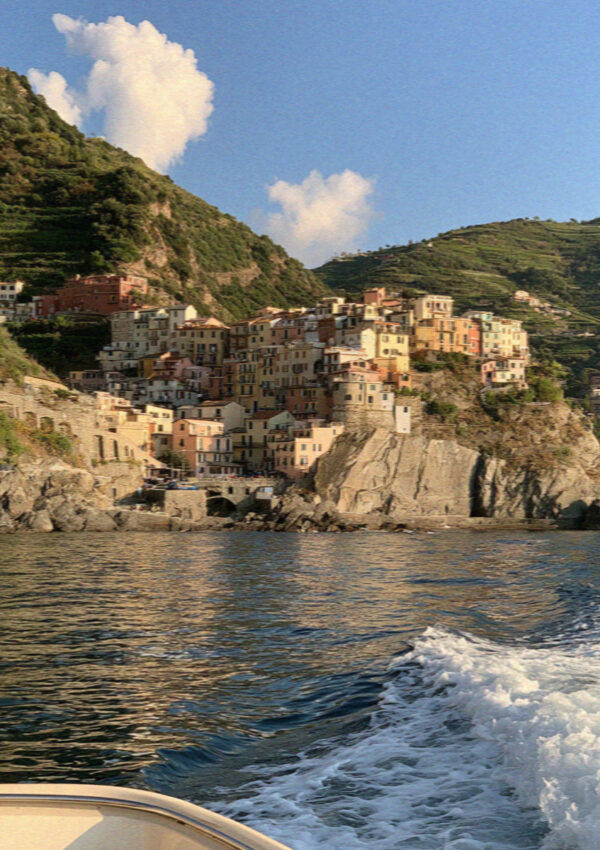
Begin where everyone begins, in the little harbourside square the locals call the Piazzetta. It is the beating centre of the village, a tidy huddle of pastel houses leaning over water so still it doubles the whole scene. The famous painted facades are not, in fact, all stone. Many are trompe l’oeil, with fake shutters and fake balconies painted flat onto the plaster, a Ligurian tradition that started as a way for fishing families to keep up appearances cheaply. Once you notice it you cannot stop seeing it, and it makes the place more charming rather than less.
What I would do first is simply arrive early, before the day-trip boats disgorge, and walk the horseshoe of the harbour with a coffee in hand. The light at that hour is the reason people fall in love with Portofino. The yachts have not yet blocked the view, the shopkeepers are hosing down the cobbles, and the village belongs, briefly, to the few of us who are awake.
Plan Your Visit to Portofino
A few things I booked and loved. These help support the blog, at no cost to you.
This section contains affiliate links. If you book through them I may earn a small commission, at no extra cost to you.
Climb to Castello Brown for the View That Sells the Postcards
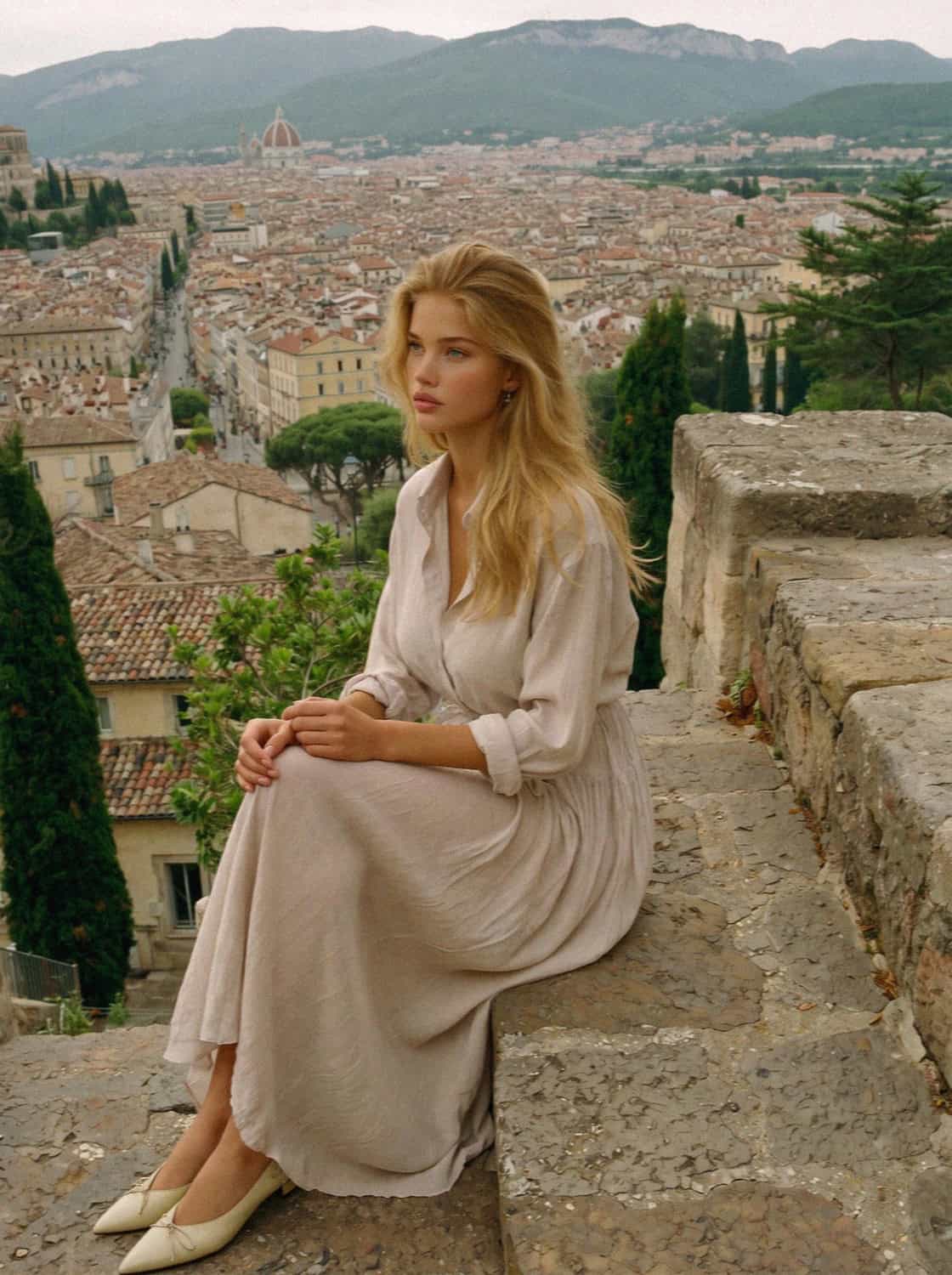
From the harbour, a signposted lane climbs up past the church and keeps going, and this short walk up to Castello Brown is the single best thing you can do in Portofino. It is a genuine climb, stepped and steady, perhaps fifteen or twenty minutes of effort, and it earns you the view that appears on every postcard: the whole harbour laid out below, the boats like scattered toys, the promontory folding green into a blue sea.
The castle itself is a former fortress turned private home in the nineteenth century by an English diplomat named Montague Yeats Brown, which is how it came by its very un-Italian name. Inside there are cool shaded rooms, old photographs, and terraced gardens with a pair of umbrella pines that frame the water beautifully. Entry sits in a modest band, roughly 5 to 10 euros depending on the season, more in high summer, and it is worth every cent. Hours run through the day and stretch later in the warm months, but do check on the day, as they shift with the season and with events.
Walk On to the Faro at Punta del Capo
Most people turn back at the castle. Do not. Keep following the path along the ridge and it carries you down through pines and past private garden walls to the Faro, the little lighthouse at the very tip of the promontory, Punta del Capo. It is another gentle ten minutes or so beyond the castle, mostly downhill on the way out, which of course means uphill on the way back.
At the end there is a small bar built almost into the rocks, where you can have a drink with nothing in front of you but open water and the far curve of the coast. At sunset this is one of the most quietly romantic corners of the whole Riviera, and it costs nothing but the walk and whatever you order. If I had only one evening in Portofino, I would spend the golden hour here.
The Two Churches: San Giorgio and Divo Martino
On the way up to the castle you pass the church of San Giorgio, perched on its own little bluff above the harbour. It is small and often quiet, and its terrace gives you another lovely angle down onto the boats. San Giorgio is said to hold relics of Saint George, and the village throws its feast in his honour each April, when bonfires are lit by the water.
Down in the village itself, tucked just back from the front, is the older parish church of Divo Martino, dedicated to Saint Martin. It is more modest, more of a working church than a viewpoint, with the plain Ligurian dignity I find rather moving after all the glossy shopfronts. Neither church asks anything of you but a few minutes and a little quiet, and both are worth stepping into.
Take to the Water: San Fruttuoso and the Christ of the Abyss
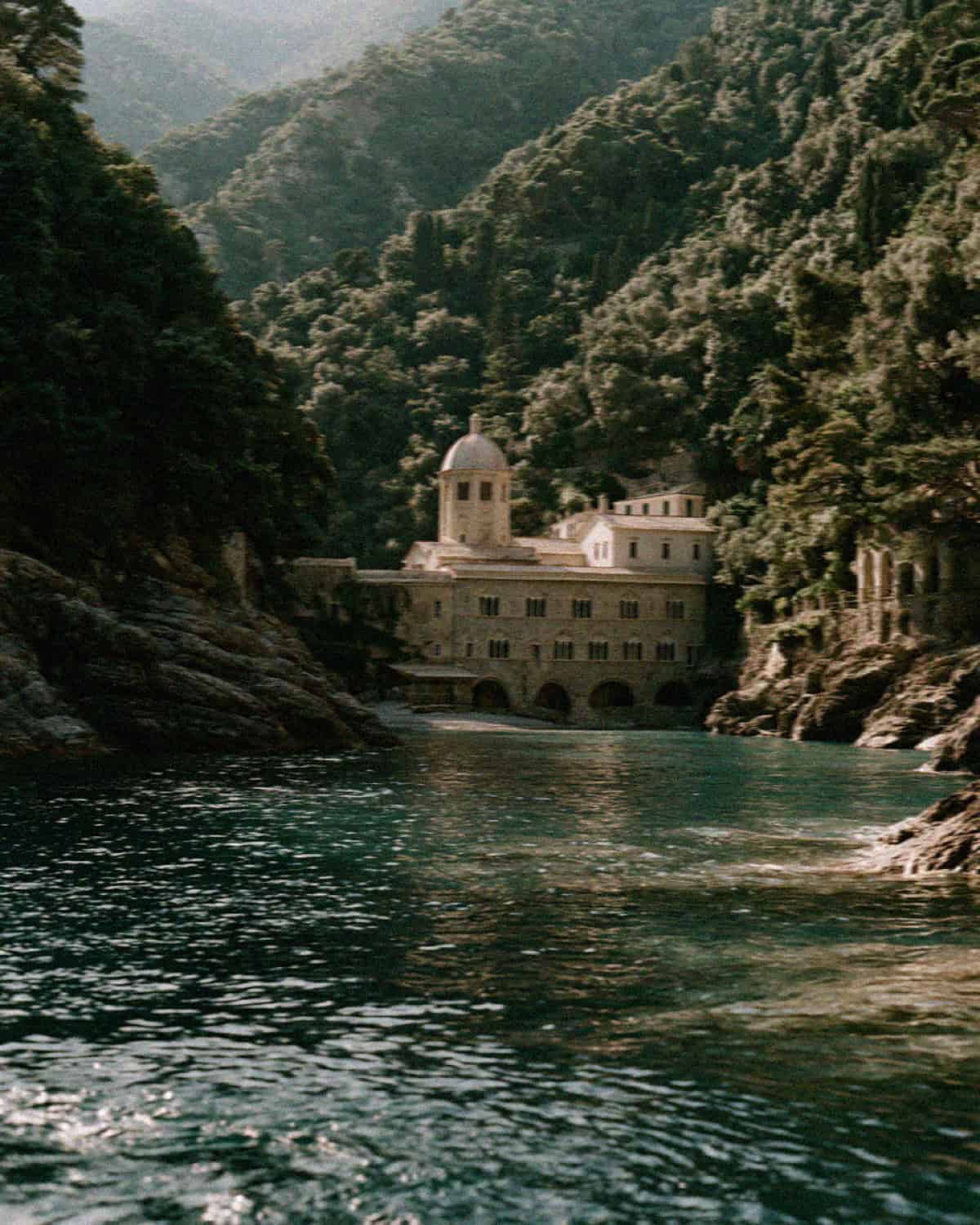
Portofino makes most sense from the sea, and the classic outing is the boat to the abbey of San Fruttuoso, a tenth-century monastery folded into a cove that has no road at all. You can only reach it on foot or by water. Small ferries run from the Portofino harbour across the promontory, and a return ticket typically falls in a modest band of somewhere around 15 to 20 euros, a little more if you combine stops or push on to Camogli. Times are seasonal, so check the boards at the little ticket kiosk on the quay.
In the water just off the abbey stands the Christ of the Abyss, a bronze statue set on the seabed with arms raised toward the surface. Snorkellers and divers go down to see it up close, and on a calm clear day you can make out its shape from a boat. It is a strange and lovely thing, and San Fruttuoso itself, with its arched abbey opening straight onto the pebbles, is one of the most atmospheric spots on this coast. Bring water and something to swim in.
Hike the Parco di Portofino if Your Legs Are Willing
If you would rather earn San Fruttuoso than motor to it, the Portofino Regional Park laces the whole promontory with trails, and the walk from Portofino over to the abbey is a beauty. Reckon on close to two hours one way, moderate overall but with a stiff, tiring climb at the start through the trees before it settles. You are rewarded with silent pine woods, sudden windows onto the sea, and the great satisfaction of arriving at the cove on foot. From San Fruttuoso the ambitious can carry on toward Camogli, though that is a longer half-day affair over San Rocco. What I would do is walk one way and take the boat back, so my knees keep their good humour. Wear proper shoes. This is a real trail, not a promenade.
Swim at Paraggi, Then Come Back for Aperitivo
Between Santa Margherita and Portofino lies the tiny emerald cove of Paraggi, the only real beach in these parts. Part of it is a smart private lido with loungers you pay handsomely for, and part is free public sand if you arrive early enough to claim a patch. The water is a clear jade green and gorgeous for a swim, and the bus between Santa Margherita and Portofino stops right there.
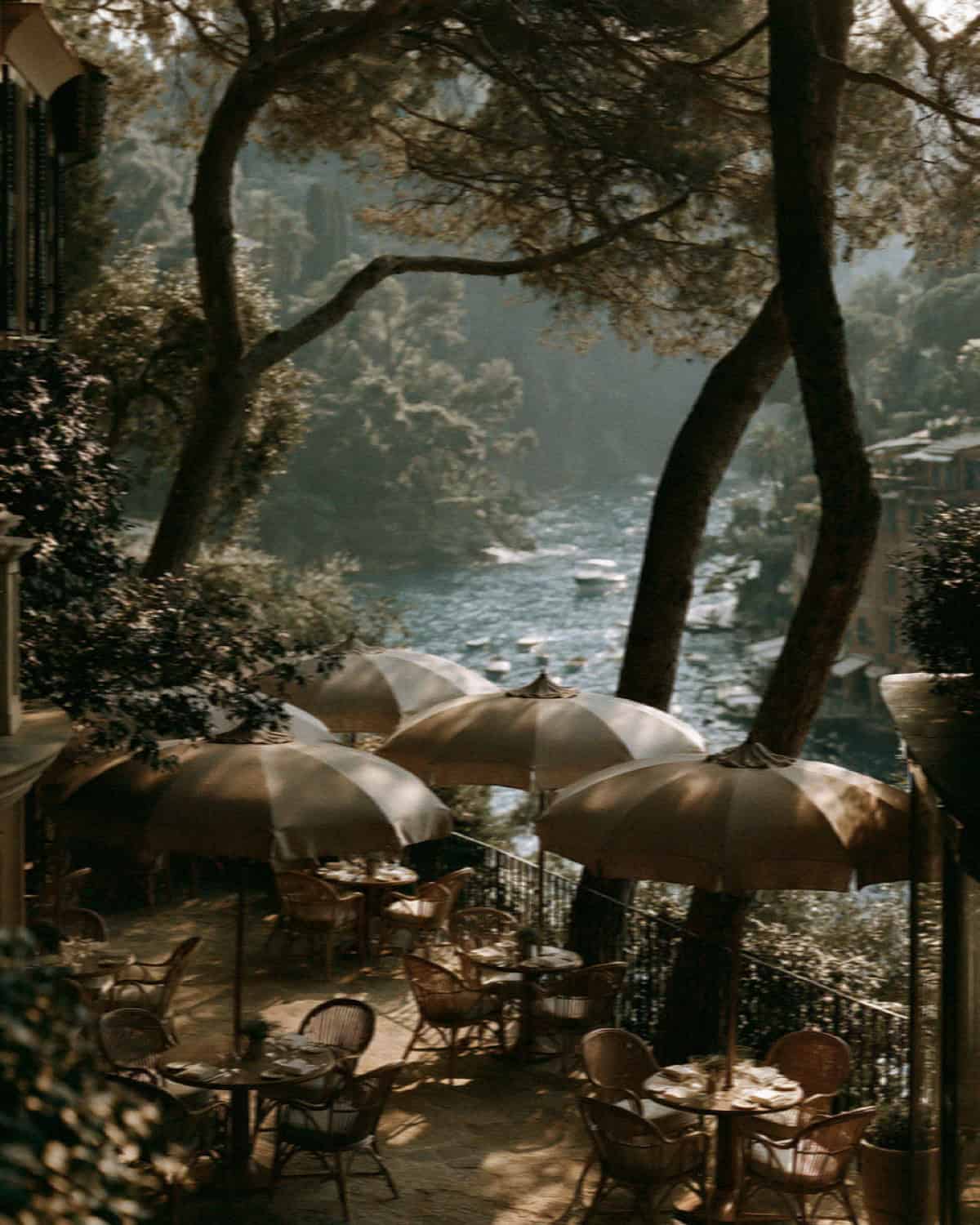
Back in the village at the end of the day comes the ritual I love most: aperitivo on the harbour, an Aperol spritz or a glass of cold Ligurian white, a dish of olives and crisps, and the slow theatre of the boats coming in. You are paying resort prices for the address, no question, so treat it as buying the view rather than the drink. The luxury boutiques ringing the square, the grand old fashion houses, are fun to wander even if you buy nothing, and window shopping here is free.
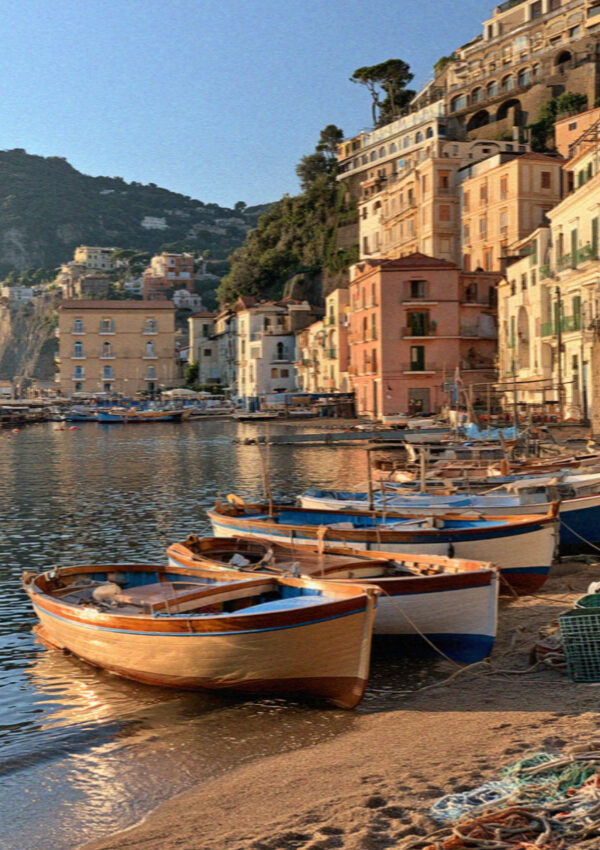
For something more memorable than a taxi boat, ask on the quay about a wooden-boat outing, a classic varnished gozzo of the sort local families have used for generations. A skippered hour or two along the coast in one of these costs more than the public ferry, sitting in a higher band that varies with the boat and the season, but gliding past the villas and hidden coves in polished wood, with the engine burbling, is the closest you will come to the Portofino of another era. That, more than any shop, is what I would spend on.
Frequently Asked Questions
Is Castello Brown worth the entry fee?
Yes, without hesitation. The entry sits in a modest band of roughly 5 to 10 euros depending on the season, and the view over the harbour from its terraced gardens is the finest in the village. Combine it with the onward walk to the Faro and you have the best hour or two Portofino offers.
How do I get to San Fruttuoso?
There is no road, so you go by boat or on foot. Small ferries run from Portofino harbour with a return ticket usually in the region of 15 to 20 euros, seasonal in timing. Alternatively you can hike over the promontory through the regional park in close to two hours one way, which is what makes taking the boat back so appealing.
Where can I actually swim in Portofino?
The best spot is Paraggi, the little green cove on the road between Santa Margherita and Portofino, with both a paid lido and a free public stretch of sand. Come early in summer to claim a place. San Fruttuoso also has a pebble cove for a swim if you make the trip out there.
Is Portofino very expensive?
The harbourfront certainly is, and an aperitivo or a meal by the water carries a premium for the setting. But many of the best things cost little or nothing: the walk to the castle and lighthouse, the churches, the public beach at Paraggi, and simply sitting in the Piazzetta. Treat the pricey drinks as buying the view.
How much time do I need in Portofino?
A single unhurried day covers the village, the castle, the lighthouse and an aperitivo. Give it two days and you can add a boat or hike to San Fruttuoso and a proper swim at Paraggi without ever feeling rushed, which is really the whole point of coming here.
Read also: The Best Photo Spots in Portofino | San Fruttuoso and the Christ of the Abyss | The Complete Guide to Portofino