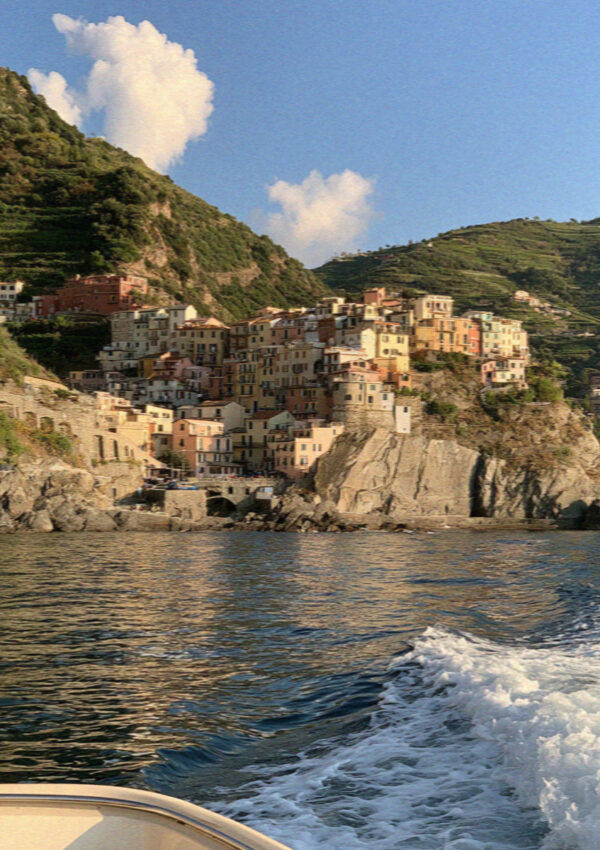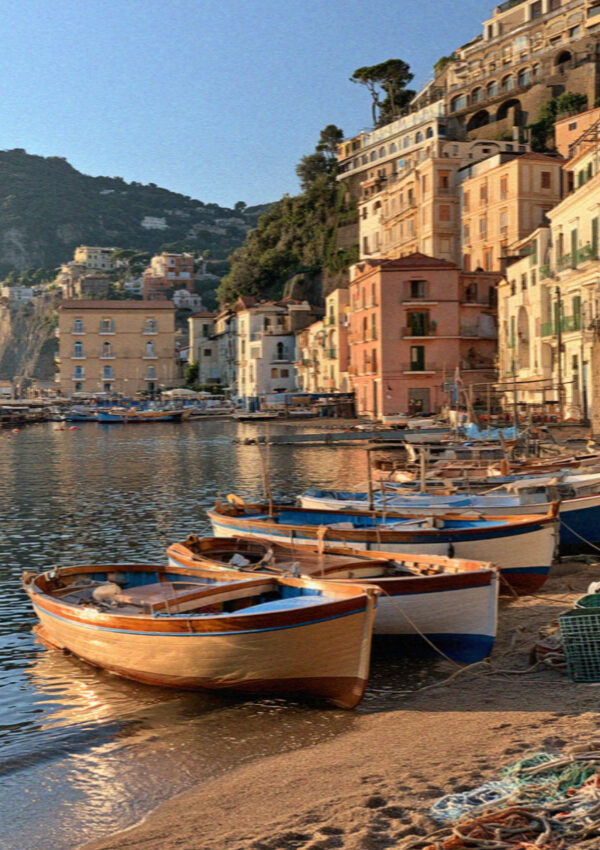
Portofino is small, so small that the question of how to reach it matters more than the map suggests. There is no motorway exit with its name on it, no airport, no train station of its own. The village sits at the tip of a wooded promontory, reached by a single ribbon of coast road, and part of its magic is precisely this: you cannot simply arrive, you have to come to it. I have made the approach by train and bus, by ferry, and once, memorably, on foot, and I can tell you that the method you choose colours the whole first impression. Here is how I think about getting there, and how to move around once the village is yours for the day.
Arriving in the Region: Airports and the Train
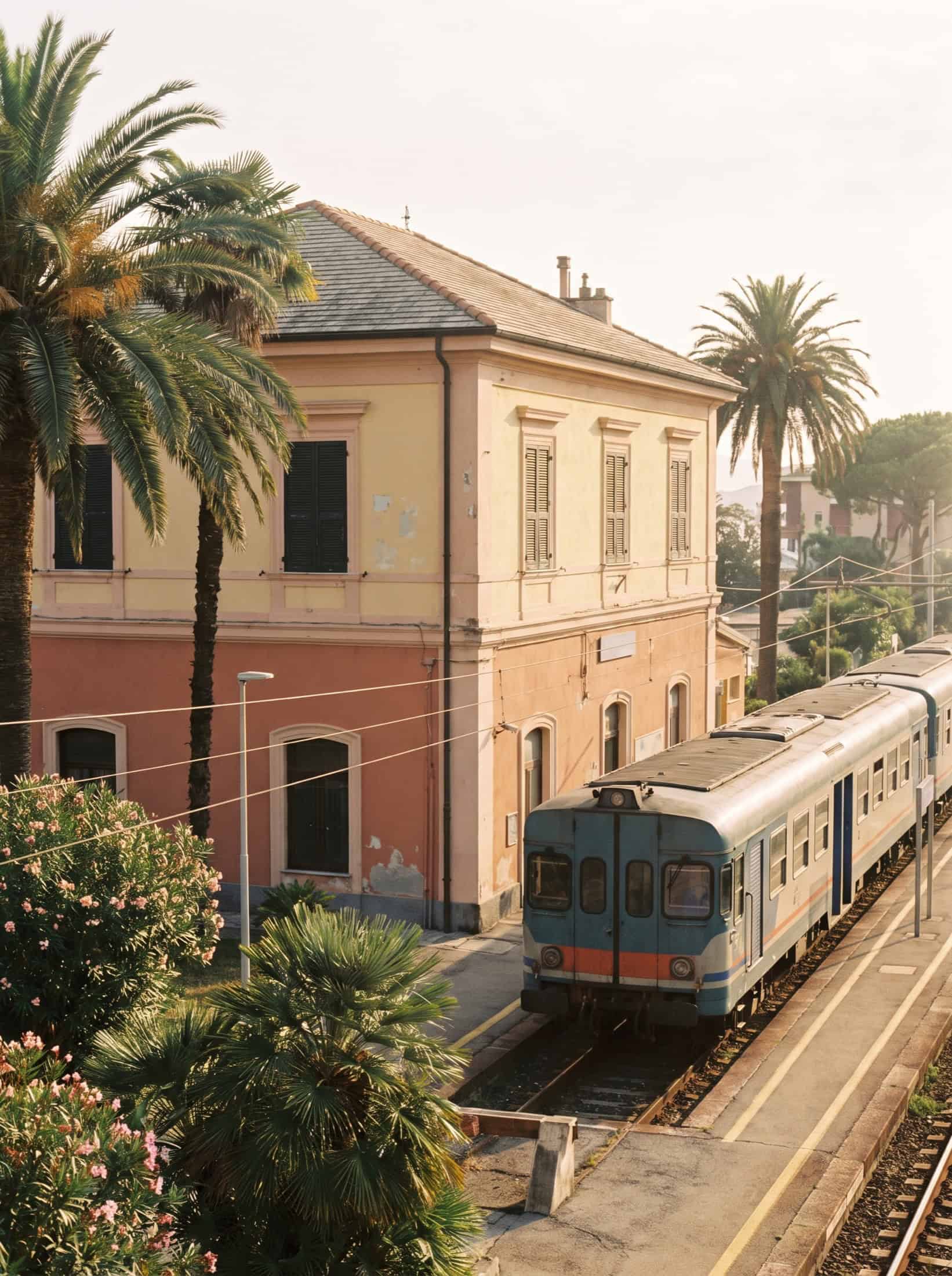
The nearest airport is Genoa Cristoforo Colombo (GOA), roughly 40 kilometres up the coast. It is a modest airport with good European connections rather than long-haul reach, so many travellers land instead at Milan (Malpensa or Linate) or Pisa and come the rest of the way by rail. All three work. From Genoa you are around an hour from the coast; from Milan or Pisa, budget a half-day of pleasant train travel with the Mediterranean sliding past the window.
The name to fix in your mind is Santa Margherita Ligure. This is your gateway. The full station name is Santa Margherita Ligure-Portofino, which flatters Portofino a little, because the station is in Santa Margherita and Portofino is still a short hop beyond. It sits on the main Genoa to La Spezia line, the same line that threads down to the Cinque Terre, so trains are frequent.
From Genoa (either Genova Piazza Principe or Genova Brignole) the regional trains take roughly 30 to 45 minutes and cost only a few euros. From Milan you can take a direct Intercity or connect through Genoa, with a total journey of around two and a half to three hours. From Pisa you come up the coast in a similar span. My advice is to take the regionale rather than agonise over the fastest option; the slow train hugs the shore and the views are the point.
Plan Your Visit to Portofino
A few things I booked and loved. These help support the blog, at no cost to you.
This section contains affiliate links. If you book through them I may earn a small commission, at no extra cost to you.
The Last Mile into Portofino
Here is the part people underestimate. Santa Margherita is not Portofino. You still have about five kilometres of that famous corniche road to cover, and how you cover it sets the tone. You have four honest choices: the bus, the ferry, a taxi, or your own two feet.
The bus is the local workhorse. The line that runs Santa Margherita to Portofino was long known as the number 82 under the old ATP livery and is now operated by AMT as line 782, though everyone still calls it “the bus to Portofino” and the number matters less than the destination on the front. It leaves from just outside the Santa Margherita station and threads along the coast to the little piazza in Portofino. A single ticket is inexpensive, in the region of a few euros (around 5 euros bought on board, less if you buy ahead), and buses run frequently through the day, roughly every twenty to thirty minutes in season. The ride takes fifteen to twenty minutes when the road is clear. It is cheap, it is characterful, and I will be candid about its drawbacks below.
A taxi covers the same road in the same quarter of an hour and will cost you many times the bus fare, comfortably a splurge for such a short distance. It makes sense if you are laden with luggage, arriving late, or a group splitting the cost. Otherwise it is a lot of money for five kilometres.
The Bus, Honestly
I love the 782 for its briskness and its price, but you should know what you are choosing. It is a small bus on a narrow, winding road, and in July and August it fills quickly. You may stand. You may wait for the one after this one because the first was too full to board. And the road itself, beautiful as it is, can clog with day-trippers and delivery vans, so the fifteen-minute ride occasionally stretches. None of this is a reason to avoid it. It is a reason to travel early. If I am taking the bus, I aim to be at the Santa Margherita stop before the mid-morning crush, ideally by half past nine, so I arrive in Portofino while the light is still soft and the harbour tables are being set rather than cleared.
Arriving by Sea

If you ask me the single loveliest way to reach Portofino, it is by boat, and it is not close. The ferries are run by the Servizio Marittimo del Tigullio, and their Line 1 links Rapallo, Santa Margherita Ligure, Portofino and San Fruttuoso, so you can join it at whichever town you are staying in. From Santa Margherita the crossing is a mere fifteen minutes; from Rapallo a little longer. Fares are modest, one-way tickets in the low double digits of euros, a return naturally a touch more, and worth every cent for what you get.
What you get is the approach. The promontory unfurls, the pines come down almost to the water, and then the harbour opens in front of you with its stacked ochre and rose houses reflected in the water, exactly as in every photograph you have ever seen, except that you are sailing into it. No road, no bus fumes, no hunting for the stop. You step off onto the quay in the middle of everything. Do check the timetable before you commit, as sailings are less frequent than the bus and thin out considerably outside the summer months, sometimes to only a handful a day. Camogli, on the far side of the promontory, connects into the same network too, most naturally via San Fruttuoso.
Driving and Parking, the Reality
I will save you a difficult afternoon: do not drive into Portofino unless you must. The village restricts traffic, the single road is tight and often congested, and parking inside the village is both scarce and eye-wateringly expensive. There is a garage in Portofino itself, but its high-season rates are the definition of a splurge, and on a busy day you may crawl the last stretch only to find it full.
The sensible plan is to park in Santa Margherita Ligure, leave the car there for the day or the length of your stay, and complete the journey by bus or ferry. Santa Margherita has more parking, more reasonable rates, and the frequent onward connections I have described. If you have rented a car for a wider Ligurian trip, treat Portofino as the one place you deliberately arrive without it. You will not miss it. There is nothing in the village you need a car to reach.
Getting Around Once You Are There
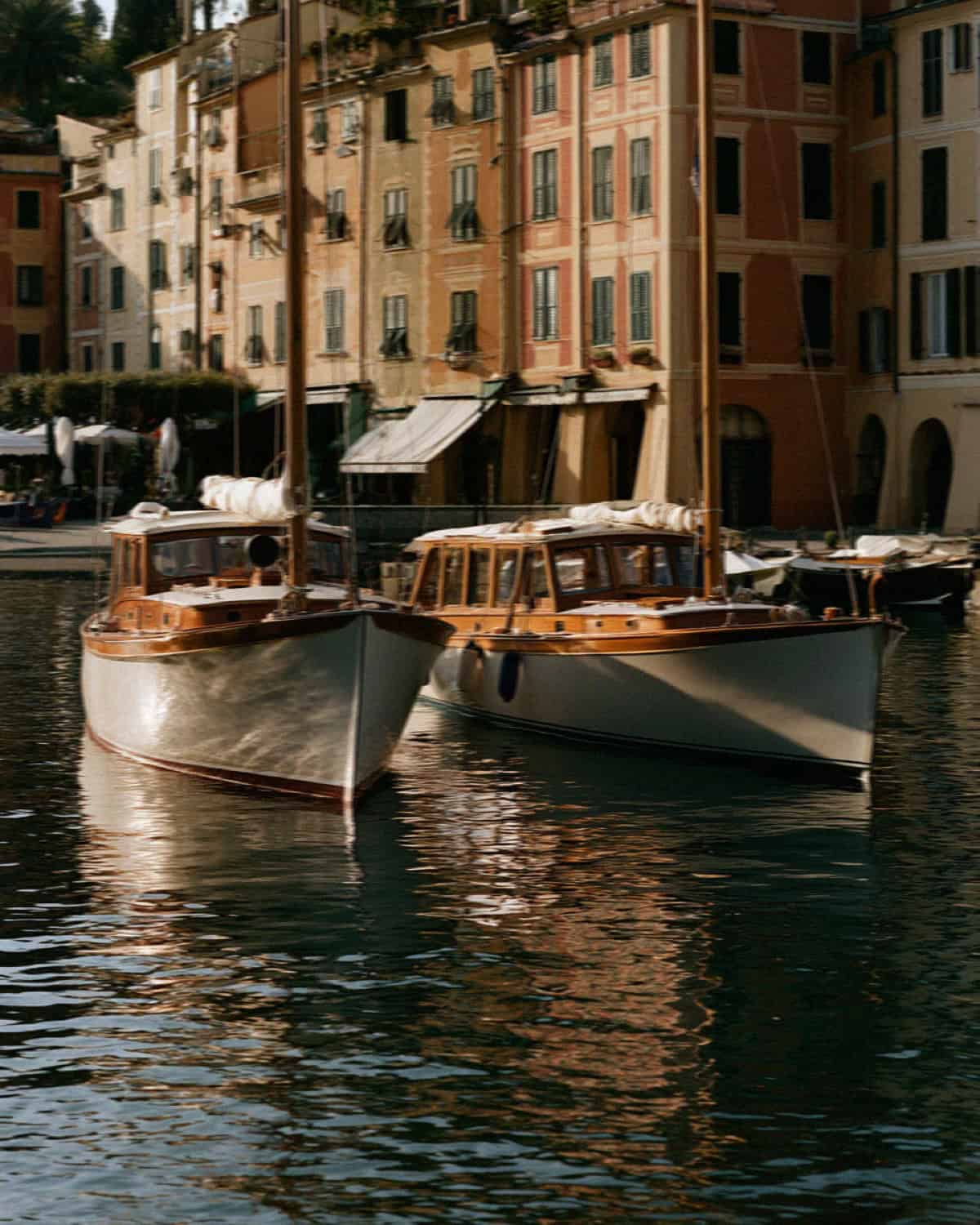
Portofino itself asks nothing of you but a good pair of shoes. It is tiny. From the piazzetta on the harbour you can stroll to Castello Brown, up to the church of San Giorgio and out to the lighthouse at the point in a gentle half-hour of walking, all of it on foot, all of it beautiful. There is no need for any transport within the village at all.
The rewarding walks begin at the edges. Paraggi, the small emerald cove between Santa Margherita and Portofino, is an easy twenty to twenty-five minute walk from the village along the road, and it holds Portofino’s only real beach. The more serious excursion is the coast path to the abbey of San Fruttuoso, tucked in its own hidden bay reachable only by boat or on foot. Reckon on about two hours each way over roughly four kilometres, with a steep climb at the start and a steep descent at the end and a good stretch of gentler walking in between. It is a moderate hike, not a stroll, so take water and proper footwear. My preferred trick is to walk one direction and take the ferry the other, so I earn the abbey on foot and save my knees by sailing home.
What I Would Do
If it were my day, I would base myself in Santa Margherita Ligure, come down by train, and take the morning ferry across so that my first sight of Portofino is from the water. I would spend the middle of the day in the village and on the short walk out to the lighthouse, and I would leave on the bus in the late afternoon once the crowds have started to ebb, or walk back to Paraggi for a swim if the weather is kind. The village is small and the journey is short; the pleasure is in choosing your approach deliberately rather than simply being deposited.
Frequently Asked Questions
Is there a train station in Portofino?
No. The nearest station is Santa Margherita Ligure-Portofino, which despite its name sits in Santa Margherita, about five kilometres away on the Genoa to La Spezia line. From there you continue to Portofino by bus, ferry or taxi. There is no rail line into the village itself.
How do I get from Santa Margherita to Portofino without a car?
Two easy ways. The AMT bus (long known as the 82, now line 782) leaves near the station and reaches Portofino in fifteen to twenty minutes for a few euros. Or take the Servizio Marittimo del Tigullio ferry, a fifteen-minute crossing for a modest fare and by far the prettier arrival. In summer the bus runs more often than the boat.
Can I drive to Portofino and park there?
You can, but I would not. Traffic into the village is restricted, the road is narrow and congested, and parking inside Portofino is very limited and expensive, a true splurge in high season. Park in Santa Margherita Ligure instead and finish the trip by bus or ferry.
Which airport should I fly into?
Genoa Cristoforo Colombo is the closest, around 40 kilometres away, roughly an hour out by train via Genoa. Milan and Pisa are the larger alternatives, each about a half-day away by rail. All three connect to Santa Margherita on the coastal line.
How do I get to San Fruttuoso from Portofino?
Only on foot or by boat, as no road reaches it. The coast path takes about two hours over roughly four kilometres and is a moderate hike with steep sections at each end. The Tigullio ferries also call there. My preference is to walk one way and sail the other.
Read also: The Best Things to Do in Portofino | San Fruttuoso and the Christ of the Abyss | The Complete Guide to Portofino