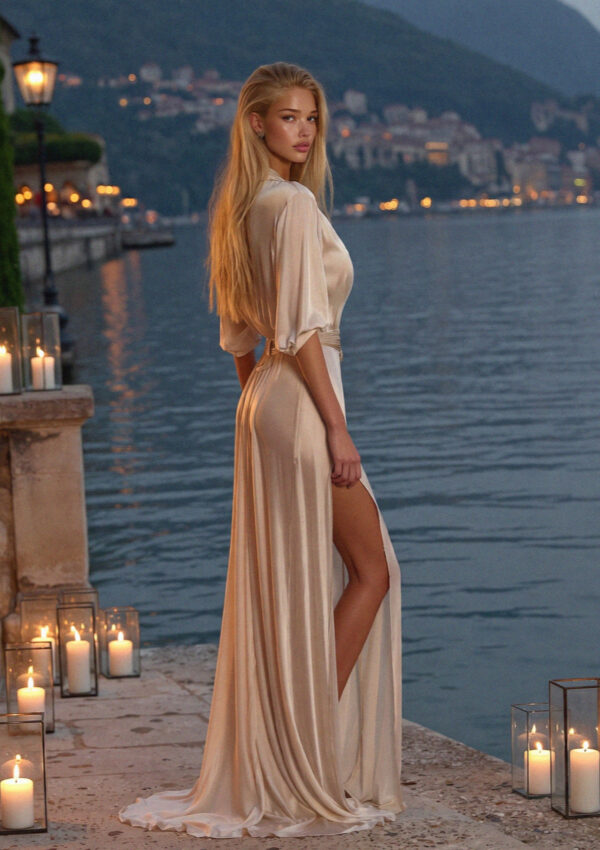
There are three great lakes at the foot of the Italian Alps, and everyone has an opinion about which one is best. Como gets the film stars, Garda gets the families and the windsurfers, and Maggiore, quietly, gets the gardens. This is the lake that grand nineteenth-century travellers came to for the air and the water and the flowers, and it has never quite let go of that belle epoque hush. It is greener than Como, calmer than Garda, and stranger and more beautiful than either, because sitting in the middle of it, like a small fleet at anchor, are the Borromean Islands: a baroque palace rising straight out of the water, a garden full of white peacocks, and a fishermen’s village you can walk across in ten minutes.
Maggiore is long, about sixty-five kilometres from end to end, and it does something the other lakes do not. It crosses a border. The southern four-fifths belong to Italy, split between Piedmont on the west shore and Lombardy on the east, and the northern tip slips into Switzerland, where the towns suddenly have Swiss francs and a different kind of polish. But the heart of it, the part you have seen in photographs, is the Borromean Gulf: the wide, island-studded bay where Stresa, Baveno and Verbania look out at each other across the water. That is where most people stay, and it is where I would send you first. This guide covers all of it, the islands and the gardens and the towns and the practical business of ferries and trains, so you can plan a few days here and spend them well.
What to book before you come
Maggiore is quieter than Como and its whole case rests on three small islands a few hundred metres offshore. Getting to them and getting into them are two separate purchases, which is what catches people out at the jetty.
- Hop on hop off ferries to the three Borromean islands. 4.4 from over four and a half thousand people, and the right structure for a day: Bella, Pescatori and Madre at your own pace.
- Isola Bella entry. The palace and terraced garden are ticketed separately from the boat. Ten tiers of garden, white peacocks, and a grotto of shells underneath.
- Isola Bella and Isola Madre, with the transfer. Both gardens and the crossing in one purchase. Madre is the botanical one, quieter, and I preferred it.
- The three islands as a guided tour. Take this instead if you would rather not think about timetables at all.
Isola dei Pescatori has no entry fee at all, it is simply a fishing village you walk around. So is the lakefront at Stresa.
Why go to Lake Maggiore
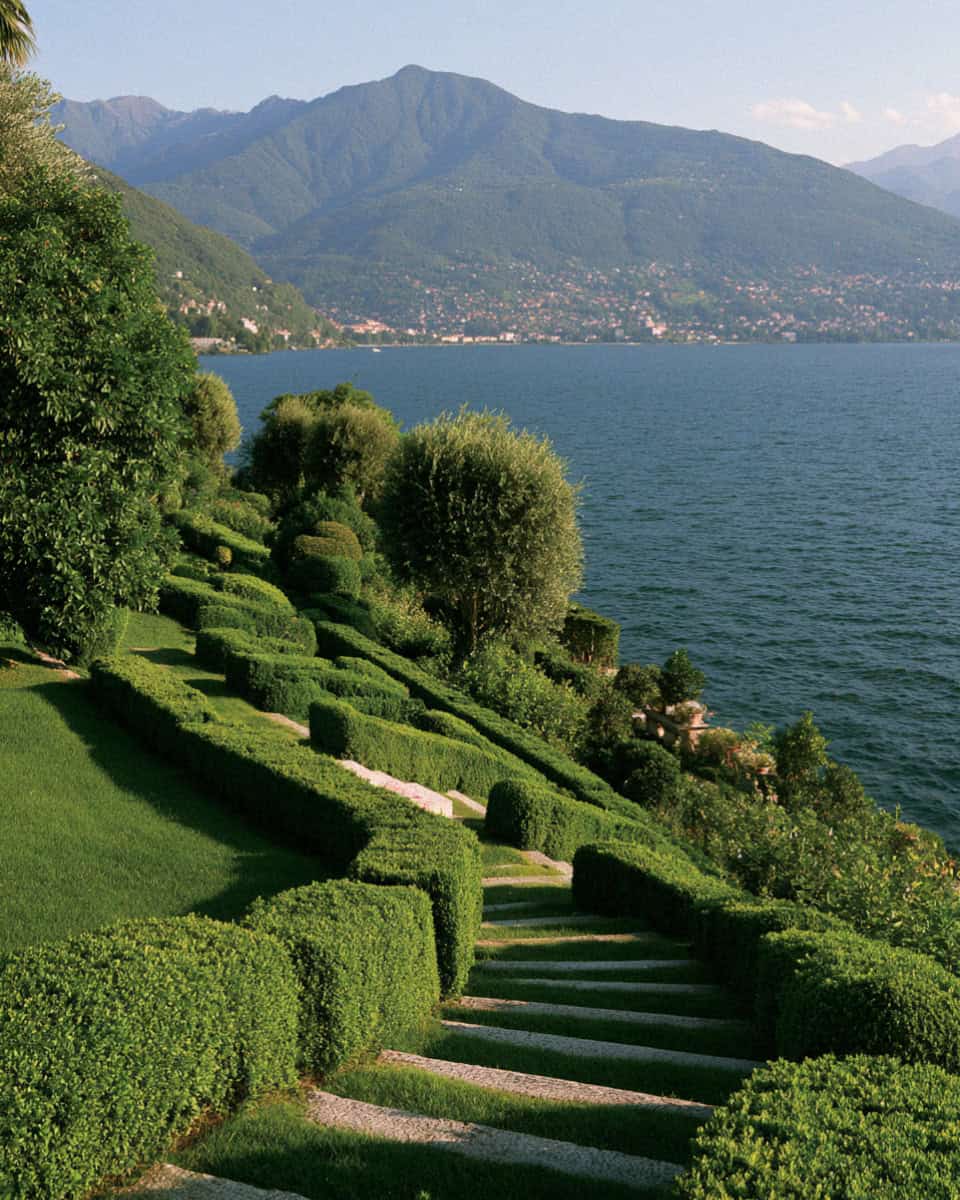
Come here for the gardens and the water, and for a pace that Como has largely lost. Maggiore was built for a slower kind of visitor. Its signature is not the celebrity villa glimpsed through a gate but the public garden you can actually walk through, the botanical estates that the old families and the horticulturally obsessed left behind, planted with things that have no business growing this far north and thrive anyway because the lake keeps the winters mild. Camellias in March, azaleas and tulips in April, rhododendrons in May, and in autumn the whole bowl of hills turning copper.
And then there are the islands, which are the reason the lake is famous and the thing you will remember longest. Nowhere else in Italy can you step off a ferry onto a private baroque island, walk up through ten terraces of statuary and clipped hedge to a palace, and step off the next ferry twenty minutes later onto an island where the only industry is grilling the fish that was in the lake this morning. If you do one thing on Lake Maggiore, you do the islands. Everything else is a happy addition.
Plan Your Visit to Lake Maggiore
A few things I booked and loved. These help support the blog, at no cost to you.
- Where I stayed: search Lake Maggiore hotels
- Borromean Islands and boat tickets
- Rent a car to explore the area
- Stay connected: get a travel eSIM
This section contains affiliate links. If you book through them I may earn a small commission, at no extra cost to you.
Best time to visit
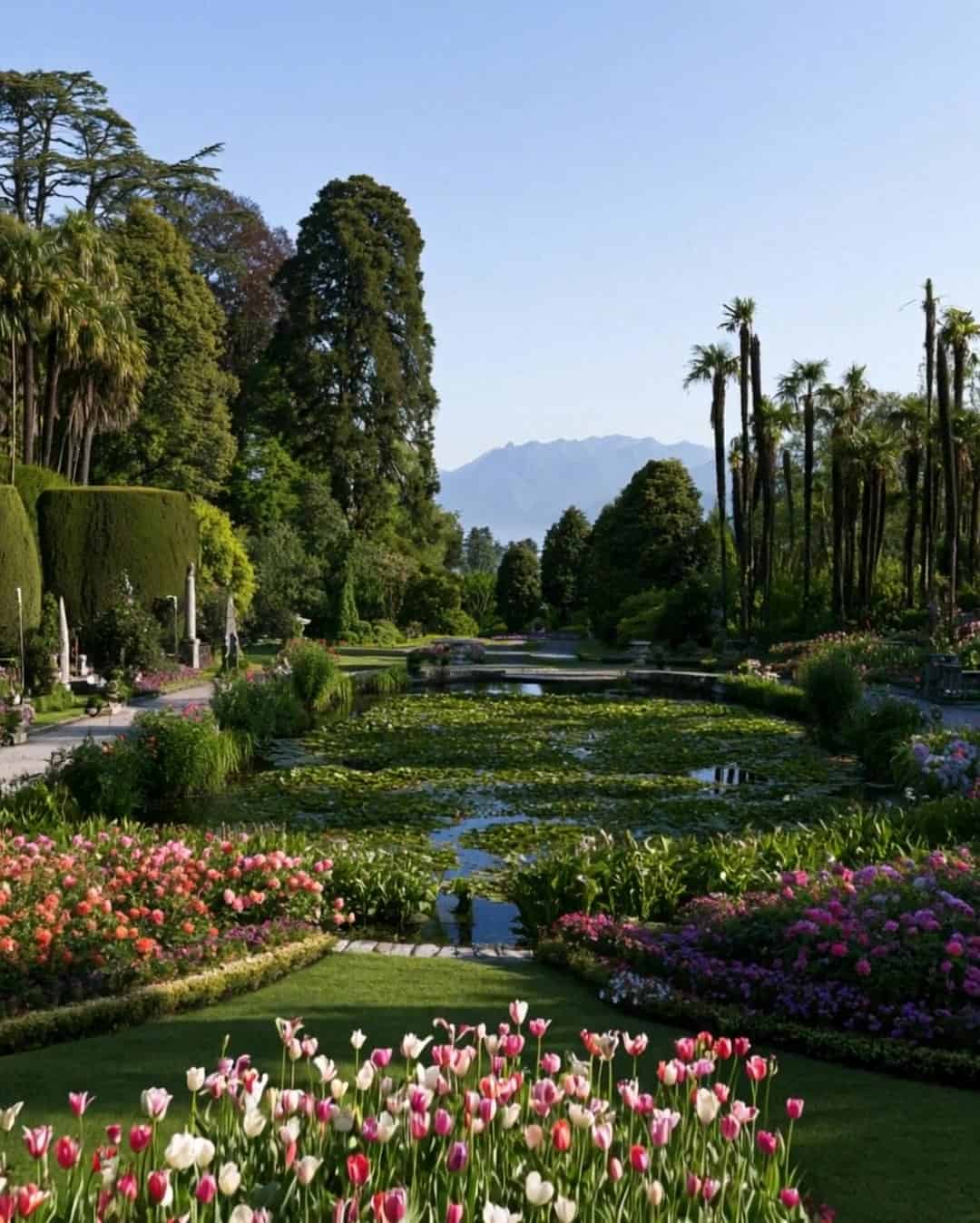
The short answer is late April to early October, and the gardens decide the calendar. The islands, the palaces and the botanical gardens run on a season: most open around the middle of March and close in the first week of November, and outside those dates the lake goes quiet in a way that is lovely if you want solitude and frustrating if you came for the sights.
Spring is the connoisseur’s choice. By late April the azaleas and the tulip beds at Villa Taranto are at their peak, the camellias are already over, and the crowds have not yet arrived. May and June bring the rhododendrons and roses and long warm evenings, still short of high season. July and August are peak: warmest, busiest, priciest, and the one stretch where you must book hotels and island restaurants well ahead. September and early October are my quiet favourite, still warm enough to be on the water, with the gardens turning and the day trippers thinning out. From November to March the islands and most gardens are shut, many lakefront hotels and restaurants close for the winter, and the ferries drop to a skeleton timetable. For the month-by-month detail and what is actually open when, see the full guide to the best time to visit Lake Maggiore.
The Borromean Islands
Three islands sit in the gulf between Stresa and Verbania, and they have belonged to the same family, the Borromeo, for something like four hundred years. They could not be more different from one another, and the pleasure is doing all three in a single unhurried day.
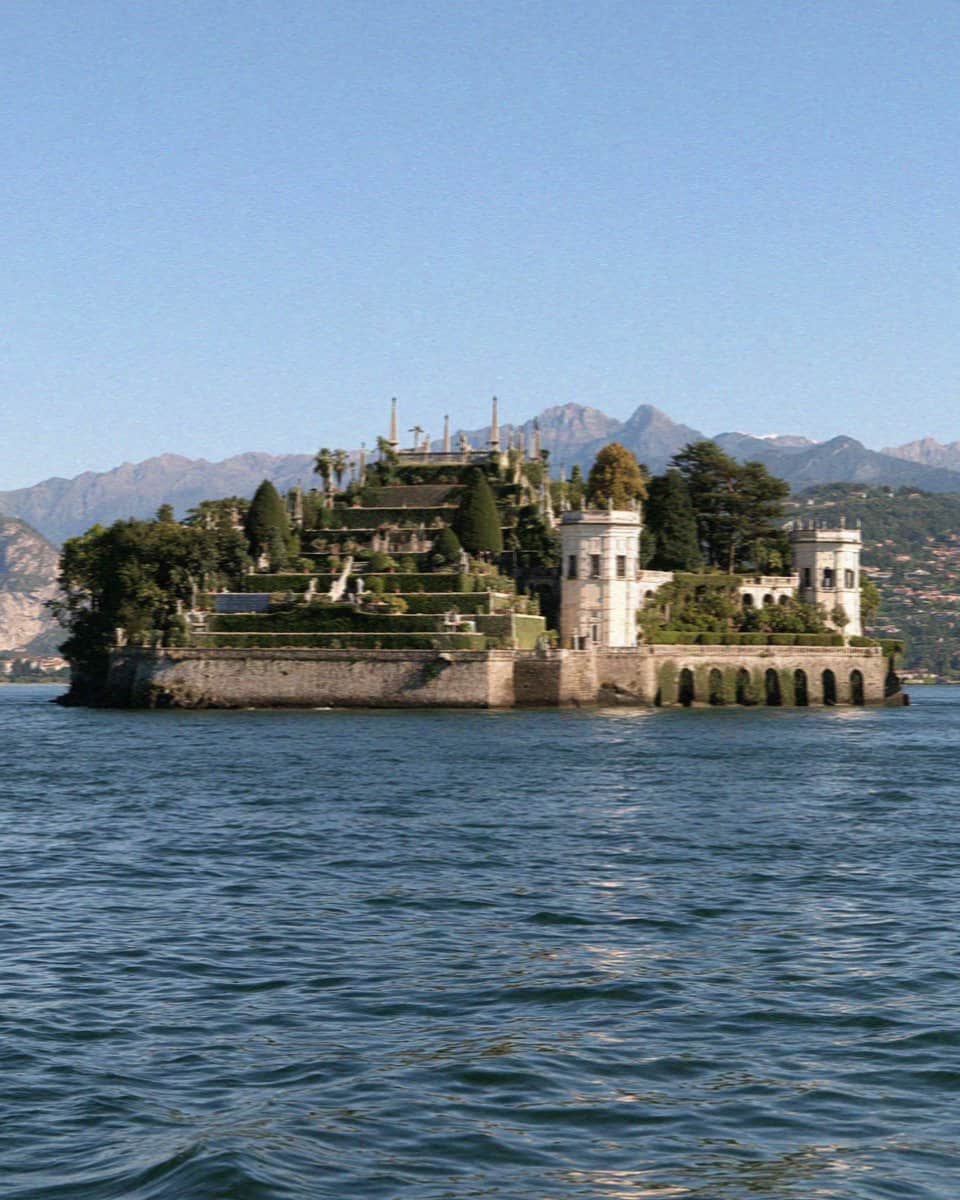
Isola Bella is the showpiece: a seventeenth-century palace and a garden built as a fantasy, ten terraces climbing to a tower of shell-encrusted grottoes and white marble, with the whole thing shaped, if you squint from the water, like a ship. The palace interior is genuinely grand, and the garden, with its unicorn crest and its strutting white peacocks, is the picture everyone comes for. Entry is around twenty-seven euros for the palace and garden together. Isola Madre is gentler and, for me, the quiet winner: a botanical garden in the English style, all sweeping lawns and a giant Kashmir cypress and more free-roaming peacocks, wrapped around a faded, atmospheric villa. Entry is around twenty-three euros. Isola dei Pescatori, the fishermen’s island, has no palace and no admission at all. It is a working village of narrow lanes and lake fish restaurants, and it is where you have lunch.
A combined ticket for Isola Bella and Isola Madre runs about forty euros, and a three-site ticket adding the Parco Pallavicino on the mainland is around fifty-five. The islands open roughly from mid-March to the eighth of November. You reach them on the public ferry from Stresa, Baveno or Verbania in a matter of minutes, or by private taxi boat. Give Isola Bella about two hours, Isola Madre ninety minutes, and Pescatori an hour over lunch. It is the single best day on the lake, and it has its own full guide to the Borromean Islands with the ferry logistics, the ticket combinations and how to time it to dodge the crowds.
The best things to do
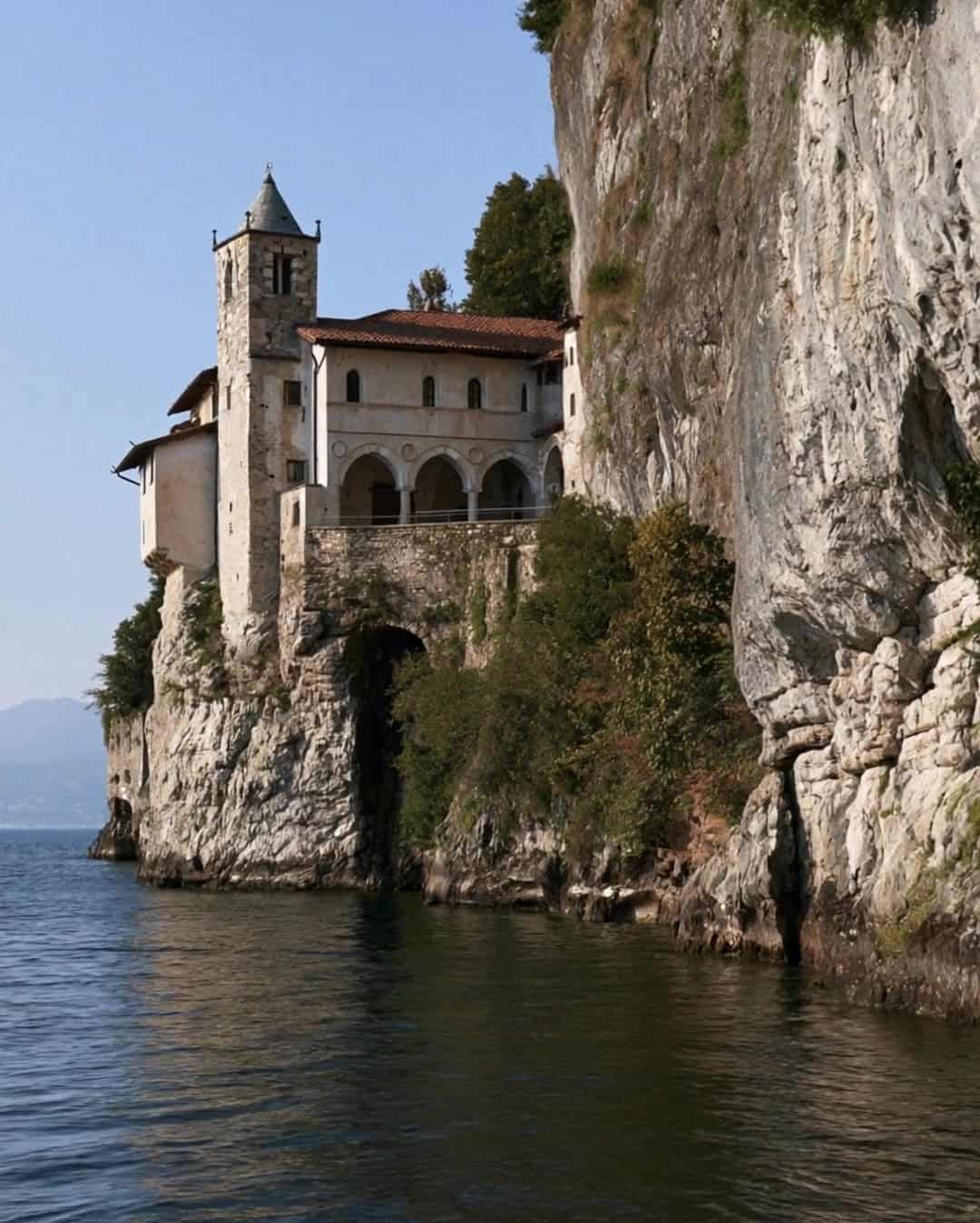
Beyond the islands, Maggiore’s great pleasure is its gardens and its viewpoints, and you could fill three or four days without repeating yourself. Villa Taranto, on the Pallanza headland at Verbania, is one of the finest botanical gardens in Italy, laid out by a Scottish captain in the 1930s and famous for its spring tulips and dahlias and its terraced water gardens; entry is around eleven euros and the season runs from early March to the first of November. Across the lake on the Lombardy shore is Santa Caterina del Sasso, a monastery that clings to a sheer cliff directly above the water, reached by boat or by a set of steps or a little panoramic lift; it costs about five euros, and it is unforgettable from the lake. At the southern end, the Rocca di Angera is a genuine Borromeo fortress on a hill, and it holds a wonderful and slightly eccentric doll and toy museum inside.
Then there is Mottarone, the mountain that rises behind Stresa to nearly fifteen hundred metres, with a summit panorama that takes in seven lakes and, on a clear day, Monte Rosa. One important, honest note: the old Stresa to Mottarone cable car has been closed since the fatal accident in May 2021 and has not reopened to passengers, so ignore any listing that tells you to ride it. You reach Mottarone and the pretty Giardino Alpinia by road instead, by car or on an organised excursion, and the view is worth the drive. For the full list, ranked, with what to skip when time is short, see the best things to do on Lake Maggiore.
Where to stay
Where you sleep shapes the whole trip, because Maggiore is a lake of distinct towns rather than one resort strip. For a first visit, I would base myself in Stresa. It has the grand hotels, the best ferry connections to the islands, the widest choice of restaurants and the belle epoque lungolago that is the lake at its most cinematic. At the top end, the Grand Hotel des Iles Borromées is the landmark, a palace of a hotel where Hemingway set part of A Farewell to Arms, with rates that climb from around three hundred and fifty euros into the many hundreds in season; Villa e Palazzo Aminta is its lavish rival a little along the shore. The Regina Palace and the Hotel La Palma are excellent grand and upper mid-range choices on the waterfront, roughly in the one hundred and seventy to three hundred and fifty euro band, and there are solid mid-range hotels in the centre of Stresa from a little over one hundred.
If you want quieter and greener, base in Verbania, specifically Pallanza, which puts you next to Villa Taranto and away from the day trip bustle; the Grand Hotel Majestic there is a historic five-star on the water. For real village charm, Cannobio at the northern, near Swiss end is a beauty, with medieval lanes and a Blue Flag beach. The full breakdown, which town suits which kind of traveller and named hotels in every band, is in Where to stay on Lake Maggiore.
Where to eat and drink
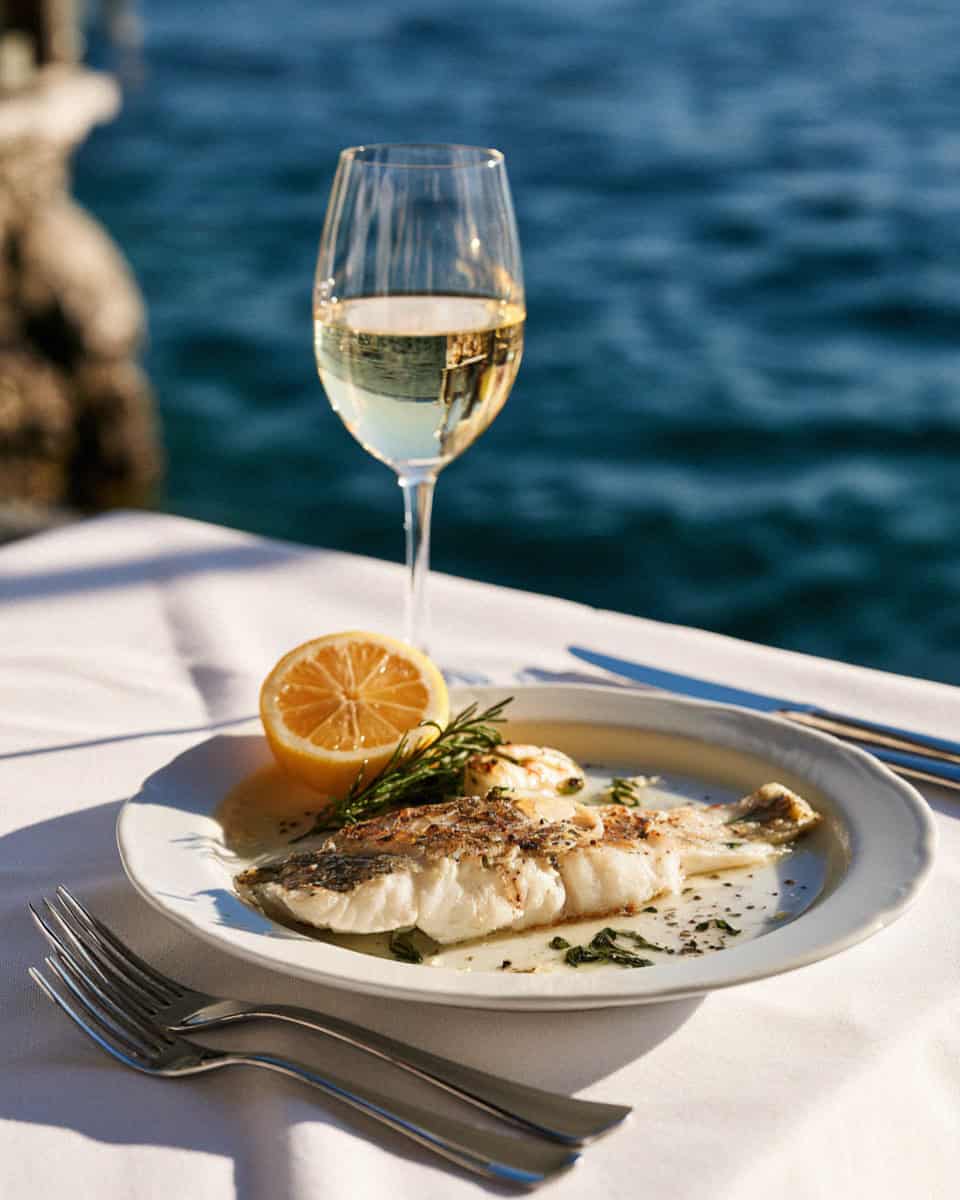
You eat lake fish here, and you should lean into it. The lake gives up persico, the perch that turns up as a silky risotto or a breaded fillet, and lavarello, a delicate whitefish, and the local kitchens do both beautifully. In Stresa I like Ristorante Lo Stornello for something more refined and Il Vicoletto tucked in the old lanes for lake fish without ceremony, while La Rampolina up on the hillside trades on its terrace and its view. Out on Isola dei Pescatori, lunch at Ristorante Verbano or the Trattoria Imbarcadero is half about the plate and half about sitting at the water’s edge with the palace of Isola Bella floating across the channel. Up in Cannobio, Lo Scalo on the harbour is the special occasion table and the rustic Grotto Sant’Anna sits beside its river gorge.
Save room for the belle epoque cafe ritual too. A slow coffee and a pastry on the Stresa waterfront, watching the ferries come and go, is one of the small perfect things about this lake. The complete list, with who does the best persico and where to sit at sunset, is in Where to eat on Lake Maggiore.
Getting there and getting around
Lake Maggiore is one of the easiest of all the Italian lakes to reach, which is part of its appeal. Milan Malpensa airport is only about forty kilometres away, roughly forty-five minutes by car to Stresa, which makes the lake a genuine option even for a short trip. By train, Stresa sits on the main Milan to Domodossola and Simplon line: fast InterCity and EuroCity services from Milano Centrale take a little over an hour, around one hour ten to one hour twenty, and run through the day. The station is a short walk up from the lakefront.
Once you are here, the lake is the road. Navigazione Lago Maggiore runs the public ferries, and its central route stitches together Arona, Stresa, the three islands, Baveno and Pallanza. A day pass for free circulation within a zone runs roughly fifteen to twenty-two euros depending on how much of the lake it covers, and for island hopping it pays for itself quickly. There are private taxi boats when you want to move on your own schedule, and a car ferry crosses the middle of the lake between Intra and Laveno. You do not need a car for a gulf-based trip built around Stresa and the islands, though one helps for the mountain and the far shores. All the routes, passes and timings, and how to string the islands together efficiently, are in how to get to Lake Maggiore and get around by boat.
The towns of the lake
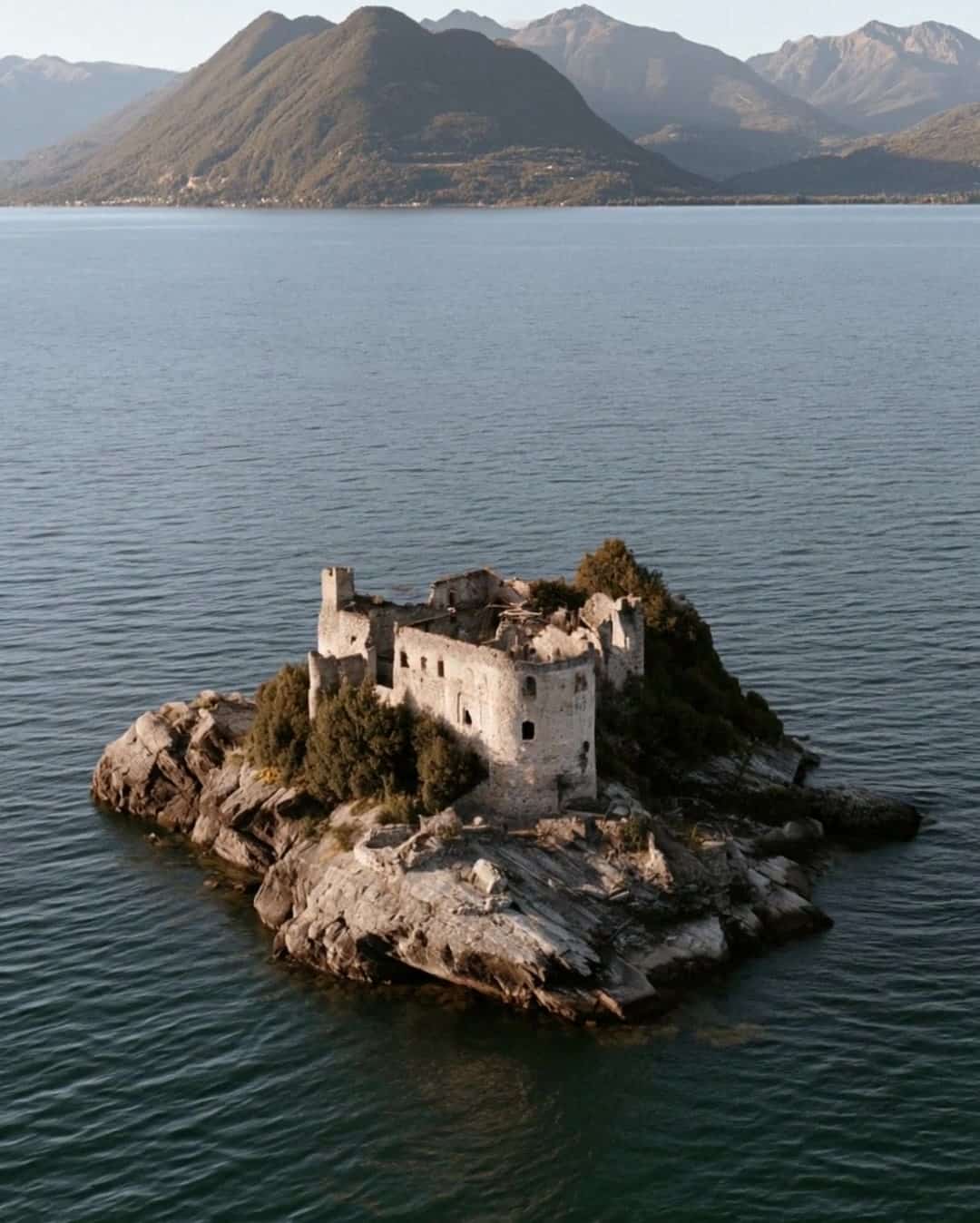
Part of the fun of Maggiore is that it is really a string of towns, each with its own character, and choosing between them is half the trip. Stresa is the grand old resort, all Belle Époque hotels and manicured promenade. Baveno, its calmer neighbour, quarried the pink granite that built half the region’s churches. Verbania, the largest town, splits into leafy, garden-loving Pallanza and workaday Intra. Down south, Arona faces the fortress town of Angera across the narrows. And up north, near the border, Cannobio and tiny Cannero Riviera, with its ruined offshore castles, are the lake at its most unhurried, before the shore tips over into Swiss Ascona and Locarno. For the character of each and which to choose as your base or your day out, read the best towns on Lake Maggiore.
Photography
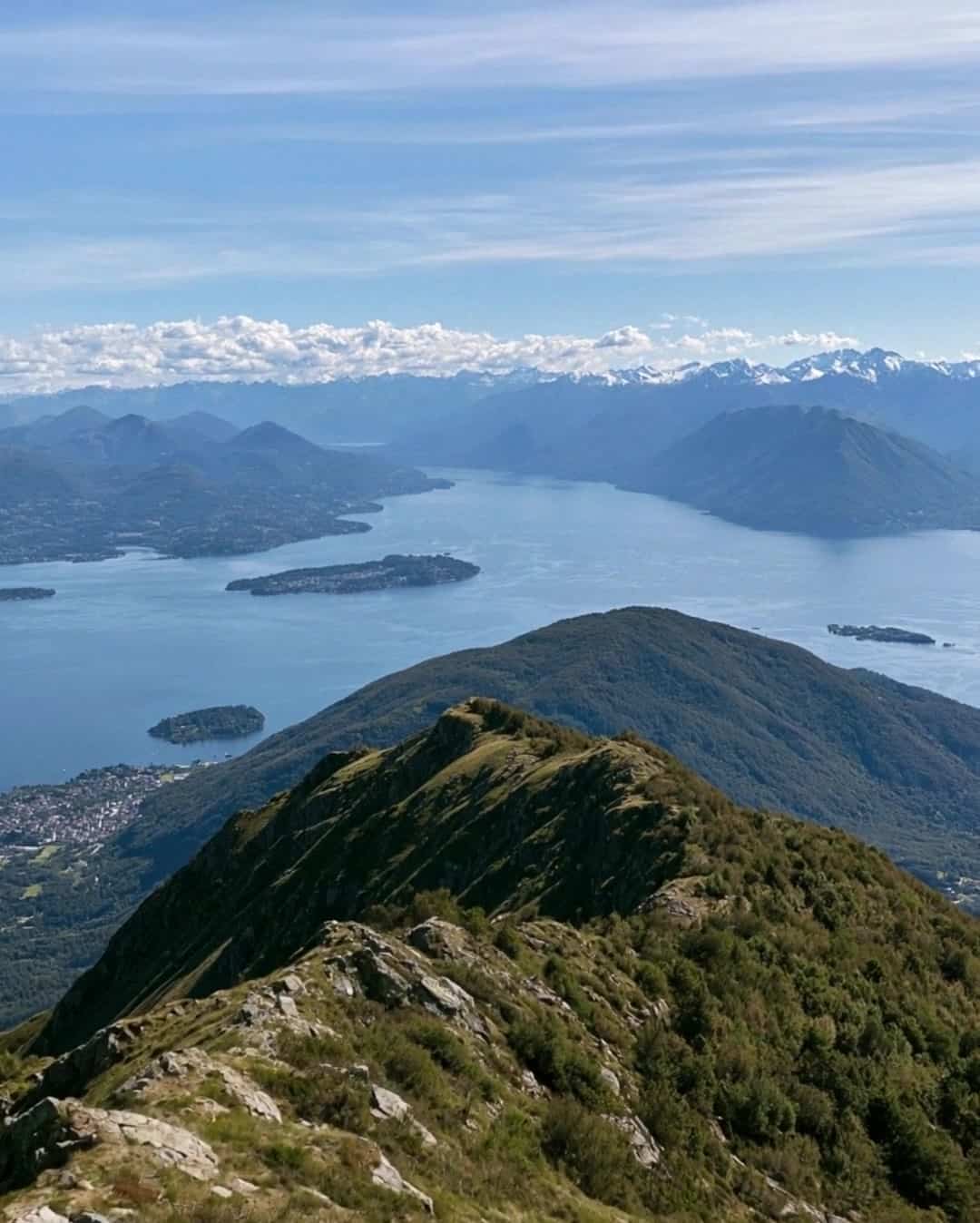
Maggiore rewards a camera more than almost anywhere in the lakes, because so much of it is composed for you. The classic shot is Isola Bella from the water, the tiered gardens rising like the stern of a stone galleon as the ferry swings in. Villa Taranto in spring is a riot of tulip beds and terraced pools. Santa Caterina, shot from a boat, is a monastery impossibly stuck to a cliff. The Stresa lungolago at golden hour gives you grand hotels in the foreground and island silhouettes beyond, and the Cannero castles, those romantic ruined islets, are best caught from the shoreline or a passing boat. The mountain, reached by road, hands you the seven lakes panorama. The full set of locations, with the best light and the exact vantage points, is in the best photo spots on Lake Maggiore.
How many days, and a suggested itinerary
Two full days is the minimum to do the gulf justice; three is comfortable, and four lets you add the mountain and a day trip. In broad strokes: give your first full day entirely to the Borromean Islands, all three, by ferry, with lunch on Pescatori. Give the second to the gardens and the far shore, Villa Taranto at Verbania in the morning and Santa Caterina across the water in the afternoon, or Angera and its fortress at the southern end. A third day is for the mountain and the Giardino Alpinia by road, or a boat up to the quiet northern towns of Cannero and Cannobio. The detailed day-by-day version, with ferry times and where to eat built in, is the perfect Lake Maggiore itinerary.
Day trips from the lake
Maggiore sits in wonderful company. The nearest and best add-on is Lake Orta, a jewel of a small lake about thirty minutes west of Stresa, with the car-free medieval village of Orta San Giulio and its own tiny island; it is the most romantic half day on offer. North of the border, Locarno and Ascona give you a taste of Swiss Ticino, all promenades and pastel, about an hour up the lake, though you will want a passport and some francs. The scenic Centovalli railway winds between Domodossola and Locarno through gorges and chestnut woods and pairs with a ferry to make the famous Lago Maggiore Express loop. And Milan, with its cathedral and its shopping, is barely an hour away by train if you want a jolt of the city.
Who Lake Maggiore is for
This is a lake for people who like their beauty a little slower. It suits couples and honeymooners for the gardens and the grand hotels; it suits families surprisingly well because the islands and the ferries and the fortress with its doll museum are a genuine adventure for children, and it suits solo travellers who want to read on a promenade and take the boat somewhere on a whim. It is less suited to anyone chasing nightlife or a party scene, which barely exists here, or to a beach holiday in the sun lounger sense. As for what to pack, this is a dress-up-a-little kind of place in the evenings, especially if you are staying somewhere grand, with good walking shoes for the island terraces and the garden paths by day.
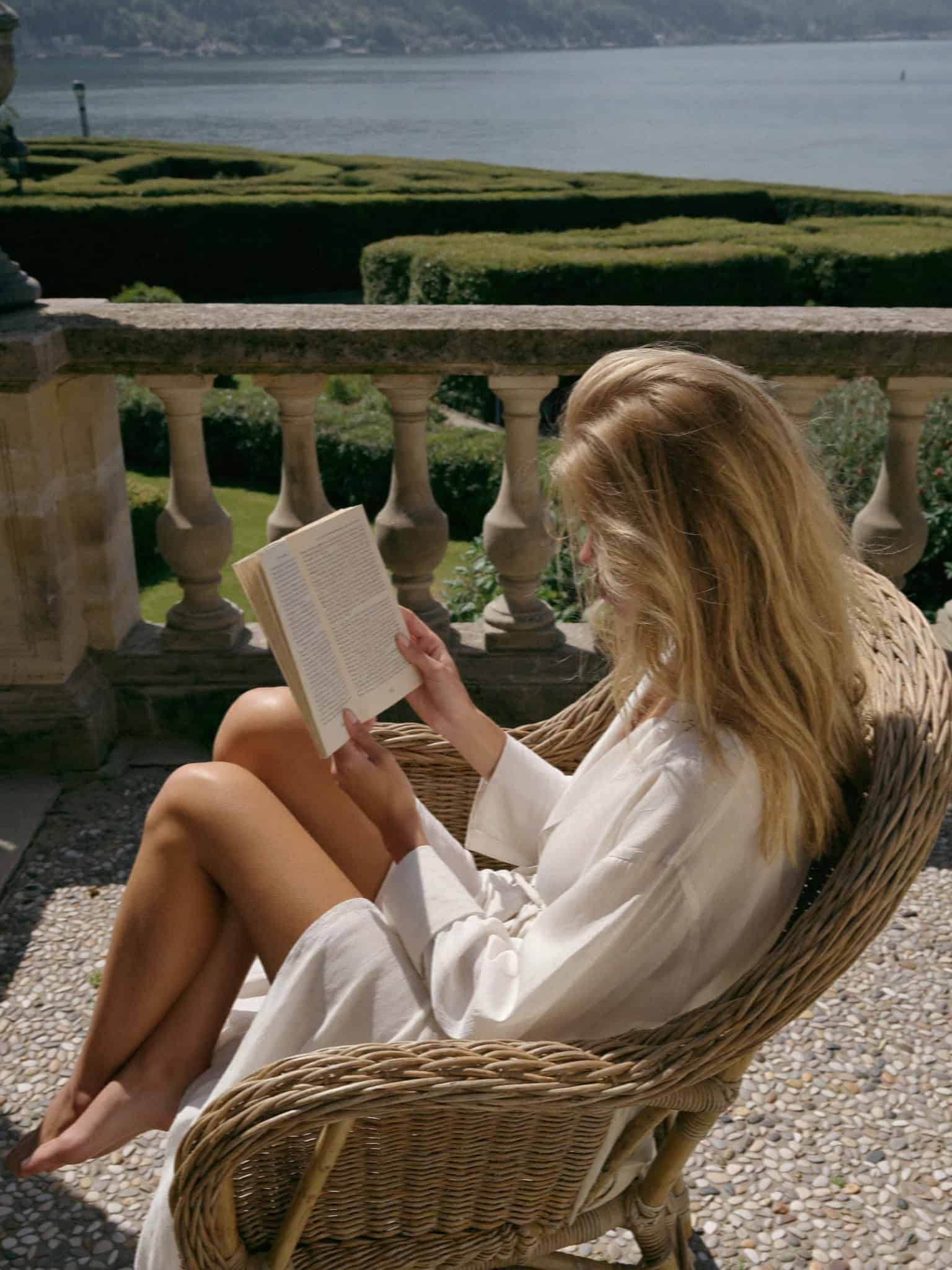
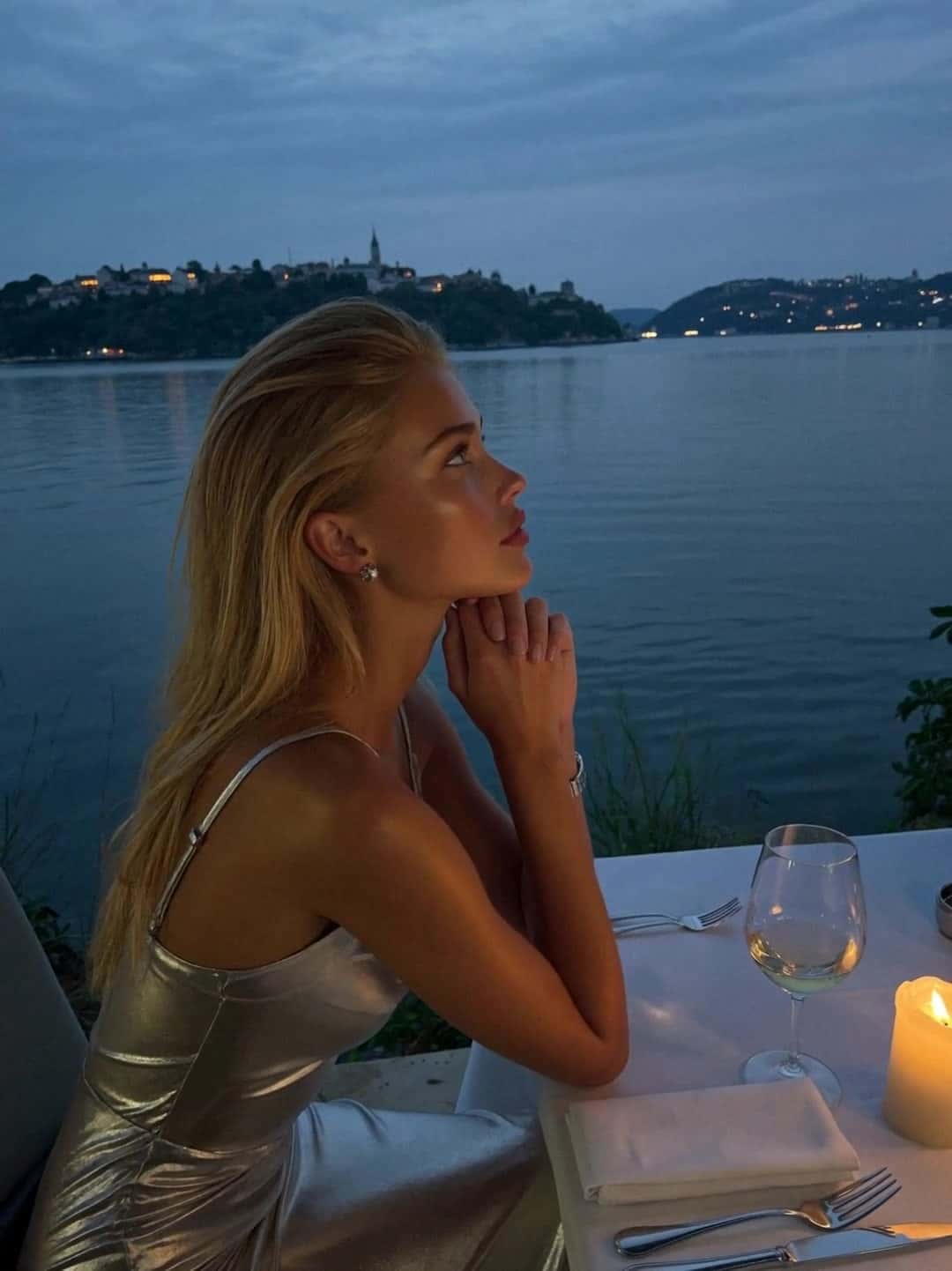
More images from Lake Maggiore




Frequently Asked Questions
Is Lake Maggiore worth visiting?
Yes, and especially if you love gardens, calm water and old-world elegance over glitz. The Borromean Islands alone justify the trip, and the lake is greener and more relaxed than Como and easier to reach from Milan than most people expect. Come for two or three days and build them around the islands and the gardens.
How many days do you need at Lake Maggiore?
Two full days cover the essentials: the islands on one and the gardens and far shore on the other. Three days is comfortable and lets you add Mottarone or the northern towns, and four gives you room for a day trip to Lake Orta or into Switzerland.
Lake Maggiore or Lake Como, which is better?
They are different moods. Como is grander, glossier and busier, with the celebrity villas and the dramatic steep shores. Maggiore is quieter, greener and built around gardens and the islands, and it is gentler on both the nerves and the wallet. If you want scene and drama, Como; if you want gardens and calm, Maggiore. Many people who have time do both, as they are only about a ninety-minute drive apart.
Are the Borromean Islands worth it?
They are the highlight of the lake. Isola Bella for the baroque palace and its terraced garden, Isola Madre for a quieter botanical garden full of peacocks, and Isola dei Pescatori for a lakeside fish lunch. All three fit into one relaxed day by ferry, and a combined ticket keeps the cost down.
Is the Stresa to Mottarone cable car open?
No. The cable car has been closed since the accident in May 2021 and has not reopened to passengers, so do not plan around it. You can still reach the Mottarone summit and the Giardino Alpinia by road, by car or on an organised excursion, and the seven lakes view from the top is worth it.
When do the gardens and islands close for winter?
Most of the islands, palaces and botanical gardens run a season from roughly mid-March to early November. Villa Taranto closes on the first of November and the Borromeo island sites around the eighth. From November to March the main sights are shut, many hotels and restaurants close, and the ferries run a reduced winter timetable, though Santa Caterina stays open with limited hours.
How do you get to Lake Maggiore from Milan?
It is easy. Trains from Milano Centrale to Stresa take a little over an hour on the Domodossola line, and Milan Malpensa airport is only about forty-five minutes from Stresa by car. Once you are on the lake, the public ferries are the best way to get between the towns and out to the islands.
Your Lake Maggiore Guides
- The Borromean Islands: A Complete Guide
- The Best Things to Do on Lake Maggiore
- Where to Stay on Lake Maggiore
- Where to Eat on Lake Maggiore
- The Best Towns on Lake Maggiore
- The Best Time to Visit Lake Maggiore
- The Best Photo Spots on Lake Maggiore
- How to Get to Lake Maggiore and Get Around by Boat
- The Perfect Lake Maggiore Itinerary
Lake Maggiore Travel Diaries
The facts are here, but the feeling of the lake lives in the diaries. I kept a journal as I went:
Exploring more of the Italian Lakes? Don’t miss Victoria’s complete guide to Lake Garda.