If you want the short answer to the best time to visit Bologna, here it is: spring, from April to June, and early autumn, September into October. Those are the weeks when the light turns the porticoes honey-gold, the temperature sits somewhere kind between 10 and 22 degrees, and you can walk for hours without either freezing or wilting. Bologna is a working city with the oldest university in Europe, not a museum town that shuts when the tour buses leave, so there is really no wrong month to come. But some months are simply more comfortable, and one of them, August, comes with a warning I will happily give you.
Spring (April to June)
Spring is when Bologna shows off without meaning to. The mornings are cool enough for a jacket, the afternoons warm enough to sit outside for a spritz, and the whole city feels like it has just exhaled after winter. This is peak term time too, so the streets around Via Zamboni hum with students, the cafes are full, and there is a proper sense of a city being lived in rather than visited. I love walking the Portico di San Luca on a clear spring morning, all 666 arches of it, up to the Santuario della Madonna di San Luca on its hill. The climb is easier when the air is fresh, and the panorama at the top is worth every one of those arches.
The trade-off is that spring is also the city’s busiest and priciest stretch, alongside autumn. May and June bring trade fairs, and a mid-range double that might cost around 100 to 160 euros in a quieter week can climb to 180 to 280 euros or more when the fairs are on. Book early, especially if your dates are flexible only by a day or two, and you will still get the best of the season without the sting. If you can, aim for late April or early June to dodge the worst of the crowds while keeping the good weather.
Plan Your Visit to Bologna
A few things I booked and loved. These help support the blog, at no cost to you.
- Where I stayed: search Bologna hotels
- Tickets and things to do in Bologna
- Stay connected: get a travel eSIM
This section contains affiliate links. If you book through them I may earn a small commission, at no extra cost to you.
Summer (July and August)
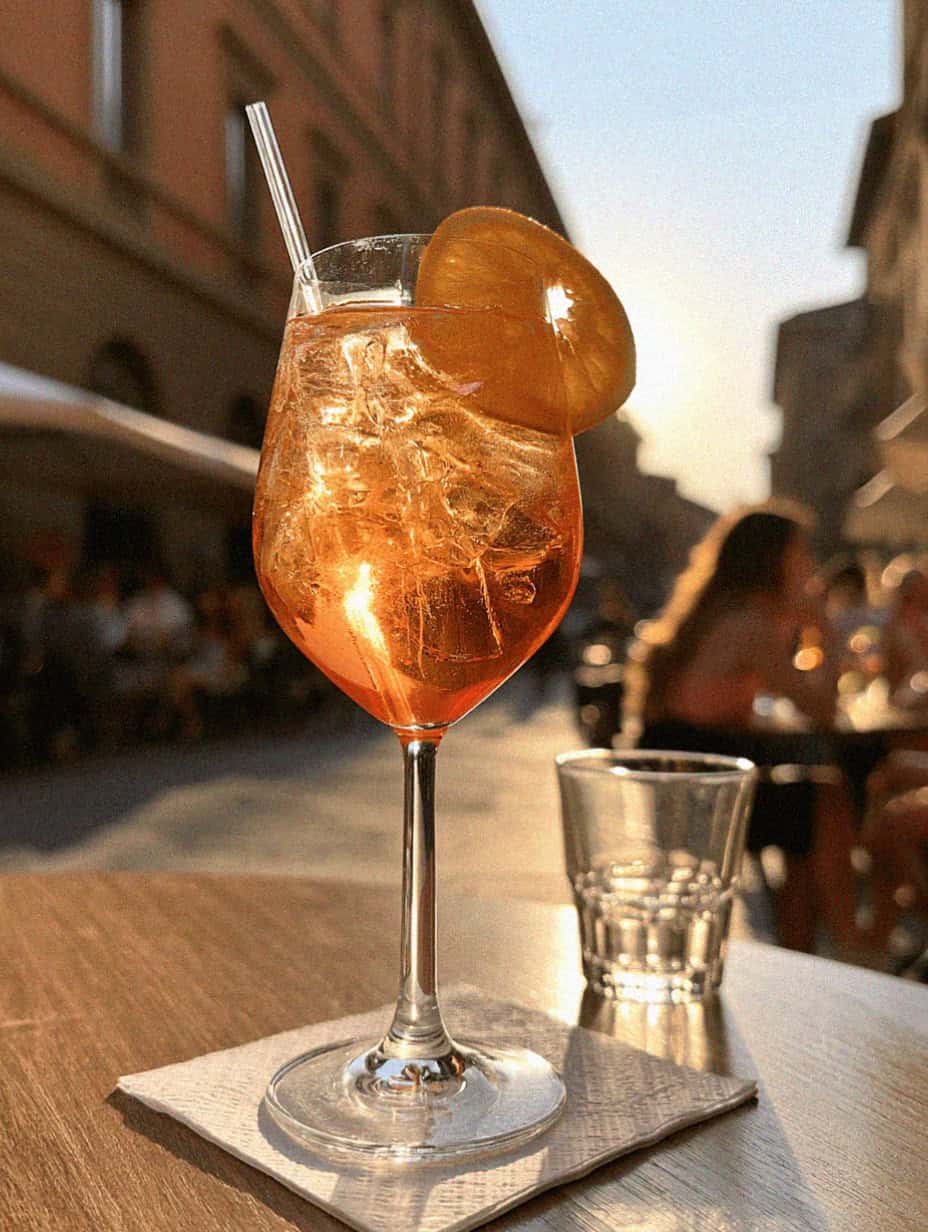
Summer deserves the plain truth that a lot of guides leave out. Bologna sits in the Po Valley, and in July and August it gets hot and humid in a heavy, close way that the porticoes only partly relieve. They keep the sun off you, which is a genuine mercy at two in the afternoon, but they do not bring a breeze. Midday sightseeing becomes a slow, sticky affair, and you learn quickly to do your walking early and your resting late, with a long aperitivo somewhere shaded once the heat starts to lift. A spritz costs around 6 to 7 euros and feels entirely earned.
Then there is Ferragosto, the mid-August holiday around the fifteenth, and this is the part you must plan around. In the weeks either side of it, many Bolognese leave for the coast or the mountains, and a good number of restaurants, salumerie and shops simply close, sometimes for one week, sometimes for two or three. Beloved trattorias pull down the shutters, the Quadrilatero loses half its bustle, and the city takes on a quiet, emptied-out feeling. It is not unpleasant, and it can be atmospheric if you know what you are getting, but if you have come to Bologna to eat, arriving in mid-August without checking opening dates is a mistake. Ring ahead, or better, come a different month. If summer is your only option, early July is far safer than mid-August, and the Bologna Estate programme keeps things lively with open-air events.
Autumn (September and October)
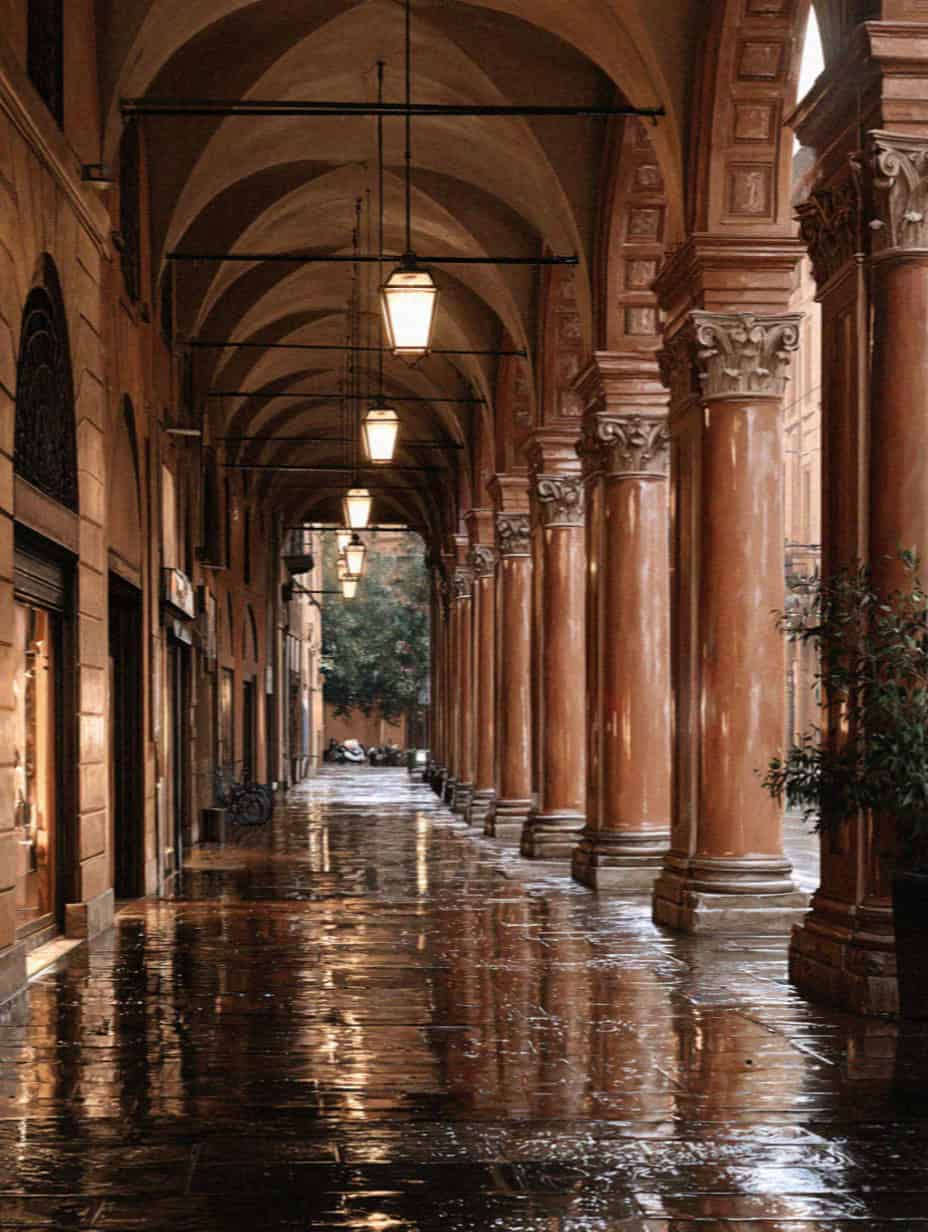
Autumn is my favourite time in Bologna, and I do not say that lightly. September holds onto the warmth of summer without the worst of the humidity, the students flood back in October and switch the city’s energy on again, and the food turns to everything I actually want to eat. This is when a plate of tagliatelle al ragù, the real flat egg ribbons with slow meat sauce, tastes like the whole point of the trip. The light in October is low and golden, and it does something extraordinary to the red porticoes on Via Farini and Via Santa Caterina.
And then there is the rain, which I have learned to love here rather than resent. When an autumn shower comes down, Bologna reveals the genius of its 62 kilometres of porticoes: you can walk half the city and stay perfectly dry, watching the wet cobbles shine under the arches while everyone else who planned a portico city gets to keep their plans. A rainy afternoon is a fine excuse for a long lunch, a slow espresso standing at the bar for around 1.20 to 1.60 euros, and an unhurried wander through the Archiginnasio courtyard. Autumn does bring the same trade-fair pricing as spring, so book ahead, but for weather, food and mood together, September and October are hard to beat.
Winter
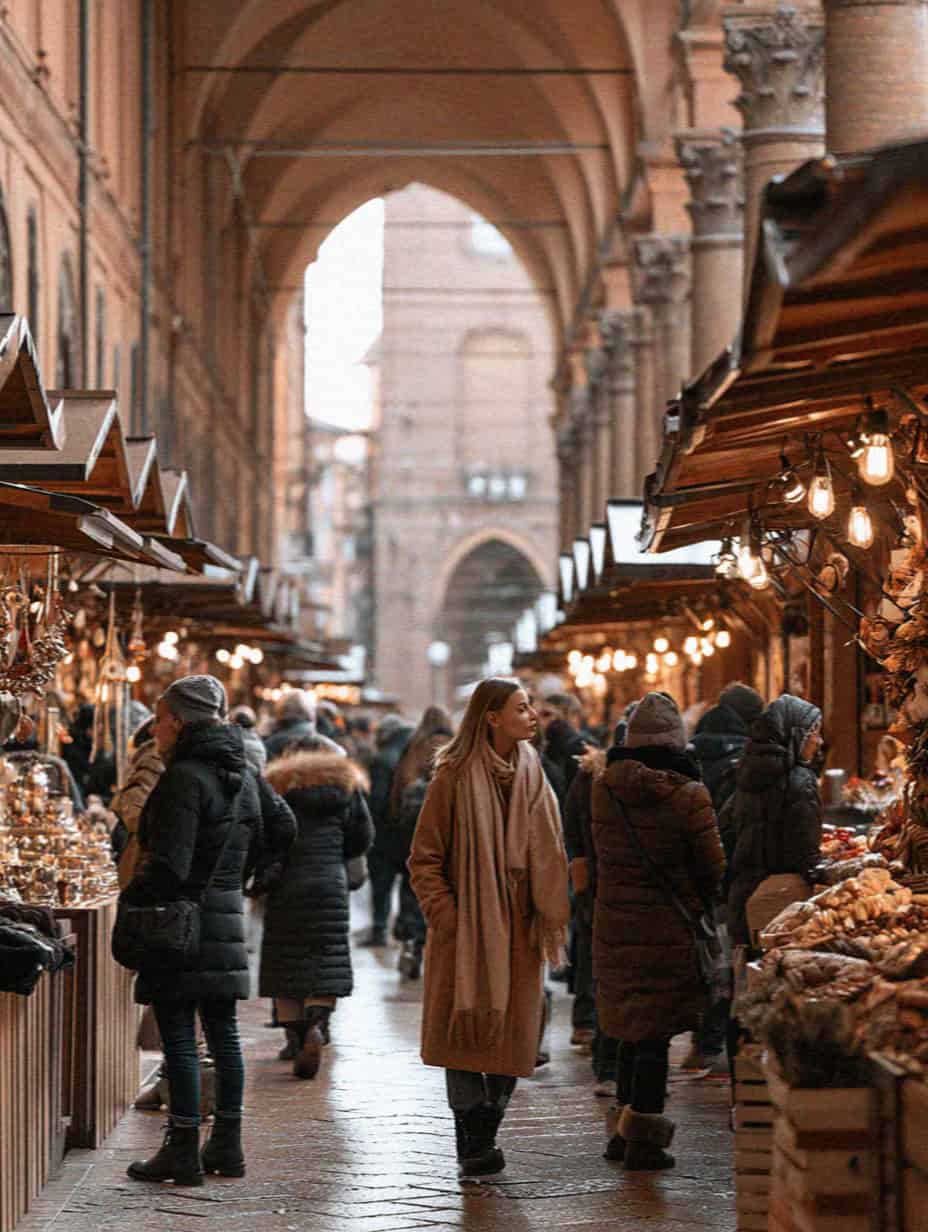
Winter in Bologna is cold, damp and often foggy, the kind of grey that settles over the Po Valley and does not lift for days. I will not pretend it is the postcard season. But it is, without question, the right weather for the city’s best cold-day food. A bowl of tortellini in brodo, the folded parcels bobbing in a steaming capon broth, is the Sunday and Christmas dish here, and it tastes like it was invented for exactly this fog. Passatelli and a carrello del bollito belong to winter too. You eat differently, and better, when it is cold outside.
The other reward is space. With the trade fairs quiet and the tourists thin on the ground, you get Bologna nearly to yourself, and hotel prices soften accordingly. December brings the Christmas markets, the loveliest of them the Fiera di Santa Lucia clustered under the portico of Santa Maria dei Servi on Strada Maggiore, the oldest market in the city, plus stalls on Piazza Maggiore. Wrap up warmly, keep to the porticoes when the drizzle sets in, and treat winter as the season for eating, museums and having the streets to yourself. It suits travellers who care more about atmosphere and food than about blue skies.
Festivals and Events
Bologna’s calendar can tip the balance if you are choosing between two months. In early February the city fills up for ART CITY and Arte Fiera, its big contemporary art weekend, when galleries and museums put on late openings and the whole town leans into art. Do check exact dates before you build a trip around them, as they shift year to year.
My own favourite fixture comes in late June: Il Cinema Ritrovato, a festival of restored classic films, screens many of them free and open-air in Piazza Maggiore after dark. Sitting in that square under the unfinished brick face of San Petronio watching an old film on a warm evening is one of the loveliest things you can do in Bologna, and it is worth timing a summer visit around, in the second half of June. Through the rest of summer the Bologna Estate programme keeps concerts, cinema and events running across the city, which is a real consolation if July or August is your only window. And in December the Christmas markets take over, the Fiera di Santa Lucia on Strada Maggiore first among them.
A Note on the University Calendar
One thing that shapes Bologna more than the weather is its student population. This has been a university city for the better part of a thousand years, and roughly from October to May, during term time, the city runs at full voltage. The bars along Via del Pratello and Via Zamboni are busy, the cheap and lively osterie fill up, the bookshops and cafes have that particular buzz of a place full of young people, and Bologna feels most like itself. If you want the city vibrant and social, come in term time.
The flip side is August, when the students go home along with half the residents, and the city empties. Some travellers genuinely prefer that hush, the emptied squares and the slower pace, and if you are one of them, so be it. But go in knowing the difference. Bologna in November with the students back is a different city from Bologna in mid-August with the shutters down, and neither the weather report nor the guidebook photos will tell you that.
Frequently Asked Questions
What is the overall best month to visit Bologna?
If I had to pick one, it would be a toss-up between late May and early October. Both give you mild weather in that comfortable 10 to 22 degree range, the students in town, and the food at its best, though both also fall in trade-fair season so you will want to book accommodation well ahead. May leans greener and fresher, October leans golden and cosy. You cannot really go wrong with either.
Is it worth visiting Bologna in August?
It can be, but only with your eyes open. It is hot and humid, and around Ferragosto in mid-August many restaurants and shops close for one to three weeks, so the city empties and some of the best places to eat are simply shut. If August is your only option, favour early in the month, check your key restaurants’ opening dates in advance, and lean on the Bologna Estate events programme for evening life.
Does Bologna get cold and rainy?
Yes. Winters are cold, damp and often foggy, and rain can arrive in any season. The good news is that Bologna is built for it: with around 62 kilometres of porticoes, some 40 kilometres of them in the centre, you can cross much of the city on a wet day and barely feel the rain. A rainy Bologna, honestly, is one of the most atmospheric versions of it.
Whenever you decide to come, this is only the weather half of the planning. For everything else, from where to sleep to what to eat, start with my complete guide to Bologna, which ties all the pieces together. Once your dates are set, my Bologna itinerary will help you shape the days themselves, and if you have a spare morning or two, my guide to the best day trips from Bologna will send you off to Modena, Parma and beyond by cheap regional train.