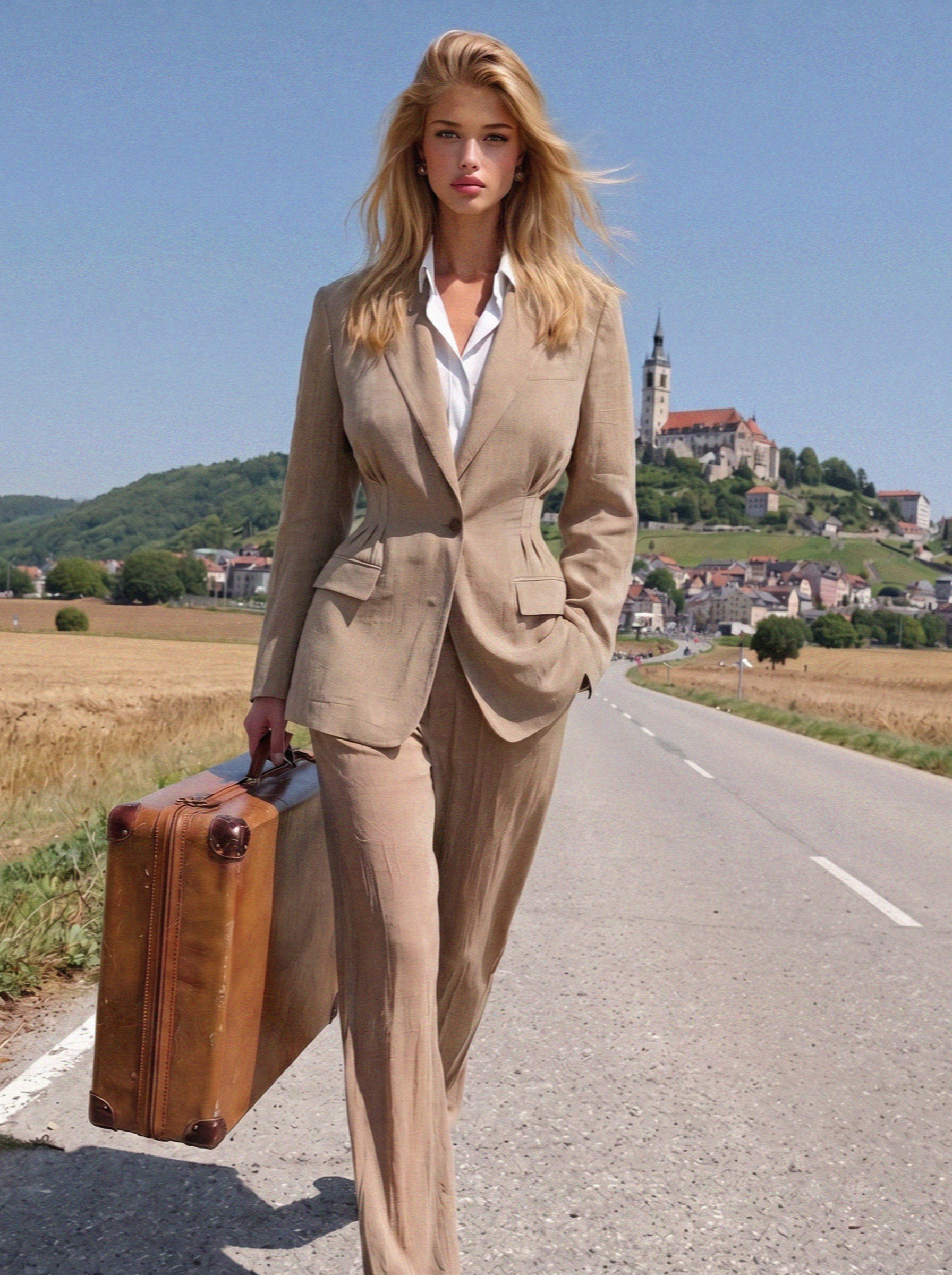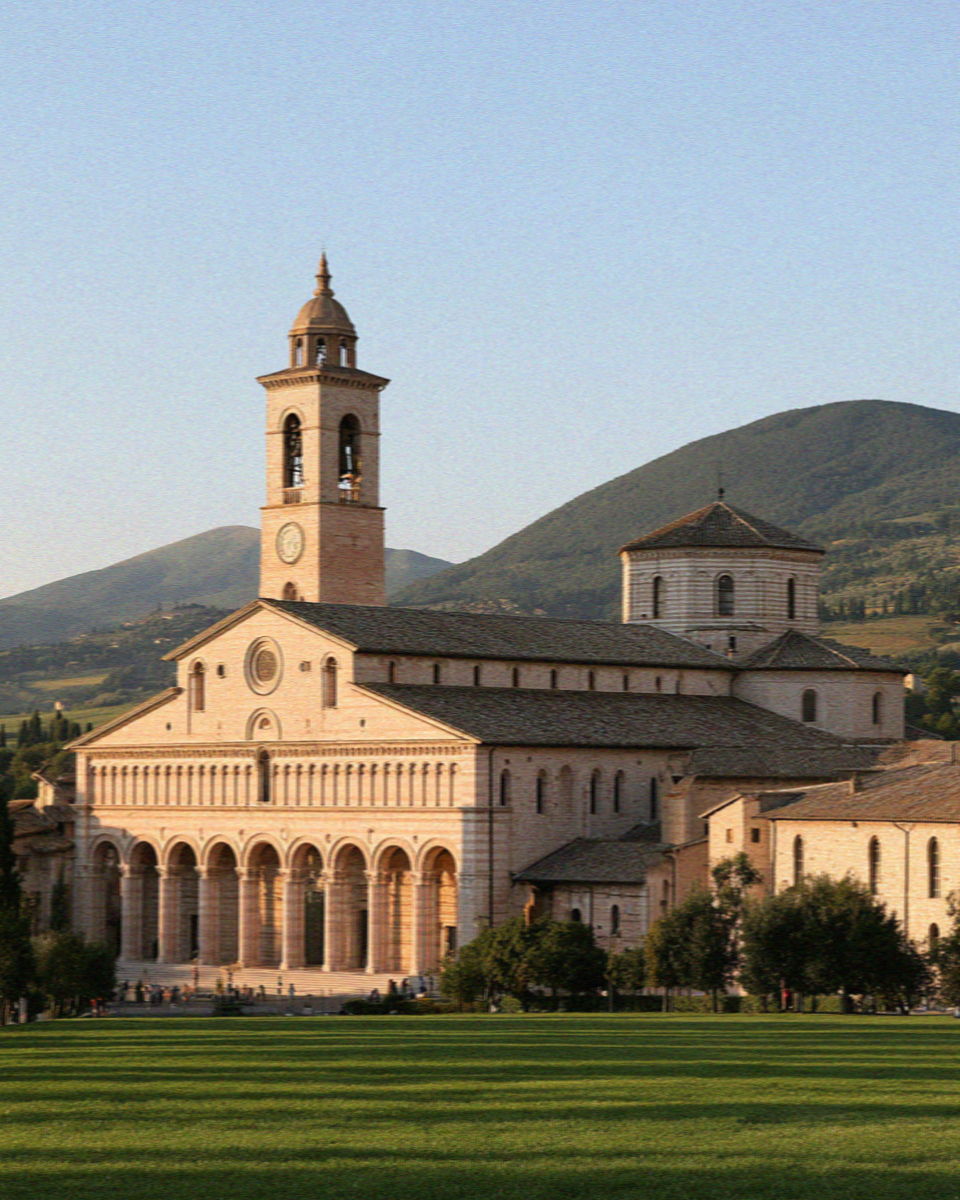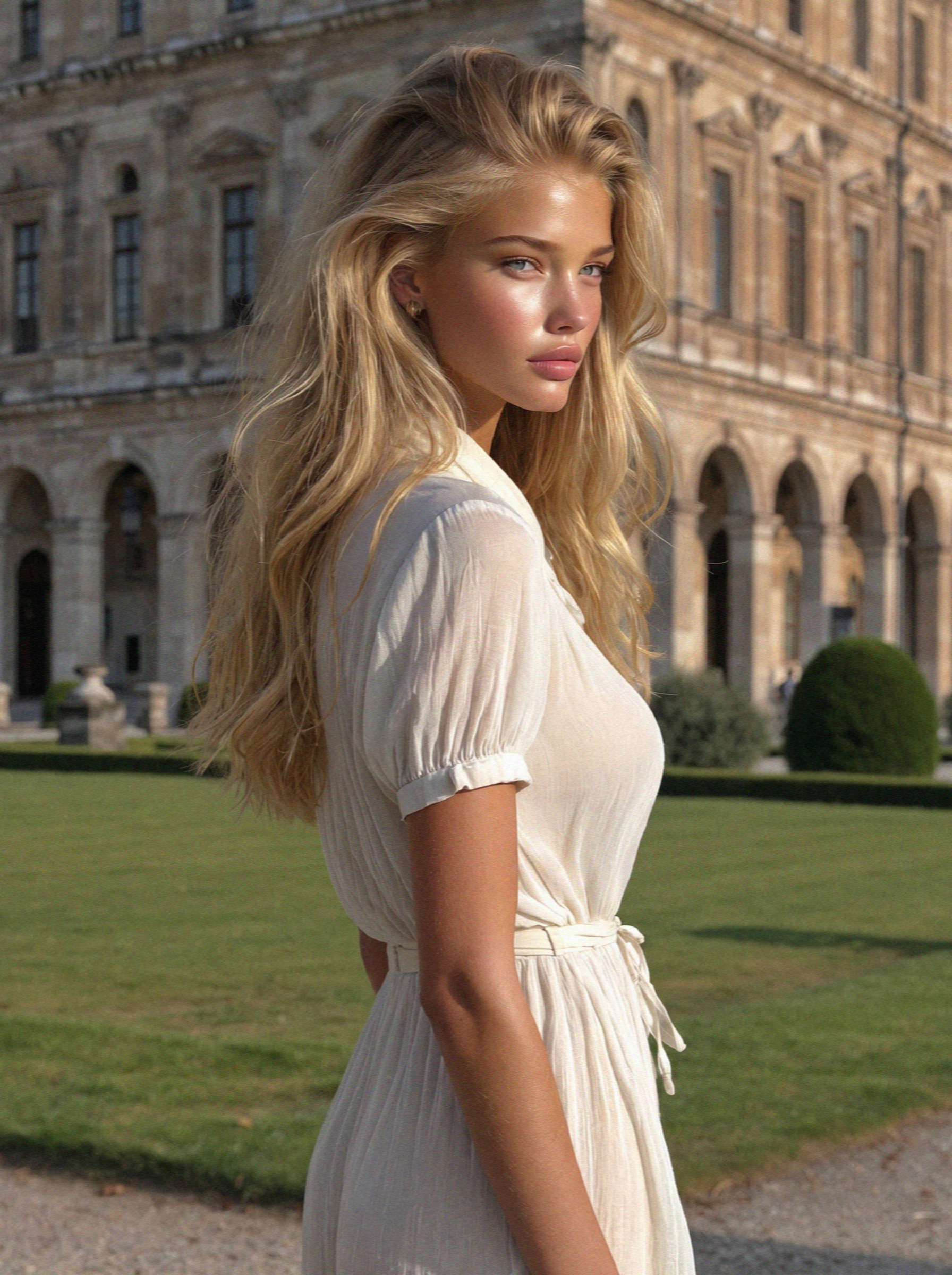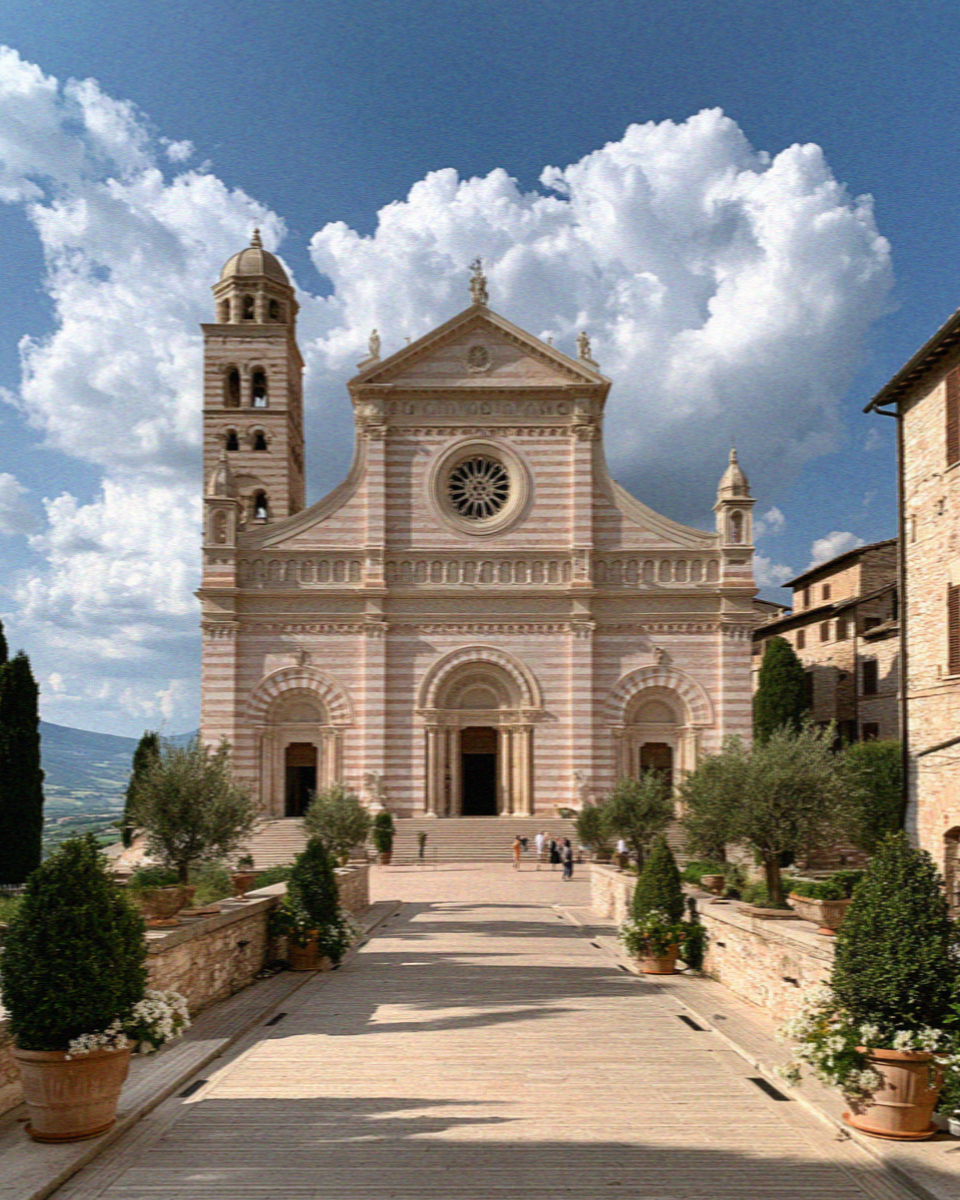
I did not plan to fall for Assisi. I came for the frescoes and stayed for the stone, which is the sort of thing you only understand once you are standing inside it. The whole town is cut from Monte Subasio, a pale rose limestone that behaves like a mood ring. Chalky and cool at midday, blush at breakfast, and then, at the end of the afternoon, it catches the low sun and turns the colour of honey held up to a lamp. I learned very quickly to be outside for that hour, whatever else I had promised myself.
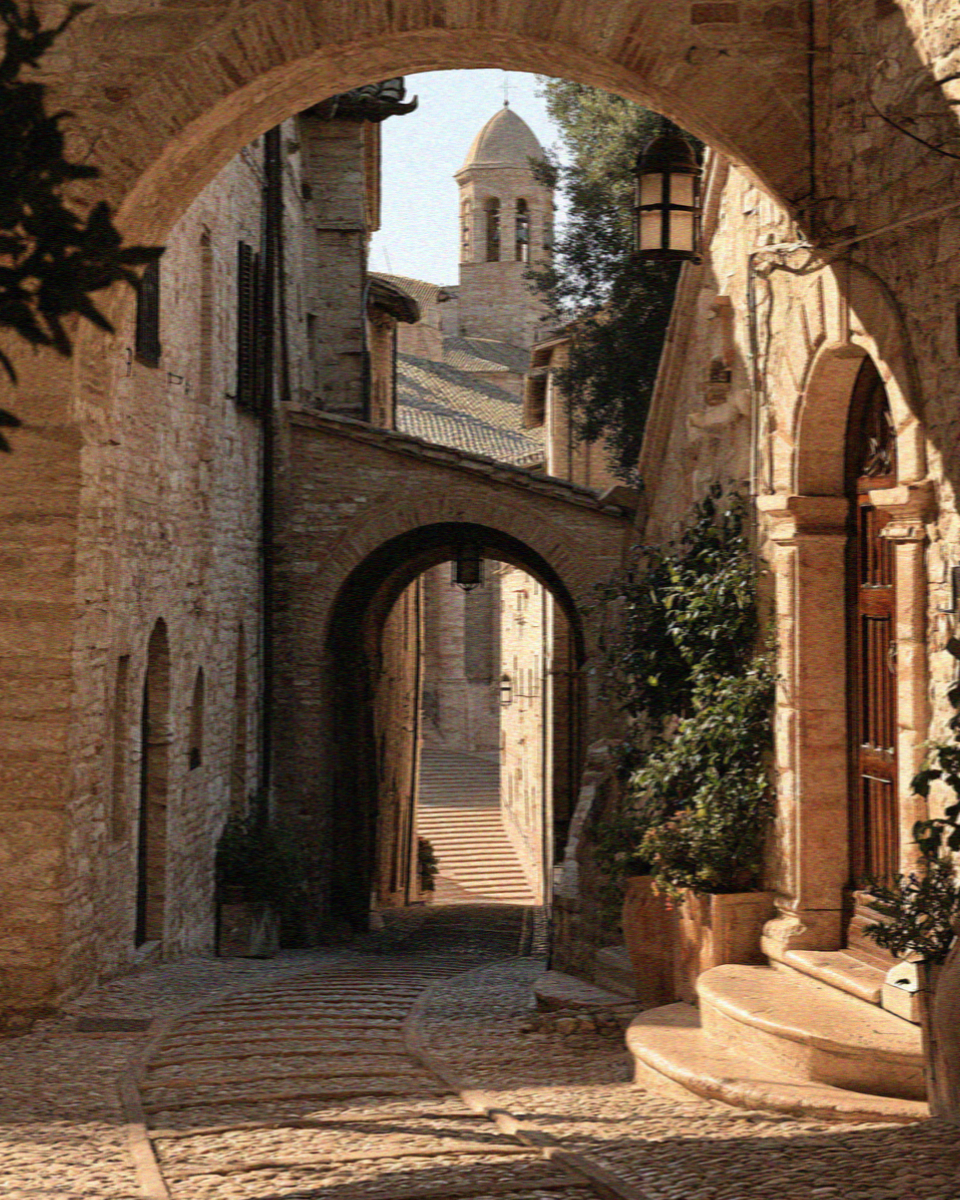
My days here settled into a rhythm I did not choose so much as inherit. The bells set it. They come loose across the valley in the morning, one church answering another, and somewhere in the middle of all that ringing I would find myself already walking, up a lane, down a stair, with no real destination. Assisi is small, twenty-odd minutes end to end, but it is stacked and steep, all cobbles and gradients, and the walking is never a straight line. You go up to come down. You follow an arch because it is beautiful and it delivers you somewhere you did not know existed.
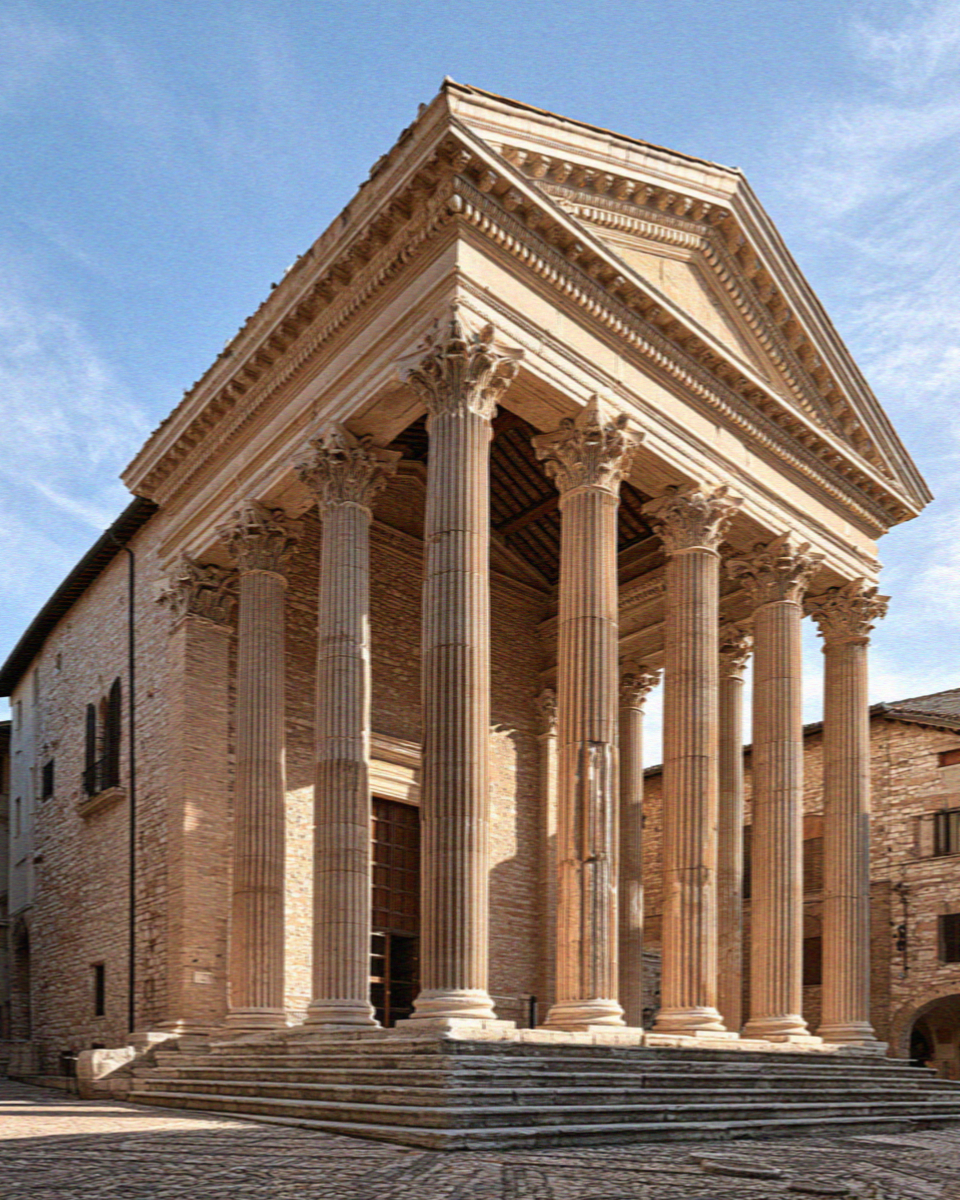
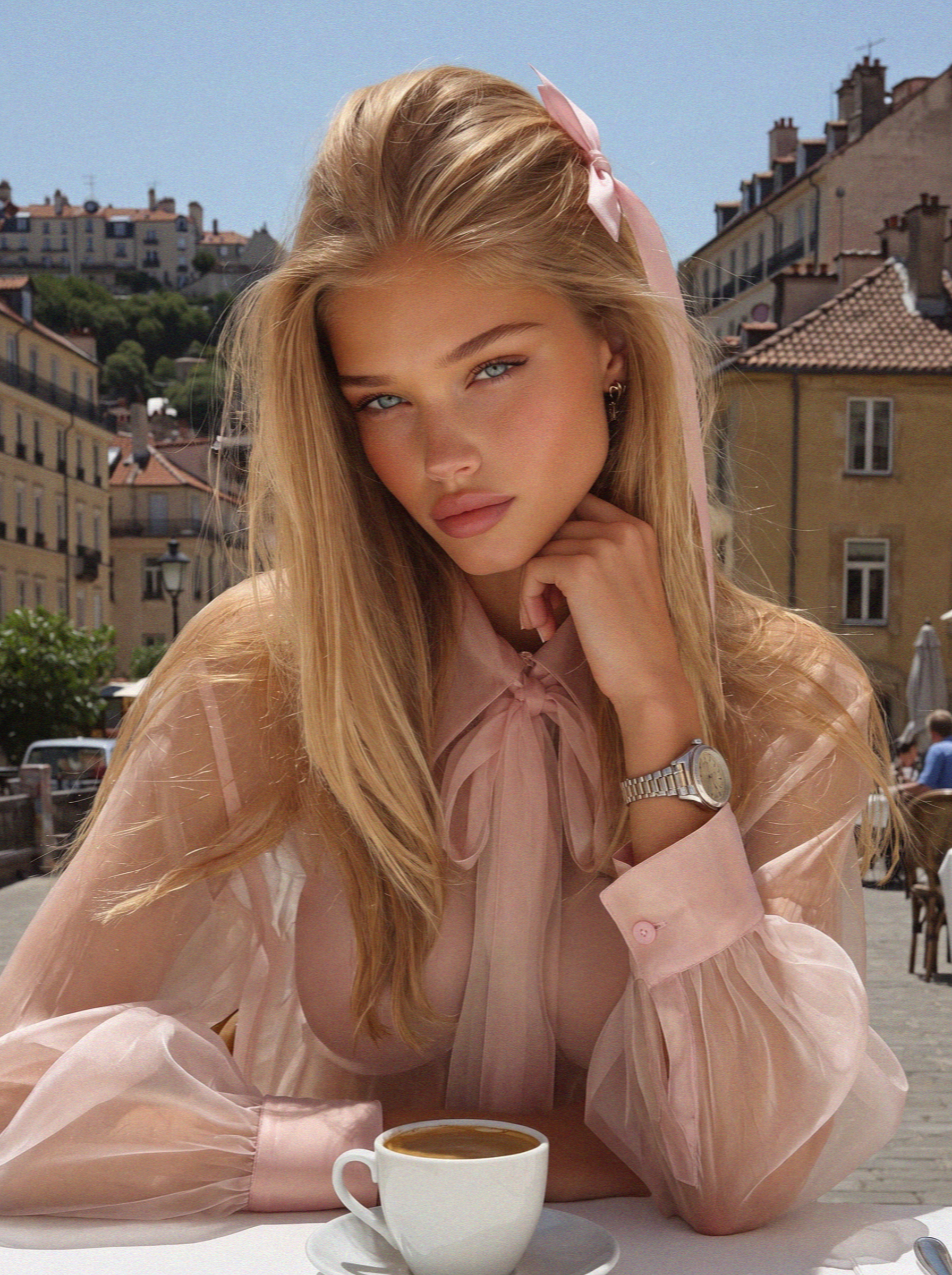
I took my coffee on Piazza del Comune, most mornings, at a terrace facing the Temple of Minerva. Six Roman columns, two thousand years old, holding up the front of a little church as if it were the most ordinary arrangement in the world, and I suppose here it is. I would sit with an espresso going cold and watch the square wake: the shutters, the delivery vans that should not fit and somehow do, a nun crossing at a clip, an old man greeting the barista by name. There is a Franciscan calm to Assisi that is not piety exactly, more a general agreement that no one needs to hurry. It gets into you. By the second day I had stopped checking the time.
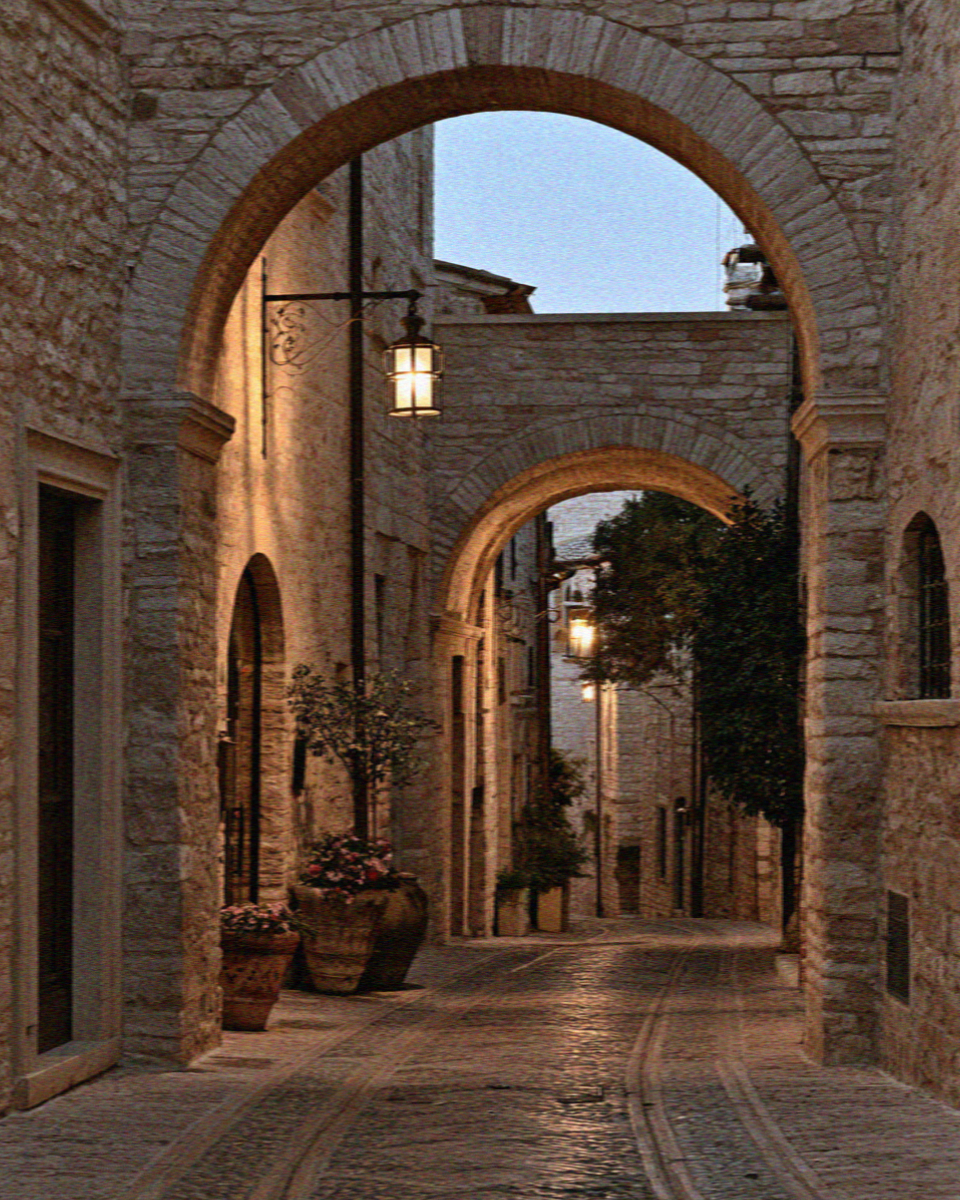
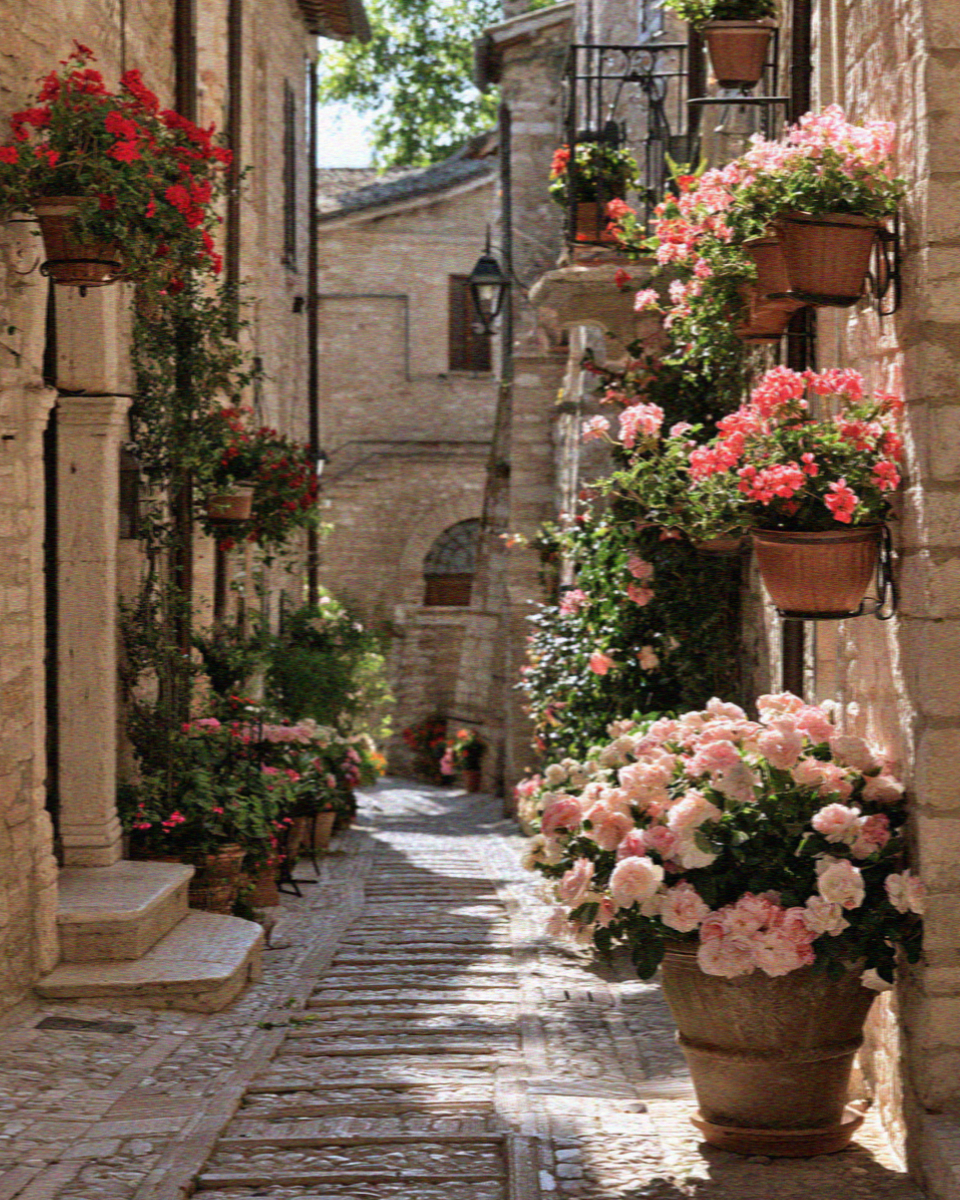
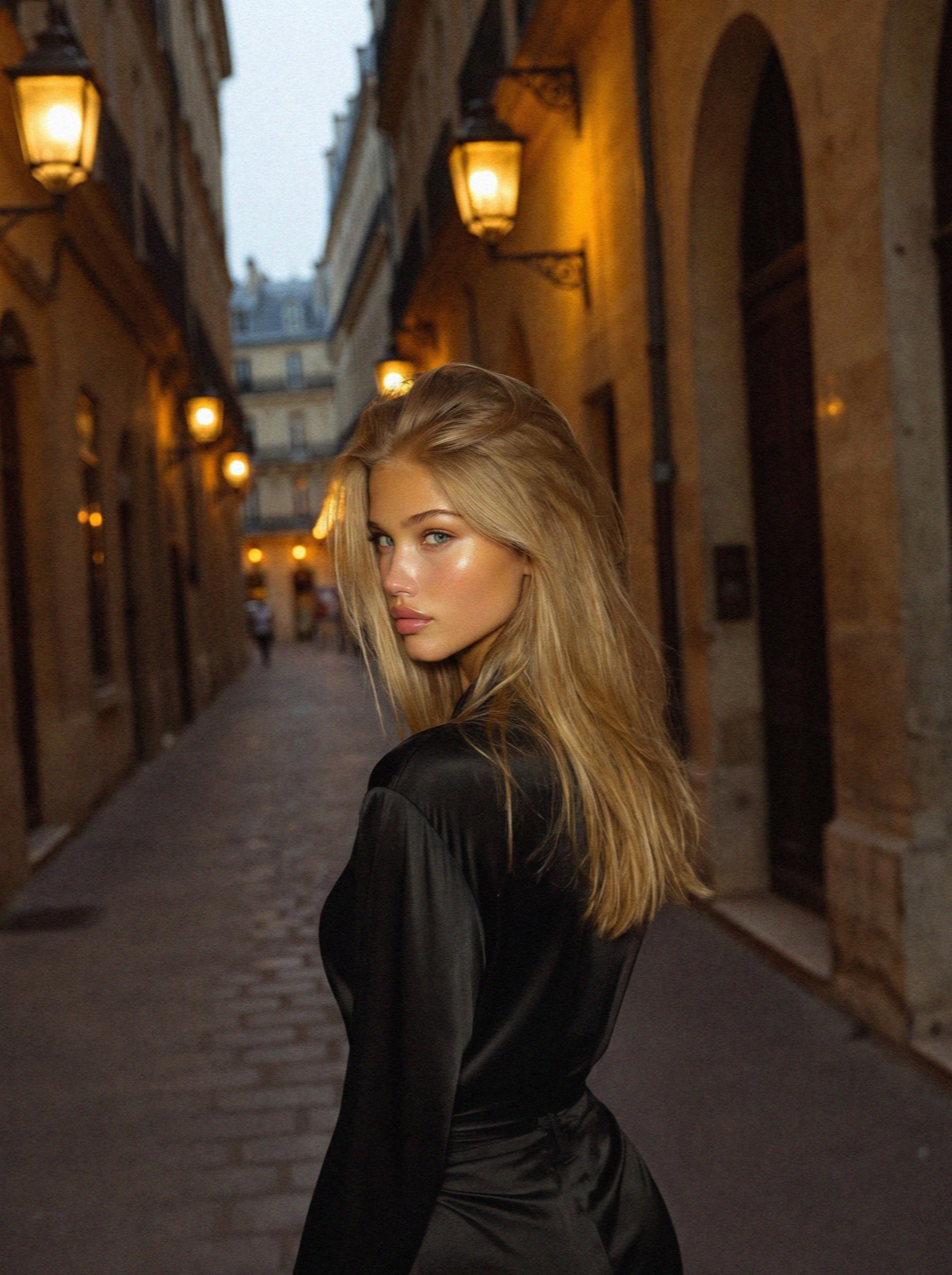
The vicoli are where I lost whole afternoons. These are the side lanes, barely shoulder-width, that thread between the main streets, and they are almost always empty. Geraniums in old tins. A cat asleep on a warm step. Washing strung high between two houses. When the light goes and the iron lamps come on, the pale stone drinks the glow and holds it, and the lanes turn soft and golden and faintly unreal. I photographed the same corner three evenings running and never got tired of it. If you only do one thing at twilight, wander the vicoli with no map and let yourself get a little lost. Nothing bad can find you up there.
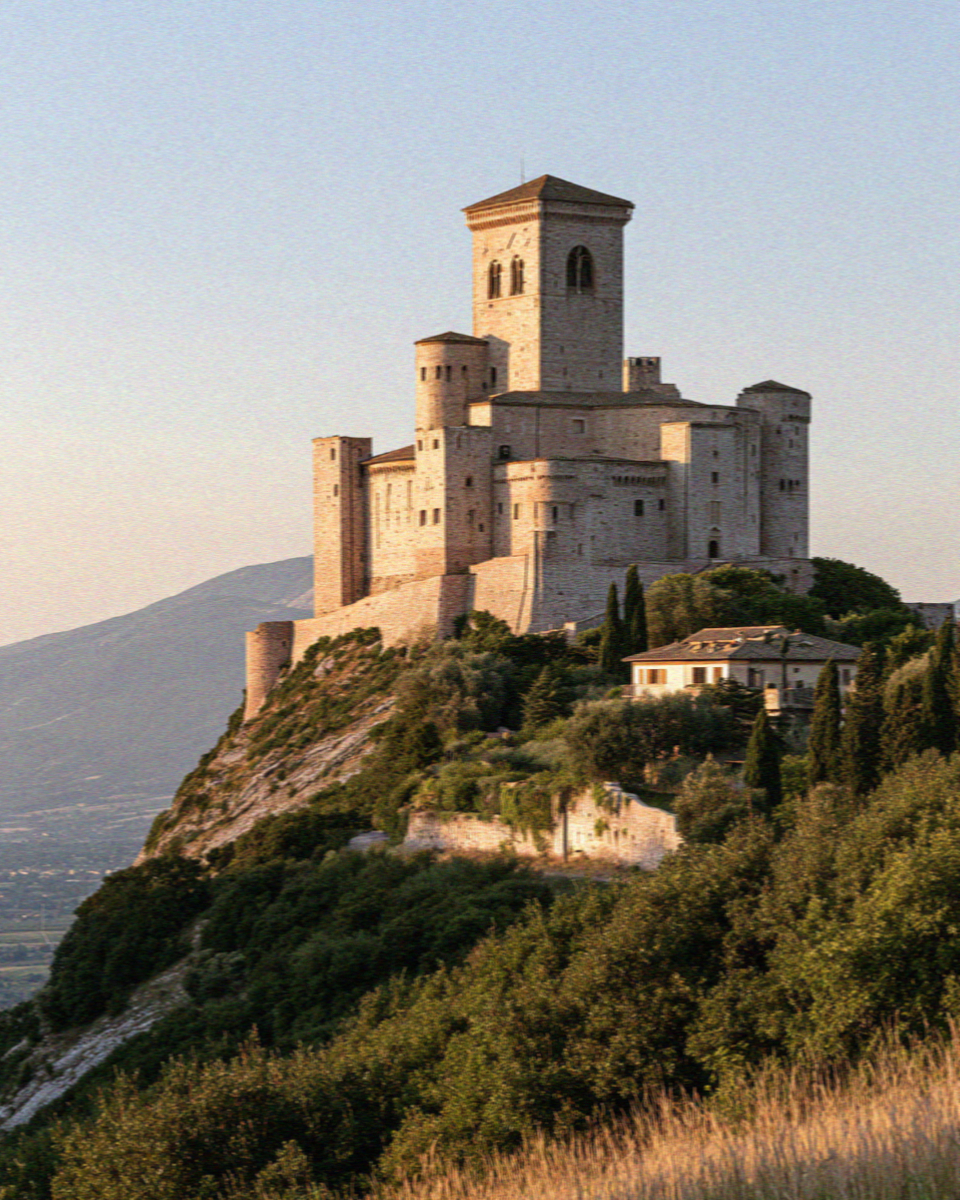
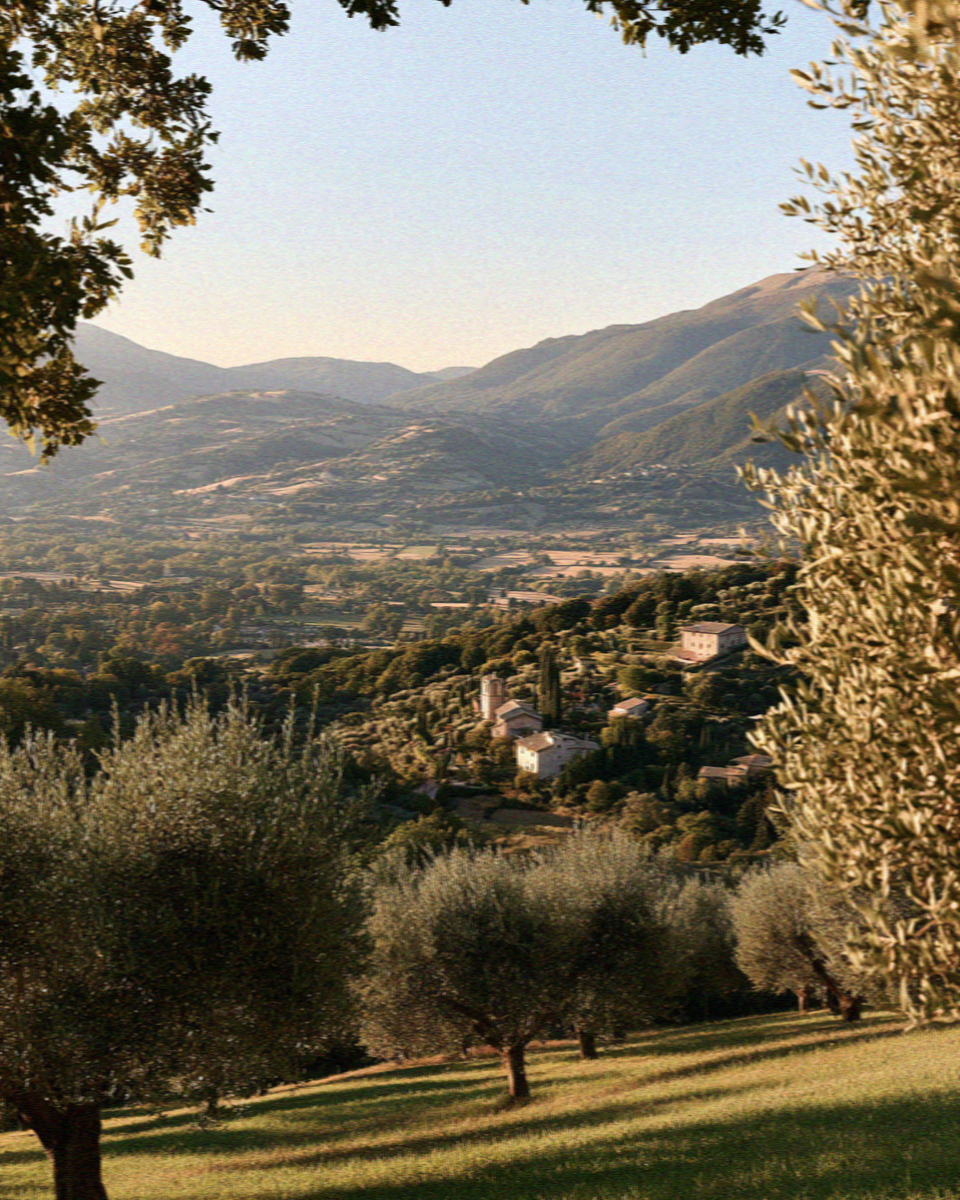
One afternoon I climbed to the Rocca Maggiore, the fortress on the hill above the roofs. It is a proper haul, all breath and calf, but the reward is the whole of it laid out: the Basilica anchoring the western end, the terracotta roofs tumbling down, and beyond the walls the valley going hazy and blue toward Perugia, olive groves silvering in the wind. I stayed until the swifts came out. You feel very small up there, in the good way, the way that makes your own worries seem like weather that will pass.
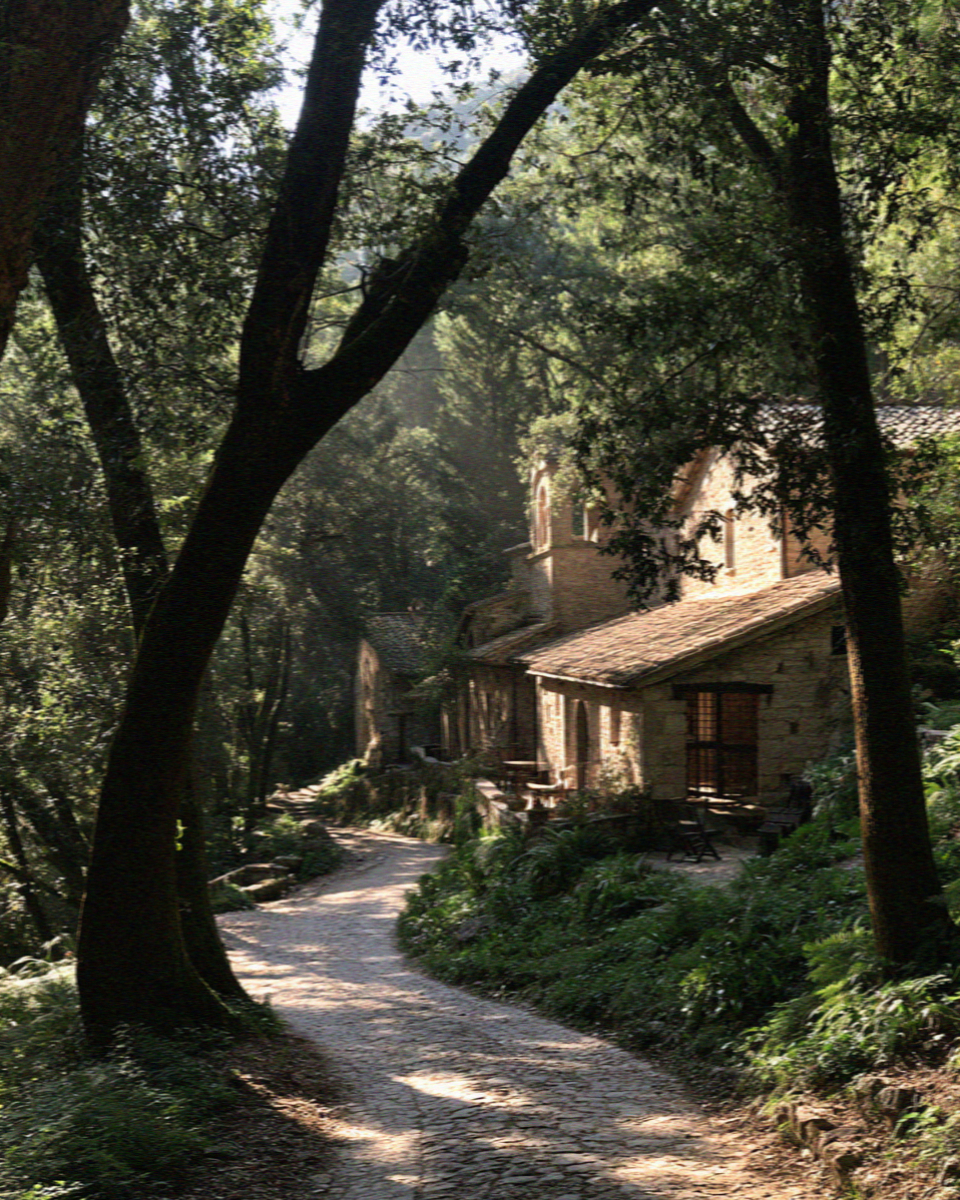
But it was the quieter places that stayed with me. San Damiano, a short walk down below the walls, where Clare and her sisters lived and where Francis is said to have written his canticle to the sun. Hardly anyone there. Just cypress, a worn cloister, the smell of wax and cut grass. And higher up, the Eremo delle Carceri, the forest hermitage on the mountain, where the noise of the world simply stops and you can hear the wind moving through the holm oaks. I sat on a stone wall and did nothing at all for the better part of an hour, and it felt like the most useful thing I had done in months.
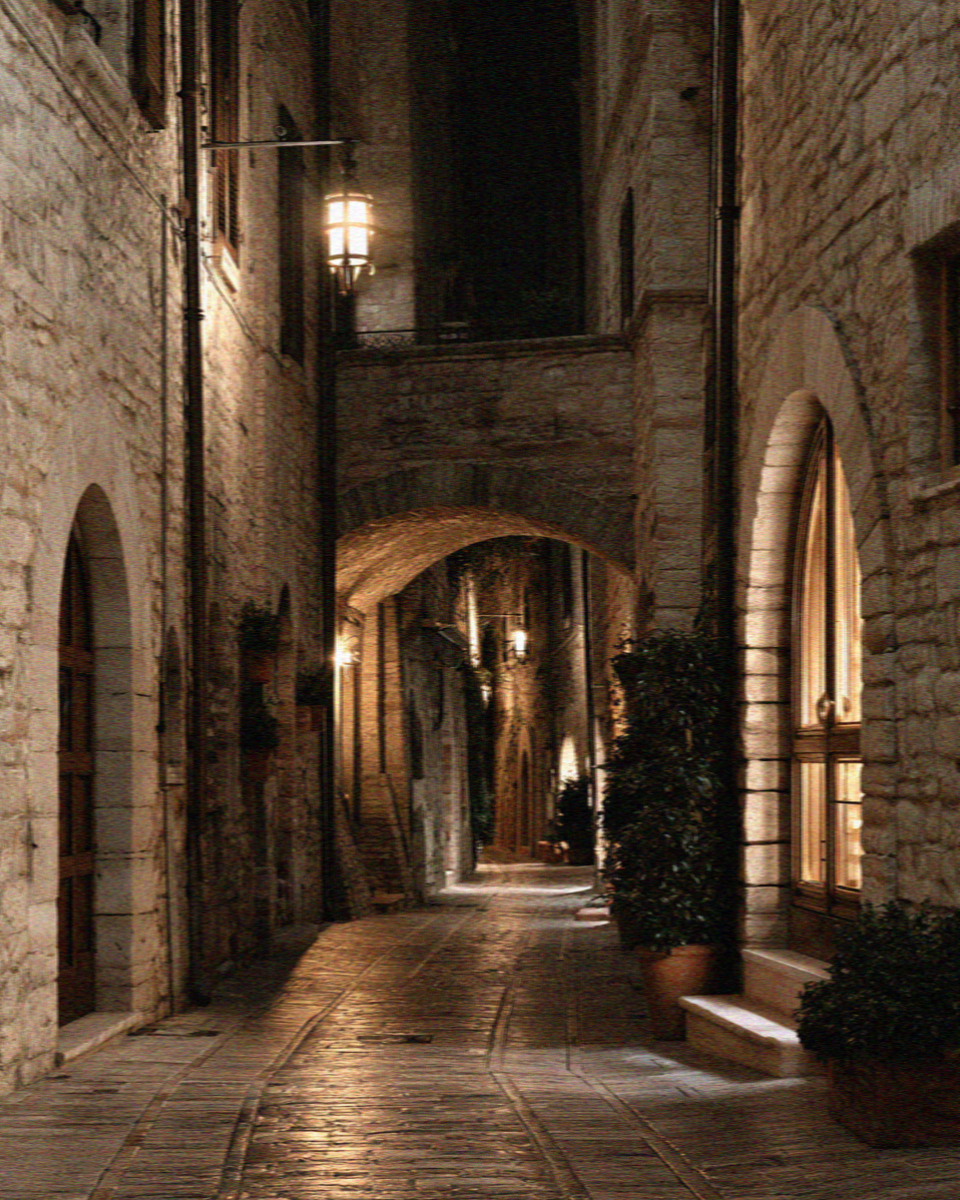
I have written the practical version of all this in my complete guide to Assisi, the where and the when and the how. But this is the other version, the one that does not fit in a guide. My last evening I walked the lanes one final time, lamplight on rose stone, a bell somewhere below, and I understood that I had not really been sightseeing at all. I had been slowing down, and the town had let me. That is what I brought home from Assisi, and it is the thing I keep going back for.