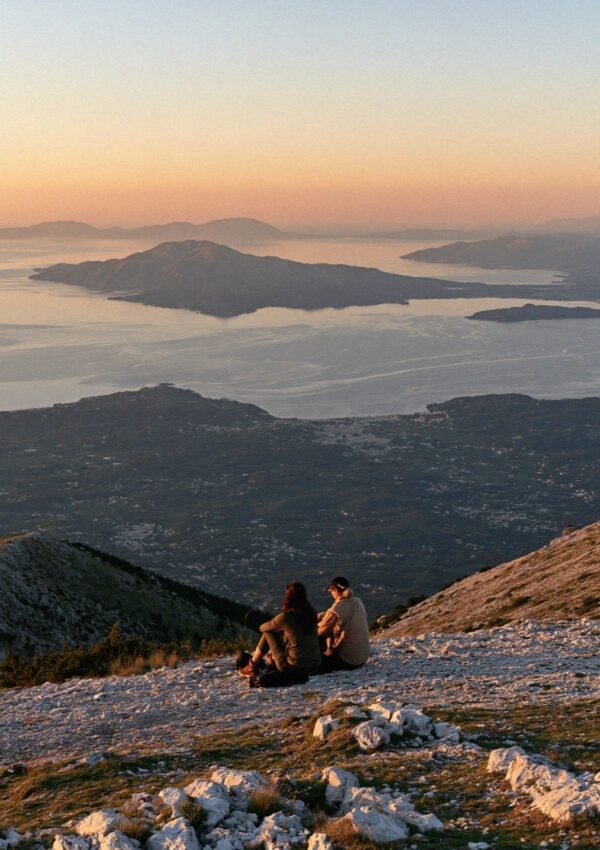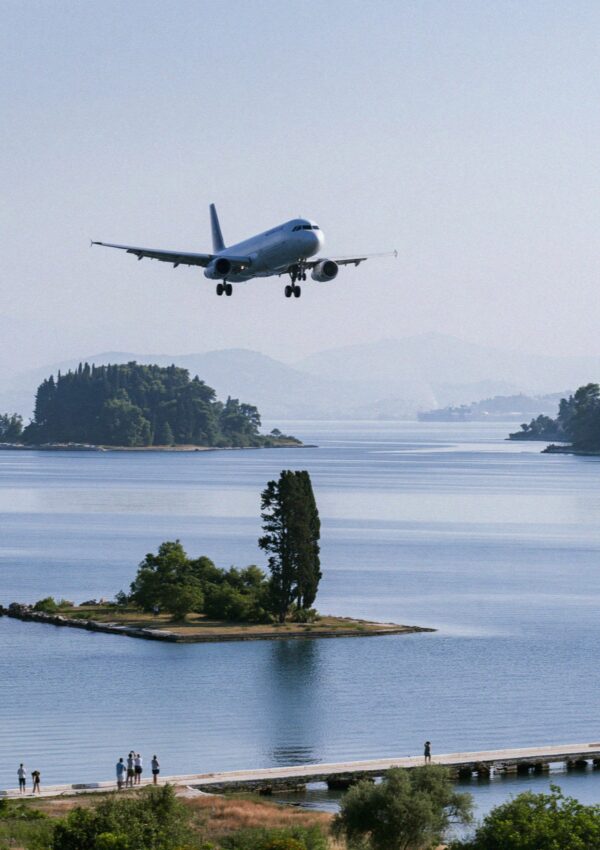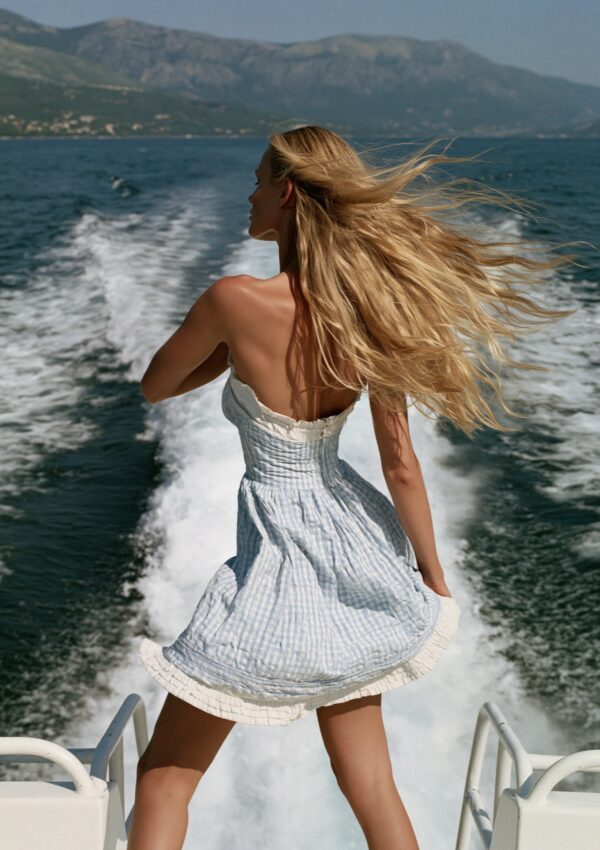
The best time to visit Corfu is September, with late May and June close behind. Those are the months when the sea is warm, the days are long and hot without being punishing, and the island has room to breathe.
Corfu is the greenest and wettest of the Greek islands, which is why it is all olive and cypress instead of bare rock. The rain falls mostly in autumn and winter, and it shapes when to come as much as the heat does. This guide goes season by season, then month by month. For everything else, see my complete guide to Corfu.
The short answer
For swimming and weather together: September. Highs around 27 to 28 C, a sea at about 24 C, and only around six days of rain in the month.
For flowers, walking and lower prices: May. The island is at its greenest, the sea is cooler at around 19 C, and the crowds have not arrived.
For Easter: the week of Orthodox Easter, which in 2027 falls on Sunday 2 May. Book early.
For heat and the full summer buzz: July and August, with highs around 31 to 33 C. Also the busiest and most expensive weeks.
Not for a beach holiday: November to March. Mild, wet and quiet, with many hotels and tavernas shut.
Spring: April and May
Spring is when Corfu shows you why people call it green. After the winter rain the olive groves fill with wild flowers, and the hills are bright. It is the season for walking, for the Old Town without queues, and for drives into the hills.
April is still changeable. Highs are around 19 C and the sea is cold, about 16 C, so this is a month for walking rather than swimming, and there are still showers on perhaps a dozen days. The main sites move to their summer hours at the start of the month: the Old Fortress opens 08:00 to 20:00 from 1 April, and Angelokastro on the west coast opens for the season the same day.
May is the turn. Highs reach about 23 C, rain drops off, and by the end of the month the sea is near 19 C, bracing but swimmable on a still afternoon. Beach tavernas and boat trips start to open up through the month, more of them each week, though dates vary by place and by year, so check the specific one you want. Prices are still well below summer.
Easter in Corfu
No Easter in Greece is better known than Corfu’s, and if you can time a trip to it, do.
The whole of Holy Week is marked in the Old Town with processions, and the island’s philharmonic bands play in them. Corfu has 18 of these bands, the first founded in 1840, and hearing them march through the lanes behind the Epitaph is something the island does like nowhere else. I wrote about the bands in The Band They Started by Accident.
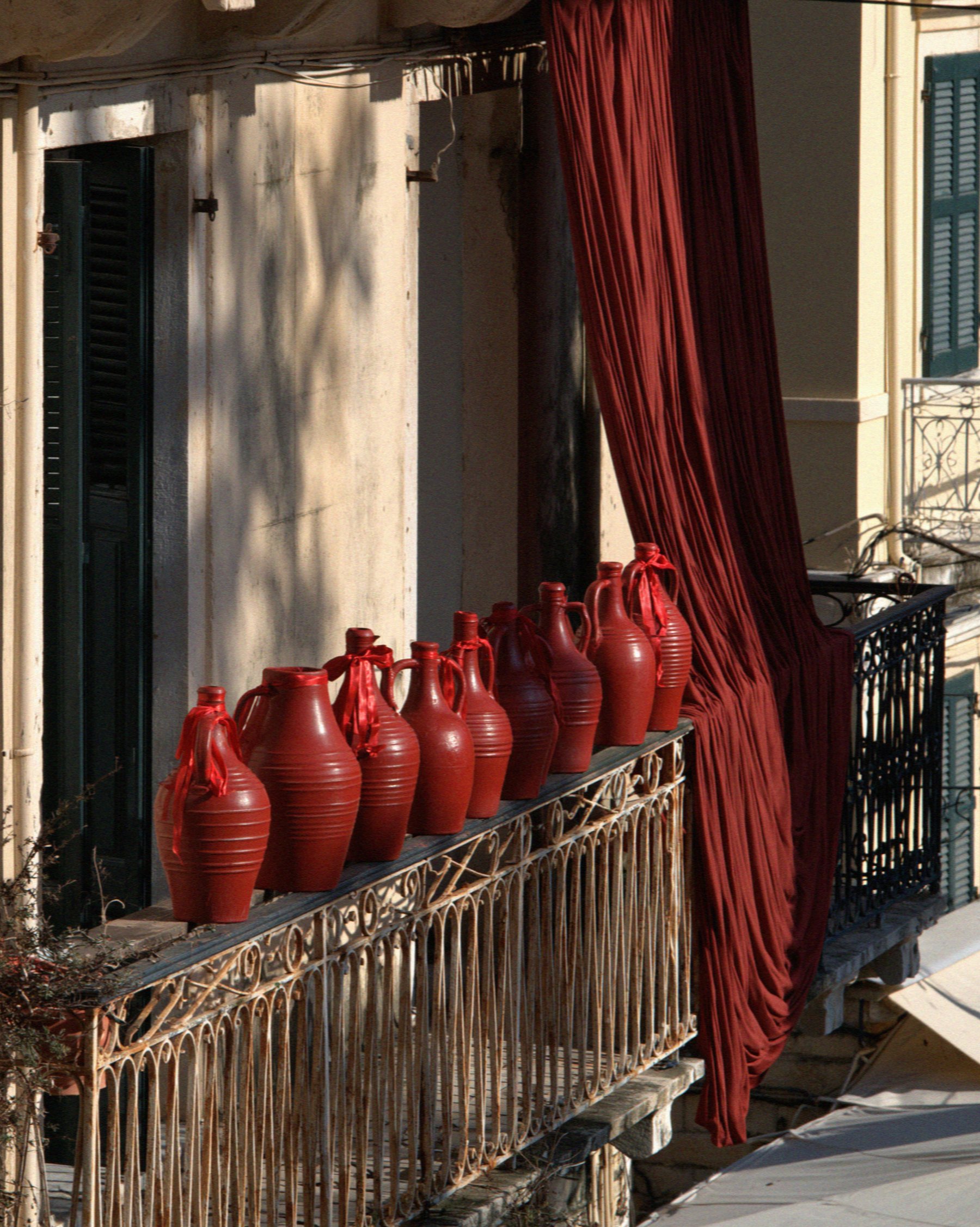
The moment everyone comes for is on Holy Saturday at 11:00. Once the saint and the Epitaph have been carried through the streets that morning, the botides come down: big red clay pots filled with water, hurled from the balconies into the streets, and they smash on the stone with a noise like a small explosion. The crowd is thickest around the Liston and the Spianada. Arrive early to find a place to stand, and do not stand directly under a balcony.
Orthodox Easter 2027 is on Sunday 2 May, which makes Holy Saturday 1 May. That is a late Easter, so the weather should be warmer than in an early year. Hotels in Corfu Town tend to fill early for Easter week, so book well ahead, and expect higher prices that week than either side of it.
Orthodox Easter often falls on a different date from Western Easter, so always check the Orthodox date for the year you are travelling.
Summer: June to August
June is the best of summer. Highs are about 28 C, the sea warms to around 22 C, the days are the longest of the year, and the real crowds have not yet arrived. If September does not suit you, choose June.
July and August are hot, with highs around 31 to 33 C and a sea at about 24 to 25 C. Rain is rare. This is the peak, and Corfu is a popular island: beaches fill by late morning, the roads to Paleokastritsa and Sidari slow down, the Old Town is crowded when the cruise ships are in, and prices for rooms and villas are at their highest. Book early, especially for villas on the north-east coast, where there are not many.
Swim early and late, spend the middle of the day in the shade of a taverna, and head for the north-east, where the coves are calmer. And on 11 August, the relics of Saint Spyridon are carried through town in a procession that commemorates the island’s deliverance from the Ottoman siege of 1716.
September
September is the month I would choose, and it is the month I was there.
Highs are about 27 to 28 C, the sea is still at about 24 C after a summer of heating, there are only around six days of rain, and the August crowds have gone home. The light softens and the evenings cool a little. In the Old Town in the evenings I could hear the bands practising, and in the hills the olive groves were quiet in the heat of the afternoon.
Boat trips to Paxos and the caves still run, and the ferries to Albania are frequent.
The only catch is that September has become popular for exactly these reasons, so the first half of the month can still be busy. The second half is the sweet spot.
October
October is a good month with a warning attached. Highs are about 22 to 23 C, the sea is still around 22 C, warm enough to swim, and the island is quieter and greener. But rain picks up sharply, to around ten days in the month, and when it rains on Corfu it can rain hard.
The pattern is often a heavy storm followed by clear, washed days, and those days can be beautiful. Plan flexibly: keep a beach or a boat day free to move, and do the Old Town and the museums when it is wet. Through the month, more seasonal places begin to close, and the summer hours at the main sites run until 31 October.
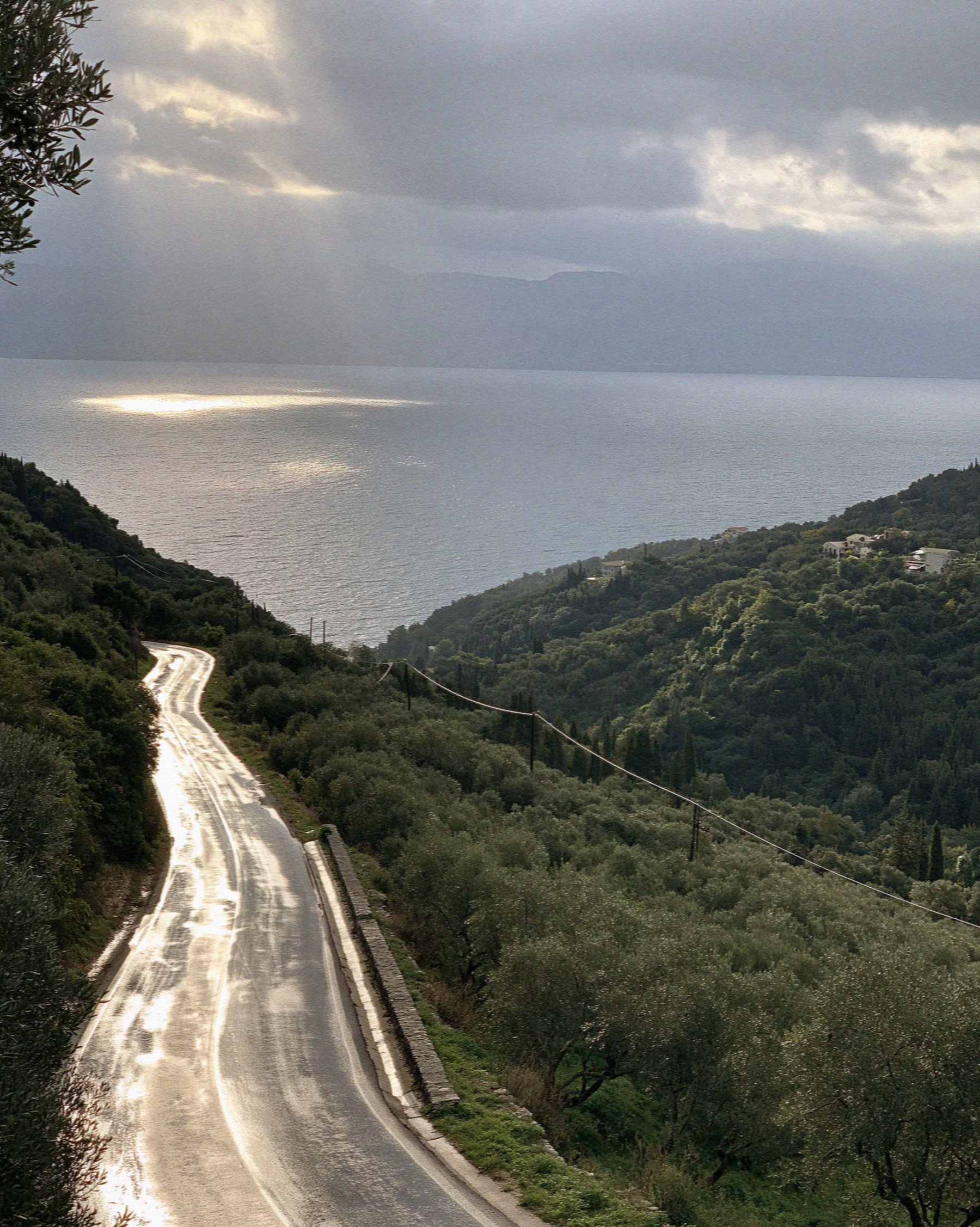
Winter
From November to March Corfu is mild, green and wet. Highs sit around 13 to 18 C, November and December are among the wettest months of the year, and many hotels, beach tavernas and resorts close for the season.
Corfu Town keeps going, though. It is a real town where people live, and plenty of its cafés and restaurants stay open. A short winter trip based in the Old Town, with walks, museums and long lunches, can be lovely if you accept the rain.
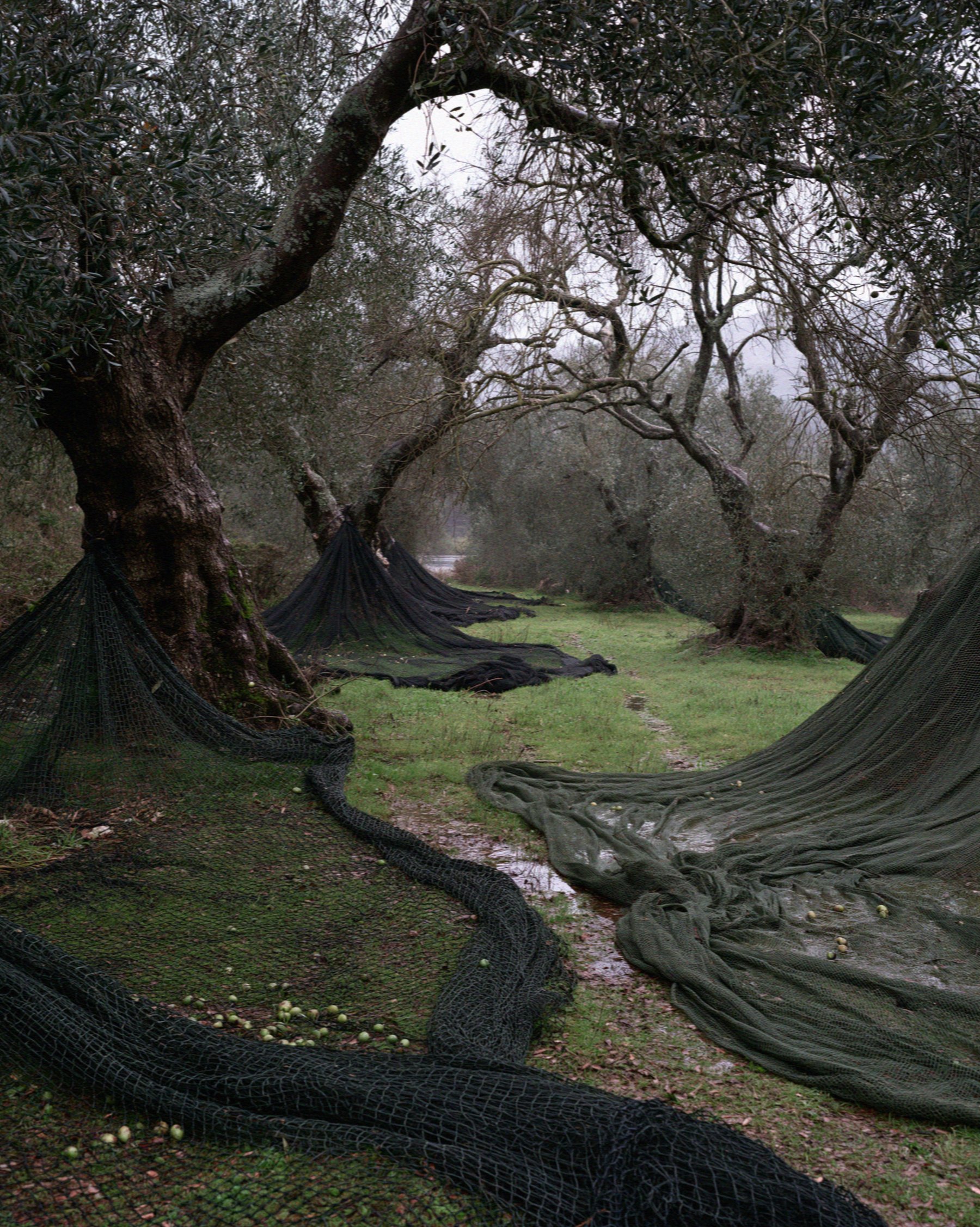
Winter is also the olive harvest. Nets are spread under the trees to catch the fruit, laid out across the ground of the groves like dark sheets. I wrote about those enormous, unpruned trees in Nobody Prunes Them.
Two practical points. Ferry sailings thin out, and from about mid November you can no longer reach Albania and get back in a day. The main archaeological sites move to shorter winter hours (the Old Fortress closes around 15:30). Check before you go.
Month by month
Figures are long-term averages for Corfu Town: daytime high, sea temperature, and roughly how many days in the month bring rain.
- January: high 13 C, sea 15 C, about 14 rain days. Quiet, wet, olive harvest.
- February: high 13 C, sea 15 C, about 13 rain days. Quiet and green.
- March: high 16 C, sea 15 C, about 13 rain days. Spring begins, still wet.
- April: high 19 C, sea 16 C, about 12 rain days. Flowers, walking, Easter in some years.
- May: high 23 C, sea 19 C, about 9 rain days. Green, fresh, the season opening. Easter in 2027.
- June: high 28 C, sea 22 C, about 6 rain days. Long days, warm sea, not yet crowded.
- July: high 31 C, sea 24 C, about 4 rain days. Hot and busy.
- August: high 31 to 33 C, sea 25 C, about 4 rain days. Peak heat, peak crowds, 11 August procession.
- September: high 27 to 28 C, sea 24 C, about 6 rain days. The best month.
- October: high 22 to 23 C, sea 22 C, about 10 rain days. Warm sea, more rain, quieter.
- November: high 18 C, sea 19 C, about 14 rain days. Wet, much of the coast closed.
- December: high 14 C, sea 17 C, about 15 rain days. The most rain days of the year.
Once you have your dates, my guide to where to stay in Corfu will help you choose a coast for the season, where to eat in Corfu covers the dishes and tavernas worth planning around, and getting to Corfu explains the flights and ferries. Everything else is in my complete guide to Corfu.
Frequently Asked Questions
What is the best month to visit Corfu?
September. The sea is still at about 24 C after the summer, highs are around 27 to 28 C, there is little rain, and the August crowds have gone. June is the best alternative.
When is Easter in Corfu in 2027?
Orthodox Easter 2027 is on Sunday 2 May, so the famous pot throwing in Corfu Town starts at 11:00 on Holy Saturday, 1 May.
Is October a good time to visit Corfu?
Yes, with flexibility. The sea is still around 22 C and the island is quieter, but October brings around ten days of rain, often in heavy bursts, and seasonal places begin to close.
When is the sea warm enough to swim in Corfu?
From June to October, when it sits between about 22 and 25 C. In late May it is about 19 C, which is bracing but fine for many people.
Is Corfu worth visiting in winter?
For a short town break, yes. Corfu Town stays open and the olive harvest is under way, but winter is mild and wet and many coastal hotels and tavernas are closed.
Read also: Where to Stay in Corfu: Choosing Your Base | Where to Eat in Corfu and What to Order | Victoria’s Complete Guide to Corfu