The carpet goes down in the late afternoon, when the light off the Croisette has gone the color of weak tea, and for an hour or so it belongs to no one. Men in gloves smooth it flat with their hands. Someone walks the length of it with a lint roller. I have watched this from the far barrier more than once, and it is the part I love, the empty stage before the theatre.
Behind it the Palais des Festivals stands square and unlovely, a great concrete box on the Boulevard de la Croisette. It was built for congresses and conventions, and it looks it. For most of the year it holds trade fairs. Then every May the town gives it back to the movies, and the box becomes the one place on earth where cinema is crowned.
I live near enough to come and stand here. If you are planning a trip around it, start with Victoria’s Guide to the Cannes Film Festival, which holds the wider map. This is the smaller story. The steps, the door, the dark room behind it.
The concrete box on the Croisette
The Palais des Festivals et des Congrès opened in 1982, its second home. The first Palais stood further along the seafront and is gone now. This one sits at the western end of the Croisette, where the pleasure port begins, the yachts lined up bow to stern like a sentence with no end.
By day it is nothing to look at. There is a handprint walkway near the entrance, the Allée des Étoiles, where directors and actors have pressed their palms into wet cement, and tourists crouch to fit their own hands into the hollows. I have done it too. The cement remembers people the town has half forgotten.
Then the sun drops, the barriers go up, and the box wakes. The festival runs 12 to 23 May in 2026, its 79th edition, with Park Chan-wook presiding over the jury. For twelve nights the plainest building in Cannes is the only one anyone looks at.
The Montée des Marches
The red carpet has a name, and the name is the thing itself. La Montée des Marches, the climbing of the steps. There are twenty-four of them. Everyone counts them differently and everyone is a little wrong.
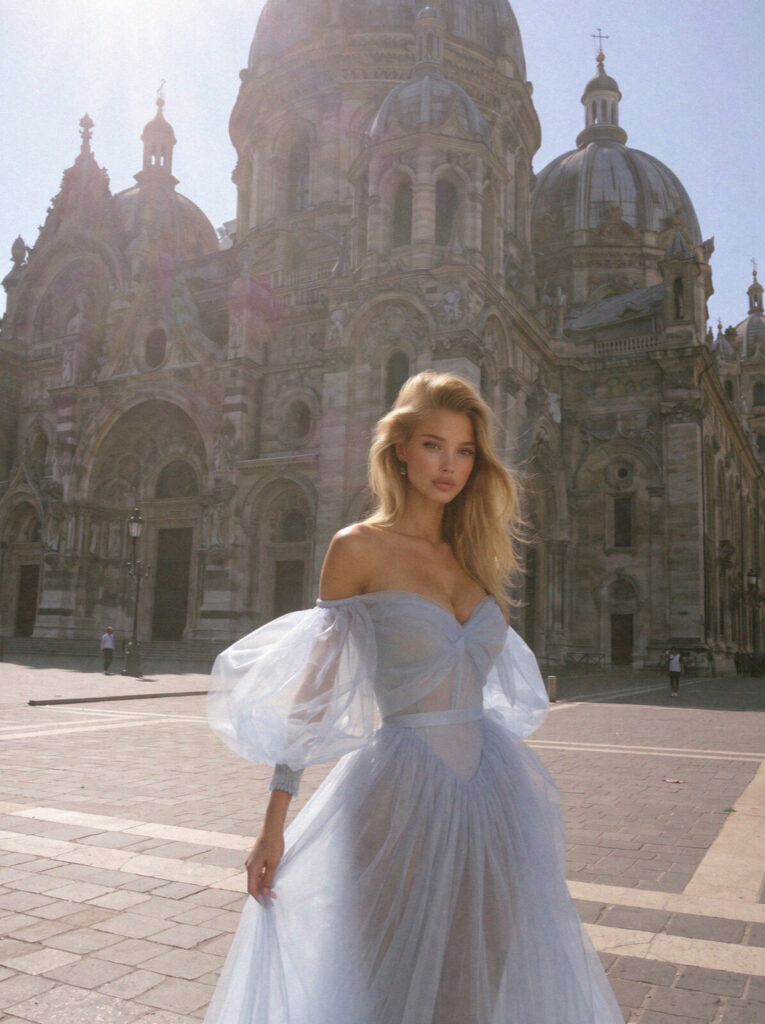
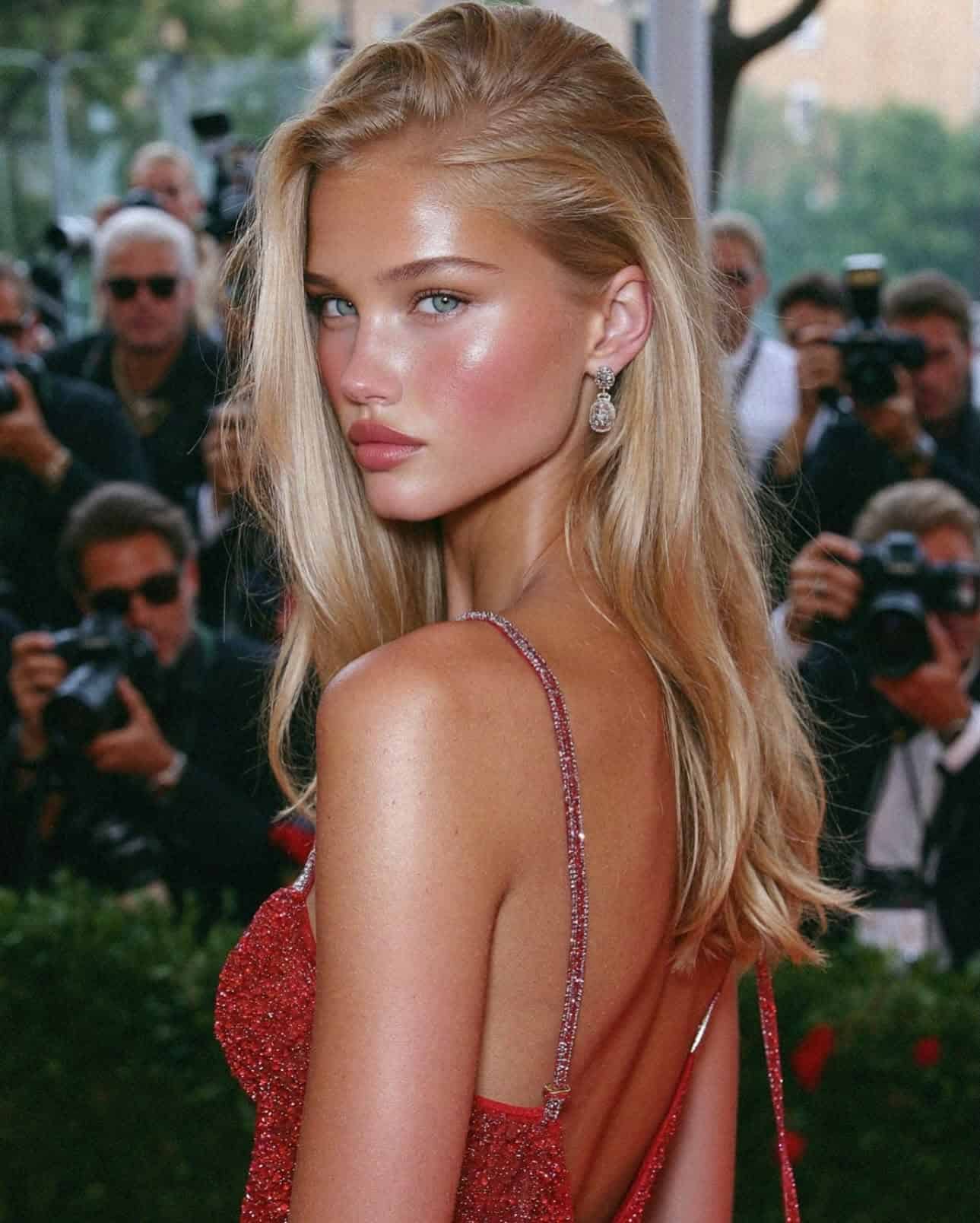
For the evening premieres black tie is required, and it is required in earnest. Men in dinner jackets, women in floor-length gowns, the whole slow procession up toward the doors while the photographers call names from a bank of ladders. The ascent is the ritual. You are meant to climb without hurrying, to turn at the top, to let yourself be looked at, and then to go inside and disappear into the dark.
There is a folklore to the dress code, the murmur that flat shoes were once turned away, that a certain length is expected after six in the evening. Some of it is written down and some of it is only ever whispered. If you are dressing for it, or dreaming of dressing for it, I keep the practical side in What to Wear to the Cannes Film Festival.
From the barrier the gowns pass close enough to hear the fabric move. That sound stays with me longer than the faces.
The Grand Théâtre Lumière
The steps lead to one door, and the door leads to the Grand Théâtre Lumière. It seats a little over two thousand people. It is named for the Lumière brothers, who ran the first paying film screening in a Paris basement in 1895 and, in doing so, more or less invented the thing we all came for.
Inside, the room goes black. There is no popcorn, no phones, none of the small comforts of an ordinary cinema. A film that plays in the Lumière carries a weight it will never quite have again, because everyone in the room knows it might be crowned, and knows too that it might be booed, which happens, loudly, and is somehow part of the honor.
The applause here is measured in minutes. A cast will stand while the room claps, and the clapping goes on so long it stops being polite and becomes something closer to grief, or gratitude, hard to tell which.
The Palme d’Or
At the end of it all, on the closing night, one film takes the Palme d’Or. A golden palm frond set in crystal, the shape drawn from the coat of arms of the town, the palm that grows along this coast without anyone asking it to.
I like to hold the recent names in my head like a rosary. Justine Triet’s Anatomy of a Fall in 2023, a marriage tried in a courtroom. Sean Baker’s Anora in 2024. Jafar Panahi’s It Was Just an Accident in 2025, made by a man who was forbidden for years from making anything at all.
That is the pull of the place. Not the gowns, though the gowns are lovely. It is that a room of two thousand people, in a concrete box by the sea, decides once a year what cinema is allowed to be.
Where the rest of us stand
The screenings inside are for the accredited, the industry, the press. The general public does not climb those steps. This disappoints people until they understand what Cannes gives back for free.
A short walk east, on the Plage Macé, the Cinéma de la Plage sets up a screen on the sand and shows a film every evening under the open sky, no ticket, no gown, just a deck chair and the sea behind you. I have sat there with my shoes off while a classic played, the boats knocking gently at the port, and felt no further from the festival than anyone in a dinner jacket.
If you want the whole method of getting near it, the accreditation, the timing, the standing at the barrier, I set it out in How to Attend the Cannes Film Festival. You do not need to be inside to feel it. You only need to be here in May.
Frequently Asked Questions
Can the public walk the red carpet at Cannes?
Not the evening premieres. The Montée des Marches to the Grand Théâtre Lumière is for accredited guests, industry, and press, in black tie. The public watches from behind the barriers along the Croisette, which fill early on premiere nights. For a film on the sand with no accreditation at all, the Cinéma de la Plage on the Plage Macé is open to everyone, free, every evening of the festival.
What is the dress code on the steps?
Evening screenings in the Lumière require formal black tie, a dinner jacket for men and a floor-length gown for women. The rules are taken seriously and there is a long folklore about what has and has not been turned away over the years. If you are curious about the finer points, and how to read them, I keep the detail in my guide to what to wear.
When is the Cannes Film Festival in 2026?
The 79th Festival de Cannes runs from 12 to 23 May 2026, in Cannes on the Côte d’Azur, with Park Chan-wook as president of the jury. It happens every May, and the town is a different place for those twelve days, busier, brighter, more itself.
What is the Palme d’Or?
It is the festival’s top prize, a golden palm frond in crystal, awarded on the closing night to a single film in competition. Recent winners include Justine Triet’s Anatomy of a Fall in 2023, Sean Baker’s Anora in 2024, and Jafar Panahi’s It Was Just an Accident in 2025. The palm comes from the town’s own coat of arms.
V.
Read also: Victoria’s Guide to the Cannes Film Festival