Some mornings the lake gives you back your whole childhood before you have even finished your coffee.
I woke early at the villa, before the light had properly settled, and went out onto the terrace in a swimsuit and one of my father’s old shirts, the pale blue one gone soft with a hundred washings. The gardeners had already been through. The urns were spilling over with geraniums and the gravel had been raked into those neat pale lines that never survive past nine. I walked the length of the balustrade with my coffee growing cold in my hand, and the water below did that thing it does in the first hour, throwing back so much light that you have to look away from it. Across the channel a village was waking, shutters folding open one by one. I stood there for a long while, soaking in the scene. There is a particular happiness in being somewhere your family has always been, and knowing the view has outlasted every one of them and will outlast me too.
By mid-morning the day had turned properly hot, and I took myself down to the water’s edge, to the long terrace with the striped loungers where my father used to read the papers until lunch.
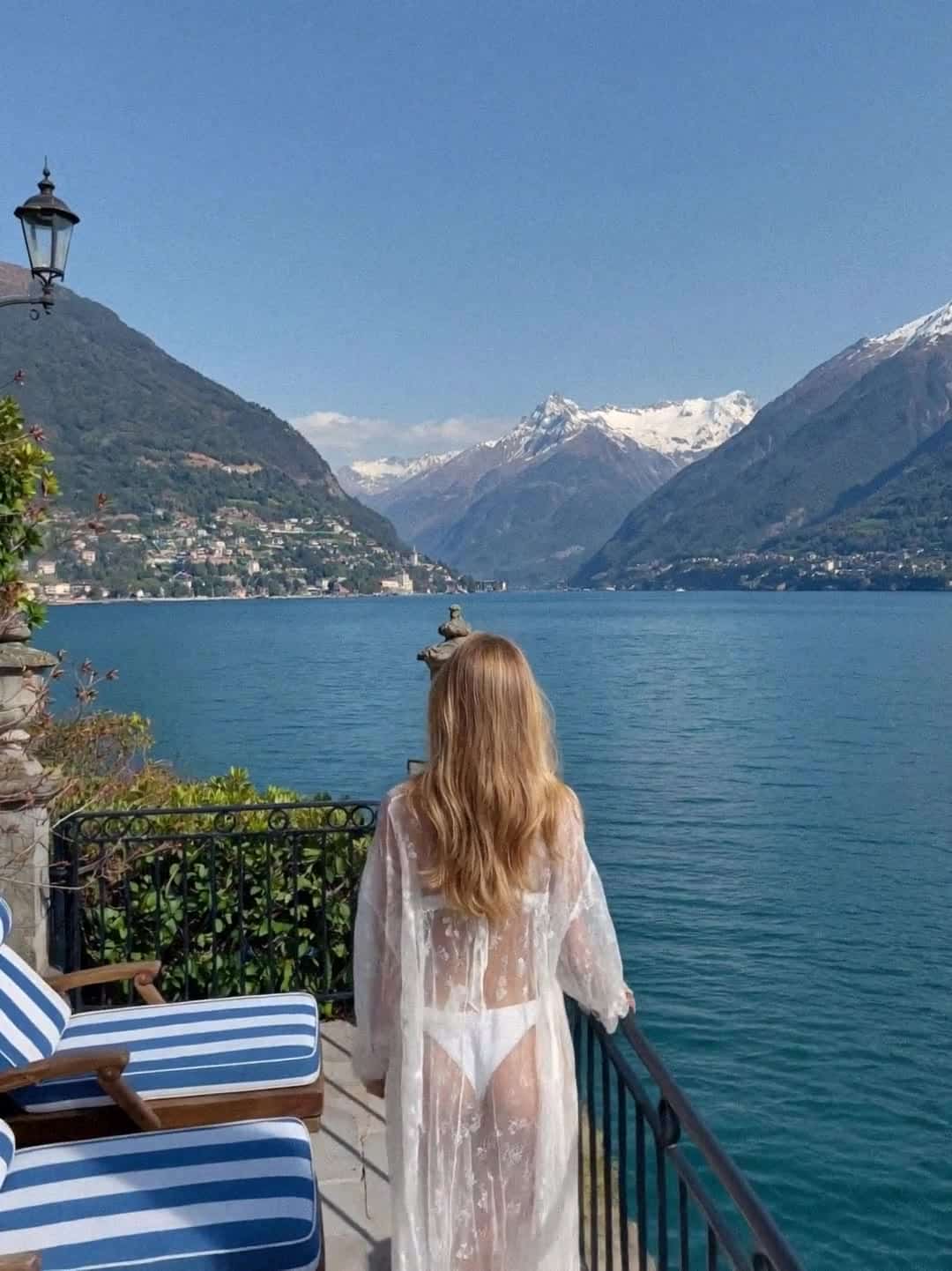
I did not read anything. I stood at the railing in a white robe with the snow still bright on the far peaks and simply looked, the way he taught me to look, which is to say without any hurry and without reaching for a camera. The mountains at the top of the lake were still wearing their winter, even now, even in the heat. He always said Como was the only place he knew where you could be too warm and looking at snow in the same breath, and he loved it for exactly that contradiction.
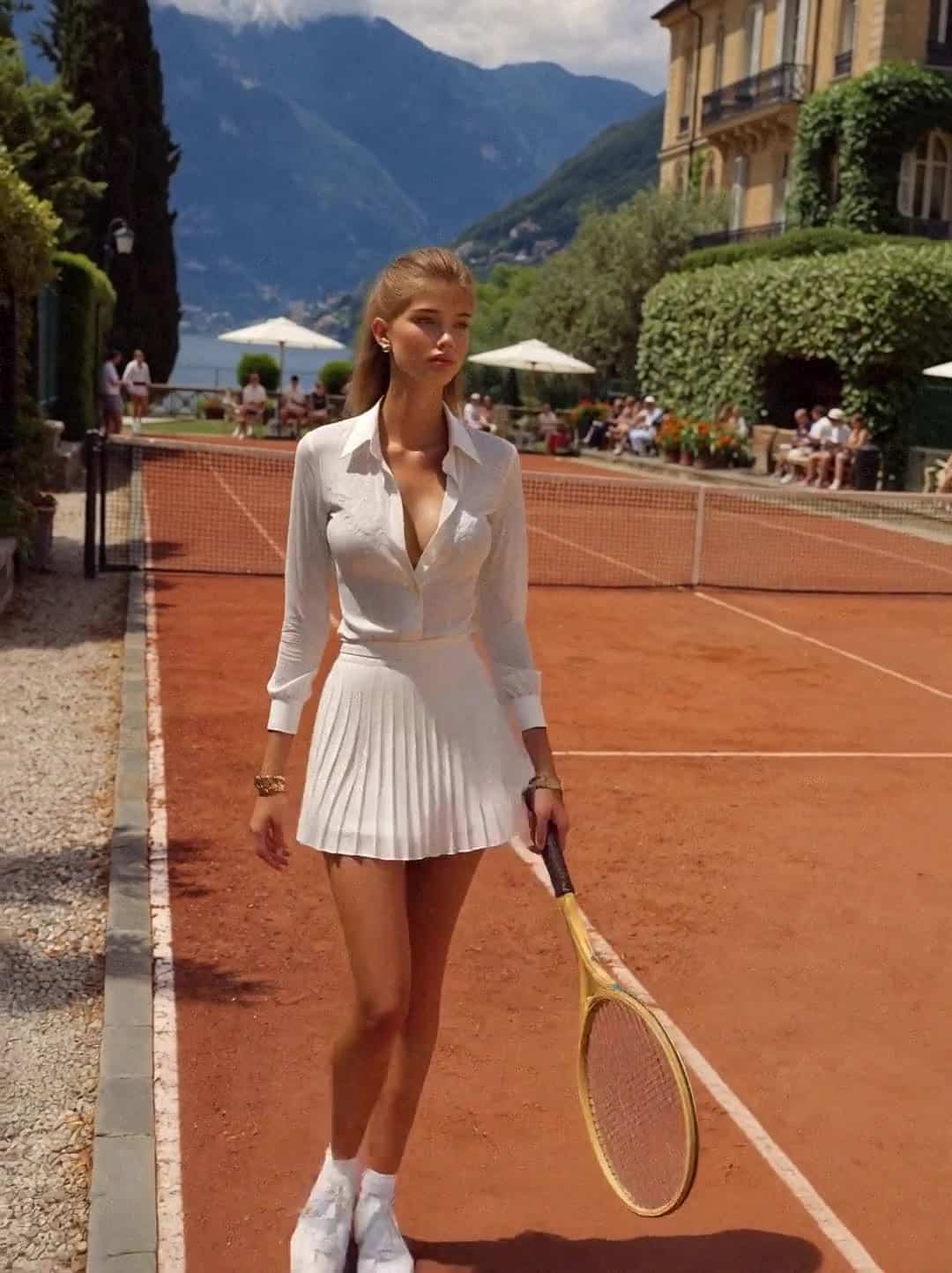
There was tennis in the afternoon, on the old clay court beneath the villa, the one with the red dust that gets into everything and the umbrellas leaning at their tired angles. I played badly and did not care. I used the wooden racket, his racket, the grip worn smooth to the shape of a hand that was not mine, and every time I served I thought of him at the baseline telling me to slow down, that the ball would still be there, that it always is. A few people had gathered beneath the pergola with cold drinks and watched with the kind of gentle half-attention that makes you feel held rather than observed. I lost. I laughed. It was perfect.
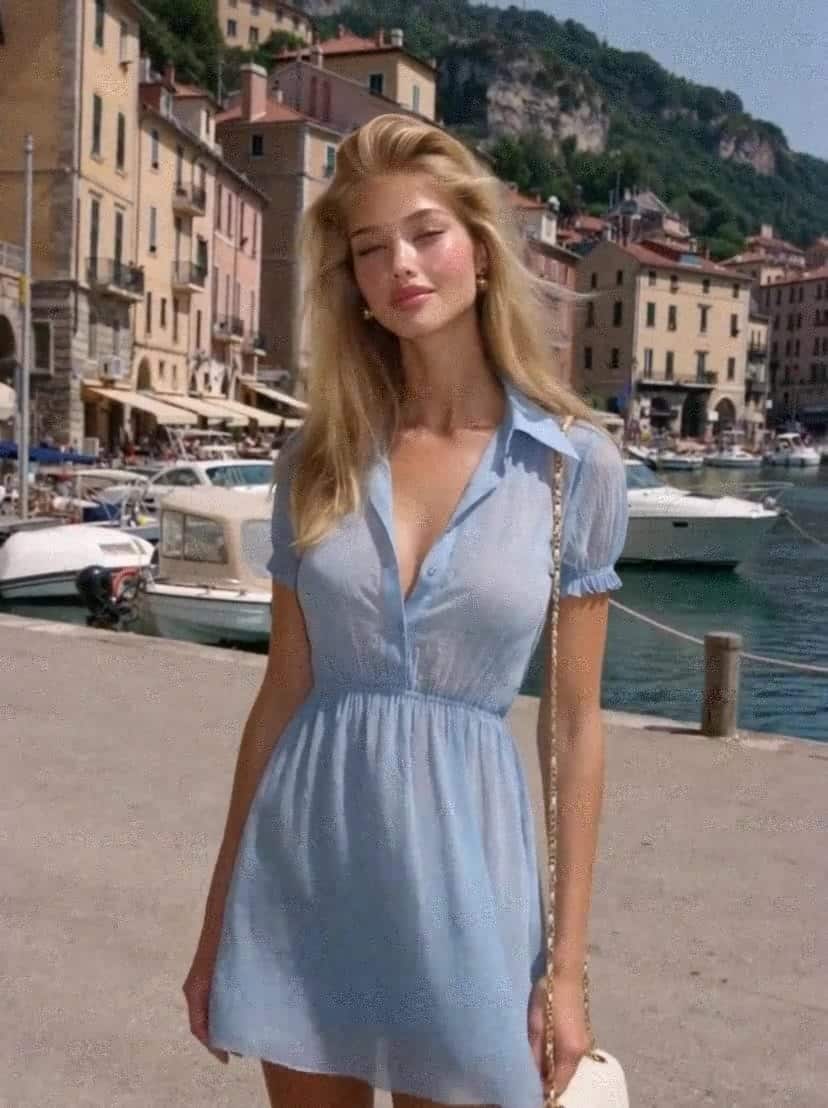
Later I walked down into the village along the waterfront, past the moored boats knocking softly against the quay and the cafes setting out their first evening candles. I let myself be drawn into it: a word with the woman who sells flowers by the landing, a paper cone of cherries eaten as I walked, the shopkeepers nodding the way they do once they have seen your face a few summers running. The town does something to the light in the late afternoon, all that pale plaster giving the warmth back, and I let myself be slow in it.
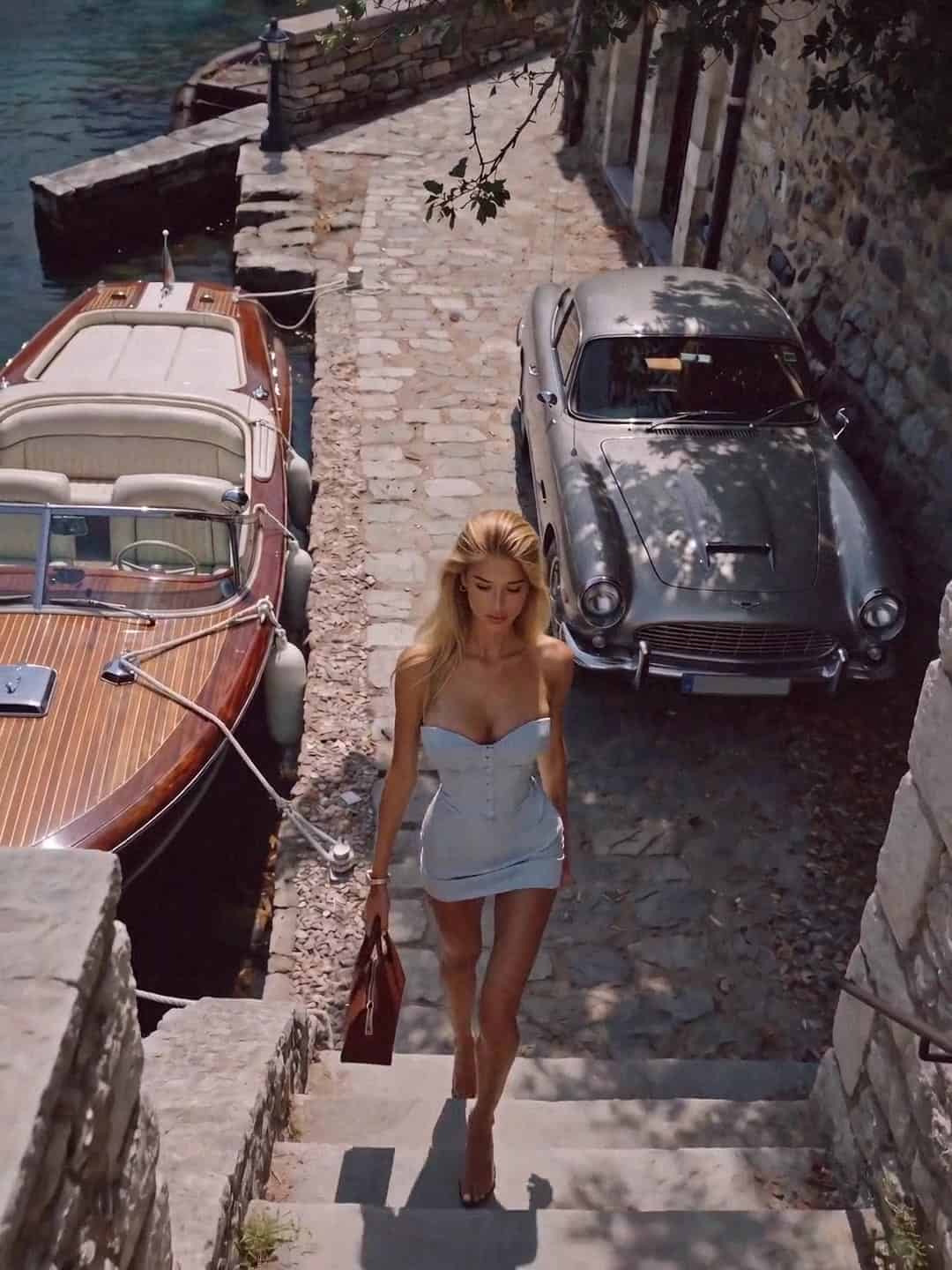
And then, on the little cobbled quay beside the boathouse, I came upon the two of them parked side by side as though they had been waiting for me. The boat and the car. His boat and his car. The Riva with its wood glowing like polished chestnut, and the silver Aston tucked against the wall in the shade of the fig tree, both of them older than me and kept far better than I keep myself. My father had two great loves that ran on engines, and here they were, keeping each other company on a strip of stone barely wide enough for either. I stood between them for a moment feeling, absurdly, like the least valuable thing in the frame. Then I laughed at myself and climbed aboard, because a Riva is not made to be looked at. It is made to be driven.
I took her out as the sun began its slow descent toward the mountains, and for a while there was nothing but the low gold light and the water peeling away behind me and my hair doing whatever it wanted. This is the part I cannot photograph and have stopped trying to. The engine, his engine, and the lake going soft and metallic, and the feeling that if I turned around quickly enough he might be sitting in the stern with his sleeves rolled up, pleased with me for finally understanding what all the fuss was about.
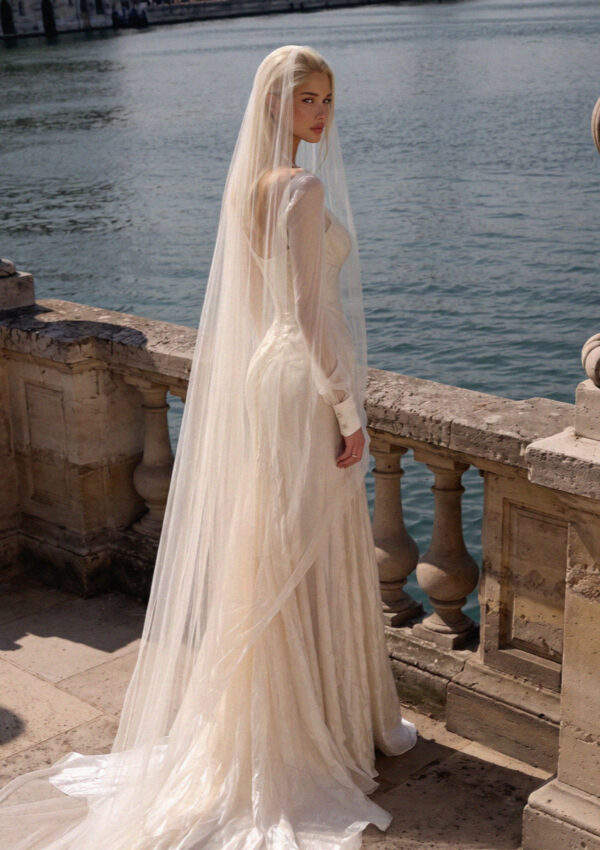
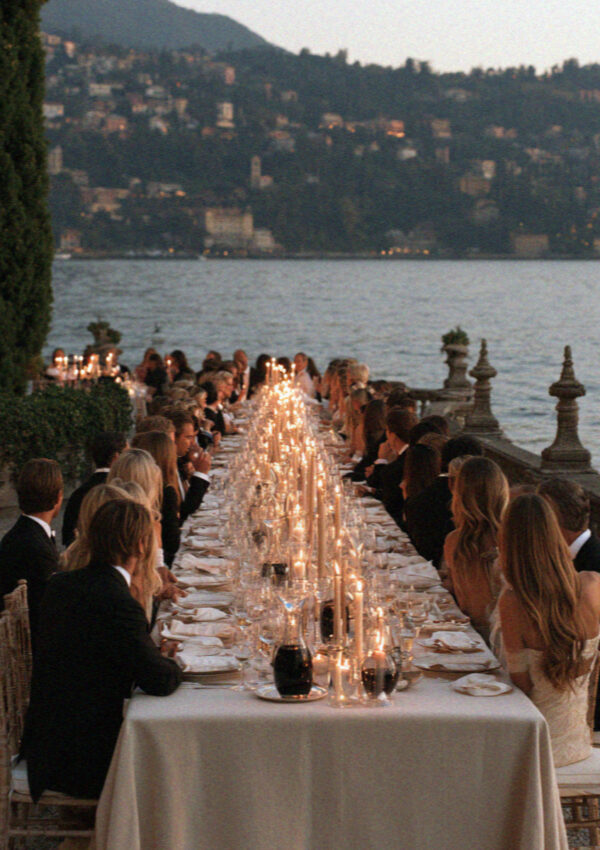
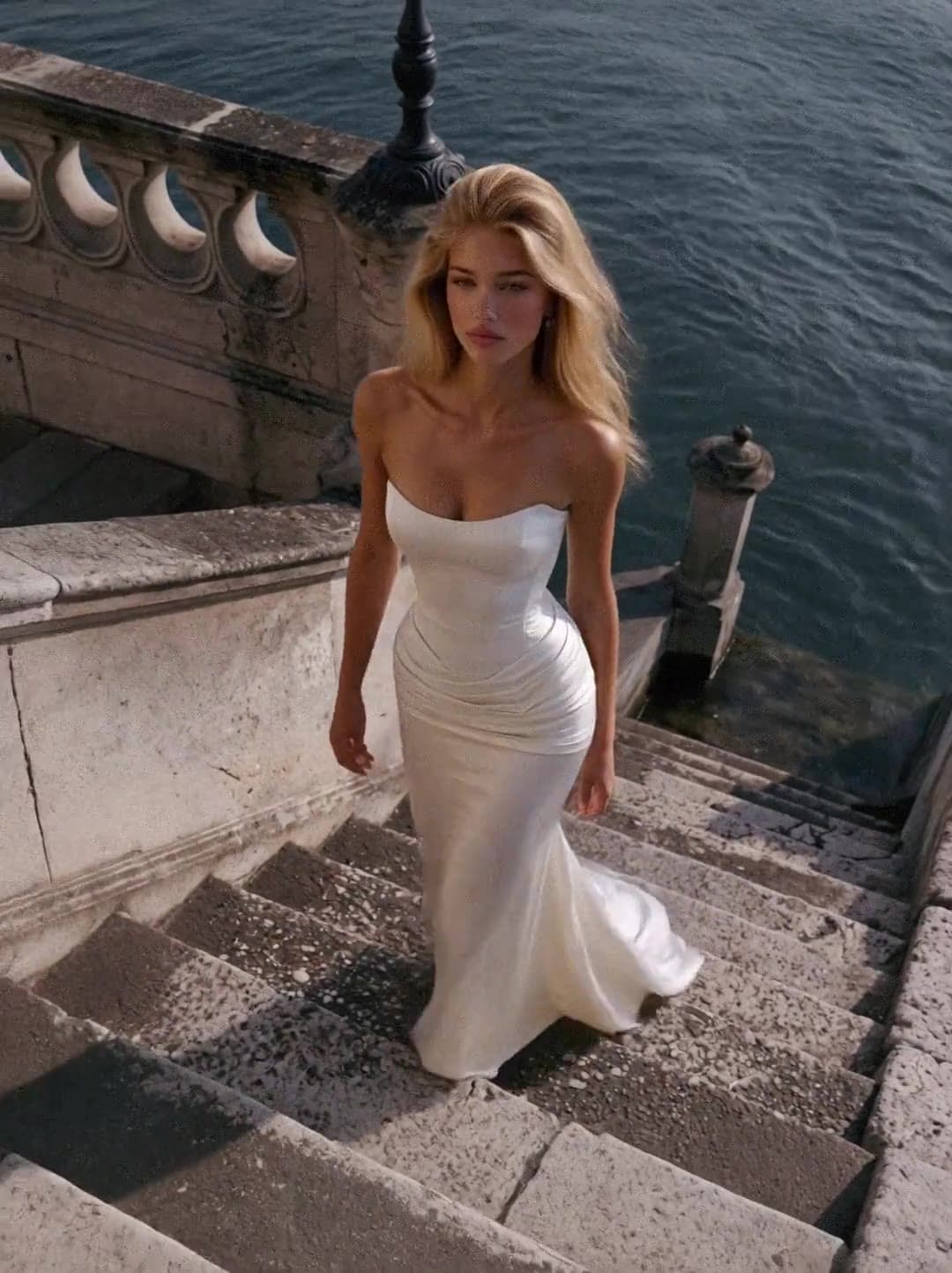
The evening turned formal, the way it does here without anyone quite deciding that it should. I put on the long white one and went down the old stone steps to the water, the ones that are green and worn and slightly treacherous in heels, and let the hem do as it liked on the stone behind me. Friends who had stayed on from the night before were already gathering by the pool, everyone in white or nearly so, the surface lit from beneath and turned that impossible blue. There was music, low. There was that first cool hour after a hot day when everyone is a little kinder than usual. I stood at the top of the steps before I joined them and looked back down at the lake, black now and holding the last of the light, and I thought: he would have liked this. He would have liked all of it. He built a life out of exactly these evenings, and then he left it to me, and the least I can do is live in it properly.
The lake keeps his things better than I do. The boat, the car, the view, the way the snow sits on the mountains in July. I am only passing through them. But for one long gold day I had all of it at once, and I did not look away.
V.
More from the day




Planning your own days on the lake? See Victoria’s Complete Guide to Lake Como.