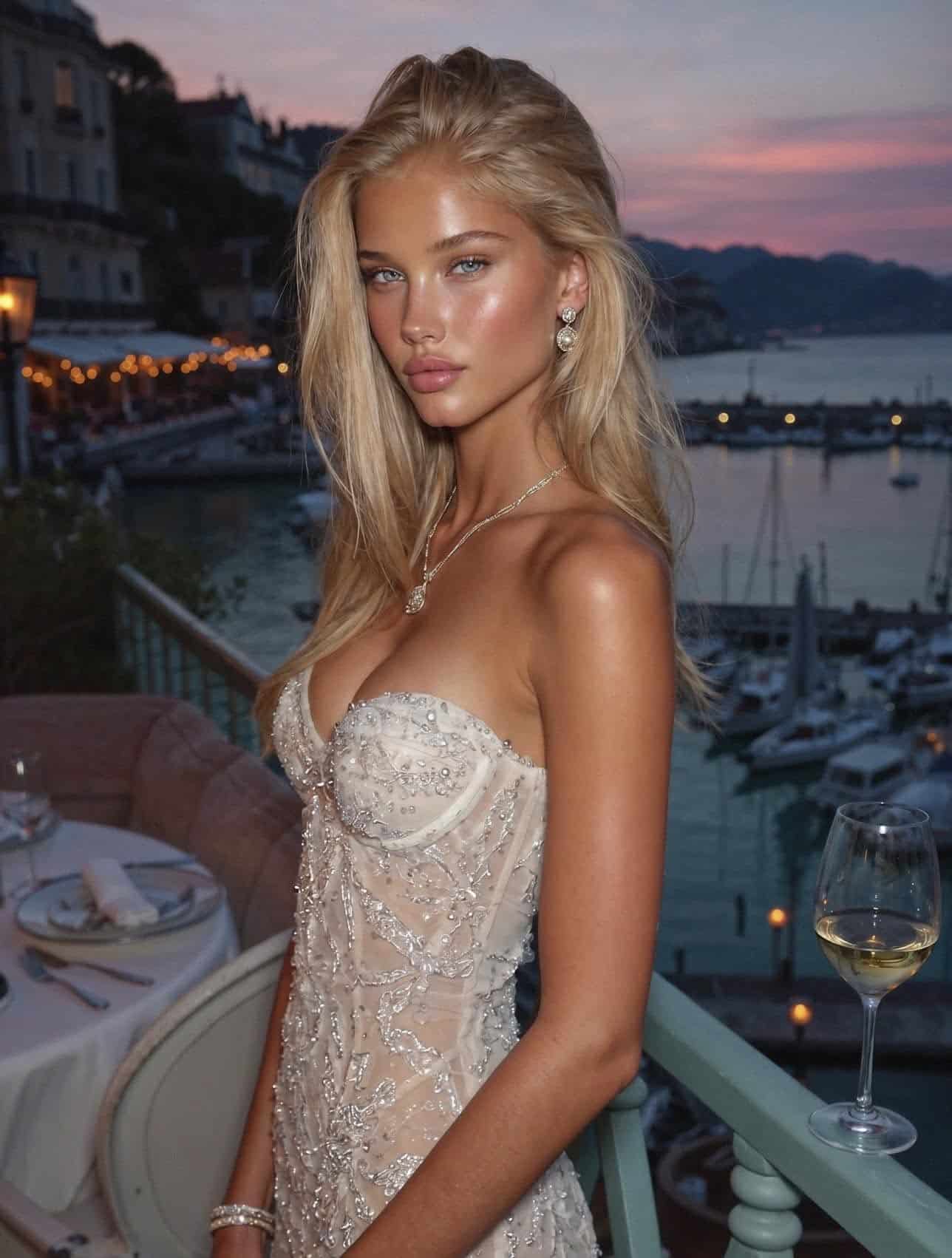
The market smells of it first. Peaches split too ripe, wet basil, the iron tang of fish laid out on ice a street back from the port. By nine the light is already white over the water, and the town has not quite woken to what it will be by evening.
I come to Cannes in May for the films, and I stay for the tables.
This is not a ranking. I have no interest in telling you where the best meal in Cannes is, because the best meal is usually the one you did not plan. What follows is only where I would eat, in a week when the town is full and the terraces are loud and every good seat has been spoken for. For the wider week, see Victoria’s Guide to the Cannes Film Festival.
The 79th festival runs from 12 to 23 May 2026. The good tables will be booked out. I will come to that.
Breakfast at the Marché Forville
The Marché Forville is a covered market one street back from the Vieux Port, and it is where I start. Before the pressers, before the queues on the Croisette, there is an hour when Cannes belongs to the people who live in it.
You go for produce, not for a meal. Provençal things. Violet artichokes, the small strawberries from further inland, olives turned in oil and orange peel, a wheel of something from the mountains behind Nice. Vendors who have stood at the same stall for decades and do not care who you sat beside at the gala.
I buy fruit and eat it walking. Sometimes a coffee taken standing at the bar of a place on the edge of the market, where the men read the paper, and no one looks up.
It sets the day at the right pace. Everything after this will be faster.
La Palme d’Or, and the Question of the Michelin Table
La Palme d’Or is the room at the Hôtel Martinez on the Croisette, the town’s celebrated fine-dining table, and it holds its Michelin stars with a certain calm.
I do not eat here every year. It is a decision, not a drop-in. The cooking is precise and Mediterranean and quietly theatrical, and the dining room during the festival holds a particular tension. People who are being watched, and people who are watching them.
If you want one long, deliberate dinner in Cannes, the sort that takes the whole evening and asks nothing of you but attention, this is where I would put it. Book it before anything else. Weeks ahead, not days.
And then, I think, do not book another like it. One is enough. The rest of the week wants to be simpler.
The Beach Restaurants Along the Croisette
The Boulevard de la Croisette runs the length of the seafront, and below it, on the sand, is a line of beach restaurants and clubs. During the festival, many of them are taken over, dressed for a night in the name of a studio or a house, closed to anyone without a card.
The ones still open to the public are not cheap, and they are not quiet. You are paying for the position. A table on a wooden deck at the edge of the water, rosé that arrives colder than the sea, grilled fish and a salad, the Mediterranean going from blue to pewter as the light drops.
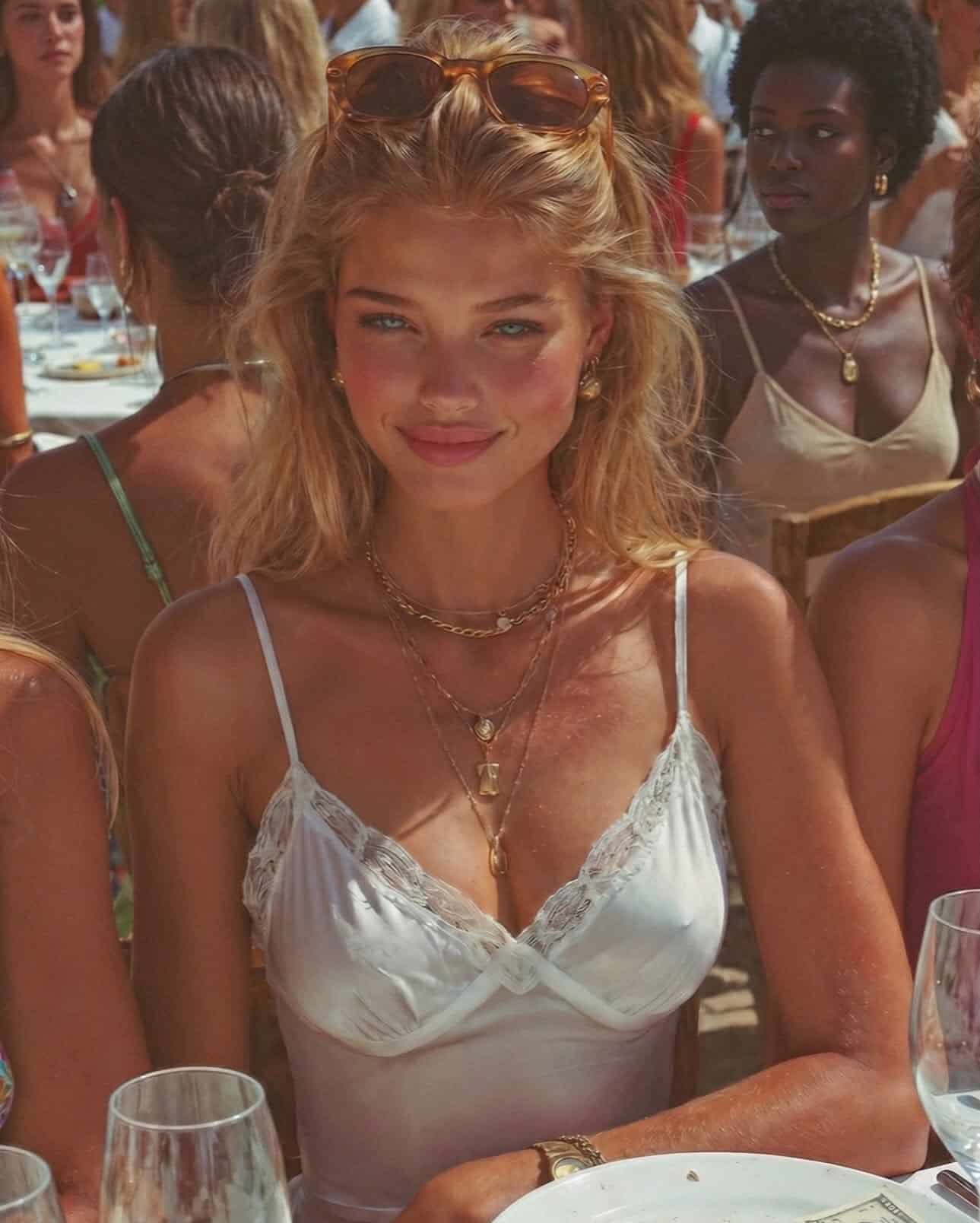
Lunch is the honest hour here. Come at one, when the morning screenings have let out, and the terraces fill with people still in yesterday’s clothes. The photographs from these lunches always come out well, the water behind everyone, though that is not the reason to go.
Dinner on the Croisette is louder and more about being seen. If that is the night you want, and some nights it is, this is where you find it. For the parties that follow, there are Cannes Film Festival Parties and Nightlife.
Up the Hill to Le Suquet
When the seafront tires me, and it does by about the fourth night, I walk up into Le Suquet.
This is the old town, the hill above the Vieux Port, cobbled and steep and largely indifferent to the festival happening below it. The restaurants here are smaller and more local. A blackboard instead of a menu. Bouillabaisse if someone made it that morning. A carafe of the house red that costs what a single glass costs down on the sand.
You climb, and the noise falls away behind you, and near the top there are tables set out where you can see the whole harbour. The yachts lit up, the Croisette a bright thread along the dark water.
It is the same town from up here. It just asks less of you. These are the dinners I remember longest, and they are almost never the ones I planned.
If you are choosing where to base yourself, the hill is worth weighing against the seafront. I set that out in Where to Stay for the Cannes Film Festival.
Booking When the Town Is Full
Here is the plain truth. During the festival, Cannes holds more people than it does tables, and the good ones go early.
For La Palme d’Or and the named seafront rooms, reserve weeks ahead, before you have even fixed the rest of your week. Have the concierge do it if you are staying somewhere that will. A name at a good hotel opens doors that a call from a stranger does not.
For Le Suquet and the smaller places, go early in the evening, before eight, or be willing to wait with a glass somewhere until a table turns. Walk in rather than call. Be pleasant to the person at the door. It matters more than you would think.
And keep one night with nothing booked at all. The best evening of the week is often the one you leave open, the table you find by accident, the meal no one planned.
Frequently Asked Questions
Do I need to book restaurants far in advance for the Cannes Film Festival?
Yes, for the fine-dining rooms and the beach restaurants on the Croisette. During the festival, the town holds far more visitors than it does on an ordinary week in May, and the celebrated tables fill weeks out. La Palme d’Or in particular should be reserved as early as you can manage. The smaller places up in Le Suquet are more forgiving, though even there an early hour helps.
Is La Palme d’Or worth it during the festival?
If you want one long, formal dinner in Cannes, then yes. It is a Michelin room with real ambition and a Mediterranean sensibility, and the festival gives the dining room an atmosphere you will not find in a quieter month. I would treat it as the single grand meal of the week and let the other evenings be simpler.
Where do locals actually eat in Cannes?
Away from the Croisette, mostly. The Marché Forville in the mornings, and the restaurants up the hill in Le Suquet in the evenings, where the menus are shorter and the rooms are smaller. This is where I go when the seafront begins to feel like a set.
Can I eat well in Cannes without spending a fortune?
You can. Start at the market and buy your breakfast there. Take your bigger meal at lunch rather than dinner, when prices sometimes soften. Climb up to Le Suquet for a carafe of house wine and whatever the kitchen made that day. The seafront will take as much money as you let it, but the town has always fed its own people well and quietly.
V.
Read also: Victoria’s Guide to the Cannes Film Festival