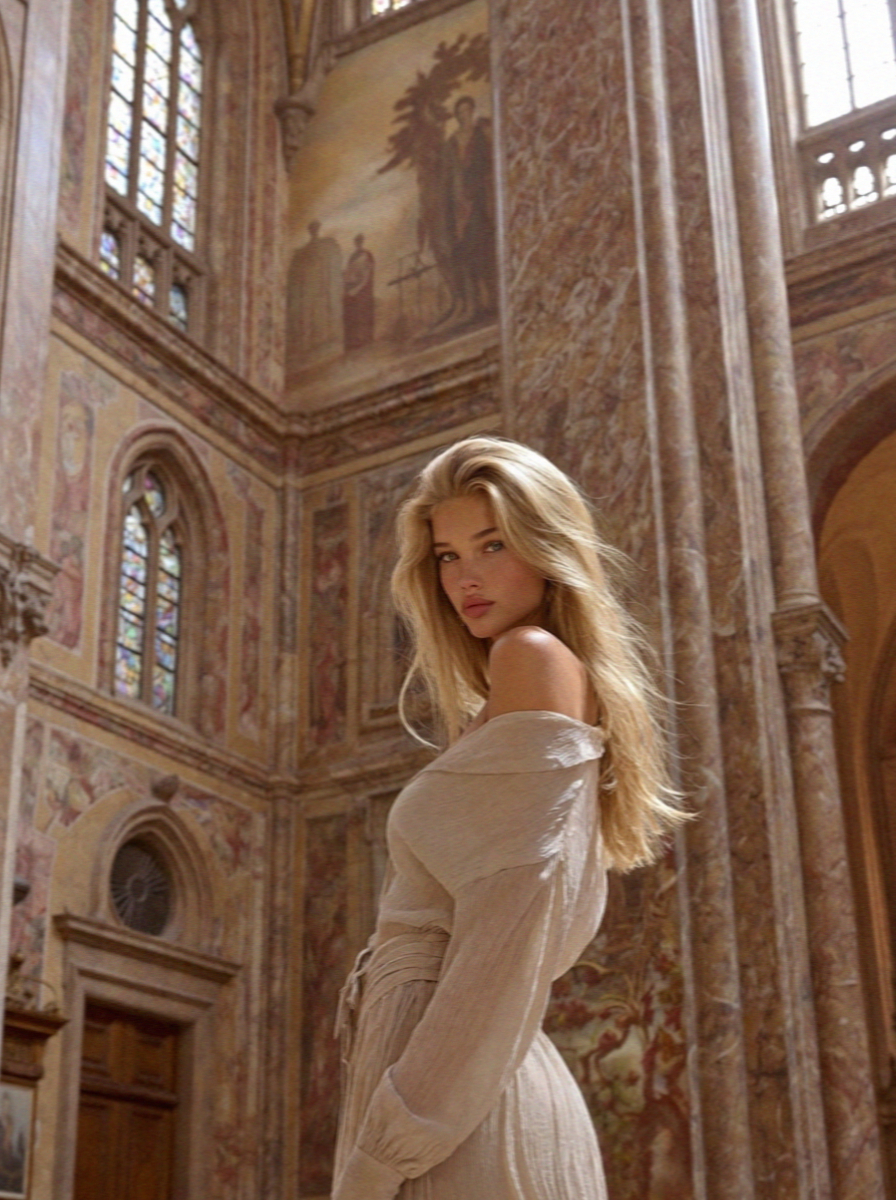
The church opens at six.
I did not manage six.
I managed a little after seven, which in August is still the right side of the day, before the coaches begin coming up from the valley and the stone starts giving back the heat it took yesterday.
There was a queue even then. Not a long one. Forty people, perhaps, mostly quiet, and a good number of them plainly there for reasons that had nothing to do with painting.
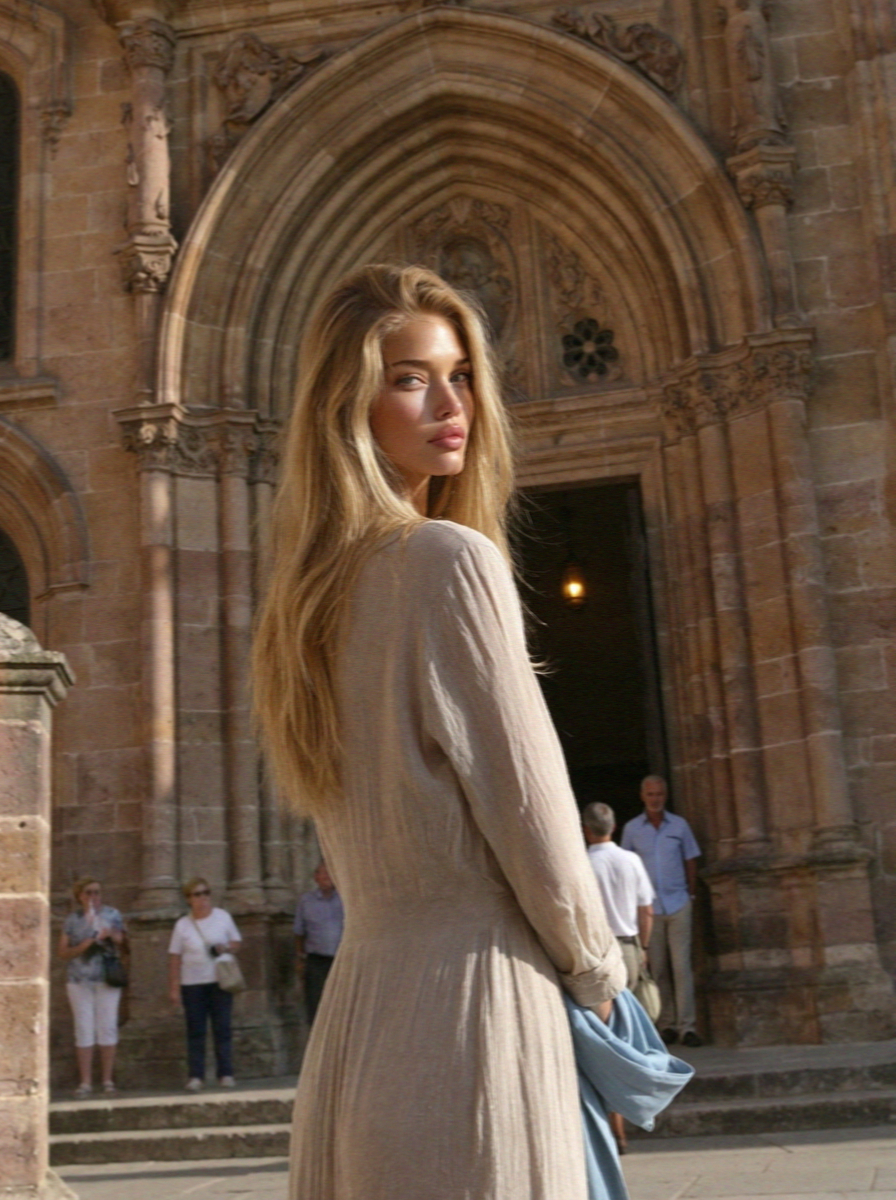
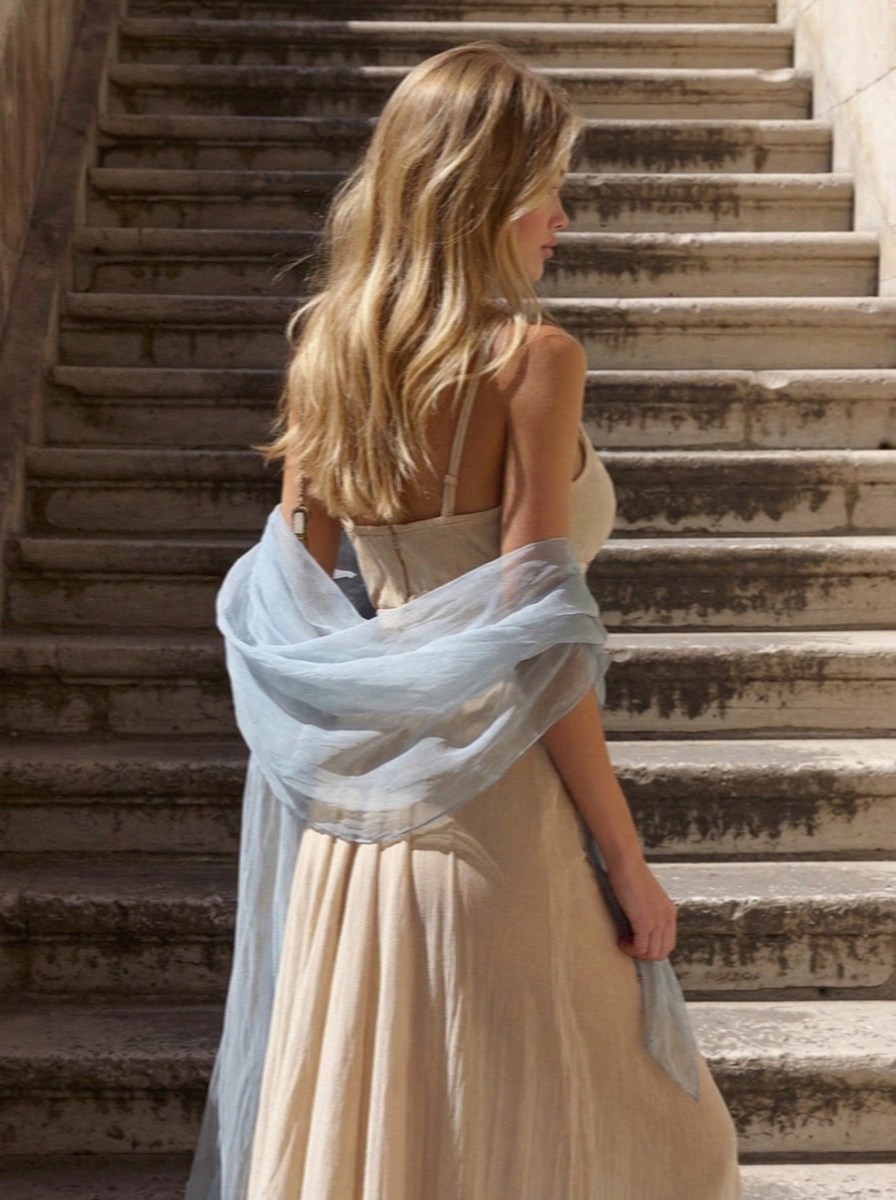
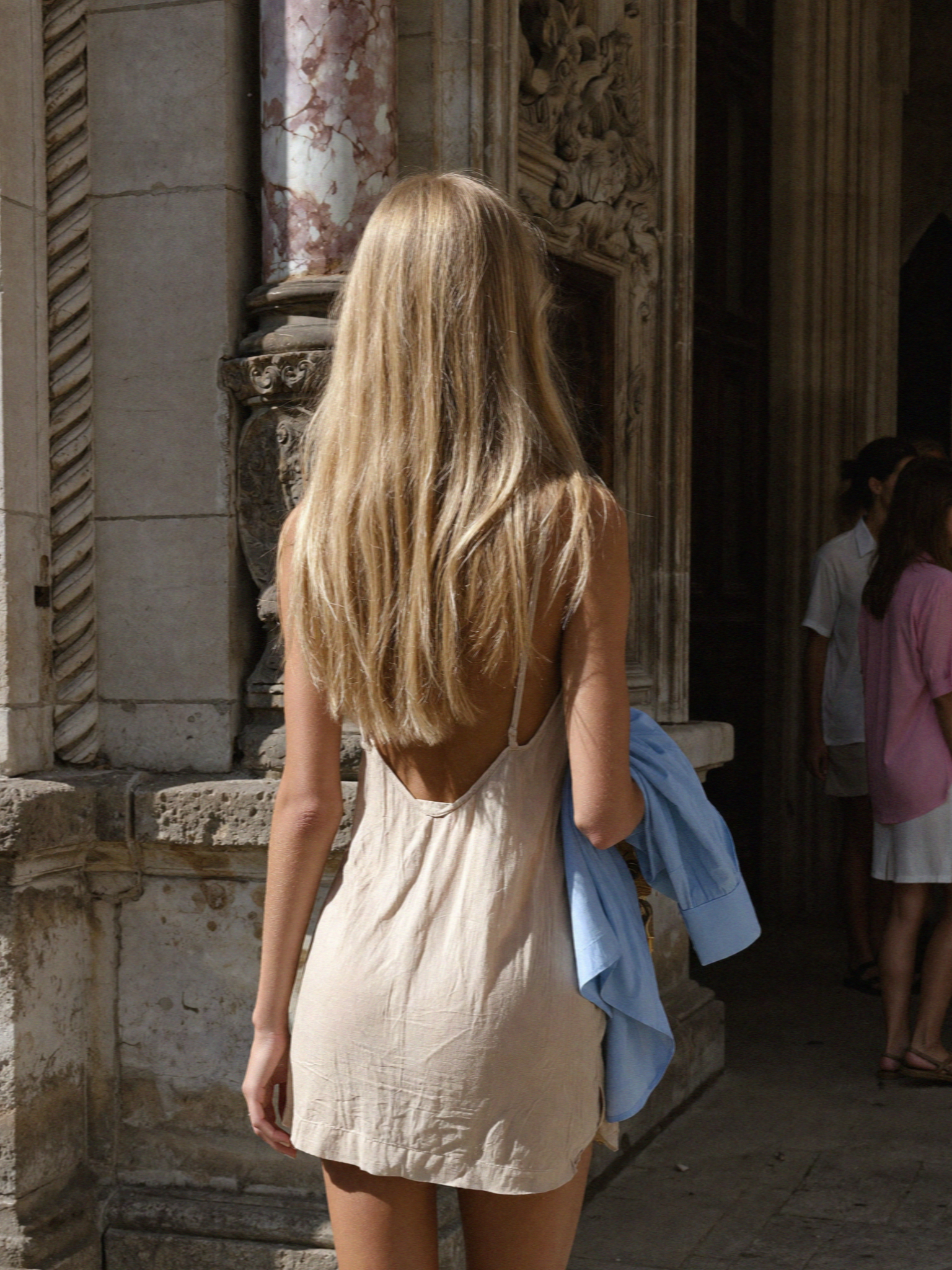
I had a scarf folded over my arm. You learn this quickly in Assisi in summer: shoulders covered, knees covered, no exceptions, and the men at the door are courteous and completely immovable. The woman ahead of me pulled a length of blue cotton out of her bag with the efficiency of somebody who had already done this at four churches that week. We caught each other’s eye.
Neither of us said anything.
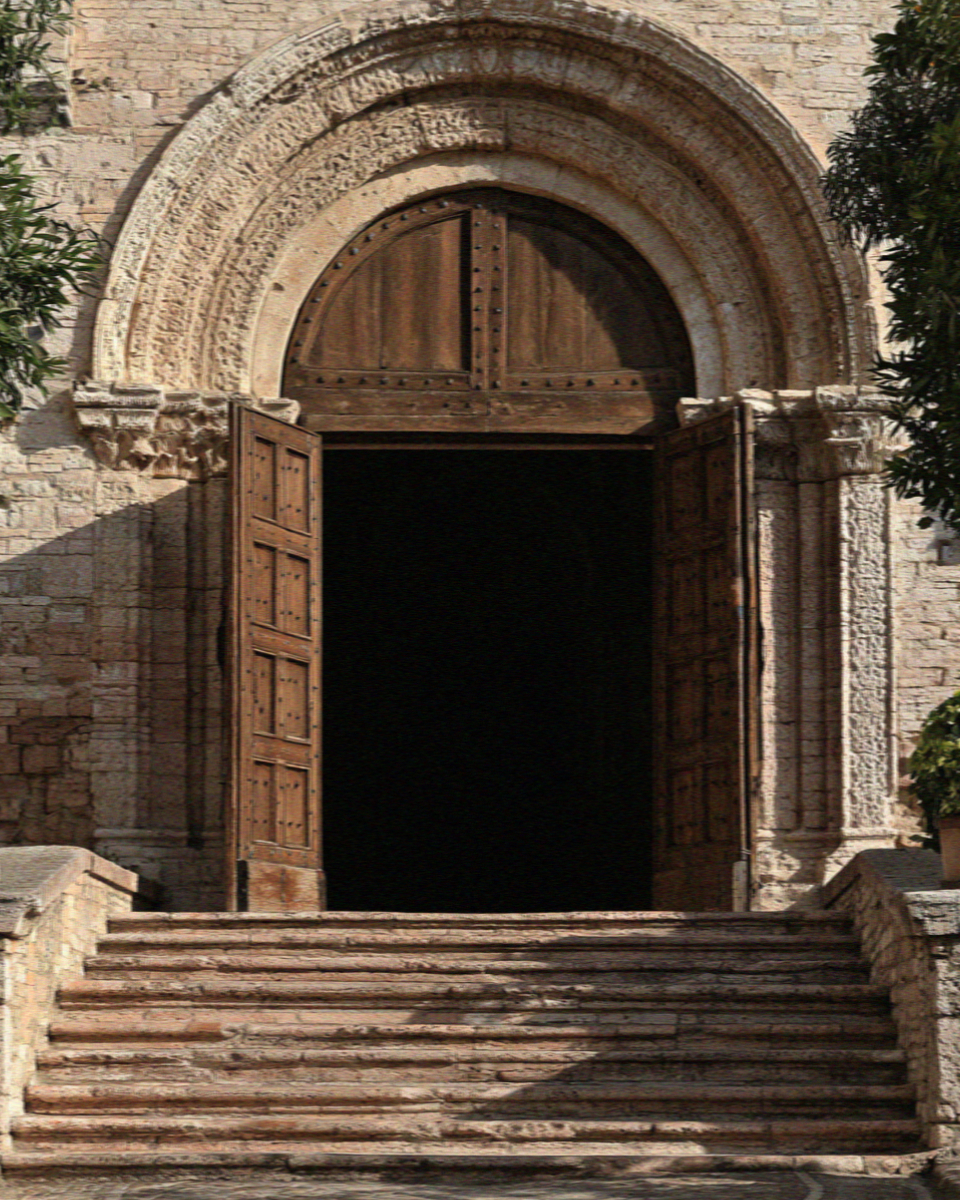
Then the door, and the temperature falls away, and you are somewhere else entirely.
Down first
Nearly everyone turns up.
I went down.
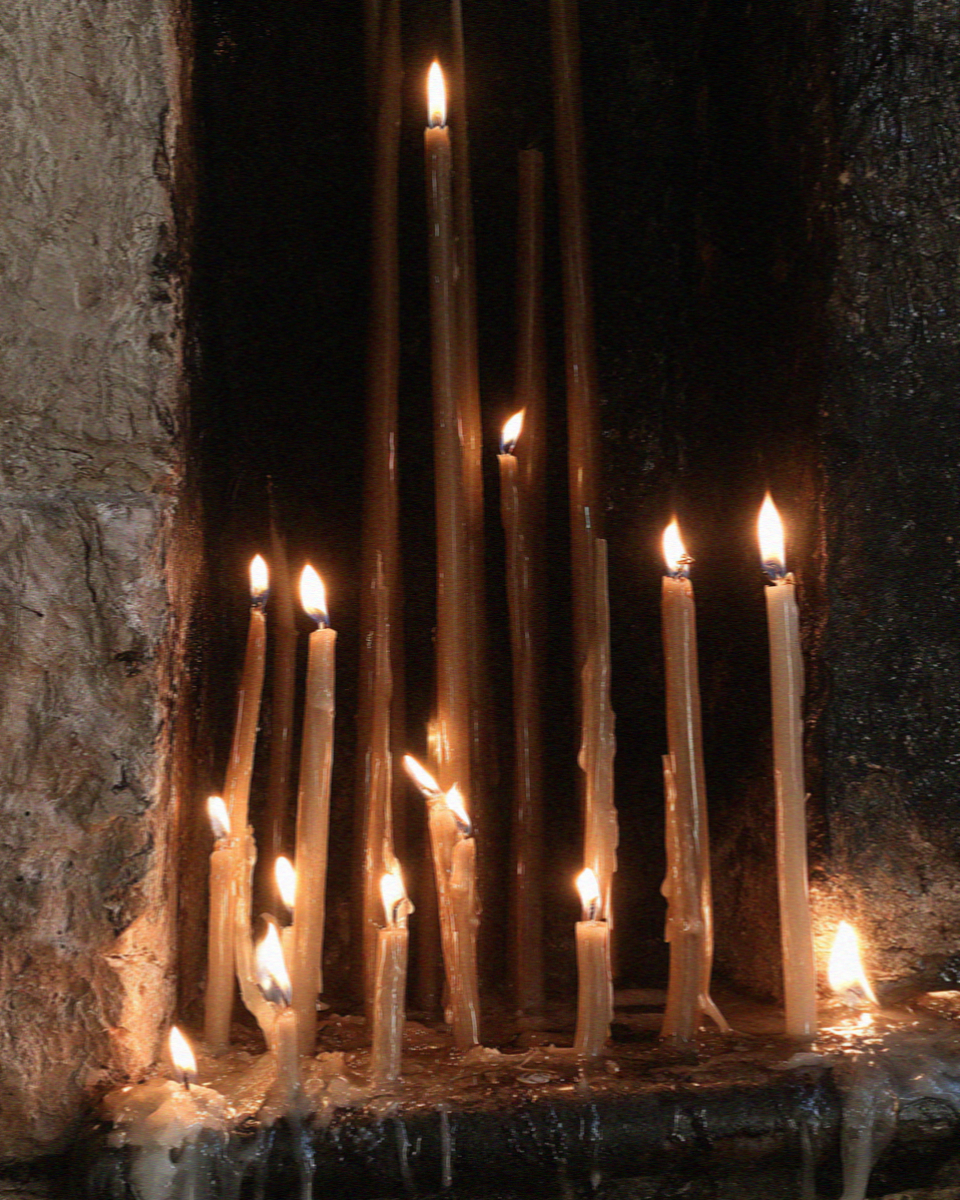
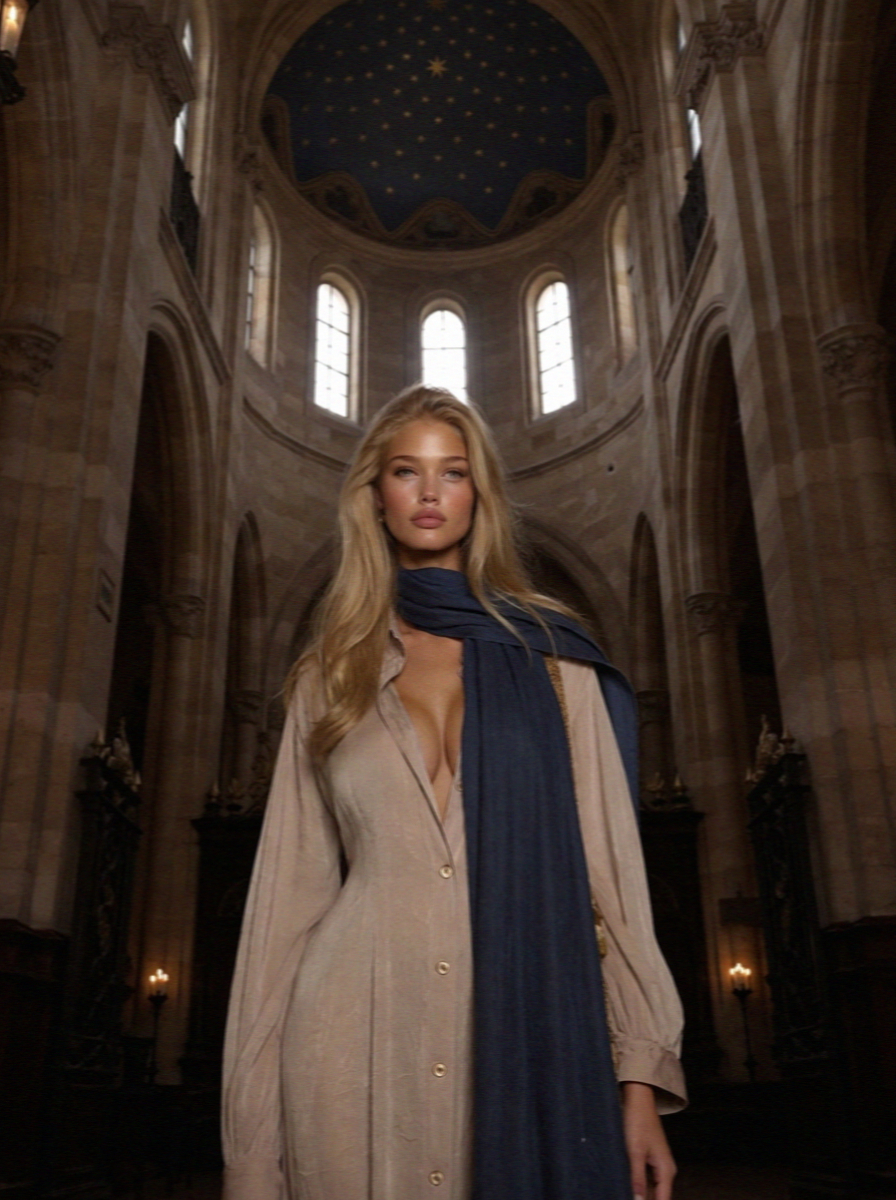
The Lower Basilica is the older half and the darker one, built close to the ground with a low vault and small windows, and in August it feels like the coldest room in Umbria. The ceiling is deep blue and carries gold stars. The air smells of stone and candle smoke and something faintly sweet underneath that I never identified.
It takes a while to see anything at all.
Your eyes have come in from a white morning and they need several minutes, and there is nothing to do in the meantime but stand still and wait for the room to arrive.
I liked that the building makes you wait.
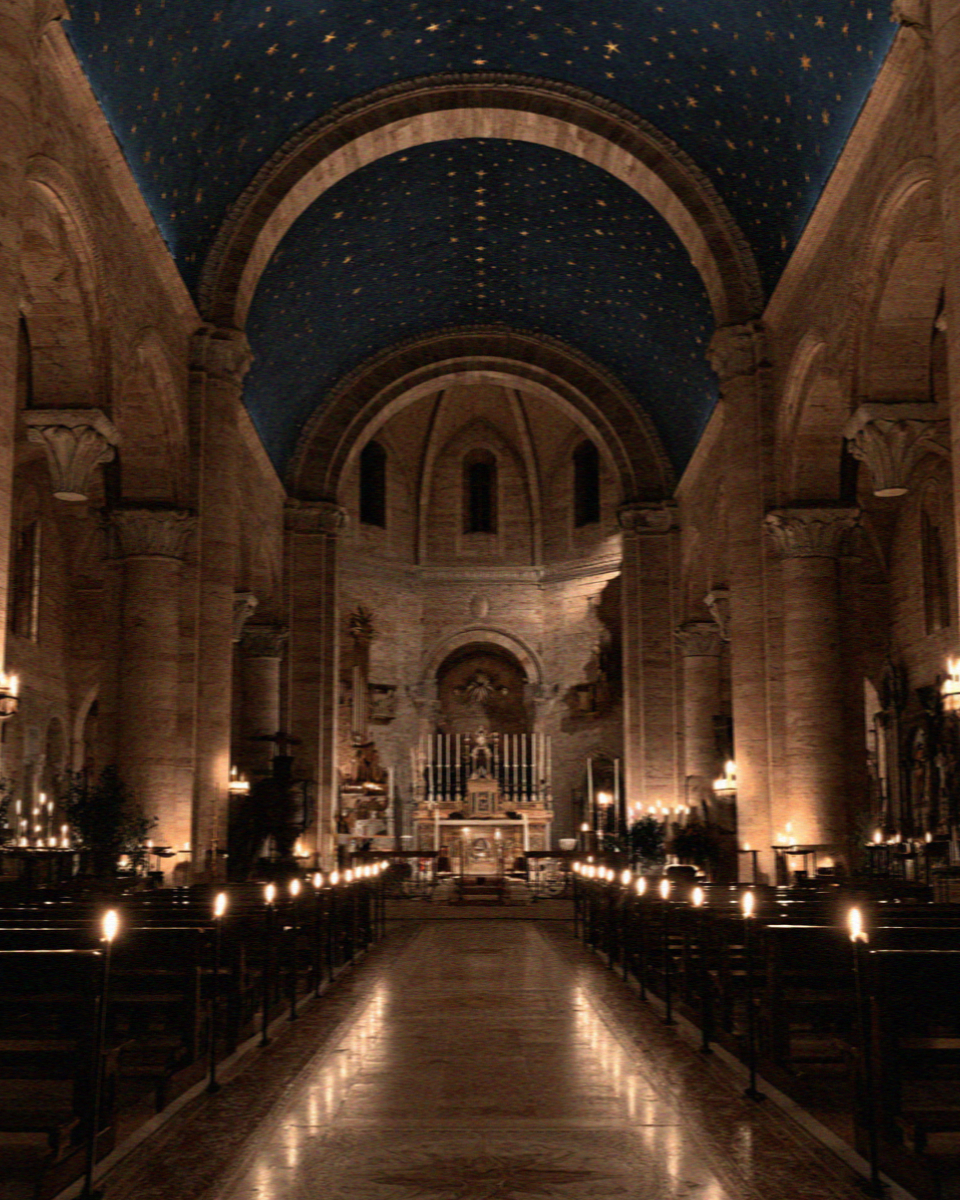
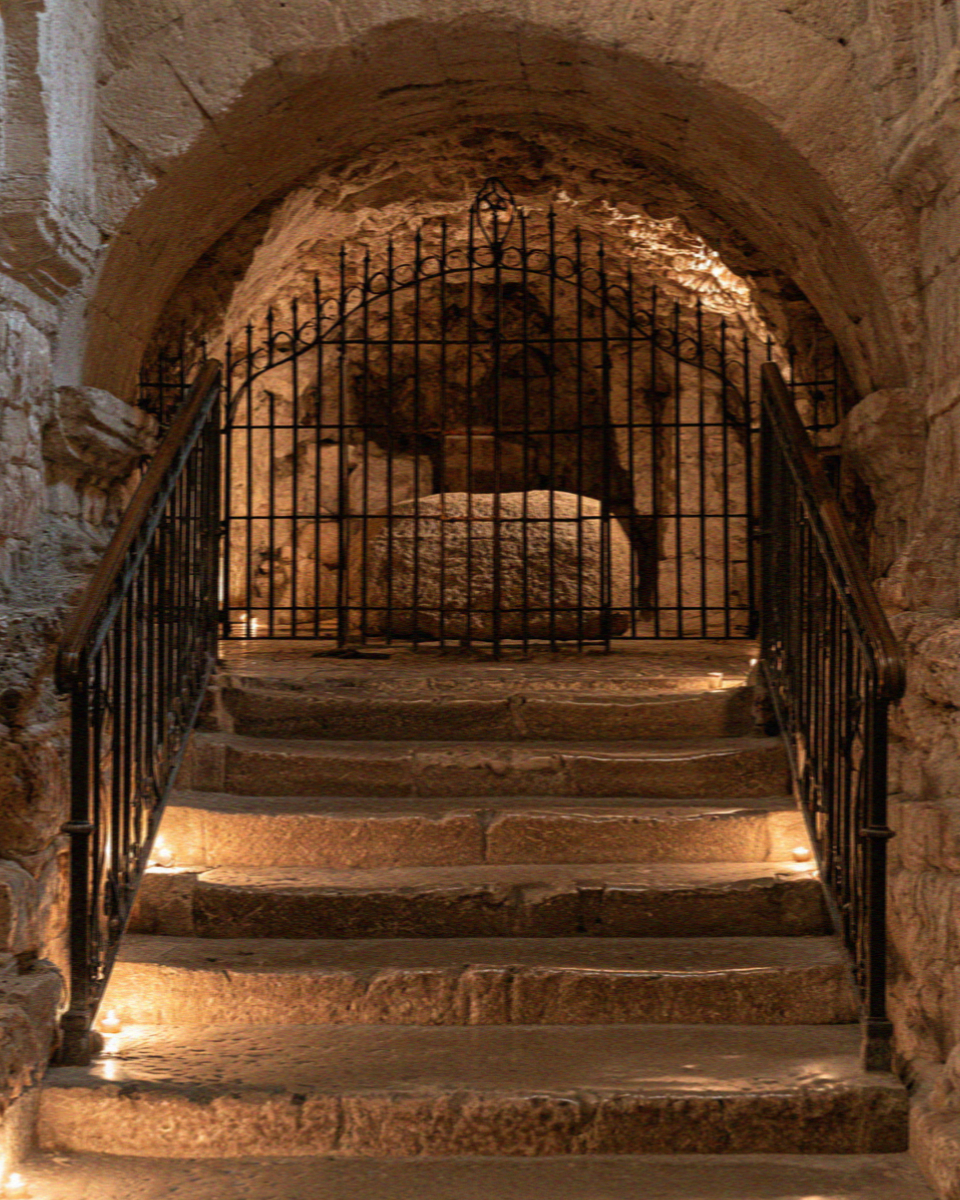
Lower still is the crypt, and the tomb, a plain stone box behind iron.
People kneel on the steps. Some of them cry, quietly and without any embarrassment, in a way you do not often see adults do in public.
At fourteen I was put into a school in Paris where we were walked into chapel twice a day in a line. I did not choose it, and for a long time I resented the hour. What it left me with was not belief, exactly.
It was fluency.
I know when to sit and when to stand. I know when everyone will become quiet. I know the shape of the thing and roughly how long it will take.
It means I can be in a room like this without being entirely a tourist in it, and without pretending to something I do not have.
There is a place somewhere between belief and unbelief where you simply know how to behave in the presence of somebody else’s faith.
I think that is where I was.
Up
The Upper Basilica is the opposite building.
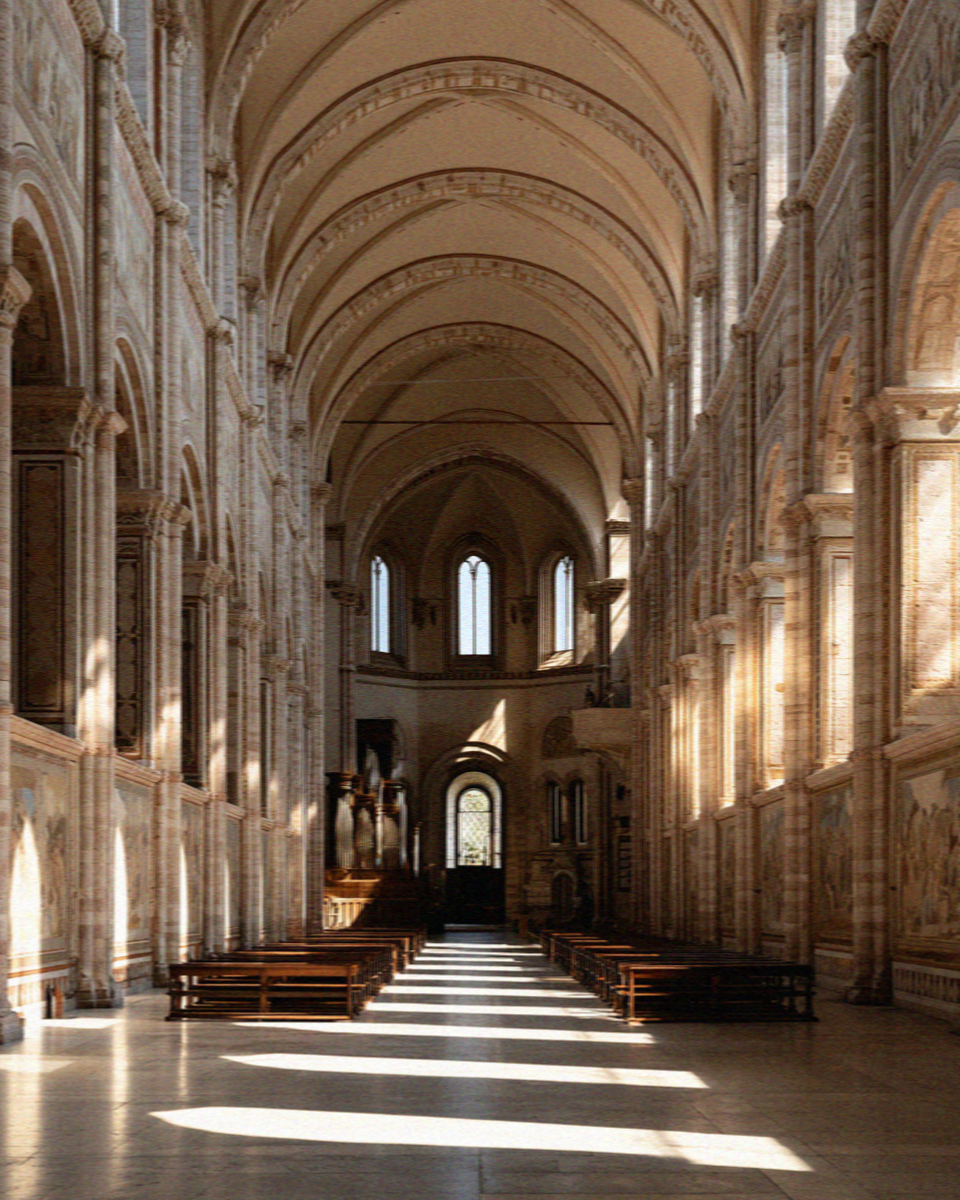
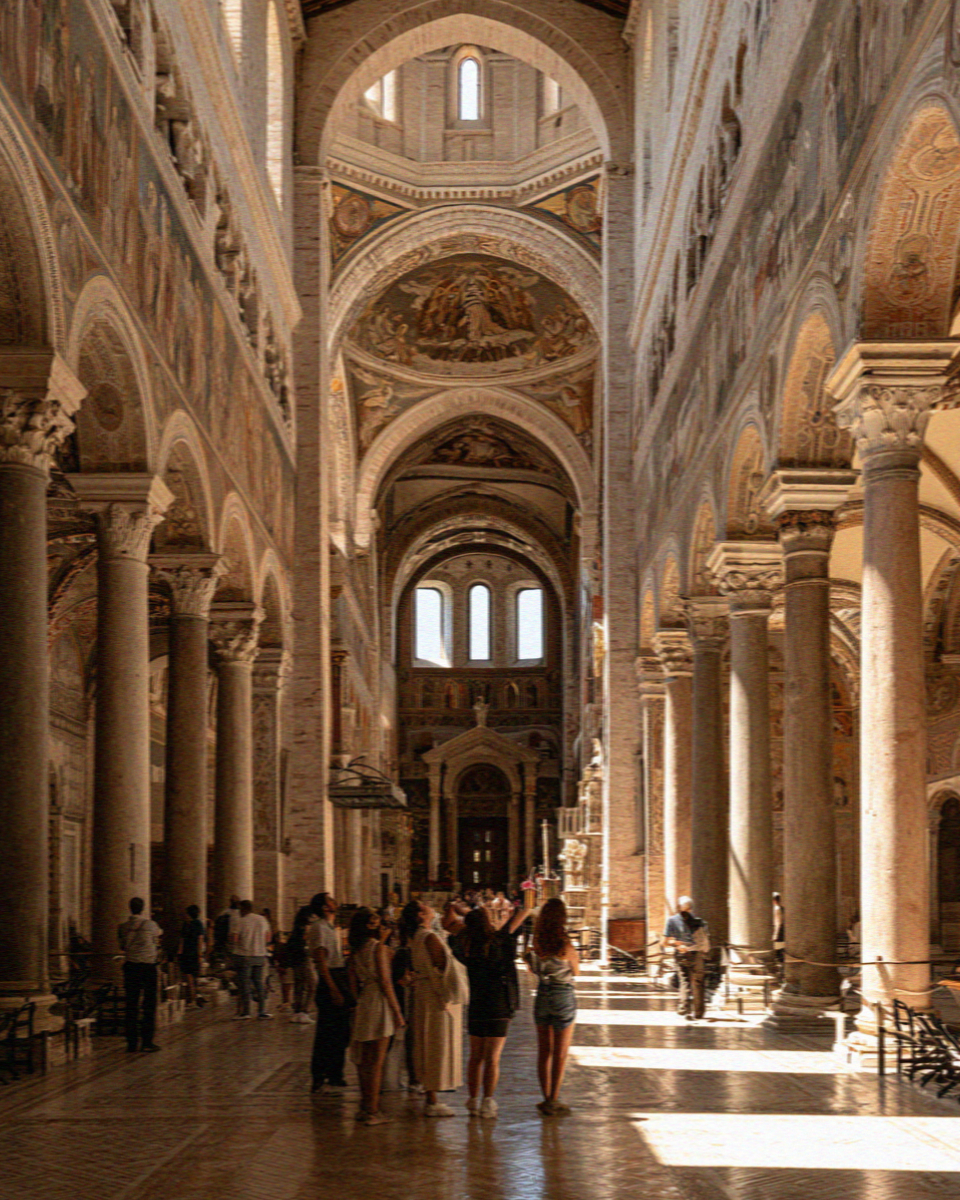
One long room, tall and thrown open with light, the whole surface of the walls given over to paint. After the dark downstairs it is almost rude how bright it is.
This is where the cycle traditionally associated with Giotto runs around the nave, twenty-eight scenes from the life of Francis, one after another, almost at eye level.
People stand in the middle of the floor and rotate slowly on the spot, which looks faintly ridiculous and is completely the correct way to do it.
I did it too.
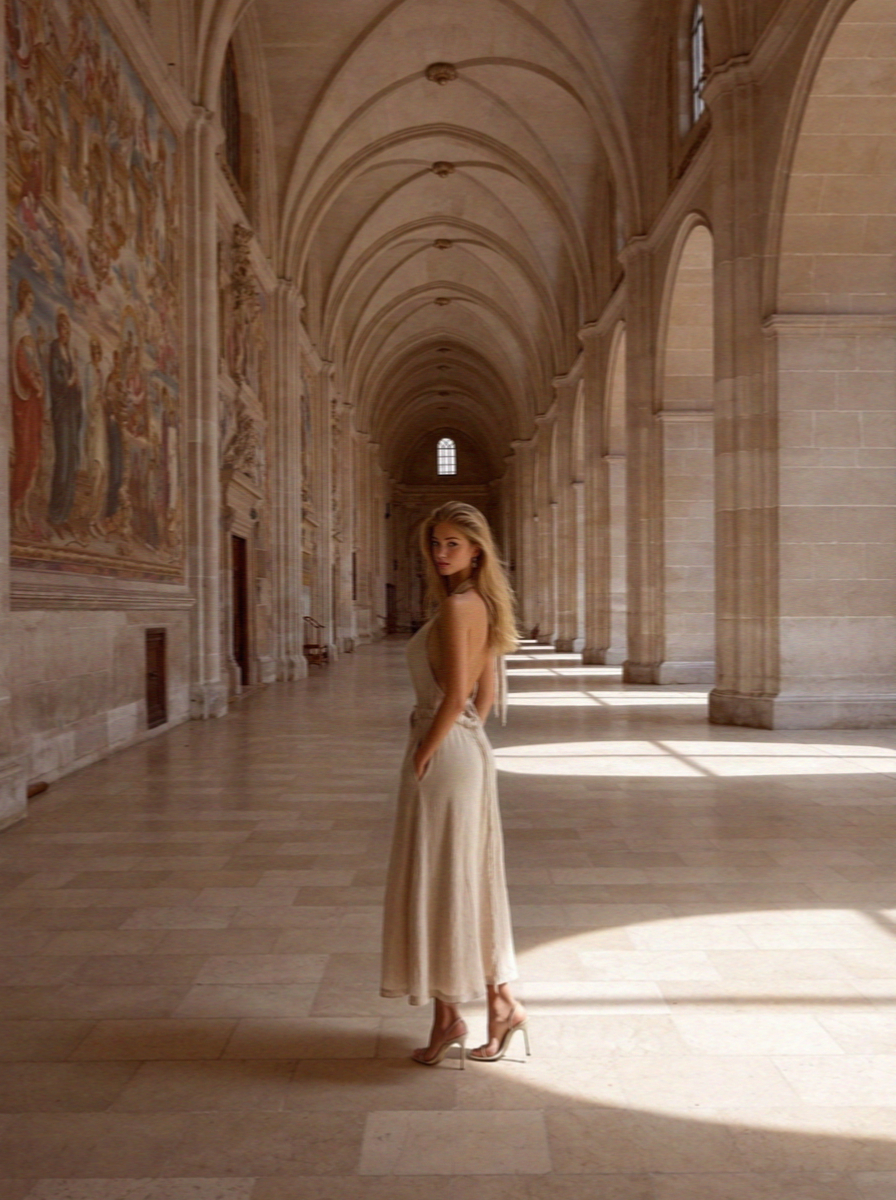
What I had not expected was the furniture.
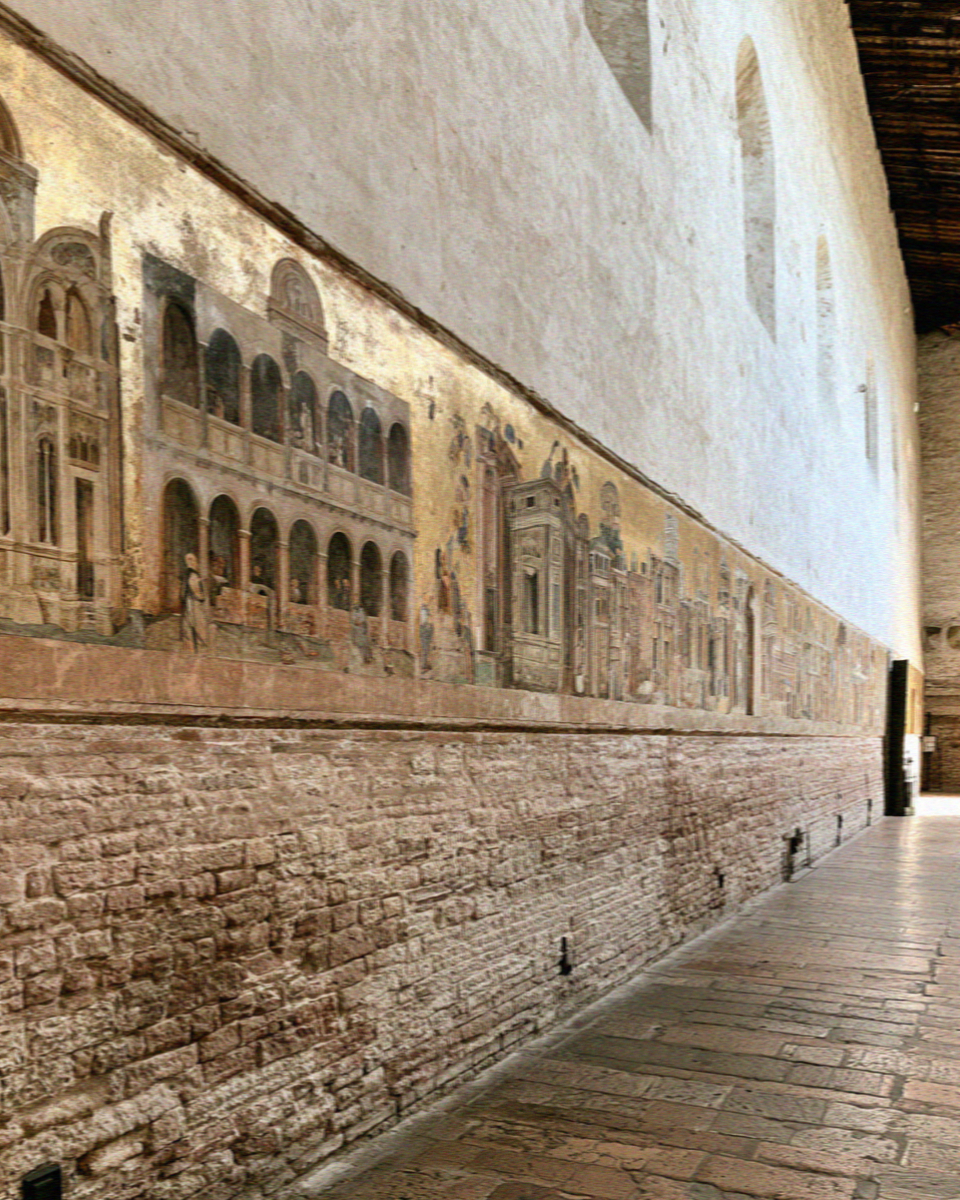
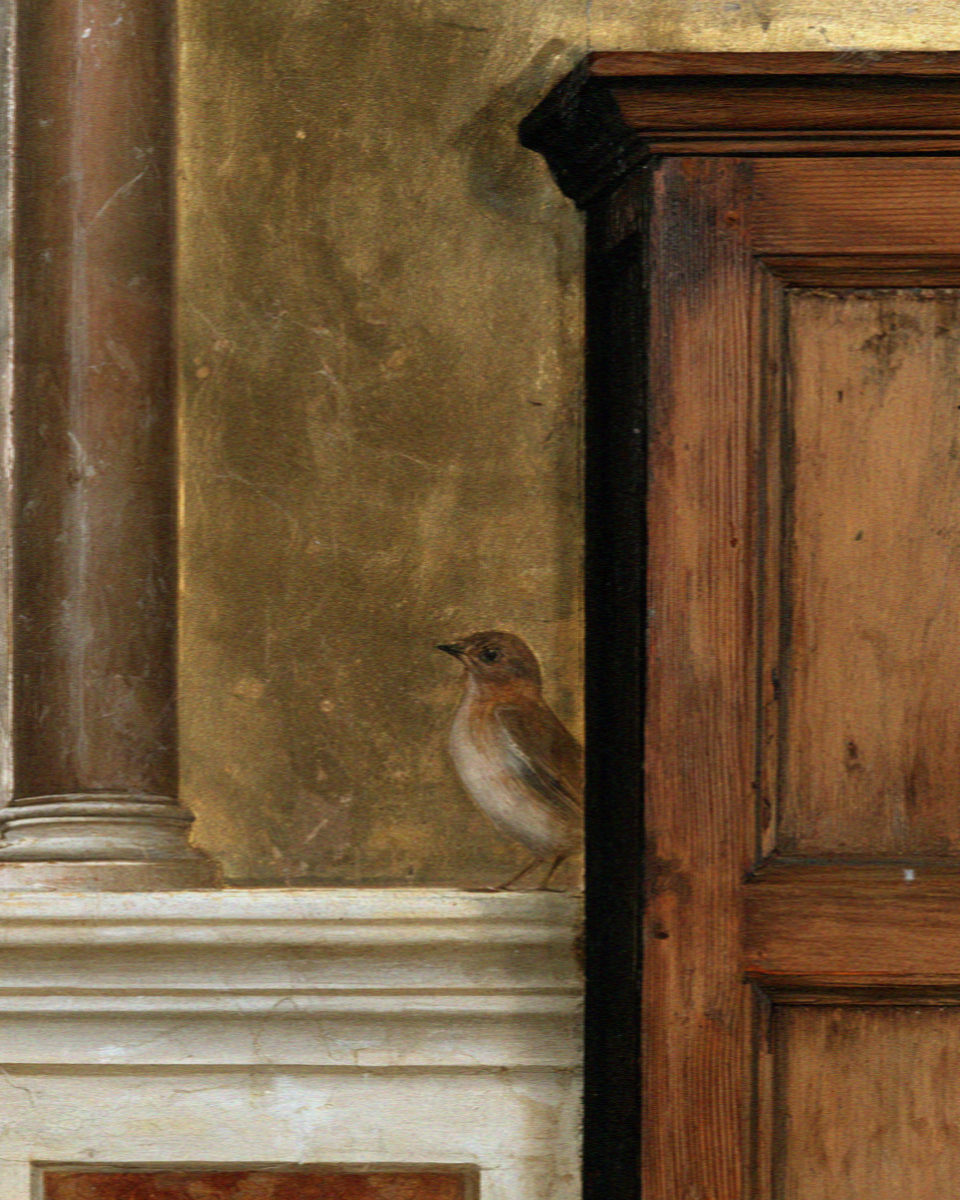
Chairs. Beams. A building seen from the side. A bird on a sill. Painted more than seven hundred years ago, and the rooms are rooms, with corners and depth and objects sitting on surfaces.
You can feel painters beginning to insist that a picture should contain a world rather than simply an image.
That people should have weight.
That a wall should go backwards.
That there should be air inside it.
The vault by the door
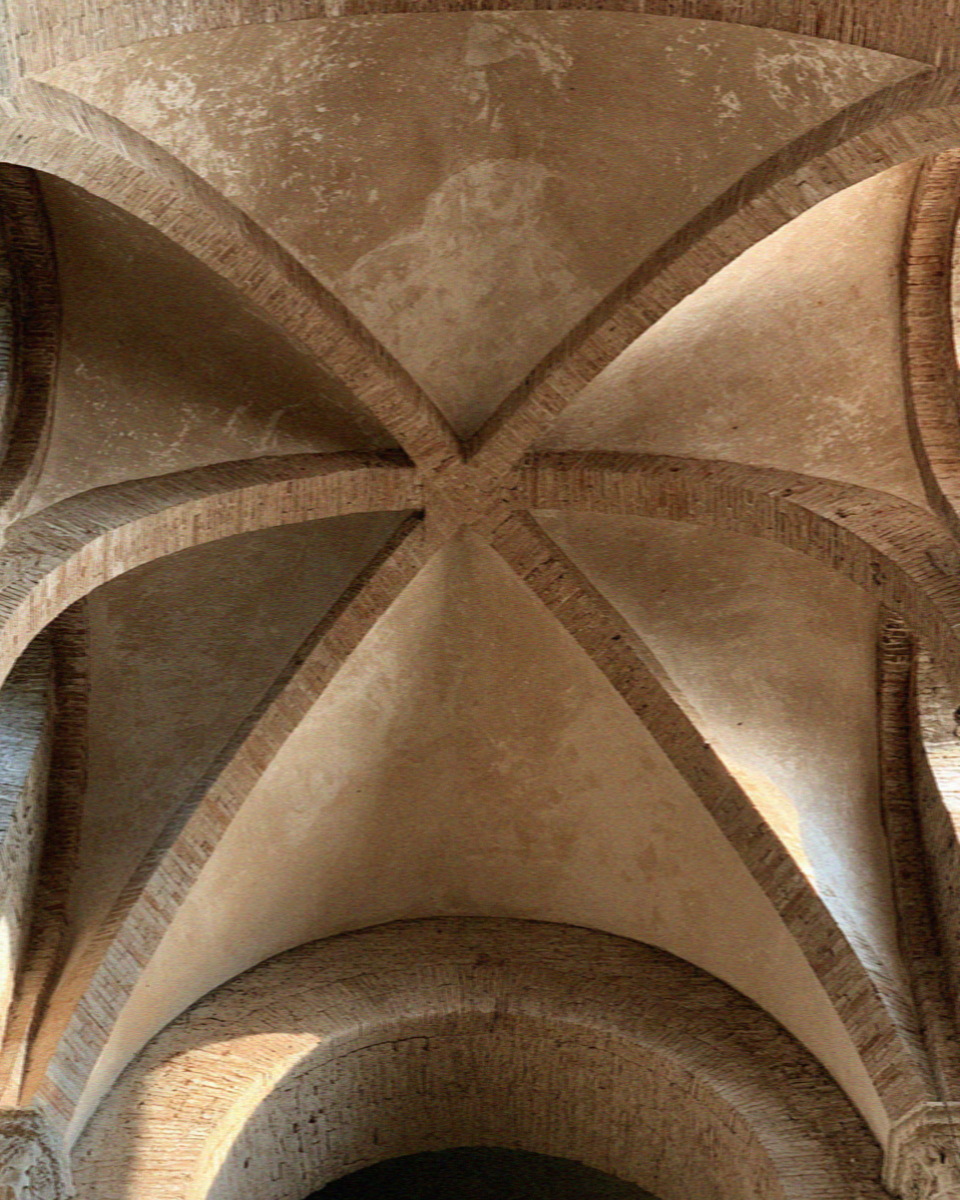
At the western end, above the entrance, the ceiling is a slightly different colour.
You would not notice it unless you were looking for it. A little cleaner. A little flatter. The way new plaster sits beside old.
That is the repair.
On the twenty-sixth of September 1997, at about half past two in the morning, an earthquake woke this valley.
The church held.
Later that morning, people went inside to assess the damage: friars, technicians, engineers, people doing the careful and unglamorous work that follows a bad night.
Then, shortly before noon, another powerful shock came.
Two sections of vaulting fell at opposite ends of the Upper Basilica.
Four of the people below were killed.
Here, near the entrance, beneath the ceiling I had been standing under without knowing its history, two technicians died. At the other end, two Franciscan friars were killed.
A camera was running.
The footage exists.
I have not watched it, and I am not going to.
The pieces they kept
One of the frescoed sections shattered almost beyond recognition.
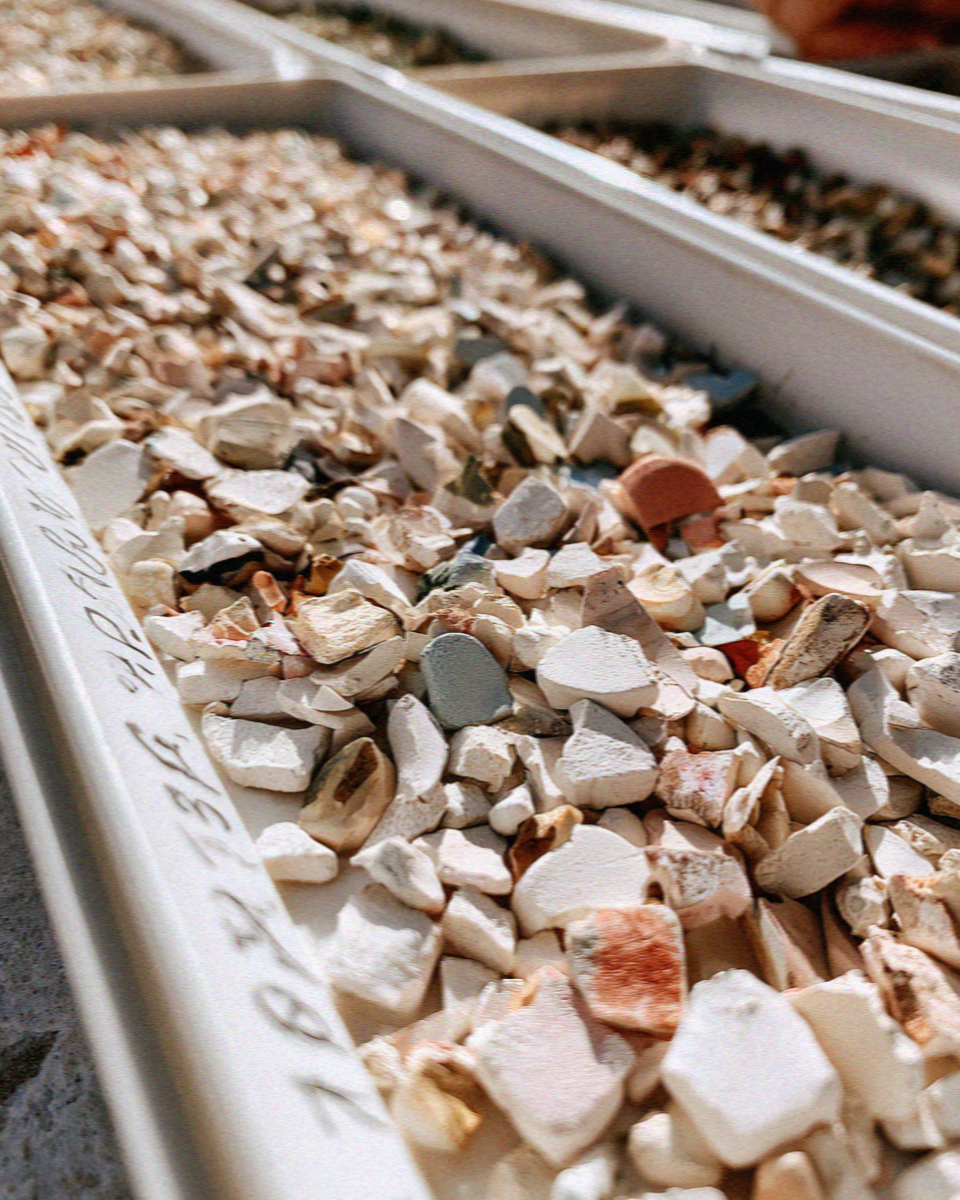
What came off the floor afterwards was not a painting anymore, at least not in any ordinary sense of the word. It was fragments. Tens of thousands of them. Some large enough to understand immediately, others scarcely larger than a fingernail, carrying nothing more than a little colour and two broken edges.
They kept them.
That is the part that gets me.
They kept the pieces that made sense and the pieces that did not. The fragments with faces and folds of fabric and lines you could follow, and the little scraps that appeared to contain almost nothing at all.
Because almost nothing might still belong somewhere.
I cannot stop thinking about the first morning of that work.
A room somewhere. Tables. Trays. Thousands upon thousands of fragments of something that had once been whole.
And somebody has to pick up the first piece.
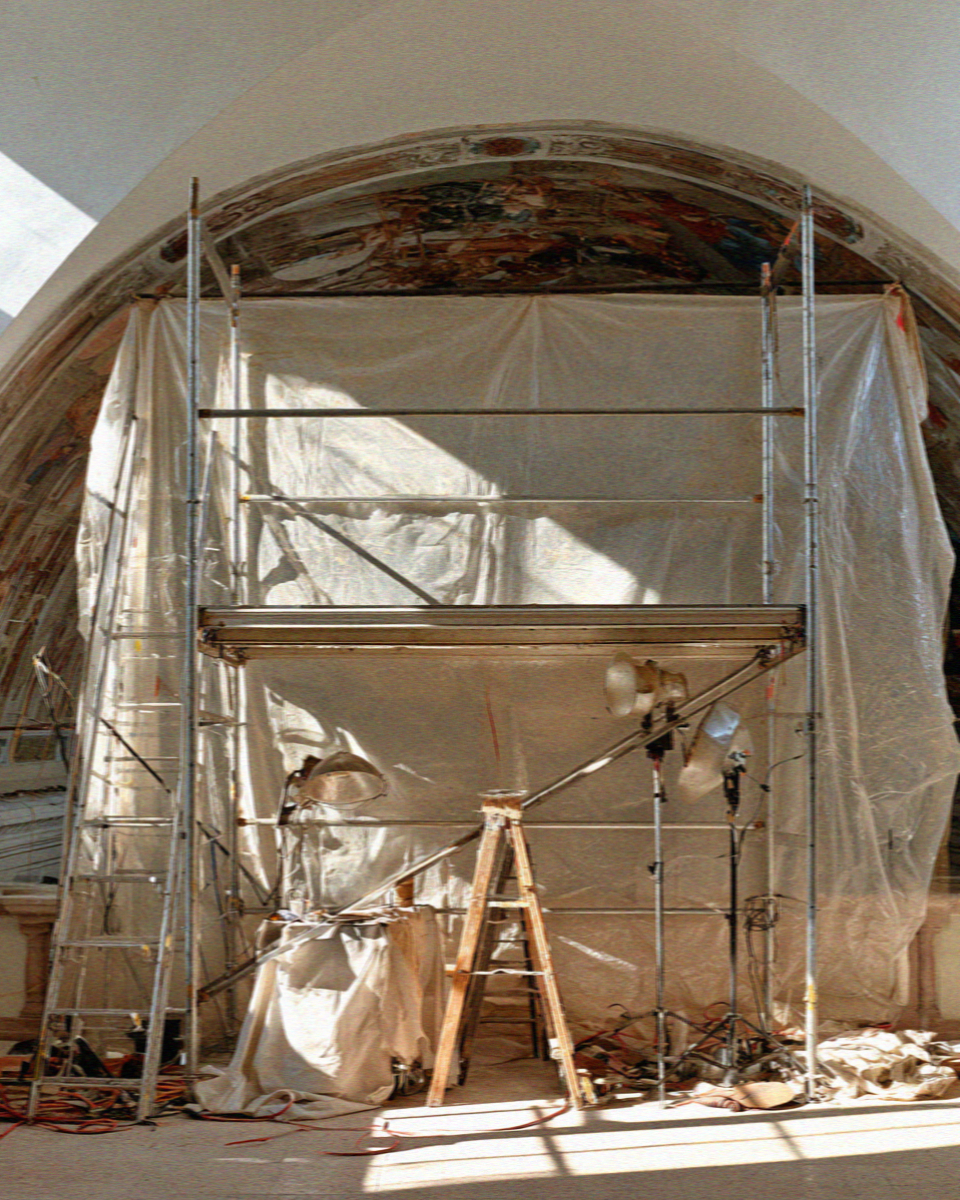
The basilica reopened in November 1999, a little more than two years after the earthquake.
Not everything could be restored. Some losses remain losses. But much of what had fallen was recovered through an almost unreasonable amount of human patience, with fragments identified, catalogued and returned wherever they could be.
Nobody here calls that a miracle.
I am glad they do not.
A miracle would make it sound effortless.
This was people.
Restorers, technicians, masons, art historians, engineers. People turning up in the morning and sitting down in front of something that looked impossible, then doing a little of it anyway.
The same category of people as the men who had gone into the church that morning to see what could be saved.
Out
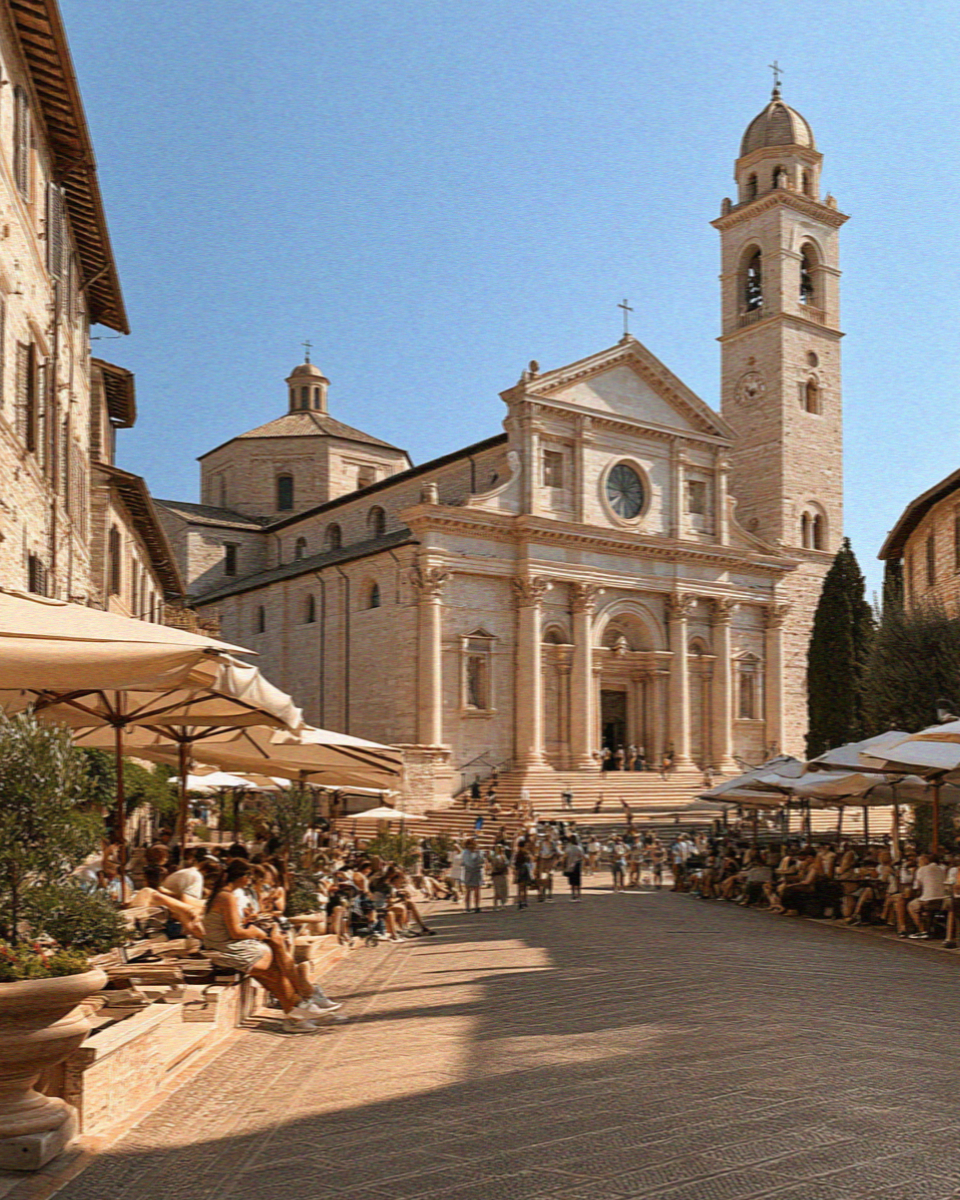
I stayed for hours and came out around eleven into a wall of heat, a piazza filling with tour groups, the day thoroughly begun.
The scarf went back over my arm.
Near the door another woman was unfolding hers.
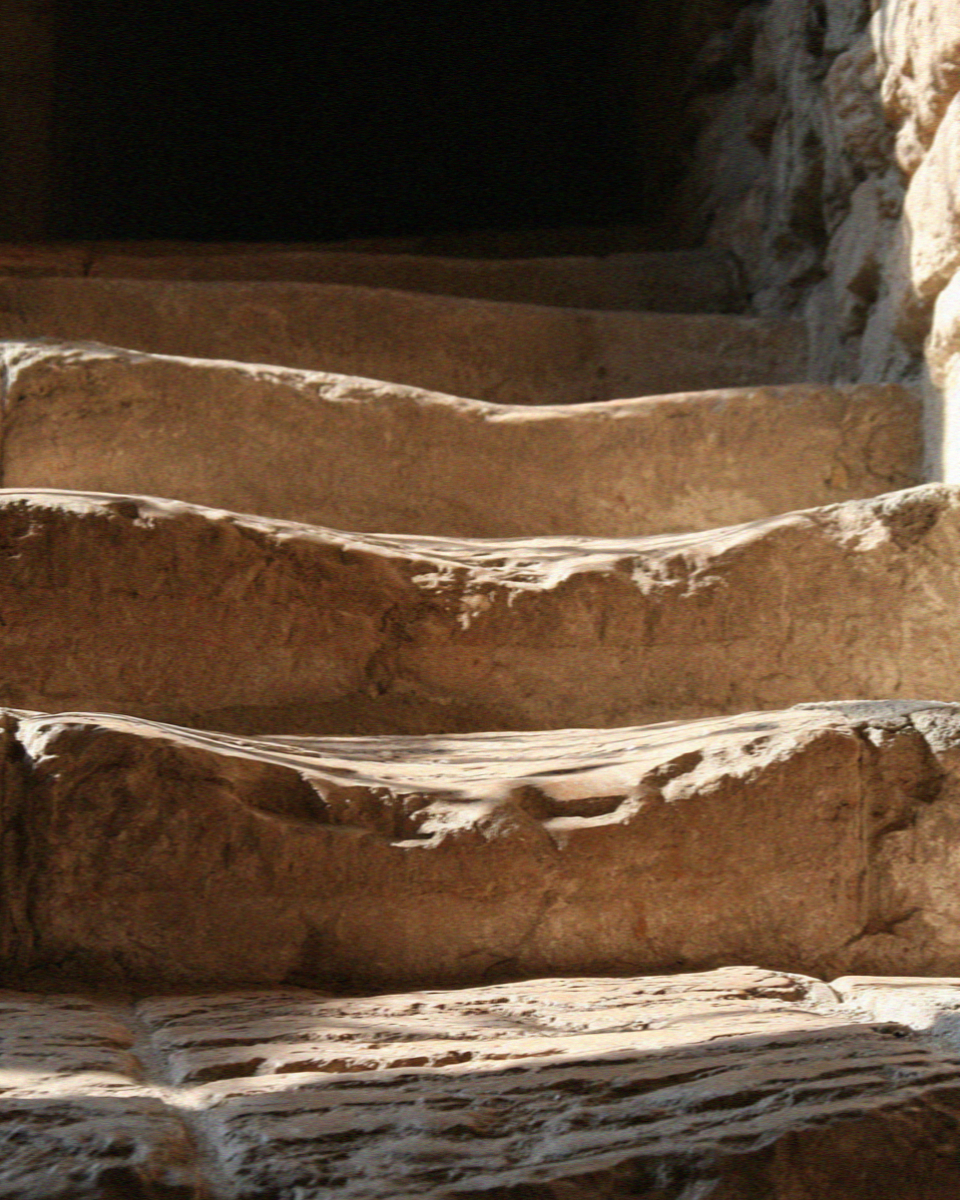
I have been in a great many famous rooms, and most of them ask you to admire something. This one asks something slightly different, and I did not understand what until I was outside on the steps with the light coming up off the stone.
Everything in there is fragile.
It always has been.
The paint is a thin skin on plaster. The plaster hangs above a floor. The whole building sits on a mountain that moves, and everyone responsible for keeping it has always known some version of this.
They keep it anyway.
They have kept it for centuries, and one September morning part of it came down, and people went into the wreckage and picked it up.
Not metaphorically.
Piece by piece.
That is the thing worth carrying down the hill.
Not the frescoes.
The keeping.
More images from Assisi





V.