You land on the water here, or near enough that your body believes it.
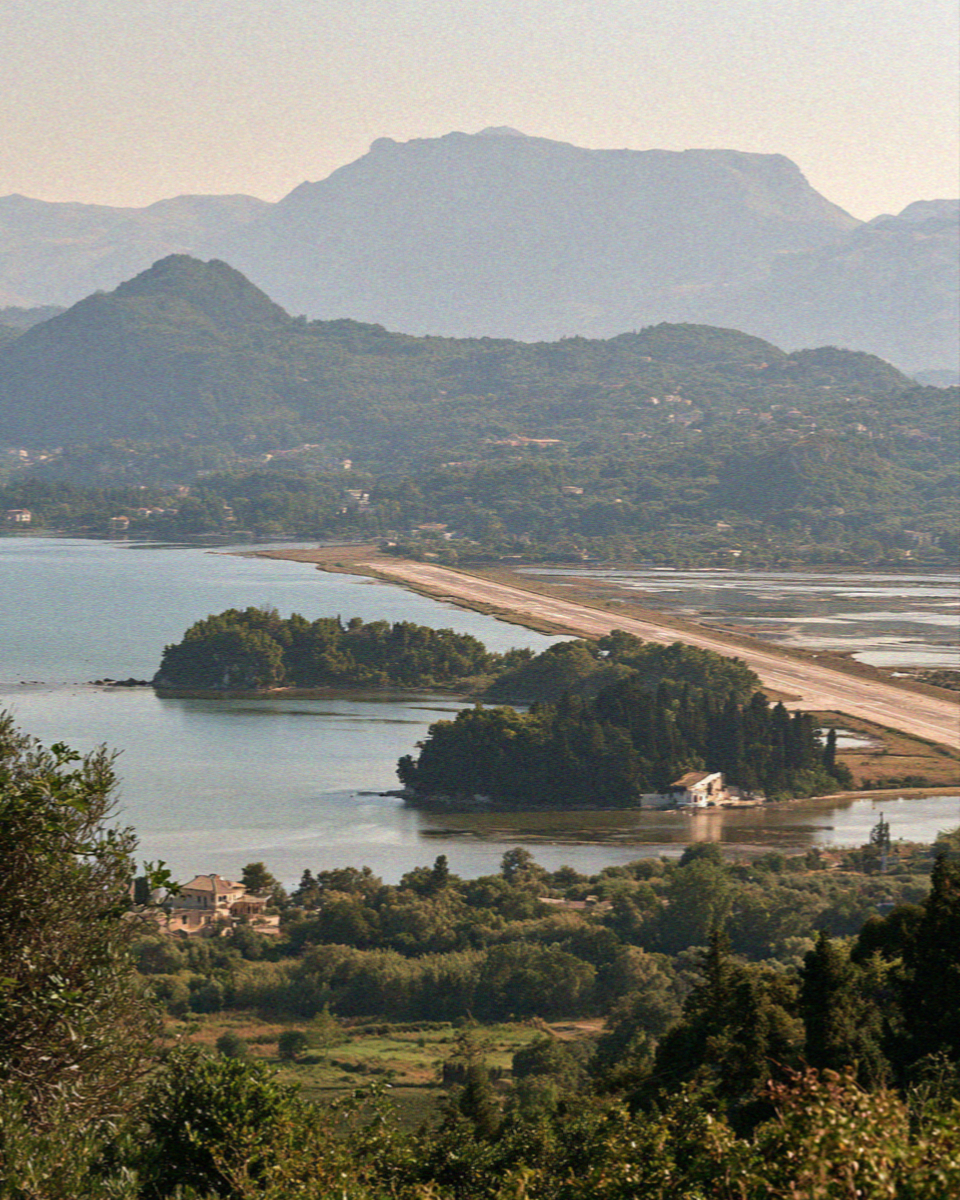
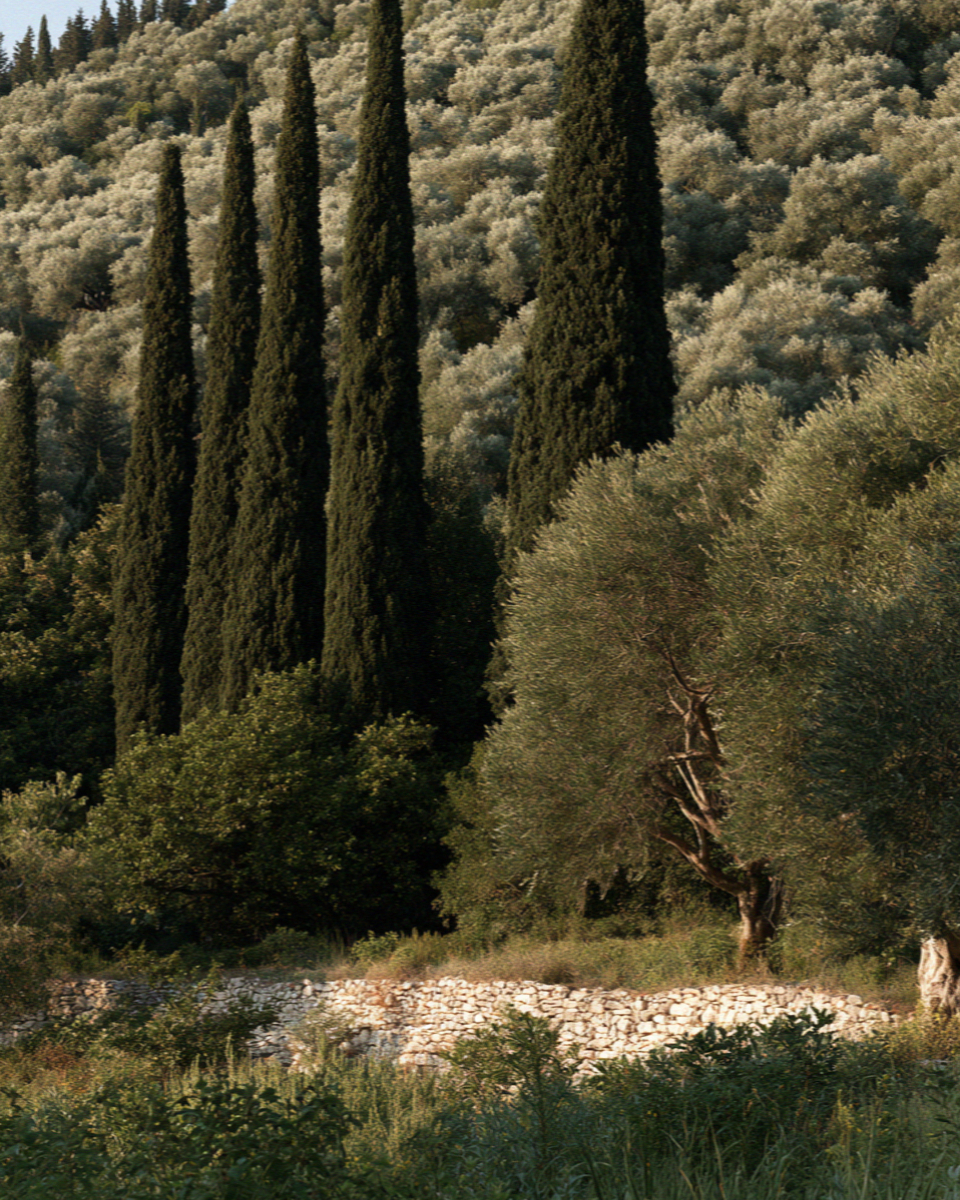
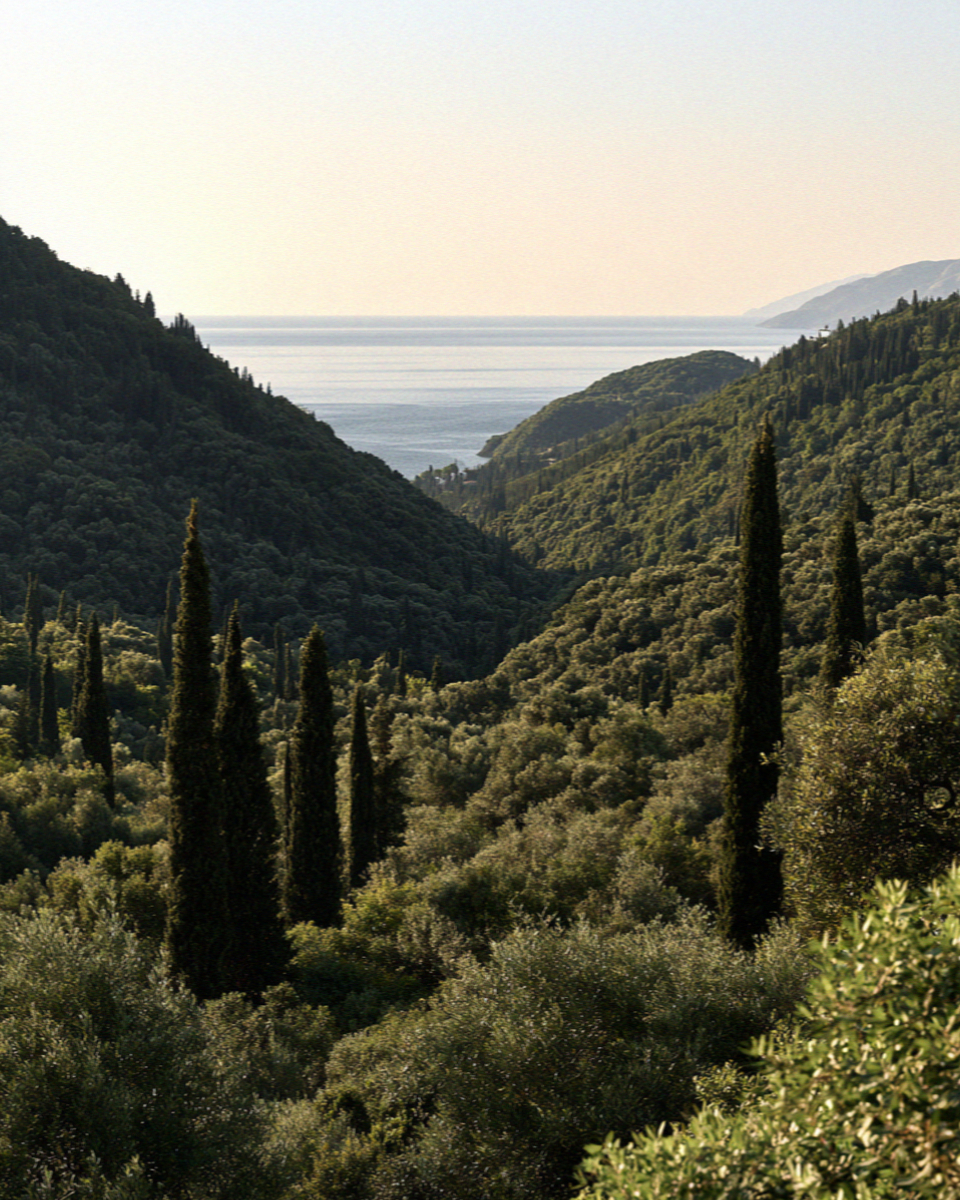
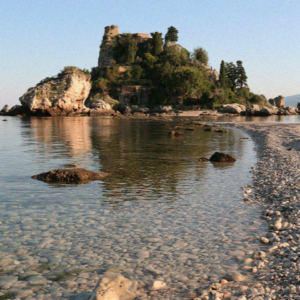
The runway sits out in a lagoon on a strip of made ground, and the approach comes in low over it with the sea on both sides of the window, past a very small island with a monastery on it and a line of cypresses. For about four seconds there is nothing under the wing but water.
Nobody on the plane said anything.
Then everybody said something at once, in three languages, and a man behind me laughed at himself for having gripped the armrest.
My father would have loved that.
He was never more himself than near water, and I have thought about it often enough to be slightly suspicious of the thought, the way you get with anything you have told yourself a hundred times.
But he would have.
He would have been the one at the window not talking.
I have come from Italy and I expected Greece to be a change of degree. White, blue, dry, hot. The postcard.
It is not that at all.
The first thing, driving out, is that the island is green.
Not green in patches. Green the way Devon is green, densely and everywhere, with hills going up behind the road and every one of them furred over. It rains more here than anywhere else in the country, which nobody mentions in the brochures because it is the wrong kind of fact.
The result is that you are on a Greek island in September looking at something closer to a forest.
And the forest is olives.
I thought at first they were something else because they are the wrong shape.
An olive tree in Tuscany or Puglia comes up to about here and is pruned into a goblet so the light gets into the middle and a person can reach the fruit.
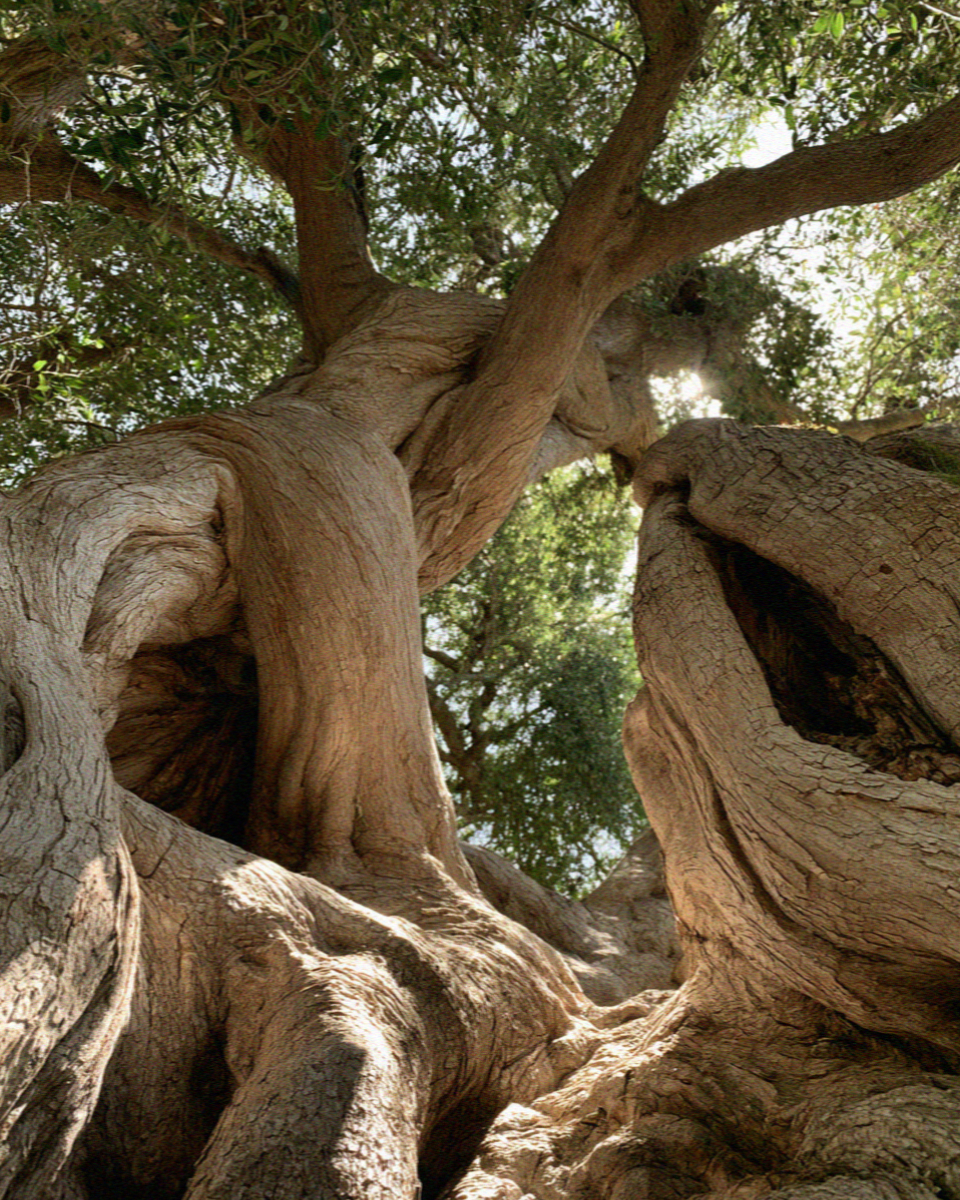
These are thirty and forty feet tall.
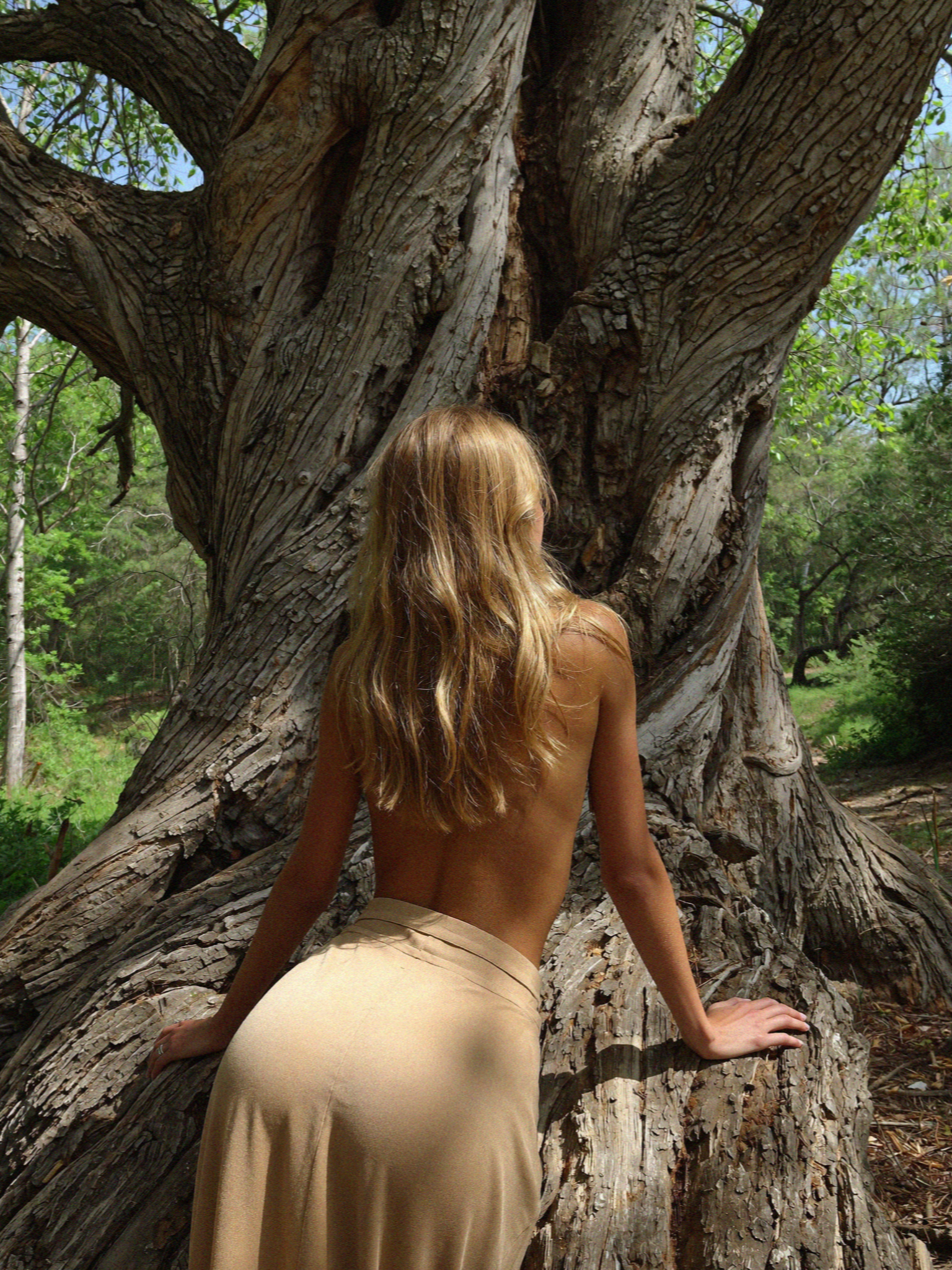
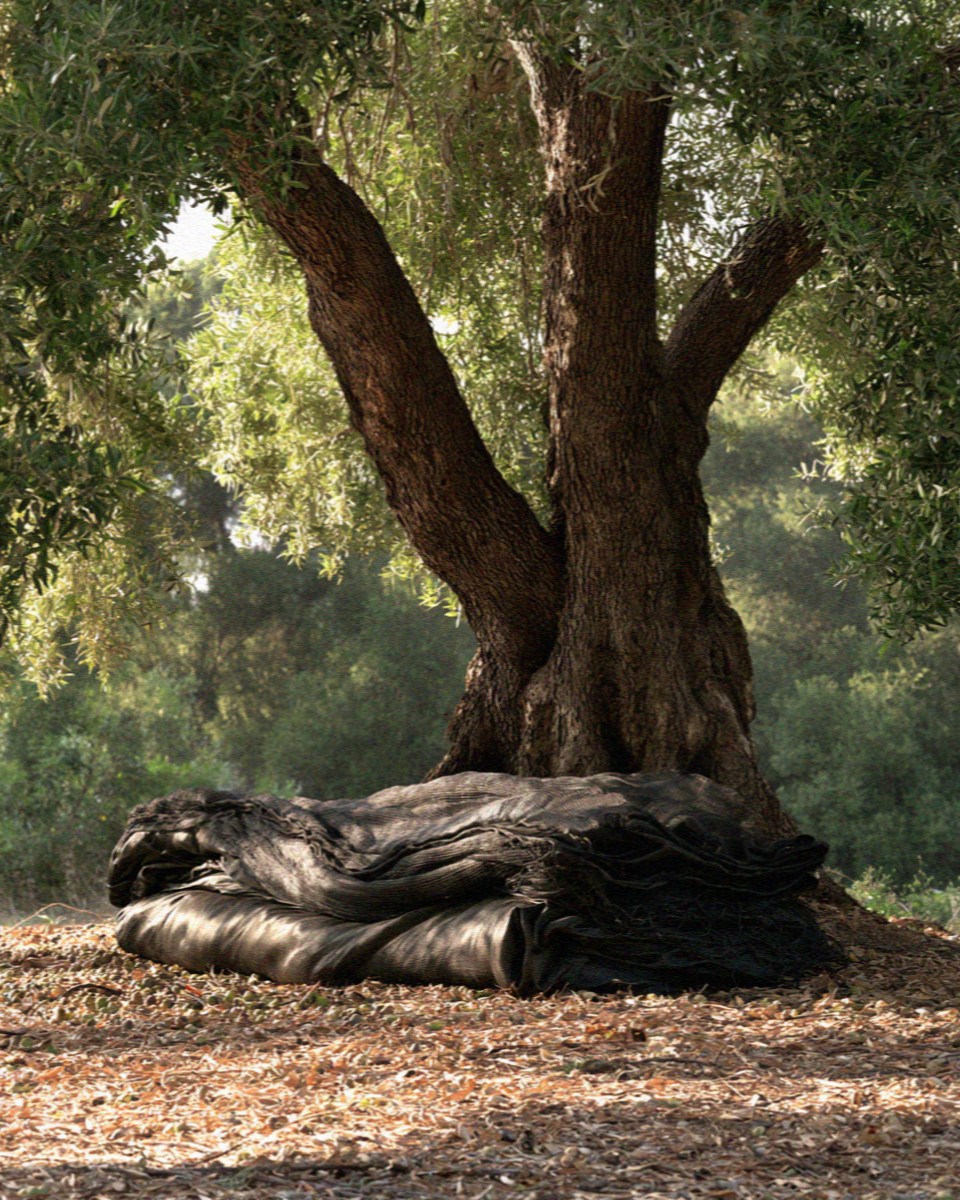
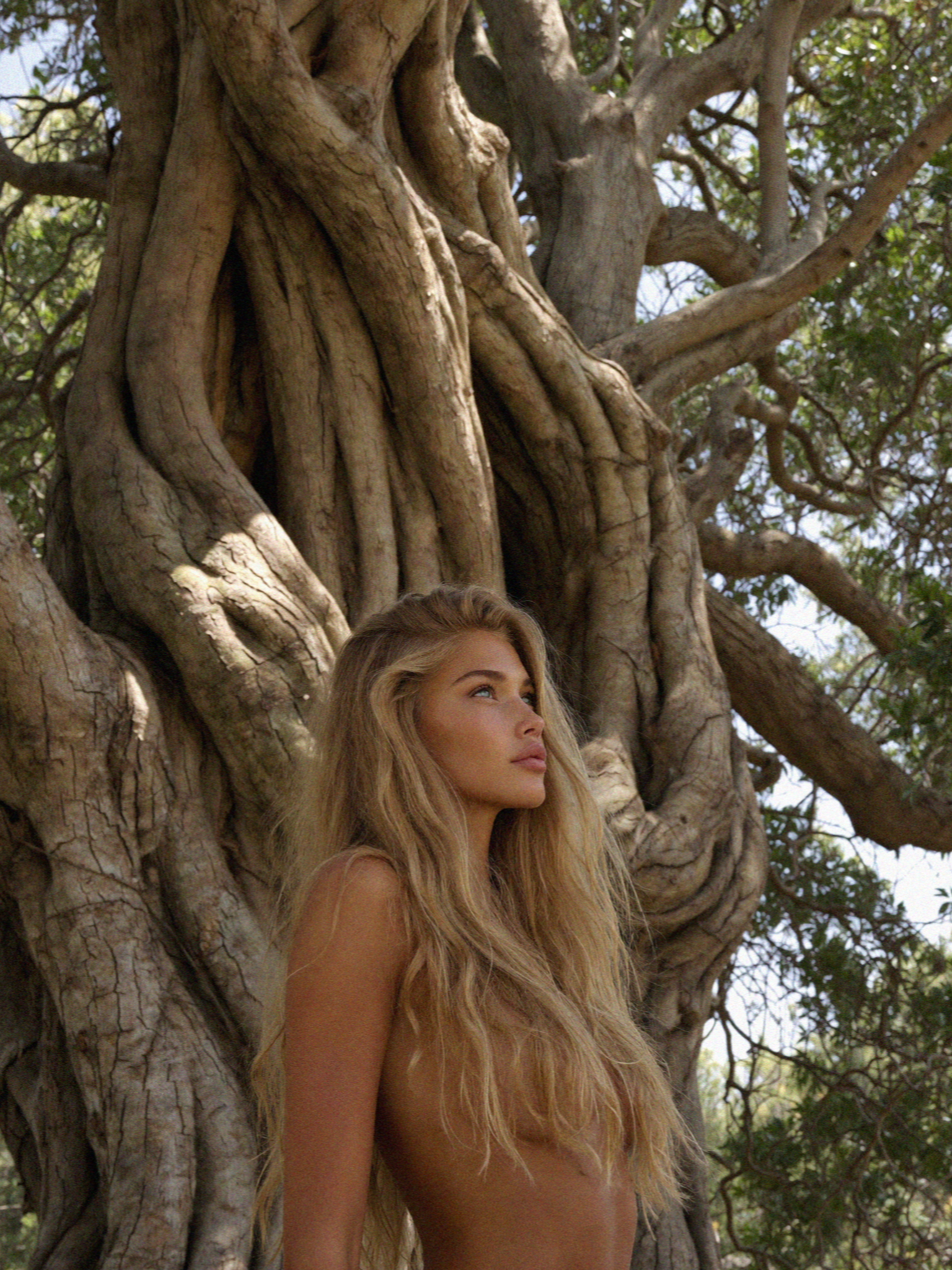
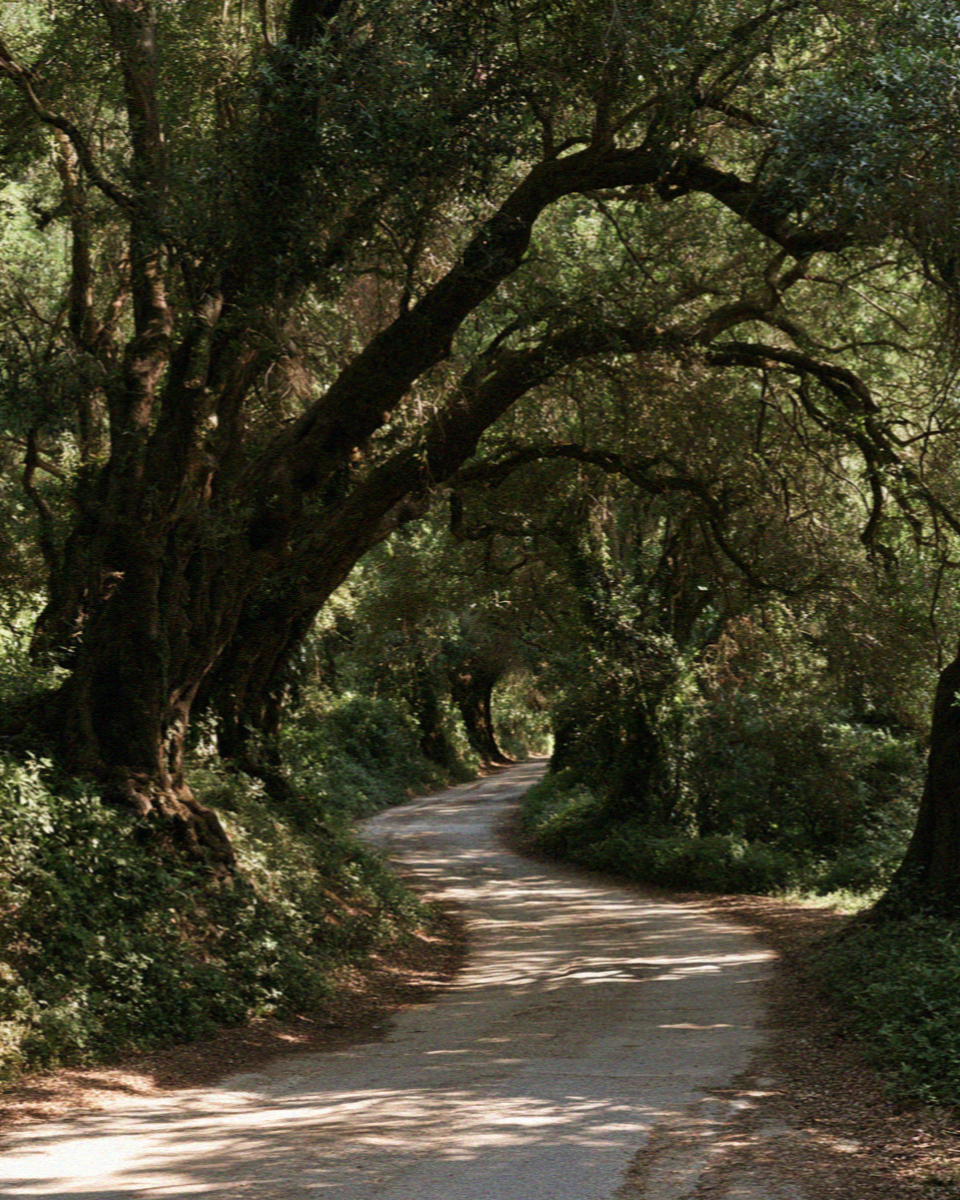
They have gone up rather than out, competing with each other for the light, and the trunks are enormous and hollowed and twisted around themselves like rope that has been wrung out. Some of them are wider than I am tall.
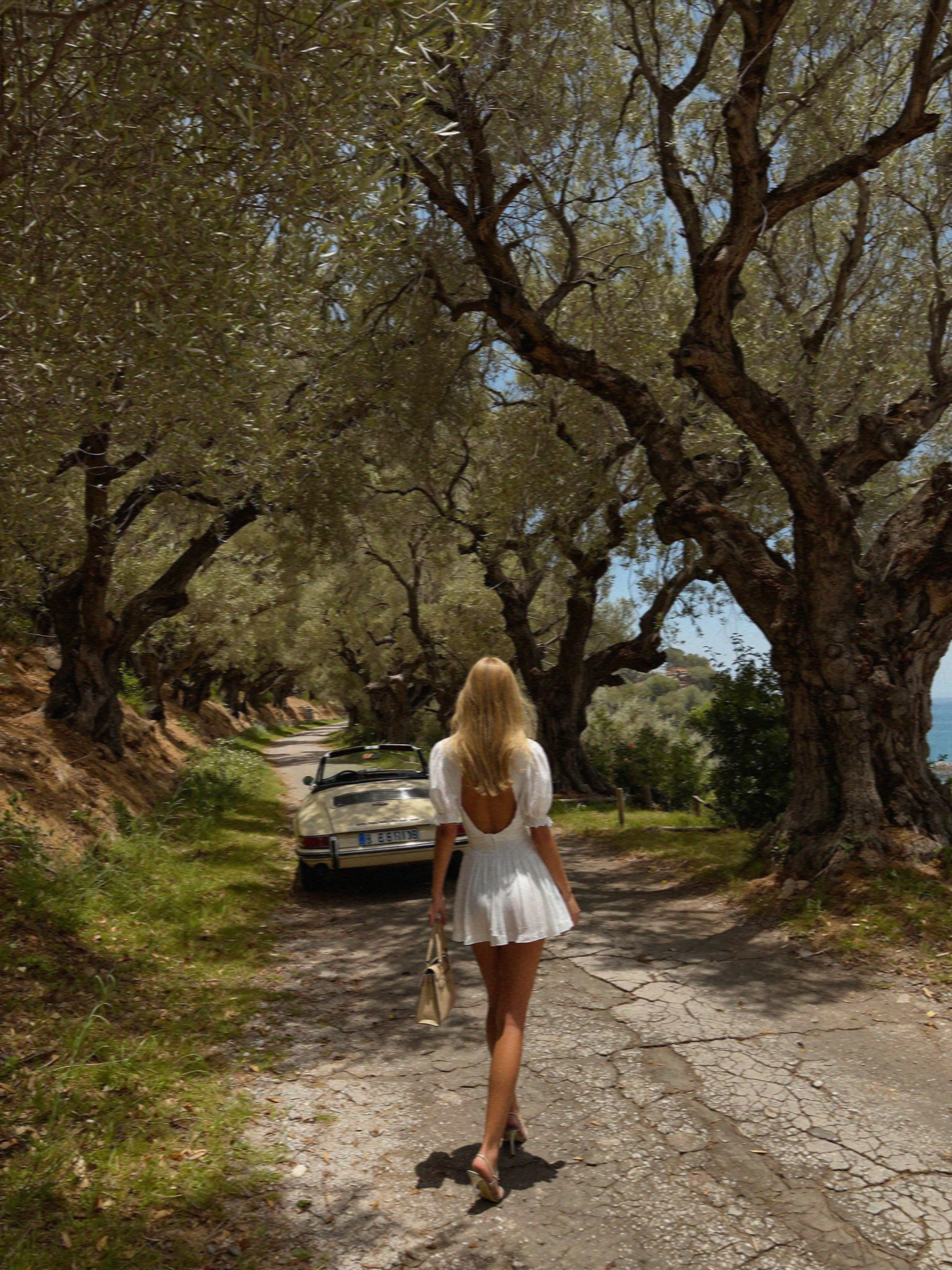
They lean over the road and meet in the middle, and you drive through a tunnel of them for twenty minutes at a stretch, in green underwater light, with the sea appearing and disappearing on your right.
The road is not wide enough for what uses it.
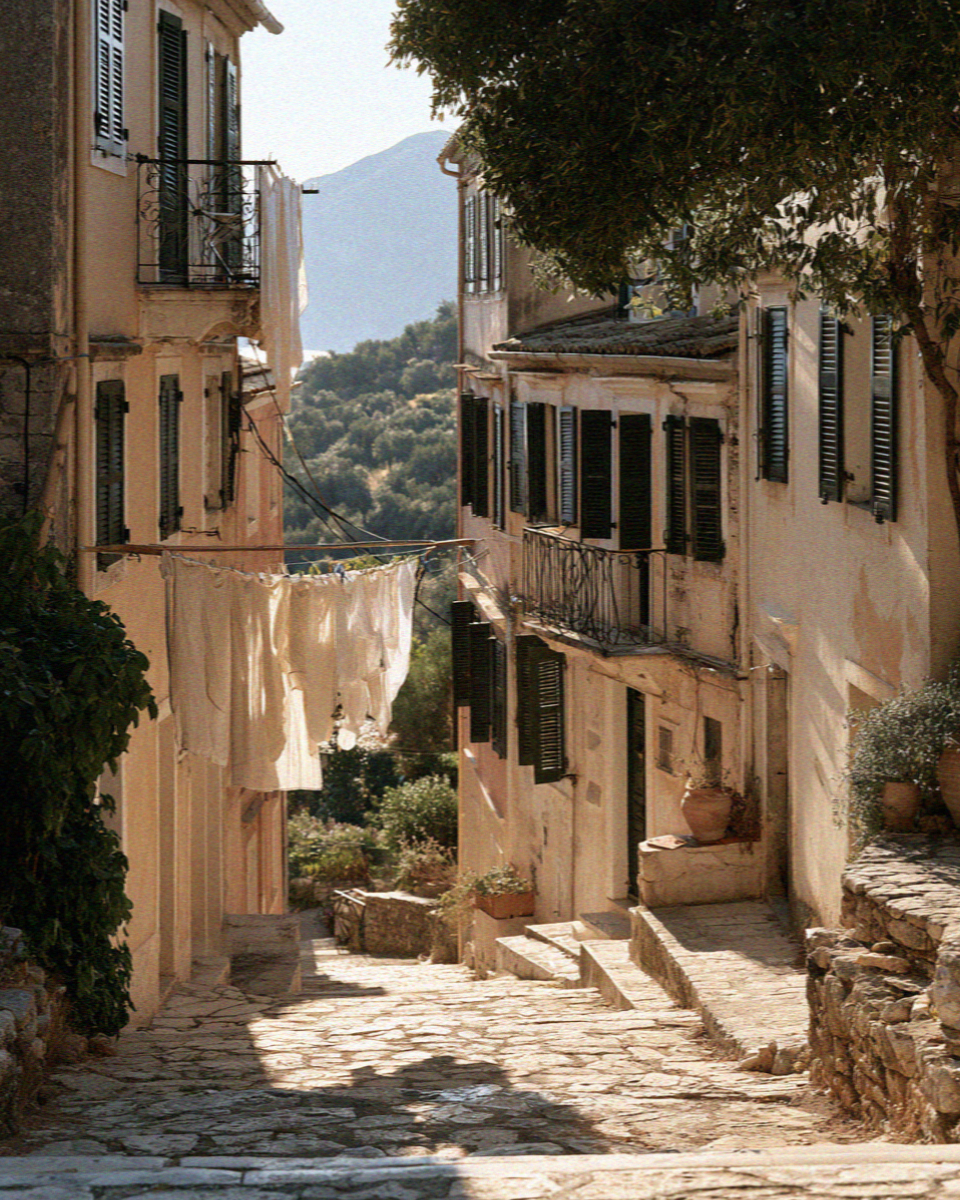
Buses come round the bends on the crown of it and you learn quickly to take the inside line and slow down before you can see why. Every few miles the trees open onto a village of four houses and a church and a man sitting outside in the shade.
One of them lifted two fingers off the top of his steering wheel as he passed me.
I understand now that this is the greeting.
I spent the first hour waving properly, like somebody on a float.
The reason for the trees is Venice, and I did not know this until the man who handed me the car keys told me, in the tone of somebody who has explained it many times and still enjoys it.
Venice held this island for four hundred years, which is the part I did know. After the Turks came through in 1537 and destroyed most of the vineyards, the Senate wanted oil, so it started paying Corfiots to plant olives. A bounty, per hundred trees, in gold.
People did what people do when you pay them per unit.
By the time Venice left there were something close to two million of them. Now there are three and a half to four million on an island this size, which works out at about fifty trees for every person living here.
Here is the part I liked.
Nobody pruned them.
Why would you, when you are paid to plant and not to tend?
So they grew, and they kept growing, and after a few generations they were far too big to prune even if somebody had wanted to.
Which meant the whole harvest had to change to suit the trees instead of the other way round.
You cannot beat a forty-foot tree with a stick.
So they do not pick the olives at all. In October they lay black nets under the canopies and then they wait. For weeks, sometimes months. The olives come down when they come down, helped by wind and rain, and every few weeks somebody walks the grove and gathers what has fallen.
It makes a softer, milder oil and a higher acidity than the aggressive raked oils further south, and I am told by people with opinions that this is a fault.
It may be.
It is also four hundred years of an island being shaped by a subsidy nobody alive remembers, and I cannot look at these trees now without seeing a clerk in Venice writing a number in a ledger.
The northeast coast does not run in long open stretches the way Sardinia does.
It folds.
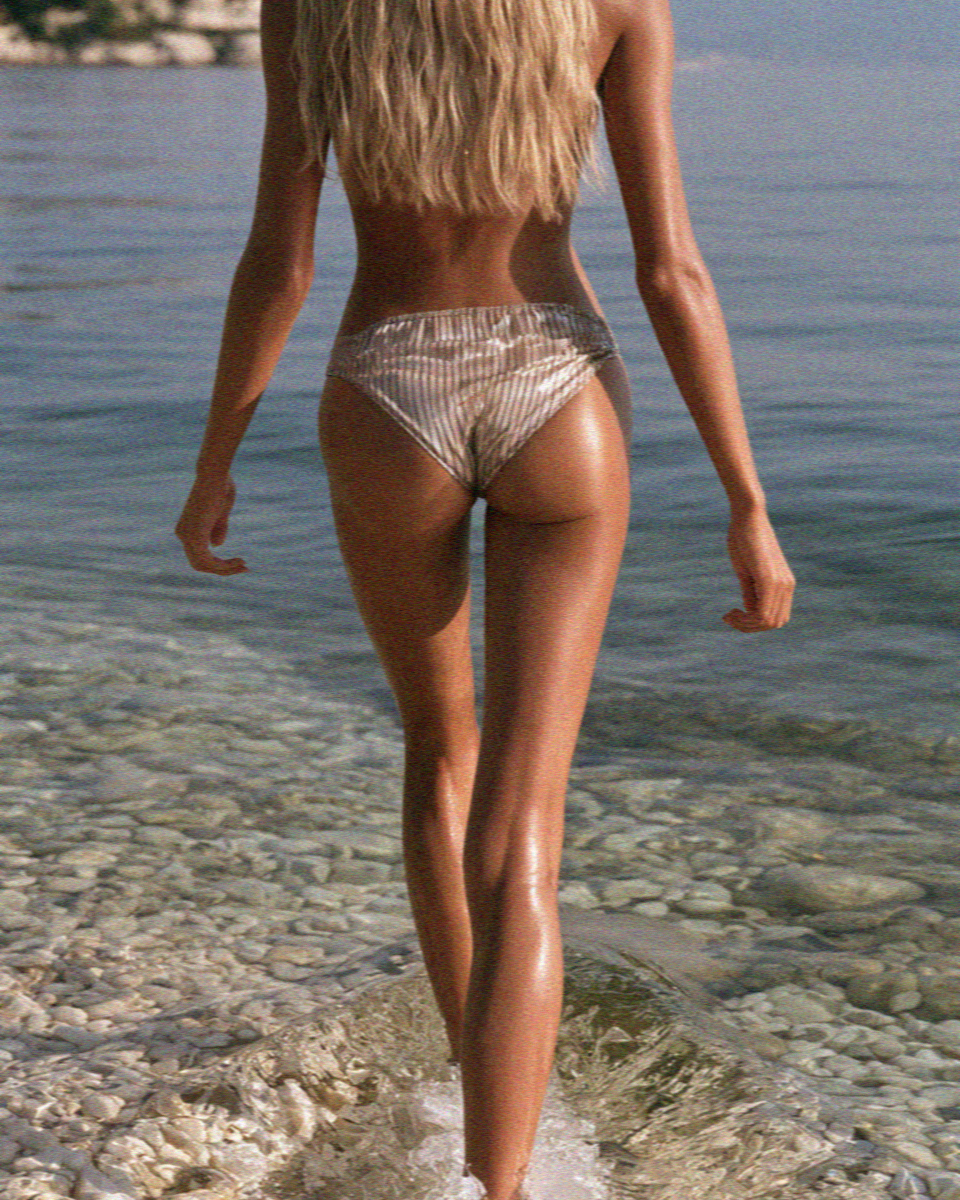
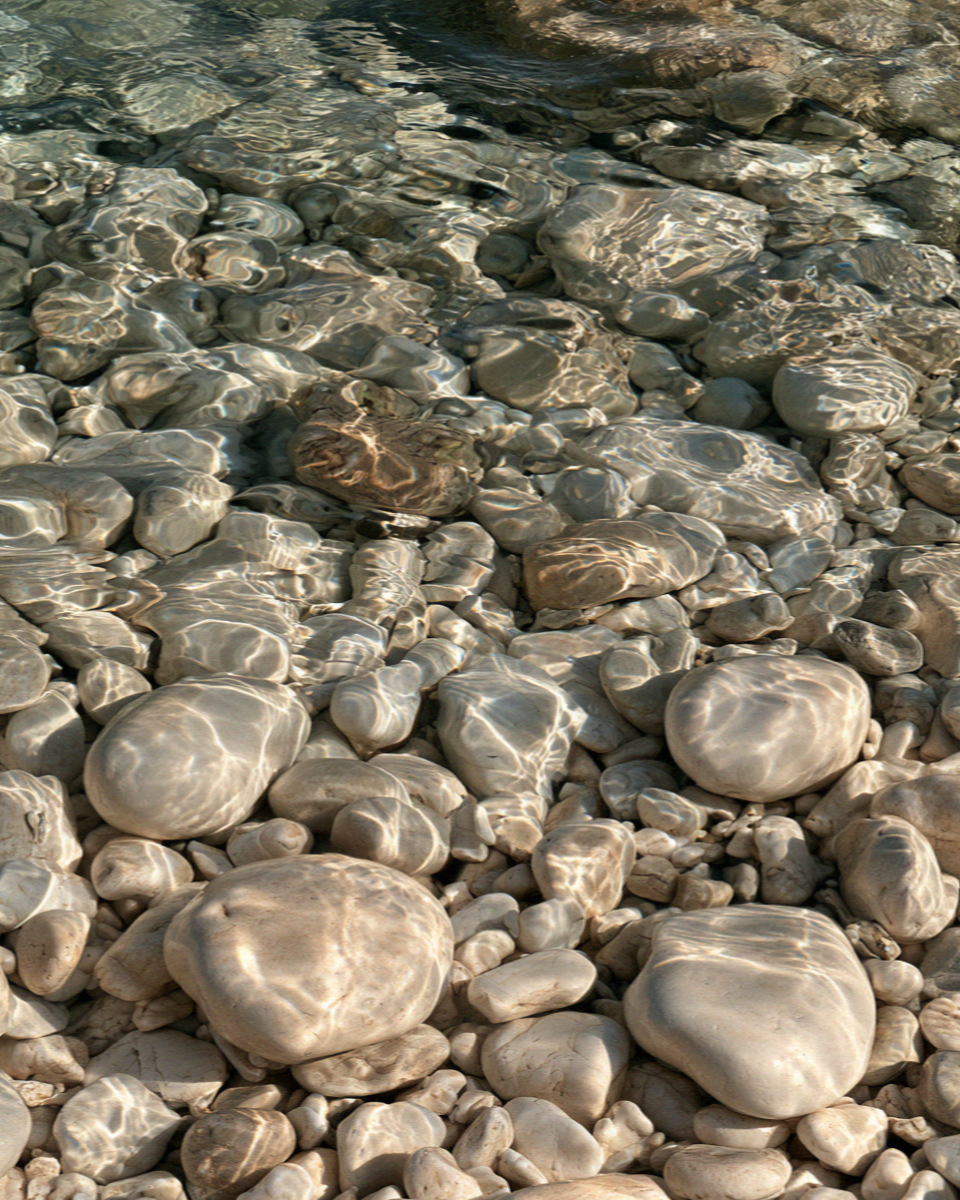
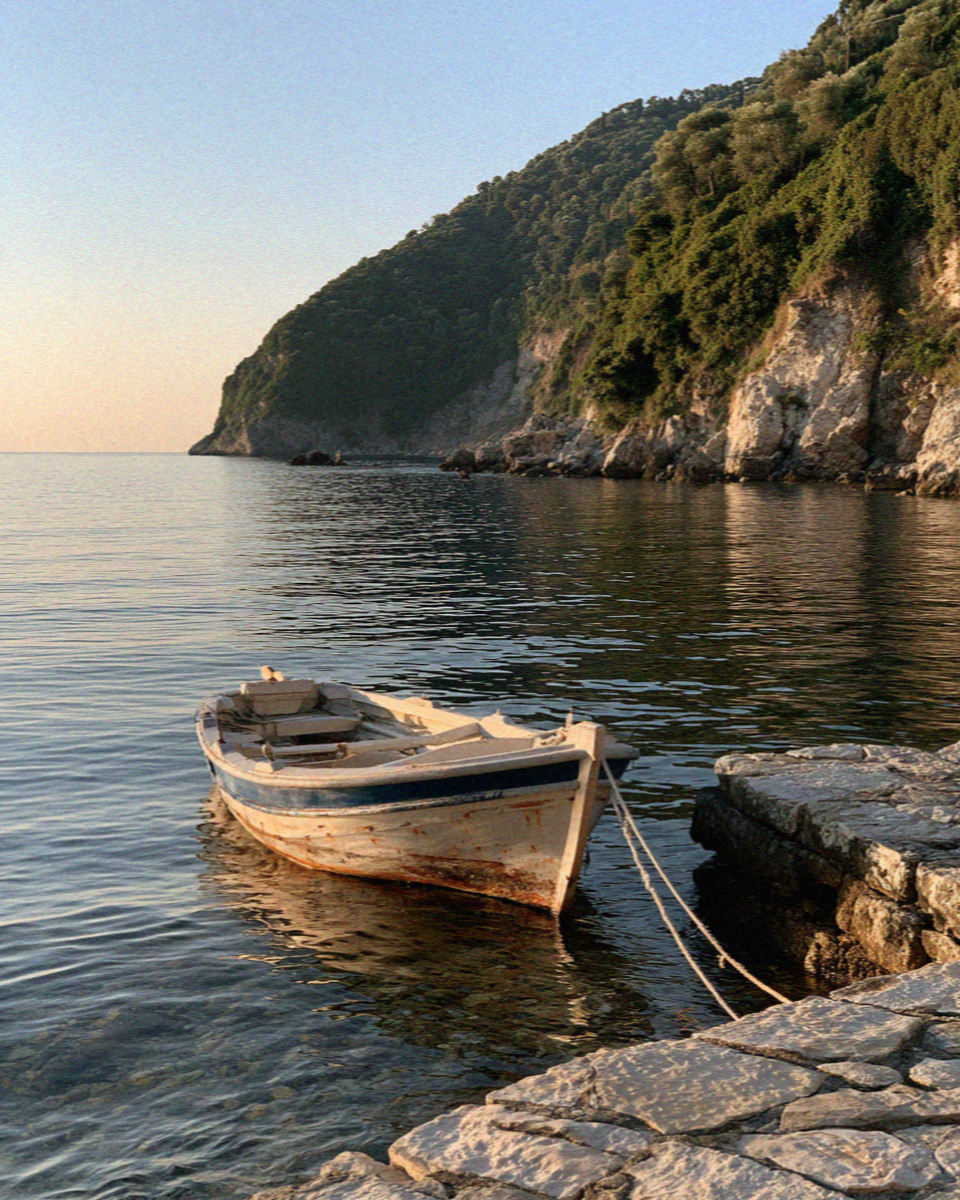
Small bay, headland, small bay, headland. Each one down its own steep track off the main road, most of them pebble rather than sand, and the water in them is the kind of clear that makes you misjudge the depth entirely.
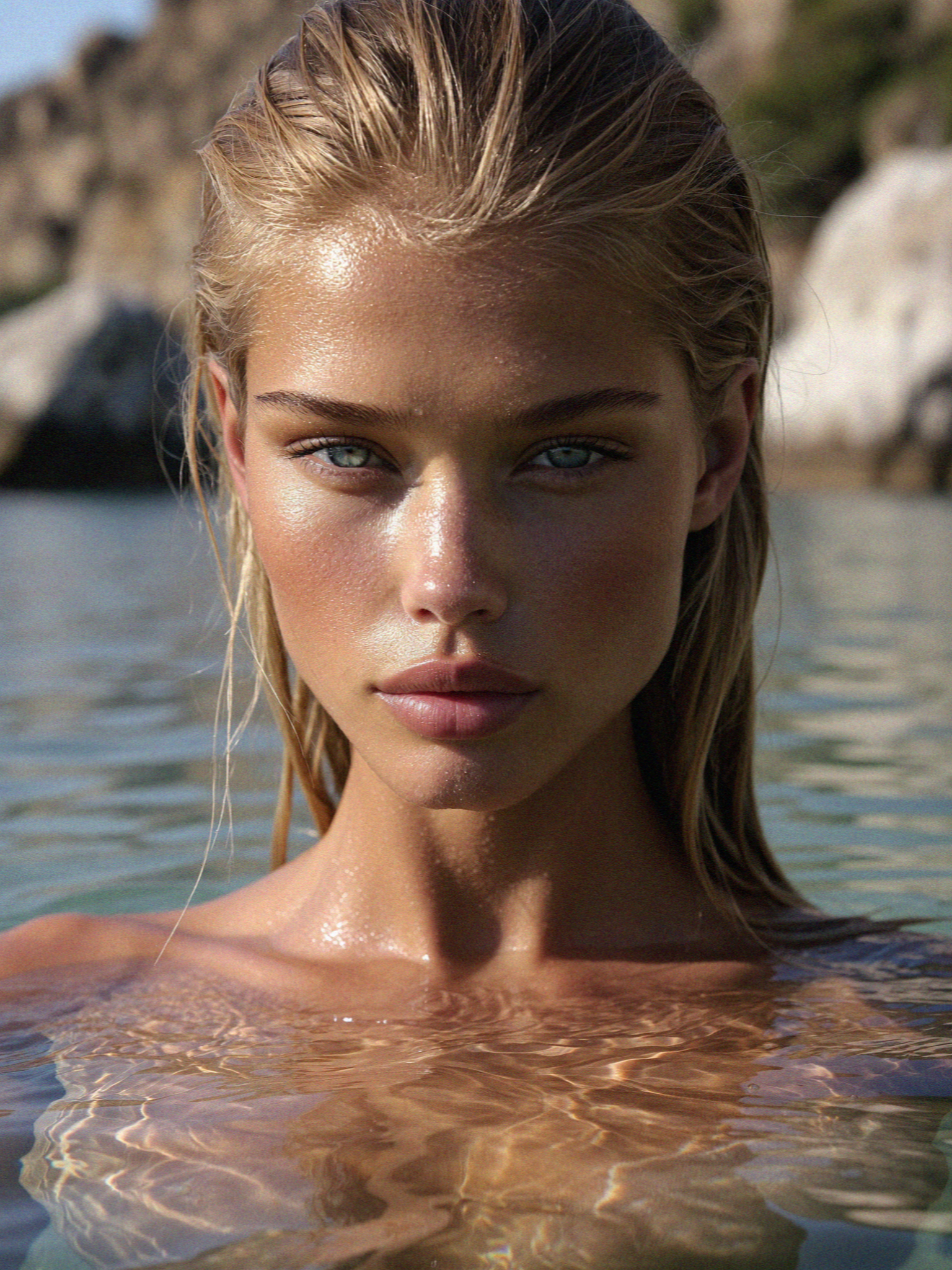
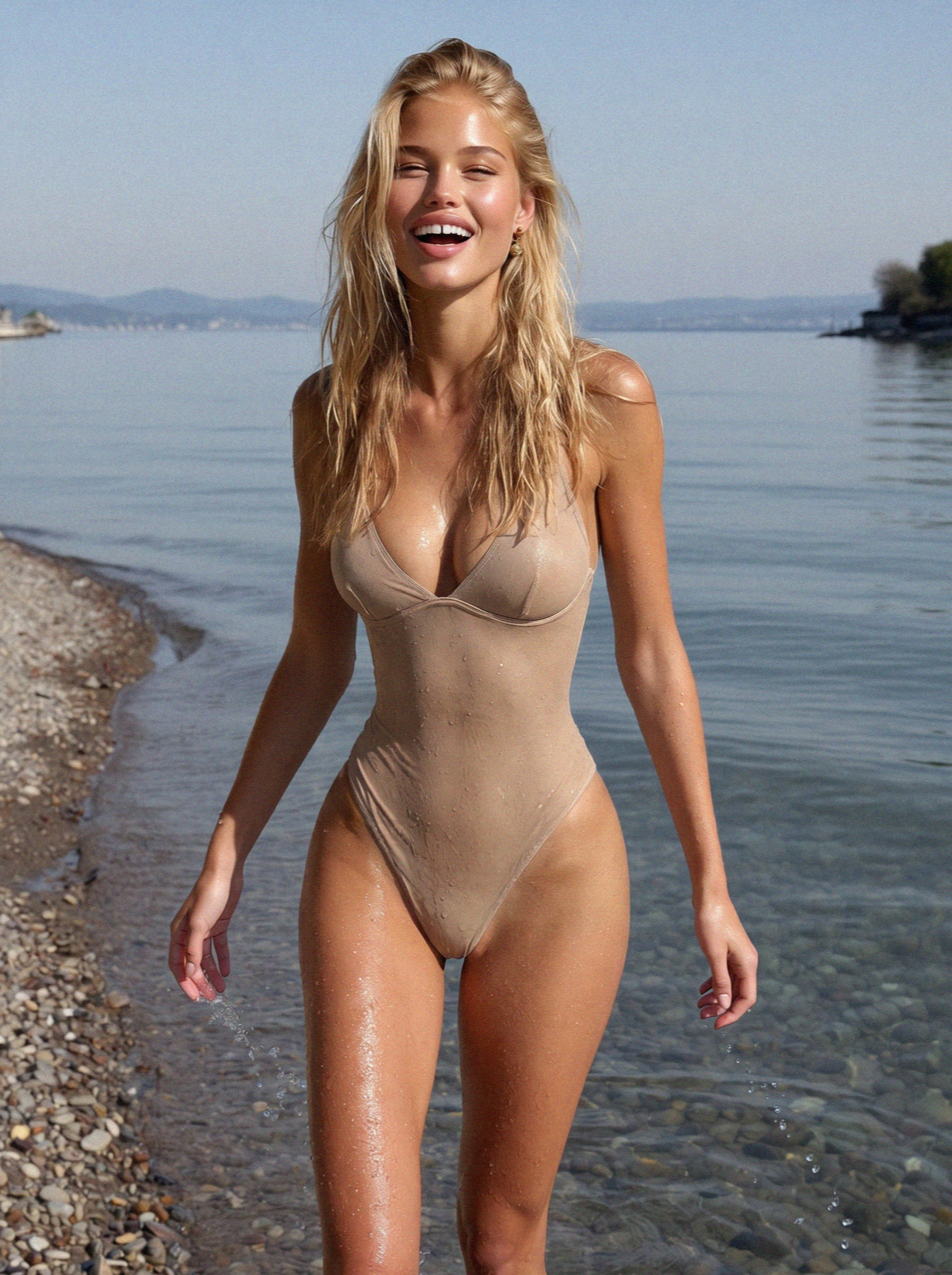
I swam at about five, when the light had gone long and the last boat had gone back round the point.
Twenty-five degrees, roughly. The sea at its best here, and something September gives you that August does not because in August you are sharing it.
There was nobody.
A man was tying something up at the far end of the bay and did not look over.
I kept going out. At that temperature nothing tells you to stop. I floated on my back for a while looking up at the olives coming down the hill to the edge of the rock.
I thought about nothing much.
Then I thought about my father again, which I suppose I should have expected.
Coming out, the pebbles were still warm and completely impossible to walk on with any dignity.
I am staying in two rooms above an old olive press.
The woman who let me in told me so twice, though I would have worked it out from the floor. It is stone and worn into a shallow channel down the middle where something used to run for a very long time.
She has put a rug over it.
The rug does not lie flat and will not, and I have stopped straightening it.
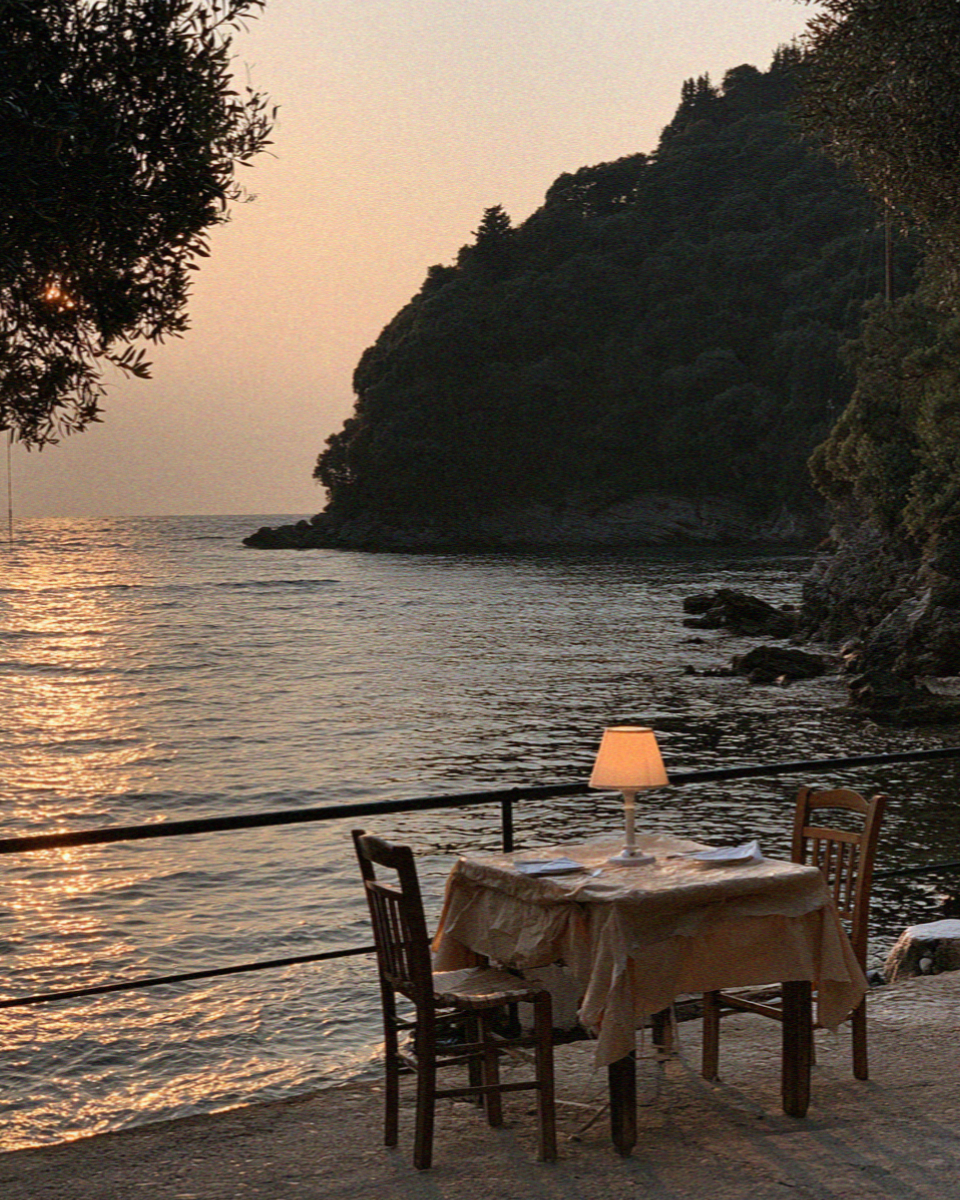
Dinner was at a table with a paper cloth up the hill, where there was no menu and I ate what came.
Tomatoes that tasted of something. A small fish.
The oil on the table was theirs, from the trees behind the building. It was mild and green and nothing like the oil I buy at home, and I understood the earlier conversation better for having it in front of me.
Afterwards the light went out of the bay in stages rather than all at once, the way it does when there are hills in the way, and somebody two terraces down was listening to a football match very quietly.
Three days here.
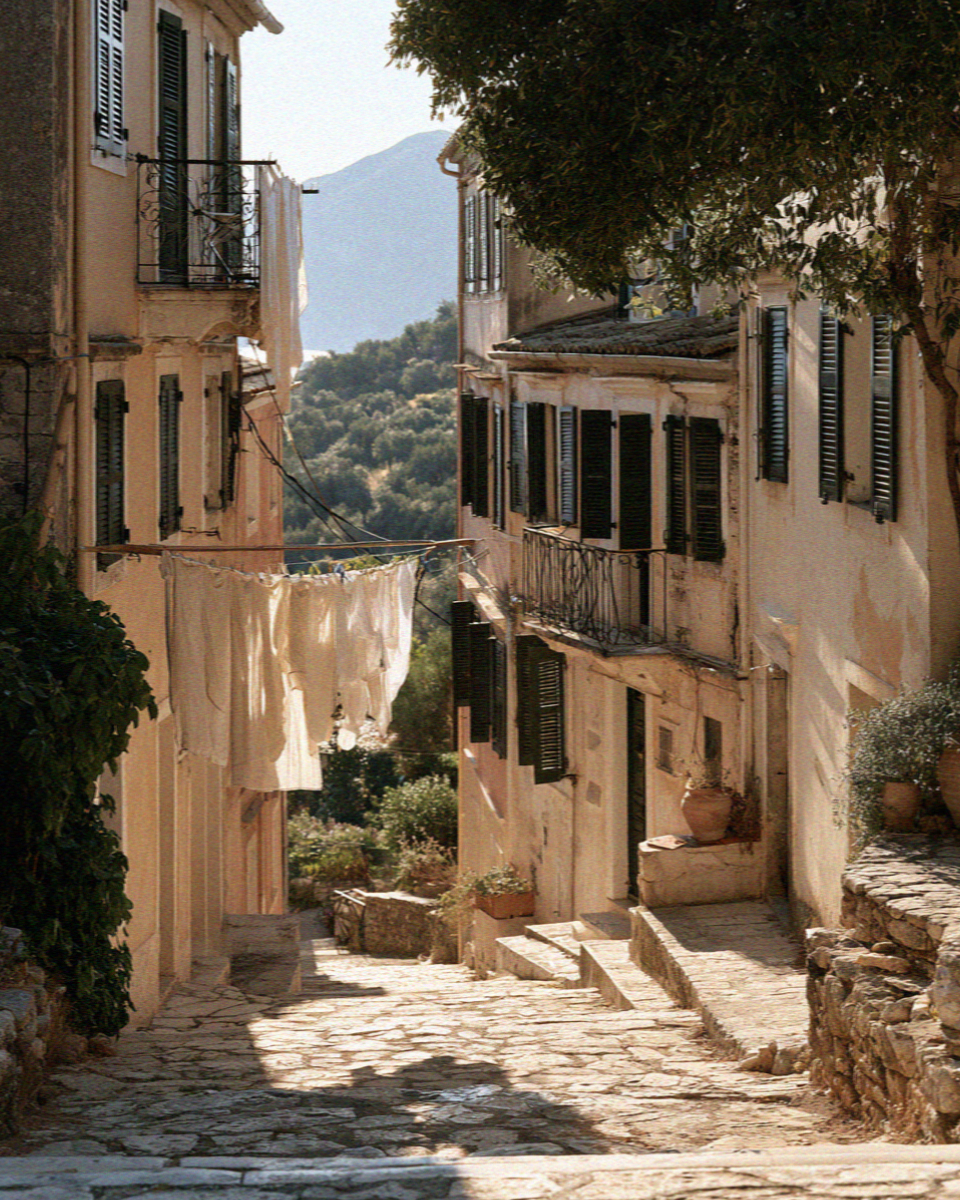
I have not gone into the town yet, and I am told the town is the strange part. Venetian fortresses and a French arcade and a cricket pitch in the middle of it all, which sounds like somebody shuffled a deck.
But the trees are what I will remember from today.
Four million of them, all the wrong size, all because of a piece of paperwork.
V.
More images from Corfu