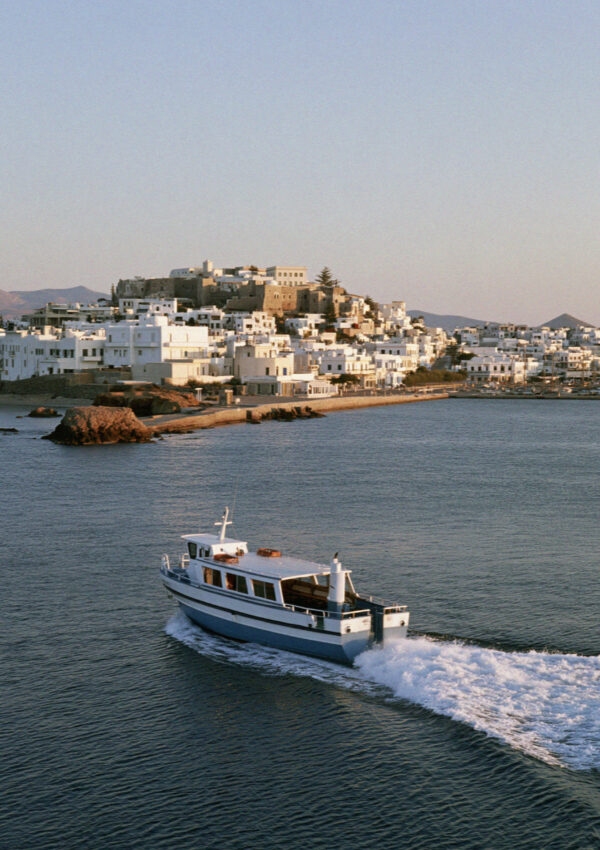
On the map, Antibes looks like one town. On the ground it is three, officially joined as the commune of Antibes Juan-les-Pins, and each one makes for a different trip. The old town and Port Vauban sit on the east side, with the market, the ramparts and the restaurants. Cap d’Antibes runs south into the sea, all pine woods, walled villas and rocks. Juan-les-Pins faces west across its own bay, with long sandy beaches and its nights.
They are a few kilometres apart, but the choice decides your evenings. This is how I would choose: every area, who it suits, named hotels at every budget, and what a room really costs. The bigger picture, from the beaches to the day trips, sits in my guide to Antibes and Cap d’Antibes.
The short answer
First visit, no car, a few days: the old town or the port, for the market, the museums and the station.
Sand, swimming and families: the hotels near Ponteil and La Salis, just south of the old town.
Quiet luxury and the sea from your room: Cap d’Antibes.
Beaches, nightlife and the jazz festival: Juan-les-Pins.
A group or a long stay: a villa or an apartment.
Whatever you choose, book early for July and August and for the Cannes Film Festival in May, and check whether your hotel has parking, because in the old town most do not.
Booking a room in Antibes
A search for each area in this guide. These help support the blog, at no cost to you.
- Antibes, the old town and the portEverything on foot, from the market to the beaches by the walls
- Cap d’AntibesThe quiet villas and hotels among the pines of the Cap
- Juan-les-PinsThe sandy beaches and the late nights, a short walk from the Cap
- Add a hire carFor the hill villages and the coast road
- Stay connected with a travel eSIMData from the moment you land, no roaming charges
This section contains affiliate links. If you book through them I may earn a small commission, at no extra cost to you.
The old town and the port
The old town is the best base for most first visits. You walk out of your door into the market, the Picasso Museum is a few minutes away, the restaurants are all around you, and the railway station, with trains to Nice, Cannes and Monaco, is an easy walk. The trade-off is space: rooms are smaller, few hotels have pools, and you will be taking a bus or a walk to the beach unless you swim at La Gravette under the walls.
Where I would look. Hôtel La Villa Port d’Antibes is a four-star hotel with a spa, right by the harbour and an easy walk from the old town. Modern Hôtel, in the centre, is the simple, good-value choice when all you need is a clean room near everything.
Light sleepers should ask for a room at the back: the port and the busiest squares are lively late in summer.
Ponteil and La Salis
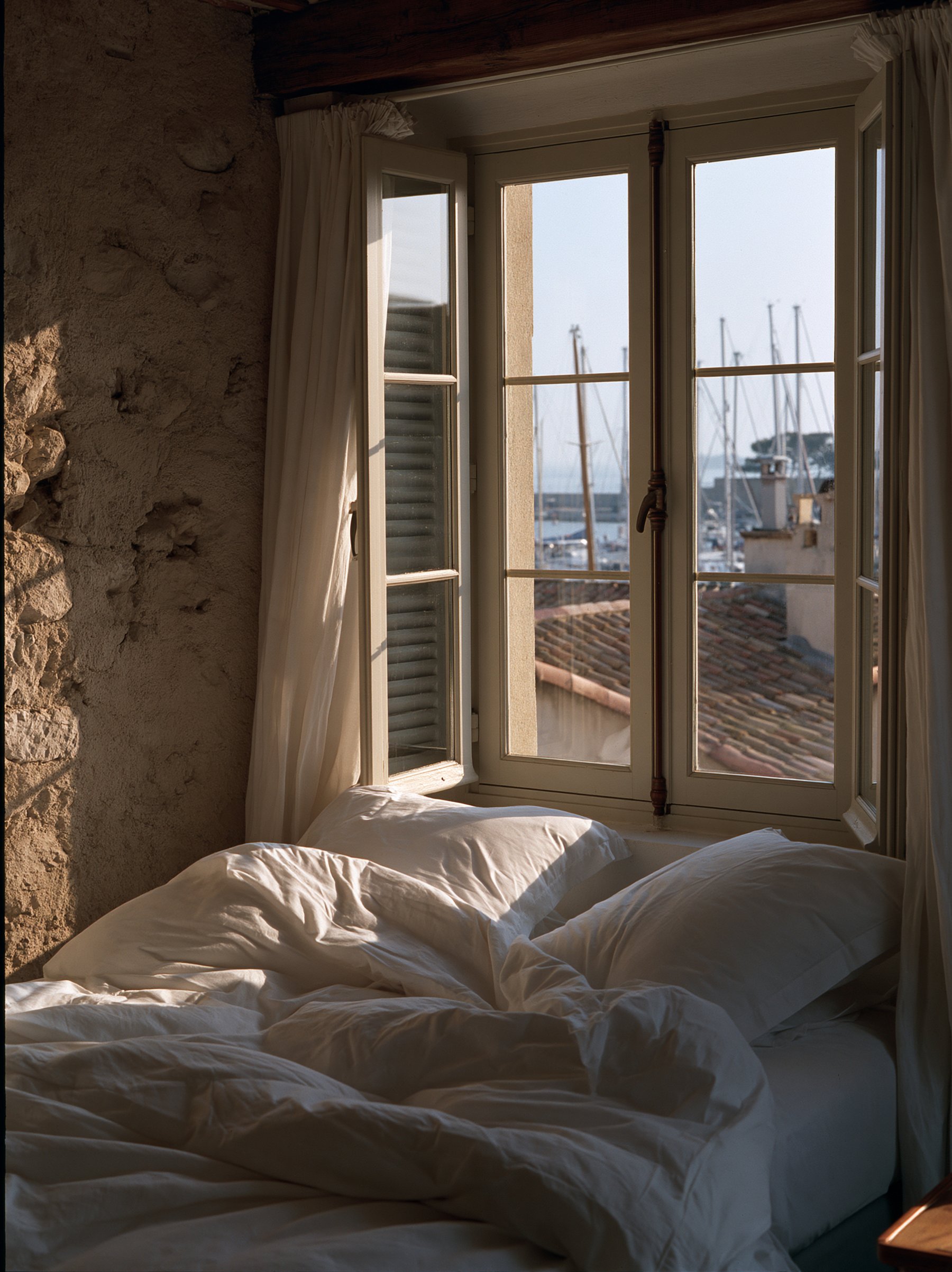
Just south of the old town, along the seafront towards the Cap, the beaches of Ponteil and La Salis are the best compromise in Antibes: sand and calm water in front of you, the old town a short walk behind.
Royal Antibes is on the beachfront here, a short walk from the old town. Le Ponteil is a small, simple hotel close to the beach of the same name. La Jabotte is a six-room boutique hotel about 60 metres from La Salis, and with so few rooms it is worth booking early for summer.
This is where I would put a family.
Cap d’Antibes
The Cap is a different world: quiet roads between high walls, pine woods, rocks and coves, and some of the most beautiful hotels on the coast. You come here for the sea and the silence, and you accept that most evenings involve a taxi.
Cap d’Antibes Beach Hotel is contemporary, with its own private beach and the Michelin-starred restaurant Les Pêcheurs. Villa Miraé, above the Garoupe on the east side, is the former Imperial Garoupe, renamed in 2025 when it reopened with restaurants overseen by the chef Mauro Colagreco. Le 1932 Hotel & Spa Cap d’Antibes, an MGallery hotel at the Juan-les-Pins end of the Cap, is within easy reach of the beaches at Juan.
You will want a car or a good taxi number out here. The buses do reach the Cap, but they stop early in the evening and miss some of the coves. My guide to Cap d’Antibes has the walks and the coves on your doorstep.
The Hôtel du Cap
The Hôtel du Cap-Eden-Roc, the hotel I keep going back to on this coast, occupies the tip of the Cap in its own pine wood, with the white château at the top of the allée and the Eden-Roc pool at the bottom, by the sea. The Oetker family have had it since 1969.
Its 111 rooms and suites are divided between three buildings, and four villas in the gardens are let separately. Swimming is in the pool or straight off the rocks, with cabanas in the pines along the shore.
It opens from late April to mid-October only, and its rooms start well beyond 1,000 euros a night, rising sharply in high summer and the Cannes fortnight. If that is beyond the trip, lunch at Eden-Roc or dinner at Louroc are the ways in. Everything about it is in my guide to the Hôtel du Cap-Eden-Roc.
Juan-les-Pins
Juan-les-Pins, on the western side of the Cap, is the resort: long sandy beaches, beach clubs, bars along the front, and the Pinède Gould, where Jazz à Juan plays every July. It suits people who want to be on the sand all day and out at night, and it has its own railway station.
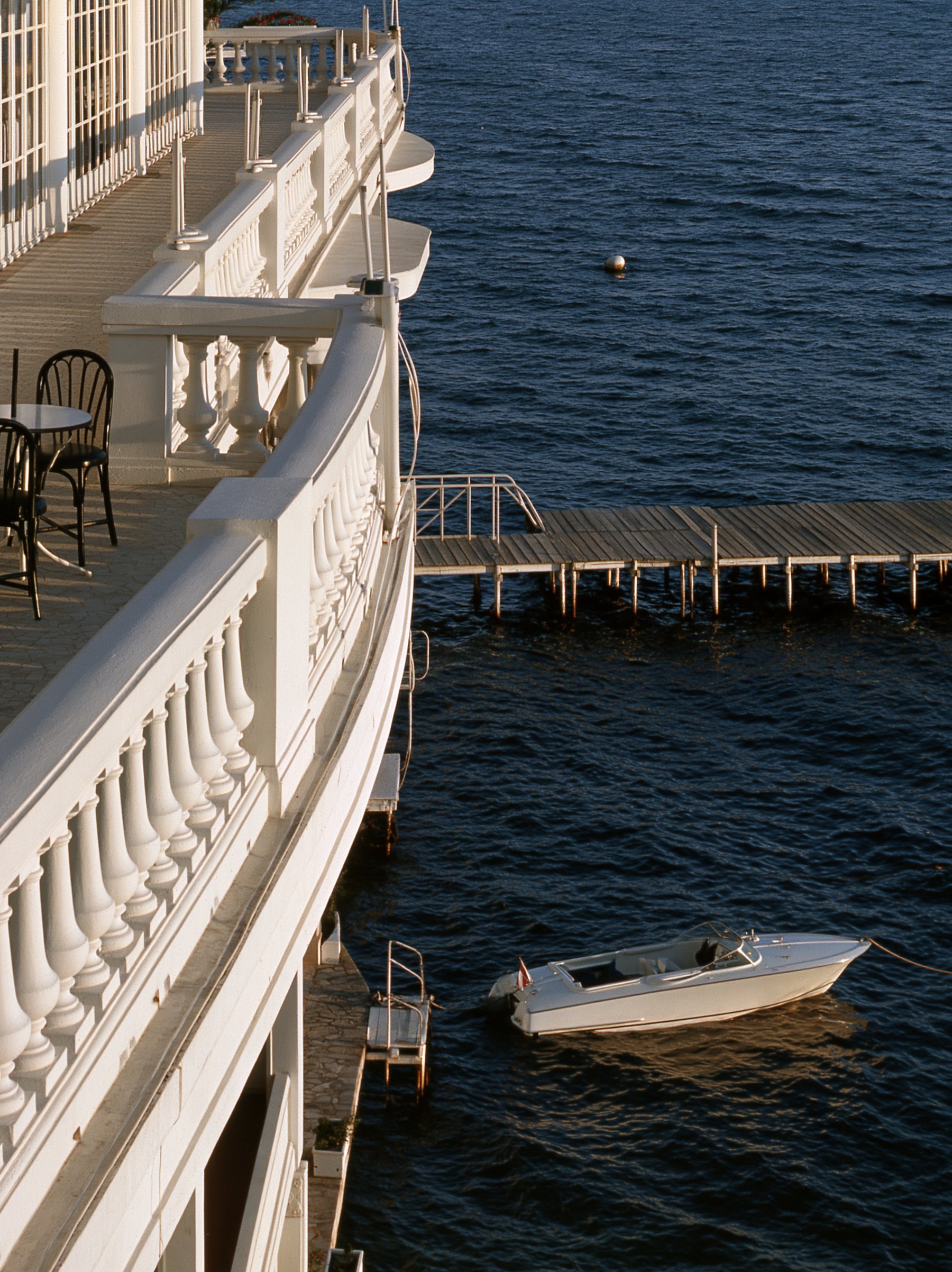
Hôtel Belles Rives is the grand one, the former Villa Saint-Louis, where Scott and Zelda Fitzgerald lived in the 1920s. It has been run by the same family since 1929, it is Art Deco from top to bottom, and it has 43 rooms, a private beach and jetty, the Fitzgerald piano bar and La Passagère, which holds a Michelin star. Its season runs roughly from March to December, and doubles range from about 160 to 2,000 euros depending on the room and the month. Its sister, Hôtel Juana, is close by. Hôtel La Villa Juan Beach is a smaller option in the same resort.
In July, book far ahead if you want to be here during the jazz festival.
Villas and apartments
For a family, a group of friends or a stay of a week or more, a villa or an apartment is often the best way to stay in Antibes.
Villas are mostly on the Cap and in the hills behind Juan-les-Pins, with a pool among the pines; apartments run from small flats in the old town lanes to modern places above Ponteil and La Salis.
Before you book, check three things. How far it really is to a beach and to the old town, because “Cap d’Antibes” on a listing can mean a long walk uphill from either. Whether it comes with parking, which in the old town is rare and at Port Vauban is expensive by the day. And whether you will need a car for everything, which on the Cap you usually will.

What a room really costs
As a rough guide, for a double room per night in summer:
Simple hotels: about 100 to 180 euros.
Good boutique hotels: about 200 to 400 euros.
Luxury hotels on the Cap and in Juan-les-Pins: about 500 to well over 1,000 euros.
The Hôtel du Cap-Eden-Roc: above all of that.
In May, June and September the same rooms are usually noticeably cheaper, and out of season many of the beach hotels close altogether. Hotels in the old town are the likeliest to stay open in winter, which makes it a good off-season base for Nice, Cannes and the hill villages, but check dates before you plan.
Cannes fortnight
The Cannes Film Festival, which in 2026 ran from 12 to 23 May, changes everything along this coast for two weeks. Antibes and the Cap are close enough to Cannes, about 10 to 15 minutes by train, that the festival fills them too, and the grand hotels on the Cap are booked by studios, agents and press months ahead.
Rates rise sharply all along the coast, and even simple hotels in the old town are fuller and dearer than usual. If you are coming for the festival, book as early as you can and consider the old town, which is easier on the budget and close to the station. My guide to where to stay for the Cannes Film Festival has the Cannes side of it.
Which base suits which trip
Couples and a splurge: Cap d’Antibes, or Belles Rives in Juan-les-Pins.
Day trips along the coast: the old town, because the station is on your doorstep.
Children and buckets and spades: one of the small hotels behind Ponteil and La Salis.
Late nights: Juan-les-Pins, where the bars are.
A fortnight or more: a villa on the Cap or in the hills.
The beaches near each base are in my guide to the best beaches in Antibes, and the restaurants worth walking to from each are in my guide to where to eat in Antibes.
Frequently Asked Questions
What is the best area to stay in Antibes?
The old town or the port for a first visit without a car, for the market, the museums and the station. Cap d’Antibes for quiet luxury, and Juan-les-Pins for beaches and nightlife.
Is it better to stay in Antibes or Juan-les-Pins?
Antibes old town for the lanes, restaurants and museums; Juan-les-Pins for long sandy beaches and lively evenings.
How much does a hotel in Antibes cost?
A summer double runs from roughly 100 to 180 euros in a simple hotel, through 200 to 400 in a good boutique one, to anything from 500 to well over 1,000 for luxury on the Cap or in Juan-les-Pins.
Where should I stay in Antibes for the Cannes Film Festival?
Book as early as you can, and look at the old town first: it is easier on the budget and close to the station, with Cannes about 10 to 15 minutes away by train. The grand hotels on the Cap are taken by studios, agents and press months ahead.
Do you need a car if you stay on Cap d’Antibes?
Usually, yes, or a taxi for evenings out. Buses serve the Cap, but not every beach and not late at night.
Read also: The Best Beaches in Antibes and Juan-les-Pins | Hôtel du Cap-Eden-Roc: the History, the Pool and How to Visit | Victoria’s Complete Guide to Antibes and Cap d’Antibes