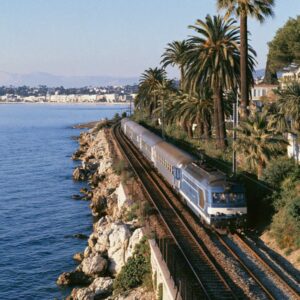
Antibes is the part of the Riviera people drive past on the way to somewhere louder. The motorway runs inland, the trains slide along the bay between Nice and Cannes without anyone looking up, and the town itself sits low behind its sea walls as if it would rather not be noticed. That is most of its charm. It is a working Provençal town with a market and a harbour full of enormous yachts, and below it lies the Cap d’Antibes, where for a hundred years the Riviera has gone when it wants to be left alone.
I know this coast well. Provence and Marseille are my family’s part of France, and the stretch between Nice and Cannes has always been familiar ground. The Hôtel du Cap-Eden-Roc, at the tip of the peninsula, is one of my favourite hotels anywhere, and I have stayed there several times, most recently in early May 2026, the week before the film festival in Cannes.
This guide is the whole of it as I would plan it for a friend, with a detailed guide to each part linked as you go.
Antibes, the Cap and Juan-les-Pins
The first thing to understand is that “Antibes” means three quite different places, all inside one commune, officially called Antibes Juan-les-Pins.
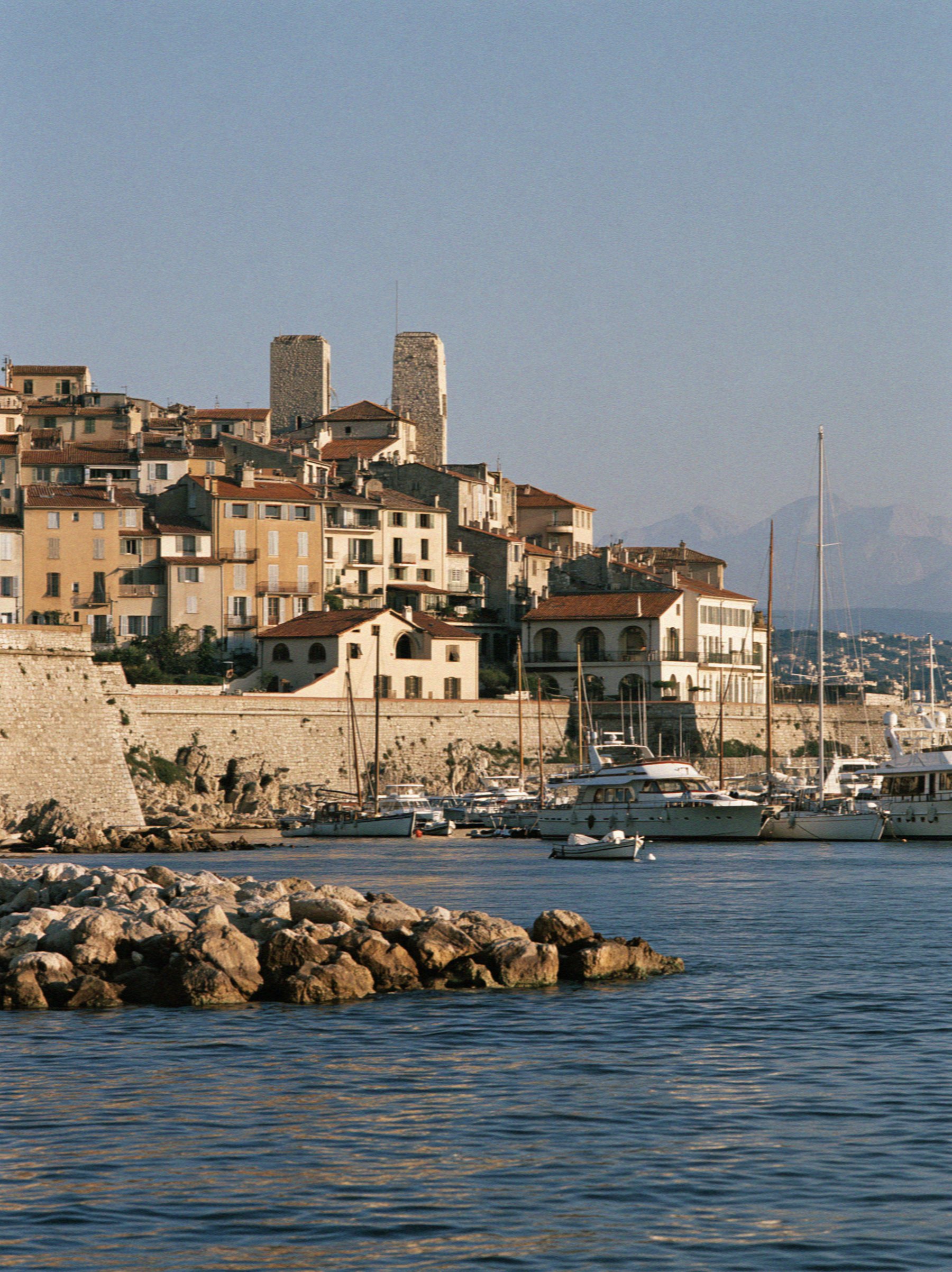
The old town, Vieil Antibes, sits on the east side, looking across the bay towards Nice. It is a compact knot of lanes inside sea walls, with its castle and the old cathedral on the high point above the water and Port Vauban spreading out to the north. The Greeks of Marseille traded here and called the place Antipolis, the city opposite (Nice lay across the water from it), and the town still has the feeling of somewhere that has been looking across the water for a very long time.
South of it, the Cap d’Antibes runs out into the sea like a thumb. It is wooded and mostly residential, with a lighthouse, a coastal path, a few small beaches and no town at all, only villas, hotels and the roads between them.
On the west side of the Cap, facing Cannes and the Esterel hills, is Juan-les-Pins: a resort that came into its own in the 1920s, around a long sandy beach and a pine grove, with Art Deco hotels, beach clubs, late bars and, every July, a jazz festival that has been running since 1960.
The three are close. The old town runs straight into the start of the Cap along the beaches at La Salis, and Juan-les-Pins is just over the other side. But they feel like different holidays, and choosing between them is the most important decision of the trip. The old town is for markets, museums and dinners in the lanes, the Cap for quiet and swimming off rocks, Juan-les-Pins for sand and nights out. And because Antibes sits halfway between Nice and Cannes, the rest of the coast is a short train ride from any of them.
When to go
May, June and September are the months I would choose, and if I had to pick one, it would be June.
In June the days are long, everything is open, the sea is warm enough to swim properly (around 20°C) and the coast has not yet filled up. September is the other side of the same window: the water is at its warmest after the summer, around 22°C, the crowds thin after the first week and the light becomes softer and lower. Late May is lovely too, but it carries one large complication. In 2026 the Cannes Film Festival filled every good hotel along this coast from 12 to 23 May, the Cap above all. Rates climb, tables vanish and the roads to Cannes are slow. If you are not going to the festival, come either side of it.
July and August are hot, busy and at their most expensive, with the beaches full by mid-morning, but there is a real buzz to the summer, Jazz à Juan in the pines, and the sea at 23°C to 24°C. October is quieter and still warm enough for a swim, though the Hôtel du Cap and many of the beach clubs close from mid or late October until April. Winter is mild and quiet, and on the clearest days there is snow to be seen on the mountains.
I have gone through the year month by month, with sea temperatures, events and what a room costs in each season, in my guide to the best time to visit Antibes.
Plan Your Visit to Antibes
A few things worth sorting before you come. These help support the blog, at no cost to you.
- Hotels in the old town, on the Cap and in Juan-les-PinsFrom rooms above the ramparts to the beaches of Juan-les-Pins
- Tours and boat days on the RivieraWalks through the old town, boats to the islands and trips along the coast
- Hire a car for the hill villagesSaint-Paul-de-Vence, Grasse and the Esterel are easier with your own wheels
- Stay connected with a travel eSIMData from the moment you land, no roaming charges
This section contains affiliate links. If you book through them I may earn a small commission, at no extra cost to you.
The old town
Old Antibes is small enough to understand in a morning and pleasant enough to fill a week.
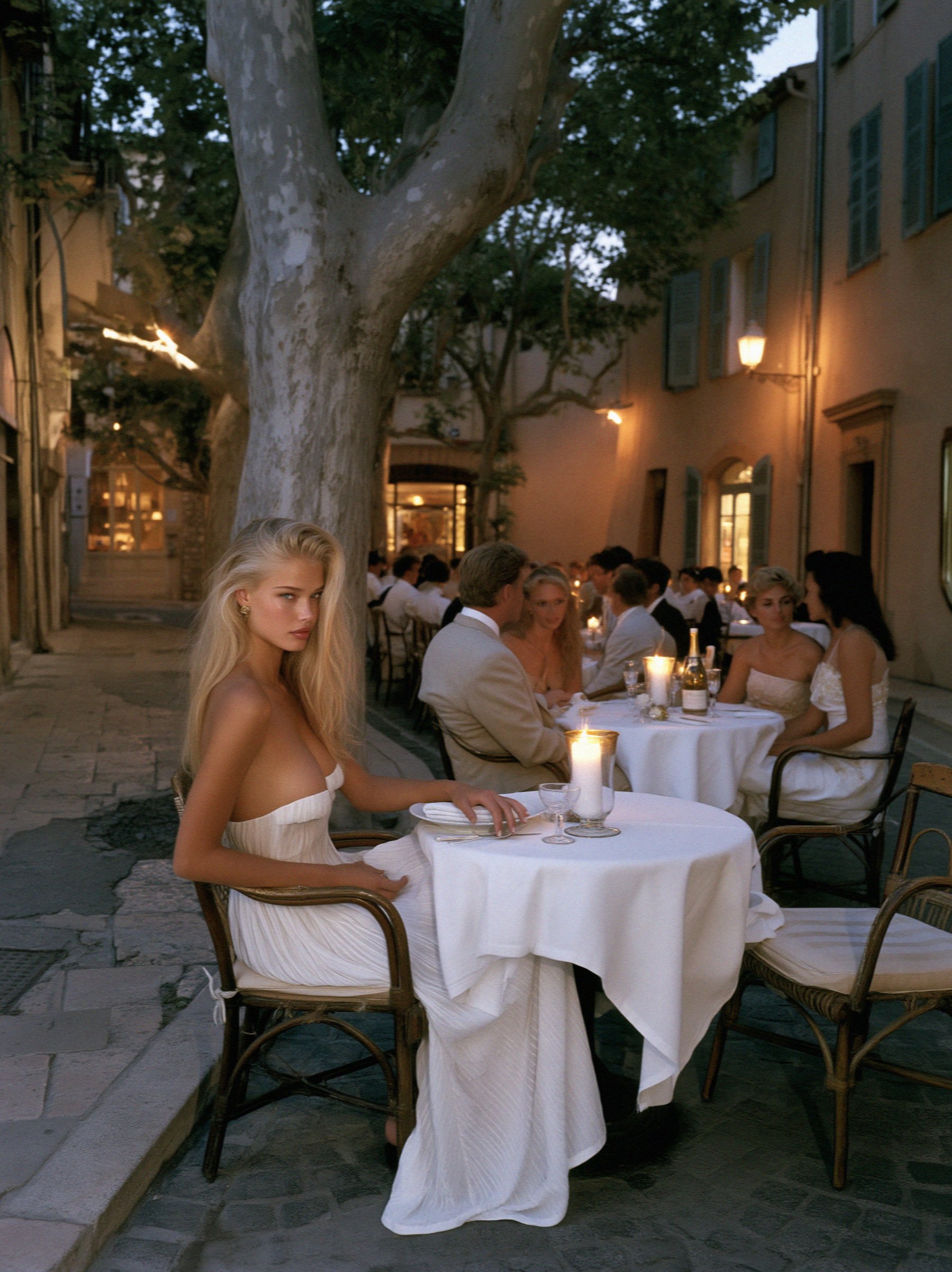
It is built on a low rise above the sea, contained on the east by its ramparts and on the north by the harbour. The lanes are narrow, shaded and mostly pedestrian, with ochre and pink houses, green shutters, washing lines and pots of geraniums on the steps. It is a lived-in town, with bakeries, a hardware shop and pétanque under the plane trees, and that is what I like about it.
The centre of gravity is the Cours Masséna and its covered market, the Marché Provençal, which fills an iron-roofed hall from early morning until lunchtime and closes only on Mondays, and not even then in high summer. It is a proper market of fruit, olives, cheese, flowers and the tubs of tapenade every visitor ends up carrying home. Socca and pissaladière are sold around its edges, warm, for breakfast. Later in the day the hall turns over to craftwork.
From the market, the lanes climb to the ochre front of the old cathedral, with the castle on the sea wall next door. Behind the château, the Safranier is the prettiest corner of all: a tiny quarter of low houses, flowered steps and small squares, so quiet in the afternoon that you can hear the sea on the other side of the wall.
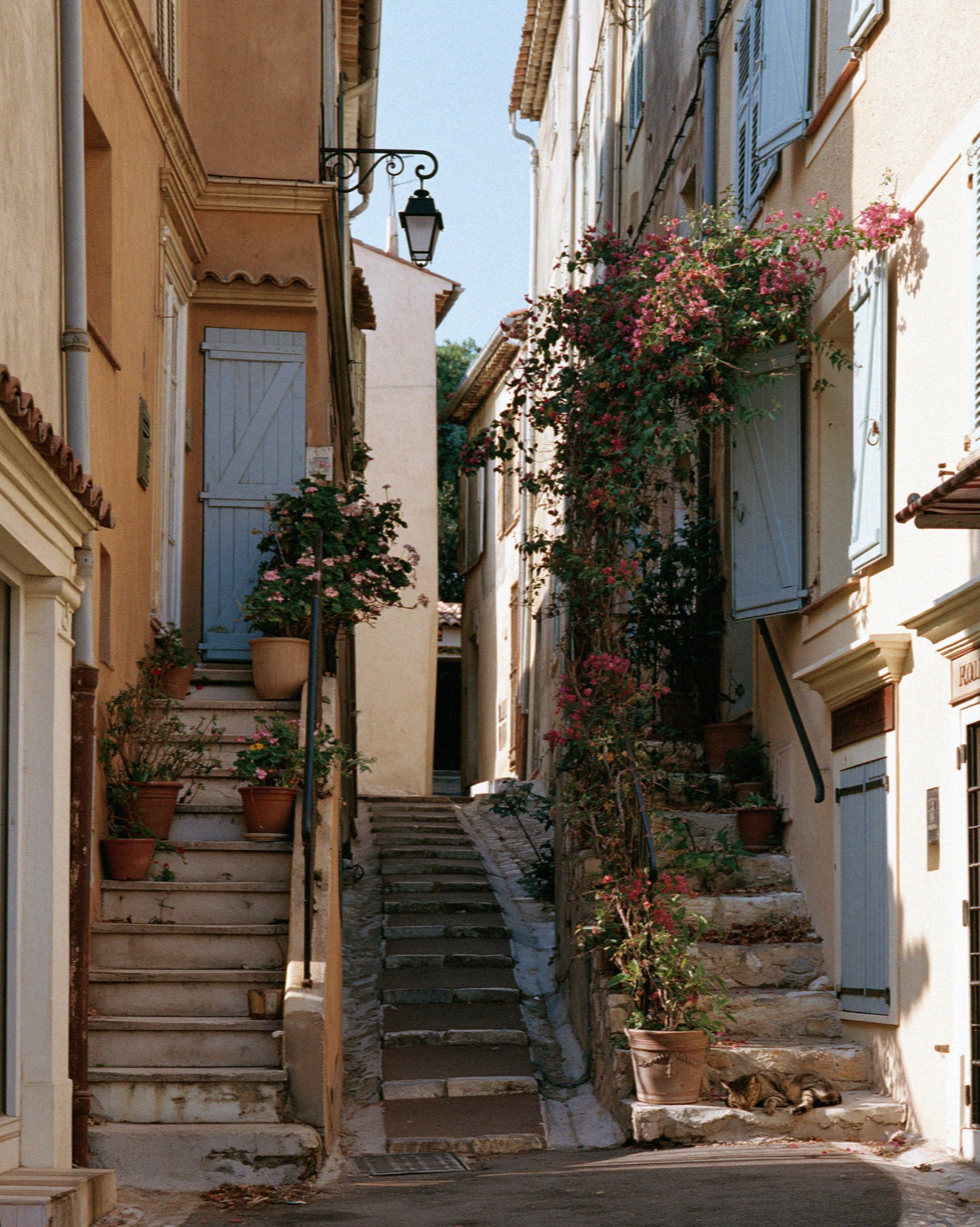
The old town is at its best early, and again in the evening, when the restaurants put their tables out into the squares. I have written up the market, the cathedral, the Safranier and the walk I would do on a first morning in my guide to the old town of Antibes, the market, the ramparts and the Picasso Museum.
The Picasso Museum
High on the sea wall, built over the foundations of Greek Antipolis, the Château Grimaldi has been the Musée Picasso since 1966.
The story behind it is the best thing about it. In the autumn of 1946, just after the war, Picasso was offered part of the castle as a studio. He painted there for a few months with whatever materials he could lay his hands on, and when he went he left that season’s paintings and drawings to Antibes, which opened the château as the first museum in France devoted to him at the end of 1966. The pictures from that autumn are joyful: fauns, centaurs, goats, sea urchins and fish.
Nicolas de Staël, who spent the winter of 1954 to 1955 painting in Antibes, has a room of his own, and the terrace, with sculptures standing against the open sea, is worth the visit by itself.
It costs 12 euros to get in, 8 reduced. It shuts on Mondays and a handful of public holidays, stays open through lunch in high summer and breaks for an hour the rest of the year. My old town guide, linked above, has the full timetable, what is showing now and the multi-museum pass.
Port Vauban and the ramparts
Walk north from the château along the top of the sea walls and you come to Port Vauban, which is a different world.
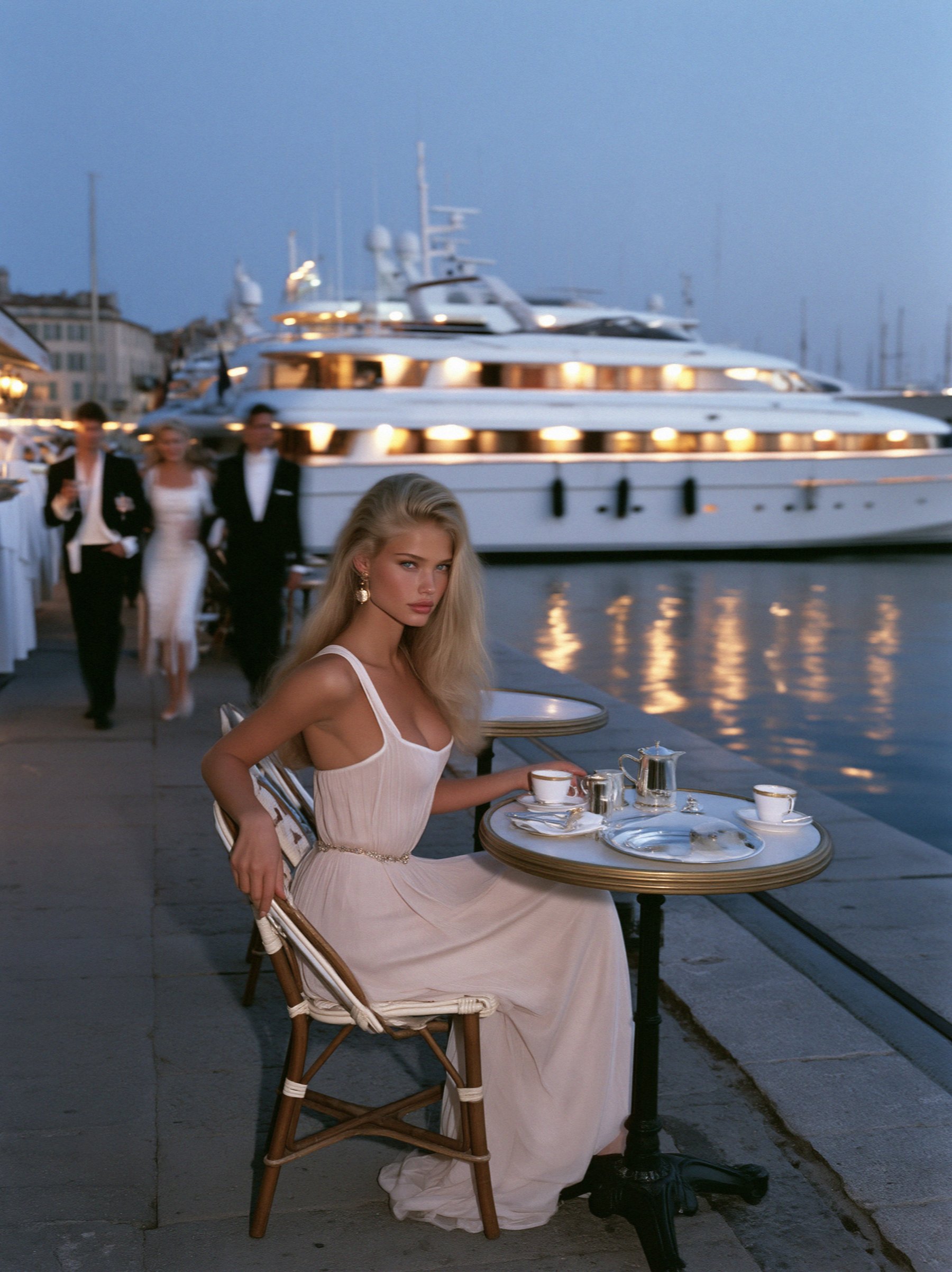
Measured by tonnage, no yacht harbour in the Mediterranean is bigger, though most of it is an ordinary busy marina. The exception is the outer arm, the Quai Camille Rayon, kept for the giants and known for decades as the Billionaires’ Quay. You can walk along it and look up at boats the size of small office blocks.
At the harbour end of the ramparts, on the Bastion Saint-Jaume, sits the Nomade, Jaume Plensa’s huge seated man built out of a lattice of steel letters. It costs nothing to visit, and on summer nights it stays open until eleven, which is when I like it best.
On the far side of the port, alone on its headland, stands the Fort Carré, the star-shaped fort that Vauban later reinforced. It is often seen by guided visit, it costs a few euros (the combined ticket covers it), and the view from its walls, back over the yachts to the old town and the Cap, repays the walk out.
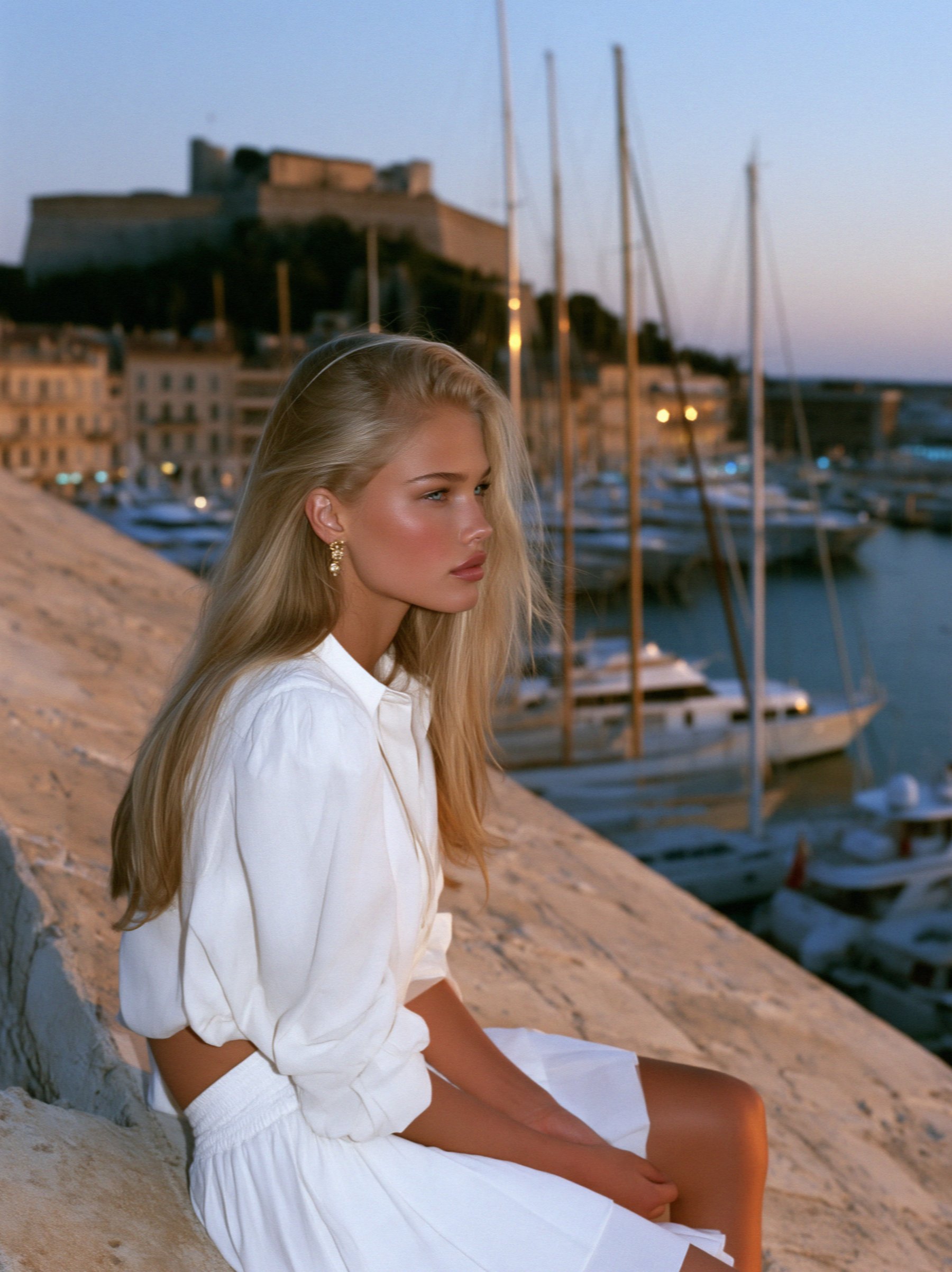
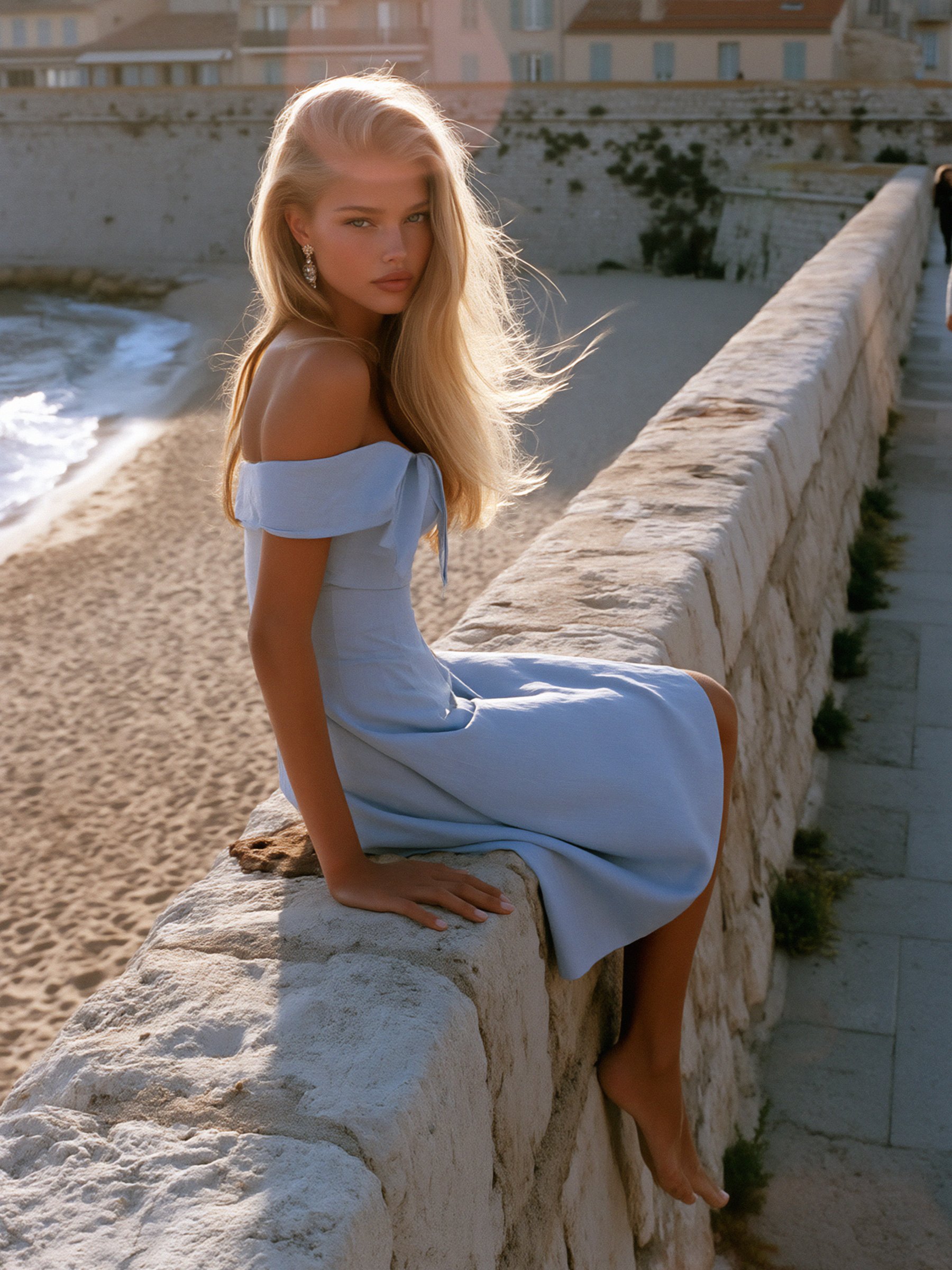
The ramparts are the best walk in town at the end of the day. Start at the Plage de la Gravette, the little beach tucked behind the walls by the port, climb up past the château, and keep going south along the walls above the rocks until the town runs out.
Cap d’Antibes
The Cap is where Antibes becomes the Riviera of photographs, though very little of it is on show.
Most of the peninsula is private, all long walls and tall gates. What is public is the coast and the high ground, and both are worth a day.
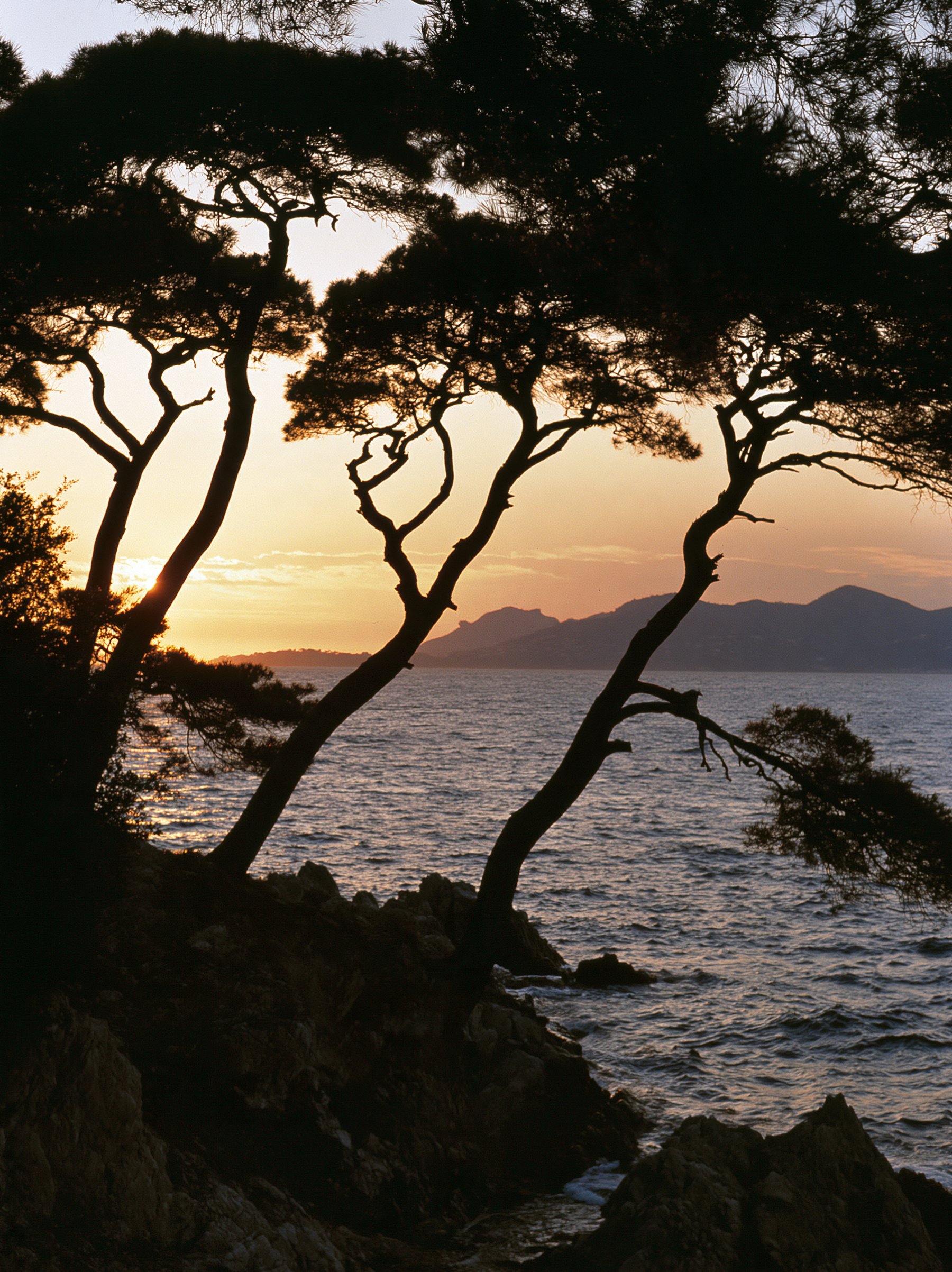
The highlight is the Sentier de Tire-Poil, the former customs track around the far end of the peninsula: a two-hour loop from La Garoupe over uneven but secured ground, inside a protected Natura 2000 site. When the sea is up it is shut, and the name tells you why: tire-poil means something like “hair-puller”, for the wind.
On the high ground in the middle stands the Phare de la Garoupe, rebuilt in 1948 after the war destroyed its predecessor. Beside it, the little Sanctuaire de la Garoupe chapel is hung with sailors’ ex-votos, and a viewing table looks out over the whole coast to the Alps.
Two gardens complete the picture. Villa Eilenroc, out at the tip, lets visitors in on Saturdays only, for two euros, and keeps its gates shut in August. The Villa Thuret, a botanical garden first planted in 1857 and now owned by the state, is free and keeps weekday hours.
The path, the lighthouse, the villas and how to string them together into one day are all in my guide to Cap d’Antibes, the coastal path, the lighthouse and the villas.
The Hôtel du Cap-Eden-Roc
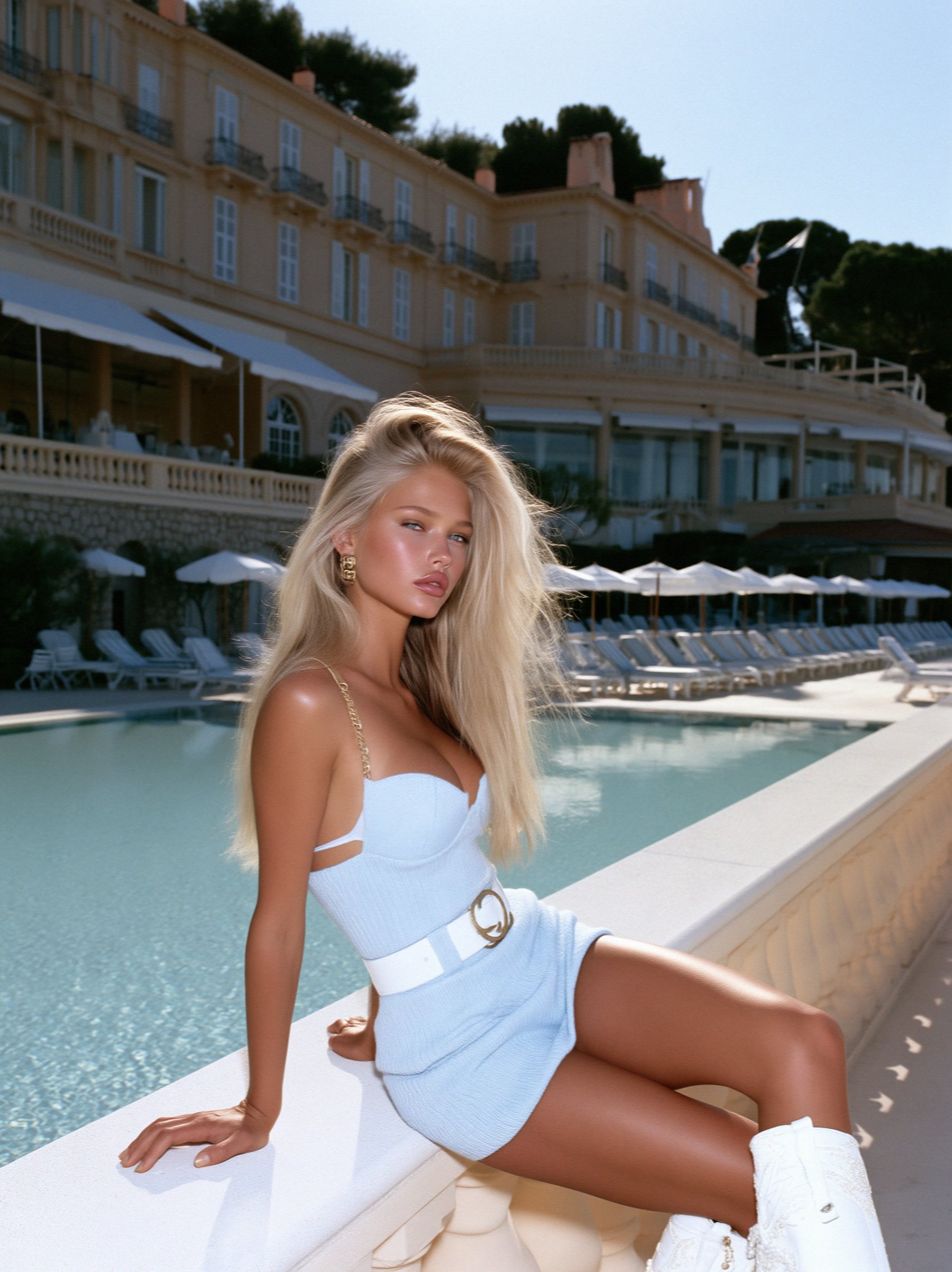
If the Cap has one famous address, this is it, and it has been receiving guests since 1870, when a white Napoleon III house meant as a writers’ retreat became a hotel. The Eden-Roc pavilion and its saltwater pool in the rock came in 1914, and the Oetker family have owned the place since 1969.
Its real fame dates from 1923, the summer Gerald and Sara Murphy talked the management into staying open for them, back when the Riviera was a winter resort. Their friends came after them, Fitzgerald, Hemingway and Picasso among them, Fitzgerald put the hotel into Tender Is the Night, and the summer season on this coast more or less begins there.
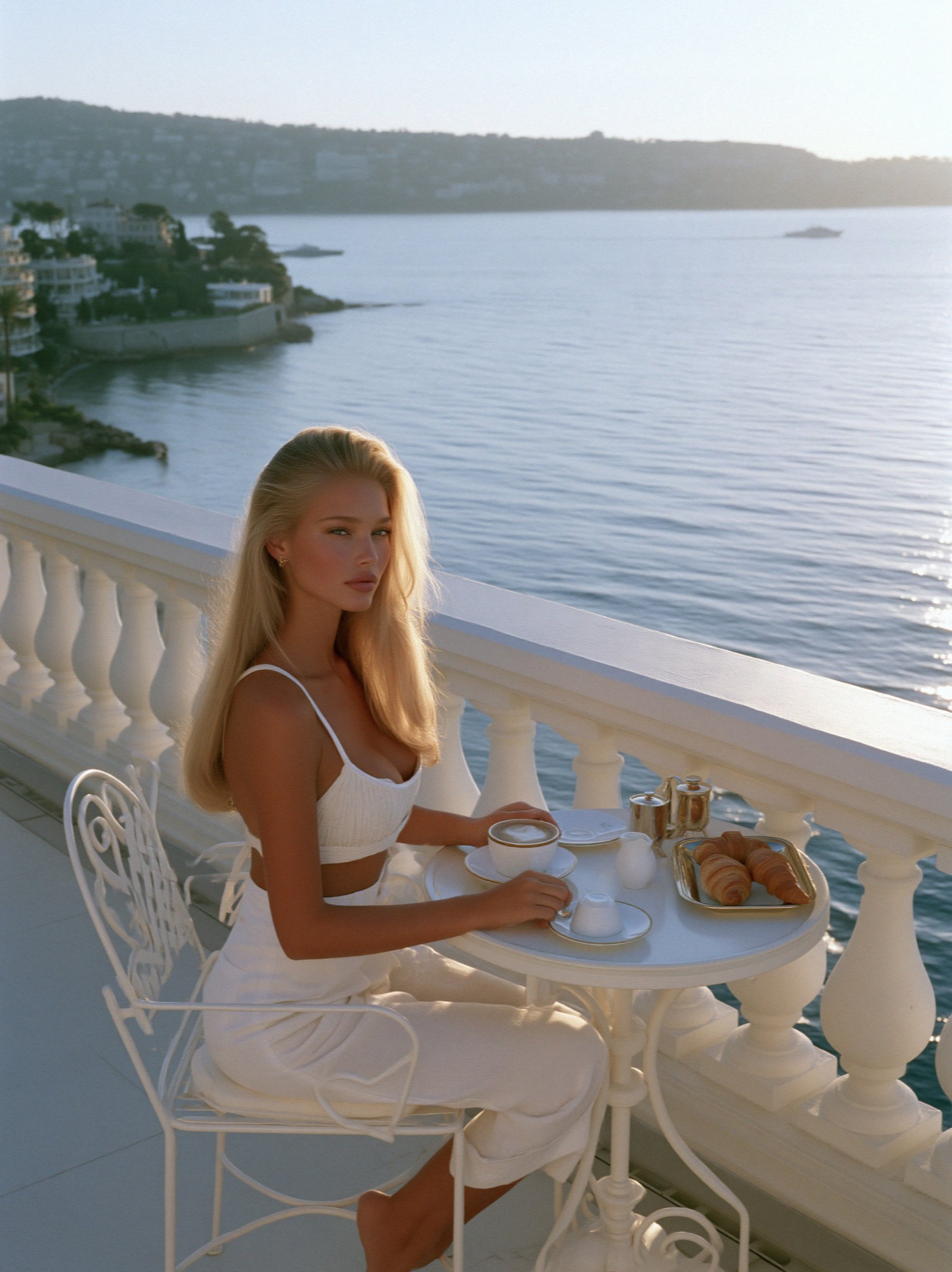
Nine hectares of Aleppo pine and garden surround it, cut through by a straight allée of pines and palms that runs from the château down to the pavilion and the pool on the rocks. Swimming here means cabanas, rock and the open sea rather than sand. The 111 rooms and suites are split between the château, the pavilion and a private residence.
What keeps me coming back is hard to put in a brochure. It is not new, it does not chase fashion, and it has the confidence of a place that took only cash until 2006 and kept televisions out of the rooms until 2012. The first day of my latest stay is in my diary.
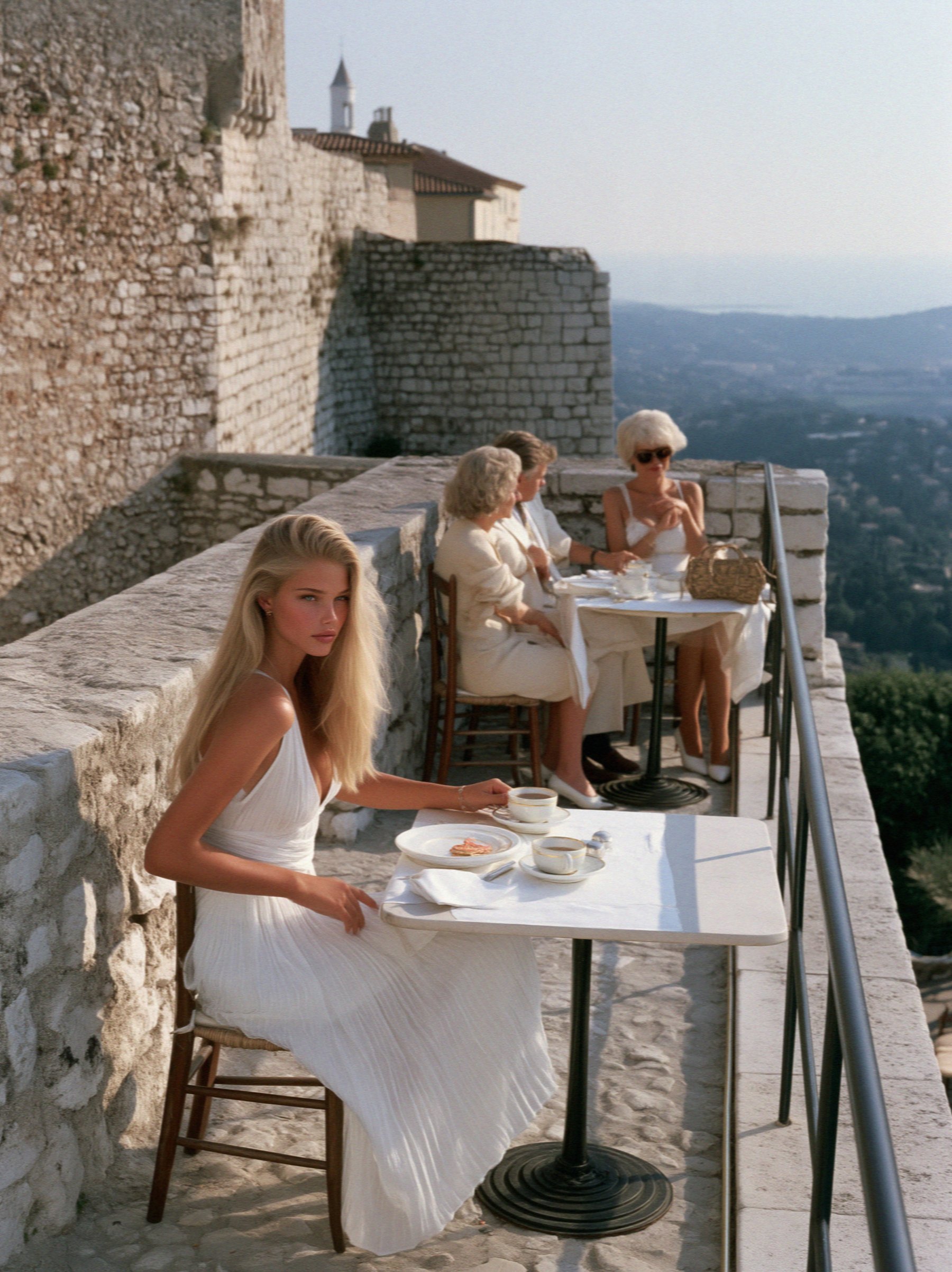
It is also very expensive, with rooms starting well above a thousand euros a night and climbing steeply in summer and during the festival, and it closes for the winter. Without a room, you can still book a table: the Eden-Roc Restaurant takes lunch bookings from outside guests, and Louroc, starred since 2021, takes them for dinner. Reserve early and dress the part, Louroc more formally than Eden-Roc.
The history, the pool, the rooms, the restaurants and the honest way to visit without staying are all in my guide to the Hôtel du Cap-Eden-Roc, its history, the pool and how to visit.
The beaches
Antibes has three kinds of beach, and which one you want decides where you should sleep.
The town beaches are public, sandy and close. Plage de la Gravette is a small curve of sand tucked behind the ramparts by the port, sheltered and charming, and busy with families in summer. Just south of the old town, Plage du Ponteil and Plage de la Salis are separated by the sailing club, sandy and shallow, with the walls of the old town at your back and Nice across the water. Beyond the fort to the north the shore turns to long pebble beaches, less pretty and less crowded.
The Cap is for swimming off the rocks. La Garoupe, on the east side, has sand, but in summer the clubs hold most of it and the free part is a narrow strip. Elsewhere on the Cap you swim from small coves, flat rocks and metal ladders, in water clear enough to see the bottom far below.

Juan-les-Pins has the long sandy beaches, where free sand alternates with clubs serving sunbeds and lunch, backed by the Pinède Gould. Juan-les-Pins likes to say that water-skiing was invented here, and in summer you will see plenty of it.
Expect the water at around 17°C in May, climbing to 23°C to 24°C by high summer. I swim from the rocks on the Cap whenever I can, but for a lazy day with a book, La Salis is the one I go back to. Every beach, public and private, with how to get there and what to expect, is in my guide to the best beaches in Antibes and Juan-les-Pins.
The best things to do
Start with the market on the Cours Masséna, early, with a slice of socca from one of the stalls. Then the Picasso Museum at opening time, a walk along the ramparts to the Nomade, and a look at the yachts on the Billionaires’ Quay. In the afternoon, climb up to the Fort Carré, or cross to the Cap for the Tire-Poil path and a swim.
Then the quieter things. The Garoupe lighthouse and its chapel, at the top of the Cap. Villa Eilenroc on a Saturday, and the Thuret garden on a weekday. An evening in the Safranier. A concert under the pines in July, when Jazz à Juan has been held in the Pinède Gould by the sea since 1960. Lunch at Eden-Roc, if you can get a table, which is the most beautiful way I know to spend a long afternoon on this coast.
One note on something people still search for: Marineland has gone. The marine park outside town shut its gates for good on 5 January 2025.
I have put everything in order, with prices, opening days and how long each takes, in my guide to the best things to do in Antibes.
Where to stay
The choice is simpler than it looks: the old town for convenience, the Cap for quiet and luxury, Juan-les-Pins for the beach.
The old town and the port suit most people. You can walk to the market, the museums, the restaurants and the station, and La Salis and La Gravette are close. For a small, polished hotel by the harbour, look at Hôtel La Villa Port d’Antibes; for a room on the sand just beyond the walls, the Royal Antibes; for less money, Le Ponteil or the Modern Hôtel.
The Cap is for people who want peace and are happy to take a bus or a taxi into town. Above everything else is the Hôtel du Cap-Eden-Roc. A step down, still in luxury, come the Cap d’Antibes Beach Hotel, with its own beach and a starred kitchen, Villa Miraé above the Garoupe bay, and Le 1932 Hotel & Spa on the side nearest Juan. La Jabotte is a tiny six-room boutique hotel about sixty metres from La Salis, and it is the one I recommend most to friends on a sensible budget.
Juan-les-Pins is for sand and evenings out. Hôtel Belles Rives, a Fitzgerald house before it was a hotel, has stayed in one family’s hands since 1929 and is Art Deco from the lobby to its private jetty. Its sister, the Hôtel Juana, is a few steps back from the sea.
Prices run from around a hundred euros for a simple summer room to well over a thousand at the top of the Cap, and the Cannes fortnight in May lifts everything along the coast. I have gone through each area, with named hotels at every price and which base suits which kind of trip, in my guide to where to stay in Antibes, the old town, the Cap or Juan-les-Pins.
Booking a room in Antibes
By area, so you can compare.
What to eat
Antibes eats like the rest of the Riviera between Nice and Cannes, which means olive oil, vegetables, chickpeas, anchovies and fish, with Provence on one side and Italy just over the hill.
Socca is the first thing to try: a thin chickpea pancake, baked in a wood oven on a wide copper tray, cut into ragged pieces and eaten hot with black pepper. Pissaladière is the onion tart, cooked slowly until sweet, topped with anchovies and olives. Pan bagnat is a salade niçoise in a round bread roll, soaked in oil, perfect for the beach. Then petits farcis, daube and, for one big lunch, bouillabaisse, ordered a day ahead. Rosé of Provence comes with everything.
In the old town I like Le Vauban on the rue Thuret for classic French cooking, and Les Vieux Murs on the ramparts for a table above the sea. Chez Mô, on the Boulevard Albert Ier, is a fishmonger with a restaurant attached, so the fish has not travelled far. On the Cap, Maison de Bacon has been the bouillabaisse address on the coast road for generations. For the market breakfast, follow the queue for socca.
For one grand evening, the commune has three starred tables in the 2026 Michelin guide, one each at the Hôtel du Cap, the Cap d’Antibes Beach Hotel and Belles Rives.
What to order, where to go at every budget and how to book in high summer are in my guide to where to eat in Antibes and what to order.
Day trips
Cannes is ten to fifteen minutes away by train, for the Croisette, the old quarter of Le Suquet and the boats to the Lérins Islands, which take fifteen to twenty minutes from the old port to the island monastery and the pine woods on the other island. If you are going for the festival, I have written separate guides to the Cannes Film Festival, where to stay for it and how to get to Cannes.
Nice is about twenty minutes the other way, for the Cours Saleya market, the old town and the Promenade des Anglais. Monaco is about fifty minutes by train. Inland, Biot, with its glassblowers and the Musée Fernand Léger, is close by bus or car. Vallauris is where Picasso spent his ceramics years, and his La Guerre et la Paix chapel is there. Saint-Paul-de-Vence, the walled hilltop village with the Fondation Maeght, is about thirty to forty minutes by car, and Grasse, the perfume town, a little further.
The coastal towns are easy by train; the hill villages are much easier with a car or a guided trip. Every day out, with how to get there and back, is in my guide to the best day trips from Antibes.
Getting there and getting around
Nice Côte d’Azur airport is about twenty kilometres from Antibes, and getting from one to the other is easy.
The direct option is the Zou! Express 82 bus from the terminals; the other is the tram or a bus to Nice Saint-Augustin station, then one of the regional TER trains that run along the coast several times an hour. Antibes station also has direct TGVs from Paris, and Juan-les-Pins has its own little station on the same line.
Once here, you do not need a car for the old town or the coast. The Envibus local buses serve the Cap, though some of its beaches have no direct bus, so expect a walk. Parking at Port Vauban is expensive by the day. A car is worth it for a day or two inland, and not much more.
Flights, trains, buses, boats, parking and taxis are all in my guide to getting to Antibes and around.
A few days in Antibes
Three days is a good start, and four is better.
On the first day, do the old town: the market, the Picasso Museum, the ramparts and the Nomade, with dinner in the Safranier. On the second, take the Cap: the Tire-Poil path in the morning before the heat, a swim off the rocks, lunch by the water and the Garoupe lighthouse at the end of the day. On the third, go to Juan-les-Pins for the beach in the morning, and take a boat to the Lérins Islands in the afternoon. On the fourth, drive or take a tour inland to Biot, Saint-Paul-de-Vence and Vallauris, and come back for a last evening on the walls.
With only two days, combine the old town and the Cap and leave the rest for next time. The whole route, with timings, what to do if it rains and what the days cost, is in my Antibes itinerary for two to four days.
Practical things to know
Mondays. The Picasso Museum, the Fort Carré and the Nomade are all closed on Mondays. Plan a beach or a day trip.
Market days. The Marché Provençal runs Tuesday to Sunday out of season and every day in summer, and it winds down by about one o’clock. Go early.
The season. The Hôtel du Cap and many beach clubs shut for the winter months. The old town, its restaurants and the trains run all year.
Private beaches. At a club, the money goes on a sunbed, and lunch tends to follow. On the public stretches you bring your own towel. Ask the price before you sit down.
The wind. On a rough day the Tire-Poil path closes and the swimming off the rocks becomes dangerous. Check the forecast the night before.
Fire risk. Summer on the Cap is dry, which is why Villa Eilenroc stays shut through August. Never light anything in the pines.
Booking. In July, August and the Cannes fortnight, book hotels months ahead and the good restaurants a few days ahead.
Steps and access. The old town is fairly flat but the Safranier and the lanes around the cathedral have steps, and the coastal path is rough underfoot.
What to pack
Good walking shoes for the coastal path, which is uneven limestone, and for the lanes, which are steeper than they look. White tennis shoes, in my case, and sandals for the beach.
A swimsuit, and a second one, because the sea is right there. A hat and proper sun protection, since there is little shade on the rocks. A light jacket or a cashmere sweater for the evenings in spring and autumn, when the wind comes off the sea. And one good dress, something simple and well cut, for the night you book a table at Eden-Roc or Belles Rives, because this is a coast that still notices.
More images from Antibes






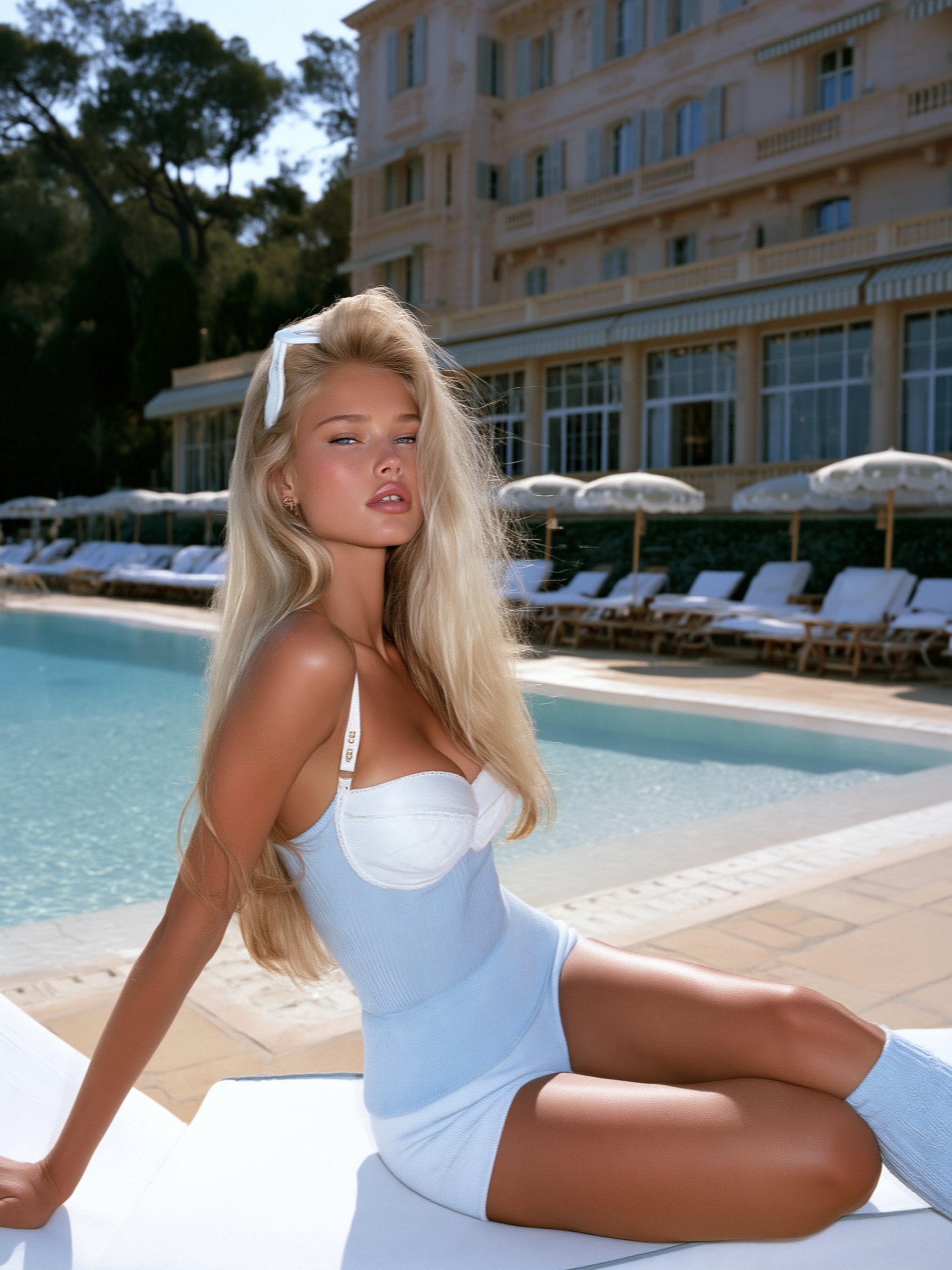

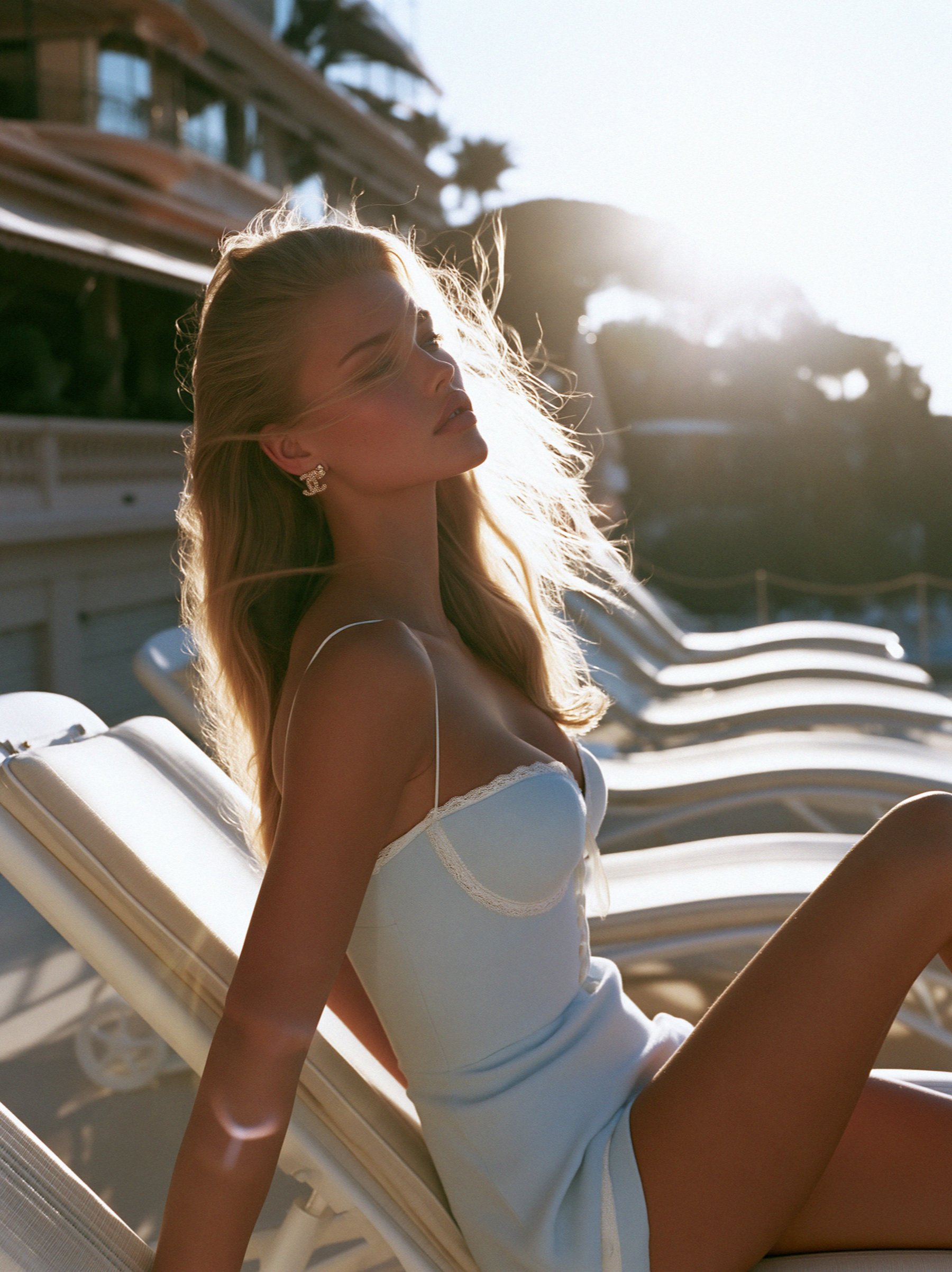

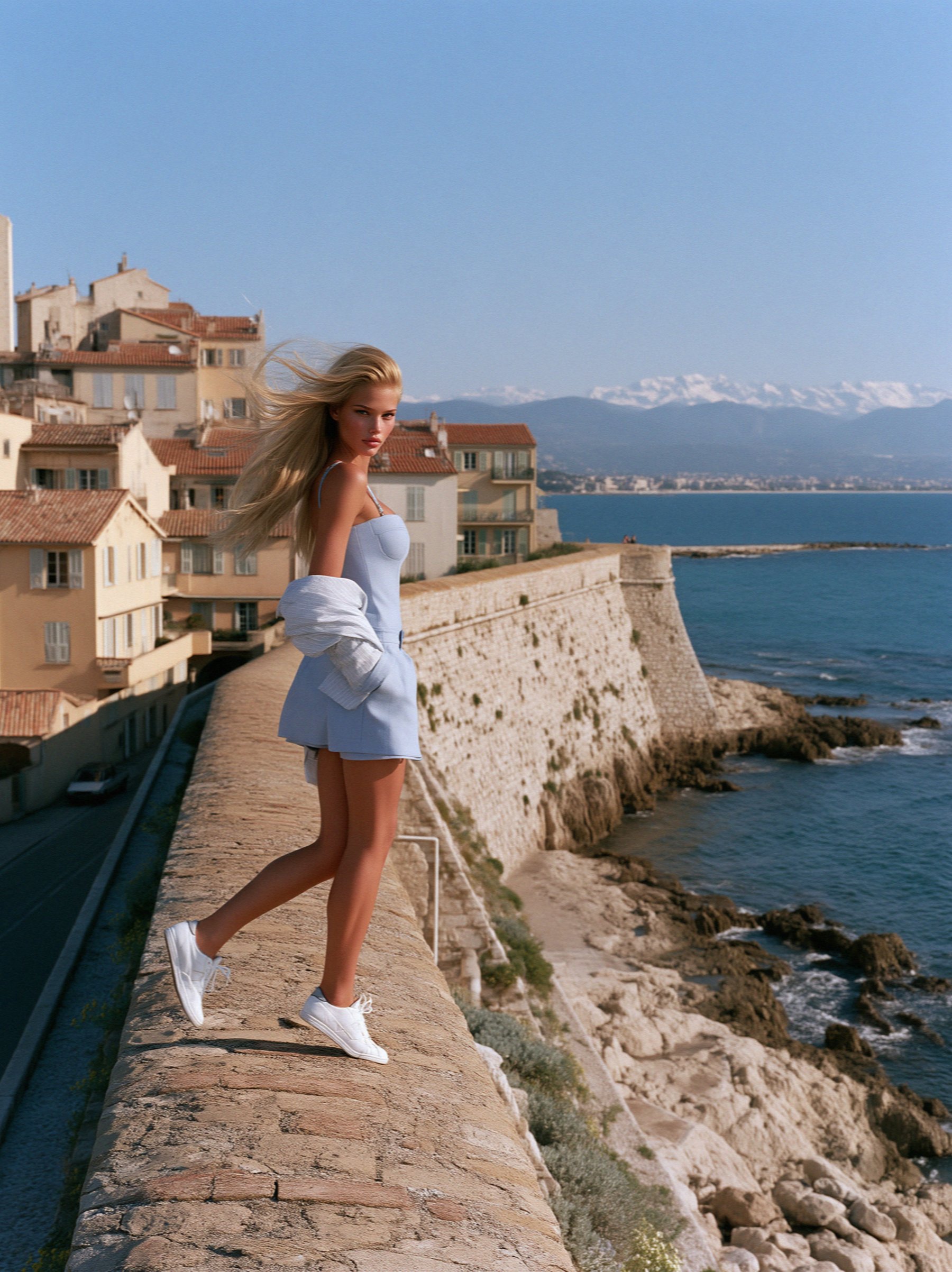
Your Antibes Guides
Everything here in detail, guide by guide.
- Hôtel du Cap-Eden-Roc: the History, the Pool and How to Visit
- The Best Things to Do in Antibes
- Antibes Old Town: the Market, the Ramparts and the Picasso Museum
- Cap d’Antibes: the Coastal Path, the Lighthouse and the Villas
- The Best Beaches in Antibes and Juan-les-Pins
- Where to Stay in Antibes: Old Town, the Cap or Juan-les-Pins
- Where to Eat in Antibes and What to Order
- The Best Day Trips from Antibes
- An Antibes Itinerary: 2 to 4 Days
- The Best Time to Visit Antibes
- Getting to Antibes and Around
Antibes Travel Diaries
- A Room with a View
- No Stone Unturned
- No Stone Unturned – Antibes
- The Locked Door – Antibes
- The Locked Door
Frequently Asked Questions
What should you pack for Antibes?
Shoes with grip for the coastal path and the stepped lanes, two swimsuits, a hat and serious sun protection for the rocks, a light layer for spring and autumn evenings, and one simple, well-cut outfit for a dinner at Eden-Roc or Belles Rives.
Is Antibes better than Nice or Cannes as a base?
For many people, yes. Antibes sits halfway between the two, with trains to Cannes in ten to fifteen minutes and to Nice in about twenty, so both are easy day trips. It is smaller and calmer than either, with a real old town, sandy town beaches and the Cap d’Antibes on its doorstep.
What is the difference between Antibes, Cap d’Antibes and Juan-les-Pins?
They are three parts of the same commune. The old town of Antibes and Port Vauban sit on the east side, facing Nice. Cap d’Antibes is the wooded, mostly residential peninsula to the south, with the coastal path, the lighthouse and the Hôtel du Cap-Eden-Roc. Juan-les-Pins is the resort on the west side of the Cap, with long sandy beaches, beach clubs and Jazz à Juan.
Can you still swim in Antibes in October?
Yes, especially early in the month, when the sea is still warm enough. Bear in mind that the Hôtel du Cap and many of the beach clubs have closed by the second half of October.
When is the best time to visit Antibes?
June, with May and September close behind: long days, everything open and a sea warm enough to swim. Avoid the Cannes Film Festival fortnight in May unless you are going to it, because it fills the hotels along the whole coast.
What are the best beaches in Antibes?
For sand close to town, Plage de la Gravette by the port and Ponteil and La Salis just south of the old town. For clear water and swimming off the rocks, the coves of the Cap and Plage de la Garoupe. For long sandy beaches and beach clubs, Juan-les-Pins.
Is Antibes expensive?
It can be. A simple summer hotel starts at around a hundred euros, the luxury hotels on the Cap go well beyond a thousand, and the Cannes fortnight lifts everything. But the market, the walk along the ramparts and the public beaches cost little or nothing.