Hôtel du Cap, Cap d’Antibes. Saturday, 2 May 2026.
Every summer of my childhood ended in the same room, and I swore, the year I lost him, that I would never sleep in it again.
I have broken that promise more times than I can count.
They give me the room. I do not ask. I never ask. And not once, in all those years of coming back, did it occur to me that the room might have been keeping something for me.
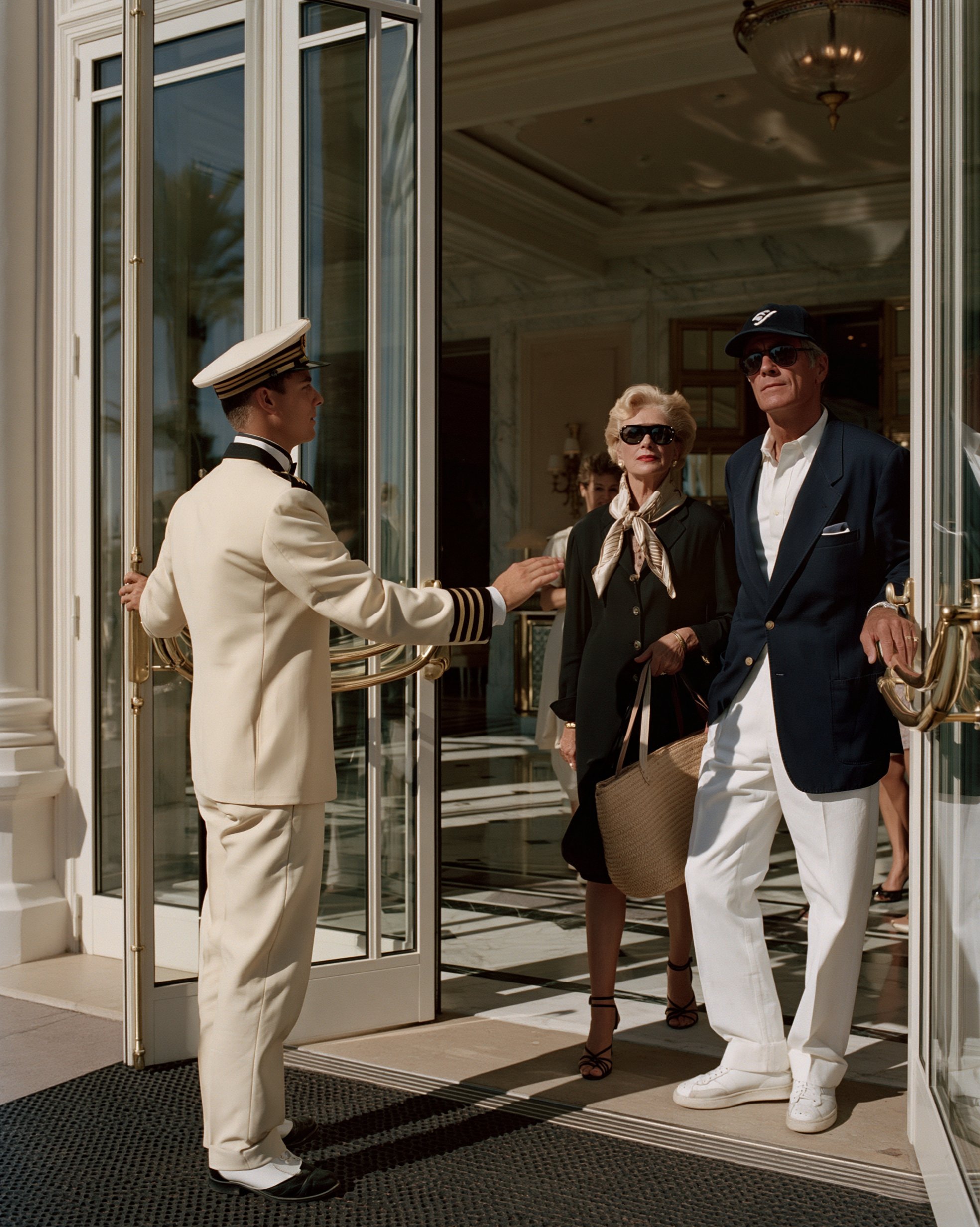
Pierre was at the desk when I arrived. He has been there for so many of my visits that I cannot remember when we stopped being formal with one another. He looked up, smiled before I had quite reached him, and said, “Victoria. Enfin.”
Then he turned the key over in his fingers before handing it across, the old brass key on its heavy tag, and said, as if it were a small joke between the two of us, that the room had been waiting.
There was something in the way he said it.
I think Pierre knew perfectly well what he was doing.
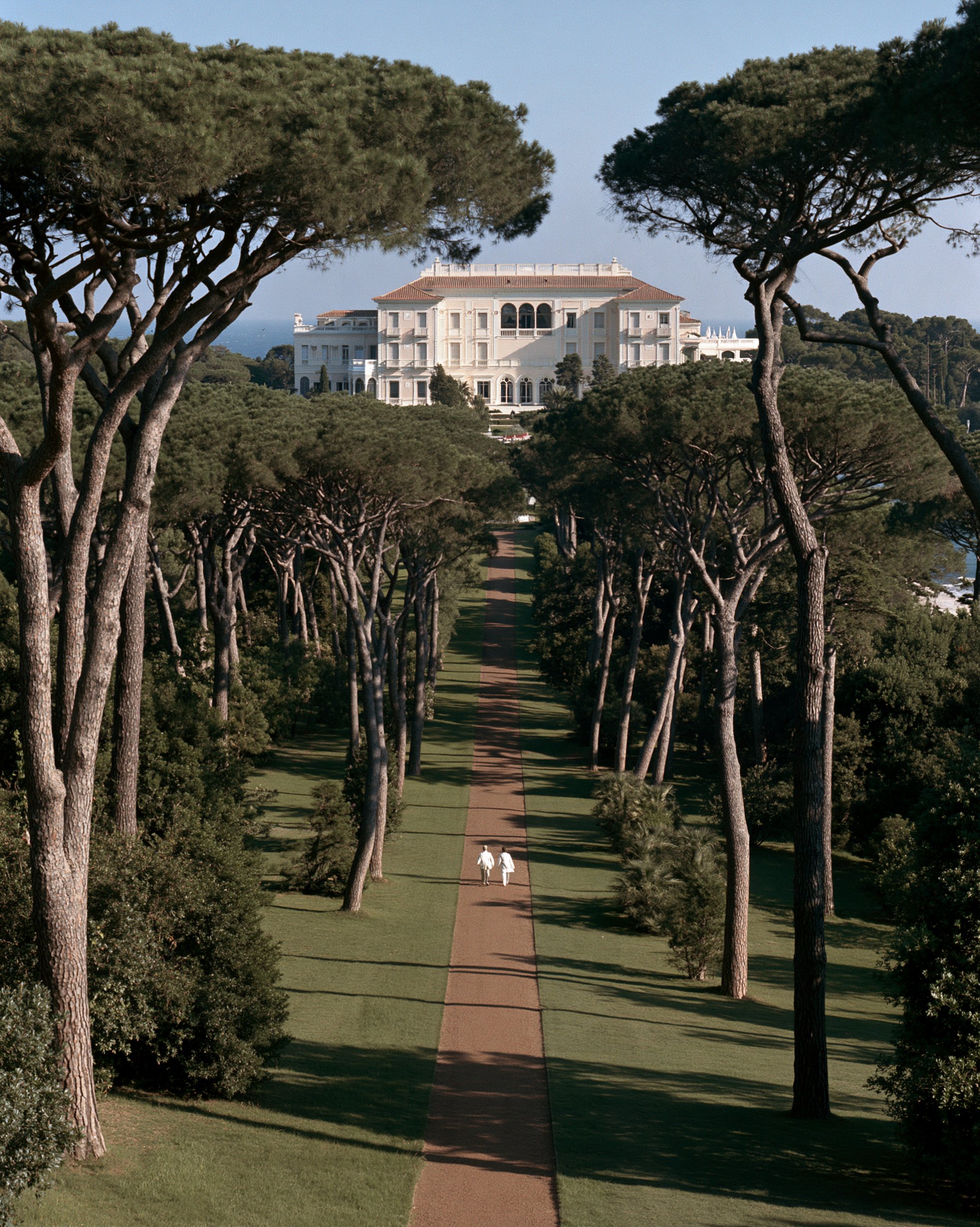
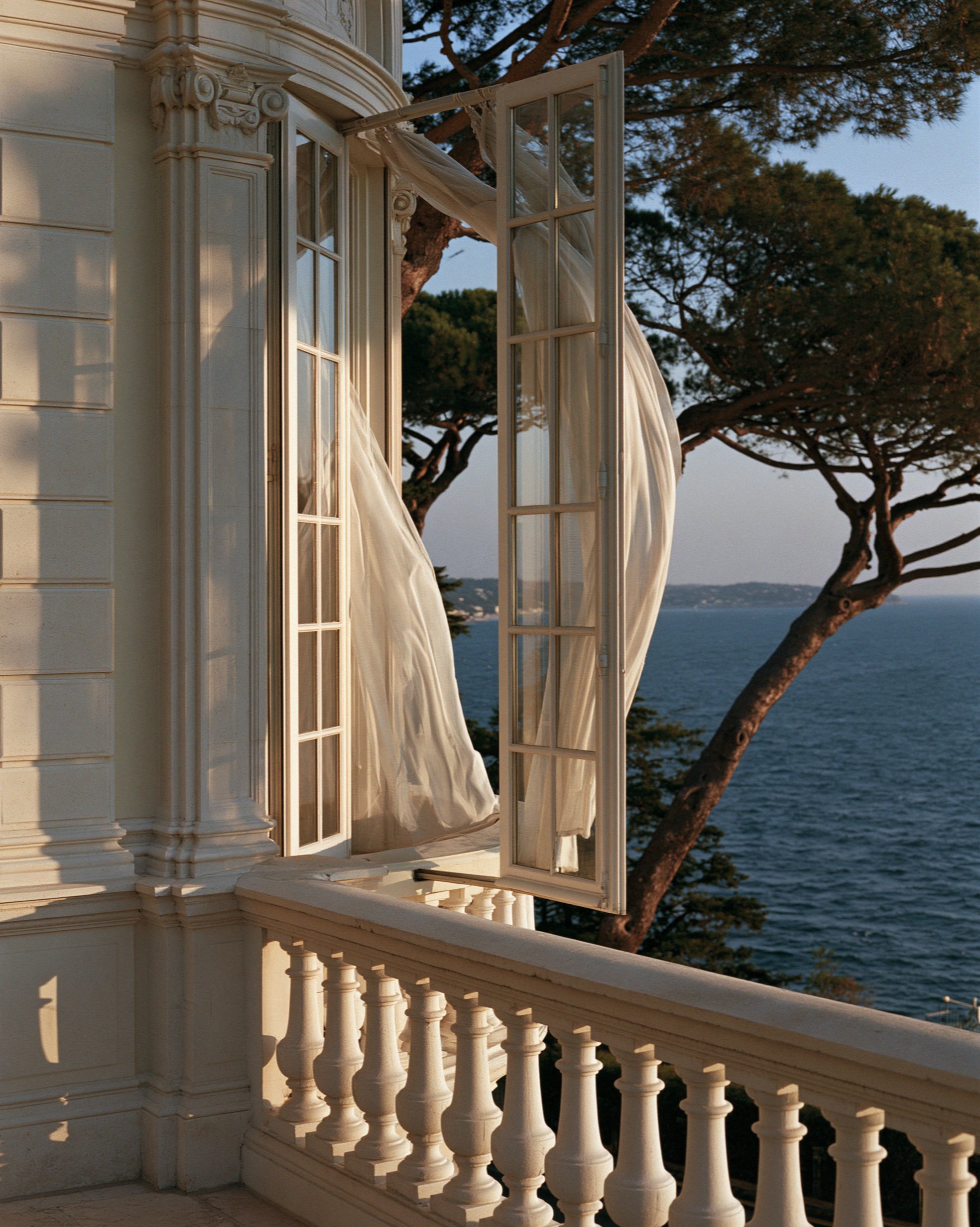
It is on the corner, facing the sea. Two tall French windows, sheer curtains that lift when the door opens, and a balcony with a white stone balustrade. Below it, the lawn runs all the way down through the pines to the water in one long straight line, as if someone drew it with a ruler a hundred and fifty years ago and nobody has dared to move it since.
I have known that view longer than I have known most people.
The first time I came here I was small enough to see the sea only through the gaps in the balustrade. I remember very little of it, and all of it exactly. The cool of the lobby after the gravel. A porter in a cream jacket who bent down to tell me, very seriously, that the cat on the steps belonged to the hotel and not to me. A glass of citron pressé on the terrace, with more sugar in it than anyone would have allowed me at home.
We came every year, my family and I, and every year it was this room.
My father used to say the hotel kept it for us because nobody else could be trusted with the view.
I believed him, obviously.
I have been back many times since.
Always to this door.
The cat has changed. The jacket has not.
Neither, apparently, have some of the people.
I had barely put my case down before there was a knock at the door. Two of the maids were outside with towels I did not need and the unmistakable expression of people who had invented a reason to come upstairs.
One of them has known me for years. She kissed me on both cheeks and immediately wanted to know whether I was staying through Cannes.
The other was younger and so delighted to see me that for a moment neither of us quite knew what to do with it. She told me she had hoped I would come back this year. Then she became embarrassed at having said it, which made me love her instantly.
I told them I was staying.
This seemed to satisfy everyone.
When they had gone, I unpacked everything and left the top drawer of the desk empty.
My father did that in every hotel we ever stayed in. One drawer for whatever the trip turned out to be.
I have never once filled it.
The team arrived just after ten.
Today was meant to be a light day, which means nobody hurried and everyone pretended not to be working. Coffee came up on a tray and stayed out on the balcony going cold because by then the light was already doing something on the stone that our photographer did not want to miss.
Our stylist had brought dresses. Six of them, on a little rail she wheeled across the room like a trolley at a station.
All six were blue.
Powder blue, pale blue, a blue like the inside of a shell, a blue like the sky over the sea at about eleven in the morning, which, as it turned out, is exactly where we were going to stand in them.
She says it was a coincidence.
I do not believe her.
They go back to the people who lent them at the end of the week, and I have already chosen the one I will miss.
We worked outside before the guests came down. The terrace beneath the striped awnings, navy and cream, the round tables laid for lunch with white cloths and a few white flowers in each glass.
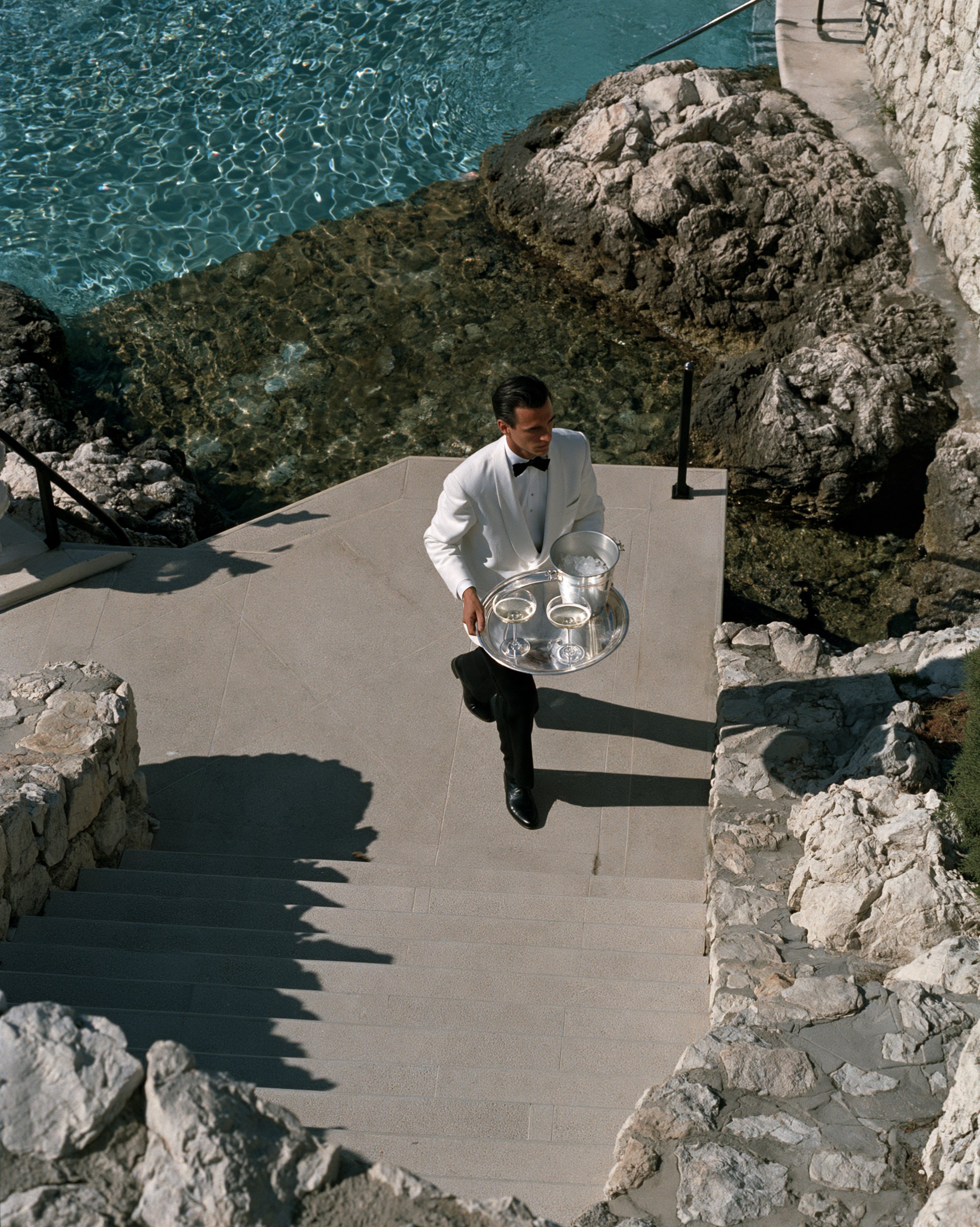
The waiters moved around us setting places, folding napkins into small hard shapes. A few said hello as they passed. One asked after Teddy. Another told me Pierre had already warned everyone I was upstairs, which explained the towels.
I shall have words with Pierre.
Every one of the waiters was very carefully not looking while we worked.
One of them looked.
I think he was new.

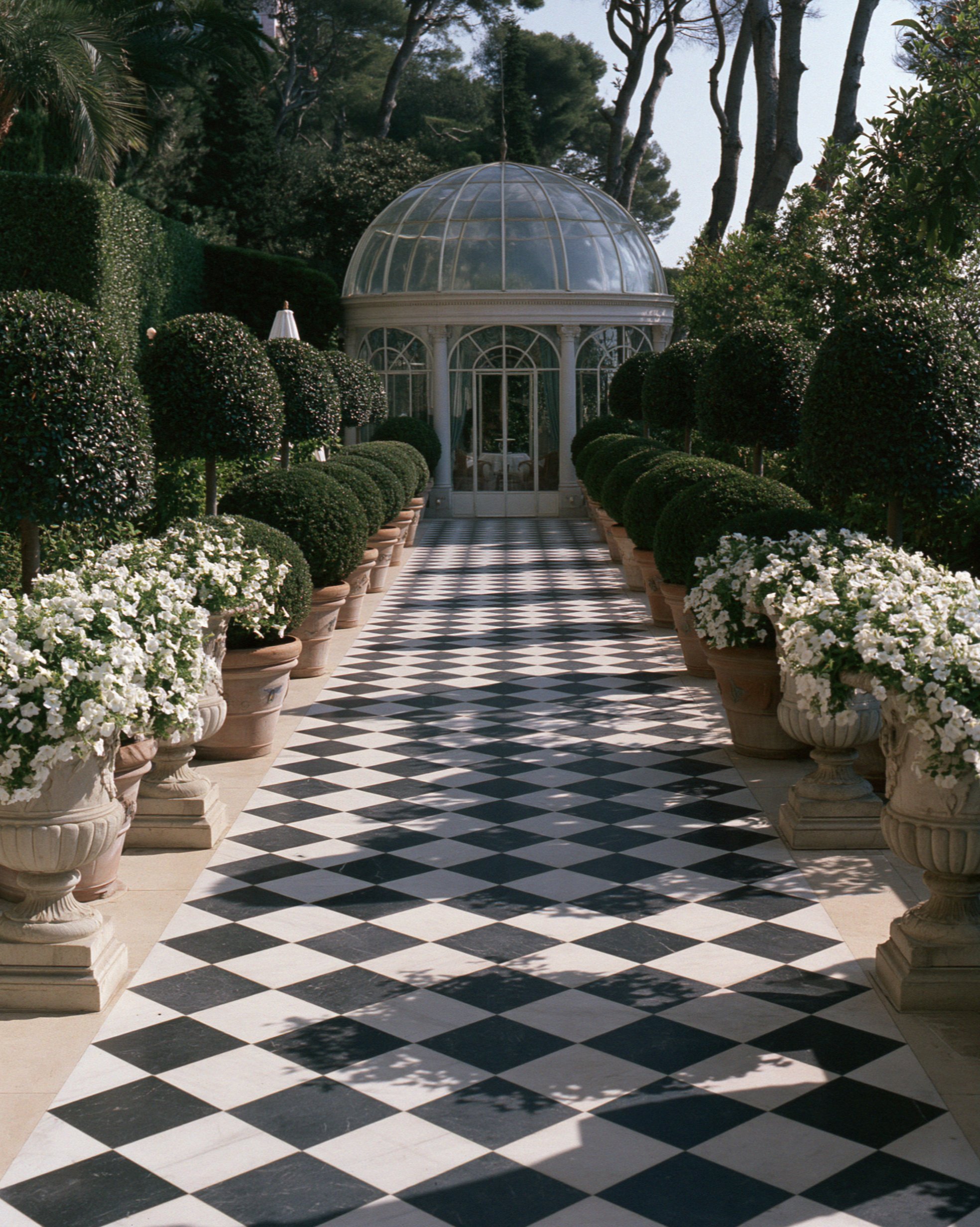
Then the walk along the front of the hotel, where the floor is laid in black and white diamonds and the topiary stands in terracotta pots in a row, clipped round, like pieces waiting for someone to start the game.
The tiles were warm already.
I took my shoes off between frames and nobody minded, because it was a light day.

An elderly man in a panama hat, sitting with two friends beneath the awning with their coffee and one newspaper between the three of them, asked our photographer whether I was someone.
Our photographer said yes, of course.
The man nodded as though that settled it and went back to the newspaper.
I liked him enormously.
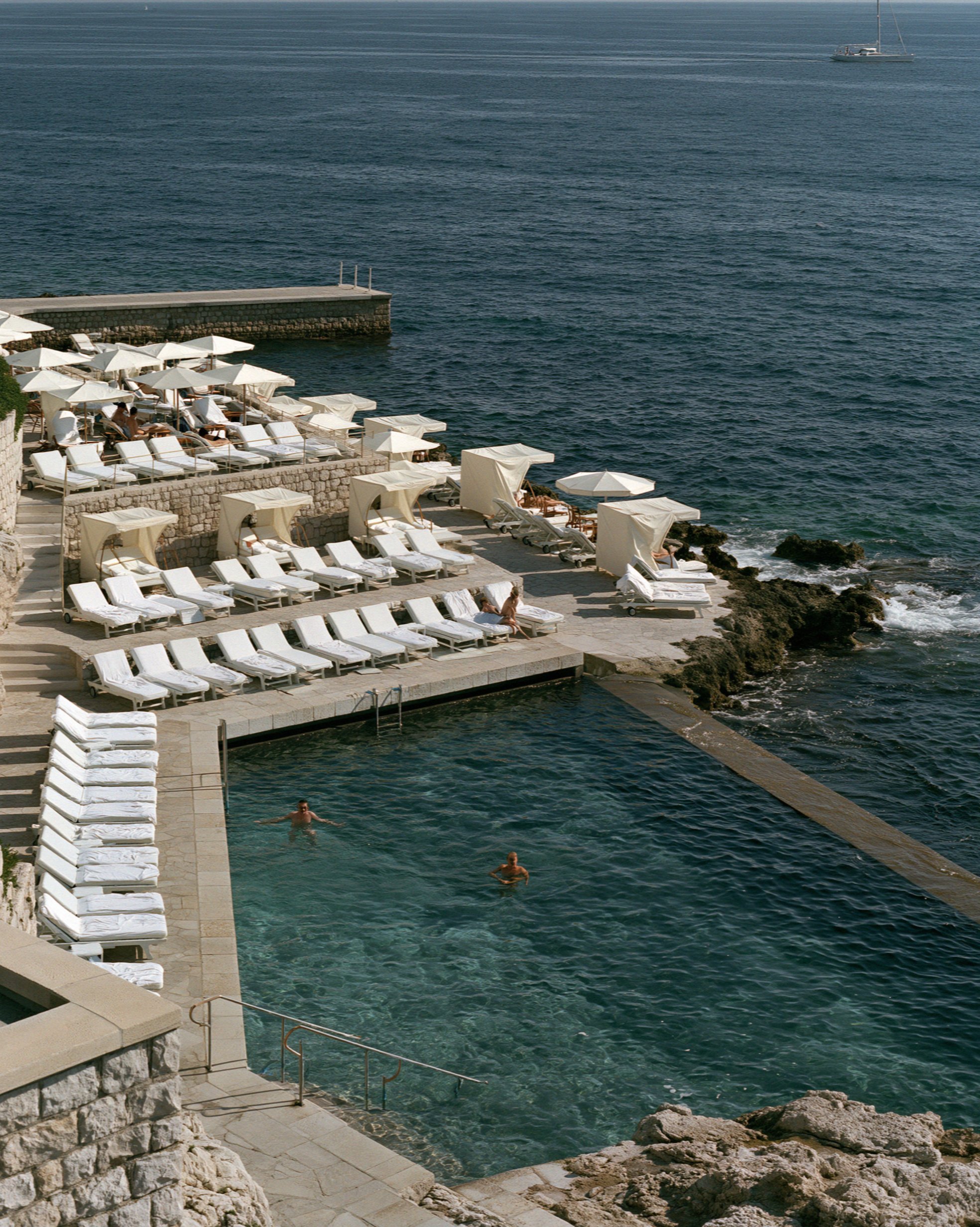
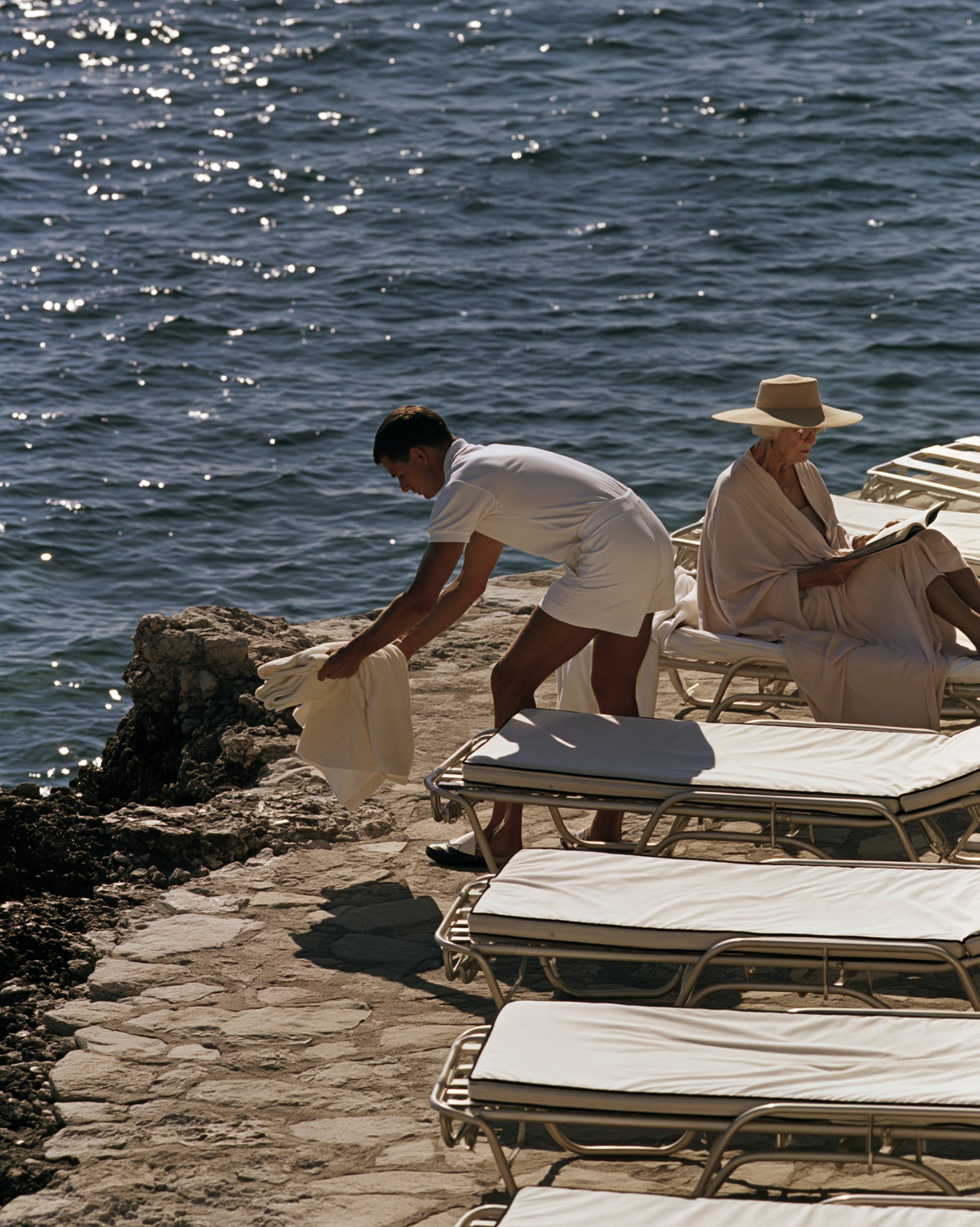
Down below, on the rocks, they were putting up the parasols. Rows of them, opened one by one, white against the stone, by a boy who stopped after every third to look at the water.
It is only the beginning of May. The sea is not yet the sea it will be in July. And still, here, summer starts early, as though the whole place has been waiting for an excuse.
That made me curious, so after lunch I went and found out why.
The Riviera was a winter place once. The English and the Russians came for the mild months and went home before the heat, and the hotels closed behind them. This one did too.
Then, in the summer of 1923, an American couple, Gerald and Sara Murphy, persuaded the owner to keep it open for them through the warm months. A skeleton staff, a few friends, the whole hotel nearly to themselves. Their friends wrote about it, painted it, put it into books. A summer nobody had thought worth having became the only summer anybody wanted.
I like that it was a favour.
That the entire glamour of this coast began with someone asking, nicely, whether they might stay a little longer.
Every summer since has been slightly borrowed from them.
By the afternoon the cars had started arriving on the gravel.
You can always tell when Cannes is coming because the hotel fills with people who are not on holiday. Men in linen who talk on the terrace as if the terrace were an office. Women who arrive with more luggage than reason. Somebody’s assistant on the stairs, holding three phones and a dog.
The festival does not begin for another ten days, and already half of it is here, pretending to rest.

I know some of them. Not all, and not well, and that suits me.
A producer I have met perhaps four times in my life kissed me on both cheeks at the top of the steps and asked what I was doing in May, as though May had not already started around us.
I said watching films.
He laughed as though I had made a joke.
I had not.
I love them more than almost anything, and the next ten days are the quiet before twelve days of them.
Ten days.
I counted on my fingers in the lift, twice, which tells you everything about how much I am looking forward to it.
We finished the last frames on the balcony while the sun dropped behind the hotel and came back at us off the sea, so bright you could barely see the dress.
Our photographer loves that light.
I love it too, though it makes my eyes water and I look, in every frame, as though I am about to say something important.

The dresses went back on the rail.
The rail went back down the corridor.
The team went off to find dinner somewhere in Juan les Pins, somewhere they promised would be terrible and wonderful, and I stayed.
On my way back to the room I passed the younger maid from that morning. She was coming the other way with a basket of linen.
“Bonne nuit, Victoria,” she said.
Then, after she had passed me, she turned around.
“I’m really happy you’re back.”
This time she did not look embarrassed.
I told her I was happy too.
And I was.
I changed into my own white dress, the one that has been folded at the bottom of my case all week, and went back out onto the balcony with the cold coffee from this morning because I could not bear to send it back untouched.
The pool below was empty.
The parasols were closed again, standing in their rows like people who had been told to wait.
Somewhere along the terrace a waiter was laughing at something, and the sound came up quite clearly, the way sound does over water at the end of a day.
The sea went white, then silver, then a colour I do not have a word for.
Pierre was right.
The room waited for me.
It always does.
Tonight, for the first time, I wonder what else it has been keeping.
V.
More images from Antibes