Hôtel du Cap, Cap d’Antibes. Sunday, 3 May 2026.
The bath in this room is deeper than any bath has a right to be.
I ran it at seven, before anyone could knock, with far too much of whatever was in the little glass bottle, and lay in it with the window open until the foam went flat and the light on the ceiling stopped moving. Somebody below was raking the gravel. It is the first sound of every morning here, and I have never once seen who does it.

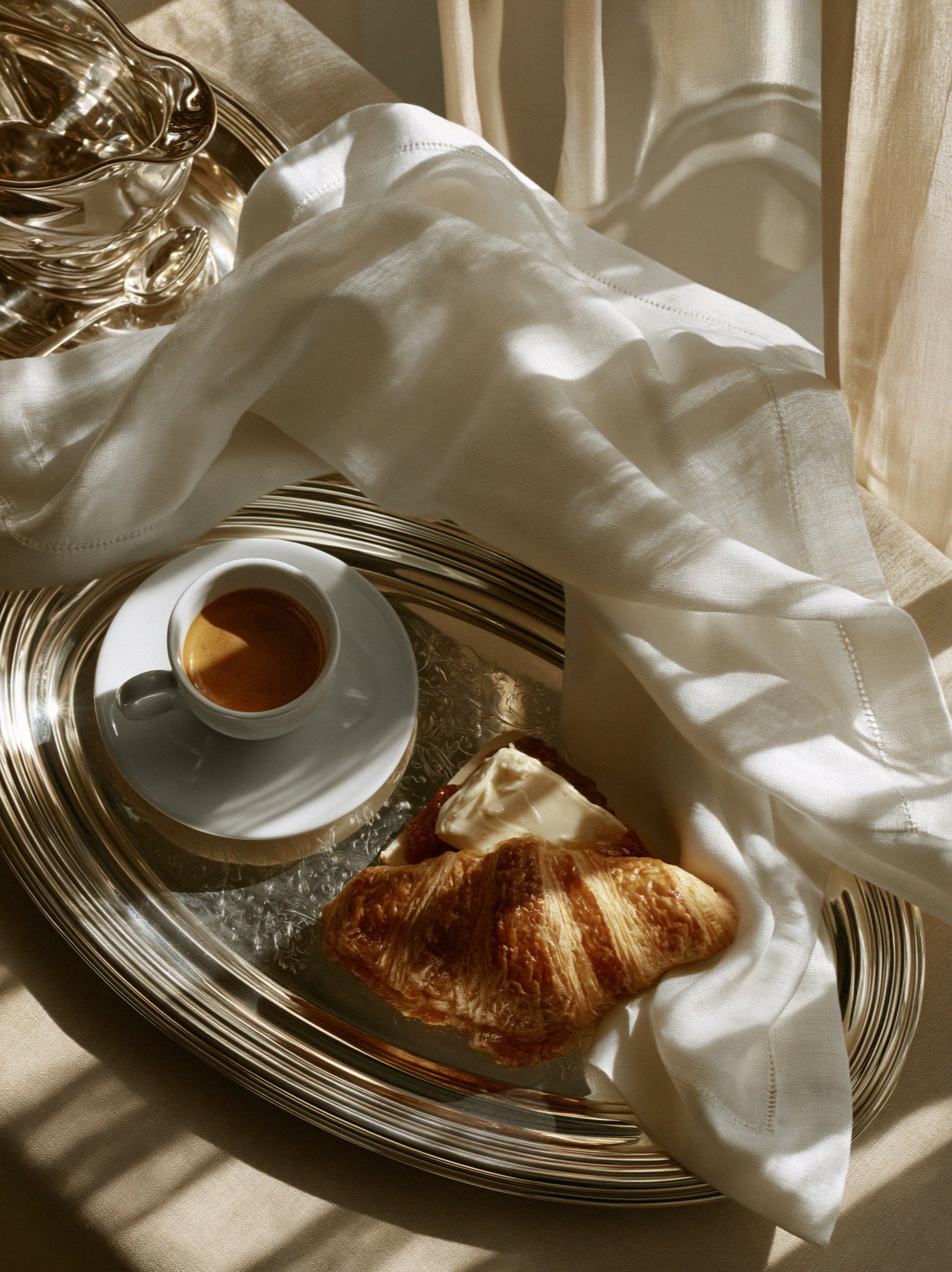
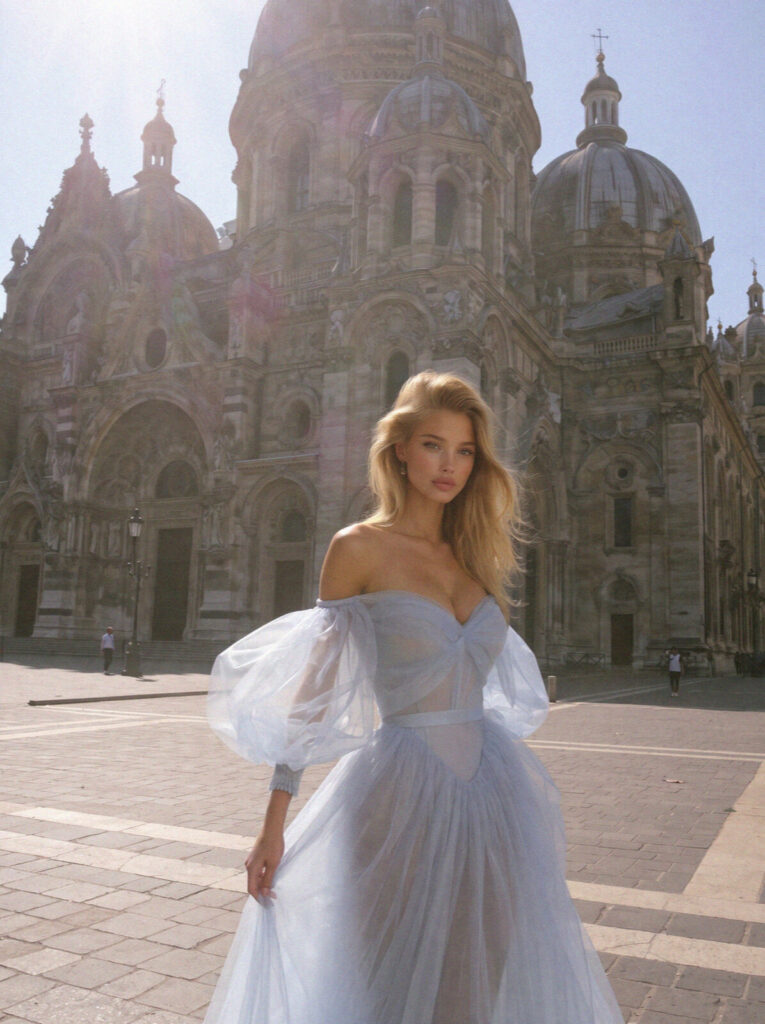
Breakfast came up on a tray. Coffee, one croissant, and a message from our photographer with the rest of yesterday’s frames. He works quickly. There were so many in the blue dresses that I could not choose, so a few of them are at the end of this.
Sunday. No team, no rail of dresses, nothing on the list.
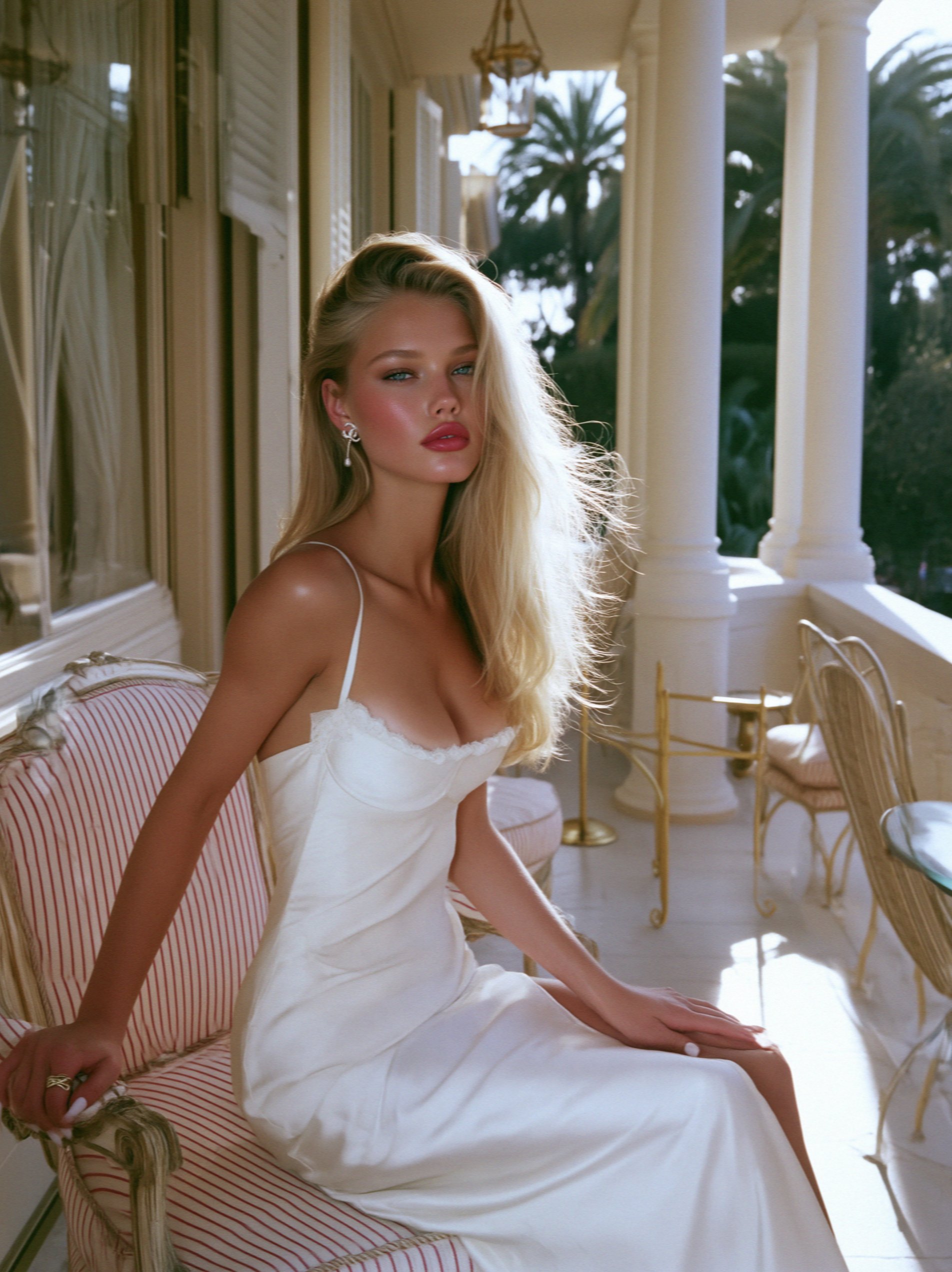
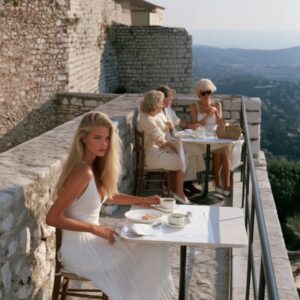
I put the key in the pocket of my white dress, because the pocket was there, and went down.
By the pool they were already arranging themselves. Most of them are young, in the way the people who come before Cannes are young: two actors I half recognised, an editor, a girl who has just made her first film and says so to everyone as though apologising for it. They had pulled three loungers together and were arguing about a director none of them has ever met.
I swam first, because the water was there and nobody else was in it. Then I sat on the end of a lounger and was given a peach.
The girl with the first film asked me what I thought of the director. I said I liked his second picture better than his first, which was apparently the wrong answer, and the argument started again from the beginning with me in it.
I had not had a morning like that in a long time.
In the afternoon I walked down to the sea.
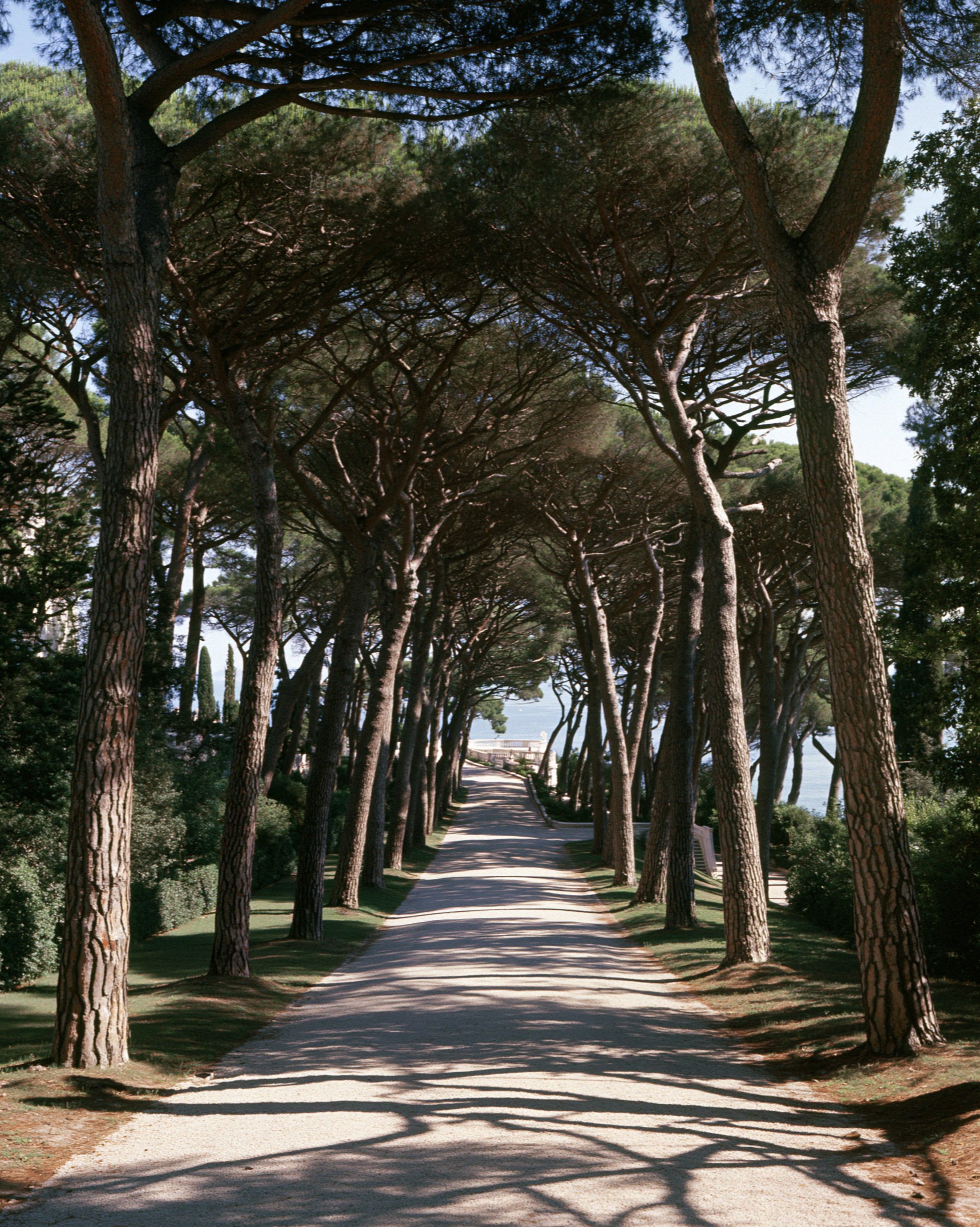
The path runs the whole length of the garden, under the pines, straight down the middle to the pavilion at Eden-Roc and the rocks below it. It is longer than it looks from the balcony. It always has been. When I was small it seemed to go on for most of a morning, and I ran it anyway, every time, because there was nobody to tell me not to.
At the bottom the pool sits in the rock with the sea a few steps away, as though someone could not decide which one to offer you and so built both.
I sat on the rocks with a book I did not read until the shadows of the parasols went long.
Somewhere between there and the top of the garden, the key left my pocket.

I did not notice. I walked back up through the pines with my shoes in my hand, thinking about nothing, and it was only on the gravel at the front of the hotel, with the sun low and the cars for dinner already pulling in, that I put my hand in my pocket and found it empty.
Pierre was standing at the entrance.
He did not say anything at first. He held up the key on its heavy tag and let it turn once in the light.
“Under a stone,” he said. “On the sea path.”
I said I could not imagine how it had got there.
He put it in my hand, closed my fingers over it, and said, in English, which he never speaks with me:
“Leave no stone unturned.”
Then he went back inside.
I stood on the black and white tiles for longer than a person should stand anywhere with a key in her hand.
It is a perfectly ordinary thing to say. People say it about tax returns.
And still, I thought about it all through dinner.
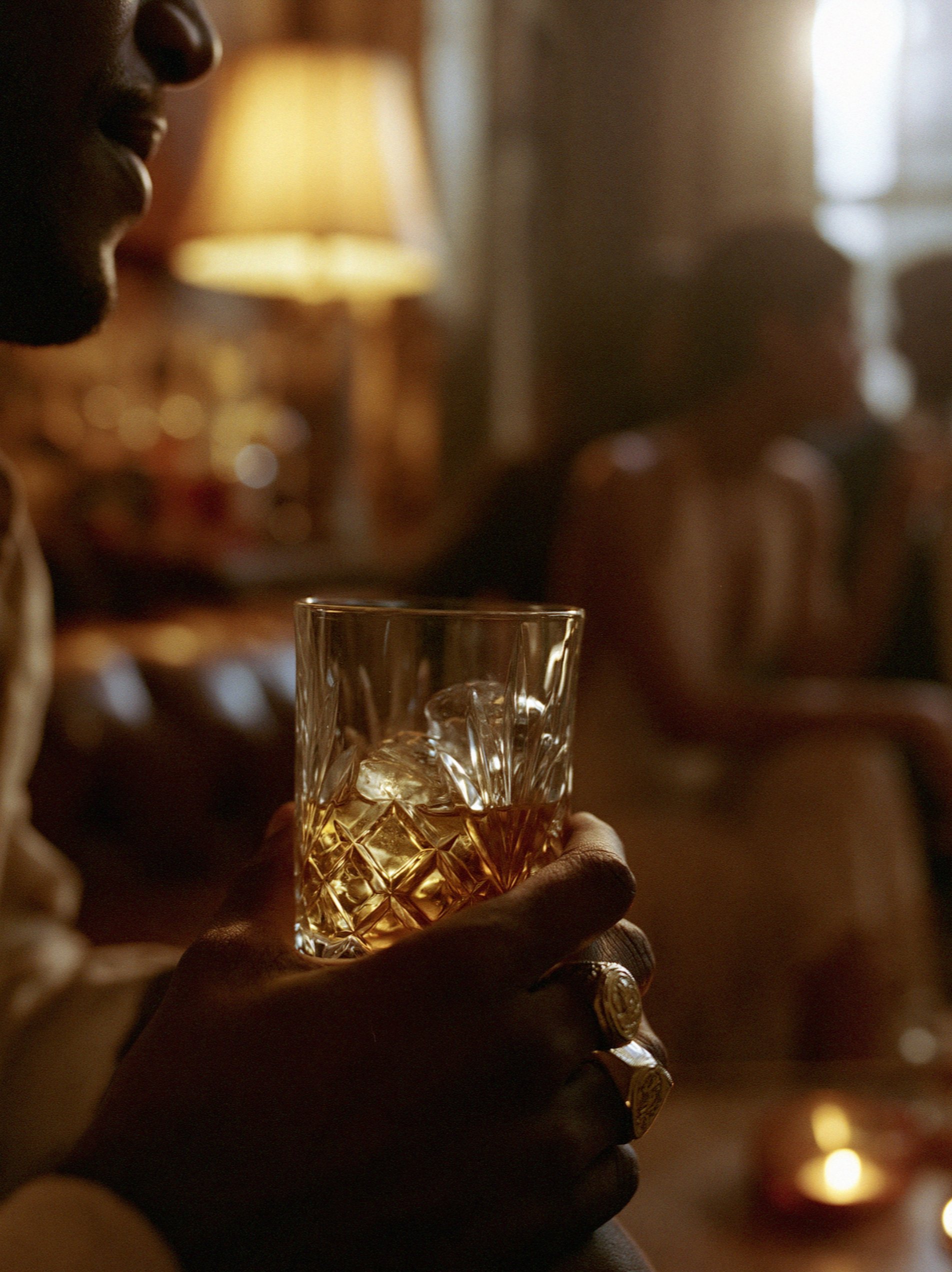
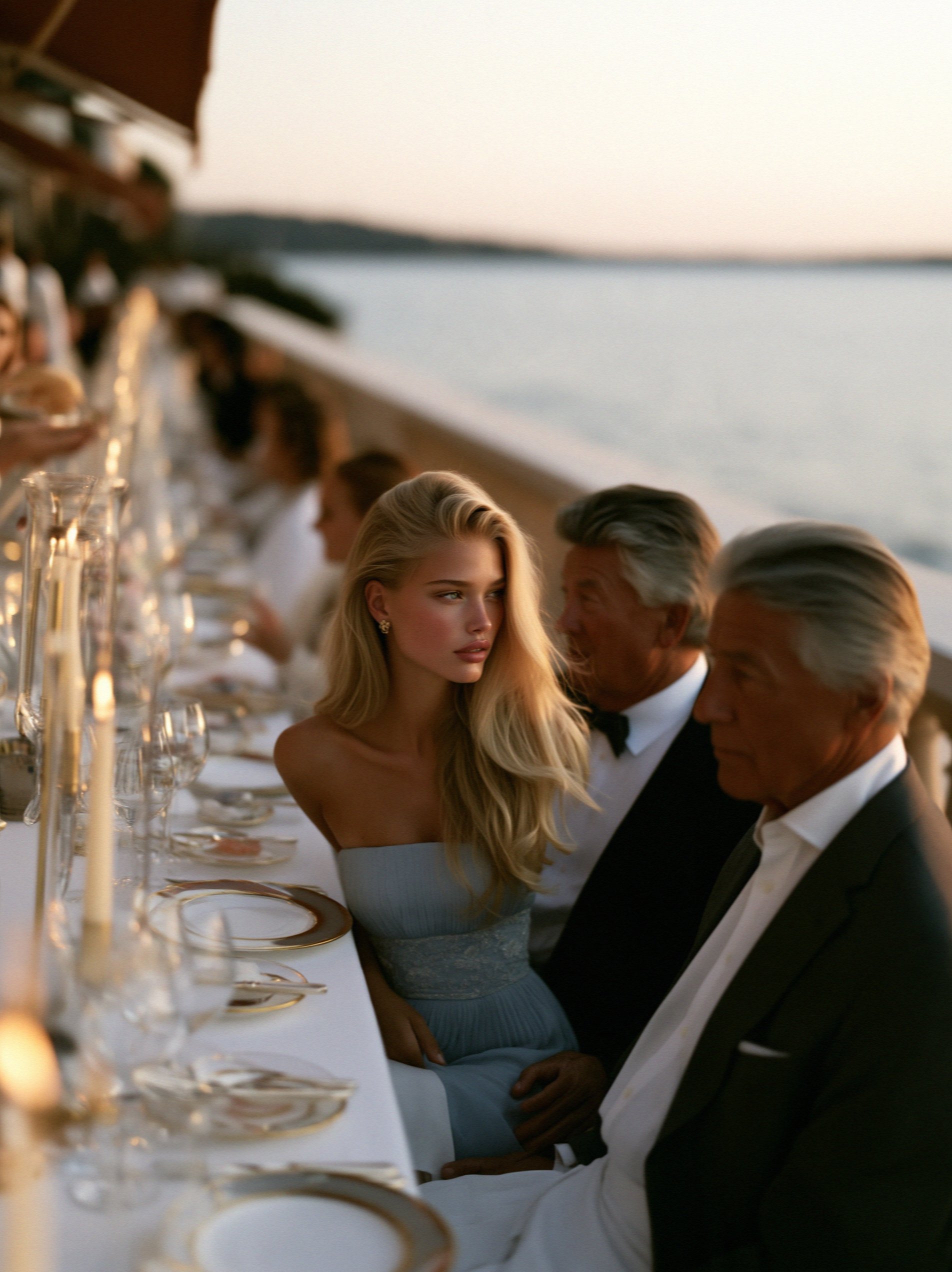
Dinner was on the terrace, outside, under the awning, with the candles lit before the light had gone. I wore the blue one. The one I will miss. Nobody has come to take it back yet, and I did not ask.
I was seated between two men who have been coming here since before I was born. One produces films. The other, as far as I can tell, owns things.
For the first course they talked across me about Cannes, the way men talk about weather they have personally arranged.
Then, somewhere between the fish and the dessert, they stopped talking across me and started talking to me, which was worse.
The one who owns things wanted to know which room I was in.
The producer wanted to know how long I was staying.
Neither of them asked anything he did not already know the answer to.
When I said the corner room, the one who owns things looked at the producer, and the producer looked at his glass, and for a moment nobody at our end of the table said anything at all.
I was charming, I think. I watched the sea.
At some point, because I could not leave it alone, I looked up where the phrase came from.
There is an old Greek story. After the battle at Plataea, a rumour went round that the Persian general Mardonius had left a fortune buried somewhere near his tent. A man bought the piece of land and dug and dug and found nothing. In the end he went to the oracle at Delphi and asked how he might find it.
Apollo told him to move every stone.
He did.
And the story says he found it.
I read it twice under the table, which was very rude, and put my phone away.
Later there was a party in one of the suites at the end of the corridor.
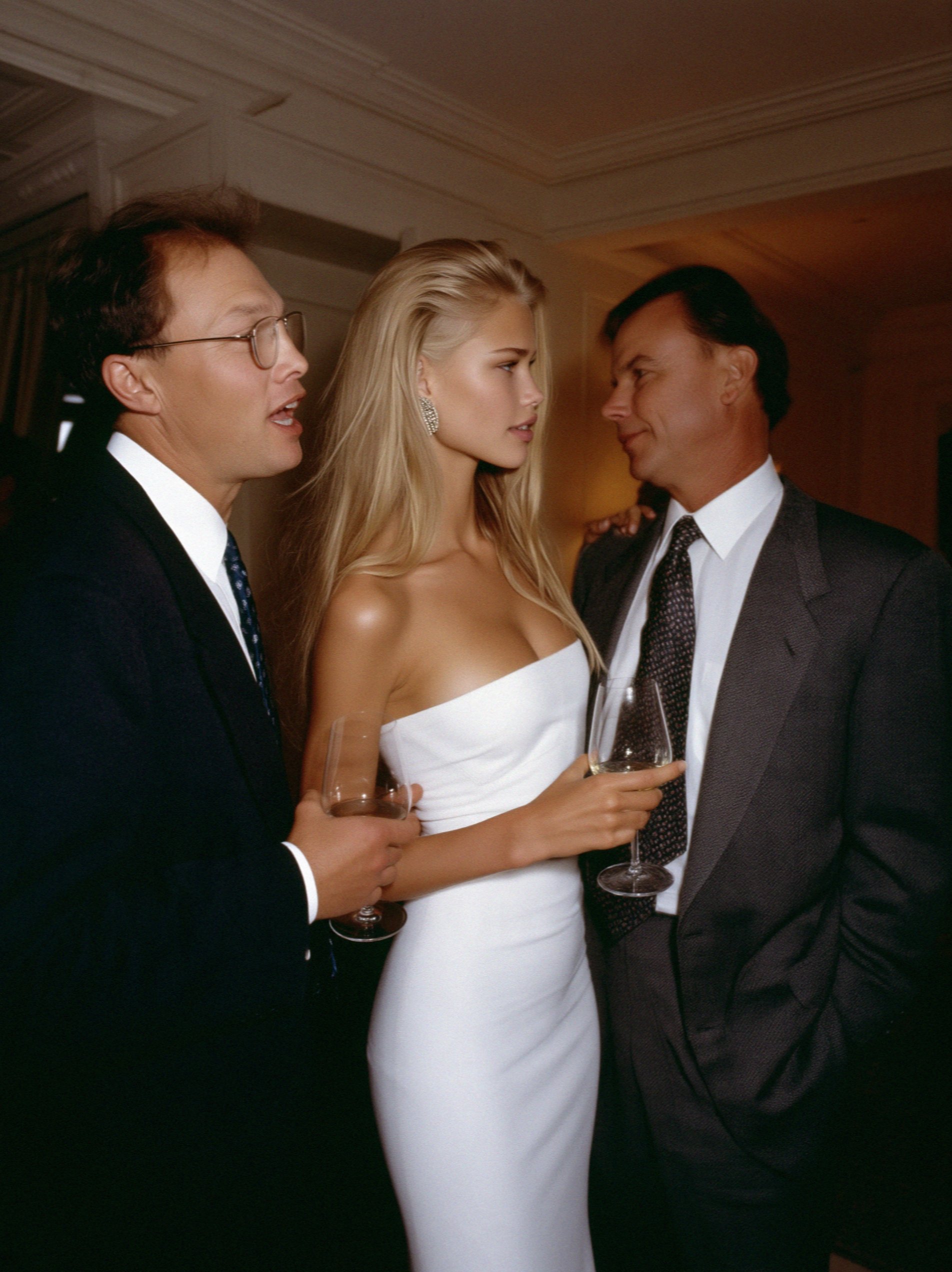
I changed into something white and very simple, which is what I always bring for exactly this kind of night. Men in dark suits, a piano somebody had talked the hotel into, the doors to the balcony thrown open so that half the party was inside and half of it was out over the dark garden, with the sea making its noise somewhere beyond the pines.
The two men from dinner found me within about four minutes. One on each side, glasses in hand, very friendly, standing closer than either of them needed to. They were still asking about the room. They had simply become more polite about it.
I excused myself and went out onto the balcony with a glass I did not drink.
From there you can see the whole line of the garden going down to the water, the path I walked this afternoon, white in the dark.
And I remembered.
My father used to play hide and seek with me here. Not in the garden, which was too easy, but in the hotel itself, in the corridors and the stairwells and the rooms nobody was using, at the hour when the guests were dressing for dinner and the staff pretended not to see a small girl running past them in her socks.
He always counted out loud, in French, slowly, to make me laugh.
And when he had finished counting, before he came to look, he would call out the same thing every time. Not “ready or not”. Something grander, because he could never resist making a small thing grand.
Leave no stone unturned.
There was one place he never found me.
I am not going to write down where.
I left the party before midnight. Nobody minded. The girl with the first film was explaining her ending to the man who owns things, and he was listening as though it mattered, which I liked him for.
Back in the room I put the key on the table by the bed.
I could go now.
I know the way. My feet know it better than I do.
But the hotel is full. Cannes is coming up the coast like weather, and every corridor has someone in it, and some things you do not go looking for with people watching.
So I am in bed.
The key is still on the table.
And I am very definitely not thinking about the one place my father never found me.
V.
More images from Antibes