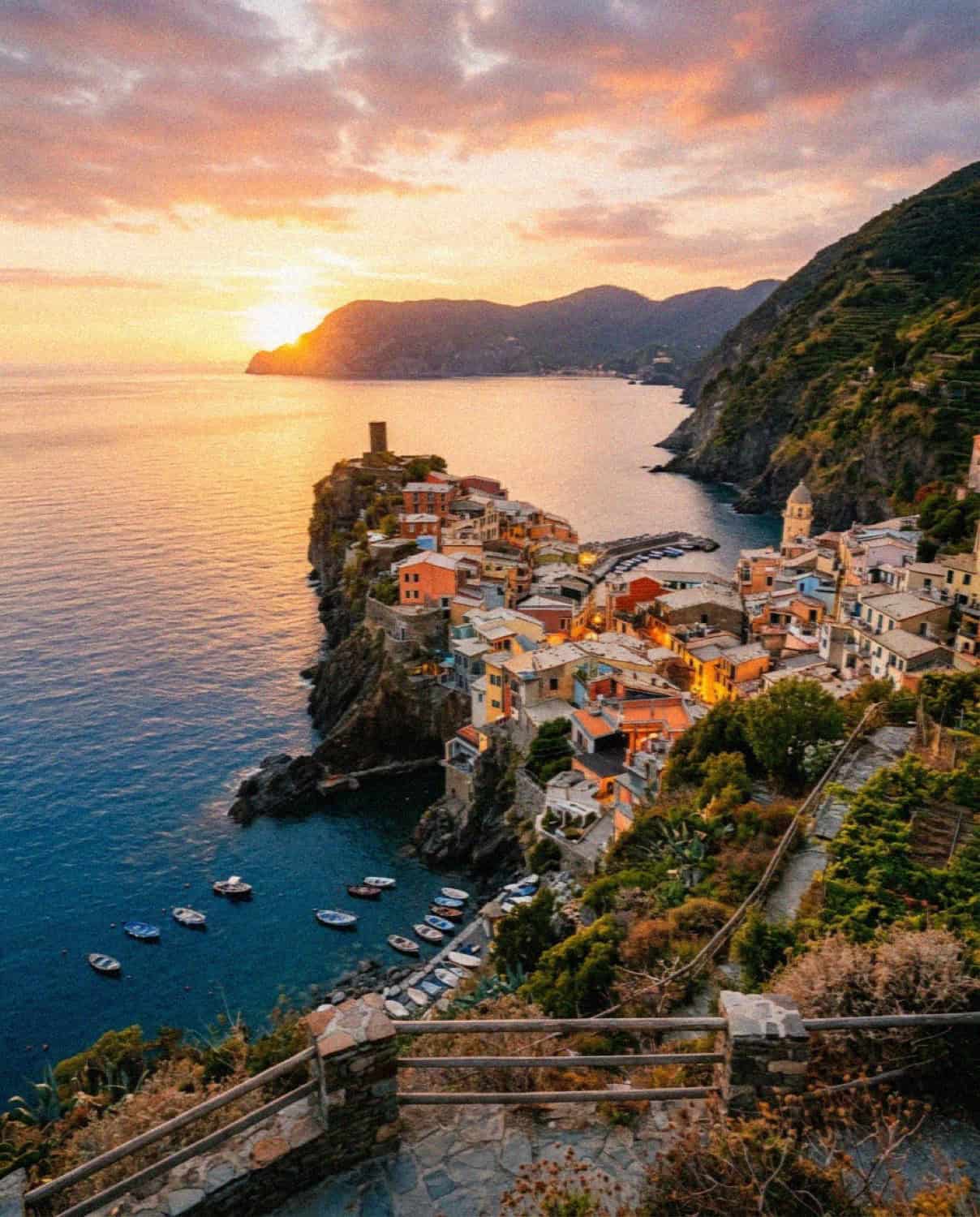
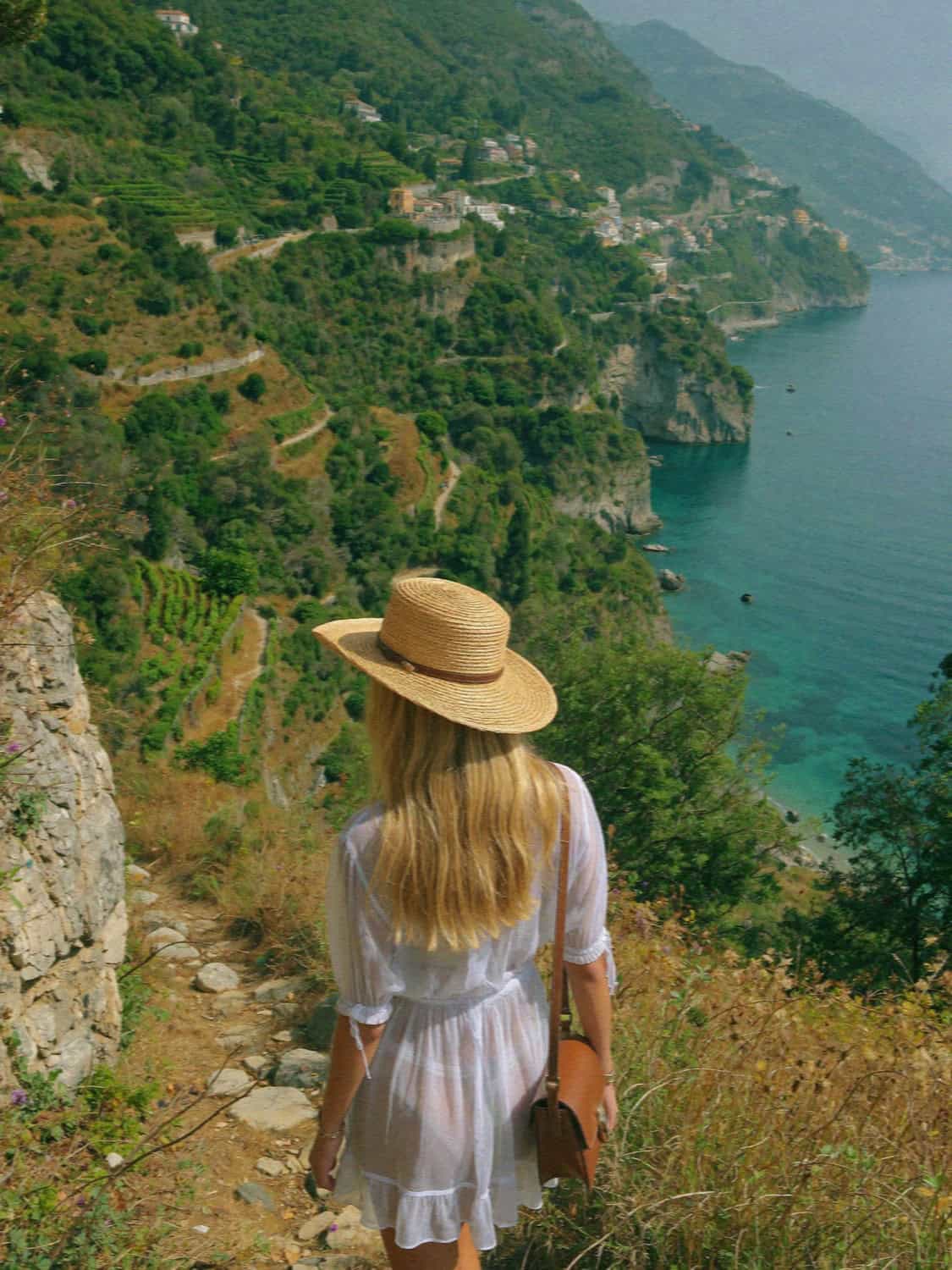
There is a kind of tiredness that feels like a reward, and this morning I went looking for it on the cliff path above Vernazza.
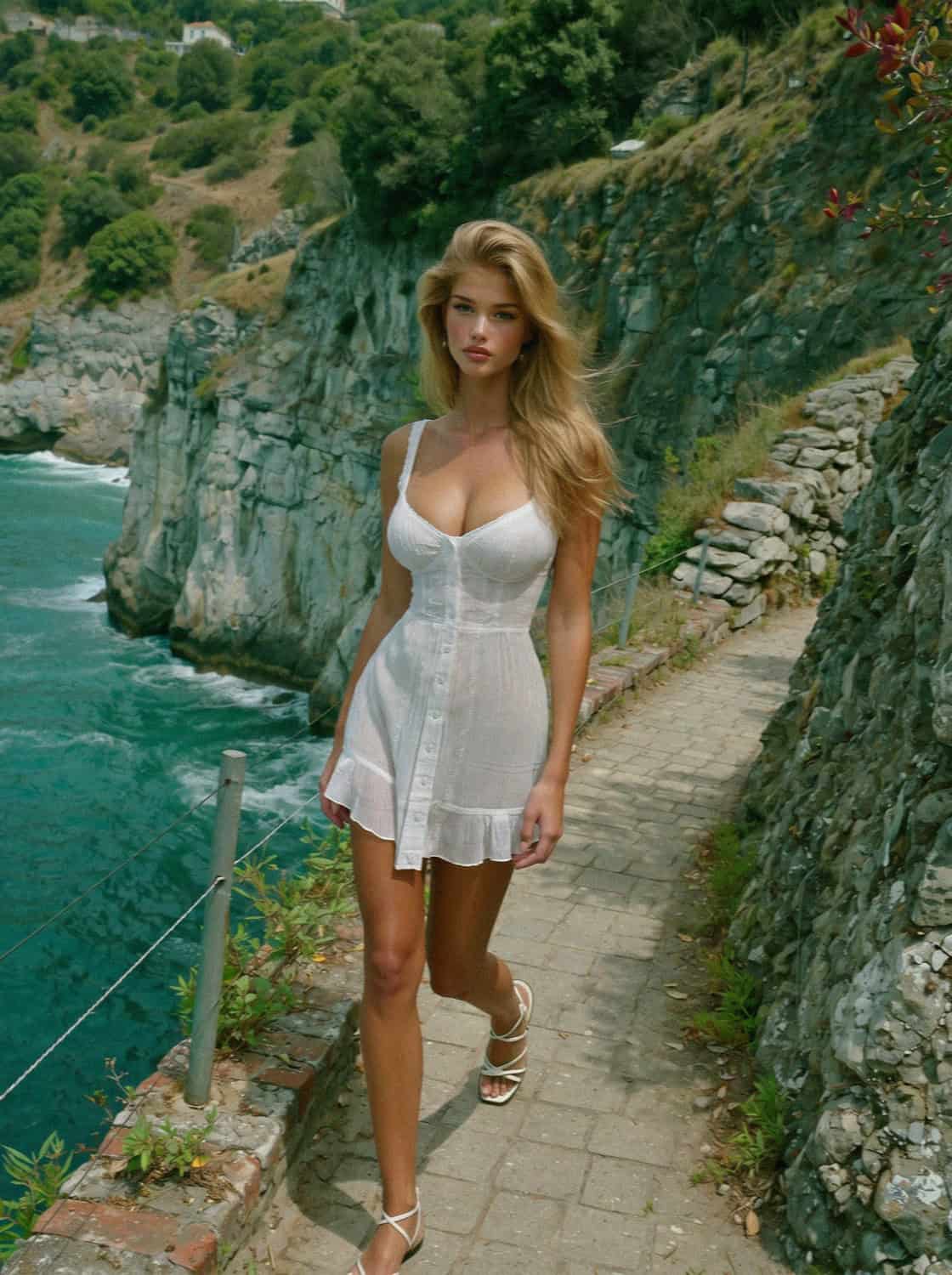
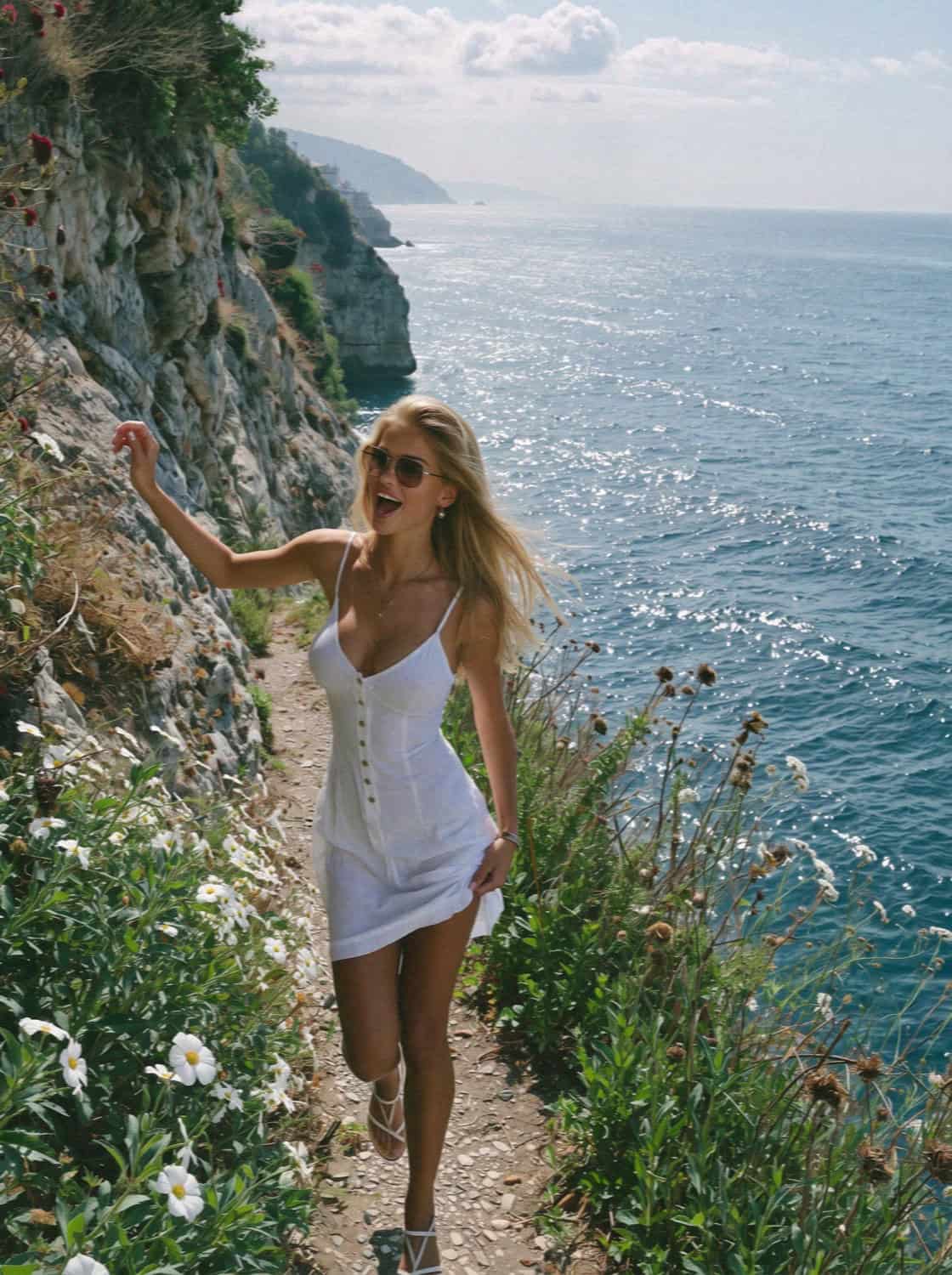
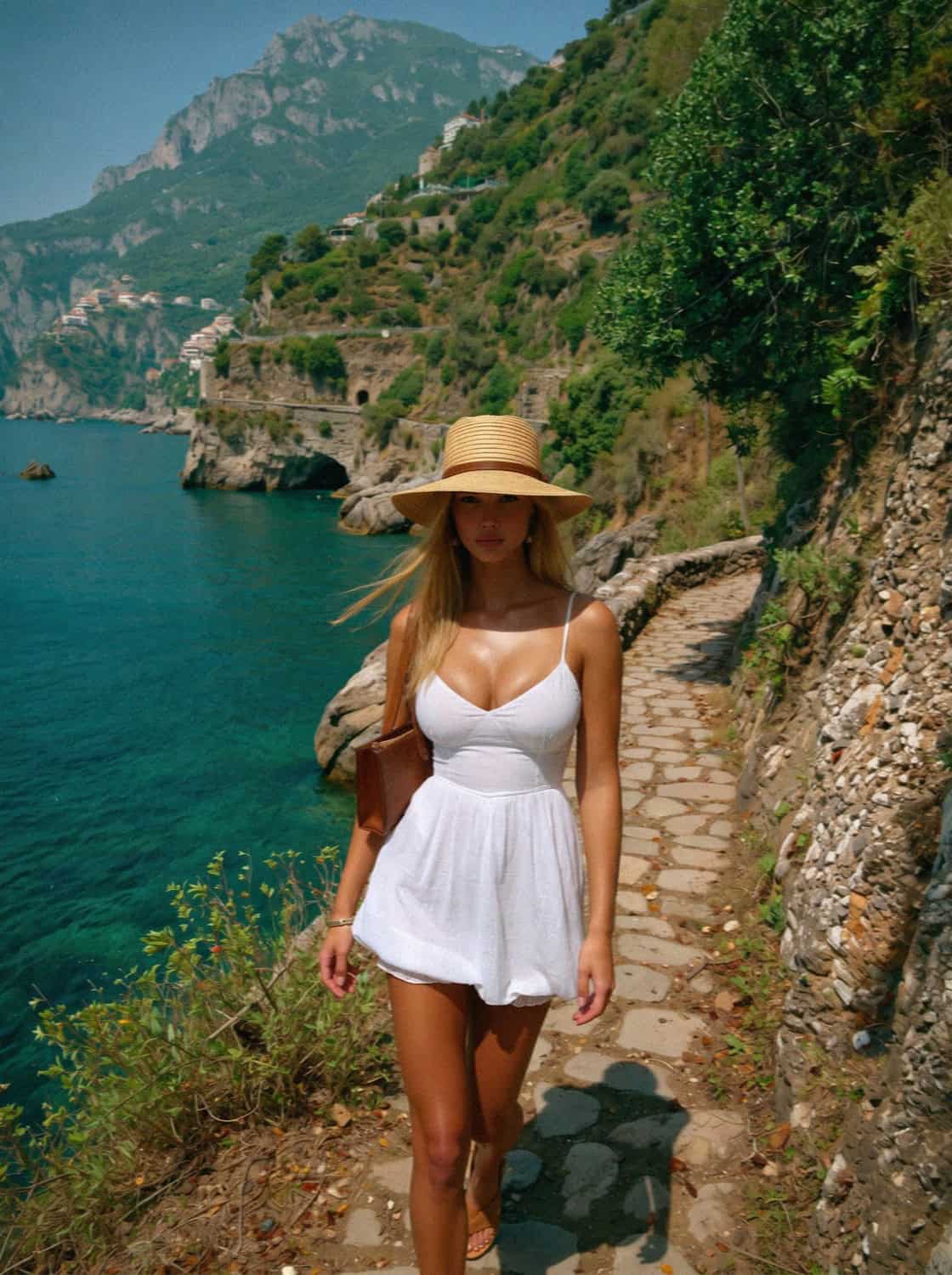
I had promised myself the night before, over the last of the wine, that I would earn my dinner on foot. So I was up early, before the day-trippers spilled off the trains, with a straw hat, a small pack, and my good sandals. The Sentiero Azzurro, the Blue Trail, climbs out of Vernazza in a long procession of stone steps that make you honest about your breakfast very quickly. Then, almost without warning, it eases into something extraordinary: a narrow path stitched along the cliffs, dry-stone walls on one side, agave and wild fennel leaning towards the sea on the other, and far below, the water doing that impossible Ligurian thing where it is turquoise and navy at once.
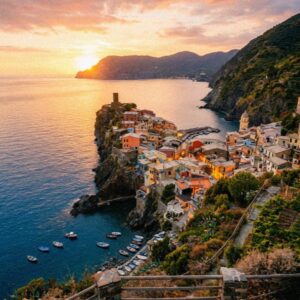
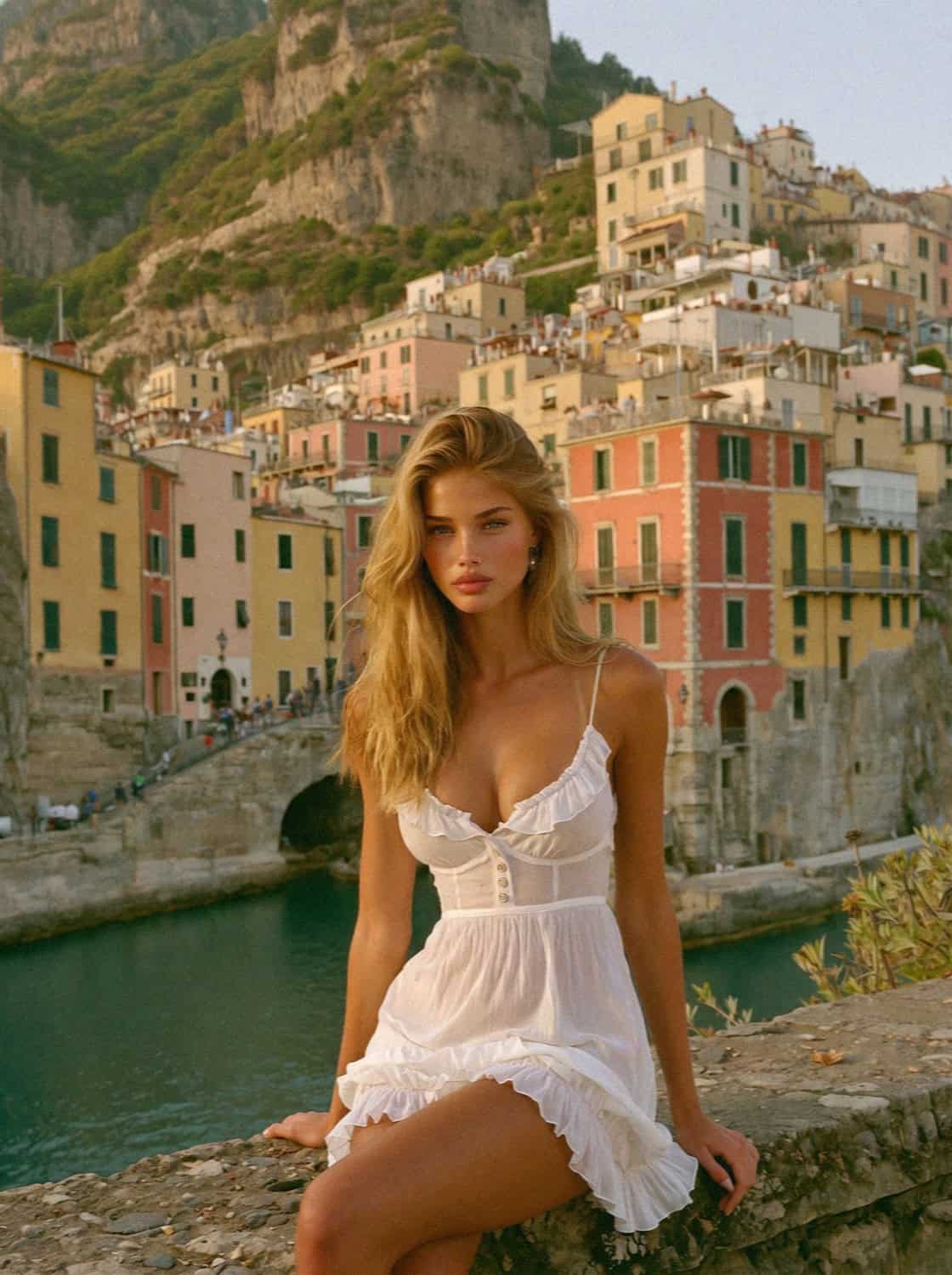
I stopped more than I walked, if I am honest. Every bend offered another postcard, and I have never been able to resist a postcard. From up there Vernazza shrinks to a cluster of ochre and pink houses gathered around its little harbour, the castle tower keeping watch, and for the first time you understand how these villages truly belong to the landscape, clinging to its folds like something that grew there rather than something that was built.
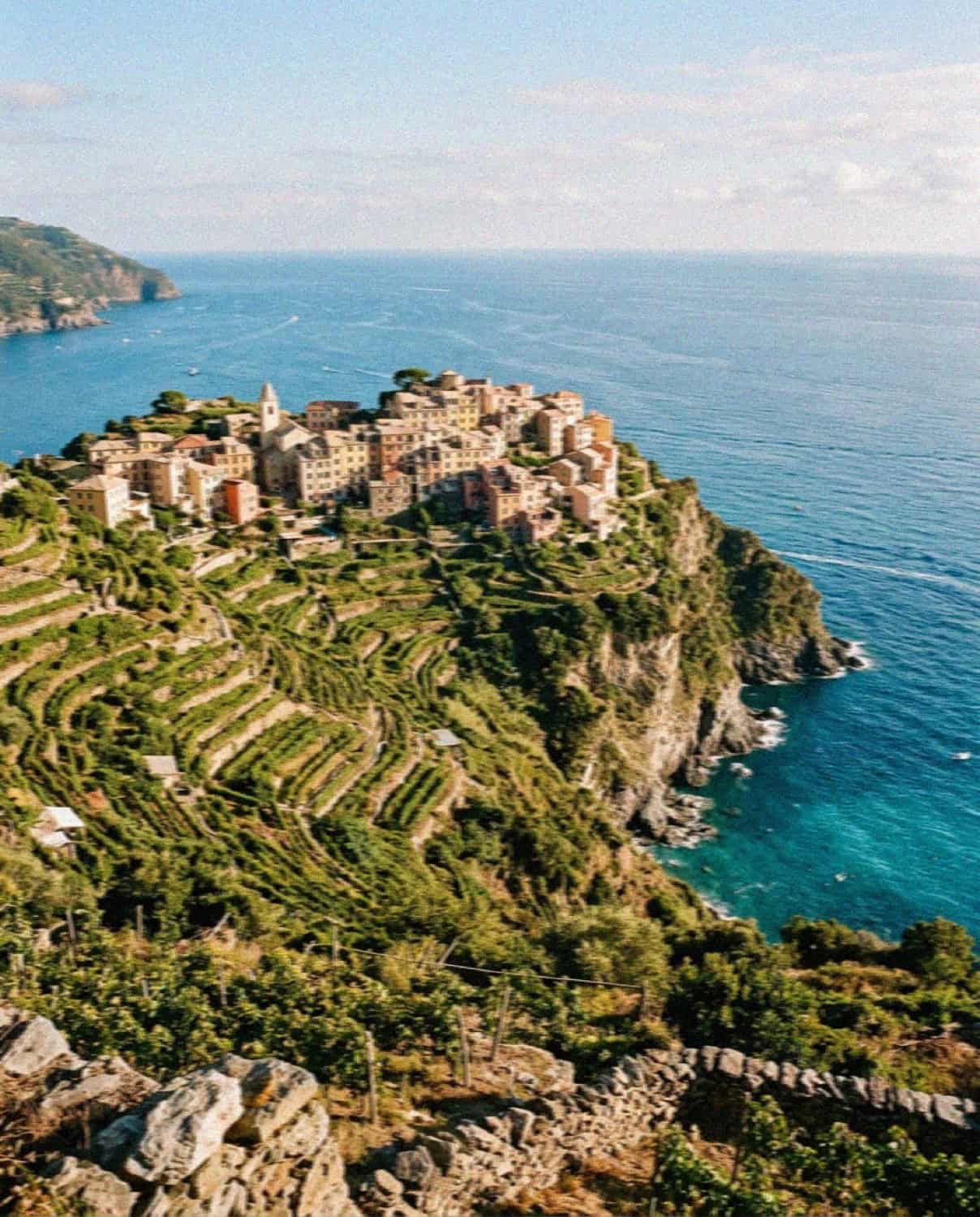
Corniglia, which keeps to itself
The middle village is the shy one. Corniglia is the only one of the five without a harbour of its own, perched high on its headland, and it makes you earn your arrival whichever way you come. I reached it from the trail, sun-warm and quietly pleased with myself, then wandered lanes so narrow in places I could have touched both walls at once. There were cats stretched in patches of shade, geraniums planted in old olive tins, and the particular hush of a village the crowds mostly hurry past.
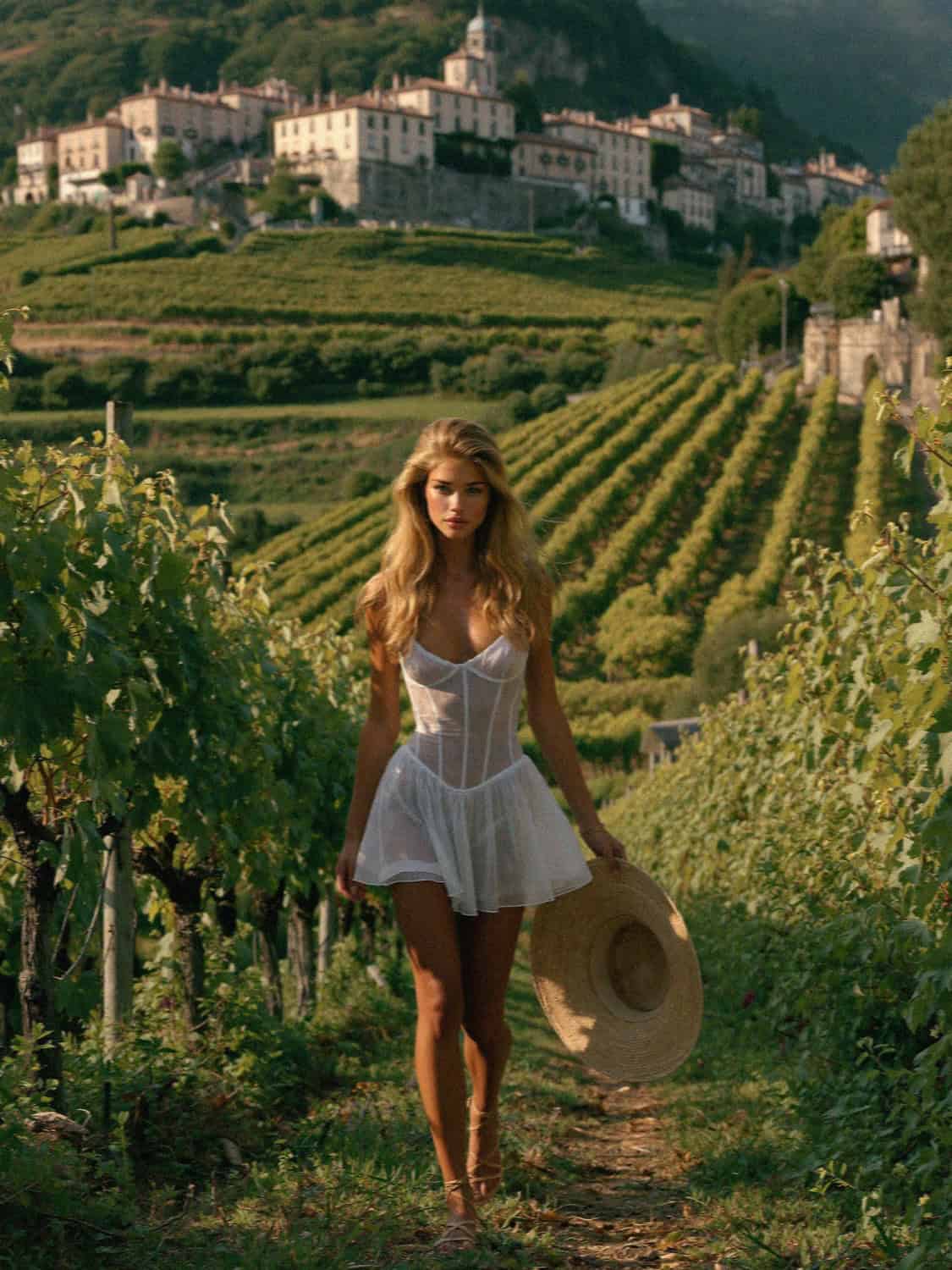
I found the terrace of Santa Maria at the far end and sat for a while with a basil gelato, which sounds like a novelty and somehow tastes like the whole coast folded into a cone. Below me the vineyards tumbled away in terraces, held aloft by kilometres of hand-stacked stone that people have been tending for centuries. Somebody once told me that if you laid all the dry-stone walls of the Cinque Terre end to end, they would rival the Great Wall of China. Sitting there with green gelato melting faster than my resolve, I believed it.
The path they named for love
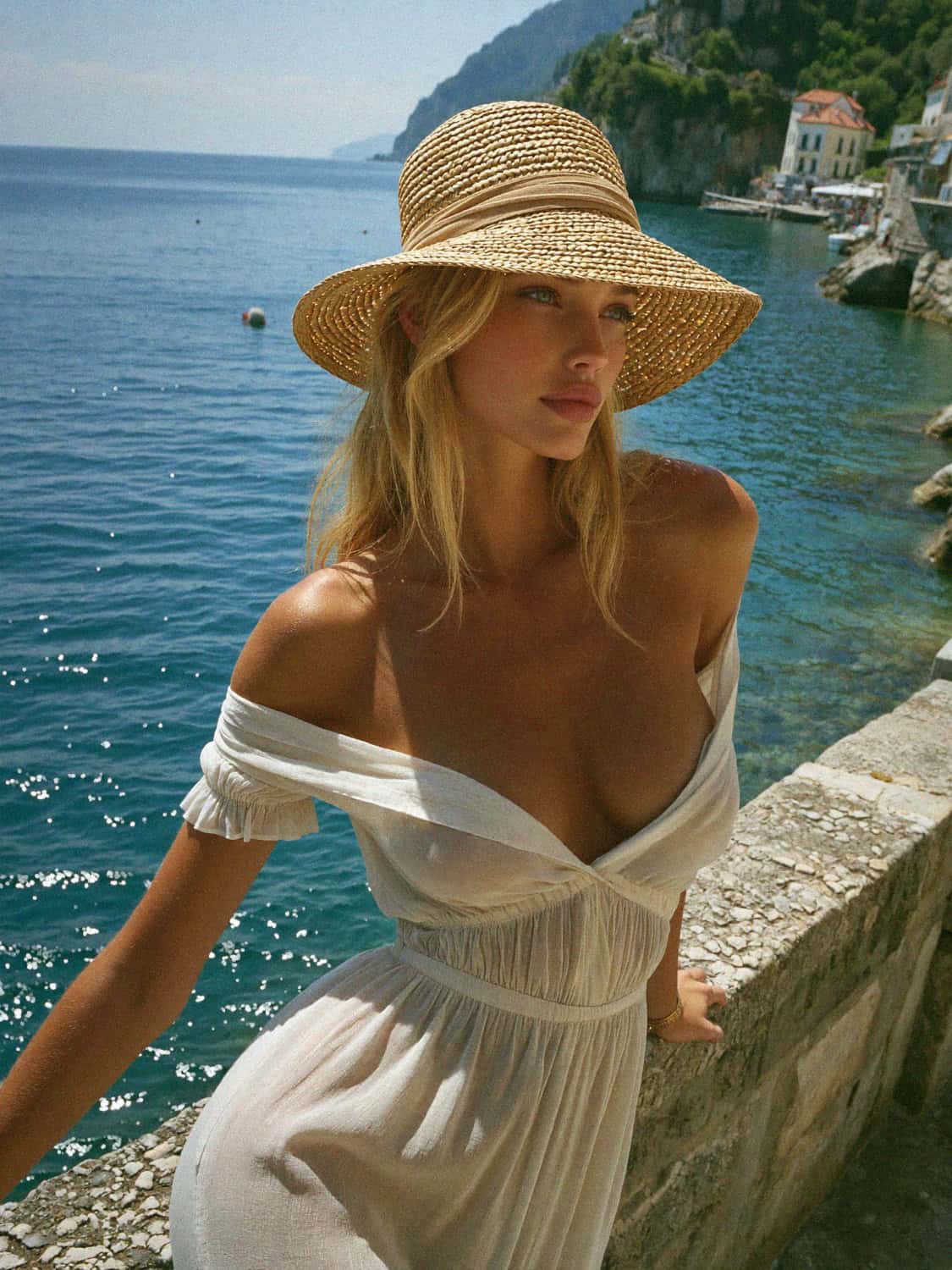
By early afternoon I had made my way to the southern end of the park, to the walk I had wanted to do most. The Via dell’Amore, the Path of Love, runs barely a kilometre between Riomaggiore and Manarola, carved directly into the cliff a few metres above the sea. It was closed for years after a rockfall, a long and complicated absence, and only fully reopened not long ago. To finally walk it felt like being quietly welcomed back into something.
It is wide and gentle, nothing like the morning’s climb, which is exactly the point. It was made for strolling, for leaning on the railing and watching the water, for couples who clip little locks to the fence and throw the keys into the sea below. I did not have a lock, or anyone to share one with, but I leaned on the railing anyway and let the afternoon light do its work. I did not feel lonely. Only lucky.
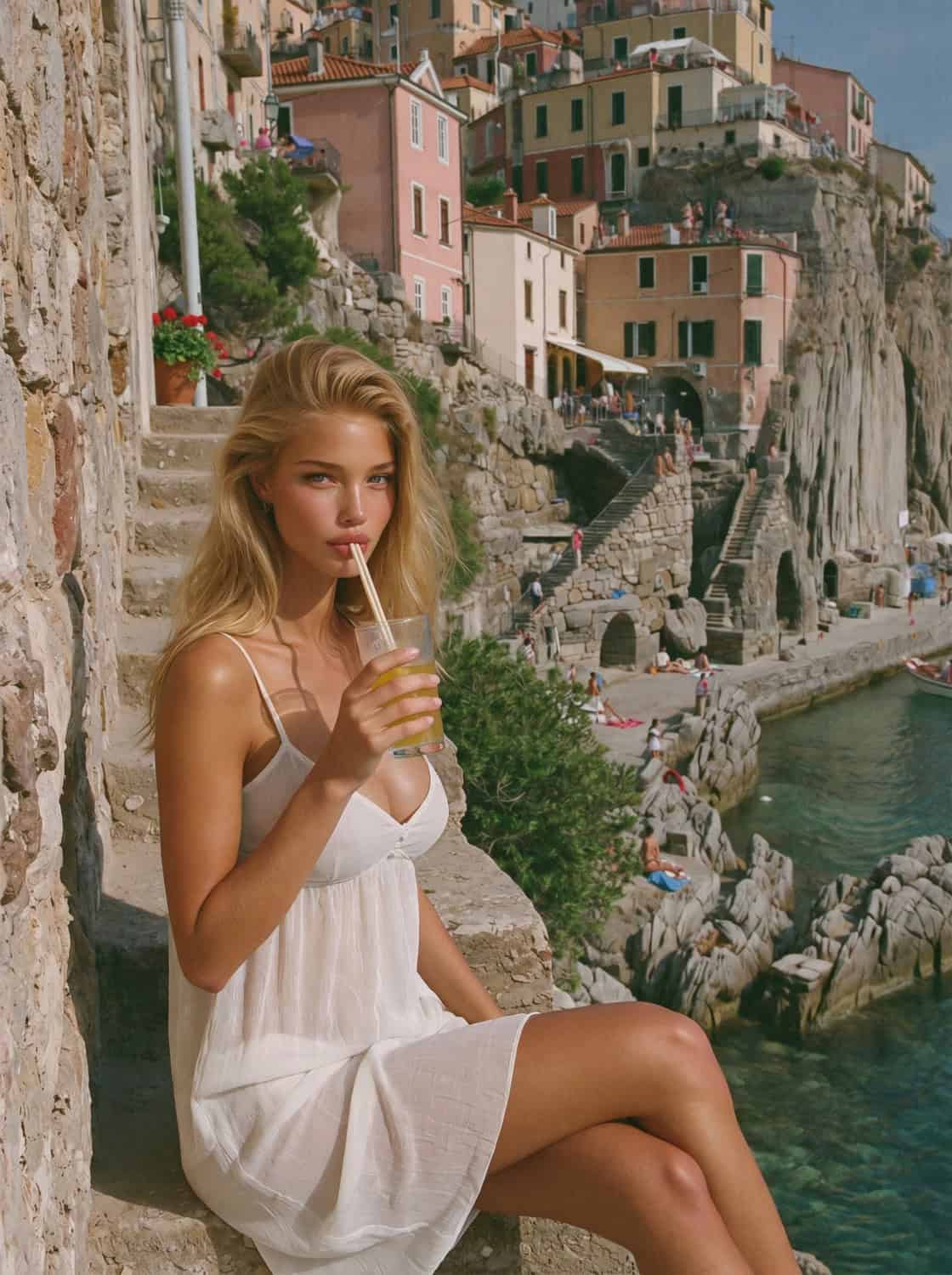
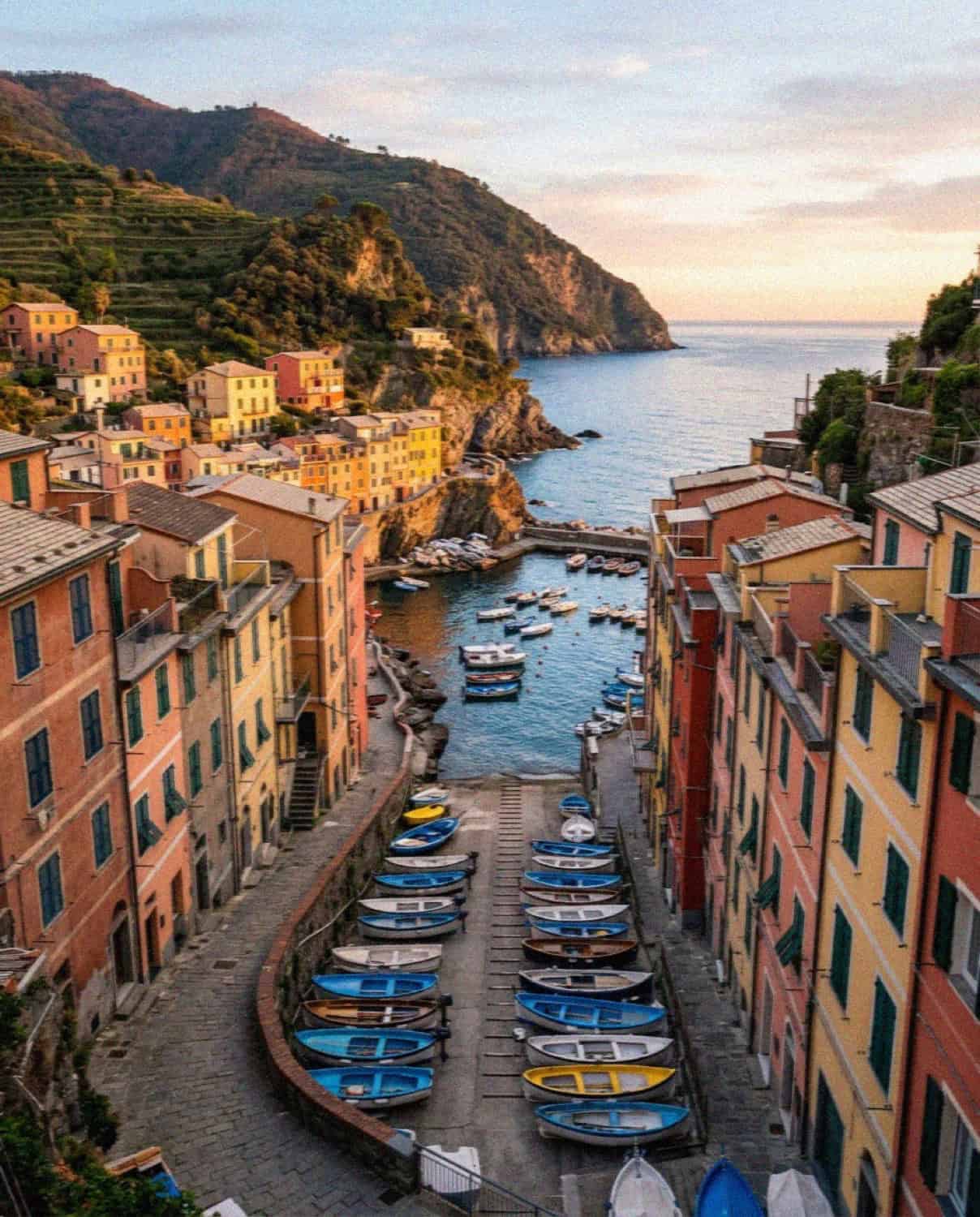
Riomaggiore at the other end is all vertical drama: a steep ravine of a village, the houses stacked one upon another in raspberry and apricot and gold, tumbling towards a slip of harbour where fishing boats are hauled onto the street and left like parked cars. I bought a lemon granita and sat on the breakwater watching a man mend a net with the unhurried patience of someone who has done it ten thousand times before.
Sunset belongs to Manarola
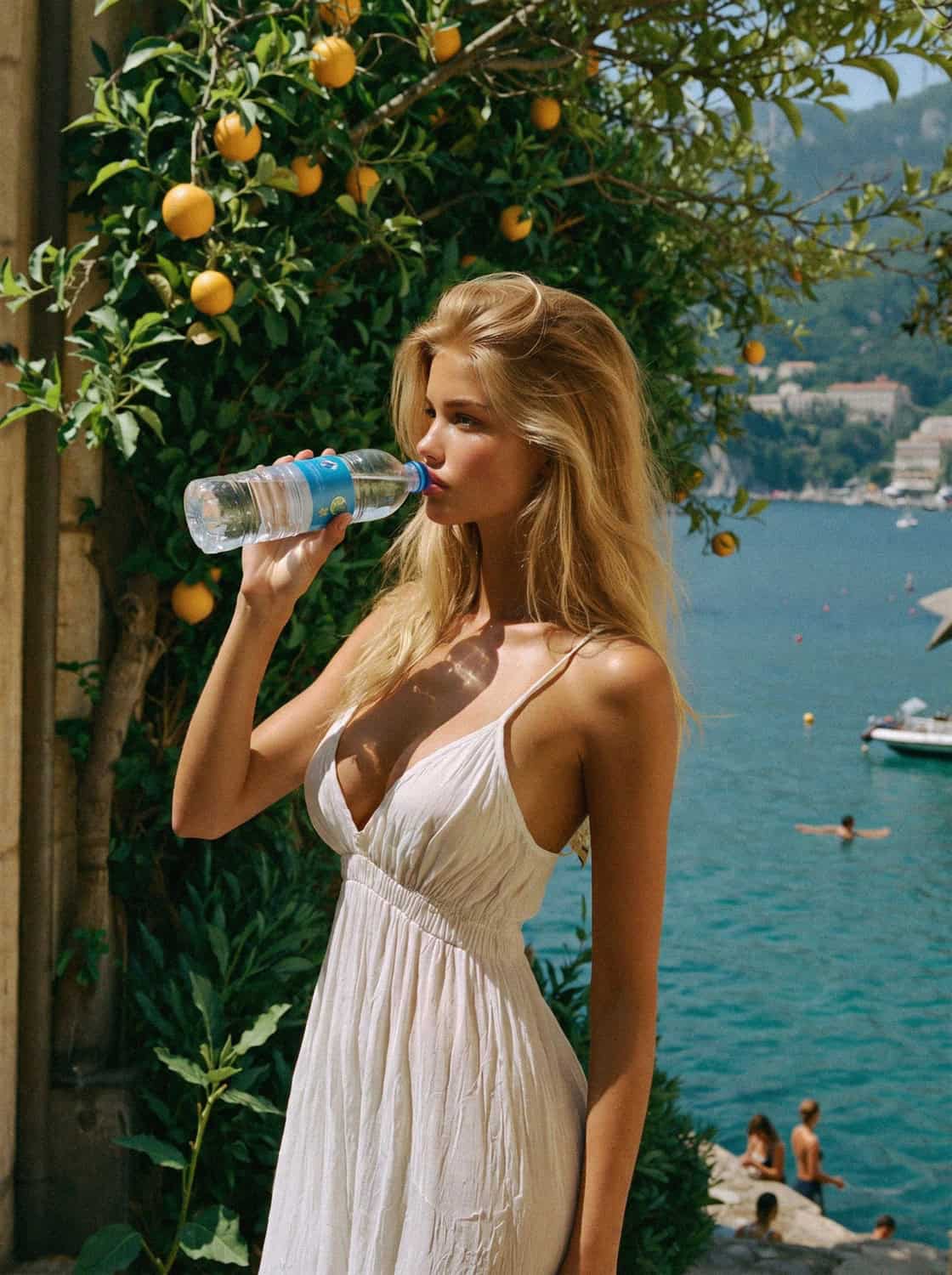
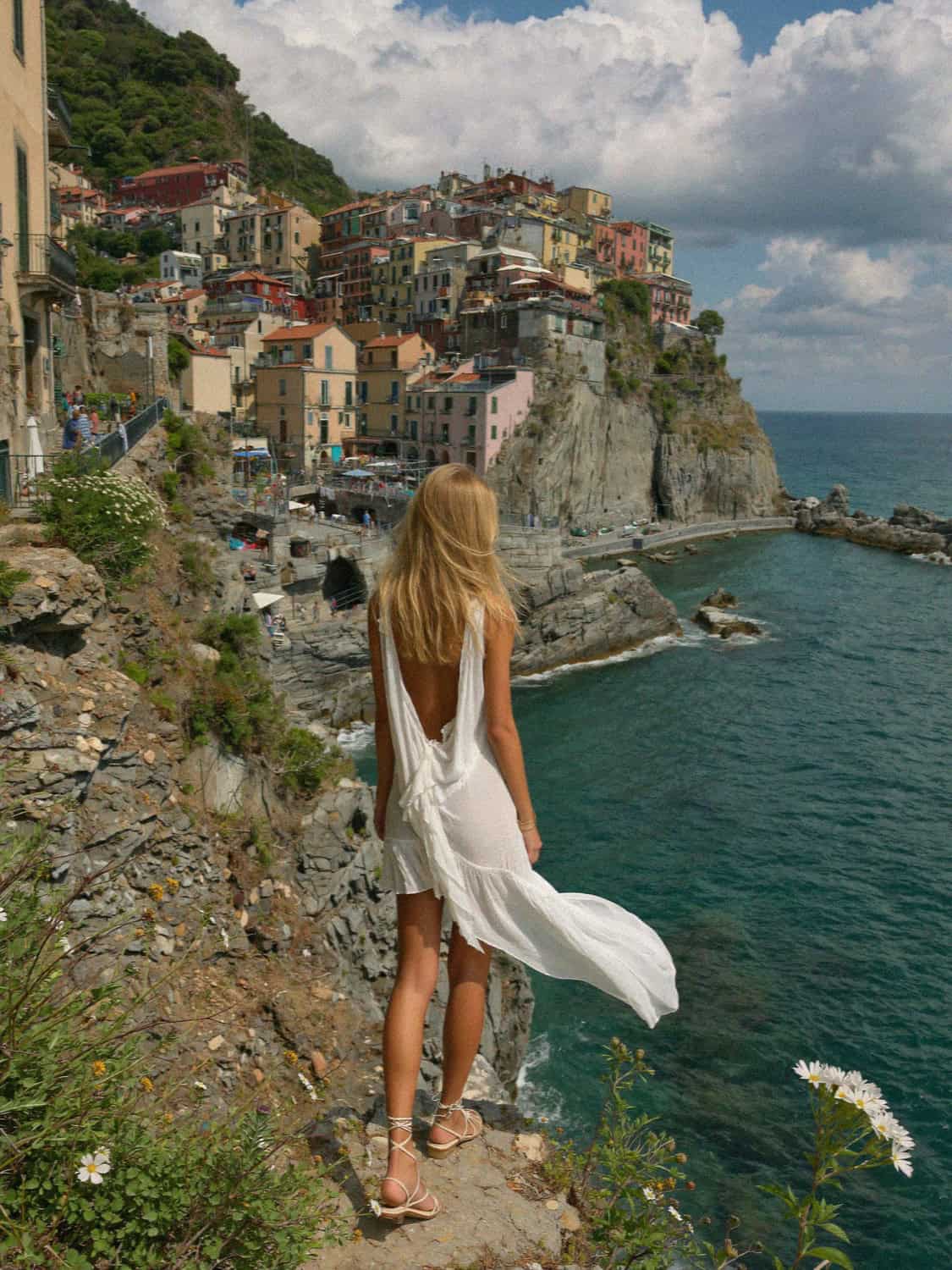
Everyone will tell you that Manarola has the finest sunset in the Cinque Terre, and everyone is right, which is slightly annoying but true. I walked out to Punta Bonfiglio, where the path opens onto that famous view back towards the village, and immediately understood the fuss. Manarola pours down the cliff to its rocky harbour, the houses catching the last of the light until they seem to glow from within.
I did exactly what everyone tells you to do and climbed to Nessun Dorma, the terrace above the harbour, where you take a paper number like a deli counter and wait your turn for a table, a board of bruschetta, and a spritz. The wait was long and I did not mind it at all. When my number was finally called, I had a cold Aperol spritz and bruschetta piled generously with pesto and tomatoes, and watched the sun slip behind the sea while the whole village slowly changed from amber to blue.
Earning it, and then some
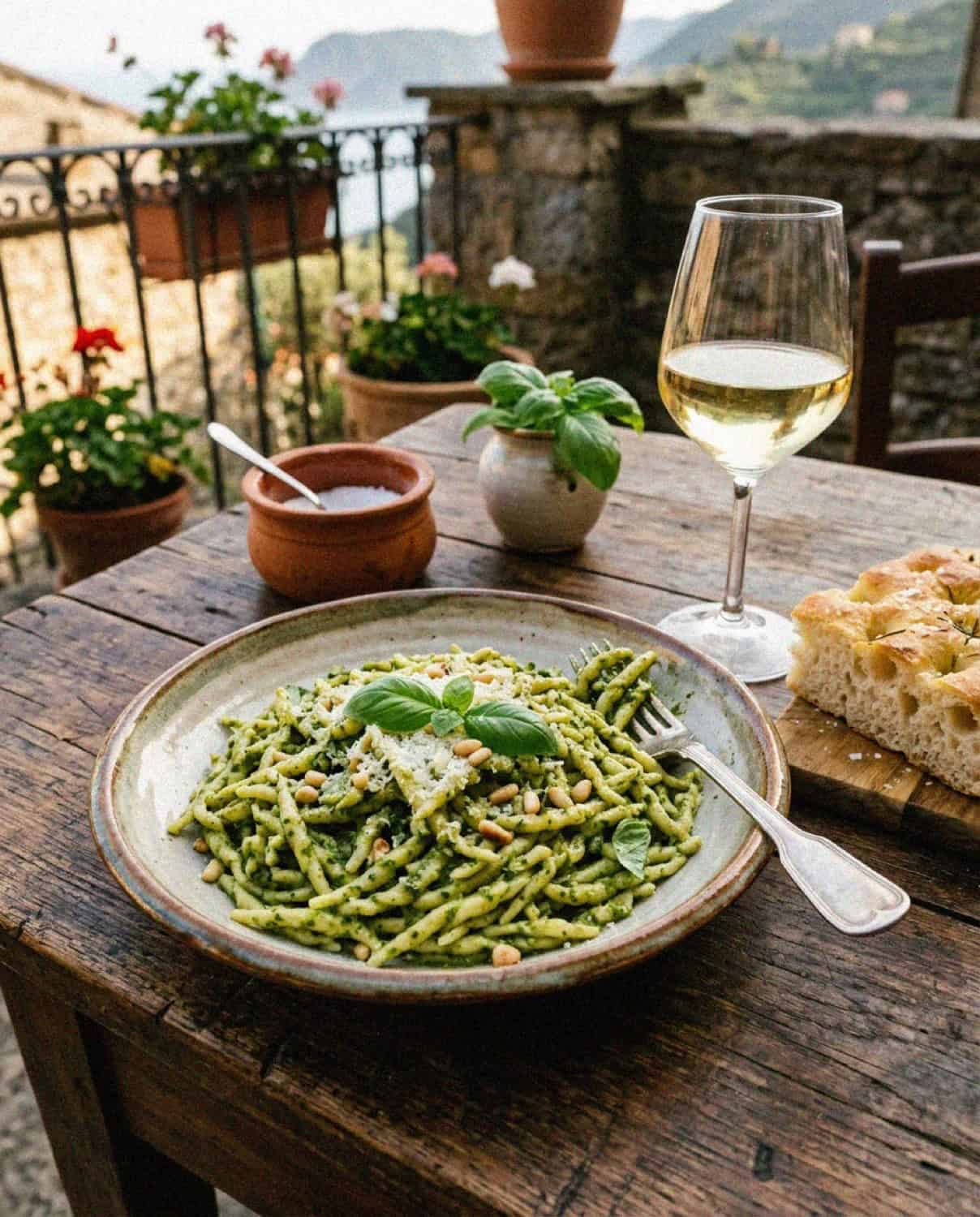
I had promised myself dinner, and by the time I found it I had properly earned it. I ate at a little trattoria beside the harbour, at a table so close to the water I could almost have dangled my feet. Trofie al pesto, because you cannot come to the birthplace of pesto and order anything else your first time. The little hand-rolled twists were slick with basil, pine nuts and pecorino. A carafe of the local Cinque Terre DOC, cold and mineral, tasting faintly of the sea air it grew beside. Warm focaccia. And at the end, because the waiter insisted and I am weak, a small glass of sciacchetra, the sweet amber wine made from grapes dried on racks, which you are meant to sip slowly and which, despite my best intentions, disappeared rather quickly.
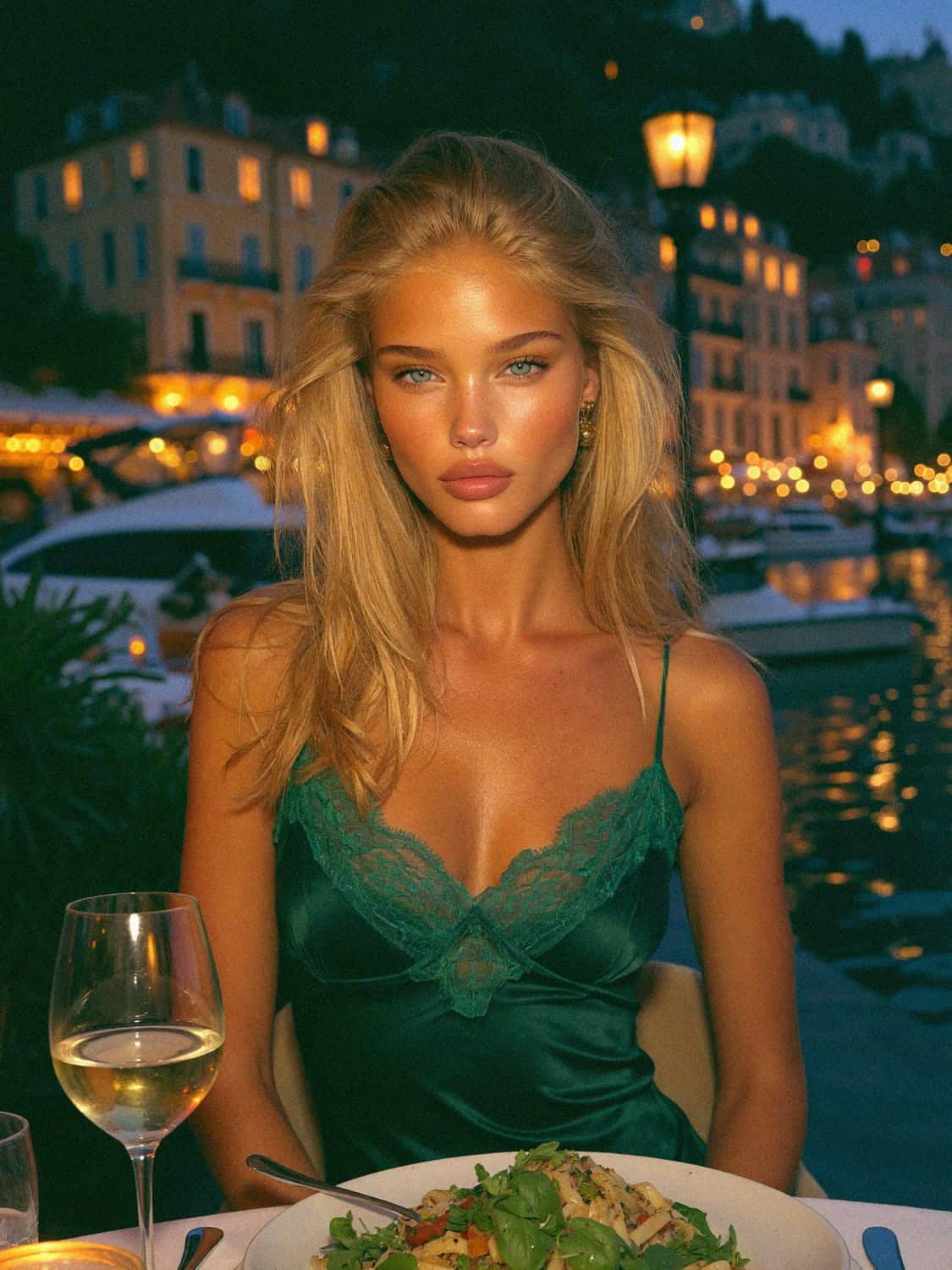
The climb back to my room was quiet beneath the lamplight, string lights swaying above empty tables, a cat asleep on a warm stone step, the sea somewhere below still going patiently about its business in the dark. My legs ached in exactly the way I had hoped they would. Five villages, one long day on my feet, and the sort of tiredness money cannot buy, only walking can.
I fell asleep before I meant to, sun still on my shoulders and salt in my hair, already a little in love with the thought of doing it all again tomorrow.

Walking the Cinque Terre yourself? I have put everything I know, the trails and the trains, the beaches and the villages, and the best time to visit, into my complete guide to Cinque Terre.
Read also: Let the Sea Keep the Time | The Morning the Sea Said Goodbye | The Complete Guide to Cinque Terre