There is a particular light on Lake Como in the late afternoon, when the sun drops behind the western ridge and the water turns the colour of pewter and old gold at the same time. The ferries slow down. The gardens empty. The mountains that ring the lake go soft and blue, one range behind the next, and for an hour the whole place looks exactly like the paintings that made people fall in love with it two hundred years ago. I came for a week and spent most of it on the water, moving between the towns by boat, and I left convinced that Como is not one destination but a dozen small ones threaded together by a single, beautiful body of water.
This is the guide I wish I had before I went. It covers how to actually get here, how the ferries work (which is the thing everyone gets wrong), the villas and gardens that are the real reason to come, where to stay depending on what kind of trip you want, where to eat, and when to visit so that the gardens are in bloom and the crowds are somewhere else. Como rewards a slow, unhurried approach more than almost anywhere I have been. Plan a little, then let the boats set your pace.
Where Lake Como Is, and How It Is Shaped
Lake Como sits at the foot of the Alps in Lombardy, about an hour north of Milan, and it is shaped like an upside-down Y. Two long southern legs, Como on the west and Lecco on the east, split apart at the town of Bellagio and reach north toward the mountains as a single deep arm. That fork in the middle, where the three branches meet, is the part everyone means when they picture the lake. The towns you have seen in photographs, Bellagio, Varenna, Menaggio, Tremezzo, all cluster around that central point, close enough that the ferries hop between them in ten or fifteen minutes.
Understanding the shape matters because it tells you where to base yourself and how you will move. The centre of the lake is where the villas, the grand hotels and the prettiest towns are. The city of Como, at the bottom of the western leg, is where most people arrive by train. And the two things are forty minutes apart by fast boat, which surprises people who assumed they could see it all from a single café table.
Plan Your Visit to Lake Como
A few things I booked and loved. These help support the blog, at no cost to you.
- Where I stayed: search Lake Como hotels
- Lake Como villas and boat tickets
- Rent a car to explore the area
- Stay connected: get a travel eSIM
This section contains affiliate links. If you book through them I may earn a small commission, at no extra cost to you.
How to Get to Lake Como
Most journeys begin in Milan, and the good news is that the train is almost always the smartest way in. Driving to and around the lake is genuinely difficult, and I will come to why.
From central Milan, trains leave Milano Centrale for the lake all day. If you are heading for the city of Como, take the direct service to Como San Giovanni, which takes about forty minutes and costs somewhere in the band of five to eight euros in second class. If you are heading straight for the central lake, take the regional line toward Lecco, Sondrio and Tirano and get off at Varenna-Esino, which takes a little over an hour and costs roughly seven to ten euros. Varenna is the single best rail gateway to the middle of the lake, because you step off the train, walk a few minutes downhill, and you are at the ferry dock.
One detail that trips people up. Como has two stations. Como San Giovanni is the main-line stop from Milano Centrale and sits about a fifteen minute walk uphill from the water. Como Nord Lago is the terminus of a slower line from Milano Cadorna and sits right on the lakefront, a few steps from the boats. If you are coming from Centrale, San Giovanni is faster; if you are staying in the city and want to land at the water’s edge, Nord Lago is more convenient. Either works.
From the airports it is less tidy. There is no direct train from any Milan airport to the lake, so from Malpensa, Linate or Bergamo you either connect through Milan by rail, which adds time and a change or two, or you book a private transfer. A private car from Malpensa runs roughly a hundred and twenty to a hundred and sixty euros to Como and more to Bellagio, and prices are per car rather than per person, so for two or more travellers with luggage it can be worth it. If you are on the eastern side of the lake or the Lecco arm, Lecco itself is a useful gateway on the same Milan to Tirano line, with bus links across to Bellagio.
My honest advice: come by train, and do not rent a car unless your itinerary genuinely needs one.
Getting Around the Lake by Boat
The ferries are the heart of a Como trip, and once you understand them the whole lake opens up. They are run by Navigazione del Lago di Como, and there are three kinds of service, which is the part that confuses first-timers.
The first is the slow boat, the battello, which stops at every town, costs the least, and is the one you will use most. The second is the fast hydrofoil, the servizio rapido, which makes fewer stops, gets you down the lake more quickly, and carries a supplement over the slow fare. The third is the car ferry, the traghetto, which is the only service that carries vehicles and runs on the short central crossings between Bellagio, Varenna, Menaggio and the Cadenabbia and Tremezzo shore. Even as a foot passenger you can ride the car ferry, and it is often the most frequent way across the middle of the lake.
The central towns sit so close together that the crossings are short. Bellagio to Varenna is around fifteen to twenty minutes, Bellagio to Menaggio about the same, and Bellagio to Tremezzo a quick ten to fifteen. A single central-lake hop as a foot passenger costs roughly five or six euros. If you are planning to move around a lot in a day, and on Como you will, buy the central-lake day pass, which gives you unlimited hops among the middle towns for somewhere around seventeen euros. Do the maths after your second crossing and the pass almost always wins.
Two things to watch. The timetable changes with the seasons, with the fullest service from around the start of July into early October and a noticeably thinner winter schedule, so always check the dated timetable for your travel day, and note that Sundays and holidays run differently from weekdays. And the fast and slow boats charge different fares for the same route, so if you are watching your budget, take the battello and enjoy the extra fifteen minutes on deck.
For something more romantic, you can hire a classic wooden boat, the Riva-style runabouts you see gleaming on the water. These are chartered per boat rather than per seat, and a private two-hour tour tends to start somewhere around five to six hundred euros for a small group, with sunset aperitivo cruises a popular choice. It is a splurge, but on the right evening it is the memory you take home.
The Towns of Lake Como
Part of the pleasure of Como is that each town has its own character, and choosing where to spend your time (and where to sleep) is really a question of temperament. I have written a fuller guide to the best towns on Lake Como, but here is the shape of it.
Bellagio is the one on the postcards, the so-called pearl of the lake, sitting right on the point where the three branches meet. It is all cobbled stepped lanes, silk boutiques and lake views in three directions, and it is both the most romantic and the most crowded of the towns. Varenna, across the water on the eastern shore, is smaller and quieter, a painterly fishing village of ochre and red houses with a famous little waterside walk and the best sunsets on the lake, and it has the advantage of a direct train line to Milan. Menaggio, on the western shore, is the value option, flatter and easier to walk, lively without being frantic, and a good base for families. The city of Como at the southern tip is a proper small city with a magnificent cathedral, a silk-making heritage, real nightlife and the best transport links, including the funicular up to Brunate. And the Tremezzina, the stretch of shore around Tremezzo and Lenno, is villa country, home to the two greatest gardens on the lake and to some of its grandest hotels.
If you want somewhere central and swooning, choose Bellagio. If you want quiet and easy trains, Varenna. If you want value and space, Menaggio. If you want a city with everything on tap, Como.
The Villas and Gardens
If the ferries are the heart of a Como trip, the villas are its soul. The lake has been a retreat for the wealthy since Roman times, and the great houses they built, wrapped in gardens that tumble to the water, are the real reason to come. Four are essential, and I would build a trip around them.
Villa del Balbianello sits on a wooded promontory near Lenno and is the most cinematic spot on the whole lake, a twin-arched loggia above terraced gardens that has stood in for Naboo in Star Wars and for Bond’s convalescence in Casino Royale. It belongs to the Italian heritage trust, the FAI, and there are two things to know before you go. First, you reach it either by a steep footpath of around a kilometre from Lido di Lenno or, far more pleasantly, by a little taxi-boat from the Lenno waterfront that costs about six euros one way and nine return. Second, it keeps the FAI’s two-day closure, shutting on Mondays and Wednesdays, and the interior is only visitable on a guided tour that you should book ahead. Garden entry runs roughly ten to fifteen euros, and the combined garden-and-villa ticket is around twenty-four. In high season it sells out, so plan it as a fixed point in your day.
Villa Carlotta, on the Tremezzo shore, is a botanical garden and art museum famous for its spring display of azaleas and rhododendrons. It opens from around the twentieth of March until mid-October, daily, roughly ten in the morning to seven in the evening, with an adult ticket of about seventeen and a half euros. The flowers peak from the middle of March through April and into early May, so if you can time your visit to late April you will catch the gardens at their most extravagant. Inside there are Canova sculptures, and outside a formal Italian garden, a valley of ferns and centuries-old camellias.
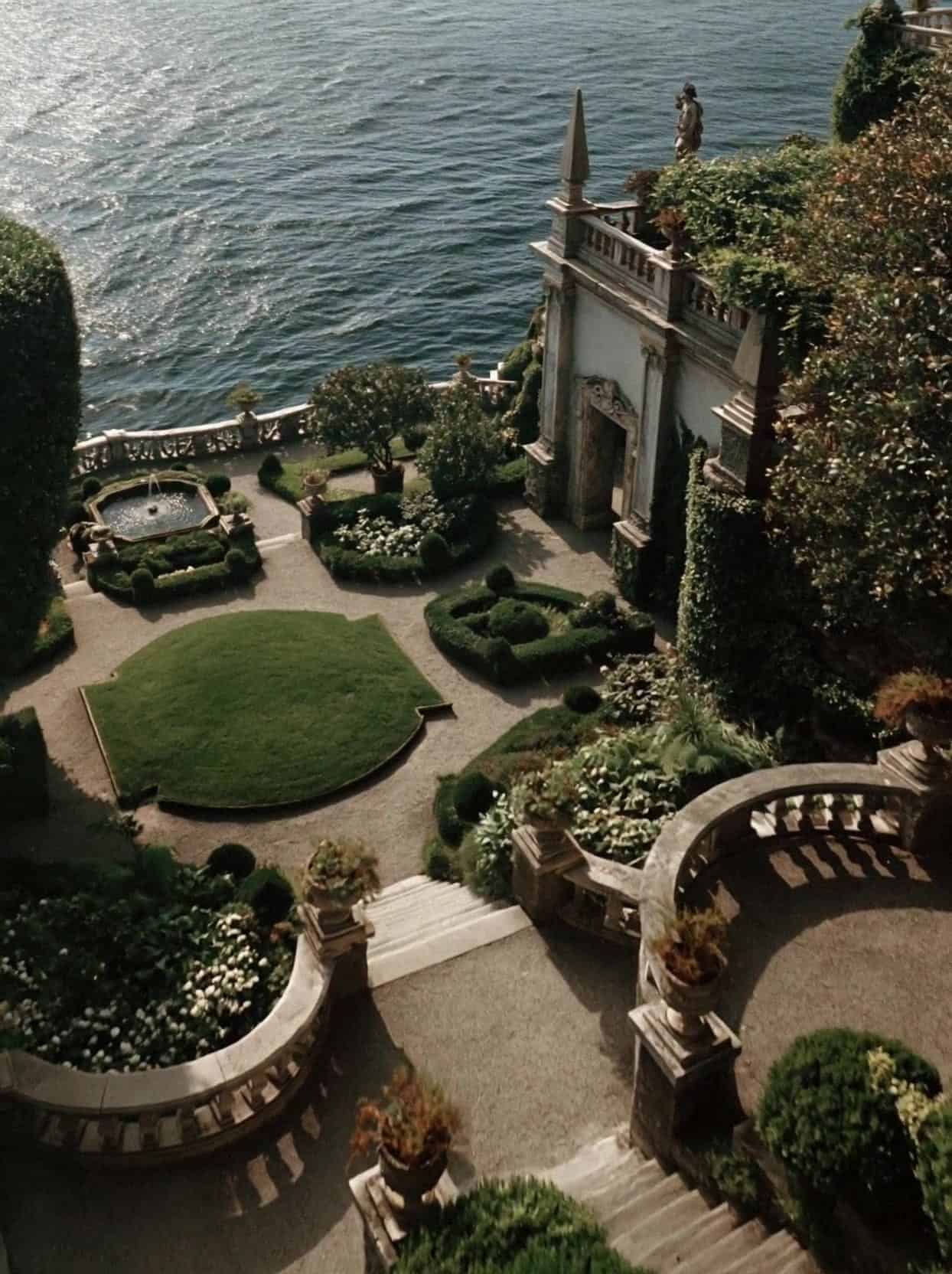
Villa Melzi, just south of Bellagio along the lakefront, is the one that looks like a Slim Aarons photograph come to life, an English-style lakeside garden from the Napoleonic era with lawns running down to the waterline, classical statues, a Moorish pavilion and a genuine Japanese water garden. The villa itself is private, but the gardens open from late March to the end of October, daily, and cost only about ten euros to enter. It is a ten minute stroll from the Bellagio ferry dock and needs no booking, which makes it the easiest of the great gardens to fold into an afternoon.
Villa Monastero, on the Varenna waterfront, is a former convent turned residence with a garden that runs for nearly two kilometres along the shore, planted with agave, citrus and cypress, plus a house-museum you can add to your ticket. Garden entry is around thirteen euros, and the combined ticket about fifteen.
There is a fifth for garden lovers. Villa Serbelloni, the hilltop park above Bellagio (not to be confused with the grand hotel of the same name), can only be visited on a guided tour booked through the Bellagio tourist office, a moderately strenuous walk of an hour and a half or so, for around thirteen euros. The views from the top, down all three branches of the lake at once, are the reward.
Best Things to Do
Beyond the villas, the lake gives you more than a week could hold, and I have written a fuller guide to the best things to do on Lake Como. The single best day out is the classic boat day, hopping between the central towns with a day ferry pass, timing the villas around their booking slots and closures. Build it around Balbianello, since it shuts on Mondays and Wednesdays and its interior needs a booked tour, then add Villa Carlotta on the same western shore and cross to Bellagio for Villa Melzi in the late afternoon.
For walkers, the Greenway del Lago di Como is a gentle path of around eleven kilometres that links seven villages between Colonno and Cadenabbia, passing close to Balbianello and Villa Carlotta, and takes a relaxed three to four hours if you walk the whole thing, though it splits neatly into shorter sections. Above the city of Como, the funicular climbs to Brunate in about seven minutes for a few euros each way, and a short walk from the top station brings you to a lighthouse and one of the widest views on the lake. Above Varenna, the medieval Castello di Vezio gives a three-hundred-and-sixty-degree panorama for a walk of fifteen or twenty minutes uphill and a ticket of five to seven euros. And in the Tremezzina, the Sacro Monte di Ossuccio is a UNESCO-listed devotional path of fourteen baroque chapels climbing to a hilltop sanctuary, quiet and free and largely overlooked.
When the heat builds, the lidos are where locals go to swim. Lido di Bellagio is the stylish one, part beach club and part bar; Lido di Menaggio has pools as well as lake swimming and suits families; and Lido di Lenno, at the foot of the Balbianello promontory, is both a swimming spot and the place you catch the taxi-boat to the villa.
Best Photo Spots
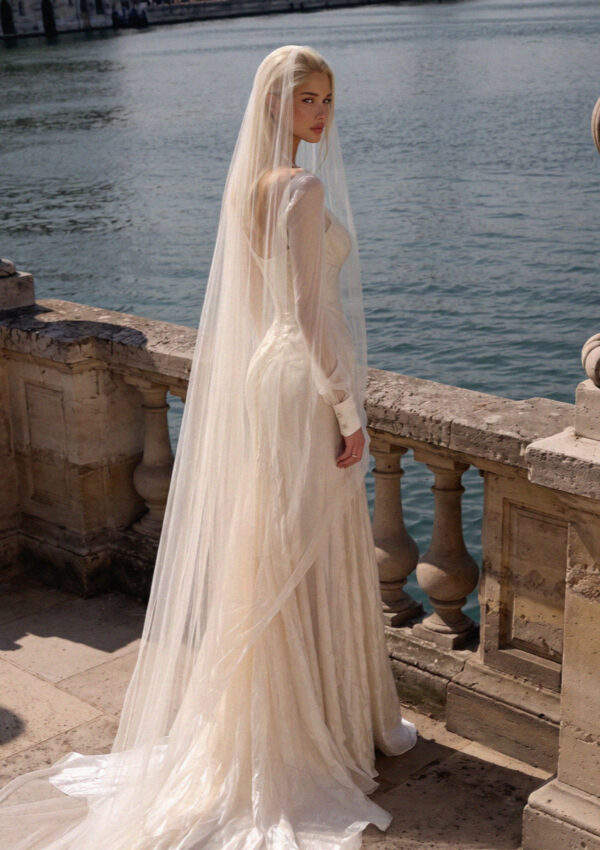
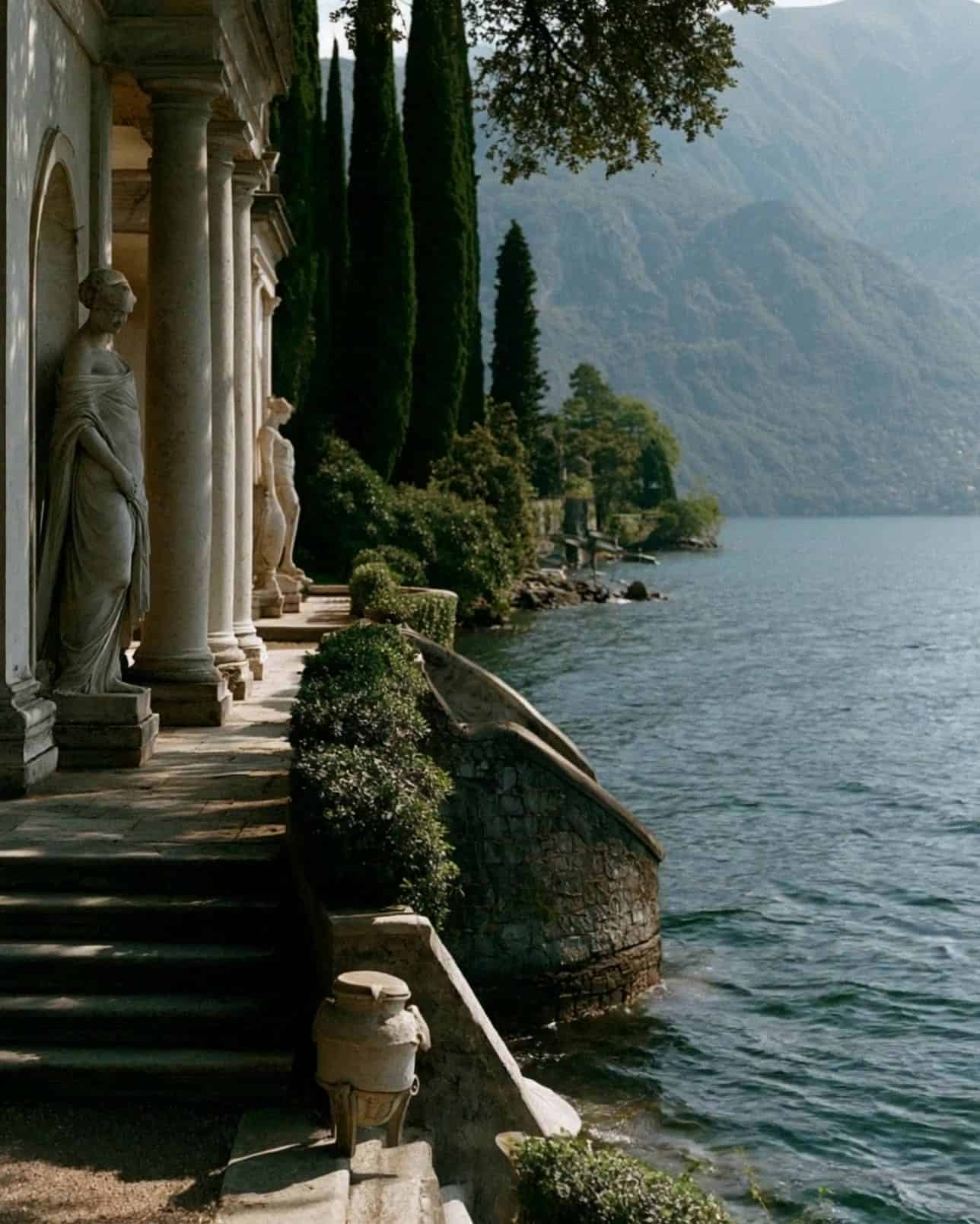
Como is almost unfairly photogenic, and I have gathered the best photo spots on Lake Como into their own guide. The short version: the curved stone balustrade at Villa del Balbianello is the single most photographed spot on the lake, the coloured waterfront and the little lovers’ walk at Varenna are the classic evening shots, the lakeside statuary at Villa Melzi is the golden-hour dream, and the view down all three branches from Brunate or from the point of Bellagio is the one that explains the whole lake in a single frame.
Where to Stay
Where you sleep on Como shapes the trip, and the choice really comes down to base town and budget. I have written a full guide to where to stay on Lake Como, but here is how I think about it.
At the very top sit some of the most storied hotels in Italy. The Grand Hotel Tremezzo, a Belle Epoque grande dame facing Bellagio with a famous pool that floats on the lake itself, and Villa d’Este at Cernobbio, a sixteenth-century former royal residence in twenty-five acres of gardens, are the classics. Passalacqua, an eighteenth-century villa at Moltrasio, has been named the best hotel in the world in recent years. The Mandarin Oriental at Blevio and the Grand Hotel Villa Serbelloni in the heart of Bellagio round out the icons. Expect these to run well into four figures a night in peak season, and to close over the winter.
For a more mid-range stay, Bellagio has lovely family-run hotels like the Belvedere above the town with its garden and pool, and period townhouses on the waterfront, generally from around a hundred and fifty euros a night upward. Varenna has classic little lakefront hotels by the ferry in a similar band. Menaggio is the best value of the central towns, with comfortable mid-range hotels and even a well-regarded hostel, and the city of Como has the widest choice of affordable rooms of all, along with off-lake apartments. If you are watching the budget, Menaggio, Varenna, Como town and the Lecco arm are all noticeably kinder on the wallet than Bellagio.
My rule of thumb: Bellagio for romance and centrality, Varenna for quiet and easy trains, Menaggio for value and families, Como for a city base with everything connected.
Where to Eat
The food here is Lombard and lake-born, and it is worth ordering the local things rather than defaulting to what you would eat on the coast. Look for missoltini, the sun-dried and salted lake fish, risotto made with perch or with the whitefish they call lavarello, and polenta served soft with butter and cheese. The wines to drink are the Nebbiolo-based reds from the nearby Valtellina, the Sassella and the Sfursat among them.
For a special dinner, the Michelin-starred Mistral at the Grand Hotel Villa Serbelloni in Bellagio does a celebrated perch-fillet risotto on a lakeside terrace, and near Como the two-starred I Tigli in Theoria and the one-starred Materia at Cernobbio are the serious tables. For something more everyday and just as memorable, Bilacus in Bellagio is a proper trattoria on a lane above the front, La Tirlindana does romantic candlelit dinners by the water, and Vecchia Varenna sets its tables at the very edge of the lake. On Isola Comacina, the Locanda dell’Isola serves a fixed multi-course menu that has barely changed since the 1940s and ends with a small fire ritual, which is exactly as theatrical as it sounds. I have pulled all of this together, with price bands, in a full guide to where to eat on Lake Como.
The Best Time to Visit
Timing matters more on Como than on many Italian lakes, because so much of what you come for, the villas and their gardens, keeps a season. Most open from around mid to late March and close in late October or early November, and over the deep winter a good number of hotels, restaurants and even some ferry services reduce their hours or shut altogether. The city of Como stays awake year-round, but the lake proper more or less sleeps from November to February.
For the gardens in bloom, come in April and May, when the camellias give way to azaleas and rhododendrons and Villa Carlotta in particular is at its most spectacular. June brings warm, reliable weather before the peak crush. July and August are the hottest and busiest months, with the villages packed on weekends and around Ferragosto in mid-August, so if you can avoid those weeks, do. And then there is September, which almost everyone who returns to the lake will tell you is the finest month of all, still warm, the light turning gold, everything open, and the crowds thinning after the first week. If you asked me to pick a single week, I would pick the second week of September. I have written more about this in my guide to the best time to visit Lake Como.
A Perfect Few Days on Lake Como
If you have three or four days, here is the rhythm I would keep. Arrive by train to Varenna or Como and settle into a central base. Give the first full day to the water, a boat day with a ferry pass, built around a booked morning slot at Villa del Balbianello, then Villa Carlotta, then across to Bellagio for Villa Melzi and an evening in the stepped lanes. Give the second day to a single town at a slower pace, Bellagio’s gardens and boutiques or Varenna’s waterfront and Villa Monastero, with a long lakeside lunch and a swim at a lido. Keep a third day loose for a walk on the Greenway or the climb to Brunate or Vezio, and end it with an aperitivo on a terrace as the sun goes behind the mountains. If you have a fourth day, take the wooden boat out at sunset. It is the one splurge I would not talk you out of.
What to book before you come
The public ferries here are excellent, cheap and go everywhere, and for most of a stay they are all you need. What they cannot do is put you in the middle of the lake at six in the evening with nobody else aboard. That is what the wooden boats are for.
- A private classic wooden boat. The varnished mahogany you have seen in photographs of this lake since the fifties. An hour at golden hour is the best thing you can buy on Como.
- The same boats, shared. Considerably cheaper and still the real thing.
- A private tour with prosecco. Rated 4.9. For an anniversary, or the evening you have decided is the good evening.
- From Milan, the day on the lake. 4.7 from over two thousand people. Handles the train, the cruise and Bellagio without you reading a timetable.
The promenades at Bellagio, Varenna and Menaggio are free, the ferry between them costs very little, and the stepped lanes above Bellagio are the best free thing here.
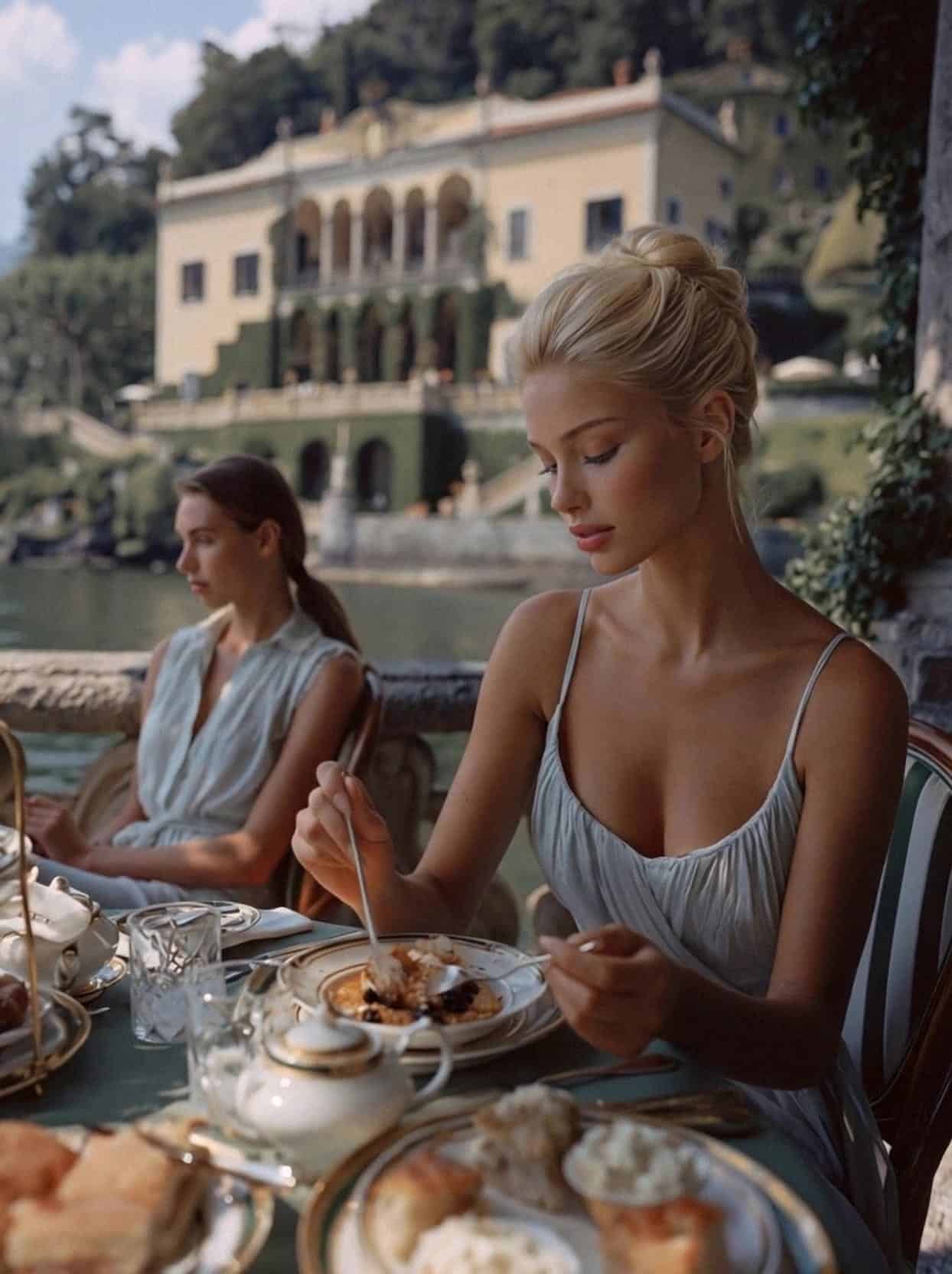
More images from Lake Como



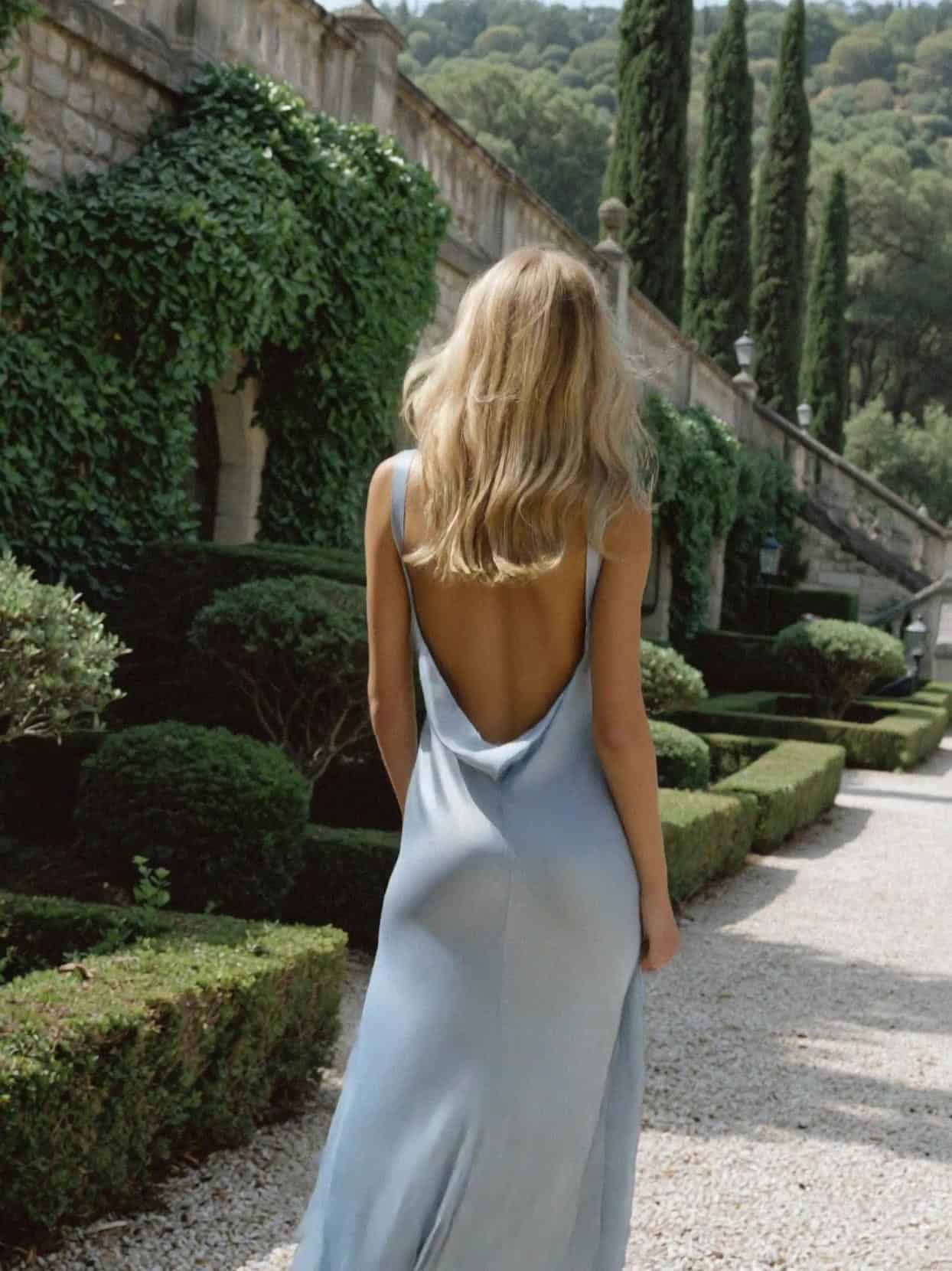
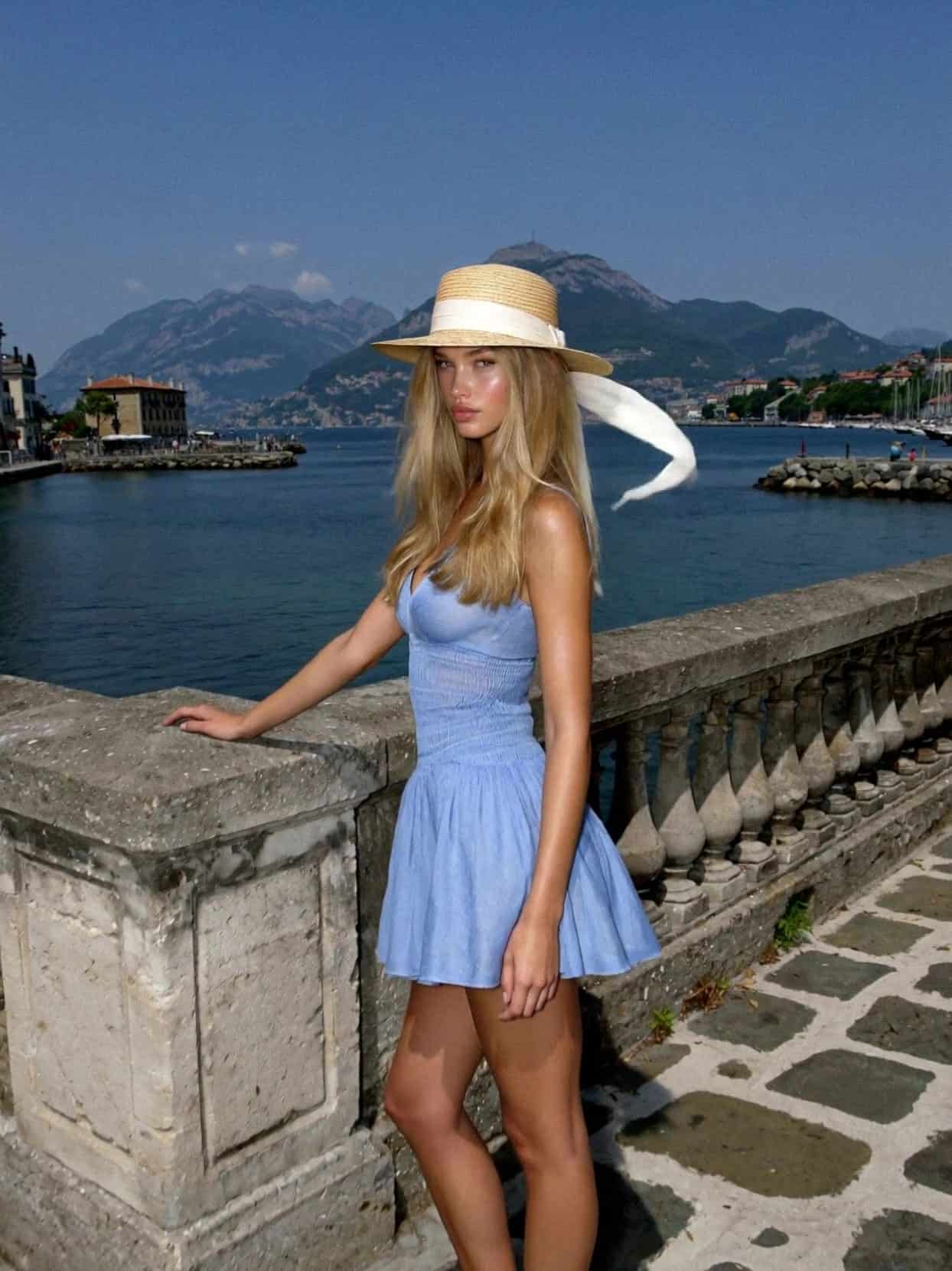
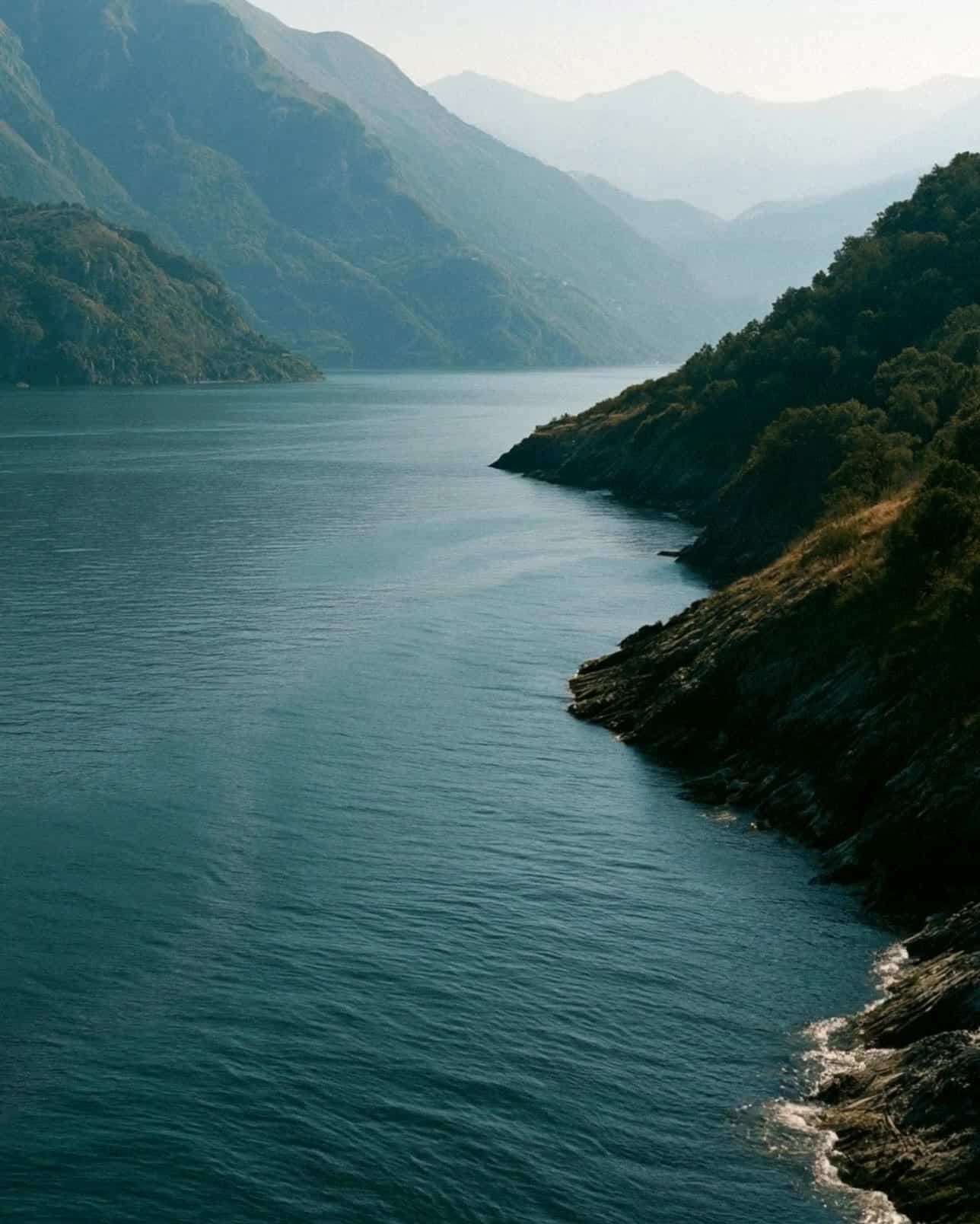
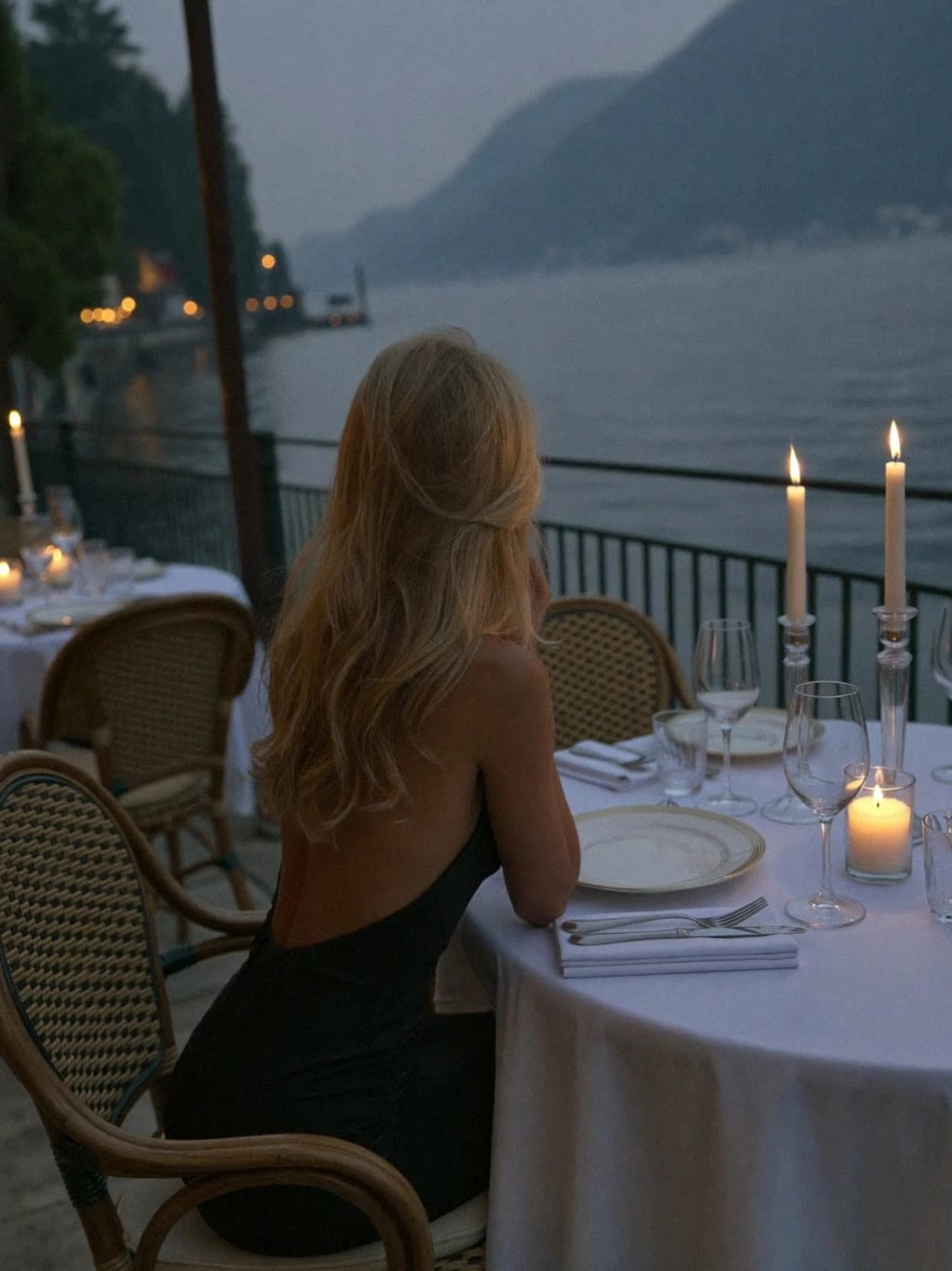
Lake Como Weddings
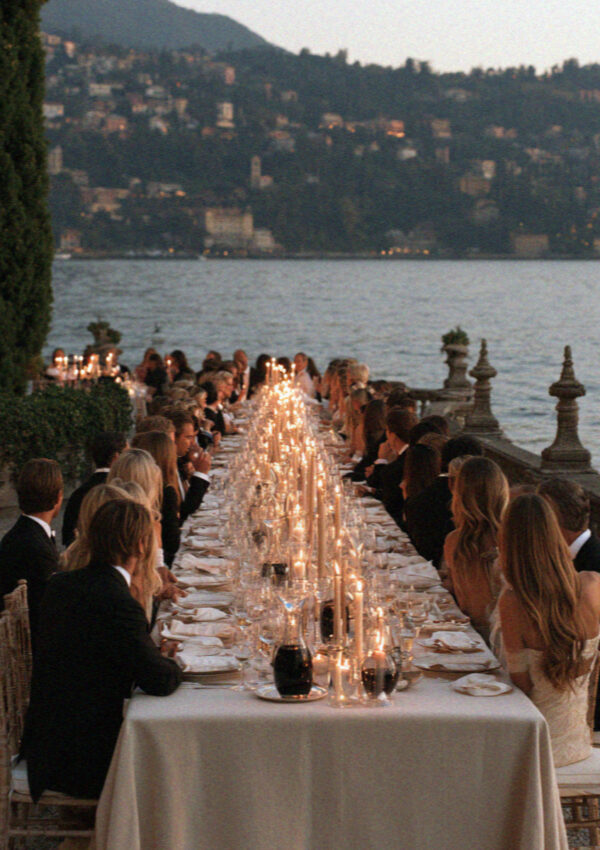
There is a second Lake Como, one I did not understand until I started paying attention to it, and it belongs to people getting married. The villas that look so serene on a Tuesday afternoon are, most Saturdays from April to October, running weddings with a precision that would impress an army. If that is why you are here, I have written the whole thing out separately: the villas worth the money, what a lake wedding actually costs, how the Italian paperwork really works, which months to want and which to avoid, and how to move a hundred guests across water without losing anyone. It is all in my complete guide to Lake Como weddings.
Your Lake Como Guides
- How to Get to Lake Como (and Which Station to Use)
- Getting Around Lake Como by Boat (and the Ferries Explained)
- The Best Things to Do on Lake Como
- The Villas and Gardens of Lake Como
- The Best Photo Spots on Lake Como
- Where to Stay on Lake Como (by Town and by Budget)
- Where to Eat on Lake Como
- The Best Time to Visit Lake Como
- The Best Towns on Lake Como
- Victoria’s Guide to Bellagio, Lake Como
- Victoria’s Guide to Varenna, Lake Como
Lake Como Travel Diaries
The facts are here, but the feeling of the lake lives in the diaries. I kept a journal as I went:
- Bellagio, the First Day
- Varenna, the Town That Climbs
- The Sound of a Riva
- His Two Great Loves
- How You Leave a Place You Love
Frequently Asked Questions
Is Lake Como worth visiting?
Yes, and it lives up to the photographs, which is not something you can say of everywhere. The combination of the mountains, the water, the great gardens and the ferries that let you move between towns by boat gives it a romance that is hard to find elsewhere in Italy. Come with a relaxed itinerary rather than a packed one and it is one of the loveliest places in the country.
Is Lake Como expensive?
It can be, but it does not have to be. The iconic hotels run well into four figures a night, and Bellagio in high season is genuinely pricey. But basing yourself in Menaggio, Varenna or the city of Como, travelling by train and ferry rather than by car, and eating in trattorias rather than hotel dining rooms brings the cost down a long way. The villas and gardens themselves are inexpensive, mostly ten to eighteen euros to enter.
Can you visit Lake Como as a day trip from Milan?
You can, and many people do, but it is a compromise. A direct train reaches Como in about forty minutes or Varenna in a little over an hour, so you can be on the water by mid-morning. In a single day you will manage one or two towns and perhaps one villa. To actually see the central lake and its gardens without rushing, stay at least two nights.
How do you get to Lake Como from Milan?
By train from Milano Centrale. For the city of Como take the direct service to Como San Giovanni, about forty minutes; for the central lake take the regional line toward Tirano and get off at Varenna-Esino, a little over an hour, where the ferry dock is a short walk from the station. Fares are modest, roughly five to ten euros in second class.
How many days do you need at Lake Como?
Three to four full days is the sweet spot. That gives you one dedicated boat day for the villas, a slower day in a favourite town, and a day for a walk or a viewpoint, without racing. Two days is enough for a first taste of Bellagio and one crossing; a week lets you settle in and see the quieter corners.
Is Bellagio or Varenna a better base?
Both are lovely, and they sit a short ferry ride apart. Choose Bellagio if you want the most central, romantic base and do not mind crowds and higher prices. Choose Varenna if you want somewhere quieter and more affordable with a direct train line to Milan, which makes arriving and leaving effortless.
Do you need a car at Lake Como?
No, and I would argue against one. The lakeside roads are narrow and slow, parking in Bellagio and Varenna is scarce and expensive, and the train-and-ferry combination reaches everywhere you actually want to go. Arrive by rail and travel by boat, and the lake is far more relaxing for it.
What is the best time to visit Lake Como?
Late April and May for the gardens in full bloom, or September for warm, golden weather and thinner crowds. The villas and gardens keep a season of roughly mid-March to early November, so a visit outside those months means many of them are closed. July and August are hottest and busiest, and much of the lake quietens right down from November to February.
Can you swim in Lake Como?
Yes. The water is clean and swimmable through the warmer months, and the towns have lidos, part beach and part bar, where you can spend a lazy afternoon. Lido di Bellagio is the stylish one, Lido di Menaggio has pools as well as lake swimming and suits families, and Lido di Lenno sits at the foot of the Balbianello promontory.
Where do the celebrities stay on Lake Como?
The lake has long drawn famous residents, George Clooney’s villa near Laglio being the best known, and its glamour is part of the draw. You will not be dropping in on anyone, but you can taste the same world by visiting Villa del Balbianello, which has appeared in more than one film, or by having a drink at one of the grand lakeside hotels like the Grand Hotel Tremezzo or Villa d’Este.
Exploring more of the Italian Lakes? Don’t miss Victoria’s complete guide to Lake Garda.