Lake Maggiore holds a particular kind of light. It is the longest stretch of water I know where the drama of the Alps meets the softness of an Italian garden, and that contrast is exactly what makes it so photogenic. The lake gives you snow-dusted peaks at one end and palm-fringed promenades at the other, baroque islands floating in the middle distance, and a fleet of little ferries threading between them all day long. You do not need a drone or a private launch to come away with something beautiful. You need to know where to stand, when the light is kindest, and how to work the water to your advantage. Here are the frames I return to, and exactly how I shoot each one.
Isola Bella from the Water
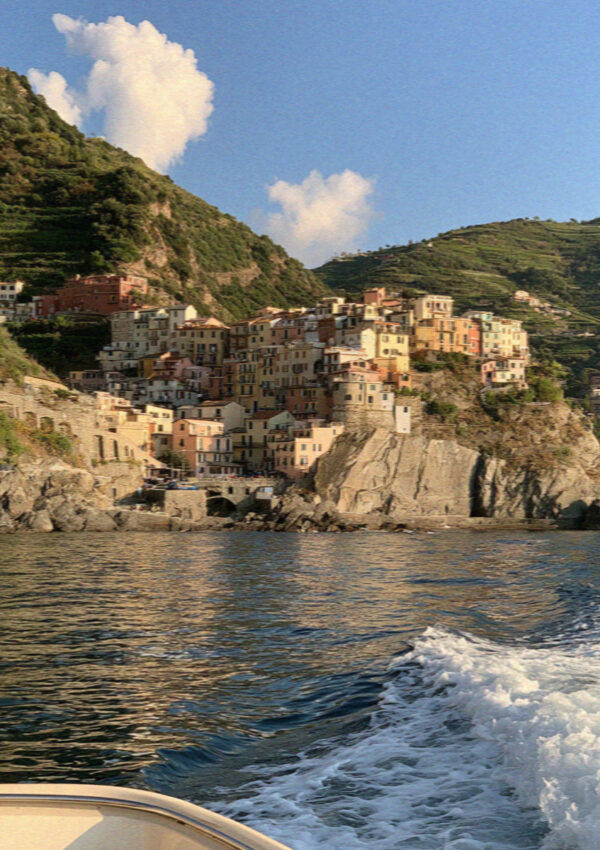
This is the shot everyone comes for, and rightly so. The ten terraced gardens rise from the lake like the stern of a great stone ship, and the only way to see that shape properly is from the water. Frame it from the ferry deck as the boat swings in towards the landing stage, keeping the terraces on the left third and letting a strip of open water carry the eye up to them. Morning light, before the crowds thicken, gives you the cleanest reflections and the softest shadows on the pale stone. Golden hour works beautifully too, warming the terraces to honey. My favourite frame is taken low, almost at the rail, with the wake of the ferry curling in the foreground and the gardens catching the first proper sun of the day. There is more on the islands themselves in my guide to the Borromean Islands.
Plan Your Visit to Lake Maggiore
A few things I booked and loved. These help support the blog, at no cost to you.
- Where I stayed: search Lake Maggiore hotels
- Borromean Islands and boat tickets
- Rent a car to explore the area
- Stay connected: get a travel eSIM
This section contains affiliate links. If you book through them I may earn a small commission, at no extra cost to you.
Villa Taranto
Villa Taranto, on the Pallanza headland at Verbania, is where I go for colour rather than grandeur. The terraced water gardens are lovely all season, but the spring beds are the real prize: tulips and azaleas banked in ribbons of colour, peaking in late April. Entry is around €11 and the season runs roughly from early March to the first of November, so time your visit for the tail of April if you can. I shoot the tulip beds head on, low to the ground, using a long line of a single colour to lead into the frame, and I keep the aperture wide enough to soften the background without losing the pattern. Overcast mornings are a gift here, because flat light saturates the petals and stops the whites from blowing out. Early is best, both for the light and for having the paths to yourself.
Santa Caterina del Sasso
On the eastern shore at Leggiuno, the monastery of Santa Caterina del Sasso clings to a sheer cliff directly above the water, and there is something almost impossible about the way it holds on. The best angle is from below, on a boat, looking up at the ochre walls pressed into the rock. Entry is only about €5 if you want to walk down and explore, but for the photograph you want to be on the water. Late morning light reaches into the cliff face and lifts the colour of the stone; earlier than that and the whole face sits in shadow. I like to compose with plenty of rock above and below the buildings so the monastery feels small and precarious, which is exactly the point.
The Stresa Lungolago
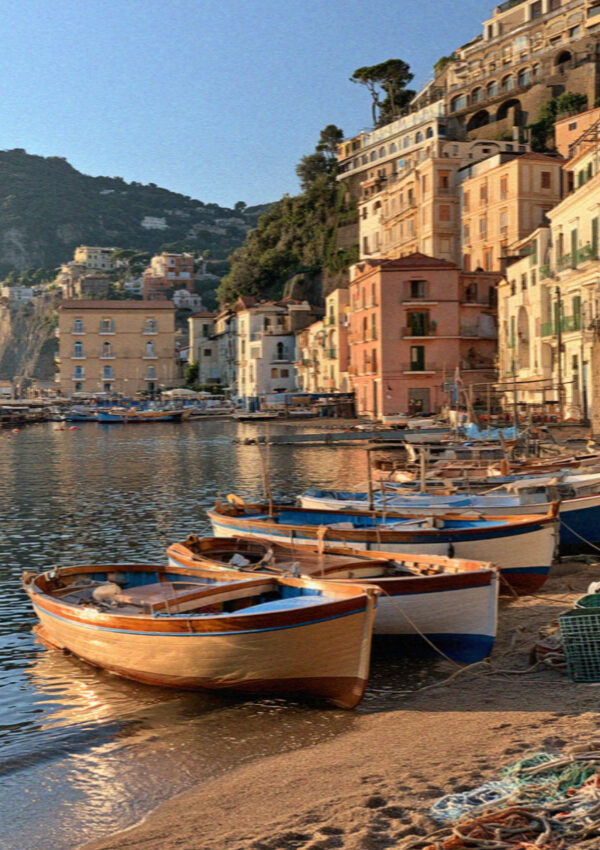
Stresa’s lakefront promenade is the grand dame of the western shore, and at golden hour it becomes something cinematic. The belle-époque hotels line up along the water with their pale facades and clipped gardens, and beyond them the Borromean islands sit in silhouette. Stand on the lungolago itself and use the hotel frontages as your foreground, letting the islands float in the warm haze behind. The half hour before sunset is when this frame sings, when the low sun rakes across the buildings and the water turns to beaten metal. My favourite version keeps a single lamppost or a moored boat in the near foreground for depth. It is an easy, unhurried shot, and one of the loveliest ways to end a day on the lake.
The Cannero Riviera Castles
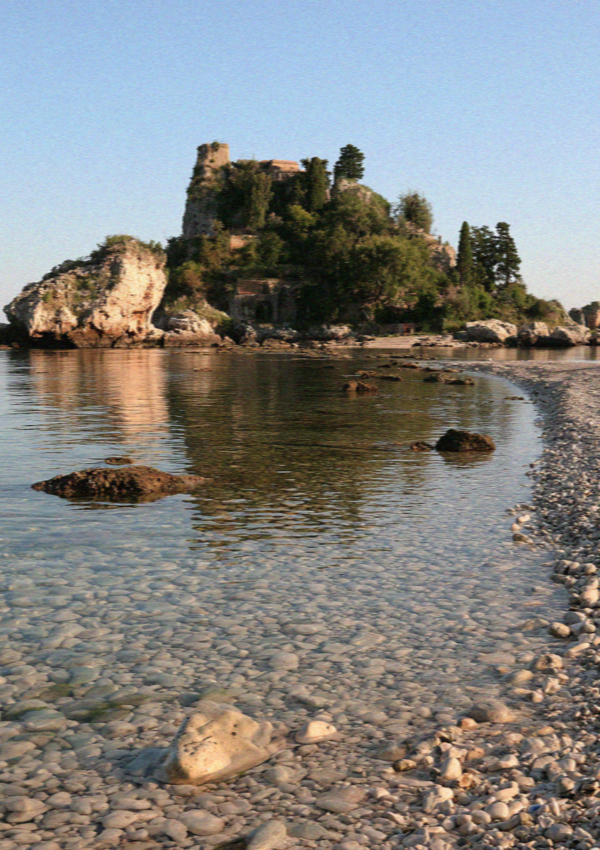
A little north of Cannobio, the ruined castles of Cannero sit on their own tiny islets just offshore, romantic and half-tumbled and utterly photogenic. You can catch them from the shoreline at Cannero Riviera or from the deck of any passing boat, and both work. From land, a longer focal length compresses the ruins against the far shore and the mountains; from a boat, you can circle for a cleaner separation against open water. I prefer them at golden hour, when the warm light softens the broken stone and the whole scene tips towards melancholy in the best possible way. A little mist on the water only adds to it.
Mottarone Summit
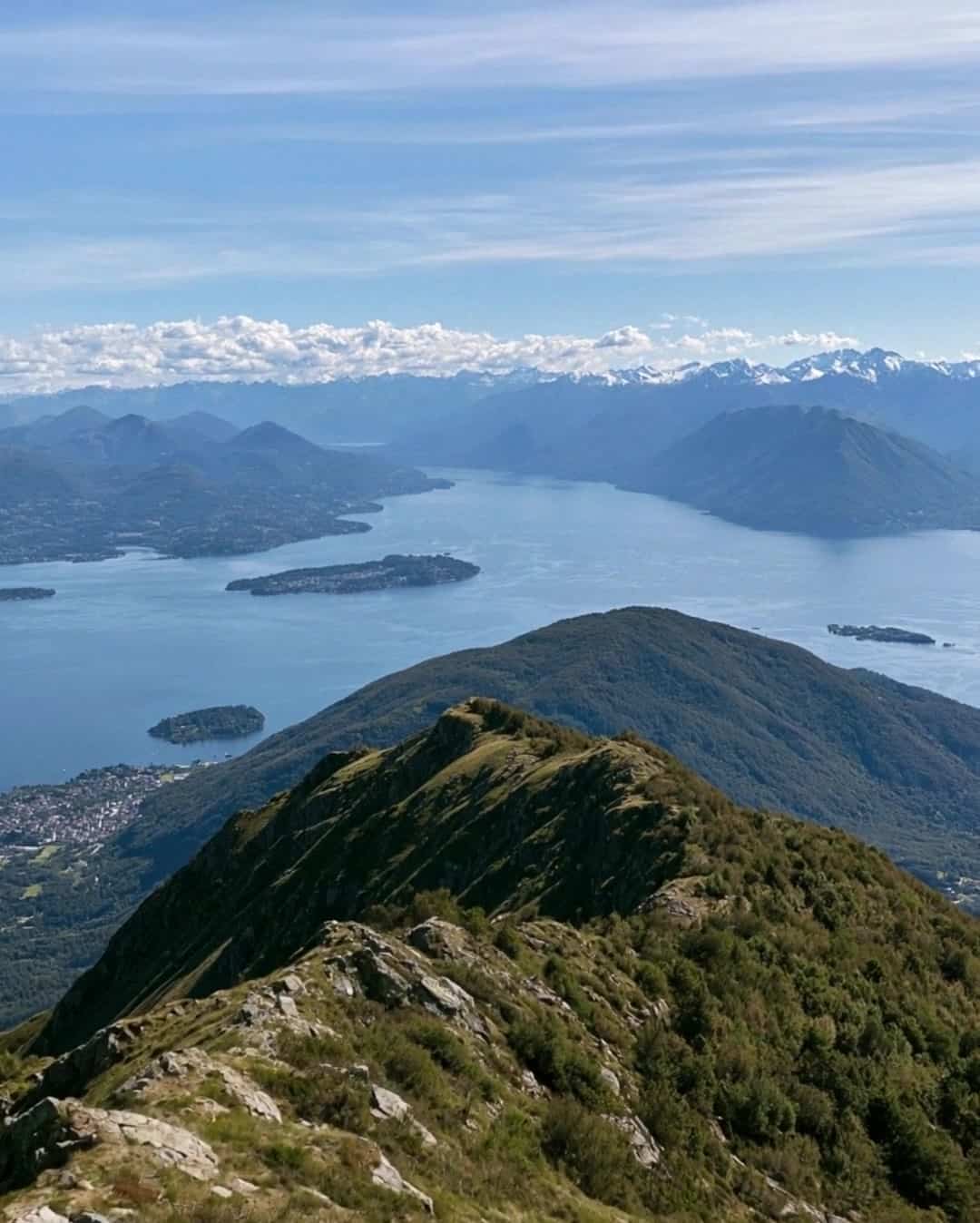
For the widest view on the whole lake, climb Mottarone. From the summit at 1,491 metres the panorama opens across seven lakes and lifts all the way to the snows of Monte Rosa. One important practical note: the cable car has been closed since 2021 and has not reopened, so you reach the top by road. That is no hardship, and it means you can time your arrival for the light. Clear, dry mornings give the crispest long-distance visibility before afternoon haze builds. I shoot a wide panorama with a strong foreground of alpine grass or rock to anchor the enormous distance, then a second, tighter frame that isolates Monte Rosa floating above the nearer ridges. Go early, and take a layer; it is cool up there even in high summer.
Isola Madre
Isola Madre is the quietest and, to my mind, the most enchanting of the islands. Its botanical garden is home to free-roaming white peacocks and a vast Kashmir cypress, one of the oldest in Europe, and both are irresistible to a camera. For the peacocks, patience and a wide aperture are everything; I wait for one to cross a shaded path and shoot at eye level, letting the background dissolve so the bird glows. The great cypress needs a person or a bench in the frame to convey its scale. Soft, dappled morning light suits the garden best, before the sun climbs high and hardens the shadows. It is a gentle, generous place to photograph.
A Few Tips on Light and Timing
The lake rewards early risers. Soft morning light, before the day’s haze and the ferry crowds arrive, gives you clean water and delicate shadows, and it is the kindest time for the gardens and the islands. Golden hour is your other window, and it is unbeatable for the Stresa lungolago and the Cannero castles, where warmth matters more than clarity. Shoot from the ferries whenever you can; the deck gives you angles across the water that you simply cannot get from the shore, and a day ticket lets you ride back and forth chasing the light. As for season, spring is for the gardens, when Villa Taranto is at its most colourful, and autumn is for the wider landscape, when the wooded slopes turn and the air clears. For a fuller itinerary beyond photography, see my roundup of the best things to do on the lake.
Frequently Asked Questions
What is the most iconic photo spot on Lake Maggiore?
It is Isola Bella seen from the water, without question. The ten terraced gardens rising like the stern of a stone ship is the image the lake is known for, and the ferry approach delivers it perfectly. No other frame is quite so instantly recognisable.
What is the best time of day for photos?
Early morning and golden hour, every time. Soft morning light gives you calm water, clean reflections and gentle shadows before the crowds arrive, while the half hour before sunset warms the belle-époque facades at Stresa and the ruined castles at Cannero. The harsh light of midday is the one thing I would avoid.
Spring or autumn for photography?
It depends on what you are after. Spring, and late April in particular, is unbeatable for the gardens, when Villa Taranto’s tulips and azaleas are at their peak. Autumn is quieter and clearer, with turning colour on the wooded slopes and crisp long-distance views from Mottarone. I love both for different reasons.
Can you get the Isola Bella shot without a private boat?
Yes, and this is the happy secret of the lake. The classic Isola Bella frame is taken from the public ferry as it swings in towards the island, so a simple day ticket is all you need. Position yourself at the deck rail on the approach and you will have the same view as any private launch.
Related
Read more in my guide to the Borromean Islands, my roundup of the best things to do, and my complete guide to Lake Maggiore.