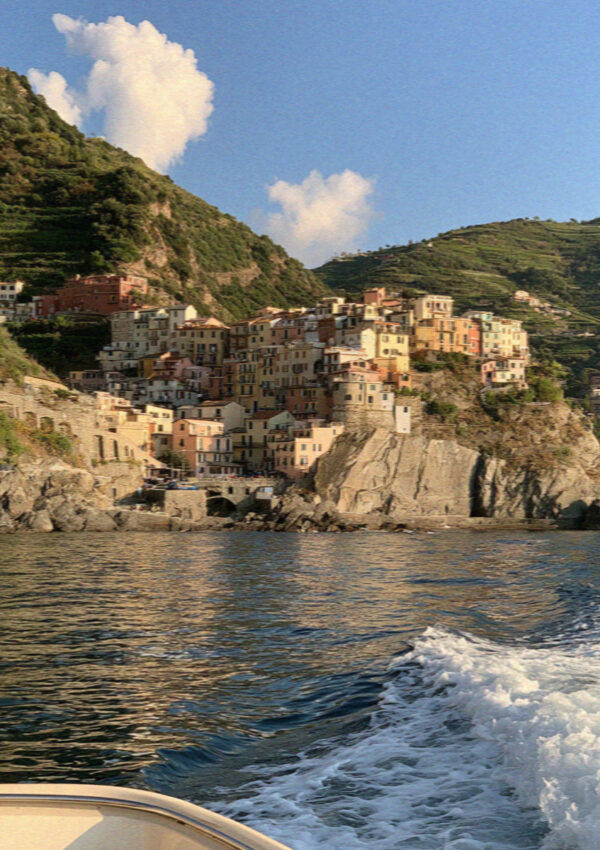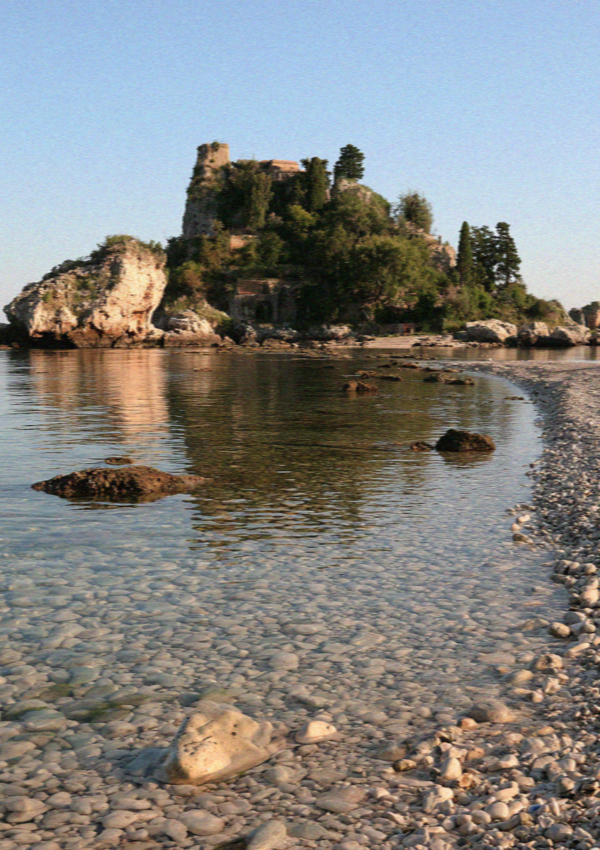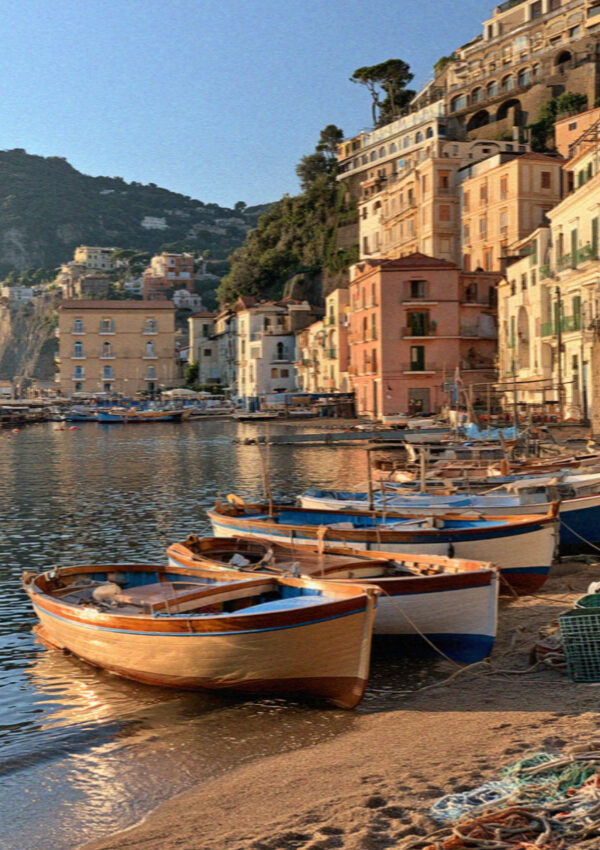
Everyone who asks me how to get to Amalfi is quietly hoping the answer is simple, and it is, once you accept the first truth of this coast: Amalfi has no airport and no railway station. You cannot land here and you cannot take a train to the door. You always arrive by boat, by bus or by car, along a shoreline that was never built for hurry. I will tell you which of those to choose, and when, and why the sea is nearly always the right answer.
The Nearest Airports and Stations
The nearest airport is Naples, called Capodichino, an hour or so of city and motorway from the coast before the road even begins to climb. There is no closer option worth the detour, so Naples is where most journeys start. For the railways, the two names to hold in your head are Naples Centrale and Salerno. A fast train from Naples to Salerno takes only about thirty-five to forty-five minutes, and Salerno, more than Naples, is the town that hands you off gently to the water. Neither station is in Amalfi. Nothing is. That is rather the point of the place, and the reason it has kept its composure while the rest of the world learned to arrive too quickly.
Plan Your Visit to the Amalfi Coast
A few things I booked and loved. These help support the blog, at no cost to you.
- Where I stayed: search Amalfi Coast hotels
- Boat tours and Amalfi Coast tickets
- Stay connected: get a travel eSIM
This section contains affiliate links. If you book through them I may earn a small commission, at no extra cost to you.
Arriving by Ferry, the Best Way
If you take one piece of advice from me, take this one. Arrive by ferry. From roughly April to October, with some routes opening from late March, the sea does the work the road resents, and it does it beautifully. From Salerno the crossing runs about thirty-five to seventy minutes, from around ten euros, with Travelmar and Alicost among the operators. From Positano it is shorter, about twenty-five to forty minutes and from around eight euros. From Sorrento reckon on fifty minutes and from around 16.50 euros; from Capri, from around twenty-one euros on the fast ferry, about forty minutes. And from the near neighbours, Minori from around four euros and Maiori from around five, you are barely seated before you stand again.

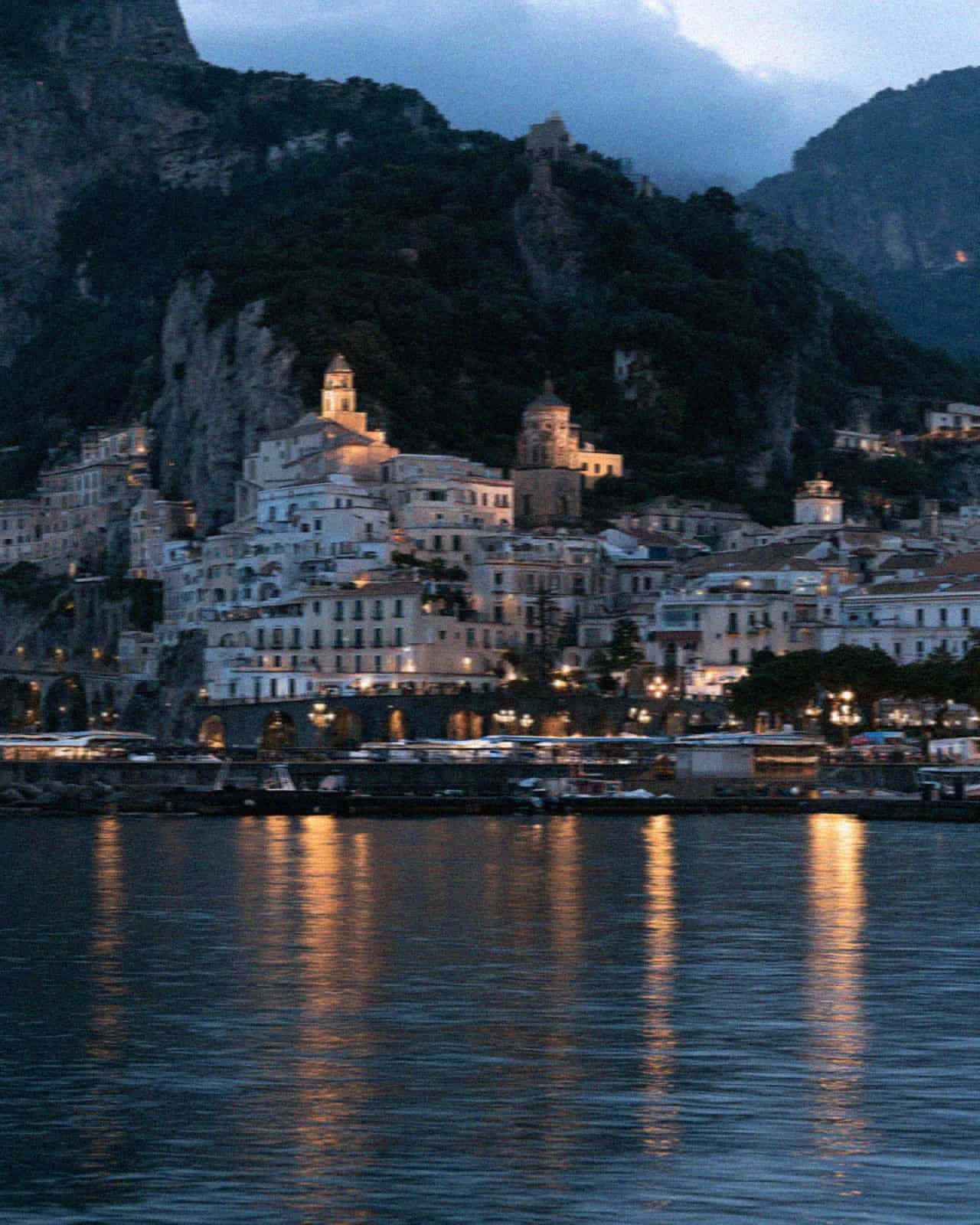
The ferry sets you down at the harbour with the Duomo rising ahead and the town gathered in its cleft, and there is nothing to do except begin. Buy at the harbour ticket booth or online; both are painless. One honest caveat, and it matters: the ferries do not run in winter. From November the sea withdraws its offer and you are back to the road, which changes the whole character of the trip.
Arriving by SITA Bus and the Amalfi Drive
The orange SITA buses are the coast’s circulatory system, threading the famous corniche that everyone photographs and few drive twice. From Sorrento along the Amalfi Drive the journey takes about an hour and forty minutes; from Salerno about an hour and fifteen. Tickets cost only a few euros, but buy them in advance at the tabacchino before you board, because you cannot buy them from the driver and the queue does not wait for the unprepared.
Two practical things I have learned the hard way. In summer the bus is often full, and full means standing on bends that were not designed for standing. And if you can, sit on the right leaving Sorrento, where the sea unrolls beneath you and two buses somehow pass on a road built for one and a half. The Drive is genuinely lovely and genuinely slow. Treat it as part of the holiday rather than a transfer to be endured, and it repays you.
The Train-plus-Ferry Combination from Naples
This is the route I recommend most often, because it takes the fast, comfortable part of the journey and lets the railways handle it, then gives the last stretch to the water. Take the fast train from Naples to Salerno, about forty minutes, then step almost straight onto a ferry for the crossing to Amalfi, around an hour. If the ferries are not running, or you would rather stay on land, the SITA bus from Salerno does the job instead. There is a second version by way of the Circumvesuviana local train from Naples to Sorrento, and then bus or ferry from there, though the Circumvesuviana is a humbler, slower creature than its name suggests. Of all the combinations, Salerno and then the ferry is the most comfortable, and the one I would book first.
Arriving by Car, and Why Not To
You can drive to Amalfi. I would rather you did not. The coast road is narrow, slow and, through the summer, thoroughly crowded, and much of your day is spent watching two buses negotiate a blind bend while you hold your breath on their behalf. Parking, once you arrive, is scarce and expensive, with garages running roughly twenty to thirty euros a day and climbing from there. And here is the part people forget: once you have arrived, the car is useless. The town is walked on foot and the coast is reached by boat. A car in Amalfi is a possession that only takes and never gives. If you have driven this far, leave it in Salerno and come the rest of the way by sea.
Private Transfers
There are days when the sensible answer is simply to be driven, and I will not pretend otherwise. A private transfer from Naples or the airport costs roughly 120 to 180 euros per car and takes about an hour and forty-five minutes, door to door, with your luggage stowed and none of the tabacchino choreography. Split across a group of three or four it stops looking like an extravagance and starts looking like good sense, particularly if you arrive tired, late, or with more suitcases than dignity. It is the one land route I recommend without reservation, because someone else takes the strain of those bends.
Getting Around Once You Are There
Amalfi itself is small and made for walking. The town folds up a single valley, and you will cover it comfortably on foot, the shops and the Duomo and the little lanes all within a few unhurried minutes of the square. For the rest of the coast, return to the harbour and the square, where the ferries and the SITA buses gather. Positano, Ravello by way of the valley, the quieter neighbours at Minori and Maiori, all of it opens up from those two points. You do not need a car and you will not want one. You need a ferry timetable and a pair of shoes you can trust on old stone.
A Word on the Season
Plan around the water. From late March to the end of October the ferries run, the coast is at its most itself, and arriving by sea is not only possible but joyful. Outside that window, from November through the early spring, the boats stop and the road becomes your only option, quieter and greyer and more honest, with a beauty of its own but far less ease. If your heart is set on that first-glimpse arrival by ferry, come between spring and autumn. If you come in winter, come knowing the sea has closed its door and the bus is waiting.
Frequently Asked Questions
Does Amalfi have a train station?
No. Amalfi has neither a railway station nor an airport. The nearest useful stations are Naples Centrale and Salerno, and from Salerno you continue the final stretch by ferry in season, or by SITA bus along the coast road.
What is the best way to get to Amalfi?
By ferry, without much hesitation, from roughly April to October. The sea approach is faster, calmer and far lovelier than the road, and it sets you down right at the harbour beneath the Duomo. In winter, when the ferries stop, the SITA bus or a private transfer is the practical choice instead.
How do you get from Naples to Amalfi?
The most comfortable route is the fast train from Naples to Salerno, about forty minutes, then a ferry across to Amalfi, around an hour. Outside ferry season, take the SITA bus from Salerno instead, or arrange a private transfer straight from the airport for roughly 120 to 180 euros per car.
Arrive by water if you possibly can, and let Amalfi gather you in at the harbour the way it has gathered travellers for centuries. When you have decided how to come, let me help you with the rest: begin with Victoria’s Complete Guide to Amalfi, then settle the question of where to stay in Amalfi, and when you are ready to wander, consider the best day trips from Amalfi. The journey, I promise, is already part of the pleasure.