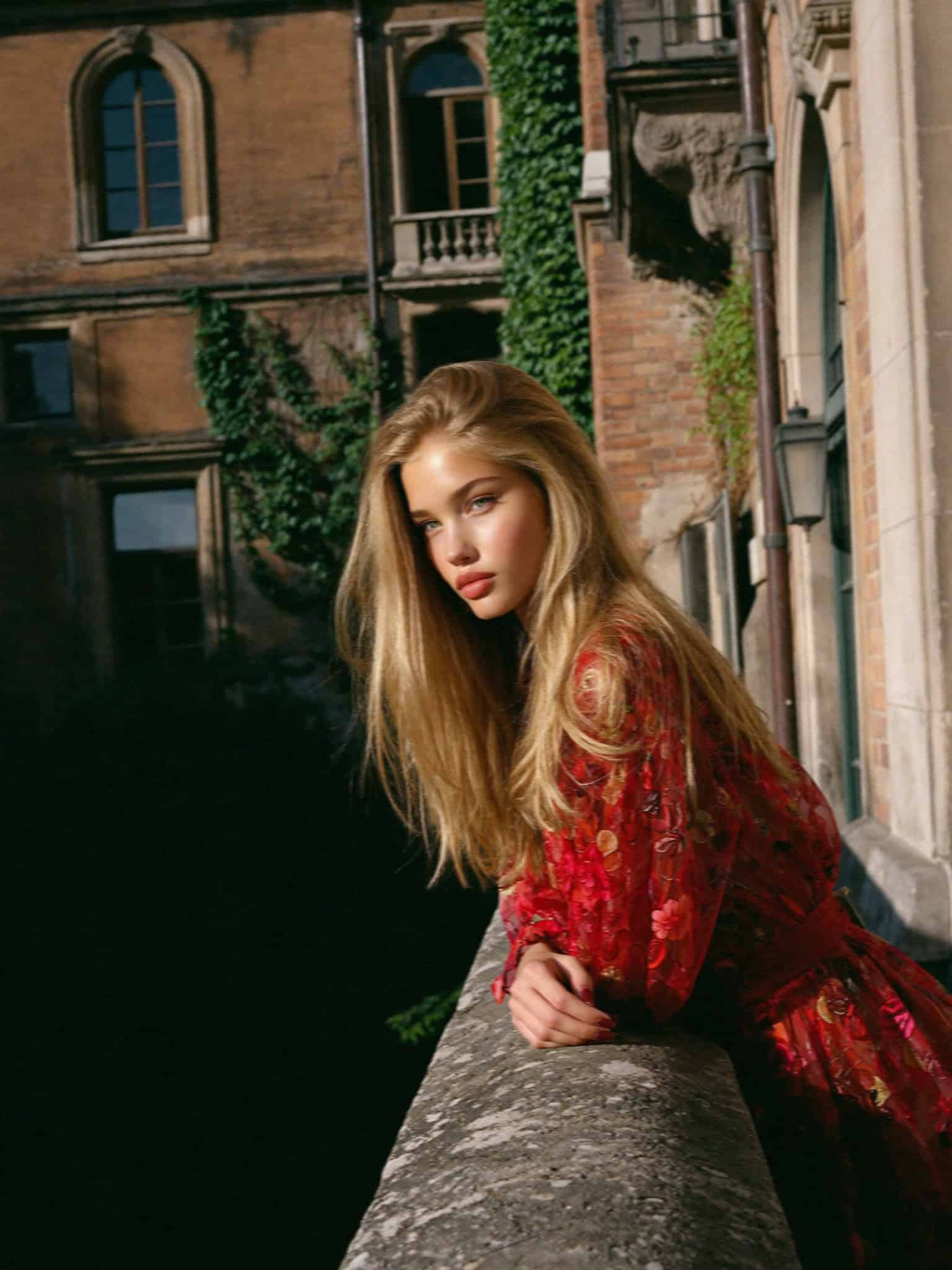
Verona is one of those cities that photographs almost by accident, all warm marble and red brick and a green river looping through the middle of it, but the truly memorable images take a little knowing, the right corner at the right hour. I have walked this city at dawn with a coffee going cold in my hand and climbed to its belvedere at dusk more times than I can count, and these are the places I return to, arranged more or less as you might walk them, with the honest note on when the light is kindest that I always want and rarely find.
Piazza delle Erbe and the Torre dei Lamberti
Start in Piazza delle Erbe, the old Roman forum and still the market square, because it gives you two very different shots. At ground level, the frescoed façades, the flower stalls and the little fountain of Madonna Verona frame beautifully in the soft light of early morning, before the crowds and the market awnings fill it. Then climb the Torre dei Lamberti for the view that everyone remembers: eighty-four metres up, the terracotta rooftops tumble away, the Adige loops green around the old town, and the Arena sits pale in its square with the mountains blue behind. Go up in the last hour before sunset, when the roofs turn to amber and the shadows lengthen. There is a glass lift if you would rather save your legs for the evening.
Plan Your Visit to Verona
A few things I booked and loved. These help support the blog, at no cost to you.
- Where I stayed: search Verona hotels
- Verona Arena and attraction tickets
- Rent a car to explore the area
- Stay connected: get a travel eSIM
This section contains affiliate links. If you book through them I may earn a small commission, at no extra cost to you.
Ponte Pietra at golden hour
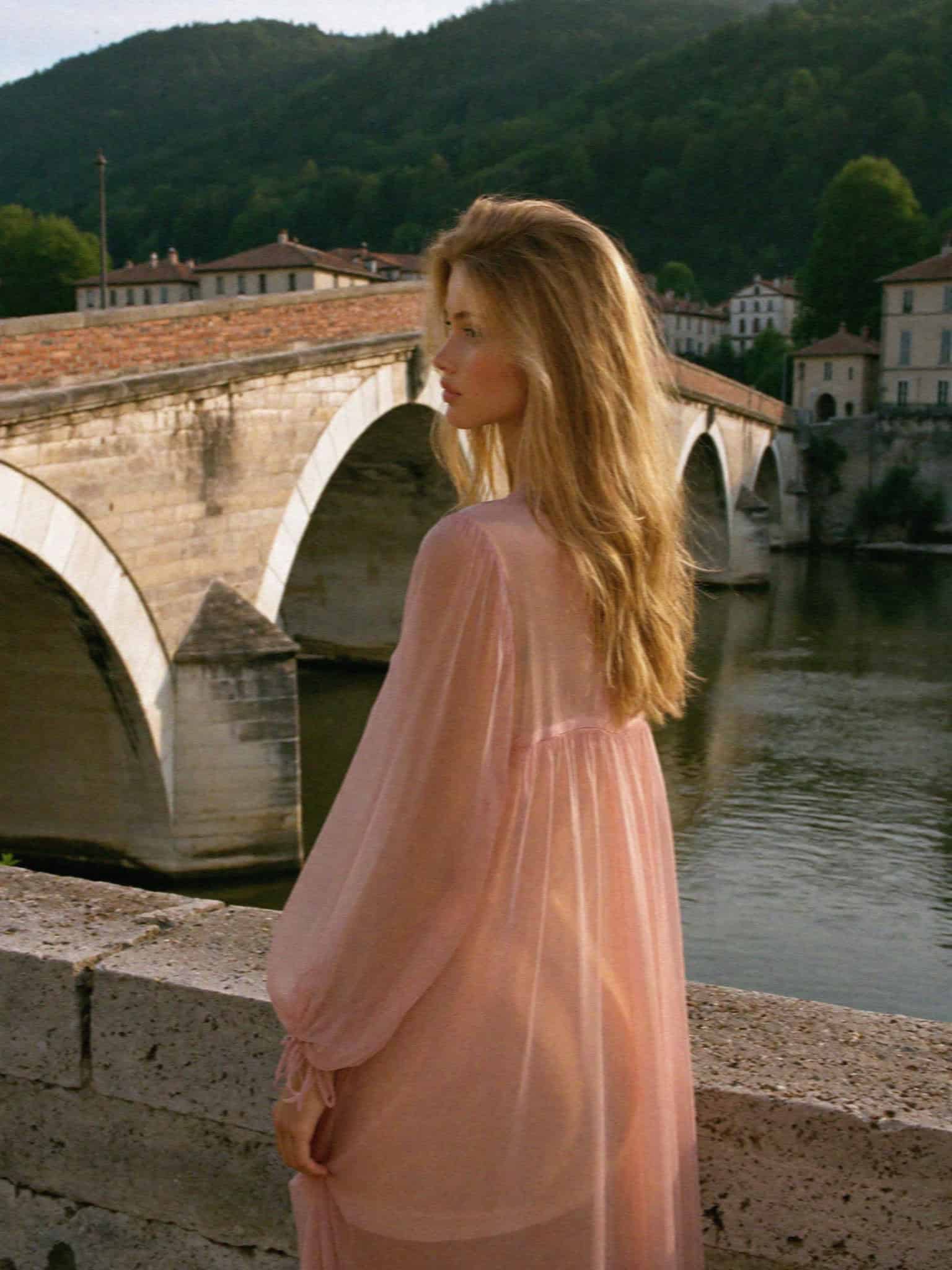
If you take only one photograph in Verona, make it the Ponte Pietra. This ancient Roman bridge of pale stone and warm brick arches across the Adige on the eastern edge of the old town, and in the last light of the day it glows against the water while the hillside of cypresses and the Teatro Romano rise behind it. Stand on the bank just downstream, or on the bridge itself looking back at the old town, and wait for the moment the sun drops, and the stone catches fire. It is the most photographed view in the city for a reason, and it never disappoints.
Castel San Pietro, the whole city in one frame
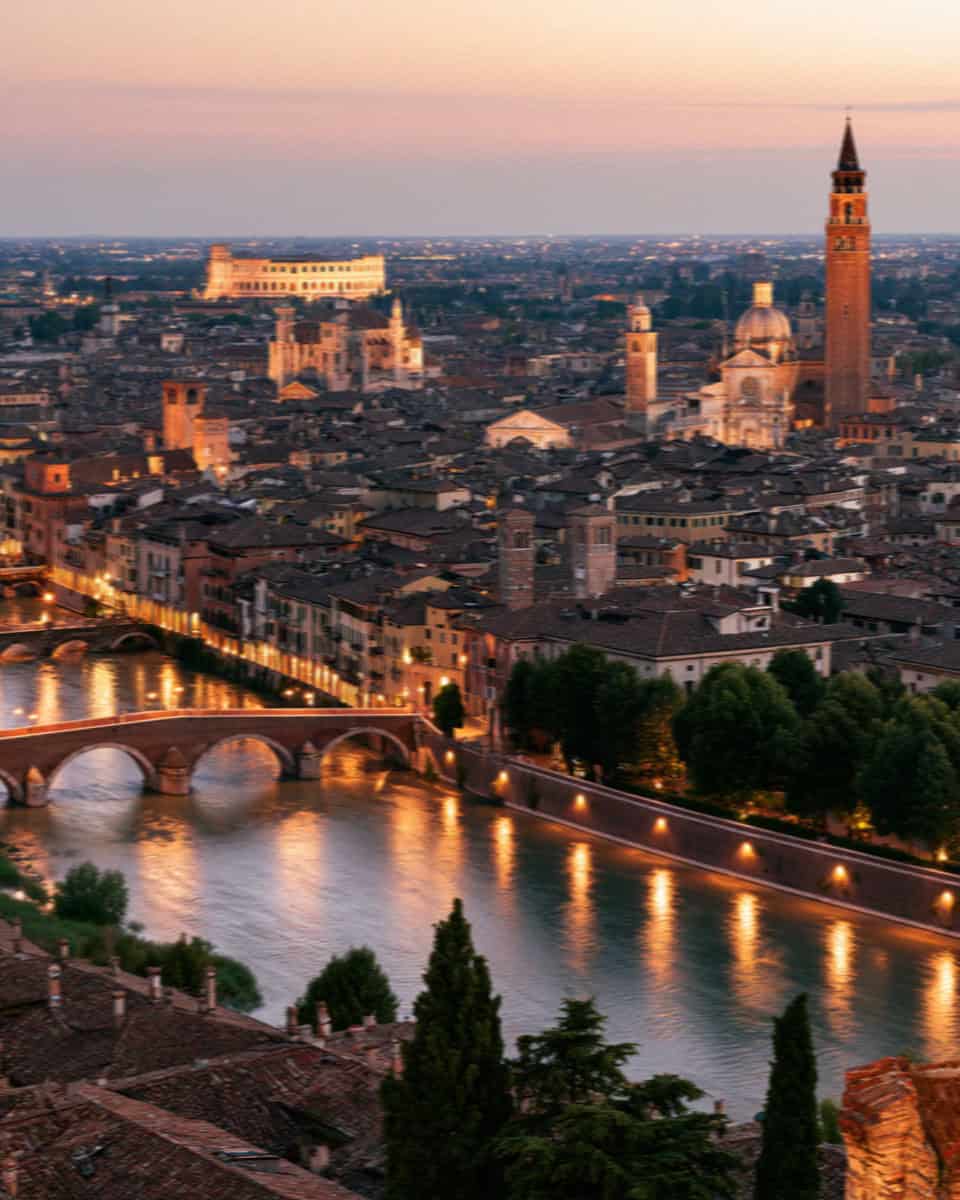
For the grand panorama, climb to the belvedere of Castel San Pietro on the eastern heights, reached by a steep stepped path or a little funicular. From the terrace, the entire city arranges itself below you in one sweep, the river and its bridges, the domes and bell towers, the Arena in the distance, the mountains beyond. This is the sunset spot, and though you will share it with a crowd, the view earns every one of them. Come a little early to claim a spot on the wall, and stay for the blue hour, when the city lights come on one by one.
The Castelvecchio bridge
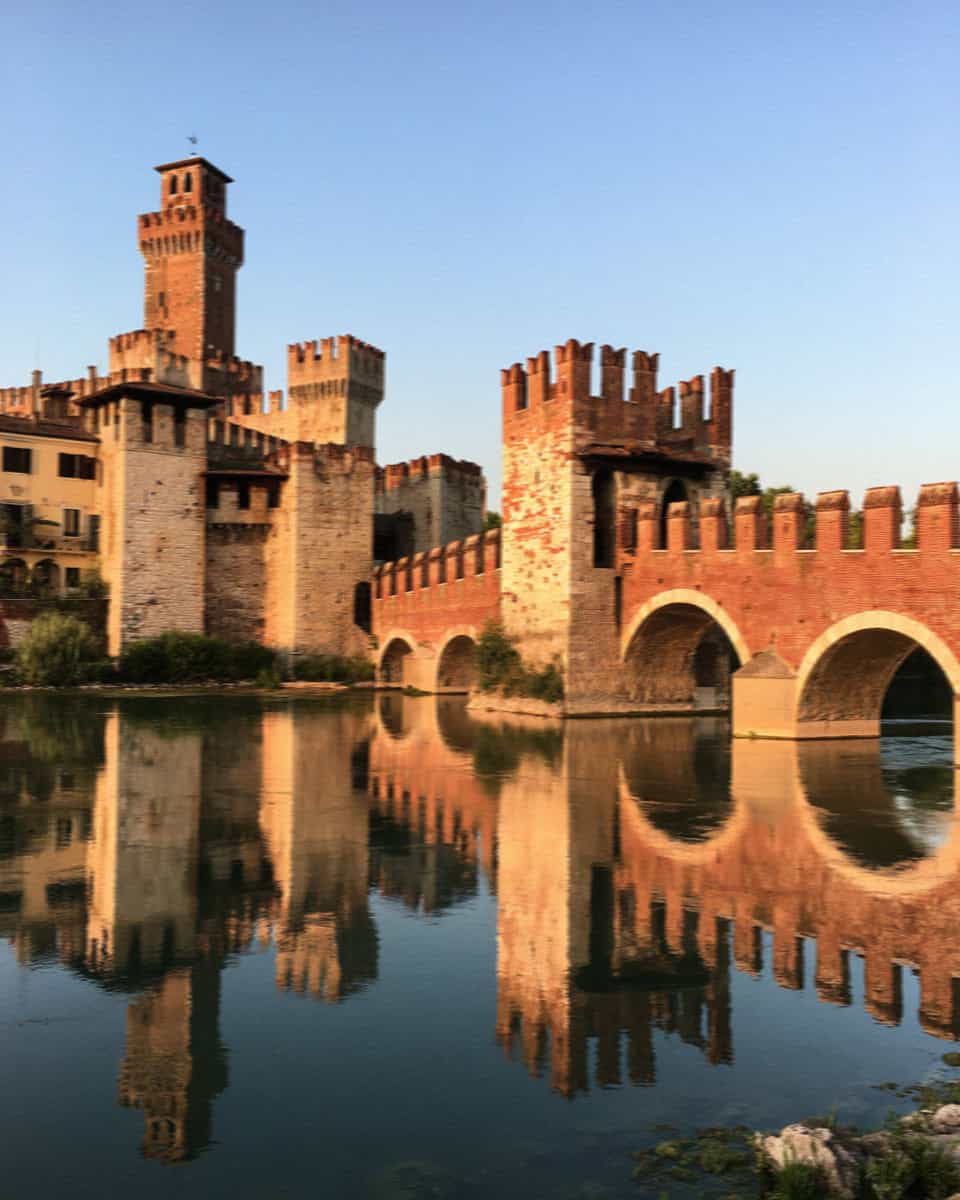
To the west, the Ponte Scaligero, the fortified swallowtail bridge behind Castelvecchio, is pure medieval drama, all warm red brick and forked crenellations reflected in the river. Photograph it from the riverbank downstream for the full sweep of its arches, or walk out onto it and frame the castle’s towers through the battlements. Morning light from the east catches the brick warmly; a still evening gives you the reflection. Either way it is one of the loveliest structures in the city.
Juliet’s balcony and the courtyard
Yes, it is a tourist crush, but the Casa di Giulietta makes a wonderful photograph if you time it. Arrive right at opening or in the last hour of the day, when the little courtyard is quieter, and shoot the famous balcony from below with the walls of love notes and the bronze Juliet in the frame. The paid ticket lets you stand on the balcony itself for the reverse shot looking down into the courtyard. It is unashamedly romantic, and sometimes that is exactly the picture you want.
The Arena, by day and by night
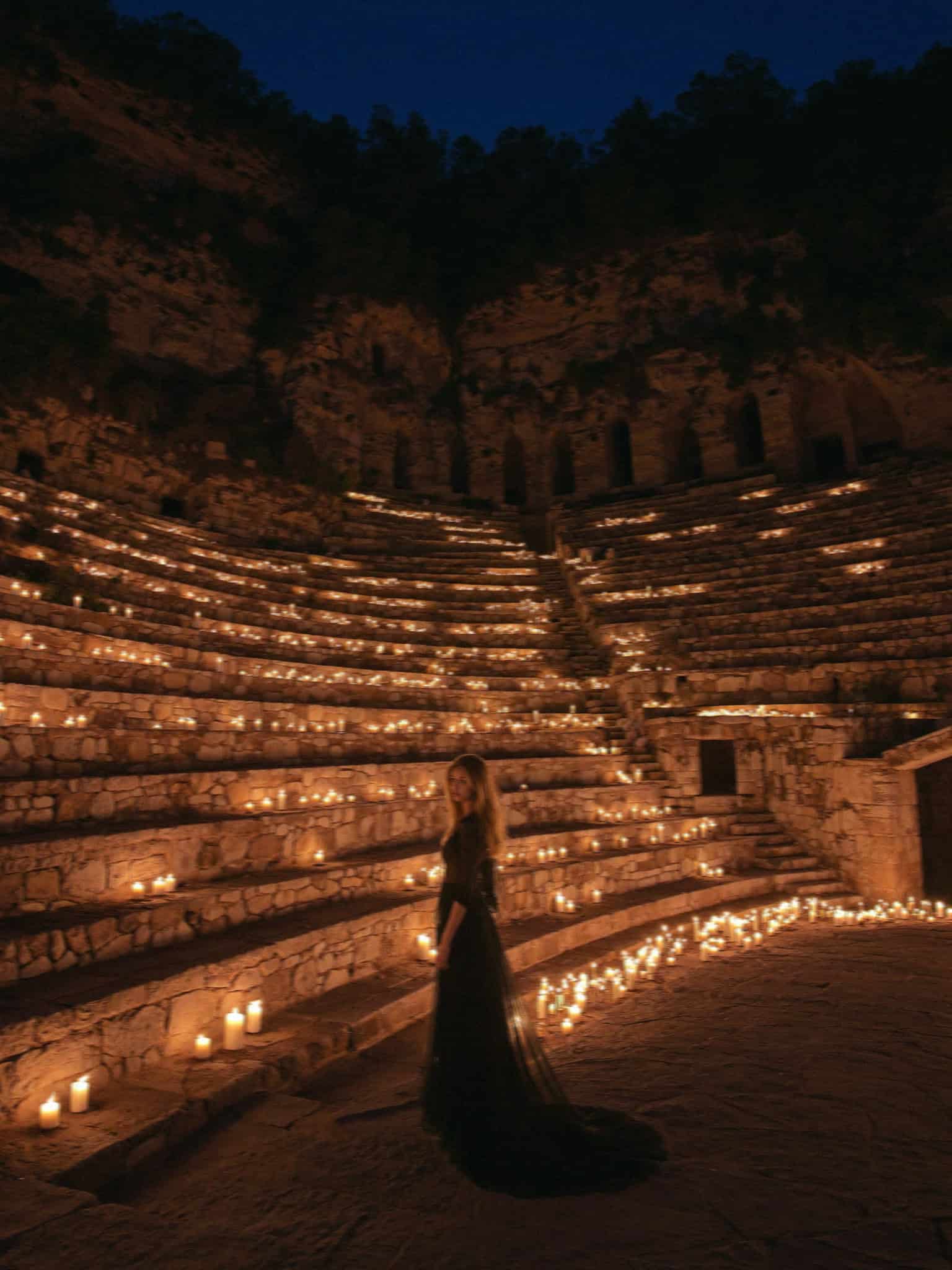
The Arena rewards the camera in two moods. By day, walk inside and shoot the vast pink-and-white oval of ancient stone, the tiers of steps sweeping around you. By night, and especially on an opera evening, photograph it from across Piazza Bra as it floods with warm light and the crowds gather, or from the rooftop bar of the Hotel Milano for the view straight down into the amphitheatre. Blue hour, just after sunset, is when the lit stone glows most beautifully against a deepening sky.
Piazza dei Signori and the Scaliger Tombs
For quieter, more architectural frames, step into Piazza dei Signori, the elegant civic square with its statue of Dante and its ring of medieval palaces, lovely in the raking morning light. Just beside it, the Scaliger Tombs are a photographer’s gift, extraordinary Gothic monuments of white marble and wrought iron rising in pinnacled canopies; shoot them through the ironwork for depth. And for a pocket of green, the cypress avenue and belvedere of the Giardino Giusti give you formal Renaissance symmetry and a fine high view back over the rooftops.
Practical tips for shooting Verona
A few things I have learned here. The golden hour does most of the work, warming the marble and the brick and softening the crowds into silhouettes, so plan your key shots for the first hour after sunrise or the last before sunset. For the panoramas from Castel San Pietro and the Torre dei Lamberti, a wide lens helps, but the loveliest frames are often the tighter ones, a single bridge, a fountain, a fall of love notes. Verona’s streets are narrow and the light bounces, so mornings on the eastern bank and evenings on the western bank tend to work best. And a gentle word on the crowds: at Juliet’s House and on the Ponte Pietro at sunset you will not be alone, so either lean into the people as part of the picture or arrive at the very edges of the day. Respect the churches, where photography is sometimes limited, and keep an eye on your bag in the busy squares as you would anywhere.
Frequently Asked Questions
What is the most photogenic spot in Verona?
The Ponte Pietra at golden hour, the Roman bridge glowing against the river with the cypress hillside behind, is the classic Verona image. A close second is the panorama from Castel San Pietro, which puts the whole city in one frame.
What is the best spot for sunset in Verona?
The belvedere of Castel San Pietro on the eastern heights, reached by a steep path or a short funicular. The whole city lays out below you as the light goes, and the blue hour that follows is even better. The Ponte Pietra just below it is a fine alternative.
Where can I photograph the Arena best?
By day, from inside the amphitheatre and from across Piazza Bra; by night, from Piazza Bra as it floods with light, or from the rooftop bar of the Hotel Milano, which looks straight down into it. Blue hour just after sunset is the magic moment.
Is the view from the Torre dei Lamberti worth it?
Yes. The eighty-four metre tower gives the best high view within the old town, the rooftops, the river and the Arena all in one, and there is a glass lift if you would rather not climb. Go in the last hour before sunset for the warmest light.
Related
Read next: the best things to do in Verona, the perfect Verona itinerary, and Victoria’s complete guide to Verona.