Verona is a city that rewards a plan only so that you can then abandon it. Everything worth seeing sits inside one loop of the river, so the point of an itinerary here is not to march but to sequence the day well, to be at the belvedere for sunset and in the squares for the evening and inside the Arena before the crowds. This is how I would spend two unhurried days in the city, with a third for an opera night to breathe around and a fourth to escape into the lake or the vineyards. Adjust freely; nothing here is more than a short walk from anything else.
Day one, the heart of the city
Begin in Piazza Bra, the great fan-shaped square, with a coffee at a café table and the Arena filling the view. Go in early, when the light is still soft and the stone almost empty, and climb the worn steps to feel the scale of a Roman amphitheatre that has stood for two thousand years and still fills with music every summer night. From Piazza Bra, walk the dead-straight Via Mazzini, Verona’s elegant shopping street, up to Piazza delle Erbe, the old Roman forum and still the market square, all frescoed palaces and flower stalls and the little fountain of Madonna Verona.
Climb the Torre dei Lamberti here for the view that ties the whole city together, the rooftops and the river and the far mountains, taking the glass lift if you would rather. Back down, slip through the archway to the calmer Piazza dei Signori with its brooding statue of Dante, and see the extraordinary Scaliger Tombs nearby. Then make the short pilgrimage to Juliet’s House, arriving with a timed ticket if you mean to stand on the balcony, and leave a wish in the courtyard. Spend the late afternoon simply wandering, and take your aperitivo standing in Piazza delle Erbe as the light turns gold. Dinner should be gnocchi or risotto all’Amarone in an old osteria.
Plan Your Visit to Verona
A few things I booked and loved. These help support the blog, at no cost to you.
- Where I stayed: search Verona hotels
- Verona Arena and attraction tickets
- Rent a car to explore the area
- Stay connected: get a travel eSIM
This section contains affiliate links. If you book through them I may earn a small commission, at no extra cost to you.
Day two, the river, the castle and the view
Give the morning to the western side. Walk to Castelvecchio, the red-brick fortress of the Scaligeri, and see its beautifully staged museum, then step out onto the Ponte Scaligero, the castle’s swallowtail bridge over the Adige, one of the loveliest walks in the city. From here it is a pleasant stroll or short bus ride out to the Basilica di San Zeno Maggiore, a Romanesque masterpiece with storybook bronze doors and a luminous Mantegna altarpiece; it is worth the small detour.
In the afternoon cross the river to the eastern bank. Visit the Renaissance Giardino Giusti, a garden of clipped hedges and cypress avenues with a little belvedere and centuries of calm. Then climb, by the steep path or the little funicular, to Castel San Pietro, where the whole city unrolls beneath you, the river, the bridges, the domes, the Arena in the distance. This is where everyone comes for sunset, and it earns the crowd. Below it the Teatro Romano, older than the Arena, still stages summer plays. Come down for dinner in Veronetta, the bohemian quarter, where the osterie are honest and the wine flows cheaply.
Day three, an opera night, or a slower loop
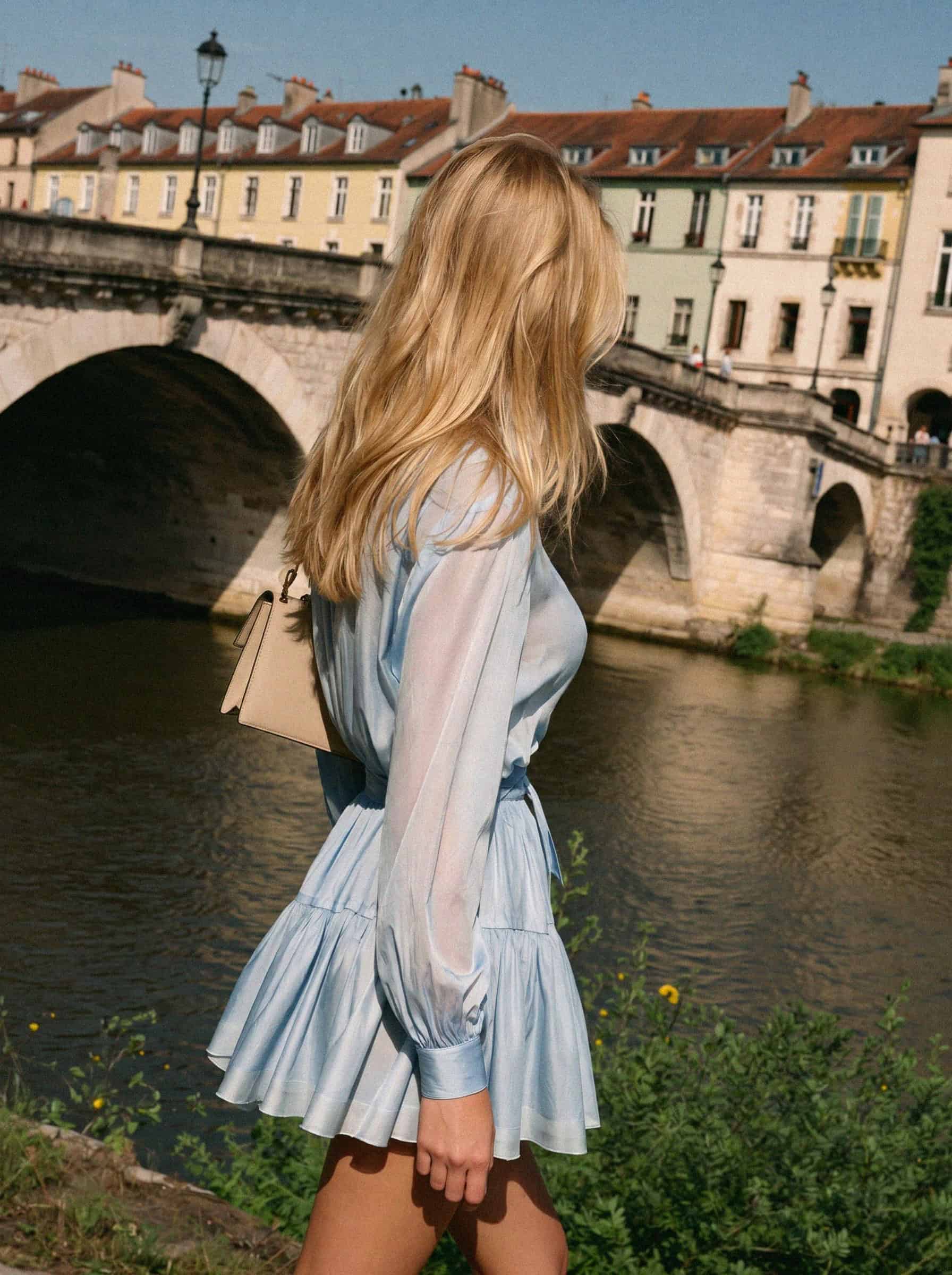
If you have timed your visit to the festival between mid June and mid September, day three belongs to the Arena at night. Keep the day gentle, a long lunch, a swim if your hotel has a pool, a nap, because the evening is the event. Arrive early, hire a cushion for the stone steps, bring a light layer, and watch twenty thousand people settle onto the ancient stone as a little candle is passed hand to hand and the stars come out. It is one of the great experiences in Italy.
If there is no opera, use the third day to go deeper, the churches of Sant’Anastasia and the Duomo, the frescoes, the quieter lanes, a long lunch in the Valpolicella hills, or simply the same squares at a slower pace. Verona repays a second, unhurried look.
Day four, escape to the lake or the vines
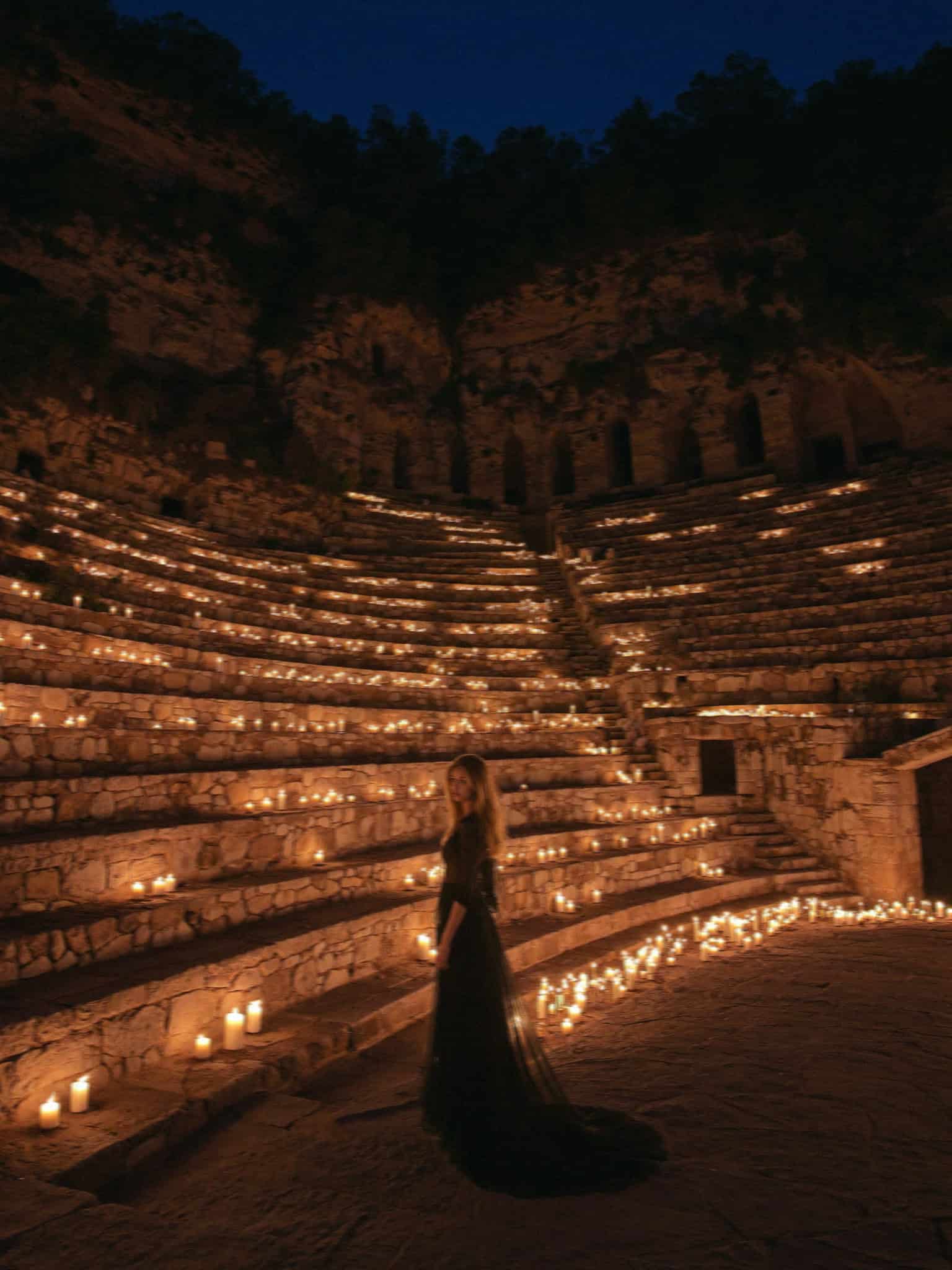
With a fourth day, do what I always do and leave the city for the countryside. Lake Garda is thirty to forty minutes away, and the fairytale peninsula of Sirmione, with its moated castle and warm thermal shallows, makes a perfect day. Or turn instead to the Valpolicella, whose vineyards begin almost at the ring road, for a cellar visit and a tasting of Amarone at its source. Wine lovers might prefer the walled town of Soave and its hilltop castle, and those drawn to art could take the short train to Vicenza and its Palladian villas or to Mantua. My guide to the best day trips from Verona lays them all out.
A seven-day version
If Verona is your base for a full week, keep the two city days above and build the rest as day trips: Lake Garda’s southern shore, a Valpolicella wine day, Venice for a day of canals barely over an hour away, Mantua or Vicenza for art and architecture, and one day kept entirely free for the squares, the river and whatever the city offers up. A week here, using Verona as a hub, gives you the whole eastern edge of northern Italy without ever changing hotels.
A few tips to make the days flow
Buy the VeronaCard on arrival if you mean to see three or more paid sights; it covers the Arena, Juliet’s House, Castelvecchio, the tower and more, plus the buses, and saves both money and queuing. Book Juliet’s House and any opera tickets online in advance, as both now require timed or reserved entry. Start early each morning to have the Arena and the squares before the coaches arrive, keep the hottest hours of a summer afternoon for shaded churches, museums or a rest, and give the golden hour to a climb, either the Torre dei Lamberti or Castel San Pietro. Wear comfortable shoes for the marble, carry water in summer, and leave room in the plan for the thing Verona does best, an unplanned hour at a café table watching a square go about its evening.
Frequently Asked Questions
How many days do you need in Verona?
Two full days cover the city comfortably. Add a third for an opera night at the Arena and a fourth for a day trip to Lake Garda or the Valpolicella. A week works beautifully if you use Verona as a base for the wider region.
What is the best base for this itinerary?
A hotel in the Città Antica, the historic centre inside the river bend, ideally near Piazza Bra or Piazza delle Erbe. Everything in the city is then a short walk away, and the trains for day trips leave from Porta Nuova nearby.
Can you see Verona in one day?
You can see the essentials in one long day, the Arena, the squares, Juliet’s House and a climb for the view, but it will feel rushed and you will miss the city’s finest hours in the early morning and the evening. Two days is far better.
Is Verona a good base for northern Italy?
Excellent. It sits on the high-speed line between Milan and Venice, with Lake Garda, the Valpolicella, Vicenza and Mantua all within easy reach, so you can explore a wide region without moving hotels.
Related
Read next: the best things to do in Verona, the best day trips from Verona, and Victoria’s complete guide to Verona.